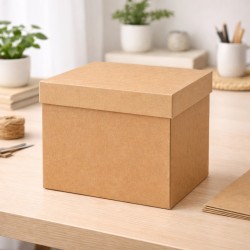
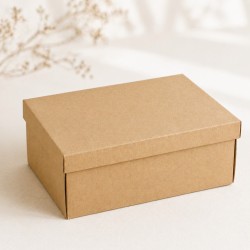
A hinged box is prepared by folding and fitting the prepared parts. It's useful when you pack orders regularly in...
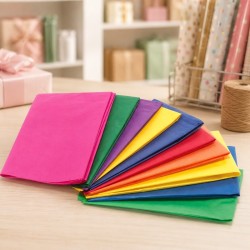
Colored Tissue Paper in Sheets cm.70x100 Pack of 70 sheets€18.61
 ChartaRè, RossiCarta's Online Packaging Store



Tell us about yourself
Fill in the form and we will contact you to find the right solution together.
Latest posts
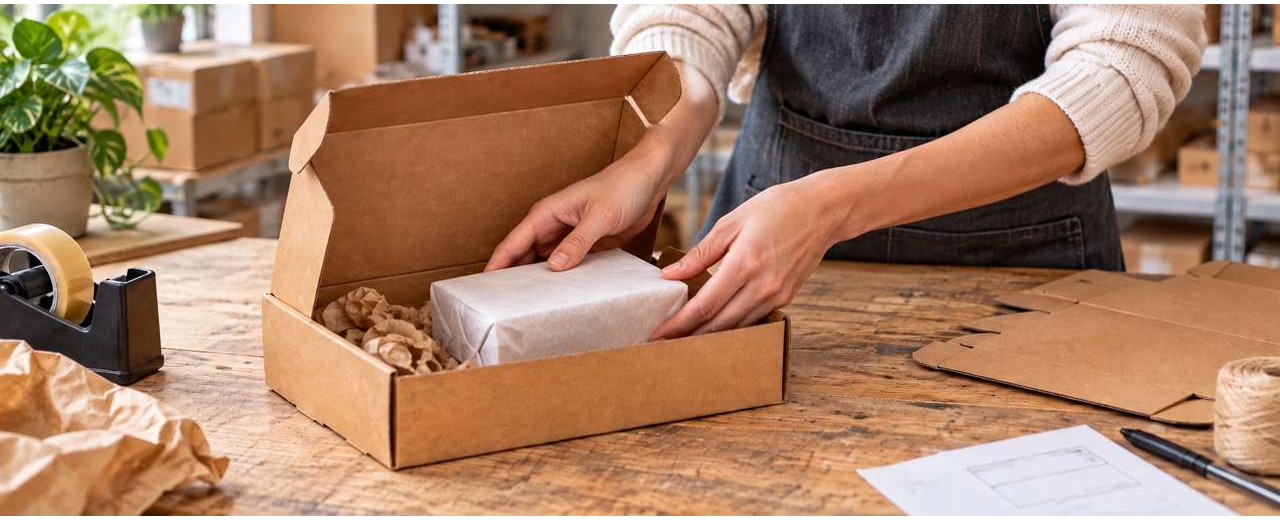
A hinged box is prepared by folding and fitting the prepared parts. It's useful when you pack orders regularly in...
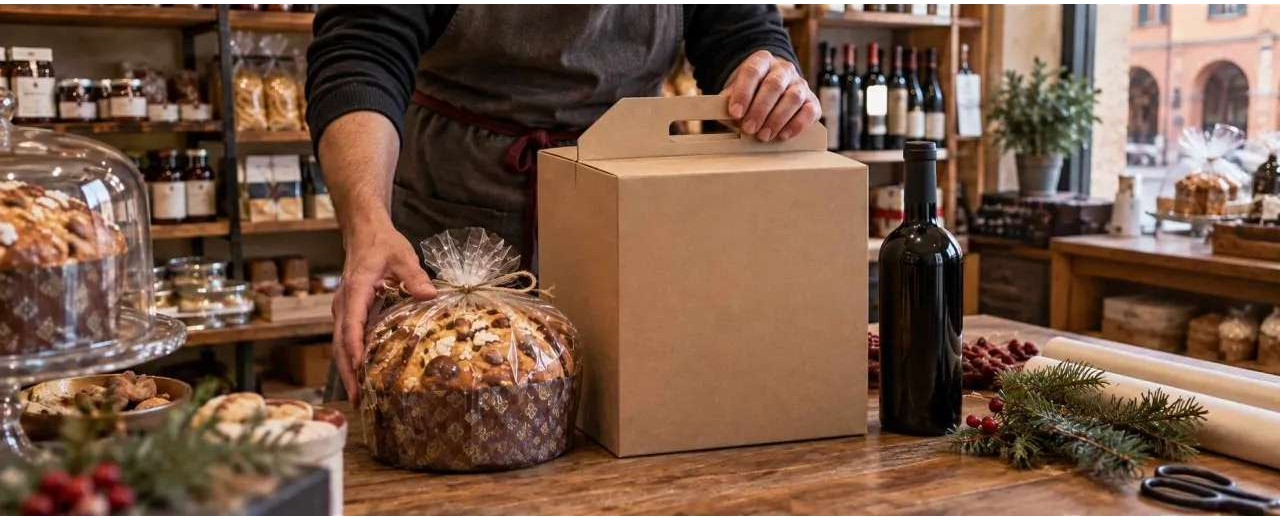
A shopper accompanies the customer out of the store. A box presents the product when it is opened. A staff T-shirt...
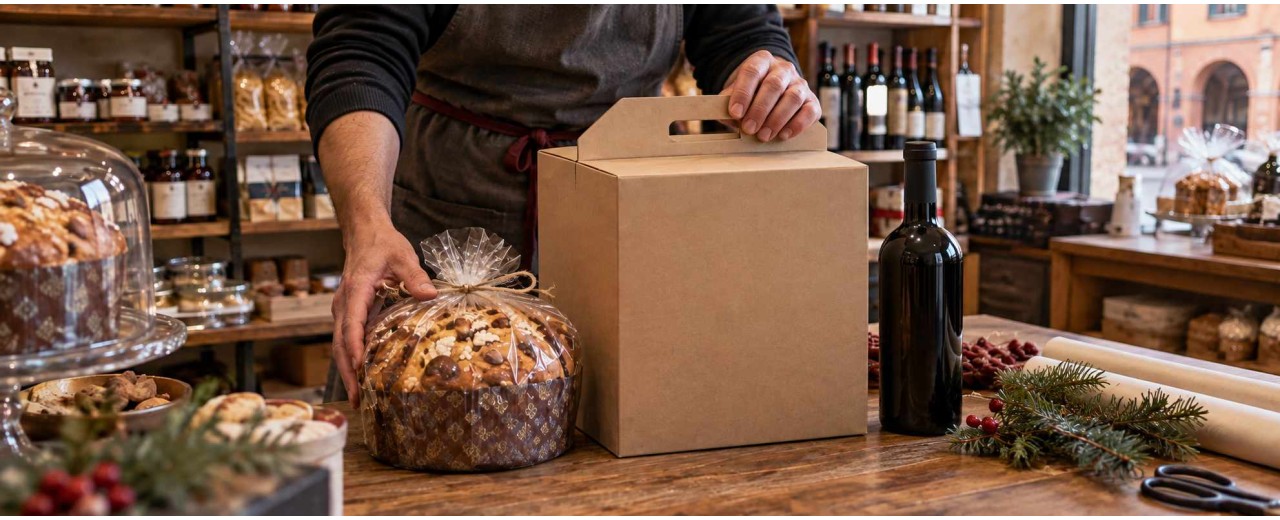
A gift box for a purchase at the counter and a gift with panettone and bottle do not require the same preparation....
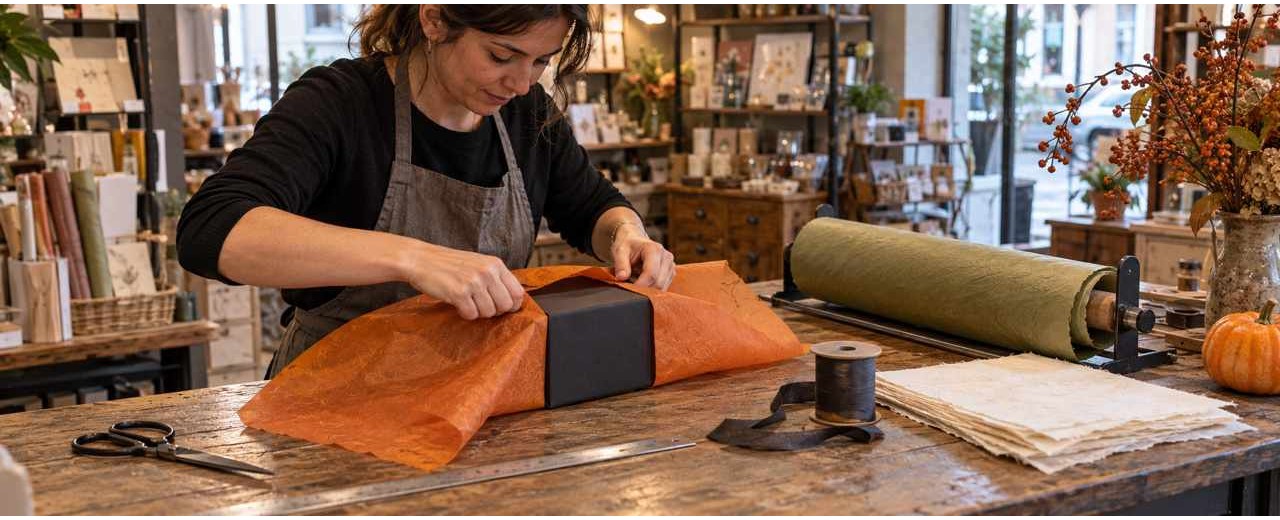
In a professional package, rice paper is not chosen only for the color. The shape and size of the product, the number...
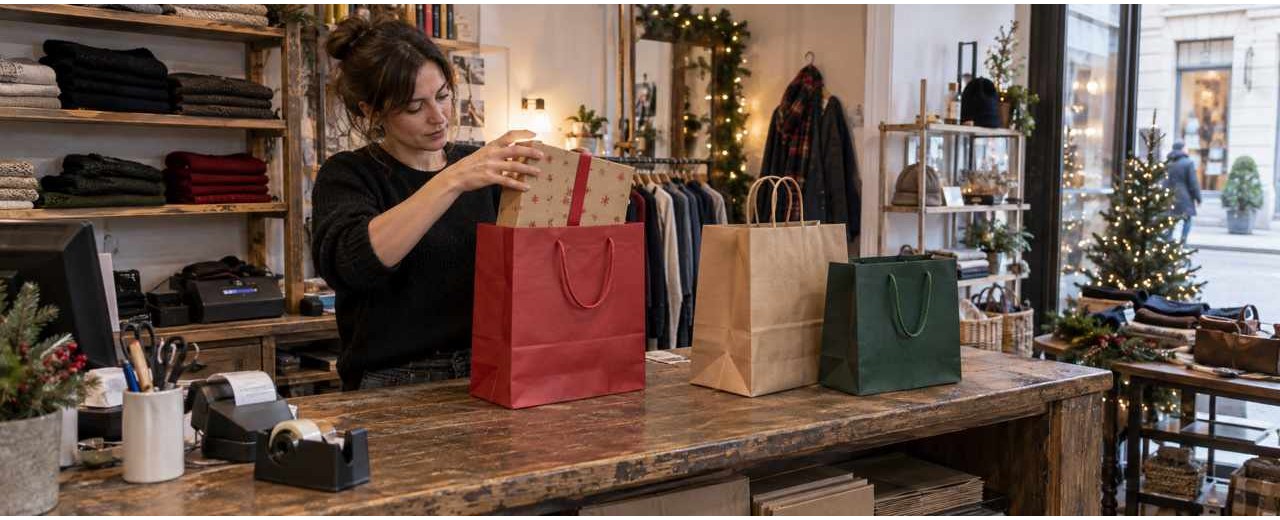
The shopper you deliver at Christmas must do two simple things: contain the already packaged product well and...

Christmas in the store doesn't start in December. An effective display case and coordinated packaging require...
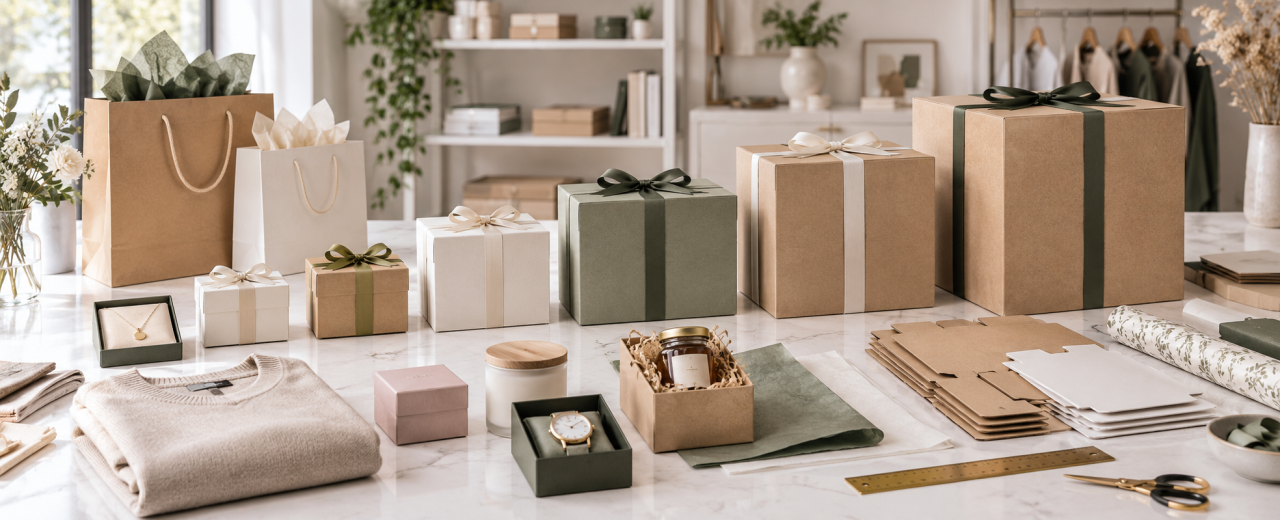
Choosing the sizes of gift boxes means finding a few formats capable of covering the greatest number of products.A...
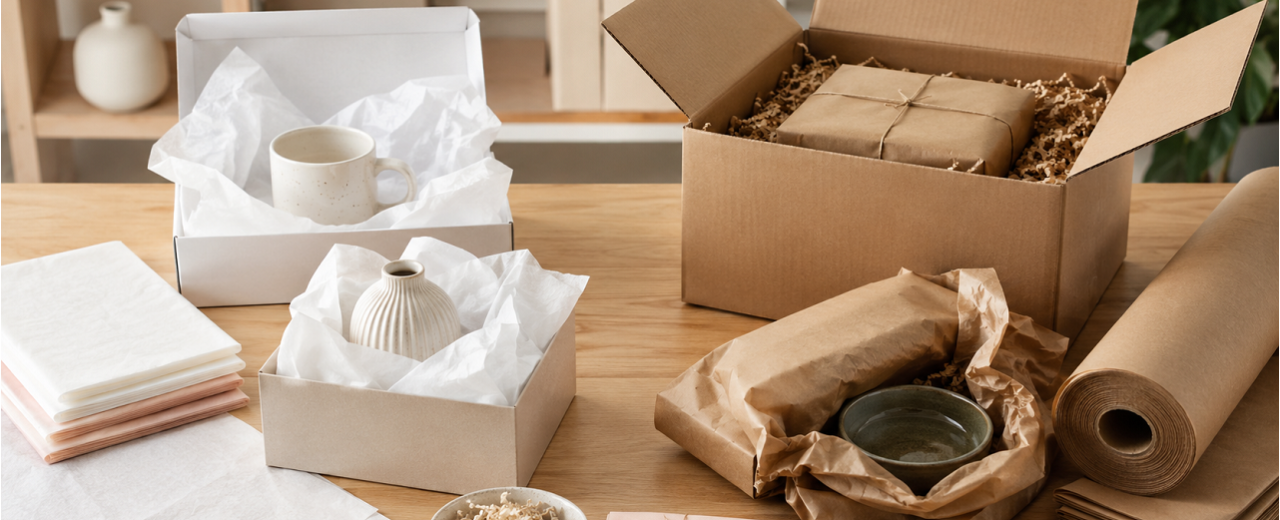
Tissue paper and wrapping paper for shipping have different functions and should not be confused. The tissue protects...
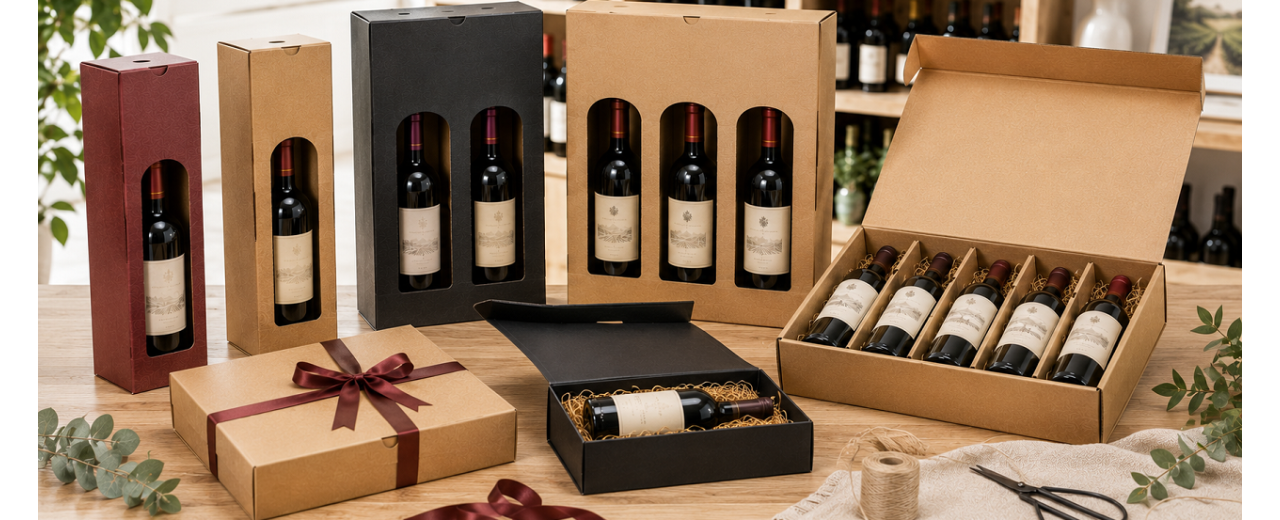
Wine boxes of 1, 2, 3 or 6 bottles help wine shops and wineries manage sales, gifts and delivery. Each format...
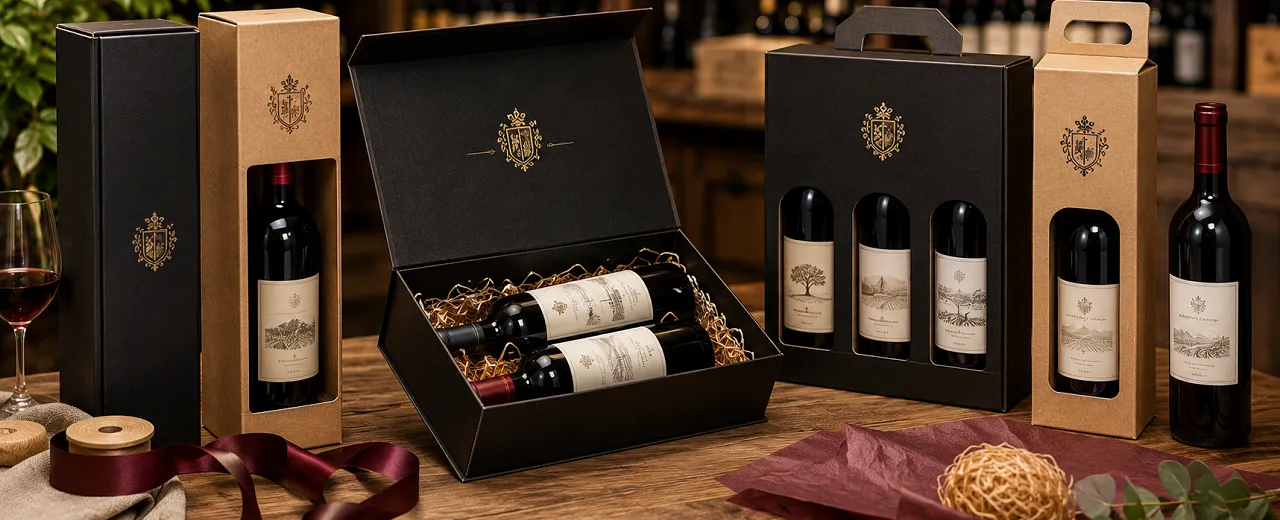
Personalised wine boxes enhance bottles, gift selections and corporate gifts. Logo, format and quantity must be...
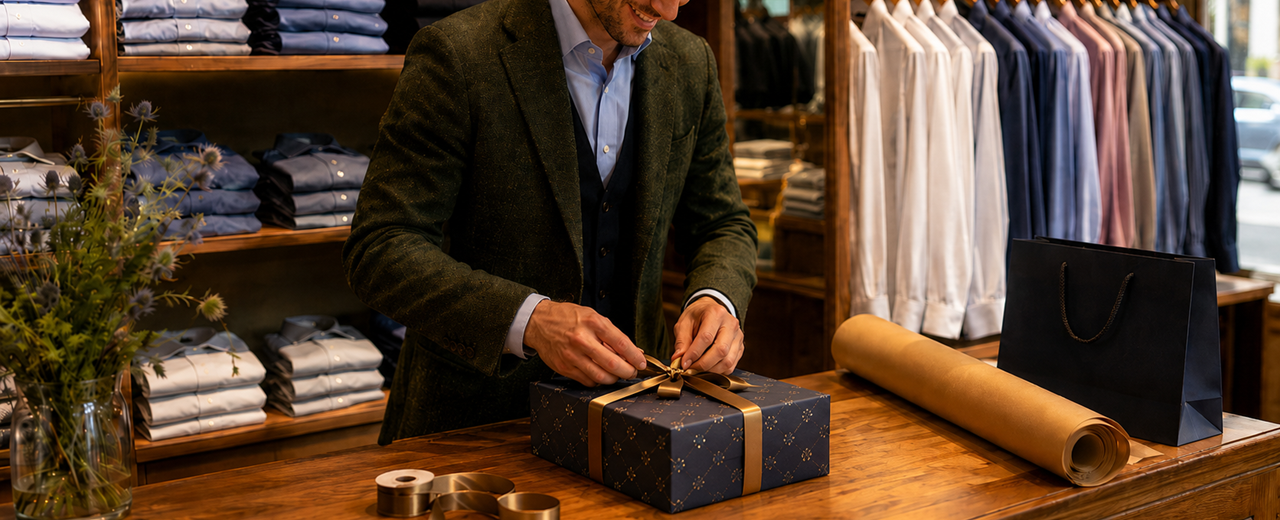
The small shop can make the sale memorable right at the final moment of delivery. Packaging doesn't have to be complicated, but it should convey attention, order and value. A careful packaging confirms the quality of the product and makes the shopping experience more pleasant. The counter and checkout must remain fluid even when the customer asks for a gift box. This requires selected materials, clear formats and gestures that are easy to repeat. Packaging works when paper, tissue, shopper, box and ribbon work together. In this guide we see how to wrap better without wasting time and without improvising. Packaging for small shops is not an operational detail to be solved at the end of the sale. It is the gesture that accompanies the product off the counter and transforms it into a ready, orderly and recognizable purchase. When a customer chooses an item in a boutique, perfume shop, stationery shop, deli or concept store, they are not only evaluating what they are buying. It also evaluates the way it is served, listened to and accompanied until delivery. Wrapping better doesn't mean using more paper, more ribbons, or more decorations. It means creating a method. The small shop must be able to work with care without slowing down the counter and checkout, especially at times of greater influx. A beautiful but slow package becomes a problem. A simple but studied package, on the other hand, improves the service and makes the perception of the store stronger.
Packaging for small shops: how to wrap better without slowing down the counter and checkout
⏰ 8 min. · ChartareThe house is not just where you pay. It is the place where the purchase is completed. The customer has chosen the product, received a recommendation and now observes how the store closes the experience. If the product is placed in any bag, the perceived value is lowered. If, on the other hand, it is packaged with an orderly gesture, even a simple sale acquires more importance. The Gift Paper allows you to build a visible wrapping, suitable for transforming the product into a more refined packaging. Tissue Paper for Packaging and Packaging , on the other hand, works on the internal level, slightly protects, separates and makes opening more pleasant. These materials should not only be chosen by color, but by function, format and ease of use at the counter. The small shop has an important advantage: it can make you feel attention. This advantage must be organized. The treatment does not have to depend on the mood of the moment or the time available. It must become a commercial, recognizable and sustainable routine.
Papers and tissues for quick and well-finished wrapping
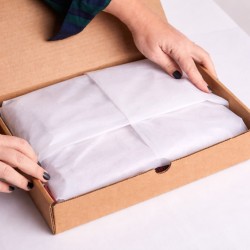
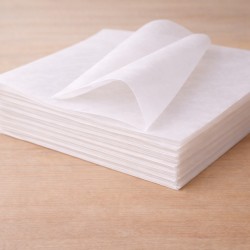

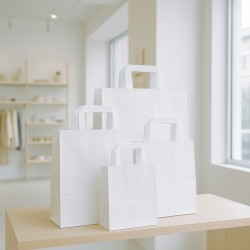
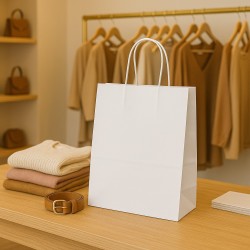
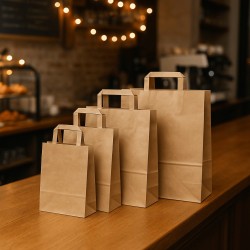
The customer gladly accepts a few more seconds when he sees a safe and well-groomed gesture. On the other hand, it does not accept the wait generated by disorder, indecision or materials that are not ready. The difference between care and slowing down lies in the organization. If paper, shoppers, tissue, boxes and ribbons are already selected by type of product, the staff works better and the customer perceives professionalism. The Shoppers, Bags and Bags category is central because it concerns the final moment of delivery. The shopper accompanies the customer out of the store and continues to communicate the image of the business even after the purchase. Paper shopping bags are a practical basis for building everyday packaging, suitable for different products and easy to manage at the counter. A store doesn't need too many solutions. It needs the right solutions. A quick packaging for everyday sales, a gift box for purchases to donate and a more refined packaging for valuable products can already cover many needs. Reducing unnecessary alternatives helps staff work confidently and makes the result more uniform.
Paper shopping bags for daily deliveries
An effective wrapping station does not come from the accumulation of materials, but from the correct arrangement of what is really needed. The checkout counter must remain clean, functional and legible. When staff have to search for paper, open boxes on the spot, retrieve distant tapes or choose from too many formats, the rhythm stops and the customer sees the difficulty. Gift Bags and Pouches help when the product is small, light or already protected. They are useful for quick packing, accessories, cosmetics, gift items, and products that do not require a rigid structure. Boxes , on the other hand, become necessary when the product needs to be protected, presented better or delivered in greater order. The organization of the counter should follow the natural sequence of wrapping. First what envelops us, then what it contains, then what closes and finally what completes the transport. This logic reduces unnecessary movement and helps maintain continuity even in intense moments. Preparing some formats in advance, having ready-made boxes and keeping the most used shopping bags at hand allows you to take care of the packaging without slowing down the sale.
Packaging must not start from habit, but from the product. A light garment can be wrapped in tissue paper and placed in a shopping bag. A bottle, fragile accessory, or rigid object may require a box. An already packaged gourmet product can be enhanced with a container, a filling and a careful closure. Each material must respond to a precise function. Gift Boxes are suitable when we want to give more structure to the packaging. They make the product tidier, facilitate gifting and allow you to insert tissue, shavings or other internal materials. Plain wrapping paper is useful for elegant and continuous lines, while patterned wrapping paper allows you to create more character, seasonality or visual impact. A common mistake is to use decoration to correct a wrong choice. A box that is too big does not get any better with a nicer tape. A shopper that is too small does not become suitable just because it is coordinated. A card that is difficult to fold slows down the banker even if it has a nice yield. Function comes first, then aesthetics.
Boxes and containers for products to be recovered
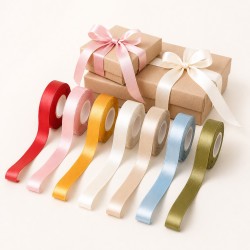
Professional packaging is born from the balance between materials. The paper builds the outer surface, the tissue adds care to the inside, the box gives structure and the ribbon completes the closure. When these elements do not dialogue, the result appears random. On the other hand, when they are consistent, even a simple wrapping becomes more recognizable. Decorative Ribbons help to finish the package, but they must be chosen according to the time available at the counter. A tape that is too complex can slow down your work. Fabric Ribbons add a softer and more refined finish, suitable for gift packaging, selected products, boutiques, perfumeries, objects and packaging of greater perceived value. The small shop must build repeatable combinations. For example, a neutral paper can be completed with colored tissue paper and matching ribbon. A Havana shopper can dialogue with white tissue and natural ribbon. A black box can be lightened by light tissue paper and elegant closure. The goal is not to invent a different packaging each time, but to create a recognizable visual grammar.
Personalization can make packaging more recognizable, but it only works when the structure is already correct. Before printing your logo, pattern or store colours, you need to know which formats are really needed, which materials are used most often and which packaging your staff can prepare continuously. The Shopper and Custom Boxes category allows you to transform packaging into a stronger sign of the brand. A personalized shopper makes the delivery recognizable. A matching tissue improves the opening. A custom box can support more refined products. The point is to choose where personalization really produces value. For many small shops, it pays to proceed step by step. First you define a basic line with shoppers, paper, tissue and boxes. Then the most visible or most used material is identified. Finally, customization is evaluated. This approach avoids waste and allows you to build a coherent identity without immediately complicating warehouse management.
Finishes and customization for recognizable stores
To make packaging a commercial lever, we need to turn it into a method. The first level is the daily packaging, designed to serve quickly without losing order. The second level is the gift box, which is more refined but still easy to replicate. The third tier is value packaging, dedicated to premium products, sets, giveaways, and purchases that require more presentation. This method works if each product category has a recommended solution. The staff must know which shopping bag to use, when to offer a box, which tissue to insert and which ribbon to match. In this way, the packaging stops being an improvised decision and becomes part of the service. The customer receives consistent packaging and the store works more confidently. Packaging for small shops must combine speed and care. We don't have to choose between wrapping well and not slowing down the checkout. We need to design a system where treatment becomes simple to perform. At ChartaRè, we help shops, boutiques, perfumeries, stationery shops, delicatessens, wine shops, concept stores and e-commerce to build tidier, more practical and recognizable packaging solutions. Wrapping better means giving more value to the last gesture of the sale, just what the customer brings with him.
The customer not only evaluates the product, but also observes how it is delivered. A suitable paper, a neat fold, a tissue and a proportionate shopper make the store's attention visible. When packaging, price and quality of purchase are consistent, the customer perceives less distance between what has been promised and what he receives.
However, the time dedicated to wrapping must not become a useless wait. Few well-organized gestures communicate more care than a complex and slow package. A practical system can include an essential level for daily purchase, a gift and a premium level. Shopping bags, gift boxes, paper and ribbons are chosen first; At the counter, only the decision that suits the customer remains.
Creative packaging doesn't necessarily require a lot of decorations or different solutions. It can be born from a recognizable fold, a label, a texture contrast or a color used continuously. The goal is to turn the packaging into a store signal without making it difficult to prepare, store or reorder.
Before adopting an idea, it is advisable to subject it to three checks: does it protect the product, is it prepared in a reasonable time and can it be replicated with available materials? If the answer is yes, creativity becomes a method and not an exception. Personalization can focus on the most visible elements, such as shopping bags or labels, while internal components and formats remain standard. For continuous quantities, shopping bags and personalized boxes help to stabilize this identity.
 Artificial intelligence (AI) in the Physical Store.
 Shopkeeper, don't give up!
 Cheap packaging for stores: where to save money and where not to
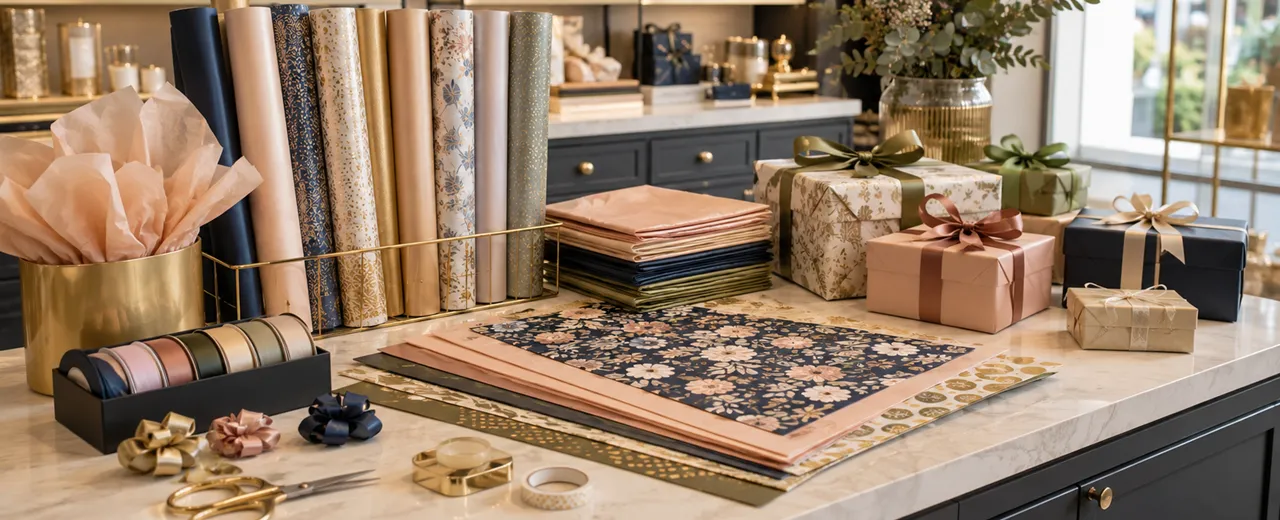 Gift wrapping paper for shops: a guide to choosing between sheets, rolls, solid colors and patterns