A gift box for a purchase at the counter and a gift with panettone and bottle do not require the same preparation....

Erba paper in sheets of 70x100 cm in packs of 25€25.68
 ChartaRè, RossiCarta's Online Packaging Store


Tell us about yourself
Fill in the form and we will contact you to find the right solution together.
Latest posts
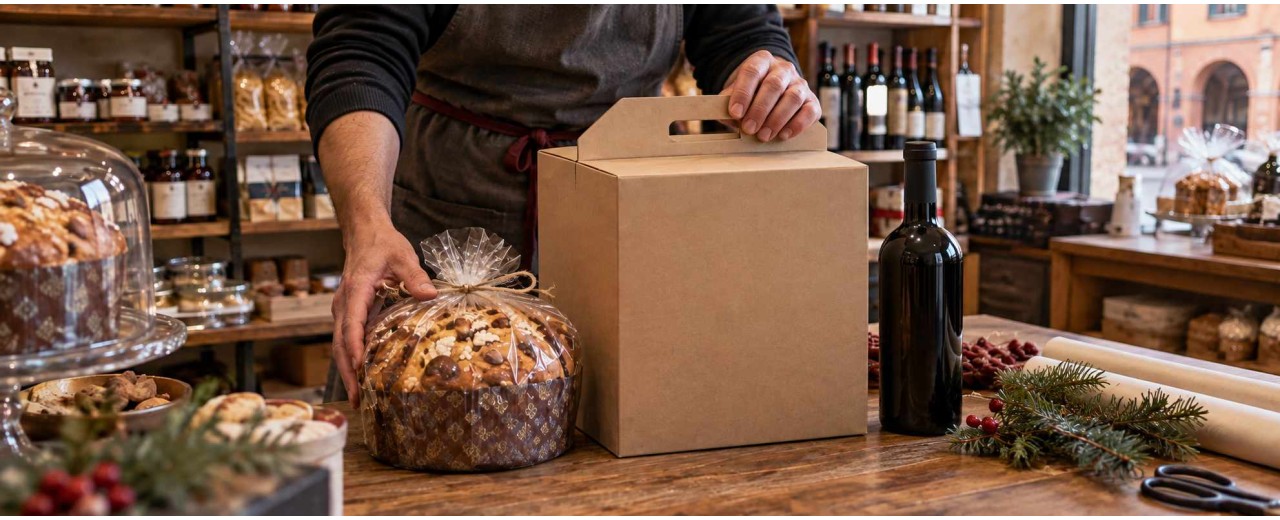
A gift box for a purchase at the counter and a gift with panettone and bottle do not require the same preparation....
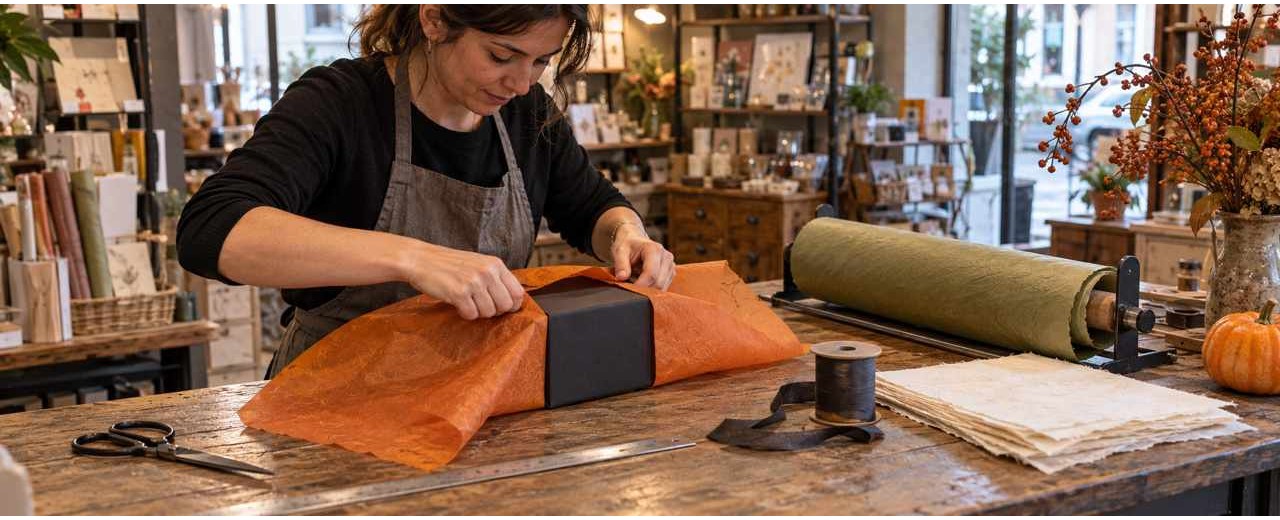
In a professional package, rice paper is not chosen only for the color. The shape and size of the product, the number...
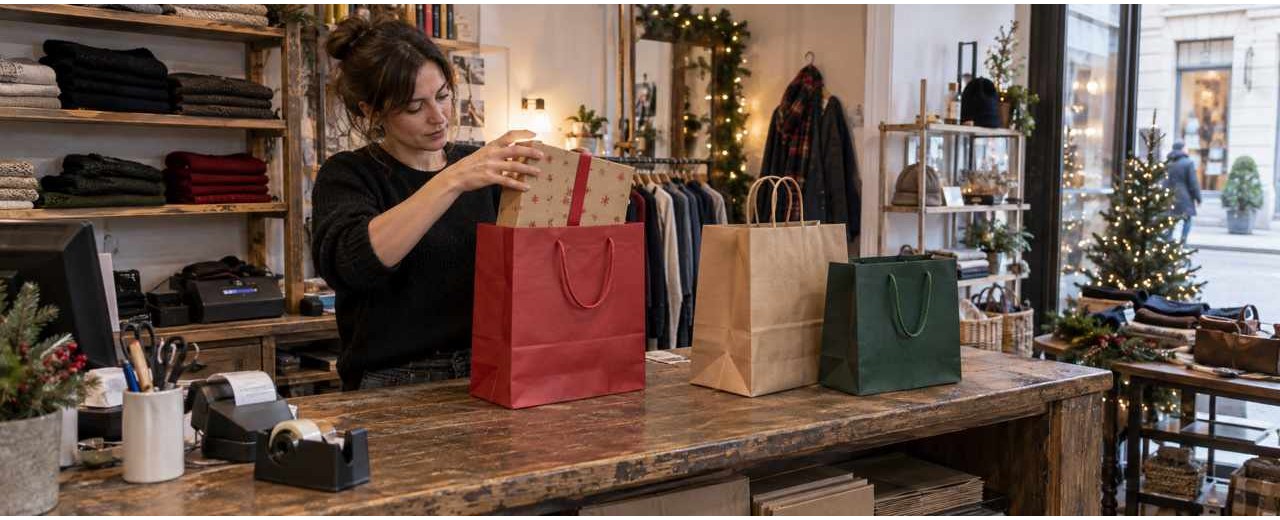
The shopper you deliver at Christmas must do two simple things: contain the already packaged product well and...
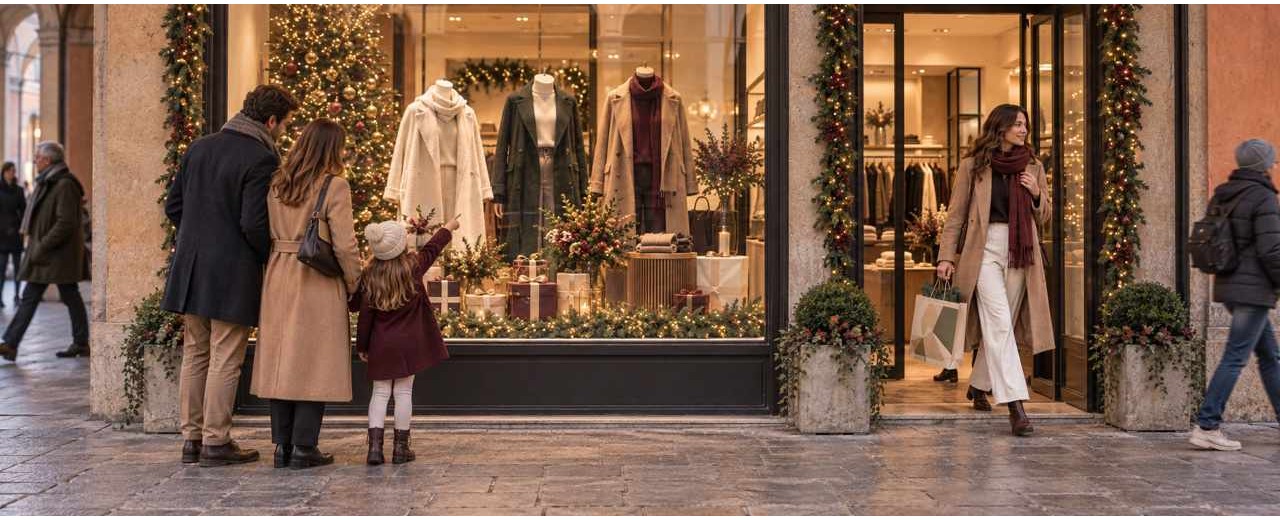
Christmas in the store doesn't start in December. An effective display case and coordinated packaging require...
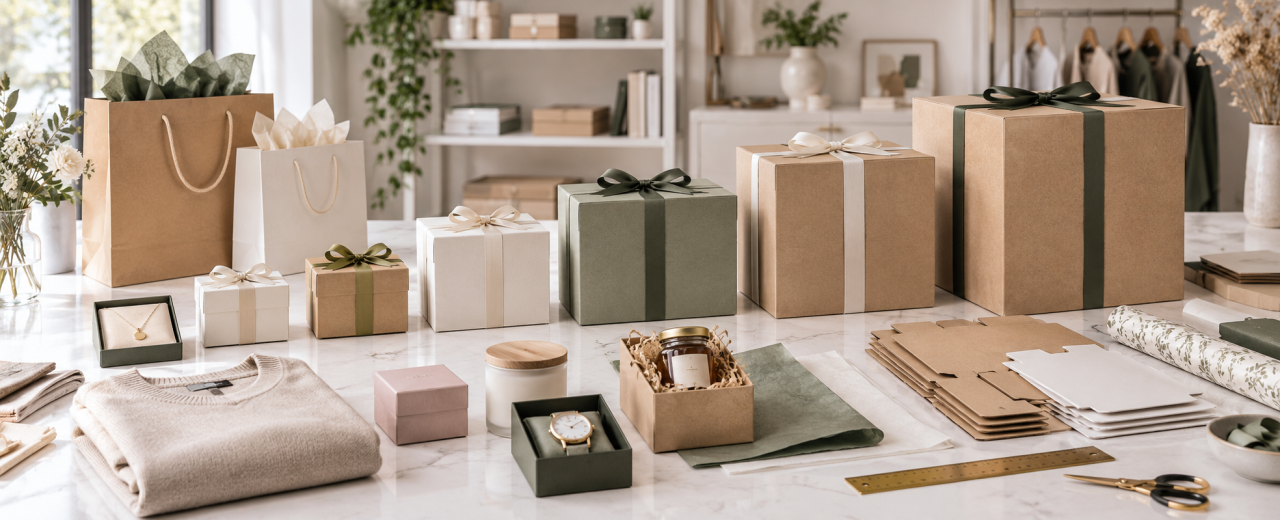
Choosing the sizes of gift boxes means finding a few formats capable of covering the greatest number of products.A...
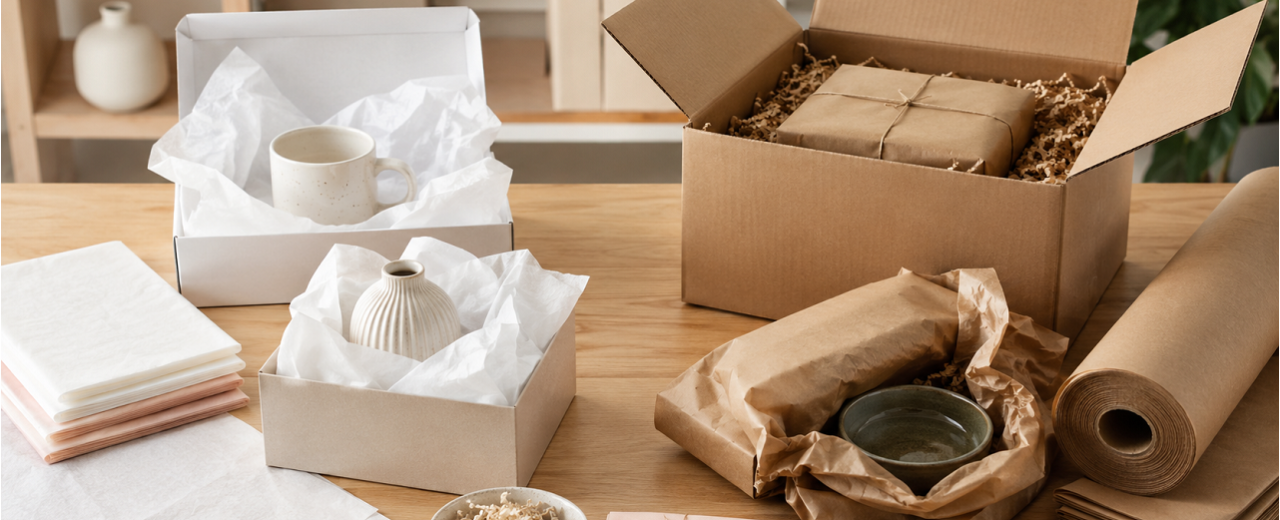
Tissue paper and wrapping paper for shipping have different functions and should not be confused. The tissue protects...
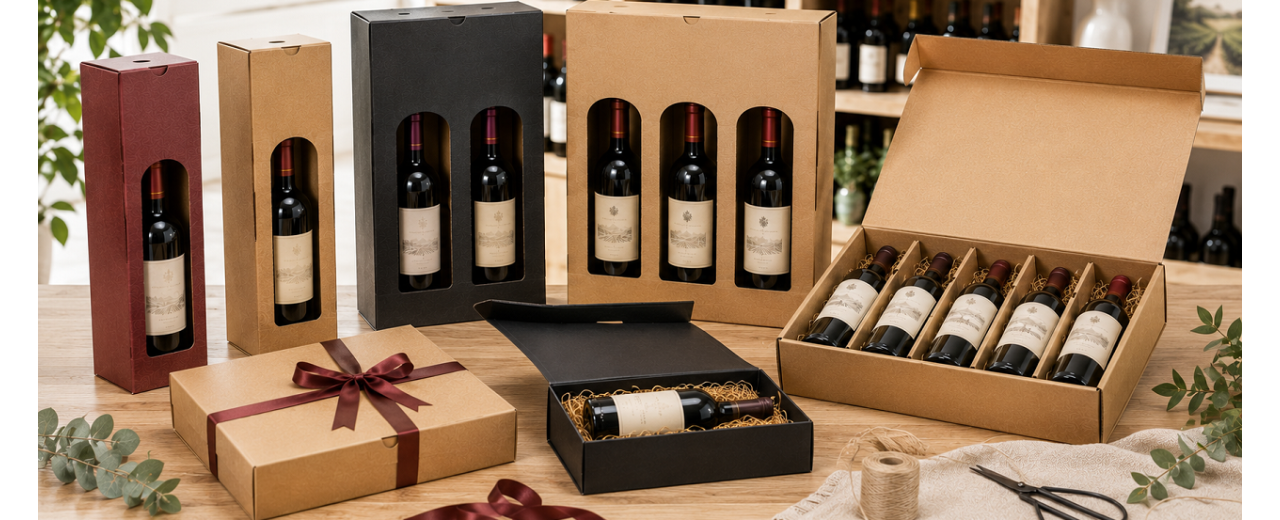
Wine boxes of 1, 2, 3 or 6 bottles help wine shops and wineries manage sales, gifts and delivery. Each format...
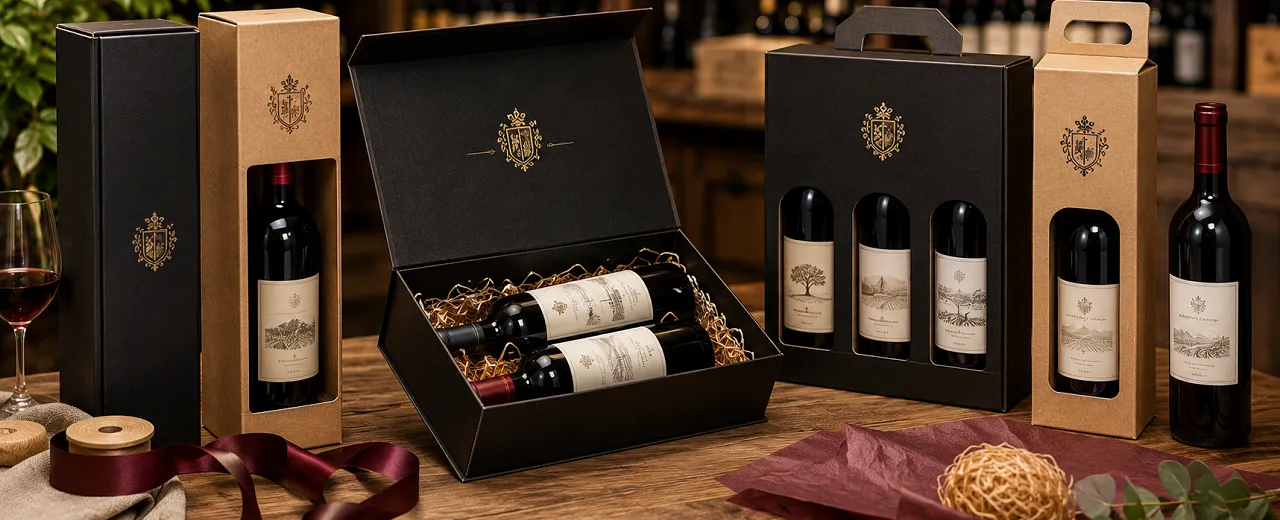
Personalised wine boxes enhance bottles, gift selections and corporate gifts. Logo, format and quantity must be...
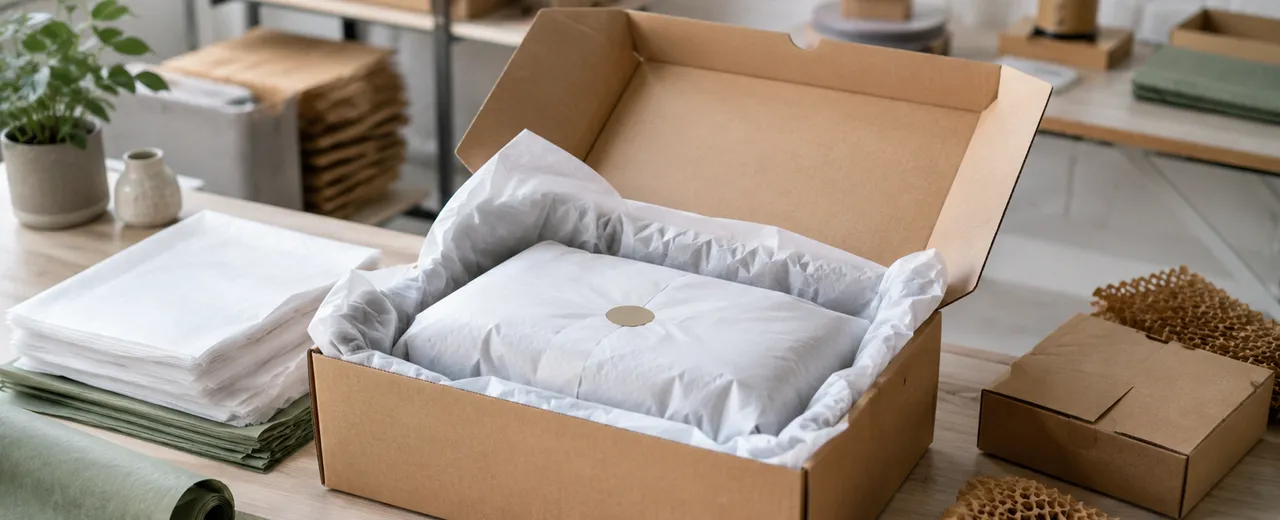
Tissue paper helps e-commerce businesses to superficially protect products and better present them inside the...
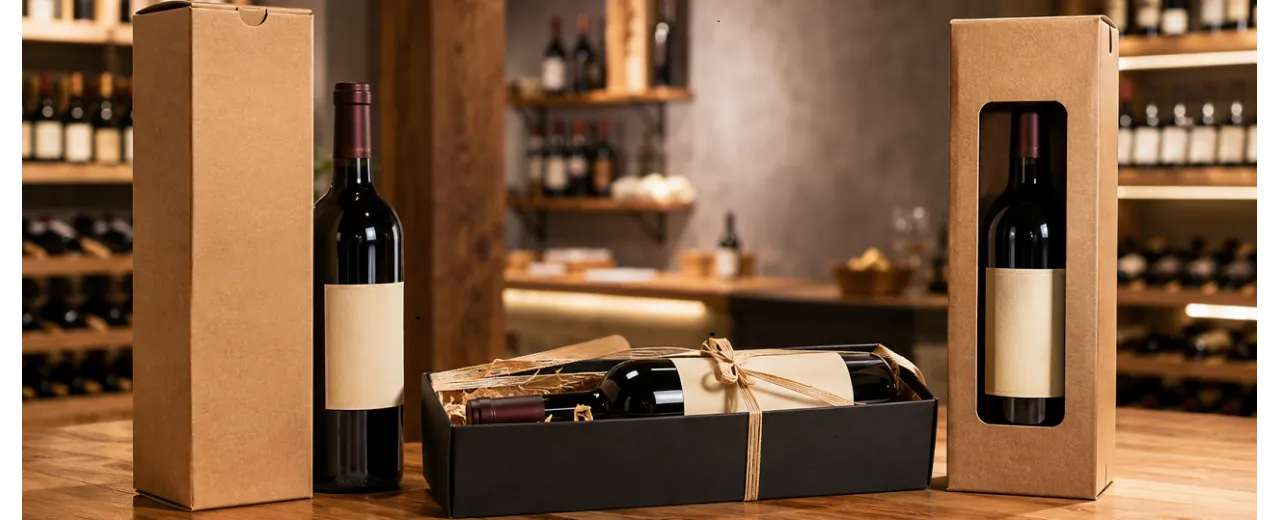
Wine boxes help wine shops and wineries to enhance bottles, gift selections and company packaging.Choosing between...
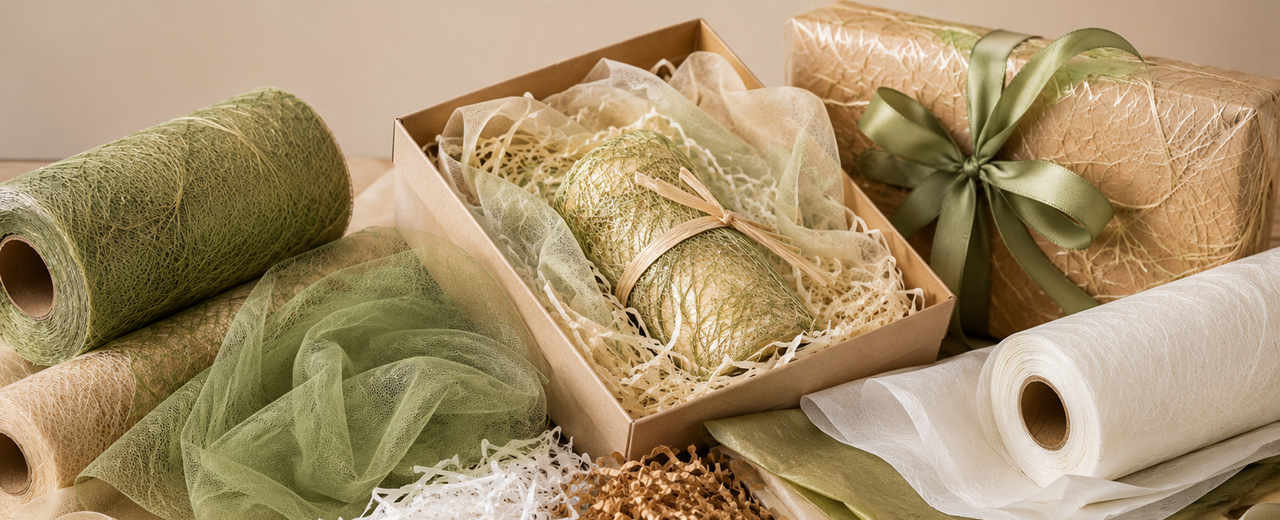
Gift wrapping materials should not be chosen solely on the basis of color or aesthetic effect. Grass paper, tulle, shavings and tissue paper intervene at different times in the preparation of the packaging. Some materials wrap, others separate, fill, stabilize or complete the closure. Using the correct texture enhances your presentation and makes the opening experience more professional. However, effective packaging must remain proportionate, practical to make and consistent with the product. Knowing the advantages and limitations of each material allows you to reduce waste and improvised choices. In this guide, we compare the main solutions for building neat and recognizable gift packaging.
Different materials produce different results, even when used in the same box or package. For a shop, a boutique, a wine shop, a delicatessen or an e-commerce, choosing between grass paper, tulle, shavings and tissue paper is not a purely aesthetic matter. Each material performs a precise function: it wraps, separates, protects, creates volume, stabilizes or completes the presentation. Packaging quality depends on the ability to assign each element the correct task, without adding unnecessary layers and without asking a material to do what it was not designed to do.
Texture matters because it is perceived with the eyes and hands. A natural surface suggests authenticity, a textile weave introduces softness, a neat filler makes the composition richer, and a light tissue improves the moment of opening. However, professional packaging must remain simple to prepare, proportionate to the product and sustainable in consumption. The comparison between materials therefore serves to build a packaging system, not a sum of decorative effects.
The first criterion of choice is not the color or even the unit price: it is the function. Before buying a material, we must ask ourselves if it will be used for the outer wrapping, for contact with the product, for filling a box, for stabilization during transport or for final closure. The solutions collected in Gift Paper and Tissue allow you to work on the light levels of the packaging, while Gift Paper is more suitable when it is necessary to build a recognizable and tidy external surface.
The distinction avoids many operational errors. Tissue paper can wrap a garment or separate two objects, but it does not replace a filler when the contents must remain still. The chip fills and supports, but does not create a clean outer wrapping. Tulle adds transparency and volume, but does not protect against impacts. Grass paper enhances the package with a natural texture, but it must be chosen in the right format for the product and processed with precise folds.
For a professional assortment, it is advisable to define a few continuous materials, each with a clear role. In this way, the staff chooses more quickly, the result remains consistent and reordering becomes easier. A good equipment does not contain everything: it contains what is actually used, in formats and quantities compatible with the rhythm of the store.
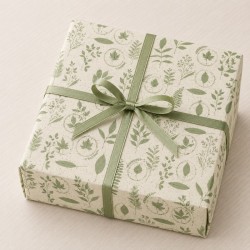
Grass paper is suitable when we want to build a package with a natural, contemporary and material look. Its visible surface makes the package less anonymous and can support handcrafted products, natural cosmetics, gourmet specialties, accessories, gift items and collections that require a sober language. Within the Fancy Gift Wrapping Paper, this type represents a different choice from both smooth papers and very decorative patterns, because the perceived value comes above all from the material.
The Natural Grass Paper in sheets 70x100 works well as a neutral base, to be completed with a textile ribbon, a string or a coordinated tissue. The Grass Plants Paper in green , on the other hand, introduces an already visible botanical sign and requires more measured finishes, to prevent the packaging from being overloaded.
From an operational point of view, grass paper is particularly effective when used on regular boxes and easy-to-wrap products. The texture deserves clean folds, well-hidden adhesive tape and a proportionate closure. If the product has an irregular shape, it may be preferable to first put it in a box and use the paper as an outer coating. Its strength is its visual presence; it should therefore not be covered by too many elements.
Matching material papers and tissues
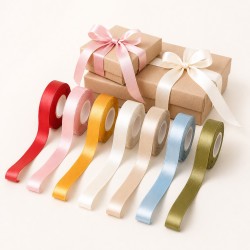
Tulle acts differently from paper. It does not create a full surface, but adds lightness, transparency and volume. In professional packaging it can wrap a box, build a soft closure, partially wrap an already protected product or become a textile accent on a very simple package. The Fabric Ribbons category allows you to compare it with satin, organza, jute and other finishes, choosing the material according to the desired yield and processing speed.
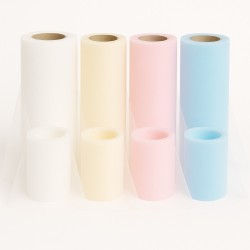
Tulle in 100-meter roll is practical when different widths and colors are needed for repeated packs. Eco Tulle in roll offers an essential solution for those who want to introduce a textile texture without turning packaging into a slow operation.
Tulle works better as a finish than as a structure. If it is used to compensate for a box that is too large or to hold a heavy product, it loses order and usefulness. On the other hand, it is effective when it creates a controlled contrast with paper and cardboard: light tulle on grass paper, colored tulle on a neutral box, thin band over a solid color wrapper. To work quickly at the counter, it is advisable to establish standard lengths and few replicable knots, avoiding different compositions for each purchase.
Tulle and ribbons for light finishes
The chip performs a more technical function, even when it contributes to the aesthetics of the package. It is used to fill space, support products, reduce movement and make a composition tidier. It is useful in gift boxes, gourmet sets, packages with jars, bottles, cosmetics, candles, objects and items of different shapes. The Box filling chip category allows you to choose between different materials and finishes based on the desired result.
The white paper shavings create a bright and clean base, suitable for packages in which the contents must remain clearly legible. The recycled paper shavings are consistent with packaging that want to communicate essentiality and attention to the material. The havana or transparent versions further change the perception, making the background more natural or brighter.
The quantity must be calibrated on the box. Too little shavings do not stabilize; too much material hides the products, increases consumption and makes the opening messy. The most effective method is to create an even bottom, place the items and add only the material necessary to block the side spaces. For shipments, the decorative chip must be evaluated together with the strength of the box and the real protection needs: the internal presentation does not replace technical packaging when the contents are fragile.
Chips for boxes and composite packages

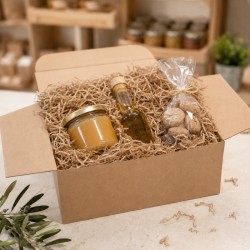
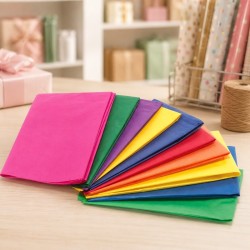
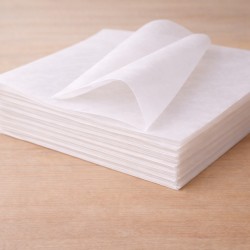
Tissue paper is the most transversal material in the comparison. It can wrap, separate, cover, create light volume and accompany the opening of the package. In Tissue Paper for Packaging and Packaging we find white, colored and semi-transparent solutions that meet different needs. The white tissue makes the packaging clean and neutral, the colored one helps to coordinate the store's palette, while the semi-transparent one lets you guess the contents without exposing it completely.
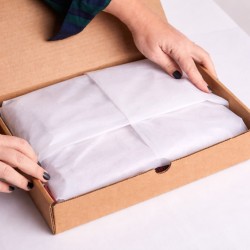
In contact with garments, accessories, footwear, prints, ceramics or objects, tissue paper creates a soft layer and reduces light rubbing. Inside a shopper orders the product; inside a box it can cover the contents or separate several items. However, it should not be confused with an impact protection. To stabilize, you need chips or other fillers; for the outer wrapping you need a thicker paper; for the closure you need a tape or an adhesive system.
The way it is folded also affects the result. A sheet of paper spread with precision communicates order, while an excess of crumpled tissue can make the packaging look improvised. In stores with many orders, it is advisable to prepare standard formats and pre-decided color combinations, so the tissue becomes a quick tool and not a choice to be reinvented with each sale.
Tissue for wrapping, separating and coordinating
Comparing textures doesn't have to lead to using all the materials in the same package. A professional composition establishes a hierarchy. The main texture is the most visible, such as grass paper or the surface of the box. The secondary texture accompanies the opening, such as tissue. The filler supports the contents, and the tulle completes only when it adds real value. If each element tries to attract attention, the product loses centrality.
The most effective combinations often arise from the contrast between full and light, opaque and transparent, smooth and textured. Grass paper and thin tulle create a natural but soft packaging. Rigid box, semi-transparent tissue and white shavings produce a neat and bright opening. Patterned paper and neutral tissue avoid chromatic excess. Havana box, recycled shavings and satin ribbon introduce a contrast between the natural base and the more elegant finish.
The choice must remain consistent with the product. A small object should not be hidden under too many layers; a composed set requires internal order; a fragile item must be protected before it is decorated. Preparation time is also part of the project: a beautiful but difficult to replicate combination is not suitable for daily work. The best system is one that the staff can execute well even in busy times.
To transform these materials into a packaging system, it is advisable to define three levels of packaging. The daily solution can use tissue and shopping bags or a simple wrapping. The gift box can add grass paper, tulle or a box with filling. The packaging intended for shipping must separate the aesthetic level from the protective one, inserting the commercial packaging inside a suitable packaging. This organization allows you to control costs, times and consumption without lowering the perceived quality.
Each material should have a precise location near the counter or in the preparation area. The sheets must be kept flat and protected, the rolls must be easy to cut, the chips must remain contained and the most used tissues must be immediately accessible. Reordering must also be built on real consumption: paper and tissue paper can rotate quickly, while tulle and special finishes must be selected in quantities consistent with the number of packages actually prepared.
At ChartaRè, we help shops, boutiques, delicatessens, wine shops, craft businesses and e-commerce to choose materials that work together. Grass paper, tulle, shavings and tissue are not absolute alternatives, but different tools. The correct choice depends on the function, the shape of the product, the level of presentation and the delivery channel. When each texture has a clear role, the packaging is tidier, more professional and easier to replicate.
Combining different materials increases the tactile value of the packaging, but the result only works when each surface plays a role. A rough kraft paper can act as a base, a light fabric add softness and a smooth ribbon create the final contrast. If paper, fabric, bow and decorations are all the protagonists, the package loses hierarchy.
A rule of thumb is to use a dominant and a secondary texture, leaving the third element with minimal closing or accent function. Matte and glossy, raw and soft, full and transparent are easy pairs to control. Before extending the combination to the whole line, it is advisable to prepare a sample, observe it under the light of the store and make sure that it remains quick to replicate with the decorative ribbons available.
Chips are not just used to fill a box. It creates a support bed, separates objects, reduces small movements and makes the presentation tidier. Its effectiveness depends on the quantity, elasticity and geometry of the cut: too little does not stabilize, too much material compresses the product and makes the opening messy.
White paper shavings bring light and contrast, Havana paper shavings support a natural language, while transparent moisture-resistant variants meet different needs but require specific disposal assessment. For heavy or fragile objects, shavings do not replace dimensioned technical packaging: they must work together with a sturdy box and, when necessary, dedicated separators or protections. It should also be stored dry so as not to lose volume and elasticity.