



Packaging for e-commerce and shipping
E-commerce packaging must address two different moments: transport, where strength and protection matter, and opening, where order, proportion and brand identity become part of the customer experience.
This guide is written for e-commerce businesses, direct-to-consumer brands, retailers that ship online orders and omnichannel businesses. The aim is to build a repeatable system that reduces movement and damage, simplifies packing and presents the product well without adding unnecessary layers.
At ChartaRe you can combine boxes for safe shipping, shredded filling material, tissue paper for unboxing, boxes for professional packaging and custom solutions according to the product, sales channel and order volume.
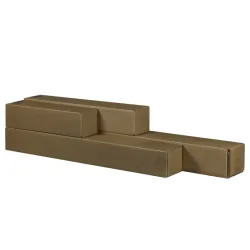
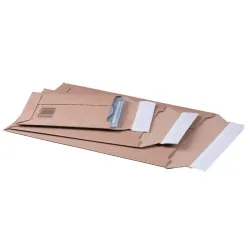
Boxes for shipping and online orders
The outer box must withstand normal logistics stresses and hold the product without too much empty space. An oversized format requires more filler, increases package volume and may give the contents more room to move.
Measure the product and its primary packaging, consider the total weight and vulnerable points, then choose a box with enough clearance for the required protection. There is no single format suitable for everything.
For broad product ranges, group recurring orders into a few size families and run real packing tests to determine how much material each requires.
Explore boxes for safe shipping →Fillers and internal protection
Internal protection limits movement, knocks and rubbing. It should be selected for the product: a lightweight, durable item needs different treatment from glass, ceramics, cosmetics or packaging with delicate edges.
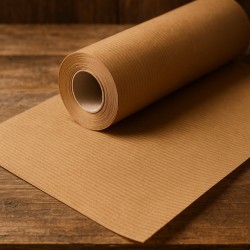
Filler does not replace a correctly sized box. First reduce empty space, then use the material needed to secure and separate the products, paying attention to the bottom, sides and top.
When several items travel in the same order, separate them so they cannot strike one another. Before shipping, move the package gently: if the contents shift, the protection needs to be reviewed.
View shredded filling material for boxes →Designing the package around the actual order
Good e-commerce packaging starts with operational data: size, weight, fragility, frequency of product combinations, transport method and customer expectations. Structure and protection must be resolved before finishes are added.
Single product: choose the box closest to the item's volume while leaving enough room for protection. Avoid letting a small package get lost in an oversized shipping box.
Multiple-item order: arrange products from heaviest to lightest, separate delicate surfaces and prevent movement. If combinations recur, prepare visual instructions for the packing station.
Fragile product: protect vulnerable points and make sure the item does not touch the outer walls directly. Particularly delicate items require specific packing and transport tests.
Returns: where the sales model requires it, consider packaging the customer can reseal by following clear steps. The after-sales experience should be as simple as opening the package.
Final check: record weight, materials and packing time for the formats used most often. This makes it easier to compare solutions and correct waste or weak points.




Tissue paper and order for a refined unboxing
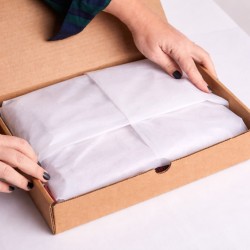
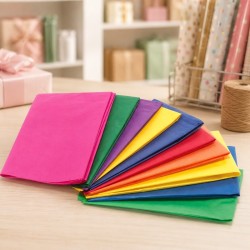
In e-commerce, the parcel is the first physical contact with the brand after the order. Precisely folded tissue paper, a clear arrangement and a simple opening sequence can convey care without complicating packing.
Use tissue paper to wrap, separate or protect against light rubbing, but not as a substitute for the materials needed against knocks and crushing. Presentation and protection perform different functions.
The internal colour should remain consistent with the photography, website and product. A year-round foundation and a seasonal accent maintain recognition without multiplying stock.
Choose tissue paper for unboxing →Coordinated packaging for online and in-store sales
For businesses selling both online and in store, the box, tissue paper, label and shopping bag should share the same visual language. The outer packaging does not need to be identical: consistent colours, design elements and perceived quality are enough.
Customisation makes sense when formats and volumes are sufficiently stable. Before printing, check that the chosen solution works for the most common order combinations and does not unnecessarily increase time or materials.
A message, logo or QR code is useful only when it has a clear purpose, such as support, instructions or product storytelling. Every element should help the customer or make the brand recognisable.
Discover custom shopping bags and boxes →How to choose packaging for each shipment
Lightweight, non-fragile item: a proportionate box, neat closure and the minimum protection required. Avoid excessive volume and filler.
Product with premium packaging: protect the product box from knocks and rubbing while keeping the internal presentation clean with tissue paper or dividers.
Glass, ceramics or delicate object: use a suitable box, protection on every side and careful immobilisation. Run tests before standardising the package.
Order with several products: separate different weights and surfaces, fill empty spaces and create a clear opening sequence.
Omnichannel sales: keep palettes and details consistent across the e-commerce parcel, gift packaging and in-store shopping bag.


Frequently asked questions about e-commerce packaging
-
What packaging does an e-commerce business need?
An e-commerce business needs proportionate shipping boxes, materials that limit movement and knocks and, where useful, presentation elements such as tissue paper or coordinated details.
-
How do you choose the size of a shipping box?
Measure the product and its primary packaging, consider weight and fragility, and leave only the space required for internal protection. Recurring combinations should be tested before defining the formats.
-
How can unboxing be improved without using too much material?
Focus on order, proportion and the opening sequence, adding tissue paper, messages or details only when they protect the product or make the experience clearer and more recognisable.
Do you need to organise packaging for your e-commerce business?
Tell us what you ship, its size, weight and fragility, and your most common order combinations: we can help you choose boxes, fillers, tissue paper and coordinated solutions.
Contact us