Blog navigation

Latest posts

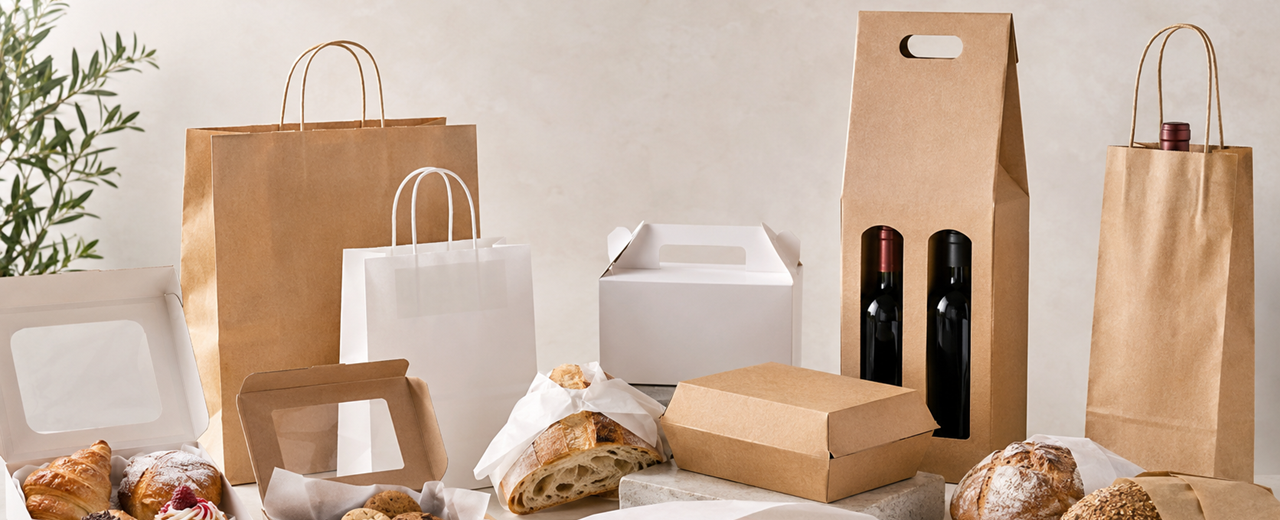
Food packaging for pastry shops, delicatessens and wine shops: practical packaging to sell better

Food packaging must protect the product, speed up service and enhance every sale.Pastry shops, delicatessens and wine...

Read more
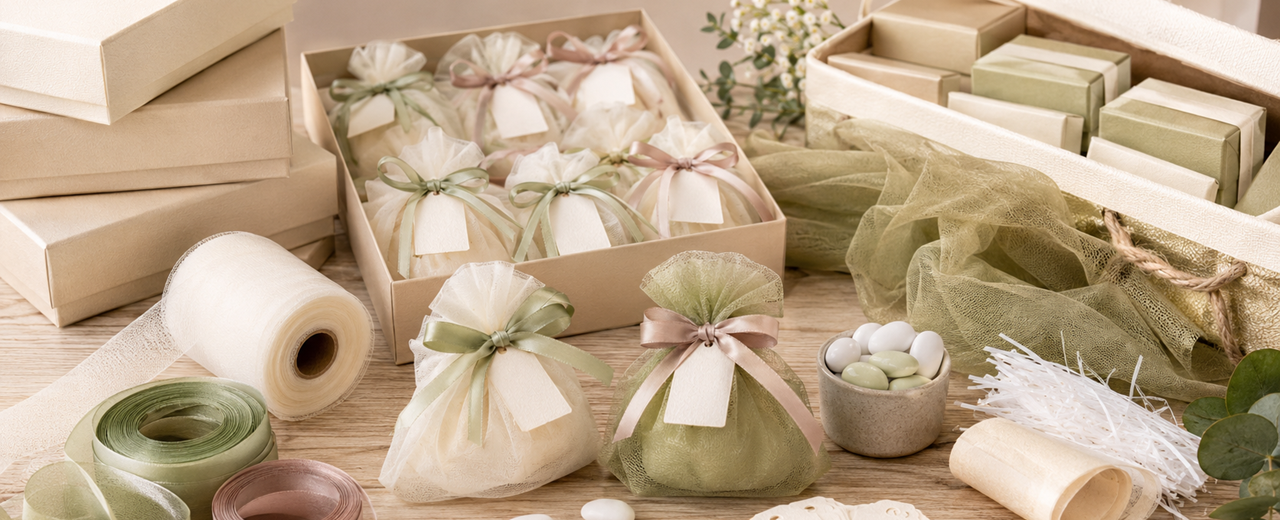
Packaging for wedding favors and ceremonies: boxes, tulle, ribbons and coordinated packaging.

Packaging for wedding favors requires proportionate containers, coordinated materials and procedures that are easy to...
Read more
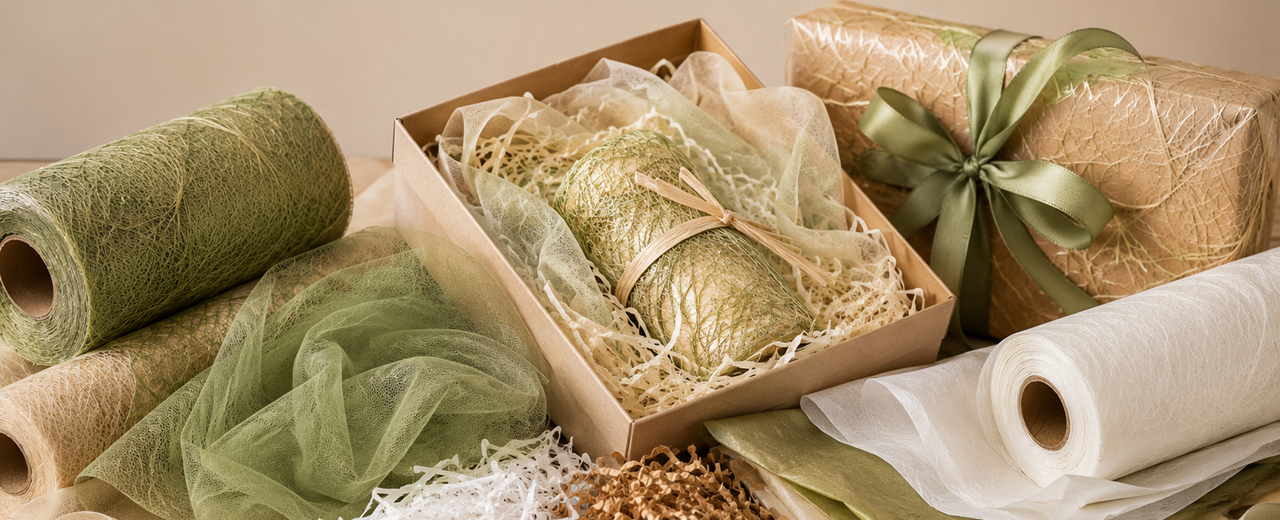
Gift packaging materials: grass paper, tulle, shavings, tissue paper and textures compared

Grass paper, tulle, shavings and tissue paper perform different functions in professional packaging.The correct...

Read more
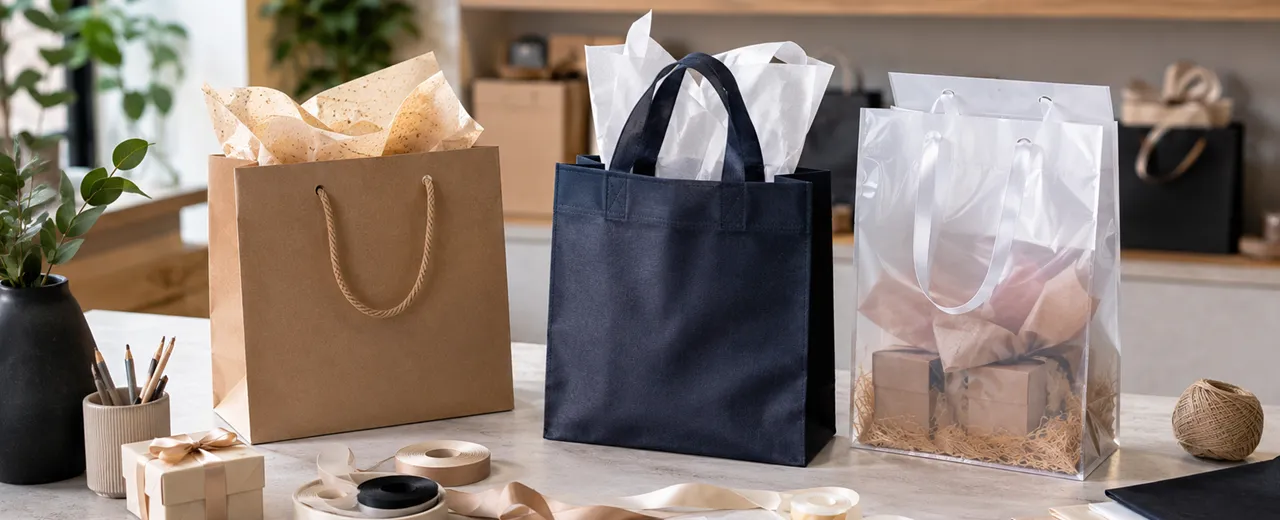
Gift wrapping paper for shops: a guide to choosing between sheets, rolls, solid colors and patterns

Choosing the right wrapping paper is a practical and commercial decision for every store that packs products at the...
Read more
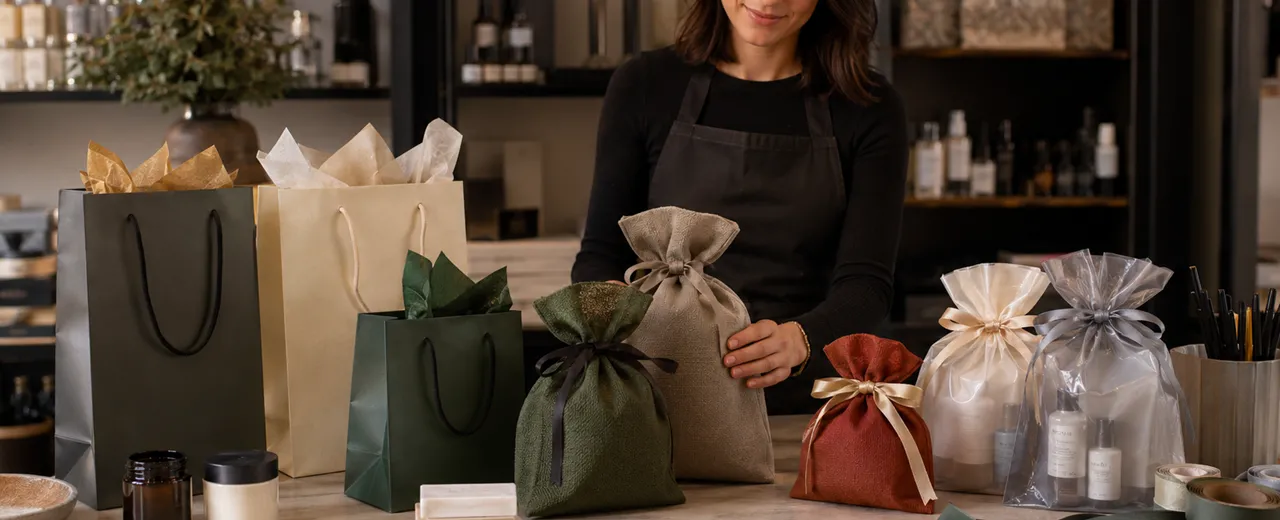
Paper, non-woven or polypropylene gift bags: which one to choose for your store

Choosing between paper, non-woven or polypropylene gift bags is not just a matter of aesthetics. For a shop,...
Read more
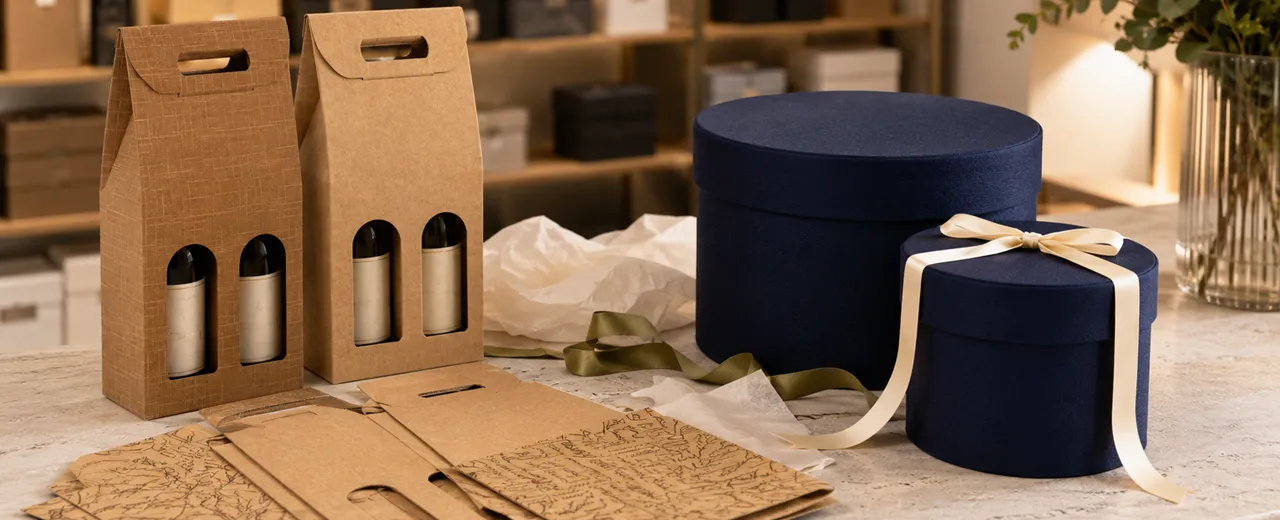
Gift bags and gift bags for shops: how to choose size, material and style

Choosing the right gift bags means making the moment of delivery to the customer easier, faster and more...
Read more
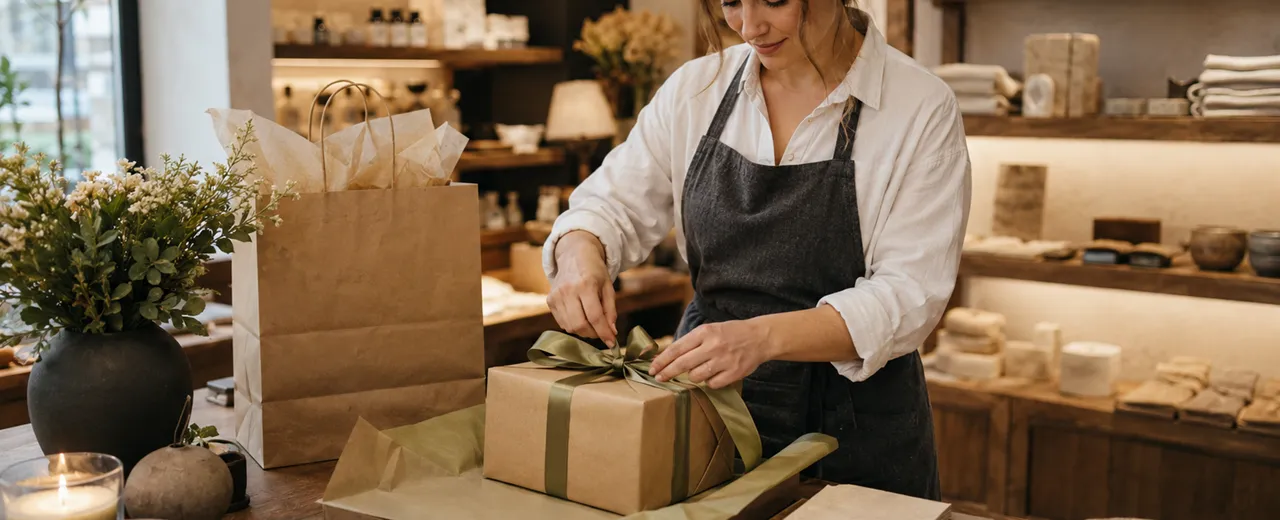
Folding cardboard box or Luxury box? How to choose the right packaging for your product

Choosing the right box means finding the balance between protection, practicality and perceived value. Folding...
Read more
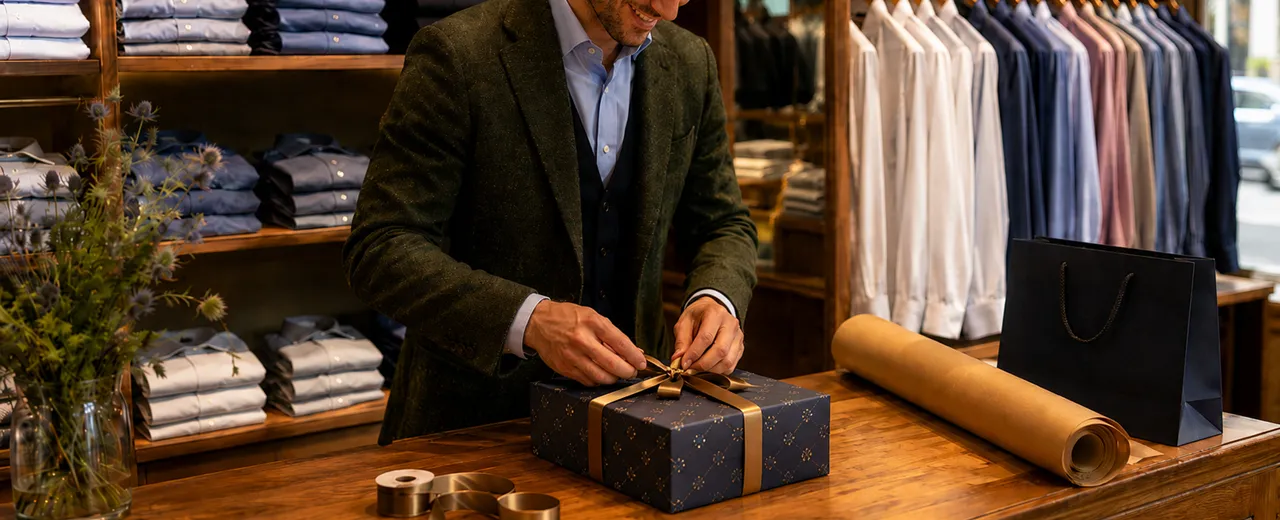
Wrapping to be chosen: the gift package that wins the customer's trust

Wrapping well means transforming the delivery of a product into a gesture of care, attention and trust. A well-kept...
Read more
Packaging for small shops: how to wrap better without slowing down the counter and checkout

Packaging for small shops must enhance every purchase without slowing down the counter and checkout.Wrapping better...

Read more
The Japanese art of wrapping: why packaging well helps sell better

A journey into the value of wrapping, starting from the care of Japanese retailers to get to the professional...

Read more

Packaging with Sustainability: The Future of Environmental Impact

Packaging with Sustainability: The Future of Environmental Impact
 

In the current context, more and more consumers are aware of the importance of reducing the environmental impact of their consumption actions. This awareness also extends to product packaging, with a growing interest in sustainable and eco-friendly packaging. In this article, we will explore the importance of packaging sustainably and the crucial role that eco-friendly packaging plays in reducing environmental impact in the aftermarket.

Plastic Waste Reduction

Traditional packaging, often made of single-use plastic, contributes significantly to the plastic waste crisis plaguing our planet. Packaging with sustainable materials, such as recycled paper or compostable bioplastics, helps reduce reliance on plastic from the pond and limit the accumulation of waste in our oceans and terrestrial ecosystems.

Carbon Footprint Minimization

The production and disposal of traditional packaging contribute to greenhouse gas emissions and climate change. Using sustainable materials and production processes with basso environmental impact helps to reduce the carbon footprint of packaging and mitigate its negative effects on the environment.

Incentivising the circular economy

Packaging with sustainability also means adopting practices that favor the circular economy. This means designing packaging that can be reused, recycled or composted at the end of its useful life, rather than simply being thrown away. In this way, you help create a virtuous cycle in which materials are kept in circulation for as long as possible, minimizing the need for virgin resources and the volume of waste generated.

Responding to Consumer Expectations

More and more consumers are looking for brands and products that reflect their environmental values. Packaging with sustainability not only helps reduce environmental impact, but also meets the expectations of customers who want to make conscious and eco-friendly choices. Offering sustainable packaging can therefore improve brand reputation and increase customer loyalty.

In conclusion, packaging sustainably is essential to addressing the environmental challenges our planet faces today. Investing in eco-friendly packaging not only reduces the environmental impact in the aftermarket, but also responds to consumers' growing expectations for sustainability. For companies, embracing sustainable packaging is not only an ethical choice, but also an opportunity to drive change and build a greener and more prosperous future for all.