Tissue paper and wrapping paper for shipping have different functions and should not be confused. The tissue protects...
Havana Resistant Cardboard Self-Assembling Boxes€0.72
 ChartaRè, RossiCarta's Online Packaging Store


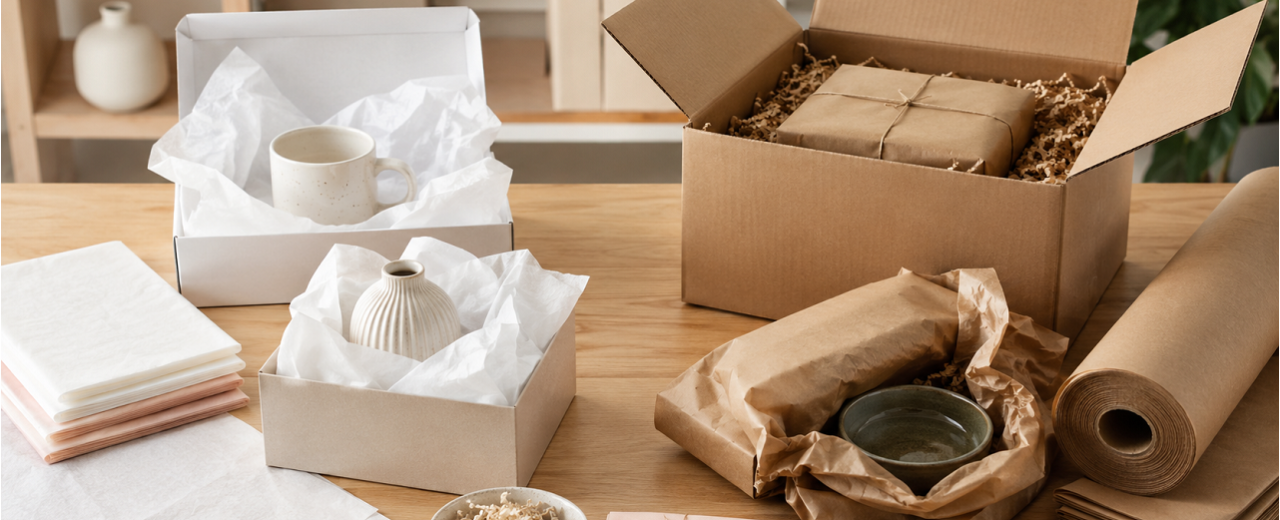
Tissue paper and wrapping paper for shipping have different functions and should not be confused. The tissue protects...
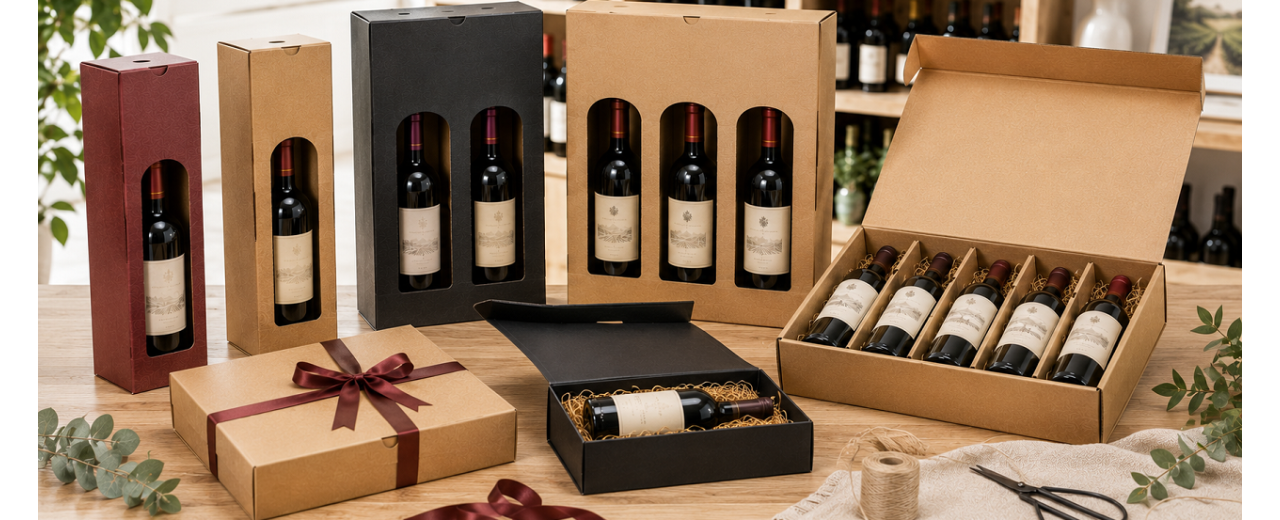
Wine boxes of 1, 2, 3 or 6 bottles help wine shops and wineries manage sales, gifts and delivery. Each format...

Personalised wine boxes enhance bottles, gift selections and corporate gifts. Logo, format and quantity must be...
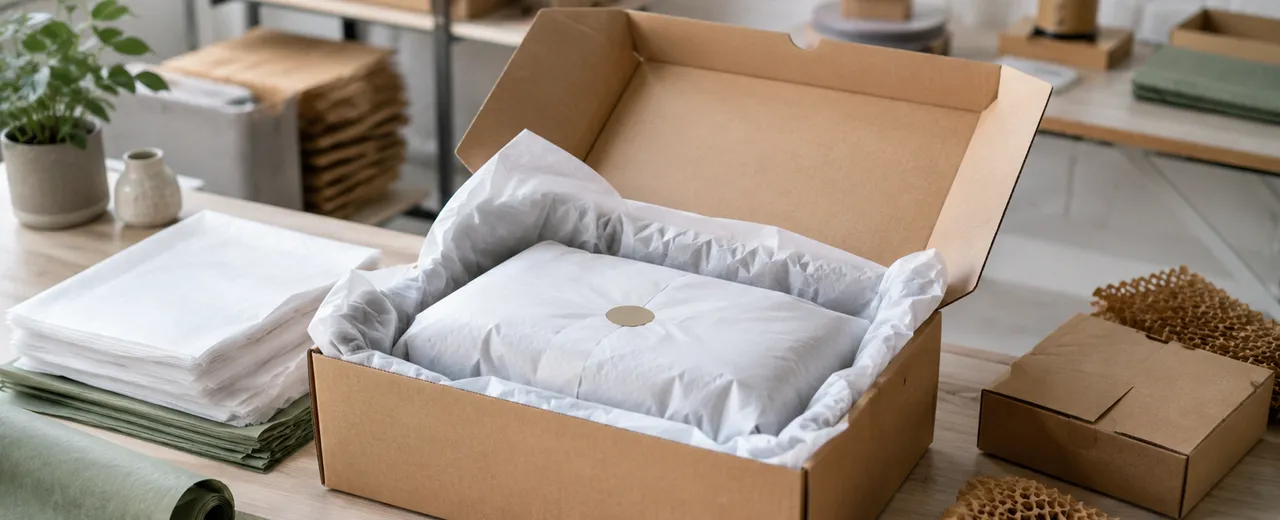
Tissue paper helps e-commerce businesses to superficially protect products and better present them inside the...
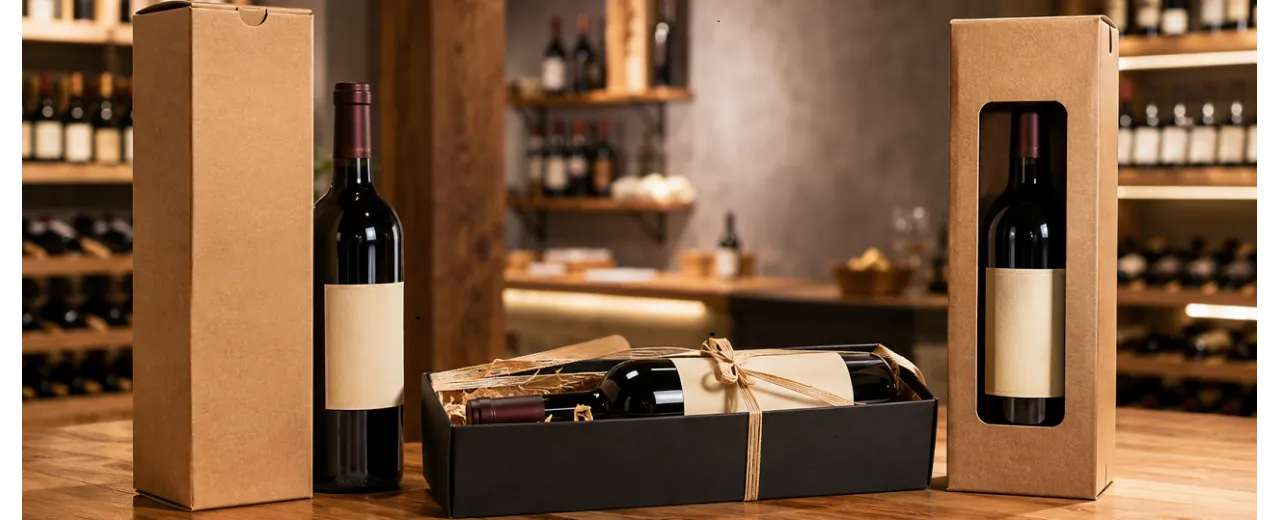
Wine boxes help wine shops and wineries to enhance bottles, gift selections and company packaging.Choosing between...
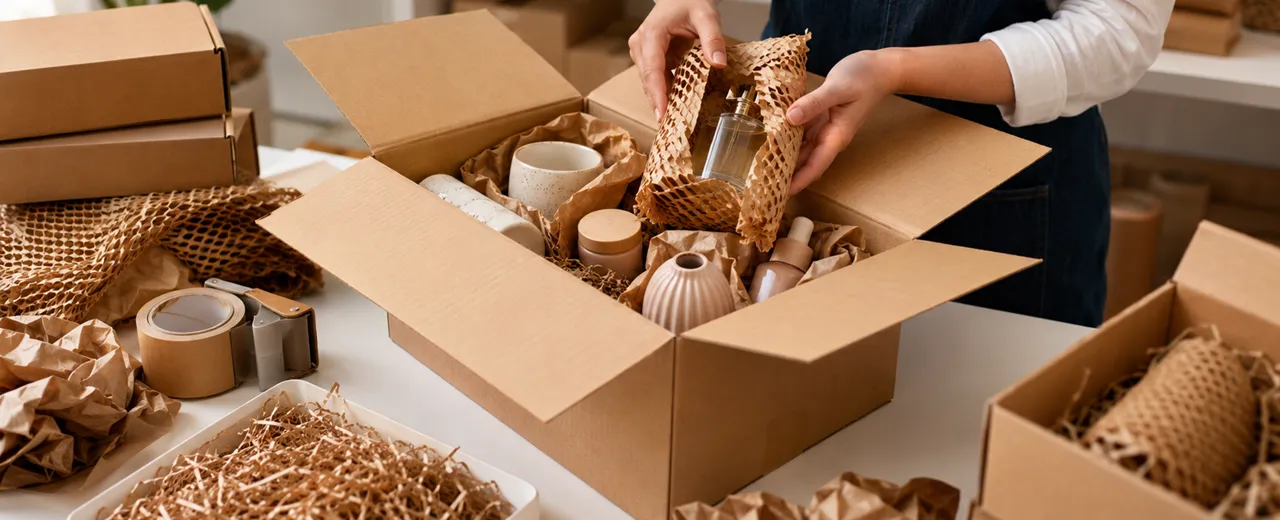
Fragile products require packaging designed according to weight, shape, material and mode of transport.Glass,...
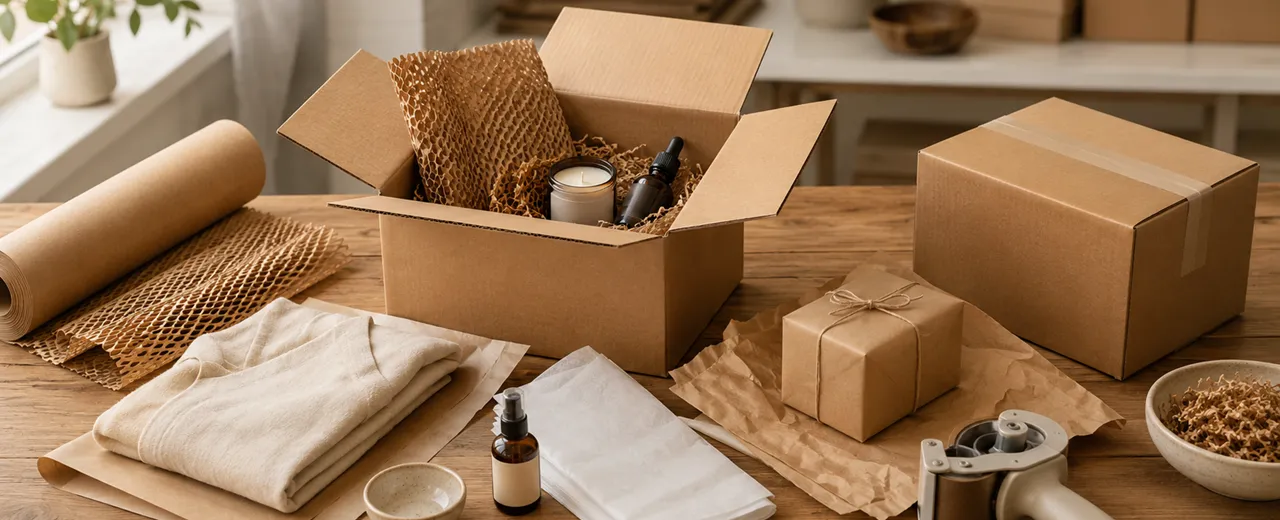
Preparing a package well means protecting the product and delivering an orderly and professional order to the...
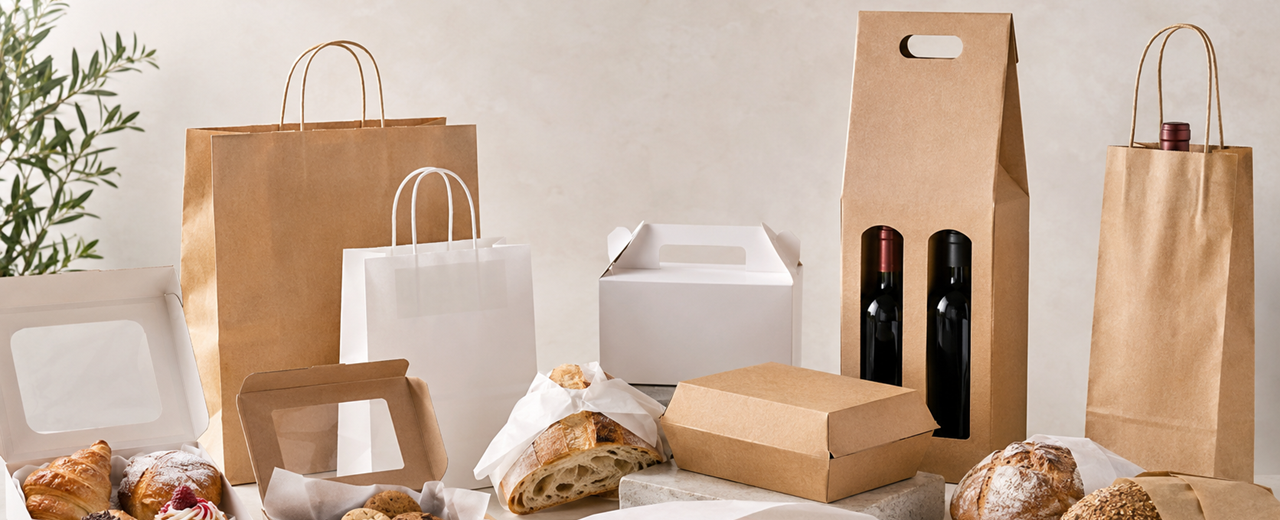
Food packaging must protect the product, speed up service and enhance every sale.Pastry shops, delicatessens and wine...
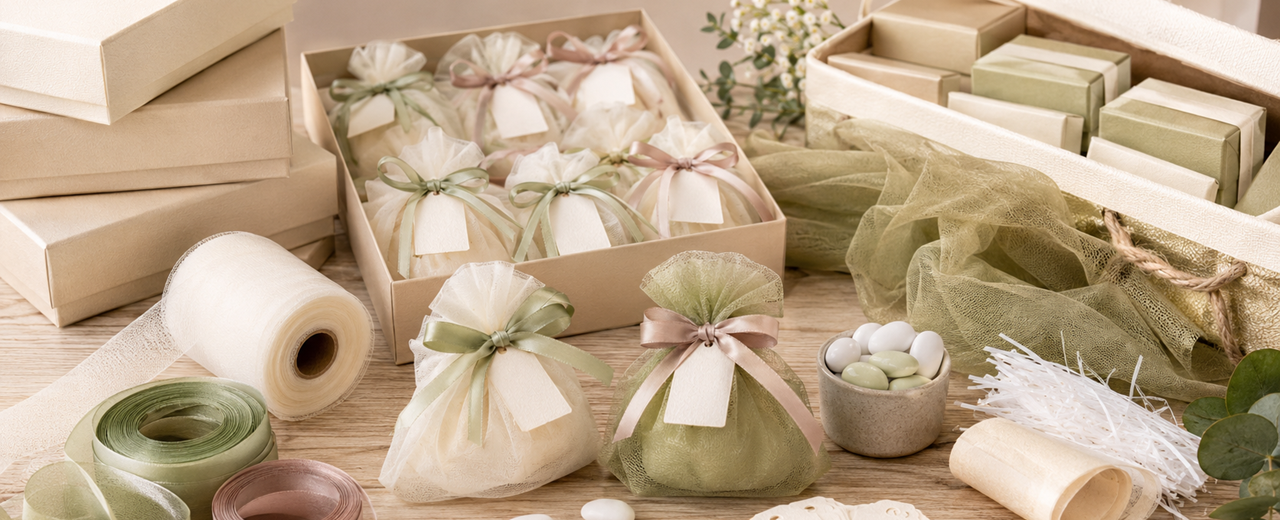
Packaging for wedding favors requires proportionate containers, coordinated materials and procedures that are easy to...
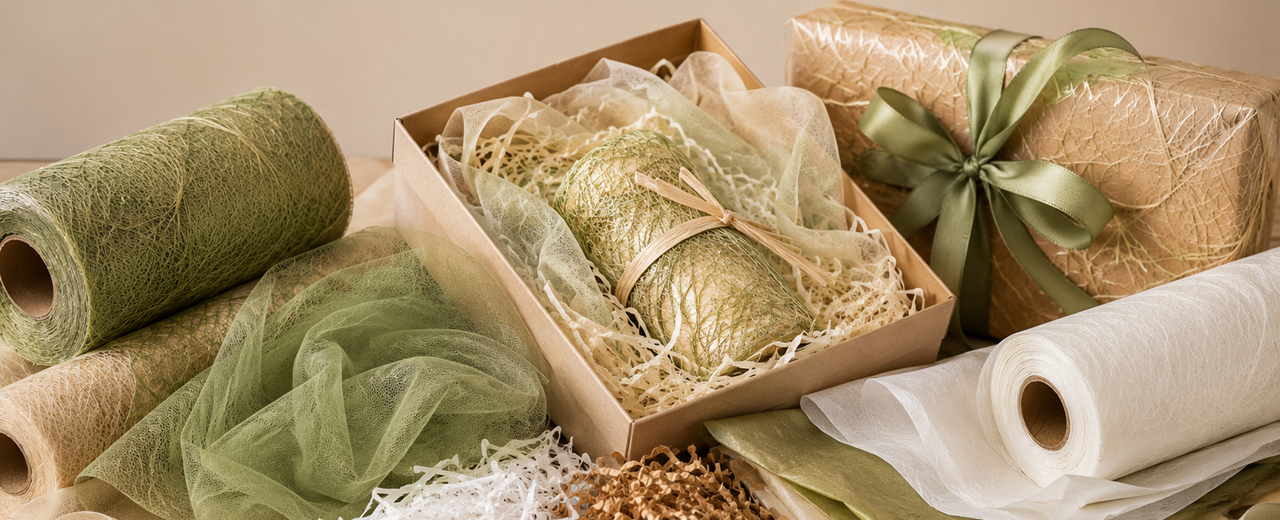
Grass paper, tulle, shavings and tissue paper perform different functions in professional packaging.The correct...
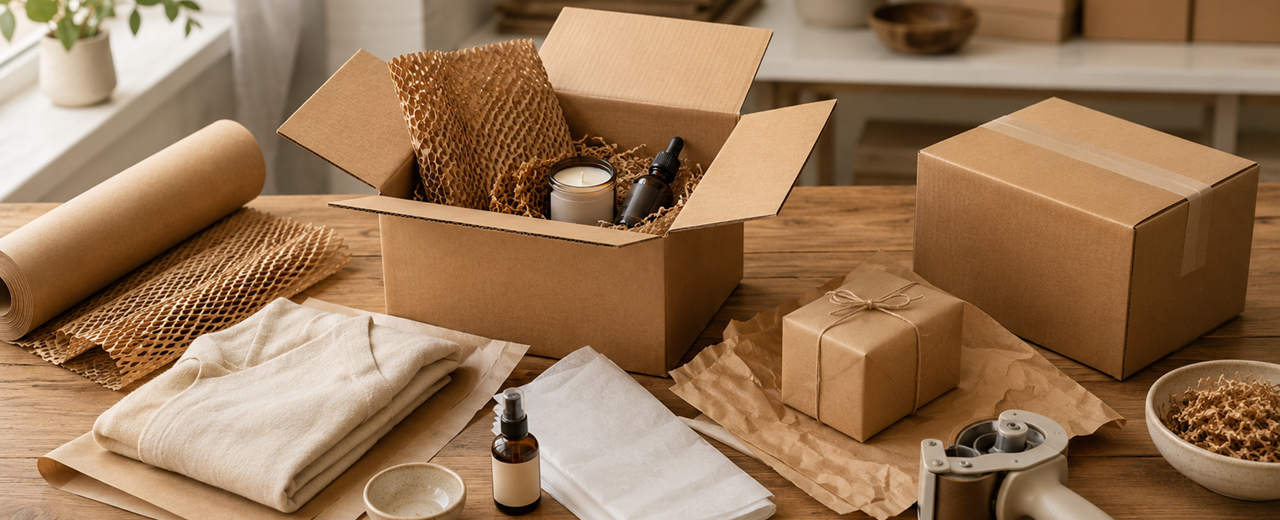
A customer package has to deal with handling, overlapping, bumping and changing positions during transport. Protection depends not only on the strength of the box, but on the balance between the container and the internal materials. The product should be wrapped when necessary, separated from other items, and locked in the gaps. Proper closure prevents accidental opening and keeps the structure stable until delivery. For frequent shippers, the organization of the workstation also affects speed, cost and accuracy.
The package must protect without becoming excessively large, heavy or complicated to open. In this guide, we see how to build a professional method to prepare safe and orderly shipments.
Preparing a package to ship to customers doesn't just mean putting a product in a box and applying tape. Each order must go through a sequence of steps that the shopkeeper cannot directly control: handling in the warehouse, loading onto vehicles, overlapping with other packages, vibrations, shocks and final delivery. The task of packaging is to keep the product stable and protected throughout this process, while avoiding material waste and disproportionate packaging.
For a store or e-commerce, the package also represents the first physical contact between the customer and the order received. If it arrives intact, clean, and easy to open, it builds trust in the business. If, on the other hand, the box is deformed, the contents move or the products appear messy, the perceived quality is reduced before the customer even evaluates what they have purchased. For this reason, preparation must become an operational method, based on a few correct materials and on steps that are easy to repeat.
Effective packaging starts with order analysis. We must consider the size, weight, fragility, shape and number of the items. A piece of clothing does not require the same system as a ceramic, a bottle, a glass cosmetic or a set made up of different products. The delivery channel is also important: an order picked up directly may require different protection than a package that will have to go through multiple fulfillment centers.
The Packaging & Shipping category allows you to build the complete system starting from containers, protective papers, filling materials and closures. The criterion should not be to add as much material as possible, but to use each element for a precise function. The box supports, the paper protects the surfaces, the filler blocks movement, and the tape keeps the neck closed.
Before starting, it is advisable to place all the items on the workstation and check how they can be arranged. Heavier products should remain at the bottom, while light and delicate products should be separated. If two hard surfaces can collide, a guard must be interposed. If the contents leave a lot of free space, it is preferable to choose a smaller container instead of unnecessarily filling a large volume.
The method must also be proportionate to the value of the order. A product that is not very fragile can be shipped with essential protection, while a delicate object requires more attention. However, the price of the product is not the only criterion – even a cheap item can generate replacement, service and reshipment costs if it arrives damaged.
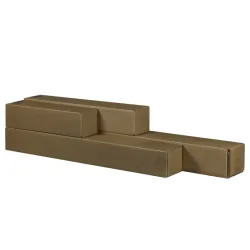
The box is the main structure of the package. It should be large enough to hold the product and protectors, but not so large that it leaves a space that is difficult to manage. Safe Shipping Boxes include different formats for small, medium, bulky or lengthwise orders. The internal measurement must be evaluated on the already wrapped product, not on the bare product.
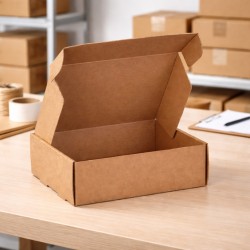
The folding boxes made of brown cardboard are practical for those who prepare many orders, because they allow quick assembly and produce a tidy package. They are especially suitable for light or medium products, accessories, cosmetics, books, gift items and composite orders. The basso format avoids unnecessary volumes, while the taller variants allow you to insert more items or internal protections.
Havana cardboard boxes for packaging and shipping are suitable when more traditional and resistant structures are needed, to be closed with adhesive tape. For a heavy or fragile product, the box must retain its shape even when it is lifted and placed. The bottom must be carefully sealed before inserting the contents.
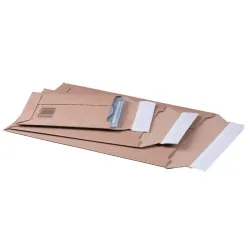
Not all orders require a traditional box. Expandable Mailing Envelopes can be suitable for documents, prints, catalogs, small accessories, and thin products that do not require a rigid volume. Choosing the right pouch reduces weight and bulk, but should not be used for items that may bend, break, or warp.
Boxes and containers for professional shipments
The box protects the package from the outside, but does not automatically prevent scratches, bumps between items or damage to surfaces. Before insertion, we must therefore evaluate which products need to be wrapped. The Wrapping, Wrapping and Wrapping Paper section includes papers that can be used to coat, separate and protect items of different sizes.
Honeycomb paper for fragile products creates a three-dimensional structure when laid out and can be used to wrap glass, ceramics, cosmetics, accessories and objects. The material must adhere to the product without leaving any rigid parts exposed. Corners, edges and vulnerable areas require special attention.
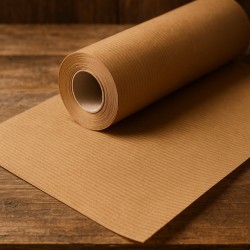
Havana ribbed wrapping paper can be used to wrap surfaces, separate products and create protective layers. It is useful when you need a more resistant paper than tissue paper or when we need to avoid multiple items touching each other directly. It can also be crumpled to fill small spaces, as long as the result remains uniform.
When the order contains multiple products, it is preferable to wrap them individually before creating the internal composition. Heavy items should not rest on top of delicate items. Liquids should remain vertical when the package requires it, and each cap should be checked. Any inner bag may contain accidental leaks, but it is not a substitute for the product to be properly closed.
The protection must remain easy to remove. Excessive layers, tape applied directly to the product, or wrappers that are difficult to open can degrade the customer experience. The goal is to protect during the journey and allow for orderly opening upon arrival.
Protective papers for wrapping and separating
One of the most frequent mistakes is to focus on the box and neglect what is happening inside it. Even a durable container can fail if the product continues to move during transport. The empty space must be managed with a material capable of supporting and blocking, without excessively compressing the contents.
The Chip for filling boxes can be used for composite orders, cosmetics, giftware, gift boxes, bottles and handicrafts. The material creates a bottom, occupies the side spaces and helps to keep the composition more stable. The white, brown or recycled paper variants also allow you to coordinate the inside of the package with the image of the store.
The filling must be distributed methodically. First a bottom layer is prepared, then the products are placed and finally the side and top spaces are completed. The material must not only cover the contents: it must prevent movement. After preparing the package, it is helpful to tilt it gently. If items change position or hit walls, internal protection is not enough.
A box that is too large does not automatically become safe by adding a lot of chips. Excess increases costs, volume, and preparation time. When the vacuum is considerable, the correct solution is often to change format. For recurring orders, it is advisable to record the combinations used most often, associating each type of product with a box and an indicative quantity of internal material.
For particularly fragile items, the chip can complement a protection already applied around the product, but it does not have to be the only barrier. First you wrap the object, then you lock it in the box. Separating these two functions makes the system more reliable and easier to replicate.
Fillers to block and present products



Once the interior is complete, we must check that the box closes without abnormal pressure. If the flaps remain raised or the cardboard deforms, the contents are too bulky or overfilled. A forced closure makes the package more vulnerable and can produce openings during handling.
The brown or transparent adhesive tape for packaging is suitable for sealing boxes. The tape must adhere to a clean, dry surface and must cover the joint properly. In heavier packages, it is also advisable to reinforce the transverse edges, but avoid unnecessarily wrapping the entire box.
Adhesive tape with Fragile lettering makes the need for prudent handling visible, but does not replace internal packaging. The report completes a package that is already correctly designed; it cannot compensate for a weak box or a moving product.
The eco-friendly adhesive tape made of Havana paper can be chosen when you want to maintain visual continuity with the cardboard and build a more natural-looking packaging. Also in this case, the width and quantity applied must be proportionate to the weight and structure of the box.
The shipping label should be applied on a flat surface, without creases and without covering the main closures. Old labels or codes should be removed when reusing a container. The recipient, the sender and any operational references must remain clearly legible.
Tapes for safe and professional closures


For those who ship every day, the quality of the package also depends on the organization of the location. Boxes, papers, chips, tapes, scissors and labels must be arranged in the order of operations. Staff should not walk through the warehouse to continually retrieve missing materials or search for the correct format.
The most used boxes can be kept close to the preparation area, still folded to reduce the footprint. Sheet papers must remain flat and protected from dust and moisture, while reels must be able to be easily unrolled and cut. The shavings must be stored in large but controllable containers, preventing them from being dispersed on the workstation.
It is advisable to establish standard procedures for recurring orders. A cosmetic can have a definite combination of box, wrapping, and filling; An item of clothing can use another system; A gift set may require a specific container. These associations reduce the decisions to be made during the work and make the result more uniform.
Stock control must also follow real consumption. It is not enough to know how many boxes remain: it is necessary to check tapes, papers and fillers, because the lack of a single component can block the entire preparation. For periods of increased demand, orders for materials must be scheduled in advance, also considering the space required to store them.
Before entrusting the package to the courier, it is necessary to carry out a quick but systematic check. The box must be undamaged, without tears, moisture or deformation. The bottom and top must be closed properly. The content must not move and the label must be legible.
The weight must be distributed in a balanced way. If the package tends to tilt or a wall appears under pressure, it is advisable to reopen it and correct the arrangement. A minute taken before shipment can avoid damage, a claim, and a redelivery.
The package should also be simple to open. The customer should not risk damaging the product by using scissors or cutters in depth. Whenever possible, it is useful to leave a gap between the closure and the contents or to insert a top protection. The interior should look tidy and should not contain random materials.
At ChartaRè, we help stores and e-commerce companies build complete packing stations, choosing boxes, papers, fillers and ribbons based on the products to be shipped and the frequency of orders. Preparing a professional package means combining protection, efficiency and presentation. When the method is clear, the work becomes faster, the materials are used better and the customer receives an order capable of confirming the quality of the store.
 Practical Guide: The Art of Window Dressing
 Artificial intelligence (AI) in the Physical Store.
 The DIY Wedding Favor, the Perfect One.
 Packaging with Sustainability: The Future of Environmental Impact
 Practical Guide to Customizing Wedding Favors: Tune in to the Theme of the Event and Personal Tastes
 Preparing for Christmas Magic: When and How to Present Your Window Displays to Maximize Sales