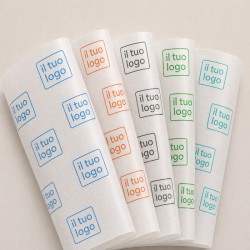
Tissue paper and wrapping paper for shipping have different functions and should not be confused. The tissue protects...
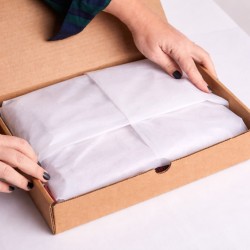
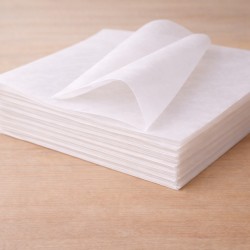
White Tissue Paper Monogloss Sheets - Packs of 5 kg€26.72
 ChartaRè, RossiCarta's Online Packaging Store


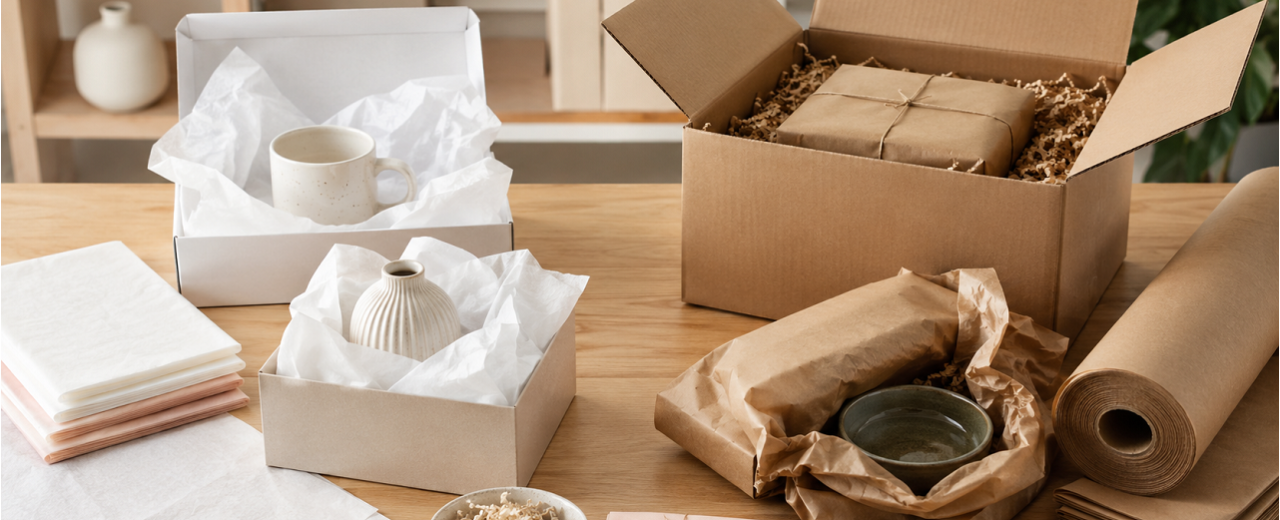
Tissue paper and wrapping paper for shipping have different functions and should not be confused. The tissue protects...

Wine boxes of 1, 2, 3 or 6 bottles help wine shops and wineries manage sales, gifts and delivery. Each format...

Personalised wine boxes enhance bottles, gift selections and corporate gifts. Logo, format and quantity must be...

Tissue paper helps e-commerce businesses to superficially protect products and better present them inside the...
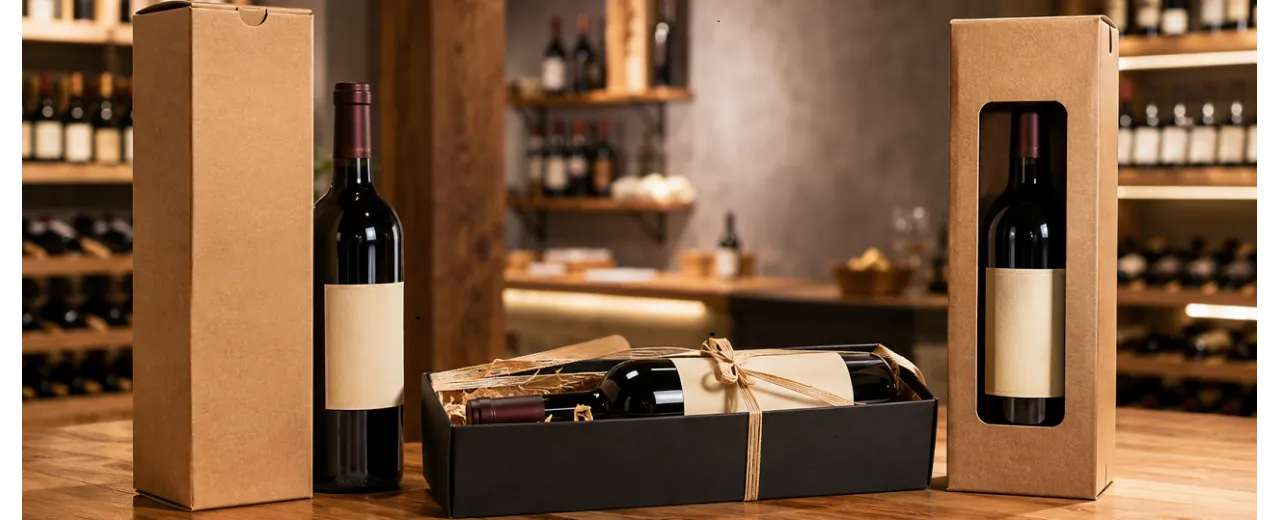
Wine boxes help wine shops and wineries to enhance bottles, gift selections and company packaging.Choosing between...

Fragile products require packaging designed according to weight, shape, material and mode of transport.Glass,...

Preparing a package well means protecting the product and delivering an orderly and professional order to the...

Food packaging must protect the product, speed up service and enhance every sale.Pastry shops, delicatessens and wine...
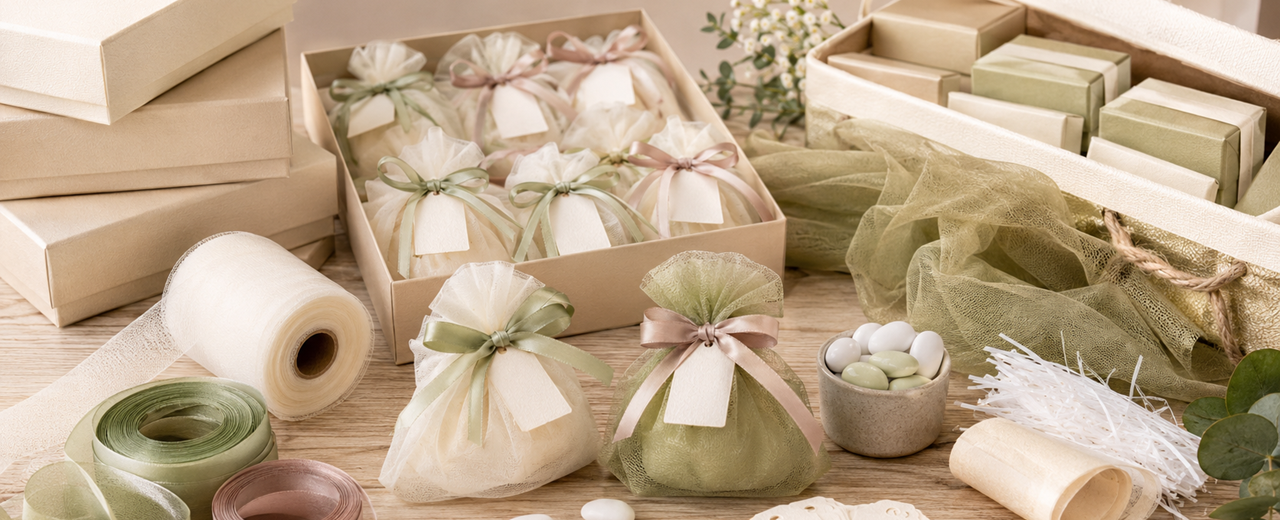
Packaging for wedding favors requires proportionate containers, coordinated materials and procedures that are easy to...
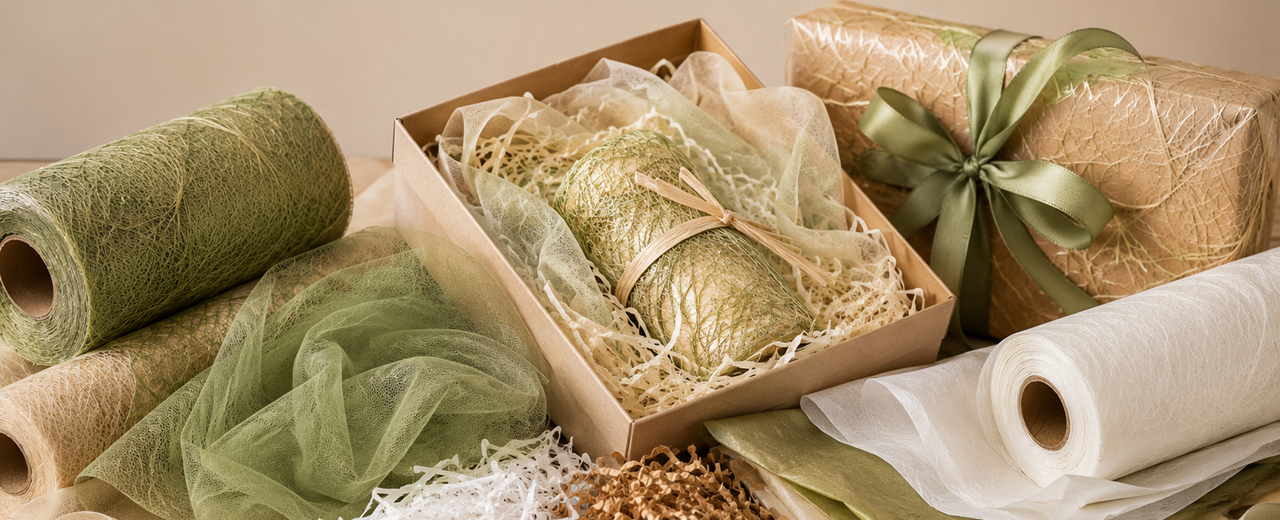
Grass paper, tulle, shavings and tissue paper perform different functions in professional packaging.The correct...
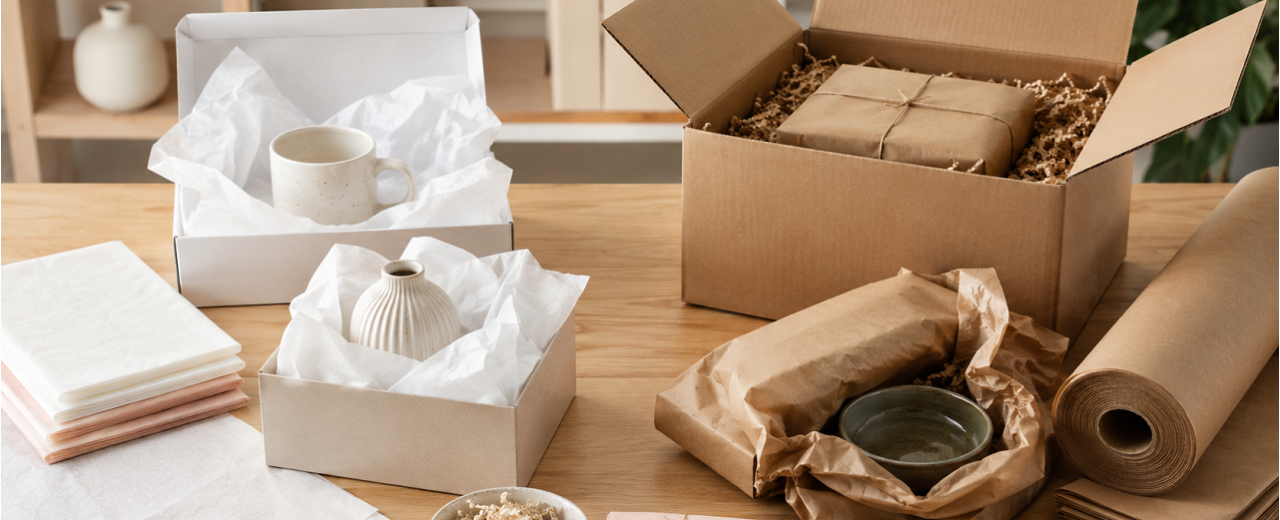
In professional shipping, each paper must be chosen according to the function it must perform. Tissue paper is light, soft and suitable for protecting delicate products from rubbing and dust. Wrapping paper is more consistent and is used to wrap, cover and reinforce packaging. An elegant product may require tissue paper for presentation and wrapping paper for added protection. For e-commerce and stores, the choice depends on fragility, weight, format, aesthetics and delivery method. Boxes, fillers, tapes and shockproof materials must also complete the system correctly.
In this guide we see the differences, uses and criteria for choosing the most suitable paper for shipping. Tissue paper and wrapping paper are often considered similar materials, but in shipping packaging they play very different roles. The first works mainly on surface protection and the internal presentation of the package. The second is more suitable for wrapping, covering, separating and giving greater consistency to the package. For a store, laboratory, e-commerce or retail business, knowing this difference is important because it helps avoid messy packaging, poorly used materials and less effective packages. When an order is shipped, the customer assesses both the integrity of the product and how they receive it. A clean, tidy and protected inner packaging conveys attention. A paper that is too light used instead of a more robust protection, on the other hand, can create problems. Similarly, wrapping paper used where tissue paper would be needed may be too rigid or inelegant. The point is not to choose one card that is better than the other, but to understand when to use them and when to match them.
Tissue Paper for Packaging is thin, soft and light. It is used to wrap delicate products, separate items in the same box, cover folded garments, protect shiny surfaces and make the opening of the package more accurate. It is very useful for fashion, accessories, cosmetics, bijoux, gifts, gift items and e-commerce orders where presentation plays an important role. Paper for Parcels, Packaging and Food Packaging, on the other hand, includes papers that are more suitable for wrapping, packaging and protecting in a practical way. Wrapping paper, especially in Havana or ribbed formats, offers more body than tissue paper and can be used to cover products, protect less delicate surfaces or create an intermediate layer before the box. The main difference is therefore the function. The tissue trims and protects slightly. Wrapping paper wraps and supports better. In a well-constructed expedition, both may be needed, but in different positions.
Lightweight cards and parcel cards for shipping
Tissue paper is suitable when the product must arrive clean, tidy and pleasant to open. It is not a shockproof material, but it protects against dust, small rubbing and direct contact between items. For example, it can be used to wrap a piece of clothing, separate accessories, cover a product inside a gift box, or create the first layer of protection before inserting a filler. In e-commerce packages, tissue paper helps to improve the opening experience. The customer does not immediately see the naked product inside the box, but finds a tidier packaging. This is important for online boutiques, perfumeries, gift shops, artisan brands and businesses that want to maintain a more accurate perception even in shipping. The tissue can be white, semi-transparent or colored. The choice depends on the image of the store and the type of product. A white tissue communicates cleanliness, a colored one adds identity, a semi-transparent one creates a lighter effect. If the product is fragile, however, the tissue must be completed with more protective materials.
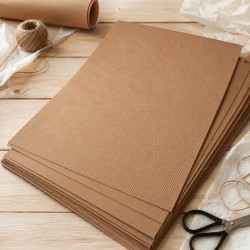
Wrapping paper is more suitable when more concrete protection is needed than tissue. It can wrap individual products, cover items before cartoning, separate heavier items, or create a stronger level of packaging. Wrapping Paper is also useful for businesses that prepare packages frequently and need a practical, versatile and easy-to-manage material. Compared to tissue, wrapping paper has a more functional rendering. It was not created primarily to create surprise or delicacy, but to protect and package. It is very useful for handicrafts, shop items, gifts, books, small home accessories, light hardware, laboratory products, and items that need to be wrapped before entering a box. Wrapping paper also works well as a separator. If multiple products travel in the same packaging, it can avoid direct contact and make the interior tidier. It does not replace shockproof materials when needed, but offers a more resistant base than tissue.
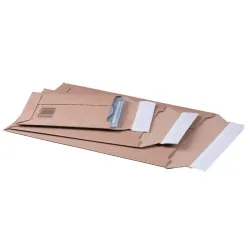
In e-commerce packaging, tissue paper and wrapping paper can work together. The tissue creates the first contact with the product and improves the presentation. Wrapping paper adds coverage, order and greater external protection. This combination is useful when the product needs to be both enhanced and shipped safely. The Packaging & Shipping category helps build a complete system, because paper and tissue alone are not always enough. To ship well, you also need boxes, fillers and suitable closures. Safe Shipping Boxes are important when the product needs to travel without deforming or moving too much. A practical example is this: tissue paper around the product, wrapping paper to wrap or separate, filler to stabilize and outer box to protect. This way each material has a specific task and the package looks more professional.
Protection, filling and complementary materials
The choice between tissue paper and wrapping paper must start with the product. If we sell clothing, accessories, scarves, cosmetics, bijoux or items with delicate surfaces, tissue paper is often the first solution to use. If, on the other hand, we need to wrap stiffer objects, separate less delicate products or create a more consistent layer, wrapping paper is more suitable. For fragile products, neither should be considered sufficient on its own. Tissue protects the surface, wrapping paper wraps better, but true impact control requires specific materials. Box Filler Chips can help stabilize gift packaging and mixed products, while Honeycomb Paper can offer more structured protection for many items that need to be shipped. Weight matters too. A light product can be handled with tissue and box. A product medio may require wrapping paper and filling. A fragile or heavy product must be protected with a suitable box and more technical internal materials.
For stores and e-commerce, the size of the card has a big impact on speed. Sheets are practical when products have recurring measurements and staff need to work in an orderly manner. Reels are best suited when packaging often or when products vary in size. The choice is not only about the material, but also about the pace of work. Boxes complement the paper because they give structure to the shipment, while Adhesive Tapes help to close the package correctly. Adhesive Tapes for Packaging must also be chosen according to the function: daily closure, fragile signaling, greater tightness or cleaner presentation. Organizing stocks well avoids slowdowns. The most used tissue paper must be close to the order preparation area, wrapping paper must be easy to cut and the boxes must be divided by size. This makes packaging faster and less improvised.
Boxes and closures for ordered shipments
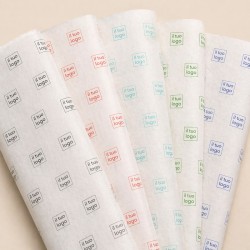
To choose between tissue paper and wrapping paper, we have to answer a simple question: what function should the material perform? If it needs to slightly protect, separate and improve the opening, we choose tissue. If it has to wrap, cover and give more body to the package, we choose wrapping paper. If you need to cushion, block or protect against impacts, you need complementary materials. The Gift Card can be useful when the shipment must also have a gift appearance, while the Personalized Papers and Tissues allow you to make the internal packaging with logo or pattern more recognizable. However, personalization must also respect the function: a personalized tissue improves the opening experience, but does not replace technical protection. At ChartaRè, we help shops, e-commerce, boutiques, laboratories, delicatessens and retail businesses to choose papers and shipping materials consistently. The best packaging comes from the balance between presentation, protection and practicality. Tissue paper and wrapping paper are not absolute alternatives: they are different tools, to be used in the right place of the package.
Tissues, papers and personalization for internal packaging
 Practical Guide: The Art of Window Dressing
 Artificial intelligence (AI) in the Physical Store.
 The DIY Wedding Favor, the Perfect One.
 Packaging with Sustainability: The Future of Environmental Impact
 Practical Guide to Customizing Wedding Favors: Tune in to the Theme of the Event and Personal Tastes
 Preparing for Christmas Magic: When and How to Present Your Window Displays to Maximize Sales