Tissue paper and wrapping paper for shipping have different functions and should not be confused. The tissue protects...
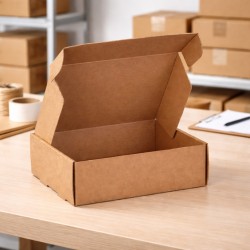
Havana Resistant Cardboard Self-Assembling Boxes€0.72
 ChartaRè, RossiCarta's Online Packaging Store


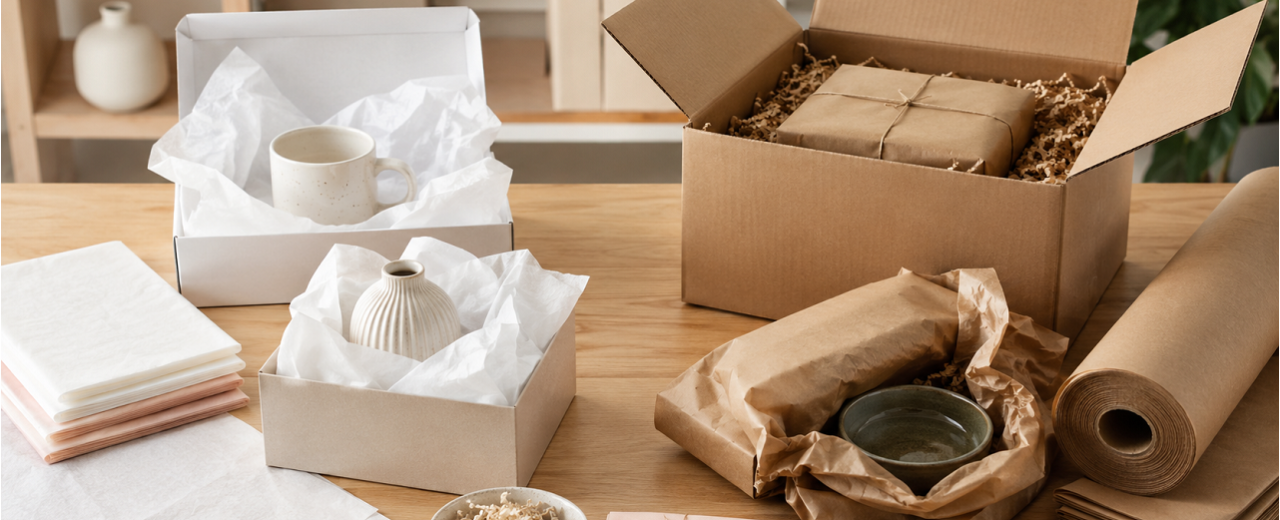
Tissue paper and wrapping paper for shipping have different functions and should not be confused. The tissue protects...
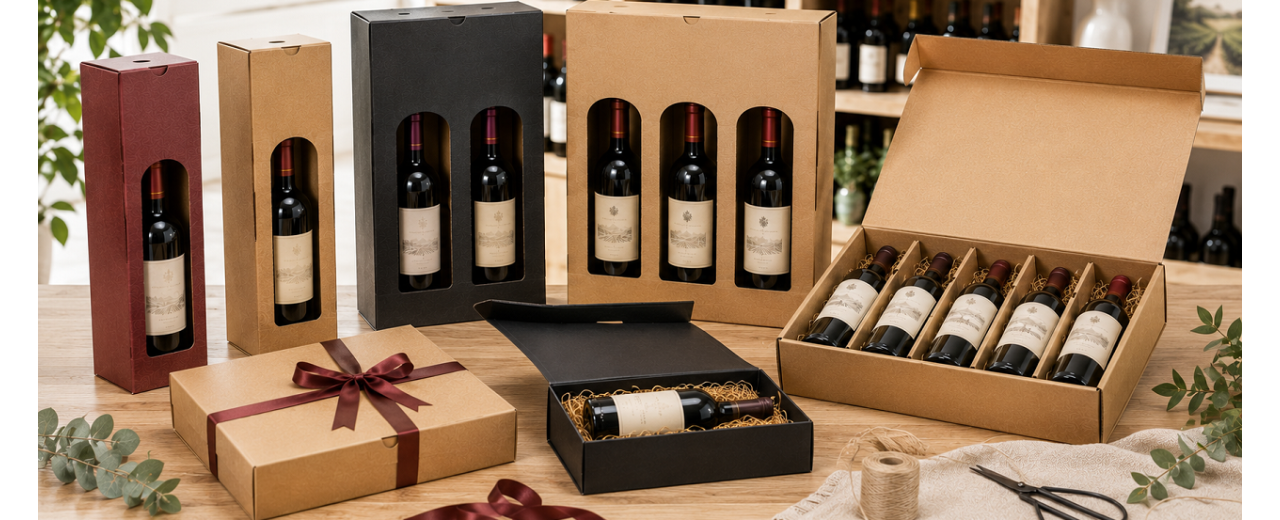
Wine boxes of 1, 2, 3 or 6 bottles help wine shops and wineries manage sales, gifts and delivery. Each format...
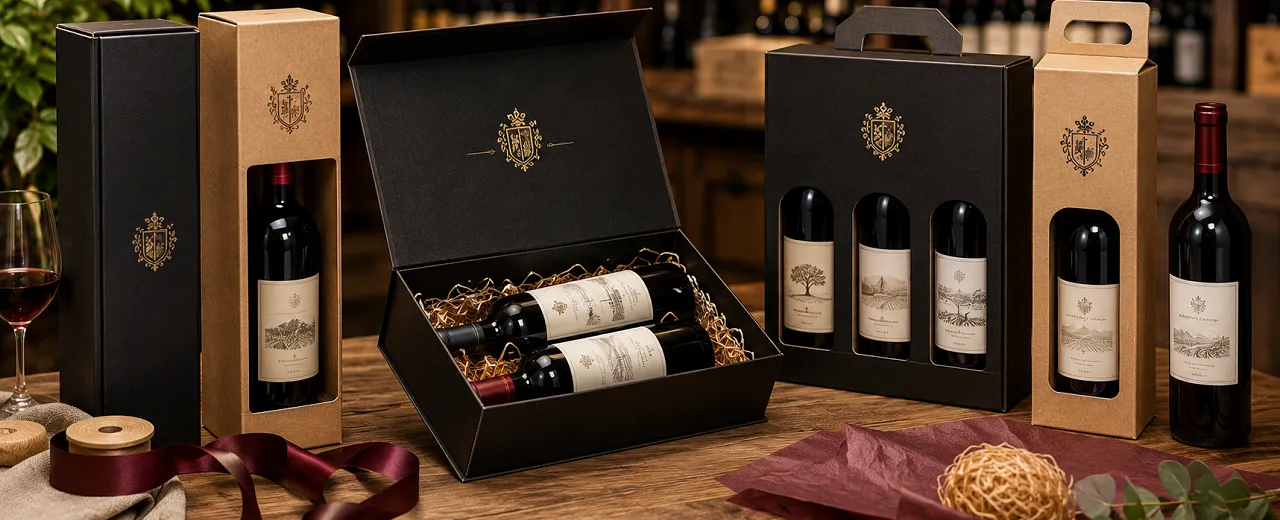
Personalised wine boxes enhance bottles, gift selections and corporate gifts. Logo, format and quantity must be...
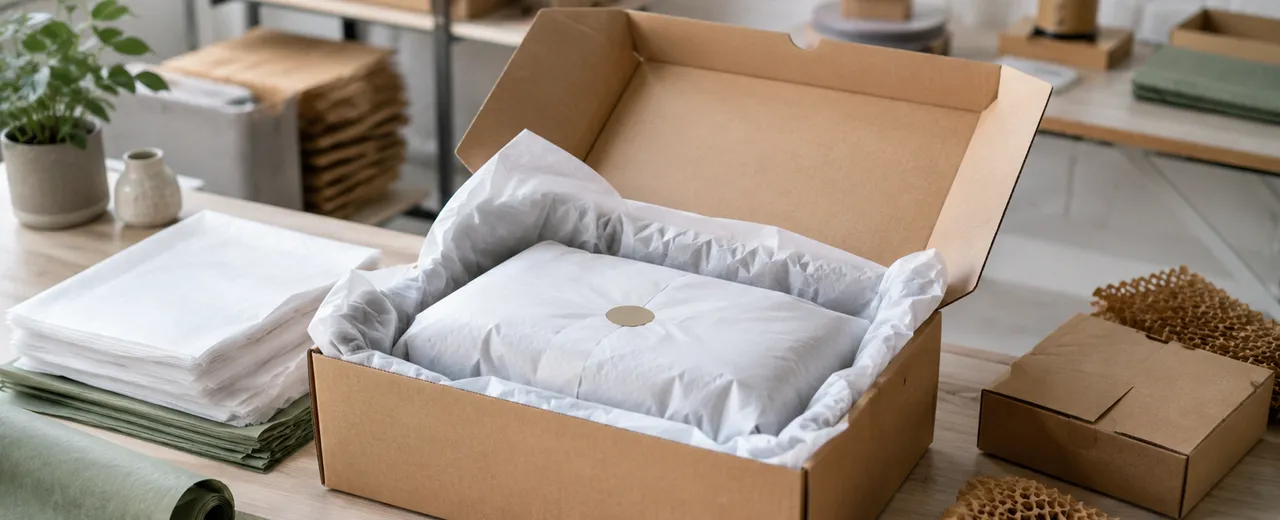
Tissue paper helps e-commerce businesses to superficially protect products and better present them inside the...
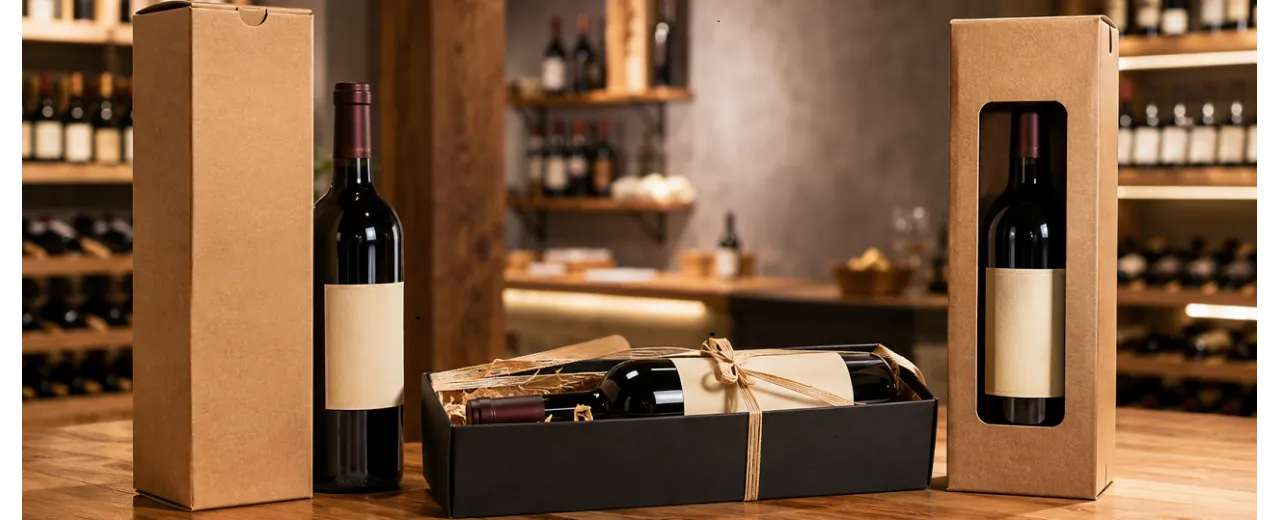
Wine boxes help wine shops and wineries to enhance bottles, gift selections and company packaging.Choosing between...
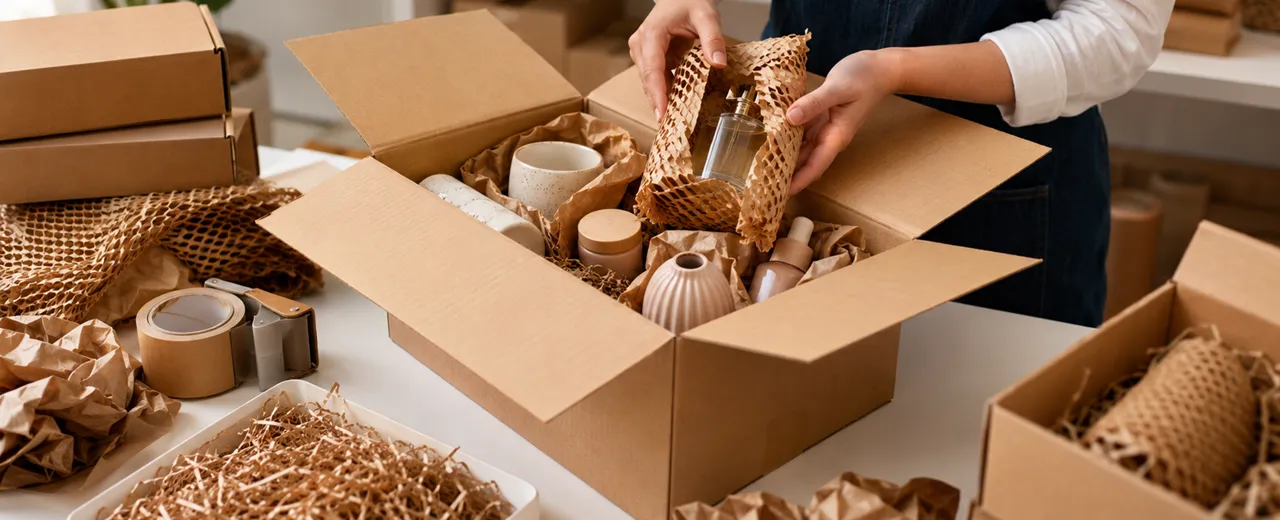
Fragile products require packaging designed according to weight, shape, material and mode of transport.Glass,...
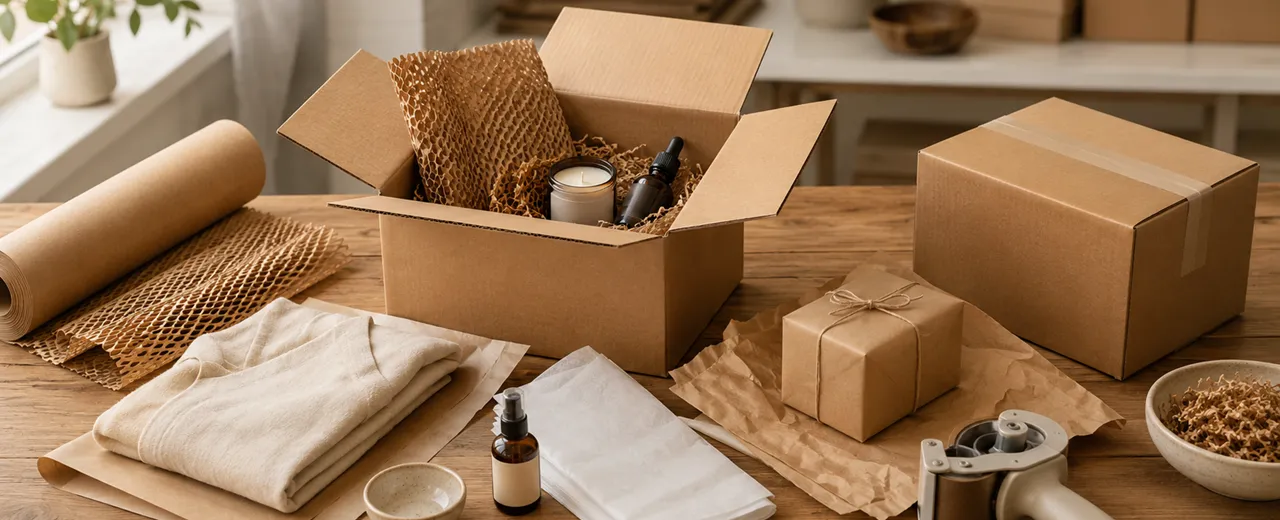
Preparing a package well means protecting the product and delivering an orderly and professional order to the...
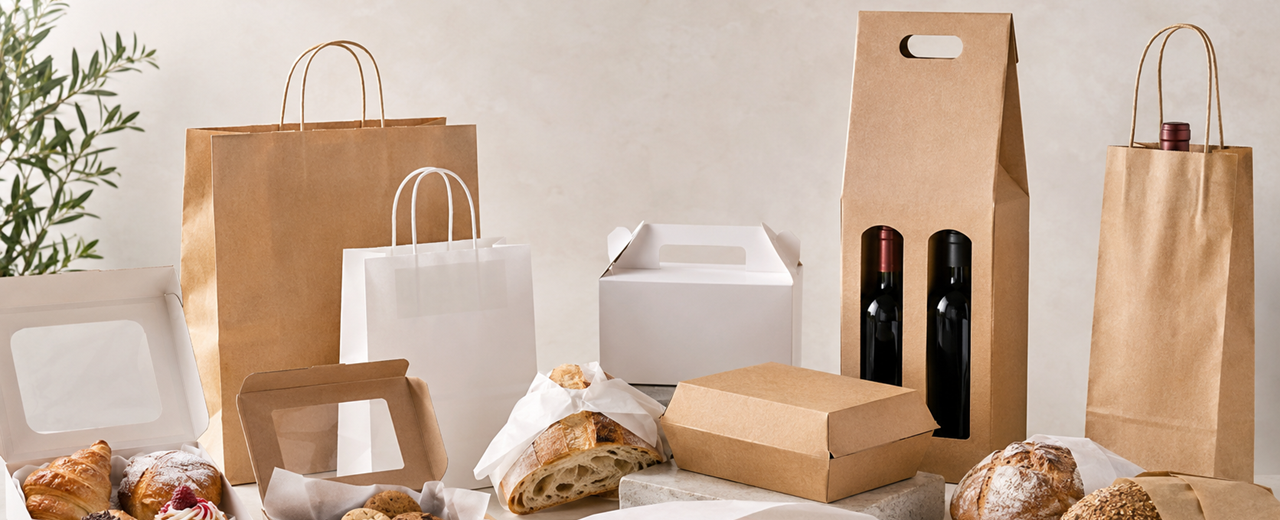
Food packaging must protect the product, speed up service and enhance every sale.Pastry shops, delicatessens and wine...
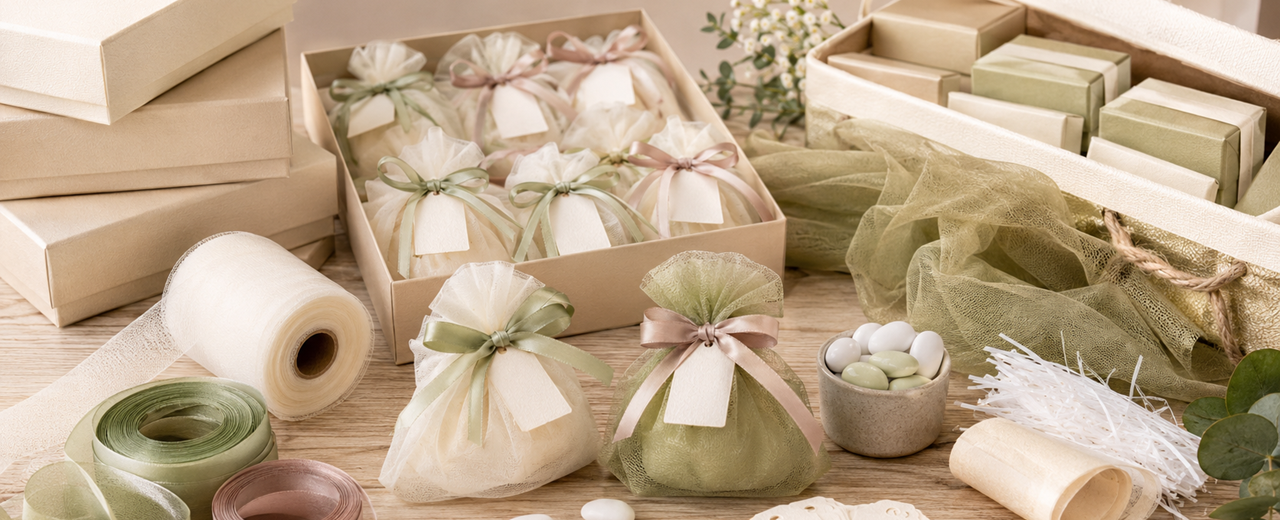
Packaging for wedding favors requires proportionate containers, coordinated materials and procedures that are easy to...
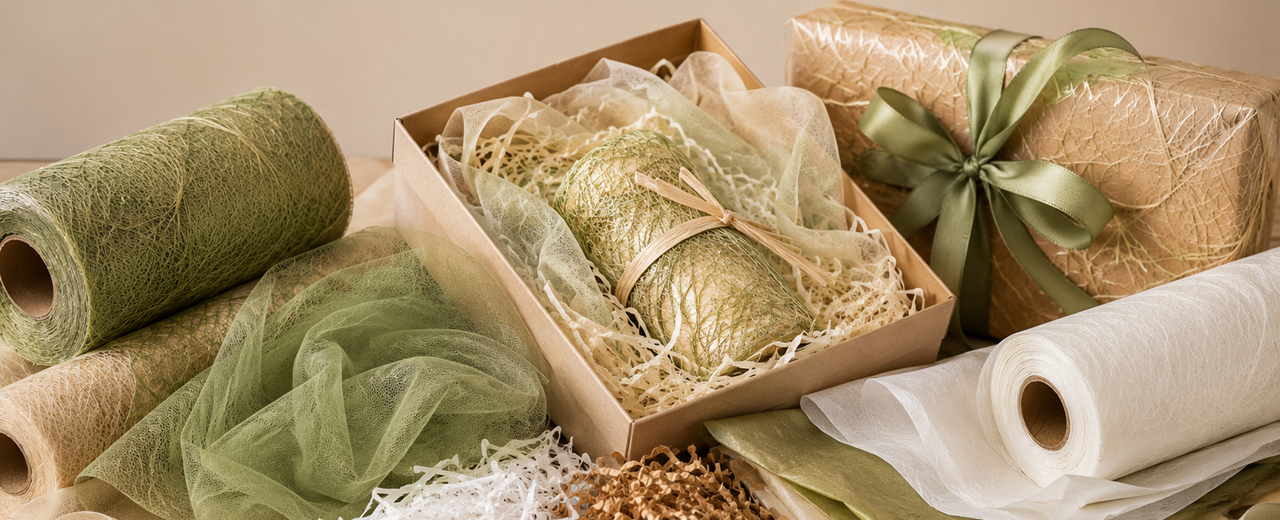
Grass paper, tulle, shavings and tissue paper perform different functions in professional packaging.The correct...
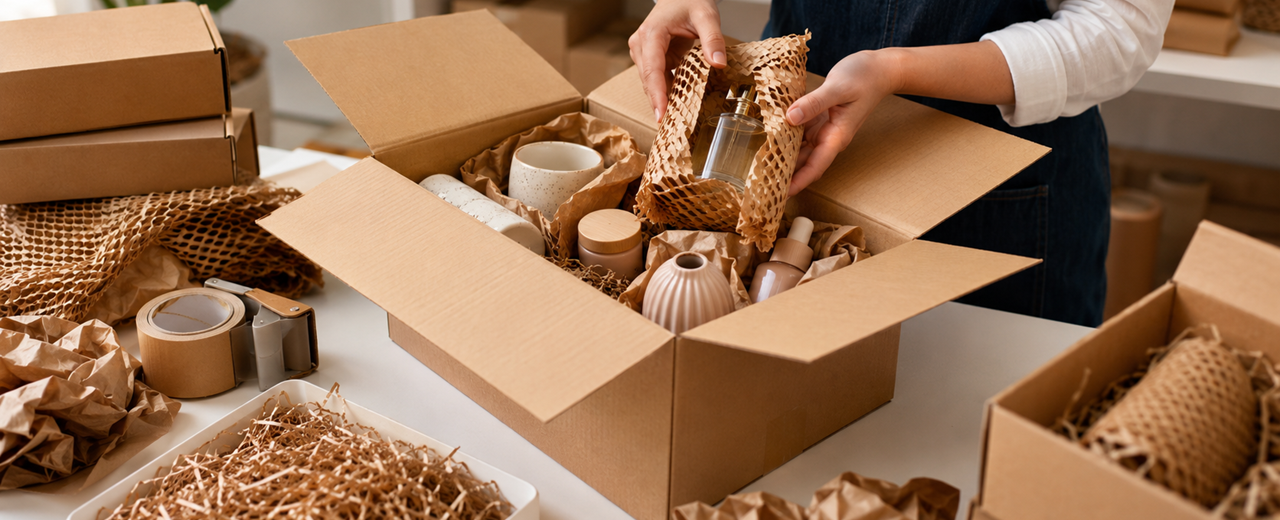
A fragile product can be damaged by direct impact, external pressure or continuous movement inside the box. To protect it, it is not enough to add a lot of material: we need a proportionate and well-built system. Glass and ceramics require attention to edges, handles, necks, and surfaces that can bump into each other during the journey. Cosmetics and bottles must be protected both from breakage and from the risk of accidental opening or leakage. In compound orders, each item must be individually wrapped and separated from the heaviest items.
The box must be correctly sized, filled, sealed and checked before being entrusted to the courier. In this guide we see how to organize a professional, replicable method suitable for daily shipments.
For a retailer, shipping a fragile product means entrusting an important part of the sales experience to packaging. From the moment the package leaves the warehouse, the product faces passages, vibrations, tilts, overlaps and shocks that cannot be directly controlled. The protection must therefore be designed before shipping, considering not only the delicacy of the item, but also the shape, weight, most vulnerable points and the presence of other products in the same order.
A damaged package generates costs that go beyond the value of the item. The store must handle the claim, verify the photographs, arrange a replacement, prepare a new shipment, and spend time serving. Even when the problem is resolved, the customer can lose confidence in the business. A professional packaging and shipping materials system therefore serves to protect the product, the sales margin and the reputation of the shop at the same time.
Fragility does not depend only on the material. An item can break because it receives a bump, because it is crushed, because it keeps moving around in the box, or because a heavier part hits a thin area. A glass can withstand distributed pressure but break at the edge. A ceramic may look solid, but have a very vulnerable handle or protruding decoration. A cosmetic bottle may not break and yet open, staining the entire order.
The first mistake is to consider the box as the only protection. Cardboard defends the contents from external stresses, but does not prevent the items from bumping into each other. The second critical issue is empty space: if the product can move, it gains speed with each movement of the package and hits walls or other objects. The third problem is pressure. An overfilled or forcefully closed box can transfer weight directly to the contents.
We must therefore distinguish four functions. The box supports and contains. The wrap-around material protects surfaces, edges and protruding parts. The filler blocks the movement. The tape keeps the outer structure stable. Using a single material for all these needs almost always results in inefficient packaging.
Before preparing the package, it is useful to observe the product and identify the weak points. Edges, handles, caps, dispensers, lids, corners and glued parts deserve specific protection. This evaluation takes seconds, but it allows you to avoid random layers and concentrate materials where they are really needed.
Safe shipping boxes should be chosen considering the product already wrapped. Measuring only the bare item often leads to buying a container that is too precise, in which there is no room for protection. At the other extreme, a very large box requires more filling, increases the volume of the shipment, and leaves more room for movement.
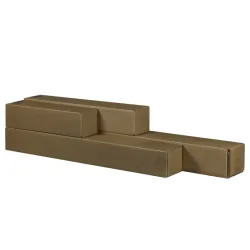
Havana cardboard boxes for packaging are suitable when traditional structures to be sealed with tape are needed. For heavy, compound or particularly delicate products, a stronger cardboard variant helps to maintain the shape during overlapping and handling. The bottom should be closed before inserting items and should not flex when the box is lifted.
The hinged boxes made of durable cardboard are practical for cosmetics, small items, accessories and small orders. Quick assembly makes the workstation more efficient, but the box still needs to be completed with internal protections when it contains fragile items.
The space needed depends on the type of product. A compact object may require uniform protection on all sides. An item with handles or protruding elements needs more distance from the walls. In compound orders, separate products must also be provided. The correct size is the one that allows you to protect and lock the contents without deforming the box.
Before closing we must check that the flaps rest naturally. If they need to be pushed towards the basso, the parcel is overfilled. If the contents continue to move despite filling, the box is probably too large or the products have not been placed correctly.
Professional shipping boxes and containers
Glass and ceramics require individual winding. Two glasses, two plates or two small rigid objects must never come into direct contact. Even if the box is well filled, vibrations can cause chafing and repeated small bumps. Each item must then become a protected unit before being placed in the outer container.
The category of wrapping and protection papers includes materials that can be used to wrap, separate and protect products of different shapes. Protection must start from the most vulnerable areas. A glass requires attention to the rim and stem. A mug must have the handle protected and separated from the body. A vase needs more material at the neck, the bottom and any protruding decorations.
Honeycomb paper for fragile products expands during use and creates a three-dimensional structure around the item. It can follow irregular shapes and separate rigid surfaces, making it suitable for glass, ceramics, small accessories and objects. To achieve uniform protection, it must be kept in tension while it is wrapped.
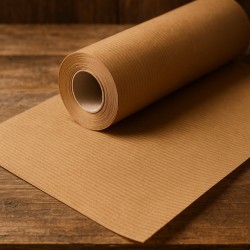
Havana ribbed wrapping paper can be used to create protective layers, separate items and reinforce the most exposed areas. Larger sizes are useful for paintings, vases, decorative elements and bulky objects. The paper should not be fixed by applying adhesive directly to the surface of the product, as removal may leave residue or damage delicate finishes.
Once wrapped, the objects should be arranged with the most solid parts towards the basso. Heavy products should not be placed on top of thinner ones. Flat and flat surfaces may require intermediate separators, while goblets and shaped objects must be locked without putting pressure on the most fragile parts.
Protective papers for glass, ceramics and sensitive surfaces
In cosmetics packaging we have to manage two risks: the breakage of the container and the leakage of the product. Glass bottles, jars, perfumes, diffusers, oils and products with a dispenser should be checked before preparation. The cap must be closed, the dispenser must be locked when provided and the primary packages must be intact.
Each bottle should be wrapped individually, especially when multiple products are shipped in the same order. Glass surfaces must not touch each other and caps must not receive pressure from other items. When there is a risk of leakage, it may be useful to place the product in a secondary wrap before protective wrapping, without leaving this step to correct a defective closure.
Heavier cosmetics should be placed on the bottom, keeping creams, accessories and light packaging at the top. Tall bottles should be locked to the side, because the continuous tilt can stress the neck and cap. In boxes, it is also important to control the movement of the elements inside the commercial packaging: a beautiful gift box does not automatically guarantee safety during transport.
The filling material can complete the wrapping, but it should not compress thin boxes or easily deformable cosmetic boxes. The customer must receive products that are protected and presented in an orderly manner at the same time. A chaotic interior, full of random material, can make you feel little care even when the shipment has arrived intact.
For perfumeries, herbalists and cosmetics stores, it is advisable to define standard procedures based on product families. Perfumes, pump bottles, jars and gift sets can have already established combinations of box, wrapping and filling. This reduces time and limits the differences between packages prepared by different people.
Orders of objects are complex because they can combine very different materials, weights and shapes. A glass candle, a frame, a ceramic, a metal accessory and a textile product cannot be placed in the box following only the logic of the available space. Each item must be protected and positioned according to the risk it poses to itself and others.
The chip for filling boxes helps to create a bottom, occupy the side spaces and keep the composition more stable. However, the filler must not become the only protection of glass and ceramics. First you wrap around each fragile element, then you use the chip to prevent the movement of the whole.
Recycled packaging paper chips can be used for composite orders, boxes and delicate objects, maintaining a consistent presentation with brown boxes and paper materials. The quantity must be calculated on stability, not on the effect of abundance.
The provision must start from the heaviest and most regular articles. Fragile and light children must remain separate and must not support weight. If two objects can move in different directions, you must create an intermediate barrier. Fabrics, pencil cases and soft products can also be used to organize the space, but they should not become improvised protections for sharp or rigid objects.
After preparing the composition, the package should be gently tilted. We should not perceive movements, shocks or noises. If the content moves, we must intervene on the side voids or change the arrangement, not just adding material at the top.
Fillers to block fragile products and compound orders



The final step must transform the prepared box into a stable package. The top filling serves to limit vertical movement, but should not constrain the flaps outwards. When the box is closed, the contents must remain in place without being subjected to pressure. The bottom also needs to be double-checked, especially in heavy packages.
The brown or clear packing tape should adhere to clean, dry cardboard. The main strip should cover the center seam and continue on the sides. In heavier packages, it may be necessary to reinforce the closure transversely, but avoid random amounts of tape that make it difficult to open.
The adhesive tape with the Fragile indication clearly indicates the presence of delicate contents. This indication complements well-designed packaging, but does not replace boxing, wrapping and filling. A label or tape cannot prevent the breakage of an object that is free to move.
The ecological adhesive tape in Havana paper allows you to maintain visual continuity with the cardboard and can be used in shipments where you want to favor a composition based mainly on paper. However, the choice must consider weight, surface area and necessary grip.
Before entrusting it to the courier, the shopkeeper must check the integrity of the box, closure of the bottom, internal stability, weight distribution and legibility of the label. The package must not produce any noise when moved and must not show bulges. The label should be applied to a flat surface, without covering the ribbon joints.
Professional tapes for sealing and marking packages


A store that ships regularly shouldn't design every package from scratch. It is more efficient to associate a standard procedure with the main product families. Glasses and ceramics can have a box and an indicative number of protective layers. Cosmetics can follow a precise sequence of control, secondary wrapping, wrapping, and filling. Mixed orders may have rules dedicated to disposition.
The station must follow the order of operations. First the boxes, then the protective papers, the filling materials, the tapes and finally the labels. The most commonly used tools must be easily accessible and the formats must be recognizable. A messy workstation increases time and favors the use of the first available material, even when it is not the correct one.
Stocks must be controlled as a system. Having many boxes but running out of tape, backing paper, or filler can block the preparation. It is useful to record medio consumption and to forecast larger quantities in periods of high demand. Damaged packaging or packaging stored in humid environments must also be disposed of, as they no longer provide the same resistance.
The method can be improved by looking at real problems. If a certain type of product generates complaints, we need to analyze box, wrapping, position and filling. If staff use too much material, it may be necessary to reduce the available formats or prepare simpler operating instructions. The goal is not to produce the heaviest package, but to achieve the correct level of protection with a controllable process.
At ChartaRè, we help shopkeepers and e-commerce businesses choose boxes, protective papers, fillers and tapes that are consistent with the products being shipped. A professional system reduces breakages and replacements, speeds up work and improves the way the customer receives the order. Shipping glass, ceramics, cosmetics and objects safely means assigning a precise function to each material and verifying the result before the package leaves the warehouse.
 Practical Guide: The Art of Window Dressing
 Artificial intelligence (AI) in the Physical Store.
 The DIY Wedding Favor, the Perfect One.
 Packaging with Sustainability: The Future of Environmental Impact
 Practical Guide to Customizing Wedding Favors: Tune in to the Theme of the Event and Personal Tastes
 Preparing for Christmas Magic: When and How to Present Your Window Displays to Maximize Sales