Tissue paper and wrapping paper for shipping have different functions and should not be confused. The tissue protects...
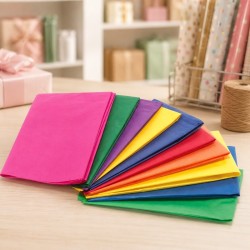
Colored Tissue Paper in Sheets cm.70x100 Pack of 70 sheets€18.61
 ChartaRè, RossiCarta's Online Packaging Store


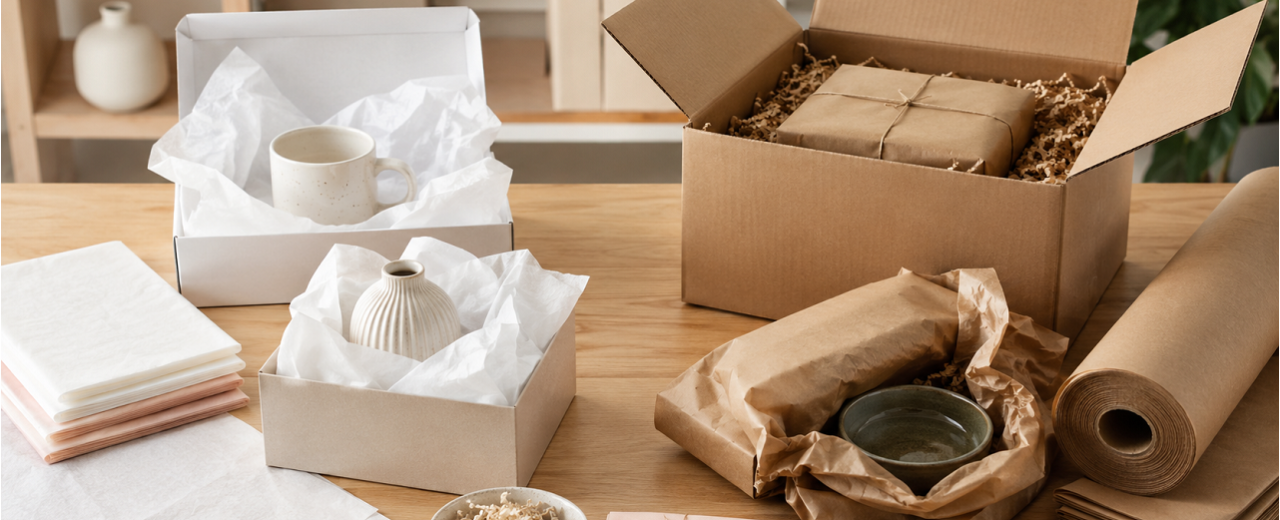
Tissue paper and wrapping paper for shipping have different functions and should not be confused. The tissue protects...
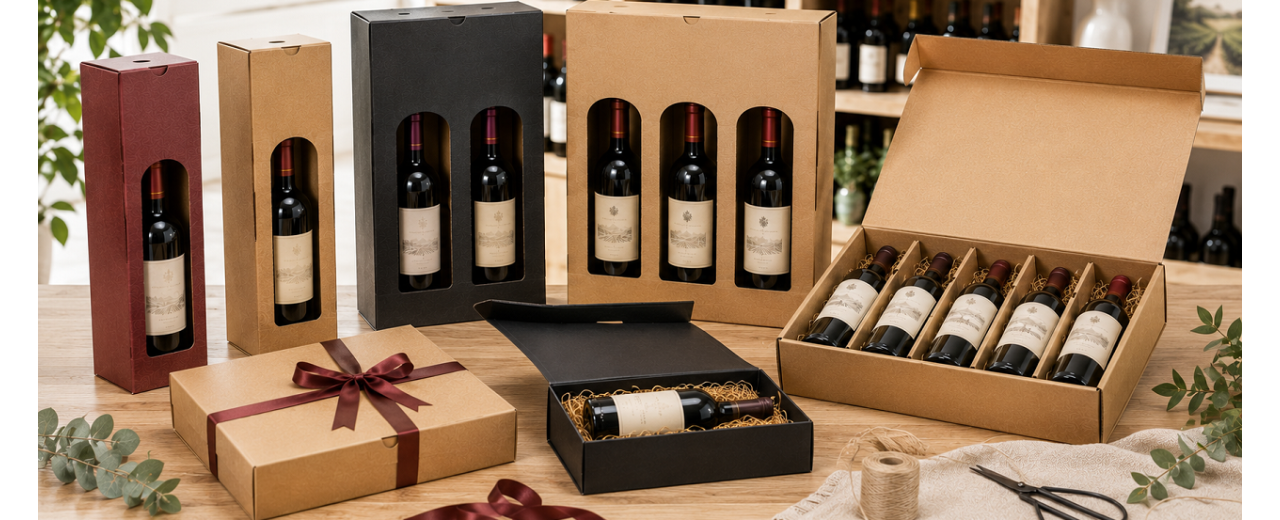
Wine boxes of 1, 2, 3 or 6 bottles help wine shops and wineries manage sales, gifts and delivery. Each format...

Personalised wine boxes enhance bottles, gift selections and corporate gifts. Logo, format and quantity must be...
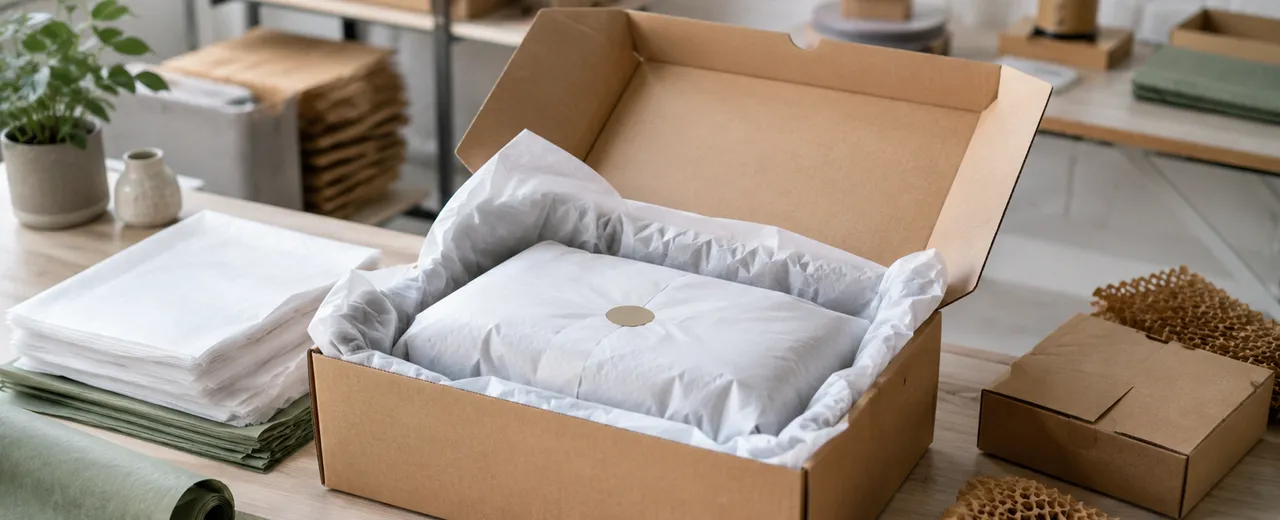
Tissue paper helps e-commerce businesses to superficially protect products and better present them inside the...
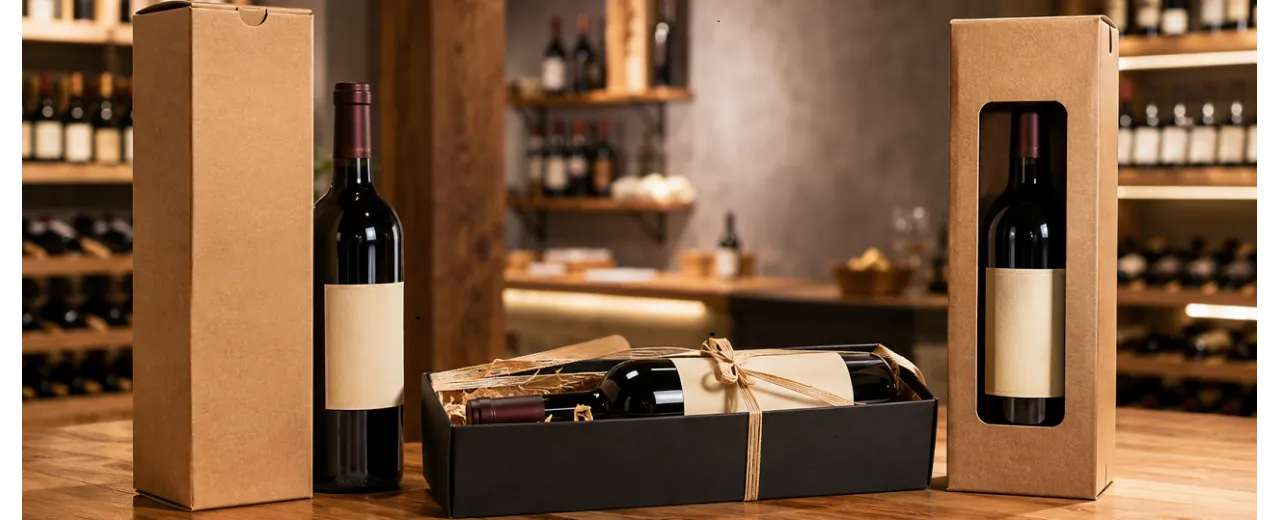
Wine boxes help wine shops and wineries to enhance bottles, gift selections and company packaging.Choosing between...

Fragile products require packaging designed according to weight, shape, material and mode of transport.Glass,...

Preparing a package well means protecting the product and delivering an orderly and professional order to the...
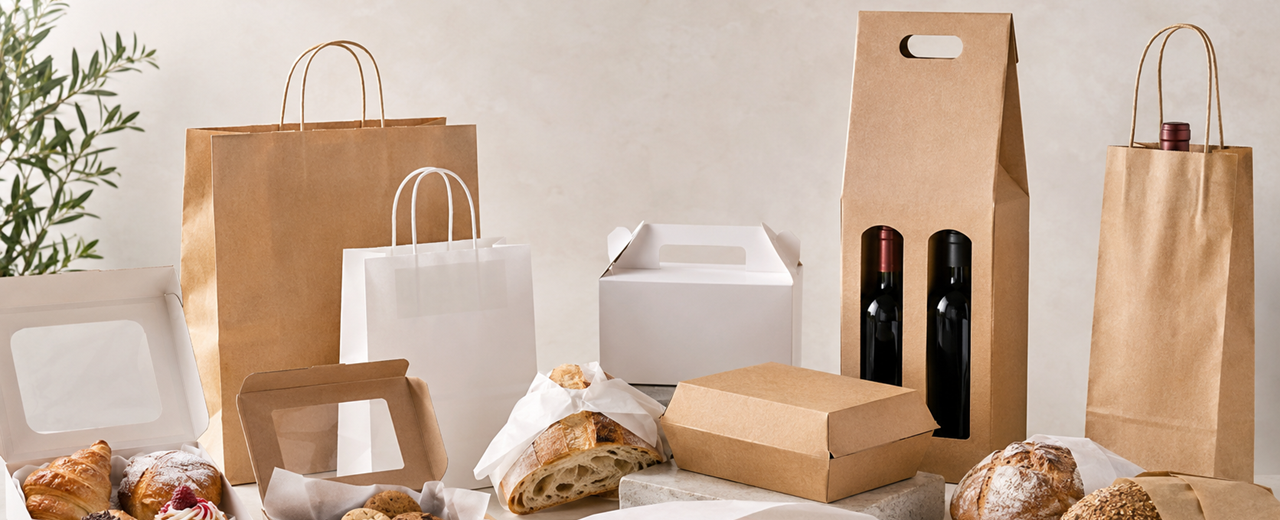
Food packaging must protect the product, speed up service and enhance every sale.Pastry shops, delicatessens and wine...
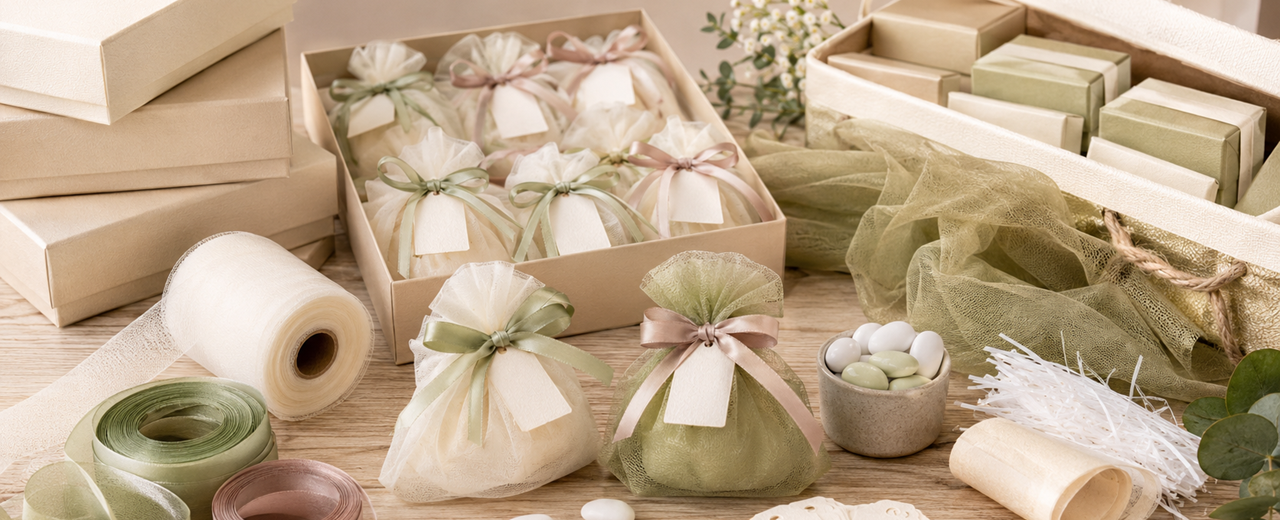
Packaging for wedding favors requires proportionate containers, coordinated materials and procedures that are easy to...
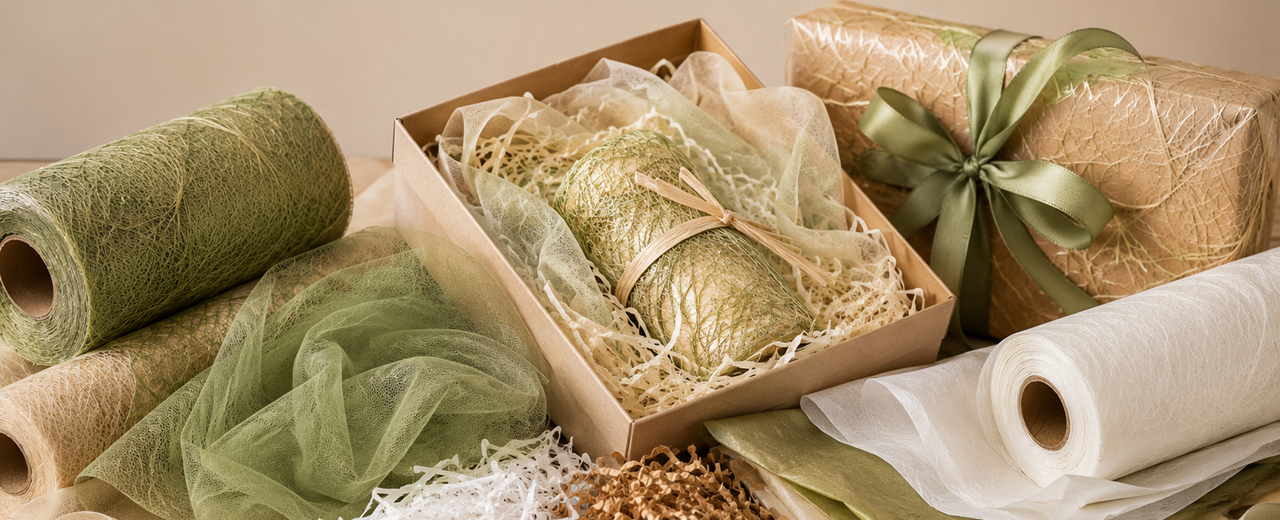
Grass paper, tulle, shavings and tissue paper perform different functions in professional packaging.The correct...
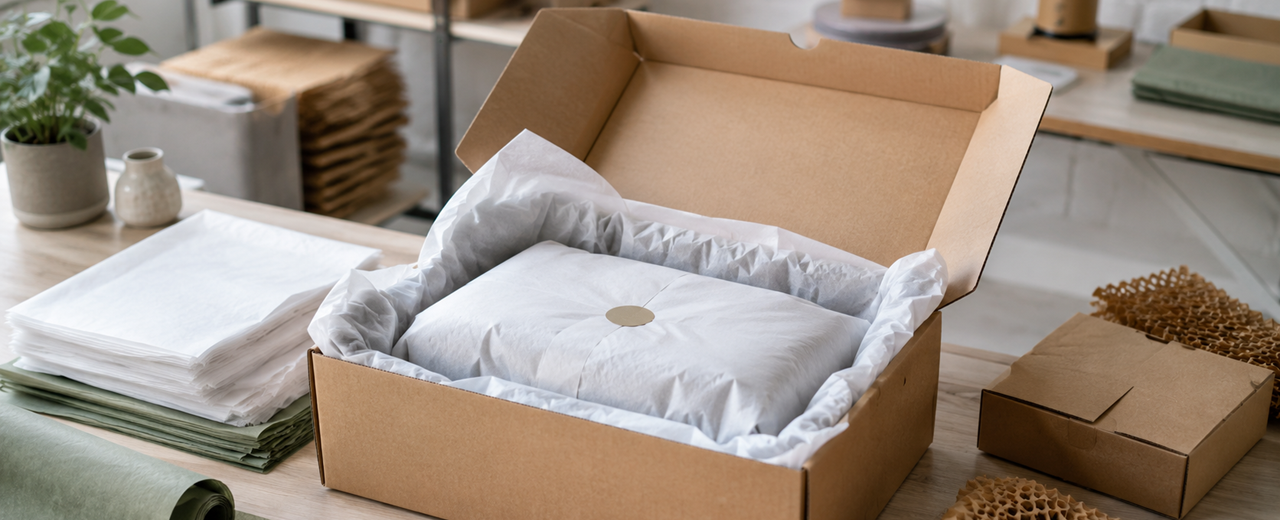
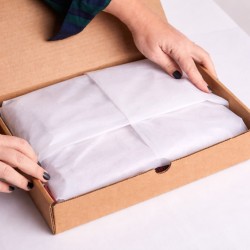
Tissue paper is one of the simplest and most effective materials to improve the presentation of e-commerce shipments. It wraps the product, avoids direct contact with cardboard and limits dust, scratches and small surface rubbing. It does not replace a shock protection, but completes the system consisting of box, filling and closing. The color allows the package to be coordinated with the identity of the company and with the different product lines. Personalization adds logo or graphics when the customer opens and discovers the order. Correct formats and standard procedures help the warehouse to work quickly without wasting material. In this guide, we see how to use tissue paper to protect, present and make shipments more recognizable.
E-commerce tissue paper is not a simple decoration inserted in the box. It is a lightweight packaging material that creates an initial separation between the product and the outer packaging, improves internal order and accompanies the customer at the time of opening. For a company that sells online, shipping partly replaces the store counter: the customer does not observe the staff while they prepare the product, but judges the seller's care through the package he receives.
A box can arrive intact and perform its technical function correctly, but still appear anonymous when the contents are placed directly on the cardboard or surrounded by materials inserted without a criterion. Wrapping the product with tissue, closing it neatly and coordinating it with the packaging allows you to create a more professional presentation without adding significant weight or making the preparation complex. The Tissue Paper for Packaging category allows you to choose between different solutions based on the product, the palette and the desired result.
The main function of tissue paper is to protect the product superficially. It can limit direct contact with cardboard, filler material or other items in the box. It is useful for clothing, accessories, footwear, ready-made cosmetics, gifts, design items, handicrafts, prints and gift boxes. Its lightness allows it to be wrapped without creating a bulky packaging.
The tissue protects above all against dust, small scratches, rubbing and surface contact. It is not a protection against shocks, falls or pressure. This distinction is fundamental. A glass bottle can be wrapped in tissue paper to enhance presentation and protect the surface, but it must be completed with a shockproof material and properly locked in the box. A piece of clothing, on the other hand, may mainly require order, separation and protection from dust, functions for which the tissue is particularly suitable.
The Paper and Tissue for Gifts section is useful when the order must also take on the character of a ready-to-give package. The difference does not necessarily depend on the material, but on the way it is folded, closed and presented. A sheet of paper placed casually produces little value; The same sheet, precisely wound, creates a neater experience.
Tissue paper can also separate multiple items in the same box. Each product can be wound individually or divided from the others by means of folded sheets. This solution avoids direct contact and allows the customer to discover the order progressively, especially when the shipment contains different products, sets, samples or small gifts.
Tissue to protect and submit orders
White tissue paper is the most versatile choice for e-commerce shipping. It communicates cleanliness, does not conflict with the product and can be used with Havana, white, black or customized boxes. It is particularly suitable for companies that sell items of different colors and want to maintain a single packaging solution throughout the year.
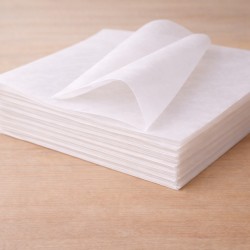
White Gloss Sheet Tissue Paper can be used to wrap products, separate surfaces and create a tidy interior. Its neutrality allows you to focus on the content and identity on labels, stickers or tags. It is also a suitable solution when the package contains several products belonging to different color lines.
Colored Tissue Paper in Sheets, on the other hand, introduces an immediate visual signal. It can take up the brand color, distinguish collections, separate product categories or accompany seasonal campaigns. However, the color must be chosen consistently. Using many shades without a rule makes the warehouse more difficult to manage and can produce different packages.
The Semi-transparent Tissue Sheet lets you guess the product without showing it completely. It is suitable for cosmetics, accessories, gift items and products with careful primary packaging. The transparency creates a lighter effect and can also be used on top of a colored tissue, building depth without adding decorative elements.
To choose correctly, we must start from the image that the company wants to convey. White is essential and transversal, color makes the package more recognizable, while semi-transparency creates a more delicate opening. It is not necessary to buy many variants: a continuous tissue and a second solution reserved for premium or seasonal lines can already cover a large part of the orders.
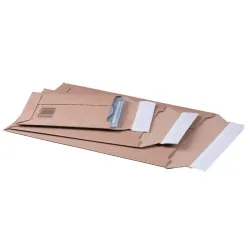
Tissue paper works within a system. Secure Shipping Boxes form the outer structure, while tissue paper protects the surface and presents the contents. Honeycomb paper, fillers, separators or other materials capable of limiting shocks and movements may be required between these two levels.
Havana Cardboard Folding Boxes are practical for businesses that prepare orders frequently. The neat shape and quick assembly make them suitable for fashion, cosmetics, accessories, objects, gift items and product kits. Inserting a matching tissue inside allows you to clearly distinguish the commercial packaging from the simple transport box.
The correct method involves protecting the product first, then managing the gaps. The tissue can wrap the item, but if the box is too big, the contents will continue to move. In this case, you need to choose a more suitable format or add a proportionate filler. The package must remain stable even when tilted.
The Packaging & Shipping category collects the complementary materials needed to complete the package. Wrapping, Wrapping and Wrapping Paper can be used when you need more consistent protection, structured separation or more operational filling. Tissue paper and wrapping paper are not absolute alternatives: they can be used together, giving the former the presentation and the latter a more robust function.
Boxes and protections for e-commerce shipments
In online commerce, the customer does not enter the store, does not see the window and does not meet the staff. The package then becomes one of the main physical points of contact with the company. Using a tissue consistent with the brand helps to transfer colors, style and attention that would normally be perceived in the store into the box.
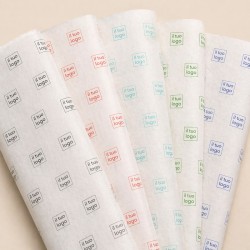
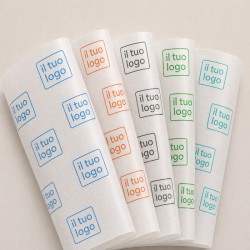
The Personalised Papers and Tissue Papers category allows you to integrate your logo, name or pattern into the material that wraps the product. Personalization becomes visible as soon as the customer opens the box and can create continuity with the site, communication, label and other packaging elements.
The Extra Personalized Tissue Paper in one color is suitable when looking for a semi-transparent tissue paper and more oriented towards a careful presentation. On the other hand, the Customized Gloss Tissue Paper allows you to work on a light white base, which can be used for protection, wrapping and neat filling.
Personalization should be evaluated after the format and consumption are defined. Before ordering a large quantity, it is advisable to know how many sheets are used for each package, which products will be wrapped and which size reduces waste the most. Printing a tissue that is not suitable for the actual size of the orders risks increasing costs and waste.
For start-up companies, it can be helpful to start with a colored tissue and a custom sticker. When volumes become more regular, printing on paper makes identity more continuous and less dependent on manual applications. The transition must be guided by actual use, not just the desire to add the logo.
Personalised papers and tissues for packaging


Tissue paper becomes truly efficient when it is inserted into a procedure. The company should identify the most shipped products, group them by size and associate each group with an indicative format or amount of paper. This organization prevents each employee from using different sheets and folds.
The workstation must allow you to take, spread, cut and close the tissue without constantly crossing the warehouse. The sheets should be stored flat, away from dust and moisture. Colors must be identifiable and open packages must remain tidy to avoid creases, tears and waste.
For more frequent orders, it is advisable to prepare simple operating instructions. We can define, for example, one sheet for a small accessory, two sheets for a bulkier garment or a specific overlay for premium products. The quantities must then be corrected on the basis of experience, eliminating material that does not add protection or value.
Consumption must also be monitored. Knowing the medio number of sheets used per order allows you to schedule the reorder and evaluate the true cost of the presentation. The comparison should not be limited to the price of the package: it must be considered the speed of work, the percentage of waste and the ability of the material to adapt to multiple products.
Standardization does not make the package impersonal. Instead, it allows you to maintain the same quality on higher volumes. The customer receives a curated order even during periods of high demand and the staff works with less uncertainty.
The first mistake is to consider the tissue a shockproof protection. Glass, ceramics, bottles and fragile objects require materials that absorb shocks and prevent movement. The tissue can be the first layer in contact with the product, but it must be completed by a more structured protection.
The second mistake is choosing solely by color. A pleasant shade may not be consistent with the brand or product. The palette must be simple, repeatable and compatible with the boxes used. Better a well-managed continuous color than many variations used without a criterion.
The third mistake is using sheets that are too large. Excess creates creases, slows down preparation and increases waste. Even a sheet that is too small produces problems, because it does not wrap correctly and forces random overlaps. Testing on the real product remains the most reliable method.
The fourth mistake is to confuse presentation and fill. Crumpled tissue can take up small spaces and improve the appearance of the package, but it is not always the most efficient solution for blocking heavy or fragile products. The filler should be chosen according to the necessary stability.
The practical method consists of starting from the product, choosing the type of tissue, defining the format, establishing the fold and checking how the wrapper works inside the box. Only after this test can we evaluate color, closure and customization. The sequence avoids buying beautiful materials but not very suitable for daily work.
At ChartaRè, we help companies, shops and e-commerce to build packaging systems in which tissue paper, boxes, protections and closures work together. Tissue paper is effective precisely because it is light, versatile and easy to use. When chosen wisely, it protects the product, makes the package tidier and transforms the opening into a moment consistent with the quality of the company.
Protection and closure to complete the package



 Practical Guide: The Art of Window Dressing
 Artificial intelligence (AI) in the Physical Store.
 The DIY Wedding Favor, the Perfect One.
 Packaging with Sustainability: The Future of Environmental Impact
 Practical Guide to Customizing Wedding Favors: Tune in to the Theme of the Event and Personal Tastes
 Preparing for Christmas Magic: When and How to Present Your Window Displays to Maximize Sales