A gift box for a purchase at the counter and a gift with panettone and bottle do not require the same preparation....
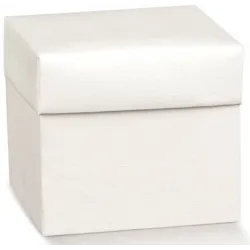
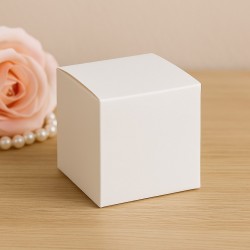
White boxes with lids for wedding favors in a pack of 10€7.43
 ChartaRè, RossiCarta's Online Packaging Store



Tell us about yourself
Fill in the form and we will contact you to find the right solution together.
Latest posts
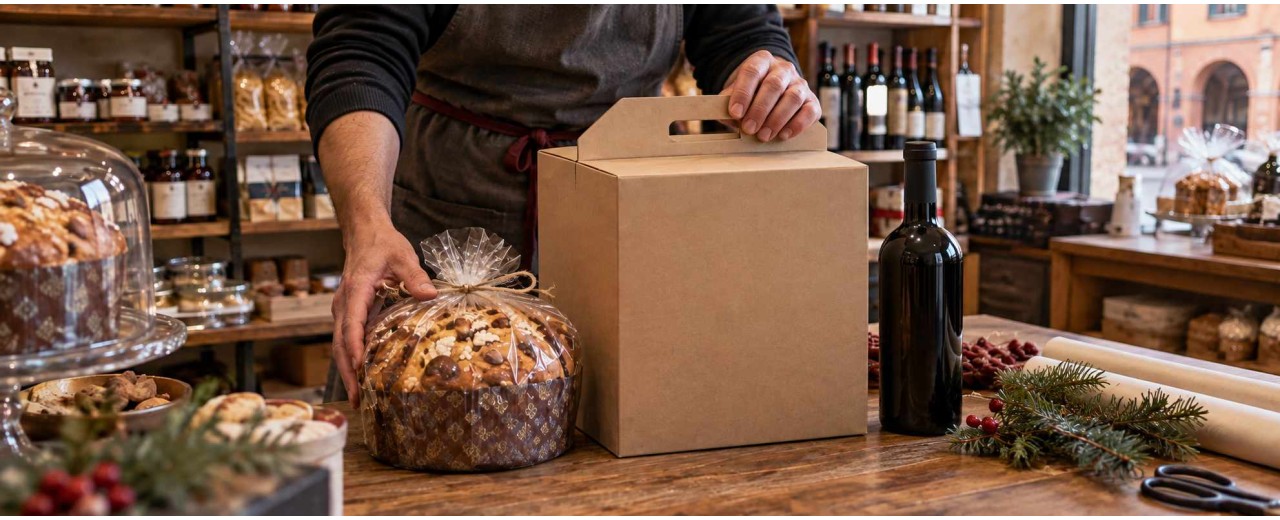
A gift box for a purchase at the counter and a gift with panettone and bottle do not require the same preparation....
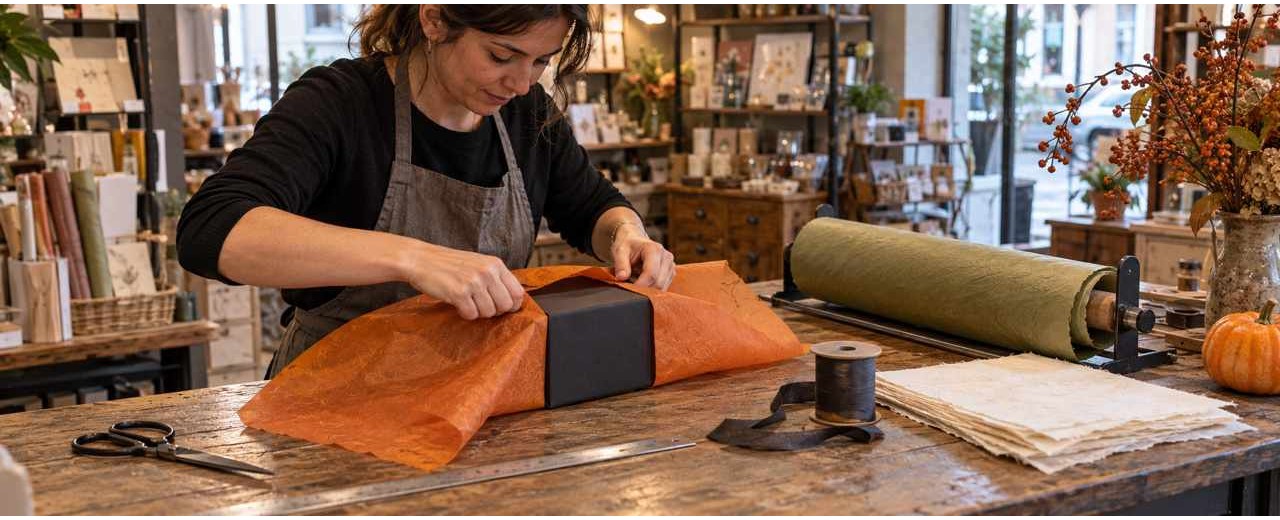
In a professional package, rice paper is not chosen only for the color. The shape and size of the product, the number...
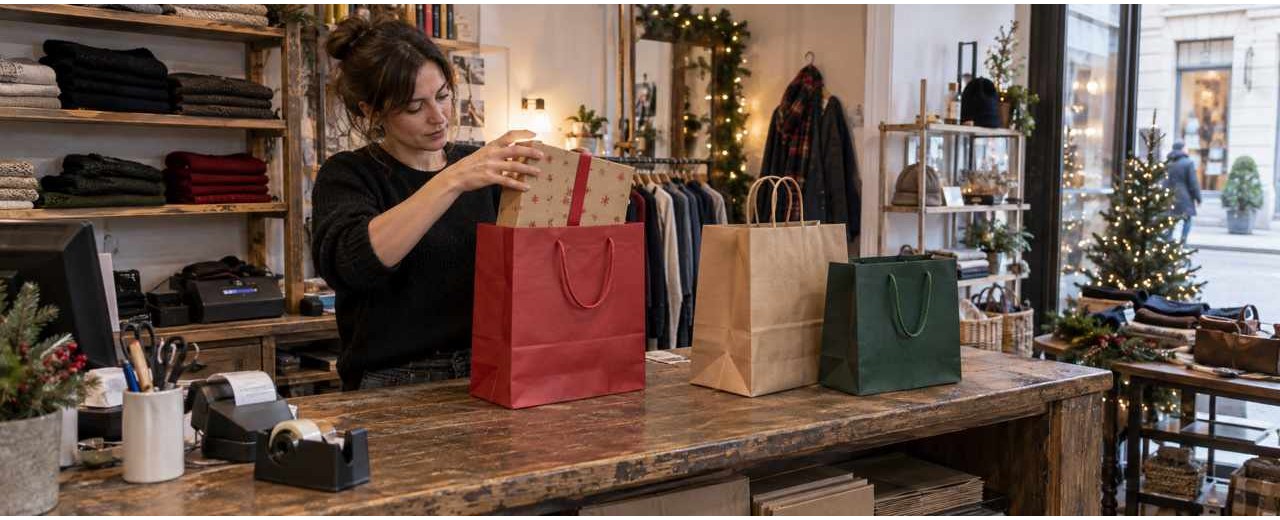
The shopper you deliver at Christmas must do two simple things: contain the already packaged product well and...
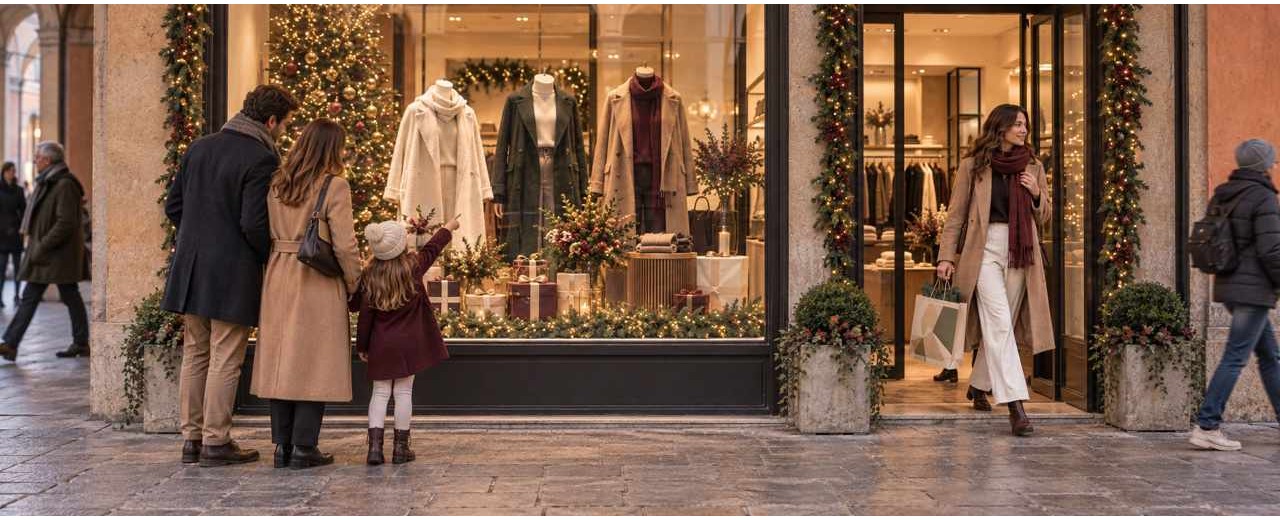
Christmas in the store doesn't start in December. An effective display case and coordinated packaging require...
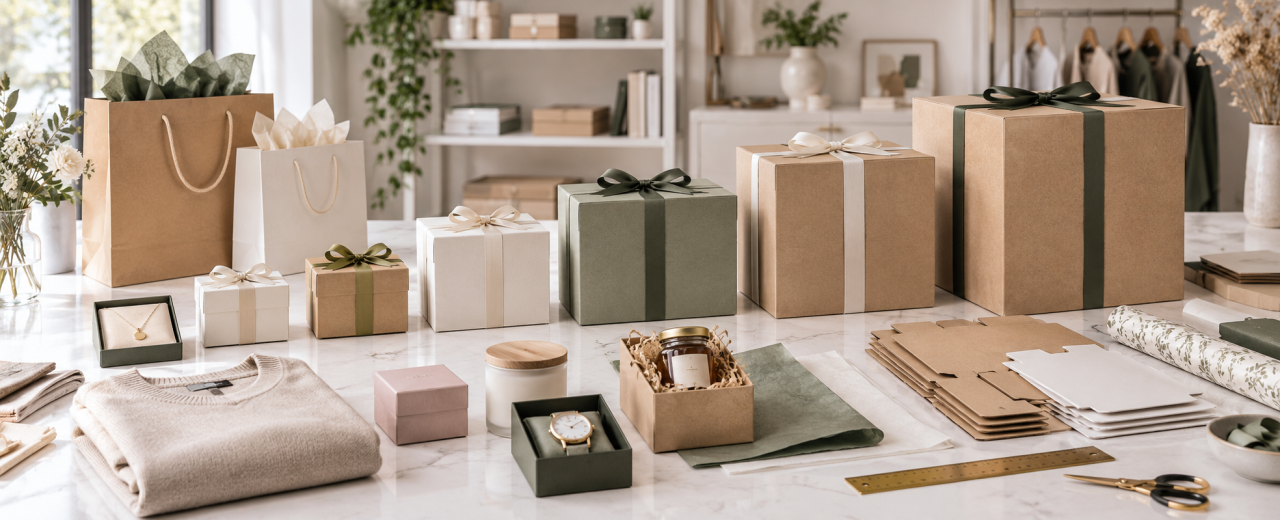
Choosing the sizes of gift boxes means finding a few formats capable of covering the greatest number of products.A...
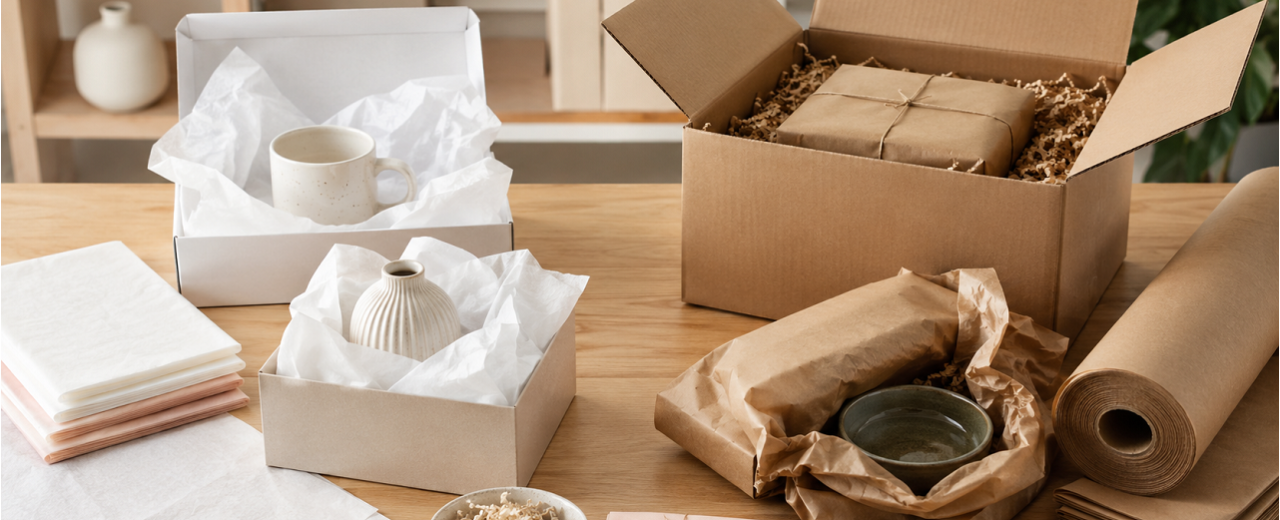
Tissue paper and wrapping paper for shipping have different functions and should not be confused. The tissue protects...
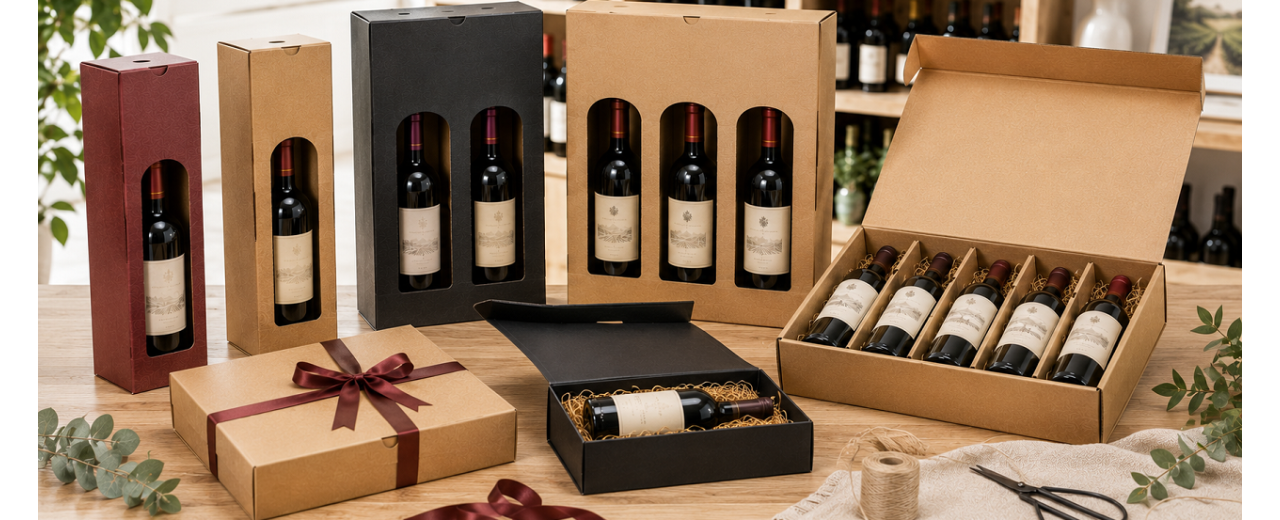
Wine boxes of 1, 2, 3 or 6 bottles help wine shops and wineries manage sales, gifts and delivery. Each format...
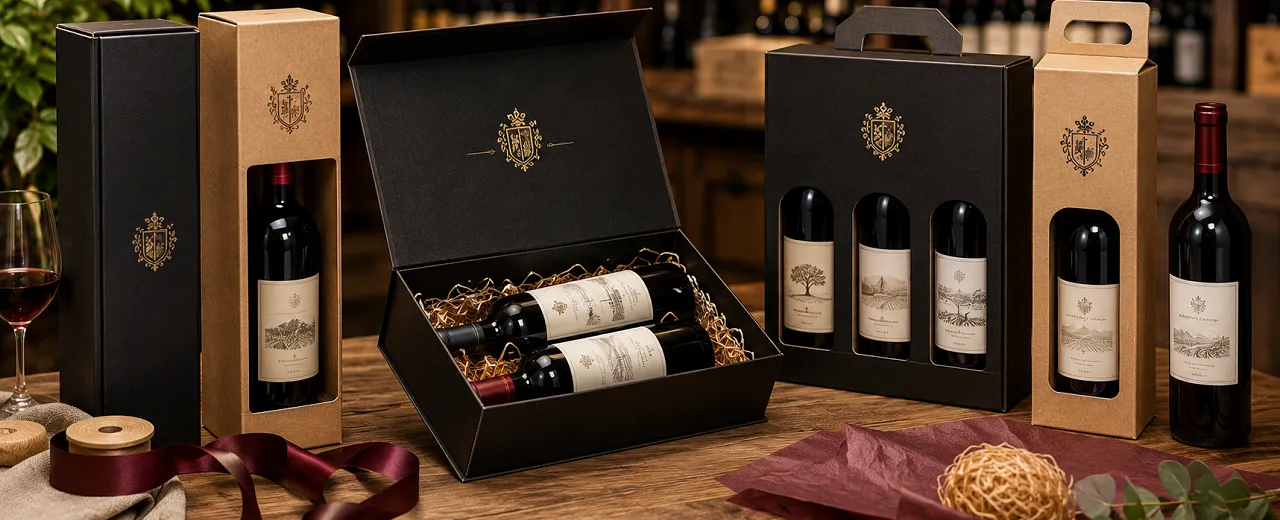
Personalised wine boxes enhance bottles, gift selections and corporate gifts. Logo, format and quantity must be...
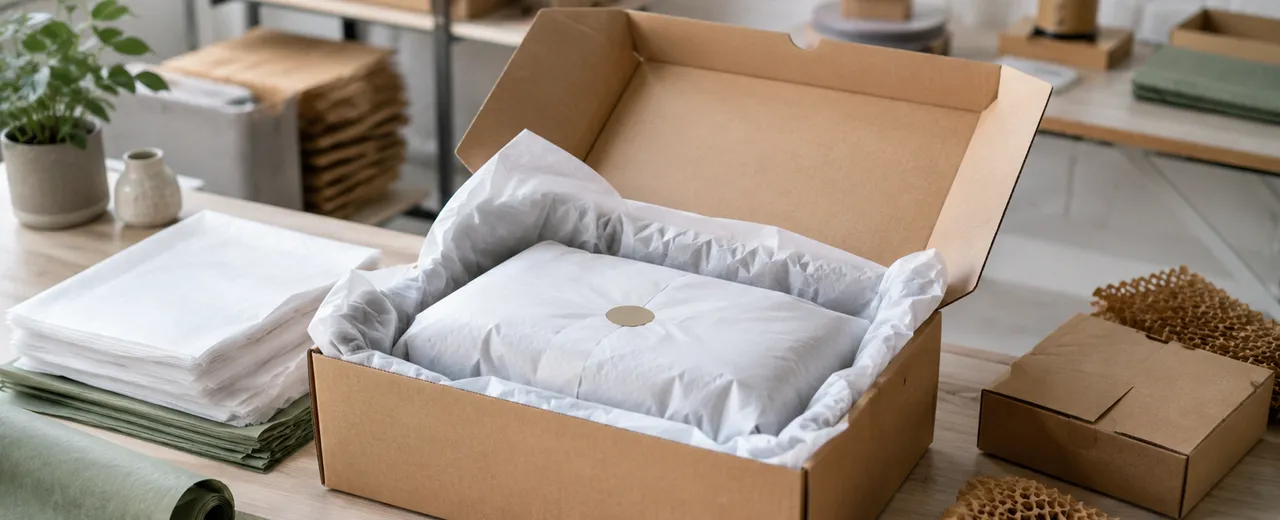
Tissue paper helps e-commerce businesses to superficially protect products and better present them inside the...
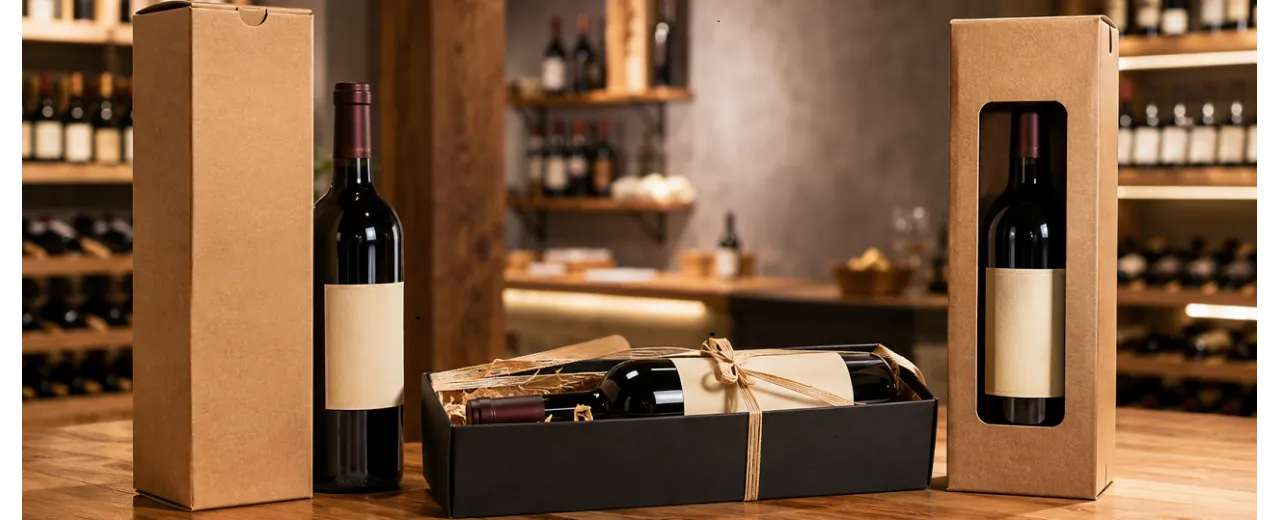
Wine boxes help wine shops and wineries to enhance bottles, gift selections and company packaging.Choosing between...
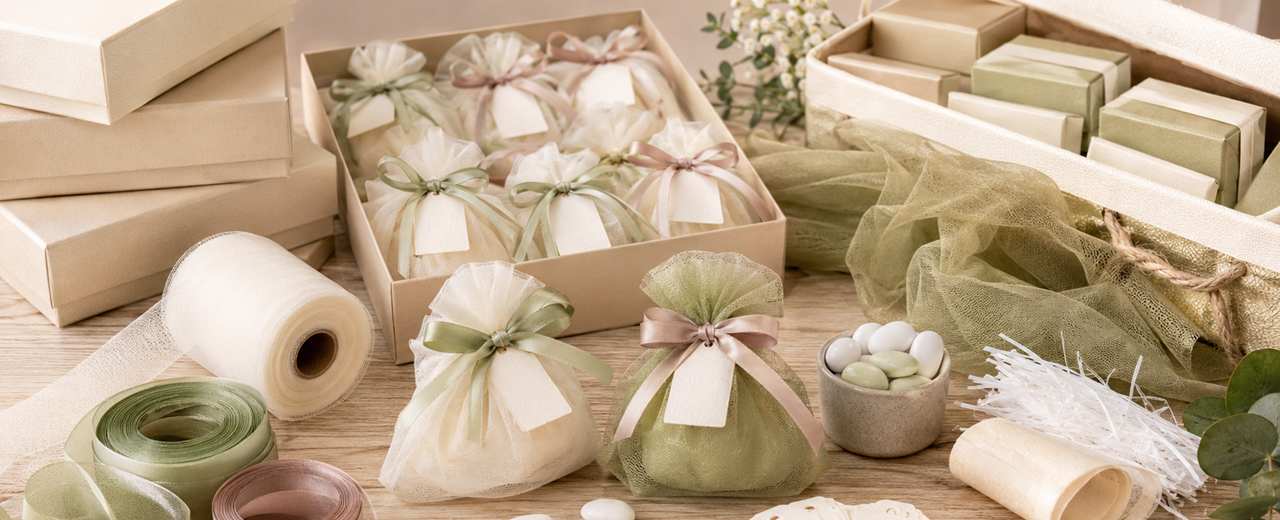
The packaging for wedding favors must contain, protect and correctly present sugared almonds, small objects and gifts. The choice starts with the content and continues with the box, bag, tulle, ribbon and matching tag. Each material must perform a precise function and remain easy to use during serial preparation. Wrong formats, excessive flakes or too many different elements increase costs, time and the possibility of error. A coordinated line, on the other hand, allows you to maintain order, chromatic continuity and perceived quality. Delivery, transportation, and inventory management must also be considered before defining the packaging. In this guide we see how to build a professional system for wedding favors and ceremonial packaging.
Packaging for wedding favors and ceremonies is a system made up of several elements that must work together. A box can give structure, a bag can speed up preparation, tulle can add lightness, the ribbon can close and define the visual point, while the tag completes the identification of the package. However, no element, taken individually, guarantees a professional result. Quality comes from the proportion between content, container, finish and delivery method.
For confectioners, shops, workshops, specialized businesses and wedding planners, the difficulty is not only in creating a pleasant package. It must be possible to reproduce it tens or hundreds of times while maintaining the same level of precision. The Items for packaging wedding favors section allows you to start from a complete view, but the operational choice must be guided by format, quantity, assembly times and consistency between materials.
Packaging for wedding favors and ceremonies: boxes, tulle, ribbons and coordinated packaging.
⏰ 11 min. · ChartareThe first step is to define what the packaging should contain. Sugared almonds, small jars, candles, soaps, ceramic objects, accessories, handicrafts and corporate gifts have different needs. A light content can be placed in a bag or folding pouch. A rigid object requires a proportionate box. A fragile product may need tissue, shavings or another internal material capable of restricting its movement.
The packaging should not be chosen only because it respects the style of the ceremony. It must close properly, support the weight, leave room for the contents and allow the tape to be applied without deforming. A box that is too small compresses the product and makes it difficult to close. A too large one forces you to add a lot of filling and makes the composition appear less rich. A bag must also be evaluated based on the actual volume, not just the stated size.
After the container, you define the sub-elements. Tulle can pick up sugared almonds or partially wrap a small object. The belt must close without slipping. The card must be legible and proportionate. The most effective choice is to create a complete sample before ordering all quantities. The sample allows you to check assembly, stability, length of the belt, color rendering and time required for each piece.
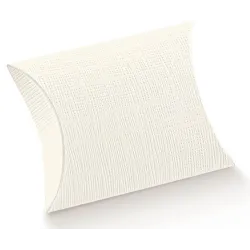
Favor Boxes are the most structured solution when the contents need to be protected, presented in an orderly manner or made more important. Lid boxes create a more neat opening and are suitable for small items, jars, candles and packaging that require a higher level of presentation. Folding boxes take up less space in the warehouse and can be mounted in series, while candy boxes respond to a more specific and compact function.
White cardstock is versatile because it can be combined with ribbons, tulle, and tags of many colors. Havana introduces a more natural texture and is consistent with jute, cotton, cords and material finishes. Transparent boxes show the contents, but require a particularly neat interior composition. Gift Boxes can instead be used when the wedding favor contains a larger object or when the packaging needs to come close to the presentation of a real gift product.
For large productions, it is important to consider the assembly time. A complex box can be suitable for a premium line, but become unsustainable when hundreds of pieces have to be prepared. Before buying, it is therefore advisable to check how many folds it requires, how it closes, whether it remains stable without additional adhesives and how much space it takes up once mounted. The best solution is not necessarily the most elaborate, but the one that maintains a good yield throughout production.
Boxes and boxes for coordinated wedding favors
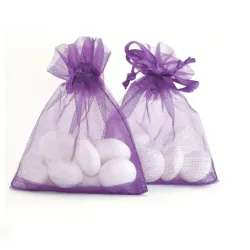
The Bags for Sugared Almonds and Favors are suitable when you need a light package, already prepared for closure and easy to prepare. Satin, organza, cotton, jute and other fabrics produce different effects. Satin has a fuller and brighter surface, organza is semi-transparent, cotton communicates simplicity and jute introduces a natural texture. The choice must remain consistent with the content and the general level of the package.
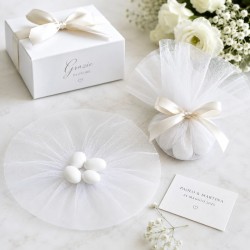
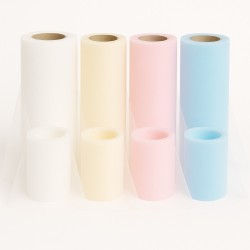
Tulle is particularly useful when you need to create small wrappers, collect sugared almonds or add volume without completely covering what is inside. Tulle in roll allows you to cut the necessary amount and adapt the width to boxes, bags and small objects. Ready-made round veils, on the other hand, speed up standardized productions, because they avoid cutting and help maintain uniform dimensions.
Tulle and bags do not always replace a box. They are suitable when the content is light, not fragile and sufficiently compact. If they are to support a rigid or heavy object, it is preferable to use an internal structure or an external container. The amount of fabric must also be controlled: too much tulle creates unnecessary volume, hides the contents and makes it more difficult to obtain uniform flakes. The correct size must allow a clean closure and leave the belt the necessary space.
Tulle and bags for light packaging
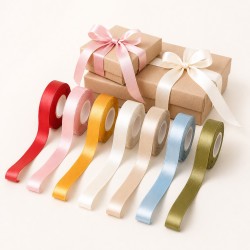
The Decorative Ribbons close the package and define its visual character. For this reason, they should not be chosen as a separate element. Width, texture and color must be proportionate to the box or bag. A thin ribbon is needed on a small case, while a box with a lid can support a wider band. A voluminous bow on a very small package covers the container and slows down the preparation.
Fabric Tapes offer different solutions. Double satin is smooth, bright and suitable for formal tailoring. Organza is lightweight and semi-transparent, so it works well with tulle, white boxes, and delicate palettes. Jute is more textured and is consistent with Havana boxes, cotton bags and natural packaging. Edged or cored chiffon creates fuller, more stable bows, but should be used when the packaging can support a visually important finish.
The 50-meter Double Satin Belt is a practical solution for repeated processing, because it allows you to maintain continuity between many packages. Before starting production, it is useful to establish a standard length for each part. This simple procedure reduces differences between flakes, facilitates the calculation of consumption and limits waste. The knot must also be defined in advance: a simple and well-executed clasp communicates more order than an elaborate but irregular bow.
Professional tapes for coordinated closures
The inside of the package is often considered secondary, but it affects stability and the opening experience. Tissue Paper for Packaging can wrap a small object, separate it from the cardstock, cover the contents or create a neater opening. White tissue is neutral and versatile; the colored one can resume the tape or introduce a controlled contrast.
When the box contains rigid objects, jars or multiple items, the Box Filling Chip helps to support the contents and reduce their movement. However, it must be dosed carefully. An insufficient layer does not stabilize, while an excess of material hides the product, increases consumption and makes the opening disorderly. The filling should be distributed on the bottom and in the side spaces, leaving the contents visible and well positioned.
Tissue and shavings are not interchangeable materials. The first one lightly protects and improves the presentation; the second creates volume and support. For fragile products intended for shipment, both must be integrated into a suitable packaging system. The ceremonial packaging can be aesthetically pleasing, but during transport it must be placed in an external container capable of protecting it from compression, shocks and movements.
Matching packaging doesn't require all items to be exactly the same color. It is enough to build a clear hierarchy. The box or bag forms the base, the ribbon introduces the main color, the tissue accompanies the opening, and the tag completes the information. Working with two dominant shades and a possible contrasting detail makes the packaging tidier and easier to replicate.
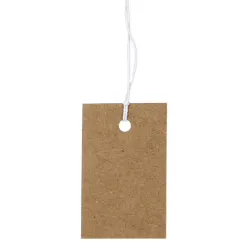
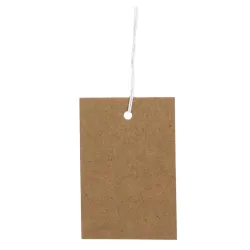
Labels and tags for wedding favors must be proportionate to the packaging and placed without covering the bow or preventing opening. They can include names, dates, anniversaries or a short message, but readability must remain a priority. A tag that is too large dominates the packaging; one that is too small becomes difficult to read. The hole, twine and fixing point must also be checked on the final sample.
When the production is recurring or concerns a professional activity, Shoppers and Personalized Boxes allow you to make the delivery more recognizable. Customization must come after the choice of format and material. Printing an inefficient container does not correct design errors. Logo, graphics or corporate colour produce value when applied to packaging that is already correct, proportionate and easy to use.
Tags and details to complete the packaging
Professional packaging for wedding favors must also be designed from an operational point of view. Before starting the preparation, it is advisable to divide the work into phases: assembly of the containers, insertion of the contents, application of the internal materials, closure, tape and tag. Working in groups of operations is generally more efficient than completing each package individually from start to finish.
Materials must be stored in a way that maintains their quality. Folding boxes must be kept flat until they are assembled, the ribbons must remain protected from dust and deformation, the tulle must not be crushed and the tags must be sorted by size. It is advisable to prepare a small amount in addition to the number needed, so as to handle trials, errors, replacements and last-minute requests without having to change materials.
Delivery also requires a precise solution. Ready-made wedding favors must be arranged in external boxes without compressing bows and tulle. The different levels can be separated with lightweight sheets or dividers, keeping the packages in place. For orders intended for shipment, the outer packaging must be distinguished from commercial packaging: the former protects during the journey, the latter presents the product to the recipient.
At ChartaRè, we help shops, confectioners, laboratories, wedding planners and professional businesses to build consistent packaging systems, choosing boxes, bags, tulle, ribbons, internal materials and tags based on content and quantities. A well-packaged wedding favor is not born from the accumulation of details, but from a simple, proportionate and repeatable project. When each element has a clear function, the result appears more accurate and the entire production becomes more efficient.
A boho-chic wedding favor works when it conveys naturalness without seeming improvised. The base can be a Havana box, a fabric bag or an essential container; Jute, cotton, wood and textured papers add the artisanal character, while a more refined ribbon avoids a too rustic result.
The easiest palette to manage starts with cream, sand and kraft, with one or two accents such as terracotta, sage green or dusty pink. Dried flowers, tags and small decorative elements should accompany the packaging, not cover it. To maintain order even on large quantities, it is advisable to choose a few repeatable materials and a single distinctive finish. The structure can start from the boxes for wedding favors, then coordinating tulle, label and ribbon.
The wedding favor was born as a small container for sweets and sugared almonds and, over time, has become a souvenir offered to guests to thank them for participating. In the Italian tradition, sugared almonds retain a central role and their odd number recalls the idea of union and continuity, especially in marriages.
Today the same function can be interpreted with useful objects, handicrafts, small packaged foods or symbolic gifts. The packaging must make the link with the event clear: proportionate format, consistent colors, legible label and an orderly closure count more than the quantity of decorations. The wedding favor remains so traditional in meaning, but contemporary in shape.
The Italian wedding favor and the Anglo-Saxon favor share the same goal — to thank guests — but often communicate it differently. The first tends to be a more structured memory, accompanied by sugared almonds and decorations; the second frequently favors simplicity, usefulness and personalization, for example with honey, jam, seeds, candles or small objects.
This difference helps in choosing the packaging. An important memory requires a stable box and a more constructed presentation; A consumable or informal gift can work with a bag, zip tie or tag. In international events, the two traditions can coexist: just maintain a common palette and distinguish the contents with clear labels, avoiding unnecessarily doubling materials and decorations.
Tulle is a lightweight mesh that lets light through and creates volume with little material. In the favors it can contain sugared almonds, wrap a small object, form a bow or add a transparent layer on top of a box. Its advantage is the ability to decorate without visually weighing down the composition.
For a neat result, the texture and rigidity must be suitable for the function: a softer tulle accompanies bags and draperies, a more supported one better maintains flakes and volumes. However, it should not be considered impact protection. If the contents are fragile, a proportionate box is needed first; Tulle and decorative ribbons complete the presentation and make it consistent with the style of the ceremony.