
It is necessary to start from afar, but not too much, and define the concept of perfection. It's easy to say! Perfection simply DOES NOT EXIST. Even in a painting that is famous because it is beautiful, going to peer into the meanders of the brushstrokes, you can often find imperfections but... they don't count! The painting is beautiful in itself and in its entirety, and therefore its imperfections do not devalue its intrinsic beauty, but rather compose it.
So it is also for the Bomboniera. There is no perfect wedding favor but the one that pleases and is successful is perfect. There are contemporary techniques for the packaging of the wedding favor but come to think of it, painting has also evolved and each time, the novelty has been very engaging but often a little against the flow but then, sometimes, it has taken over and has proved to be successful beyond all expectations.
Moral: The Perfect Wedding Favor is the one you make, that you like and that others like.
Where does this term "Wedding Favor" come from? From Treccani, I quote: Bonbon ‹bõbõ′›, to the ital. ‹bonbòn› s. m., fr. [originally a child's voice, propr. "good-good", referring to any sweetness]. – Gem, sugar. So the word Bonbon refers to any of the different types of sweets, especially small candies wrapped in chocolate. So from Bon arose a certain infantile reduplication that means 'good'. In modern French and many other European languages, the term simply refers to any type of candy or small package. It seems that a French teacher, a certain Mrs. Pazzaglia, developed the Bonbon industry in the early decades of the 1600s in France. A lady with the surname Italico at the French court. A dessert also inspired Johann Strauss (son) to compose a waltz in 1866 called "Wiener Bonbons".
And from France to Italy, how? The Italian Wars, often referred to as the Great Italian Wars, were a series of conflicts, fought mainly on Italian soil in the first half of the sixteenth century (to be precise they lasted from 1494 to 1559), with as their ultimate goal supremacy in Europe. They were initially unleashed by some French sovereigns, Charles VII, Louis XII and Francis I. These three kings sent their troops to the Italian peninsula to assert their hereditary rights over the Kingdom of Naples and then over the Duchy of Milan. From locals, the wars quickly became European on a European scale, involving, in addition to France, also most of the Italian states, the Holy Roman Empire, Spain, England and the Ottoman Empire.
Most likely, during these 64 years, precisely from 1495 to 1559, the Neapolitans will have liked this custom of offering "BonBon" during special festive occasions. Then Naples you know, a city has always been very inclined to develop the goodies. Think, for example, of pizza whose name derives from the Greek Pita.
If you think that the Wedding Favor is a useless object, you are wrong. The Wedding Favor is a thought to say thank you, to leave behind the memory of the emotions of a special day, a gift for those who shared the joy of the bride and groom.
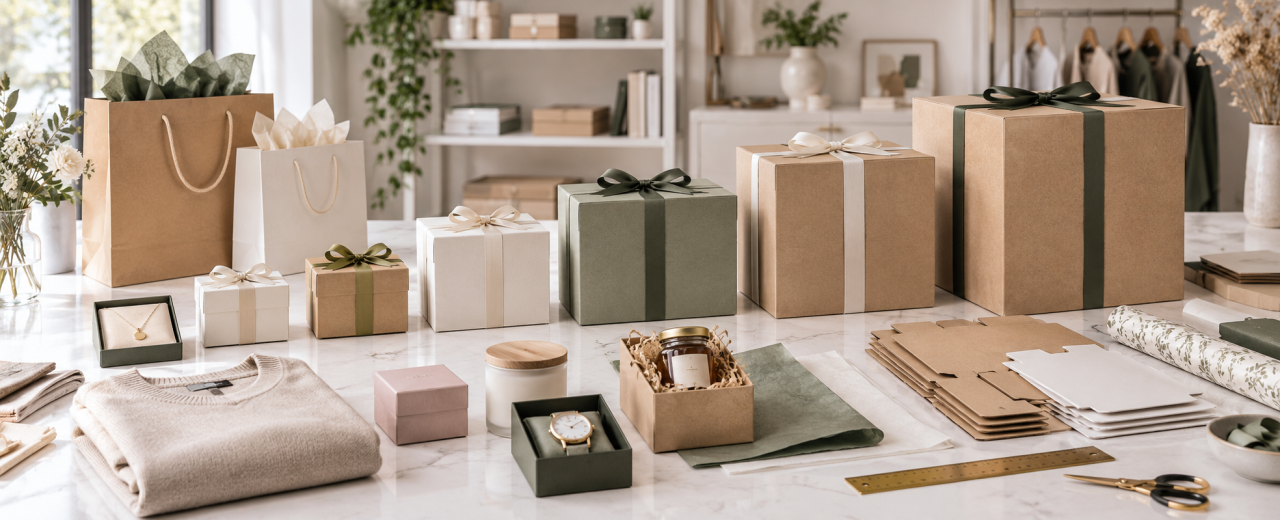
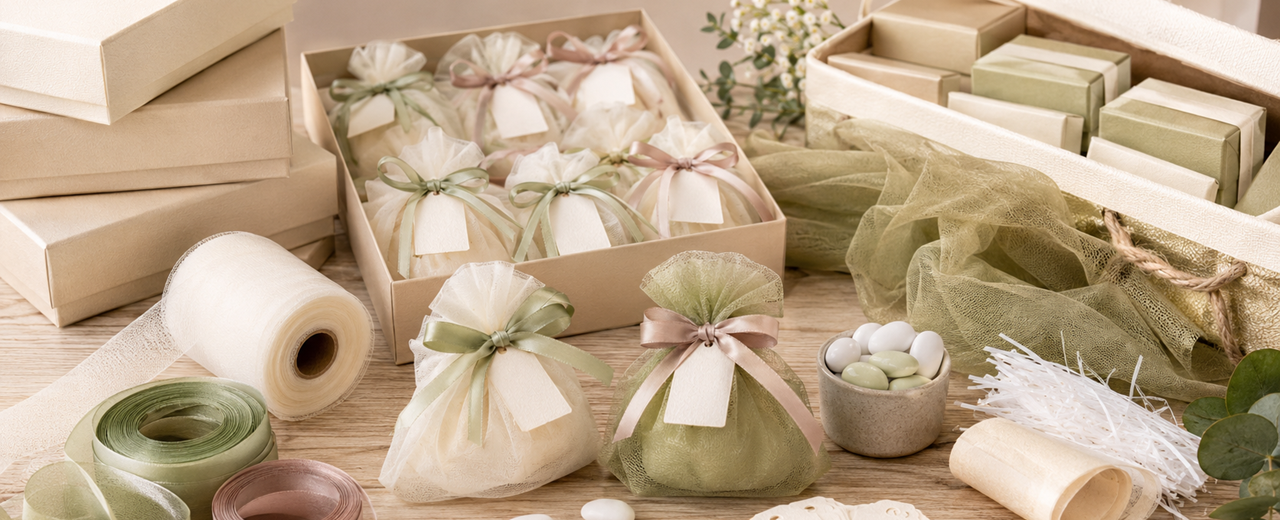
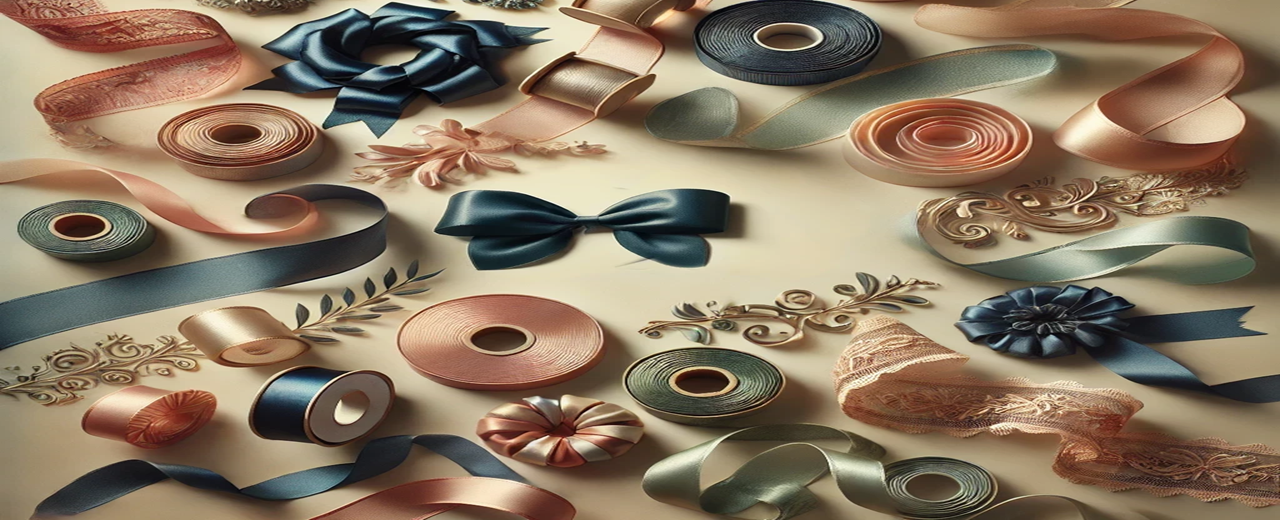
What is the Favor made of? From an object, as we have said, from a container for sugared almonds, a bag, a box, a jar. Then you need a tulle handkerchief (preferably round), a card to put in the bag, a ribbon and maybe a small object for closing.
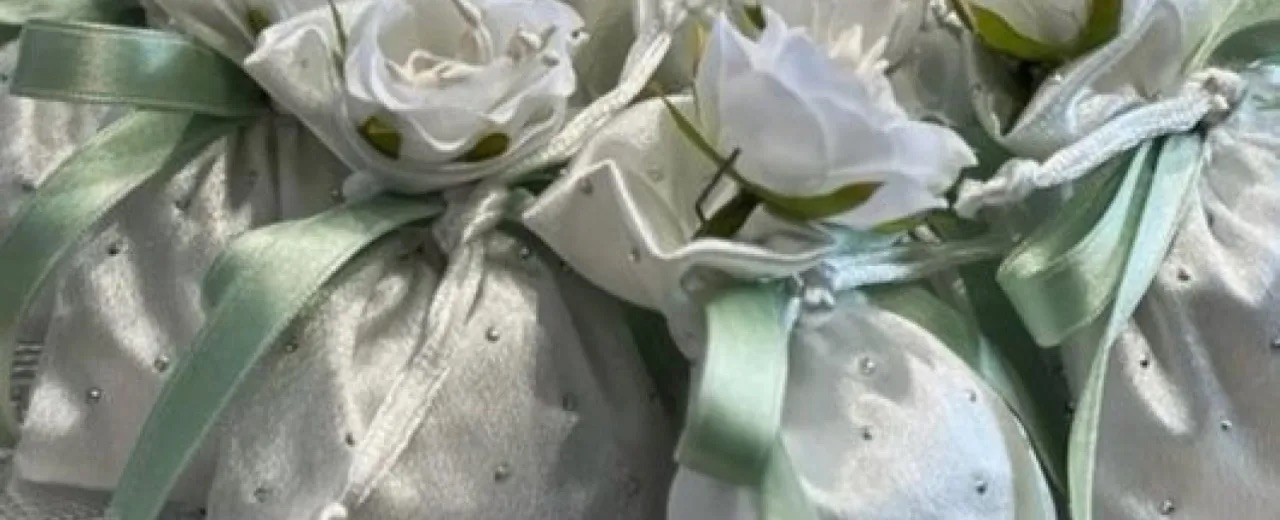
The choice of the object has no rules, you just have to let yourself be carried away by the pleasure of giving something that you like, that strikes, that you love. No matter the material, the shape, let yourself be enchanted by the magic of unique objects designed to enrich the most beautiful day with emotions.
How do you make a wedding favor? It's actually very simple, count five sugared almonds, wrap them in a tulle handkerchief, insert the card, put everything in the bag, close the bag with ribbon, make a nice bow (train yourself to make bows), adjust everything a little and repeat the operation until you are fine using the same material over and over again. When it comes to you, repeat everything calmly and passionately for how many Favors you plan to pack. Don't be afraid and let yourself be carried away.
Tradition wants 5 sugared almonds, to symbolize health, wealth, happiness, fertility and long life, but you can exaggerate, as long as the sugared almonds are always of an odd number. The same rule also applies when the bride distributes sugared almonds to the guests.
Etiquette (Clement of Alexandria 150/215, Erasmus of Rotterdam 1467/1536, Giovanni Della Casa 1503/1556) Etiquette or Etiquette, so called because it was dedicated to Monsignor Galeazzo Florimonte, bishop of Sessa who had inspired him.
The Favor should be given to witnesses, to people invited to the reception, to those who were not present, but still gave a gift. One for each family, but two in the case of engaged couples. It is advisable to always make a few more just in case. Those who have wished them well by telegram or card should be thanked at least with a bag that contains the sugared almonds. The preparation of the wedding favor is long and delicate but not too much, after the tenth you prepare you will already be able to be fast. The favors for the guests must all be the same, while generally the witnesses and parents are offered a more important favor. It is better, however, that all are packaged in the same way and combined with the same bag, which must contain the sugared almonds, and the card with, handwritten, the names of the bride and groom, with the date of the wedding (first her name, then his name, the surnames should not be put).
When are the favors delivered? Usually after receiving the gift. Once they were sent or delivered on the return from the honeymoon, but today the new tradition, more convenient and also more welcome, is that it is the bride and groom who deliver them at the end of the refreshments, before the guests begin to leave, making the rounds of the tables to personally thank those who participated. For those who were not present, a meeting can be organized, as long as the wedding favor is delivered, because the rudest thing is never to deliver it.