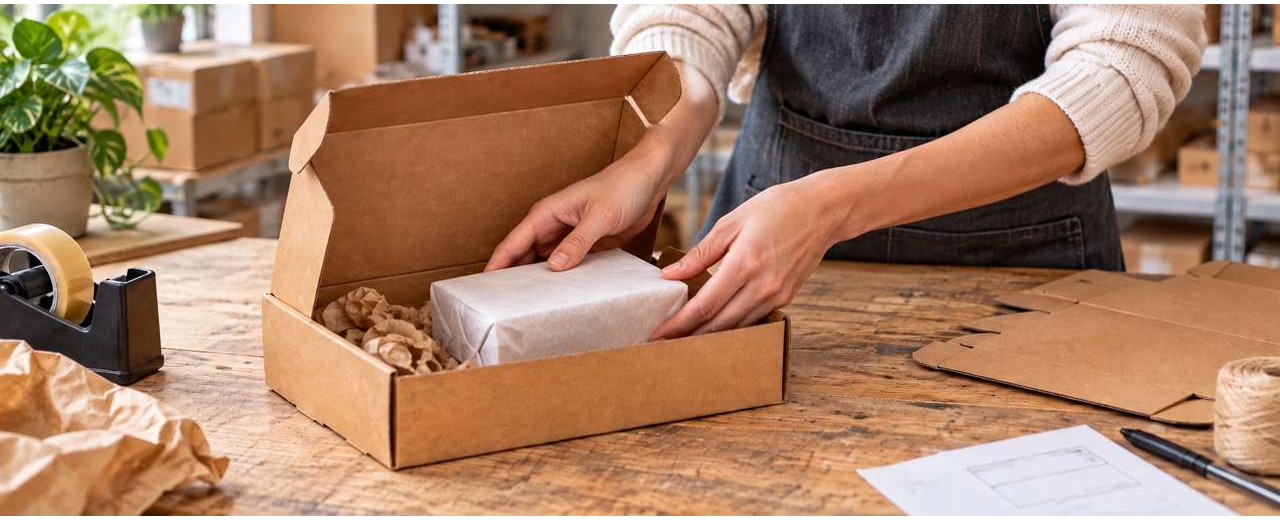
A hinged box is prepared by folding and fitting the prepared parts. It's useful when you pack orders regularly in...
Nature cake boxes in 6 sizes€0.88
 ChartaRè, RossiCarta's Online Packaging Store


Tell us about yourself
Fill in the form and we will contact you to find the right solution together.
Latest posts
A hinged box is prepared by folding and fitting the prepared parts. It's useful when you pack orders regularly in...
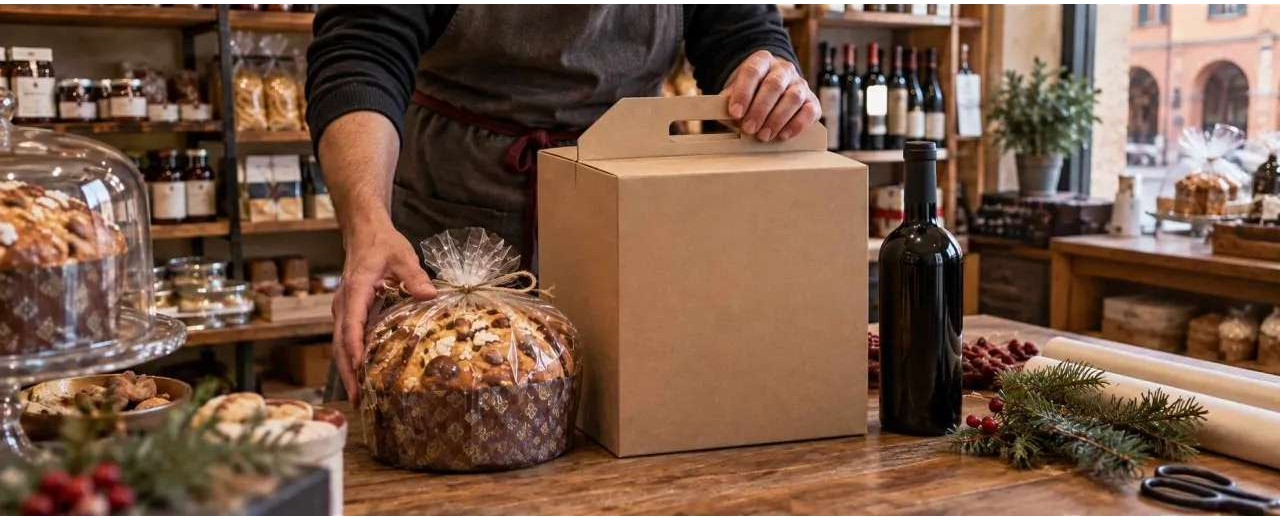
A shopper accompanies the customer out of the store. A box presents the product when it is opened. A staff T-shirt...
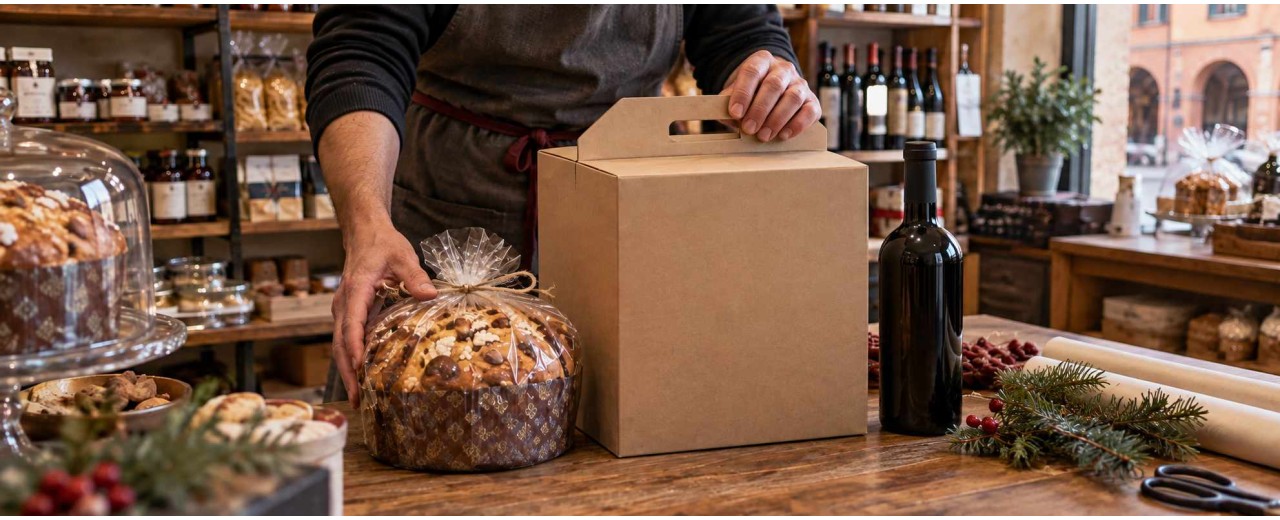
A gift box for a purchase at the counter and a gift with panettone and bottle do not require the same preparation....
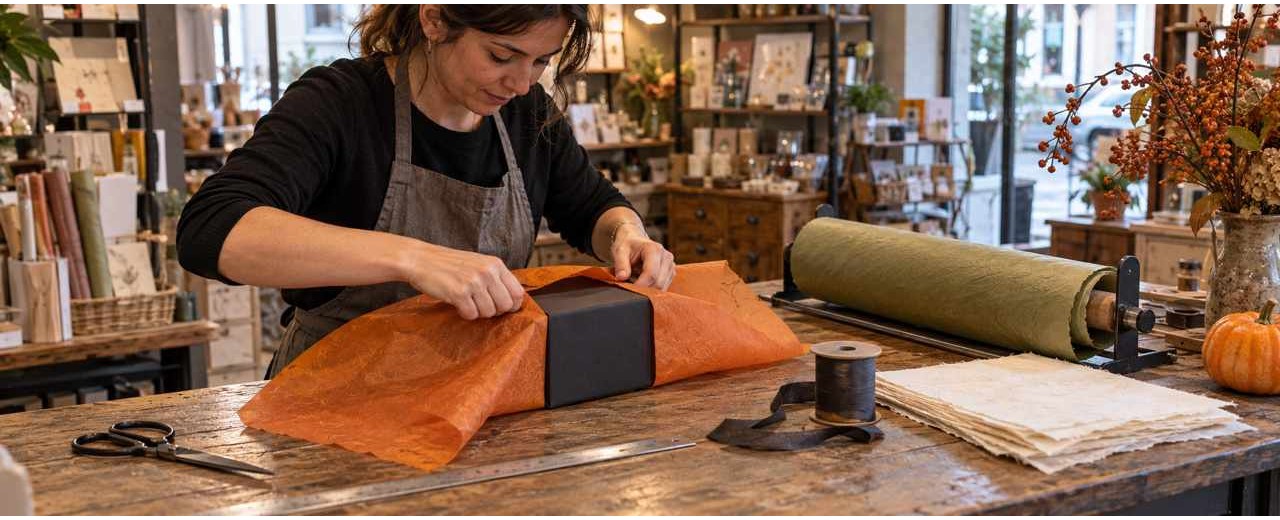
In a professional package, rice paper is not chosen only for the color. The shape and size of the product, the number...
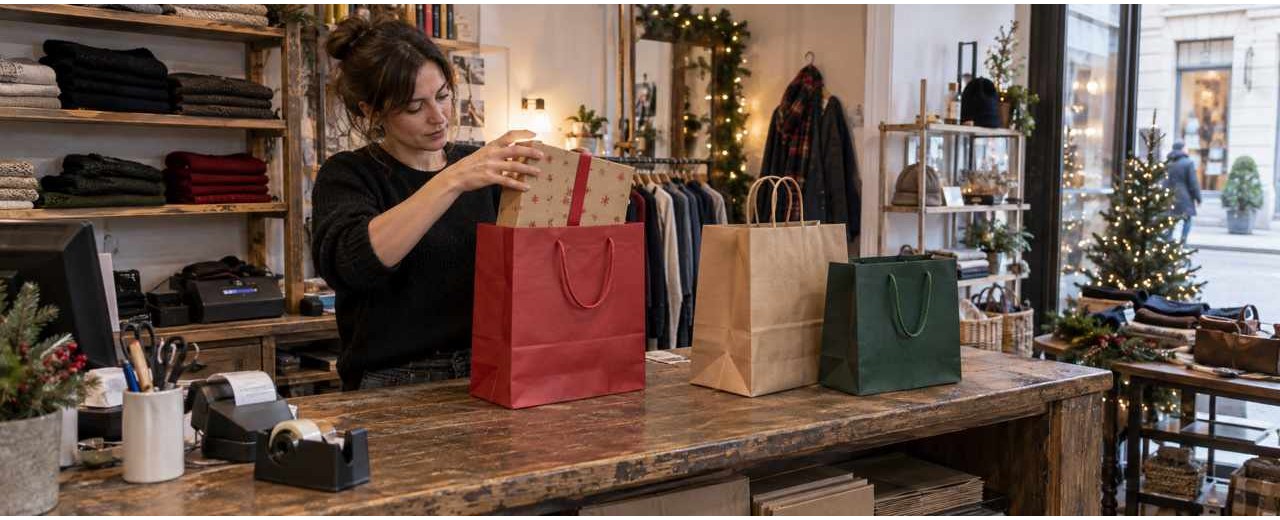
The shopper you deliver at Christmas must do two simple things: contain the already packaged product well and...
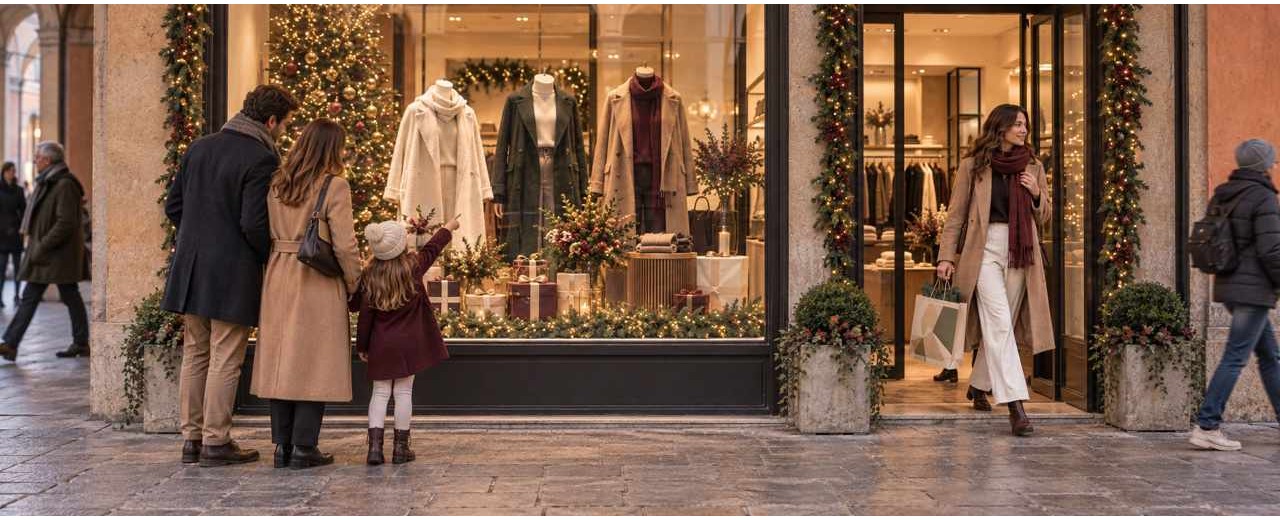
Christmas in the store doesn't start in December. An effective display case and coordinated packaging require...
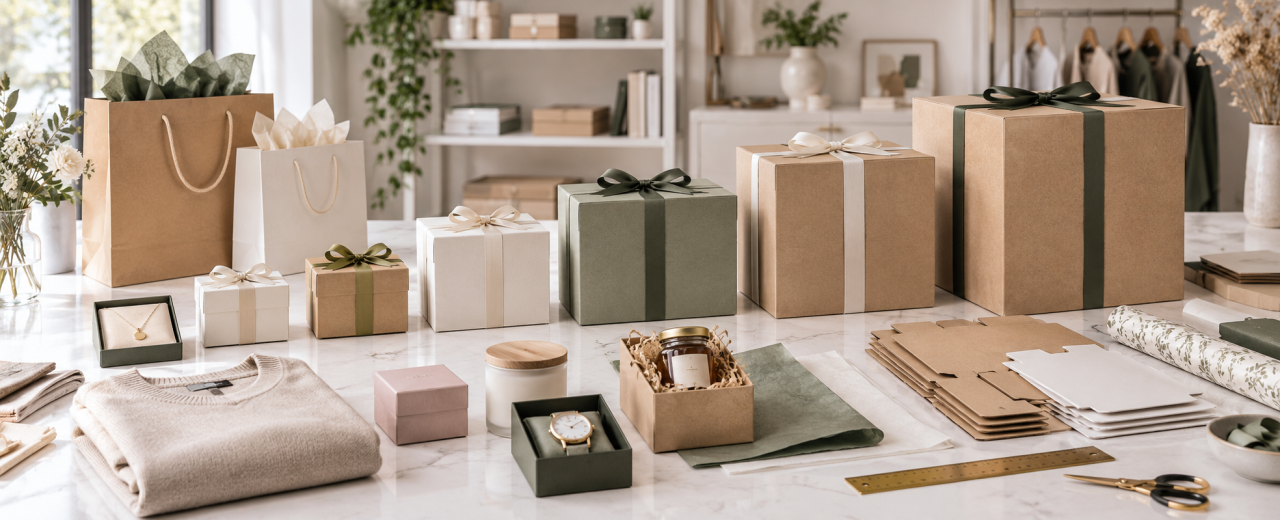
Choosing the sizes of gift boxes means finding a few formats capable of covering the greatest number of products.A...
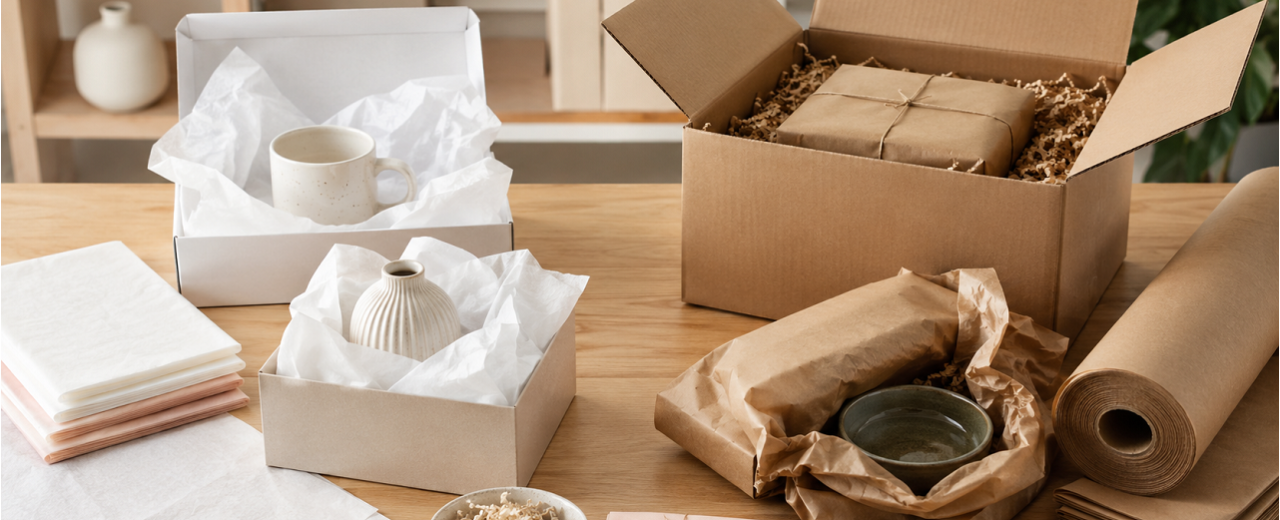
Tissue paper and wrapping paper for shipping have different functions and should not be confused. The tissue protects...
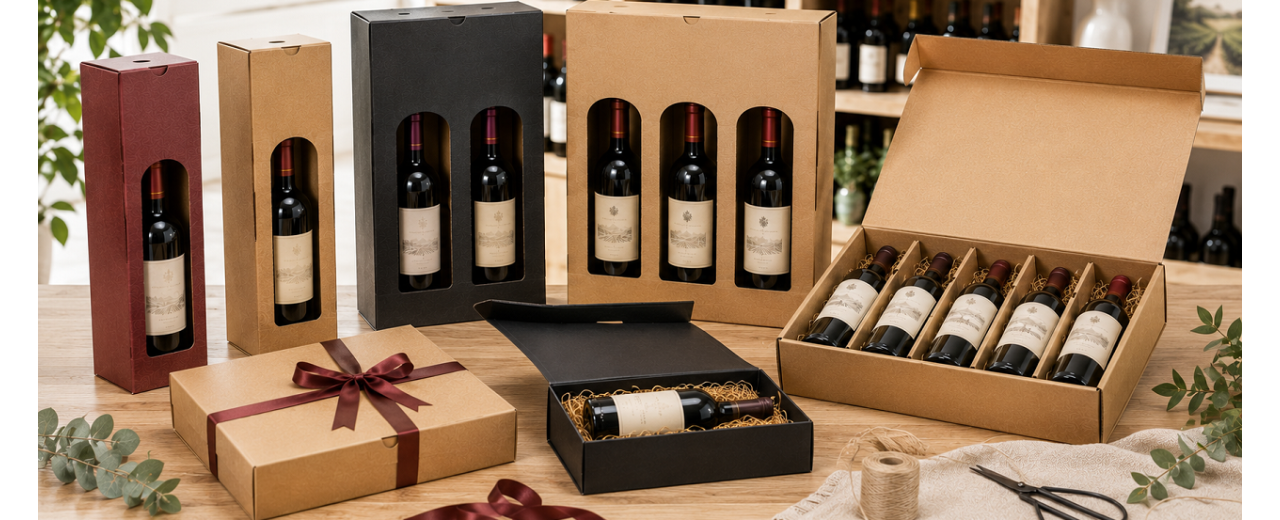
Wine boxes of 1, 2, 3 or 6 bottles help wine shops and wineries manage sales, gifts and delivery. Each format...
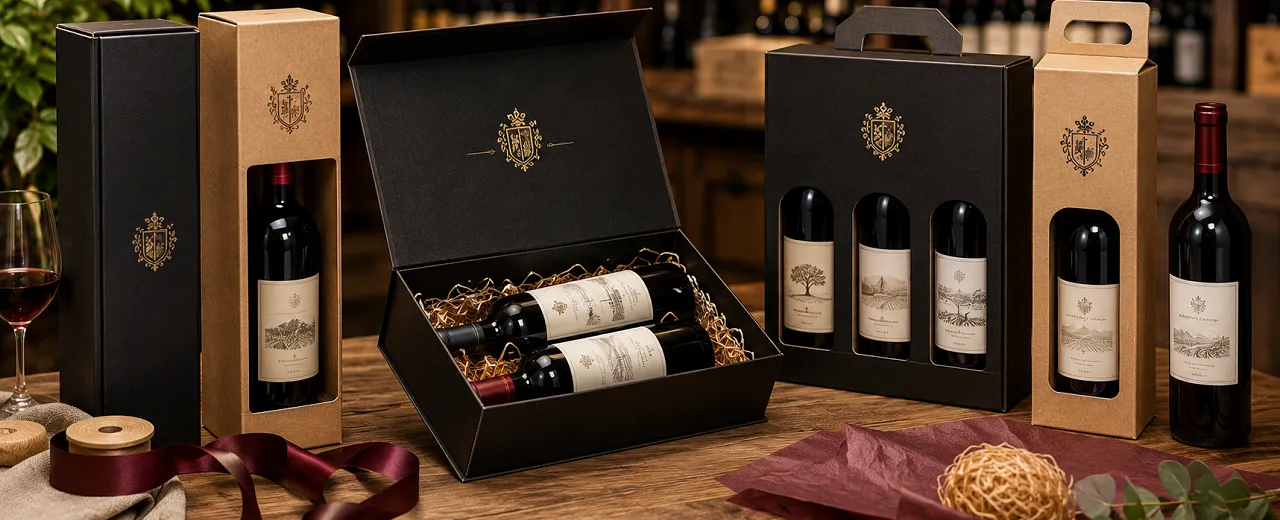
Personalised wine boxes enhance bottles, gift selections and corporate gifts. Logo, format and quantity must be...
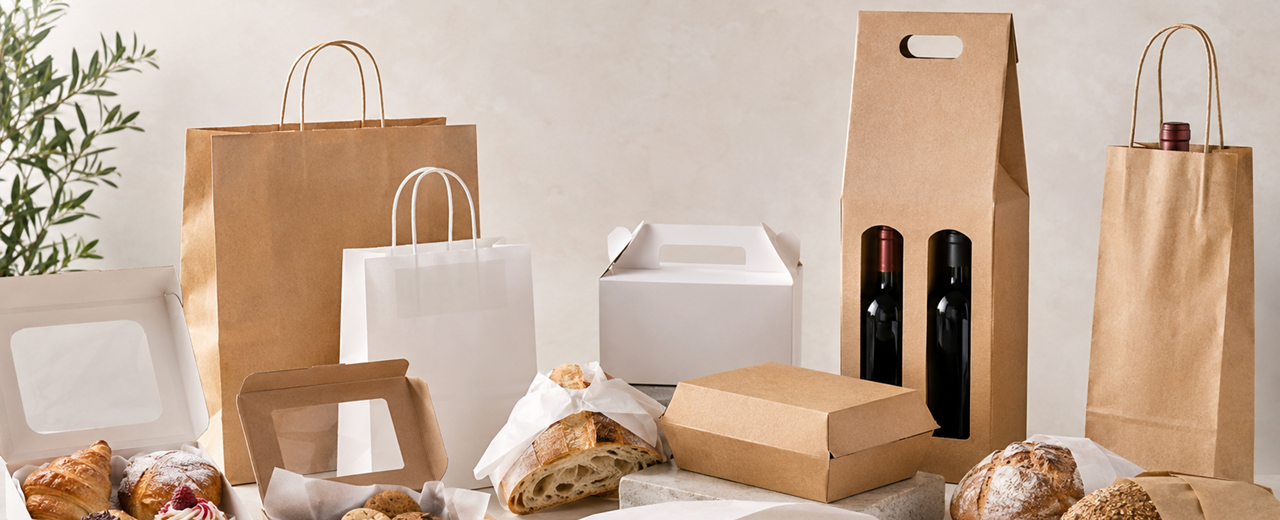
In the food sector, the package accompanies the product from the laboratory to the customer's hands. A wrong box can deform a cake, while an unsuitable paper can compromise order and cleanliness. Bags, shopping bags and bottle holders must be chosen considering weight, format, content and transport. Packaging must also allow staff to work quickly during busy times. A coordinated line makes the business more recognizable and facilitates the proposal of gift boxes and premium products. Reducing unnecessary formats and organizing stocks well helps control costs, waste and preparation times. In this guide we see how to choose practical packaging for pastry shops, delicatessens and wine shops.
Professional food packaging is not a simple wrapper added at the end of the sale. It is an operational tool that protects the product, facilitates service, improves transport and contributes to the overall perception of the activity. A cake must arrive intact, a countertop product must be wrapped quickly, a food selection must appear neat, and a bottle must be able to be delivered safely. Each sector therefore has different needs, but the principle remains the same: the packaging must be chosen starting from the product and the way it will be sold.
Pastry shops, delicatessens and wine bars often work at an intense pace, seasonal peaks and products of very different shapes. Packaging must adapt to this complexity without turning into a slowdown. You need materials that are easy to pick up, assemble, fill and close, available in real-world formats and easy to reorder. The quality of the service also depends on these details: a proportionate packaging communicates care, while an improvised solution can lower the perceived value even when the product is excellent.
Food packaging for pastry shops, delicatessens and wine shops: practical packaging to sell better
⏰ 9 min. · ChartareBefore choosing a box, a card or a bag, we need to understand what will be packaged, how long it will stay inside and how it will be delivered. A dry product has different needs than a wet or fatty food. A cake requires a stable structure, while biscuits, pralines and baked goods can also be enhanced through transparent packaging. A bottle needs a container capable of supporting weight and fragility.
The Wrapping Paper, Food Packaging and Packaging category allows you to distinguish between papers intended for the counter, greaseproof papers, laboratory solutions and materials for external protection. It is important not to use a paper just because it is available: the material must be chosen based on contact with food, behavior with fats and moisture and the time of processing.
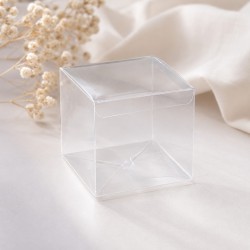
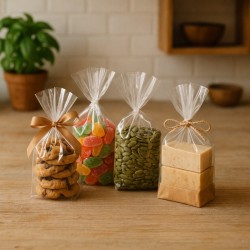
Transparent and paper bags for food must also be selected considering format, closure and visibility. A transparent bag enhances biscuits, candies, dry products and small specialties, while a paper bag communicates greater essentiality and can make service at the counter faster. The choice must combine function, presentation and speed of use.
A professional assortment does not have to contain dozens of variants that are rarely used. It is more effective to identify a few main formats for each product family, test them during daily work and integrate only the measures that are really necessary. This setting reduces space footprint, simplifies reordering, and makes delivery more even.
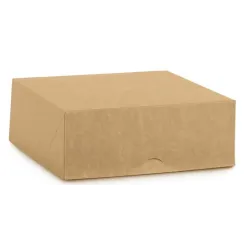
Cakes, pastries, biscuits and artisanal sweets require containers capable of maintaining shape, position and presentation. Cake Boxes are designed to meet these needs with different formats, easy-to-assemble structures and solutions suitable for both daily sales and gift packaging. The correct size must leave enough space for the product without allowing it to move during transport.
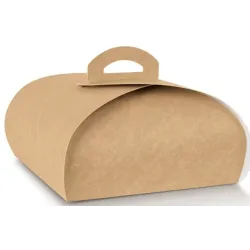
For cakes, it is essential to evaluate the base, height and presence of decorations. A box that is too low risks touching the surface of the cake, while one that is too wide makes transport less stable. The Nature Cake Boxes allow you to choose between multiple sizes and offer a practical solution with a handle, useful when the customer has to transport the product directly.
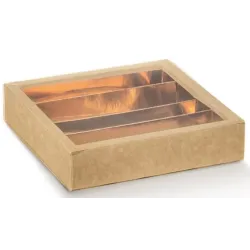
For pastries, biscuits and assorted compositions, low boxes, boxes with bands or transparent containers may be more suitable. Visibility is useful when the product is neat and colourful, but it requires precise internal preparation. The cake must appear well arranged and must not leave any obvious residue on the walls of the package. In the most delicate products, presentation must be subject to protection.
The ease of assembly directly affects the service. A box that is beautiful but slow to assemble can become problematic during weekends, anniversaries or busy times. For this reason, it is useful to prepare some containers in advance, but keep the unassembled boxes in a dry and tidy place to reduce the footprint.
Professional boxes for cakes and desserts
Not all pastry products require a box. Biscuits, meringues, pralines, candies, small baked goods and dry preparations can be packaged in transparent or paper bags, choosing the material according to duration, visibility and closing method. Square bottom bags are useful when the product needs to remain upright and have a good presence on the shelf.
Food-grade White Paper Bags offer a clean presentation and are suitable for baked goods and food packaged quickly at the counter. The Avana Alimentare Paper Bags, on the other hand, introduce a more natural and artisanal image, consistent with bakeries, bakeries, laboratories and activities that want to enhance a traditional production.
Transparency becomes useful when the appearance of the product is an important part of the sale. A transparent bag allows the customer to see quantity, shape and color, but must be proportionate to the contents. Too much empty space reduces the perception of wealth, while an overly full package can warp or close poorly.
The closure must be simple and repeatable. Adhesive flaps, ribbons, labels or package seals can improve presentation, but they should not slow down the work. For frequent productions, it is advisable to define a standard mode, calculate the material needed for each package and keep the accessories close to the preparation station.
Transparent bags and packages for food products
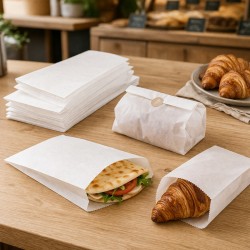
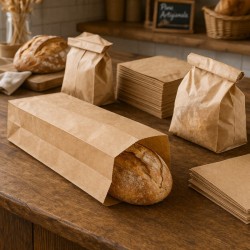

In delicatessens, packaging has to deal with more complex contents than dry pastries. Cheeses, cold cuts, focaccia, sandwiches, dry fried foods and over-the-counter preparations can release fats or moisture. In these cases, it is necessary to use materials suitable for the function and to clearly distinguish between the paper in contact with the product and the outer packaging intended for delivery.
The White Anti-Fat Paper in the 50x35 format is practical for portions, sandwiches, focaccia and take-away products that require quick service. Larger formats can be used for bulky products or cut according to the needs of the counter. The size must be chosen considering the amount of folds needed and the time taken to close the wrapping.
The food paper must keep the outside of the package clean and facilitate handling by the customer. If the product is placed in a shopping bag, it is important that the inner paper performs its function correctly, preventing grease or moisture from reaching the outer container. For more delicate preparations, specific containers may be required, which must be evaluated in relation to temperature and transport time.
The desk must also be organized by formats. Keeping different cards together without a clear distinction increases the risk of using the wrong material. It is preferable to create dedicated workstations, identify measurements and periodically check consumption, in order to tidy up before an essential solution fails.
Food papers for laboratory and counter service
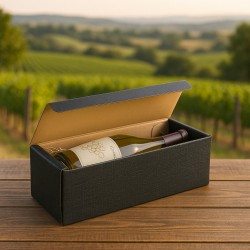
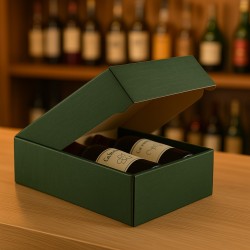
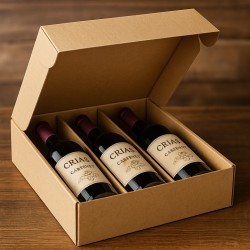
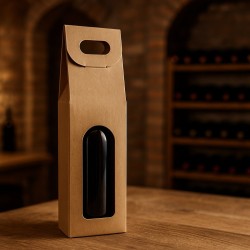
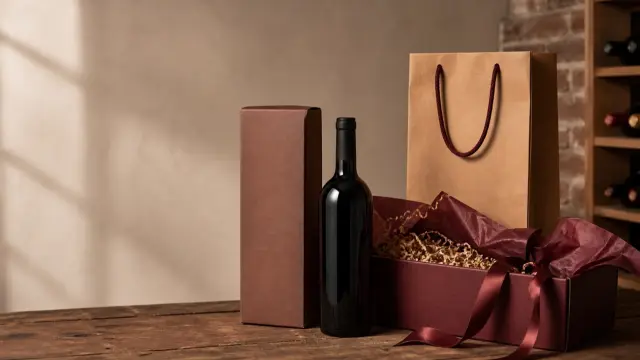
For a wine shop, the packaging must support weight, protect the glass and enhance the bottle during delivery. The Bottle Boxes include single and multiple formats suitable for wine, oil, spirits and gourmet selections. The choice depends on the number of bottles, their shape, the type of transport and the desired level of presentation.
The Box for 1 Flat Bottle is suitable for individual sale and gift wrapping. The formats of two or three bottles allow you to build selections, combine wine and oil or propose tasting itineraries. As the number of bottles increases, so does the importance of structure and internal stability.
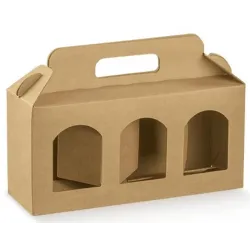
Gourmet packages can include jars, preserves, dry goods and small accessories. In these cases, it is useful to start with the bulkiest box and organize the other products around it, using separators or fillers when necessary. Each item must remain visible and firmly in place, without creating a chaotic composition.
For shipping, gift wrapping should not be confused with technical packaging. An elegant box can enhance the product, but it must be placed in a suitable external container when dealing with transport by courier. Presentation and protection are two distinct levels, and both must be designed.
Bottle holders for wine bars and gift boxes
The shopper is the last element added to the counter, but it is also the one that accompanies the customer out of the business. Paper shopping bags must be chosen considering the real weight, the shape of the inner packaging and the convenience of transport. A shopper that is too wide allows boxes and bottles to move, while one that is too narrow can deform the contents or make it difficult to insert.
For pastry shops and delicatessens, formats with a base wide enough to support boxes and containers without tilting them are useful. For wine shops, shopping bags or bags developed in height, capable of correctly accompanying the shape of the bottle, are needed. The handle should be appropriate for the weight and distance the customer might travel.
The shopping bag must not replace the primary container. A cake must remain in its own box, a food must be protected by the correct paper or bag, and a bottle must have a suitable bottle holder. The shopper completes the delivery, facilitates transport and makes the store more recognizable.
A coordinated line can use neutral shopping bags combined with labels, ribbons or personalized papers. This allows you to maintain flexibility and contain costs, especially when the business sells very different products. Consistency does not necessarily require identical materials, but an orderly and repeatable visual language.
Packaging becomes a commercial tool when it helps the customer recognize the business and makes it easier to offer additional products, gift wrapping and premium selections. Personalized Shoppers and Boxes allow you to wear your logo and graphics on the outer container, while Personalized Food Paper can also make everyday wrapping recognizable.
Personalization must be introduced after verifying formats, consumption, and procedures. Printing large quantities of a little-used box creates immobilization and takes up space. It is more effective to start with the material with the highest rotation, such as a shopping bag, a bag or a counter card, and gradually build the coordinated line.
The organization of stocks is part of the project. For each product, it is advisable to establish a main packaging and an alternative solution, avoiding using random materials when the correct format is missing. Minimum quantities should be calculated based on average consumption, delivery times and periods of higher demand.
For a food e-commerce, it is necessary to distinguish the commercial packaging from the shipping packaging. The customer must receive a product ordered, but the contents must also remain stable during the journey. Outer boxes, protectors and fillers must therefore be chosen according to weight, fragility and composition of the order.
At ChartaRè, we help pastry shops, delicatessens, wine shops, bakeries, gourmet shops and e-commerce to build professional packaging assortments that are easier to manage. The right packaging protects the product, makes work faster and improves sales because it conveys order, reliability and attention. Selling better also means delivering better, with materials that are proportionate and easy to reorder.
Solutions for delicatessens, gourmet packages and takeaway
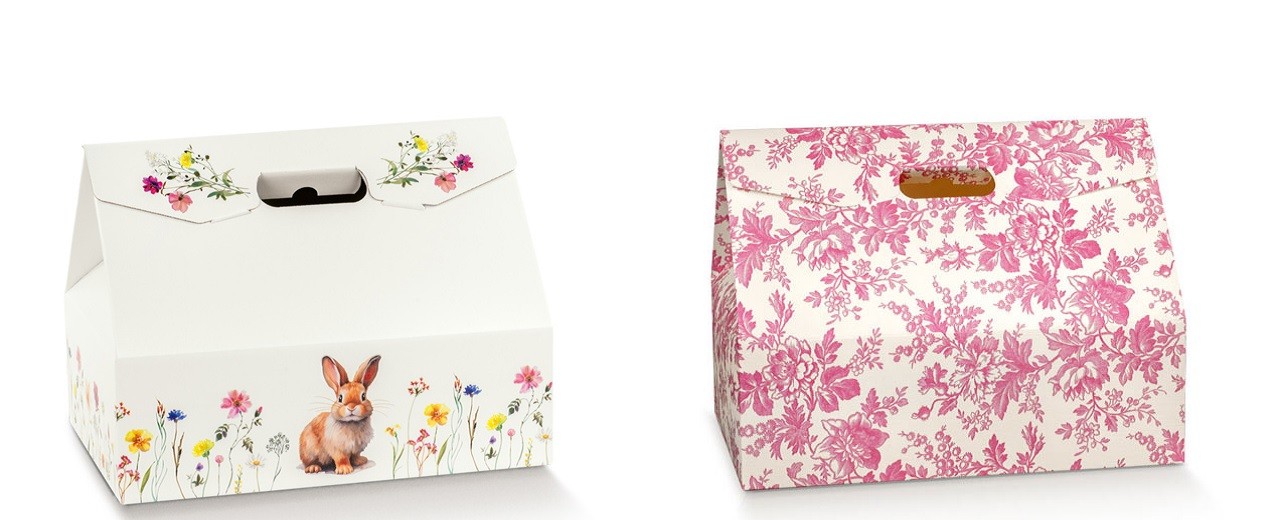 The perfect box for your desserts. Why the box is important for sweets
 Professional Food Packaging: Wrappers for Delicatessens, Pastry Shops, Ice Cream Parlors and Food Processors.
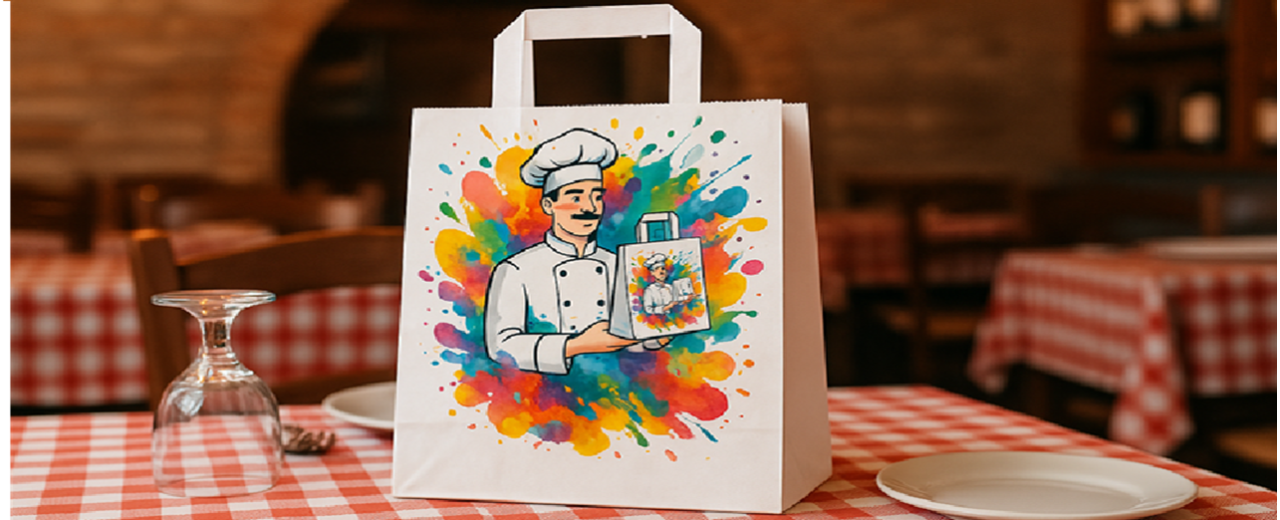 Personalizzati Paper Bags for Restaurants: why choose digital printing
 Packaging the experience: packaging, branding and take-away to make restaurants, bars, pastry shops, hotels and events memorable
Practical ideas and solutions for choosing bags, boxes and packaging for your business.
 Guide
Packaging for wine shops: boxes, shopping bags and bottle packaging
Read the guide
Guide
Packaging for wine shops: boxes, shopping bags and bottle packaging
Read the guide
 Guide
Packaging for perfumeries: shoppers, boxes and packaging for cosmetics
Read the guide
Guide
Packaging for perfumeries: shoppers, boxes and packaging for cosmetics
Read the guide
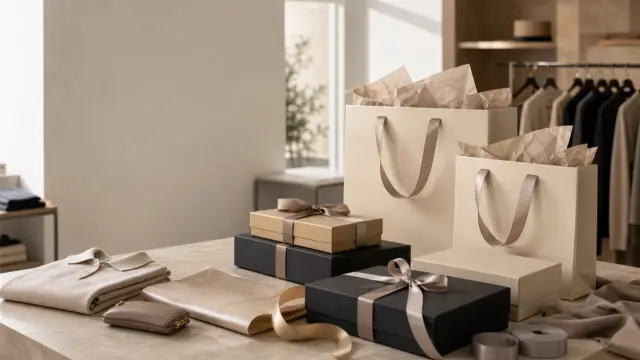 Guide
Boutique packaging: shoppers, boxes and premium packaging
Read the guide
Guide
Boutique packaging: shoppers, boxes and premium packaging
Read the guide
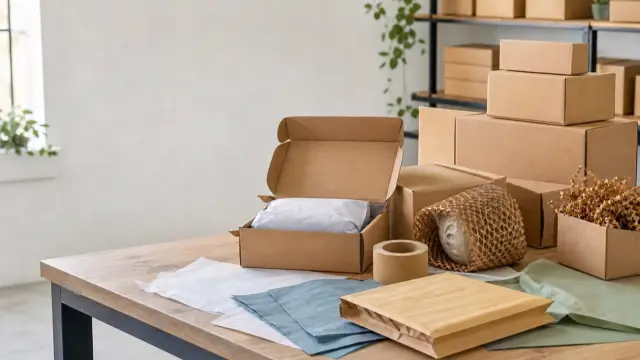 Guide
E-commerce packaging: boxes, protections and unboxing
Read the guide
Guide
E-commerce packaging: boxes, protections and unboxing
Read the guide
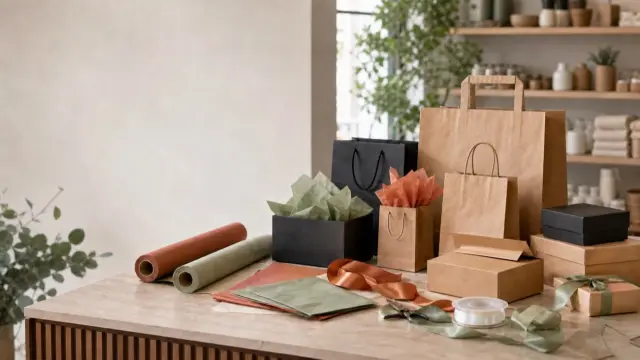 Guide
Store packaging: shoppers, boxes and gift boxes
Read the guide
Guide
Store packaging: shoppers, boxes and gift boxes
Read the guide
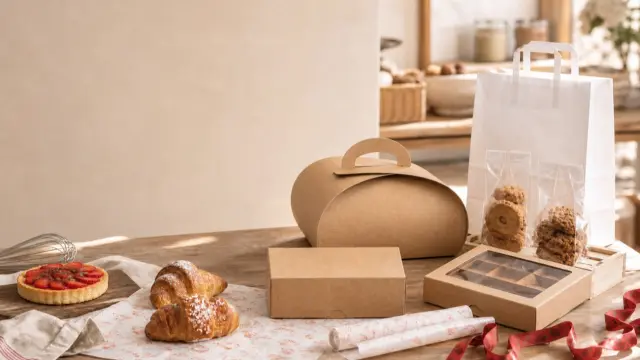 Guide
Packaging for pastry shops: boxes for sweets and shopping bags
Read the guide
Guide
Packaging for pastry shops: boxes for sweets and shopping bags
Read the guide
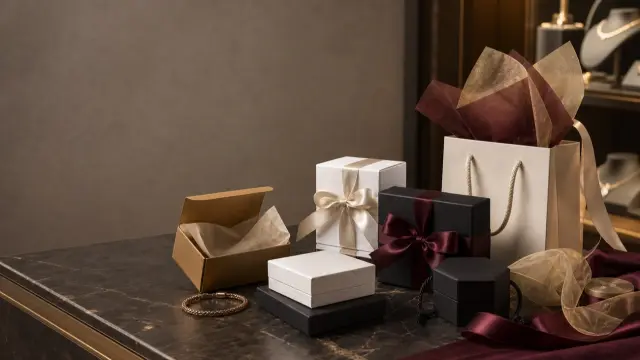 Guide
Packaging for jewellery shops: boxes, shopping bags and premium packaging
Read the guide
Guide
Packaging for jewellery shops: boxes, shopping bags and premium packaging
Read the guide
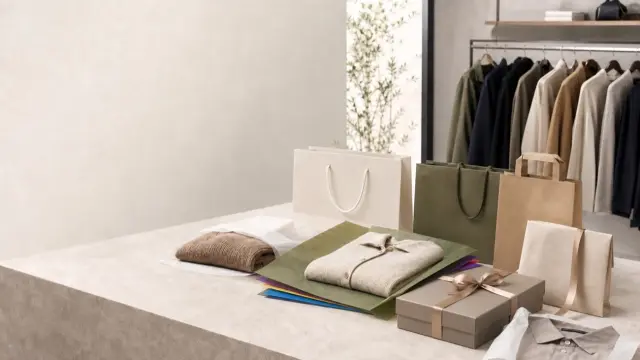 Guide
Packaging for clothing: shoppers, tissue paper and packaging
Read the guide
Guide
Packaging for clothing: shoppers, tissue paper and packaging
Read the guide