


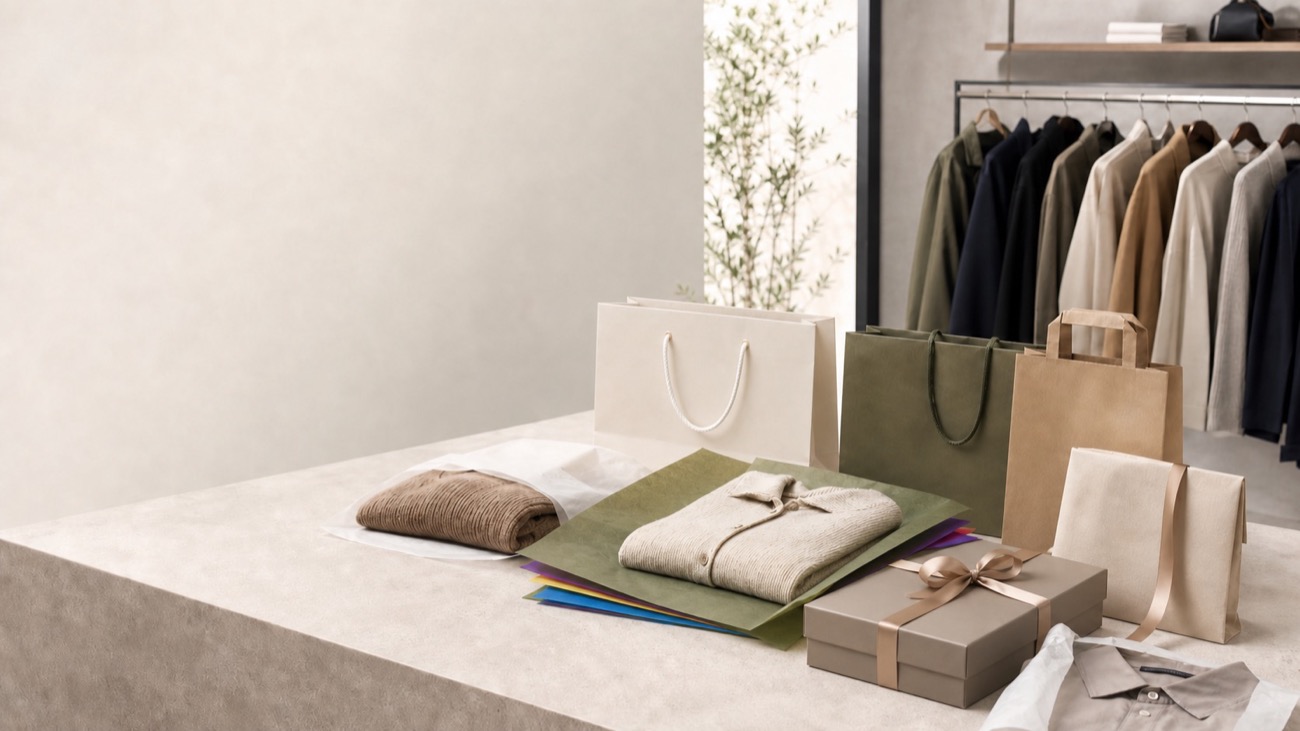
Packaging for clothing stores
Packaging for clothing should respect the shape and fabric of garments, handle purchases of different sizes and make delivery consistent with the store's style: shopping bags, tissue paper and gift packaging should be practical, neat and proportionate.
This guide is written for clothing stores, fashion retailers, showrooms, ateliers and businesses selling garments, accessories, footwear or seasonal collections. Packaging should protect against creasing and light rubbing, remain comfortable to carry and continue communicating the brand outside the store.
At ChartaRe you can combine paper shopping bags for clothing, luxury shopping bags, tissue paper for garments and accessories, gift boxes and custom shopping bags and boxes to adapt the packaging to the product, service and positioning.
Shopping bags for clothing stores
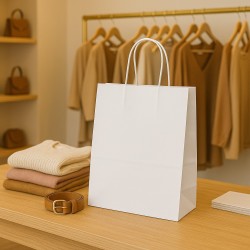
Folded garments need a shopping bag wide enough to avoid compressing them and sufficiently structured to keep them neat during transport. A wide or horizontal format may work well for knitwear, shirts or multiple purchases.
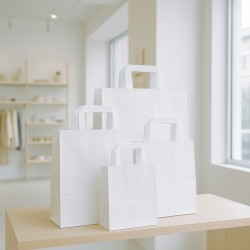
The format should also be chosen according to weight: a T-shirt takes up little space, while denim, outerwear or several garments place greater strain on the bottom and handles. Always test the shopping bag with an actual purchase.
Flat handles are practical for high volumes and quick service; cord handles provide a more refined grip and better support the visual language of boutiques and premium fashion stores.
Explore shopping bags for clothing →Tissue paper for garments and accessories
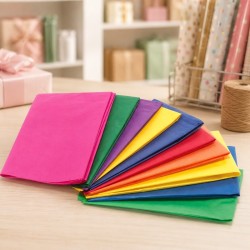
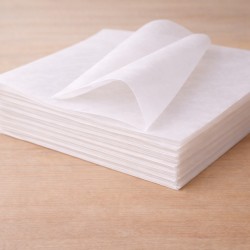
Tissue paper wraps the garment, keeps the fold neat and separates it from other items in the shopping bag. It is also useful for bags, belts, scarves and small accessories that should reach the customer with a more refined presentation.
It does not replace technical protection against water, knocks or crushing, but it helps against light rubbing and creates a more pleasant opening experience. Use it without adding excessive volume.
Choose one or two year-round colours that are easy to coordinate with your collections. A seasonal accent can appear on a sticker, ribbon or tag without changing the entire packaging foundation.
Choose tissue paper for clothing →Packaging suited to garments, accessories and footwear
A clothing store handles products that vary greatly in volume, weight and delicacy. Defining a few packaging families protects products more effectively and reduces decisions and time at the checkout.
T-shirts, shirts and lightweight knitwear: a neat fold, tissue paper and a medium shopping bag. The garment should neither be compressed nor move excessively.
Denim, sweatshirts and heavy garments: check the bag's load capacity and handle strength. A more robust format may be needed even when the volume is not large.
Dresses and outerwear: consider size, length and the need to maintain the garment's shape. Items that should not be folded require dedicated garment transport solutions.
Accessories: belts, scarves, small leather goods and fashion jewellery can use compact boxes, gift bags or small shopping bags, avoiding disproportionate formats.
Footwear: keep the original shoe box and choose a shopping bag that holds it without deforming it, with a bottom and handles suited to the weight.

Gift packaging for fashion and accessories
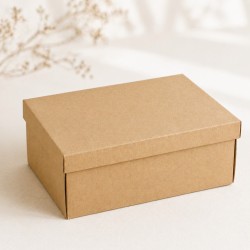
For gifts, tissue paper and a shopping bag may be enough for garments, while accessories and small items gain greater presence inside a proportionate box.
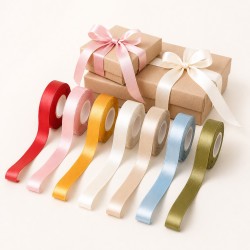
Prepare one quick solution and one more structured option: the first with tissue paper, a sticker and a shopping bag; the second with a box, ribbon and coordinated shopping bag. The customer can choose quickly and staff do not need to improvise.
During the holidays, keep the store's packaging foundation and change one detail. A seasonal ribbon, tissue paper or gift seal refreshes the package without multiplying formats.
View gift boxes for fashion accessories →Custom shopping bags for fashion brands
The shopping bag travels with the customer, appears on the street and may be reused. The logo, colour, format and paper quality therefore contribute to the store's recognition beyond the point of sale.
Before customising, identify the sizes that cover most purchases. A well-designed medium shopping bag can become the main format; sizes at either extreme can remain standard or be customised only when volumes are sufficient.
Test the design on a full shopping bag and check folds, handles and legibility. The customisation should remain visible during use and consistent with labels, the website, window displays and collections.
Discover custom shopping bags for clothing →How to choose packaging for each fashion product
Lightweight garment: tissue paper and a medium shopping bag wide enough to keep the fold neat.
Heavy garment or multiple purchase: a strong shopping bag with a suitable bottom and handles tested with the actual weight.
Small accessory: a compact box or gift bag, tissue paper and a small shopping bag to avoid a disproportionate effect.
Footwear: the original shoe box and a shopping bag with a base, gusset and load capacity suited to the complete package.
Gift or premium item: a refined box or tissue paper, ribbon and a cord-handle or luxury shopping bag, using just a few consistent details.


Frequently asked questions about packaging for clothing stores
-
What packaging should a clothing store choose?
A clothing store needs shopping bags in several sizes, tissue paper to keep garments neat and boxes or gift bags for accessories and special occasions.
-
What size shopping bag should be used for folded garments?
A medium or large shopping bag, often wide or horizontal, is useful for folded garments and should be selected according to the volume and weight of the actual purchase. For premium items, consider luxury shopping bags.
-
How can a fashion store make its packaging recognisable?
Use a few formats, a stable palette and a shopping bag consistent with the brand, customising the most frequently used formats first.
Do you need to organise packaging for your clothing store?
Tell us what garments and accessories you sell, their weight and size, and your most common formats: we can help you choose shopping bags, tissue paper, gift boxes and custom solutions.
Contact us