Tissue paper and wrapping paper for shipping have different functions and should not be confused. The tissue protects...
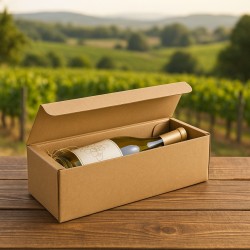
Box for 1 Flat Bottle in Resistant Cardboard Various Colors€1.51
 ChartaRè, RossiCarta's Online Packaging Store


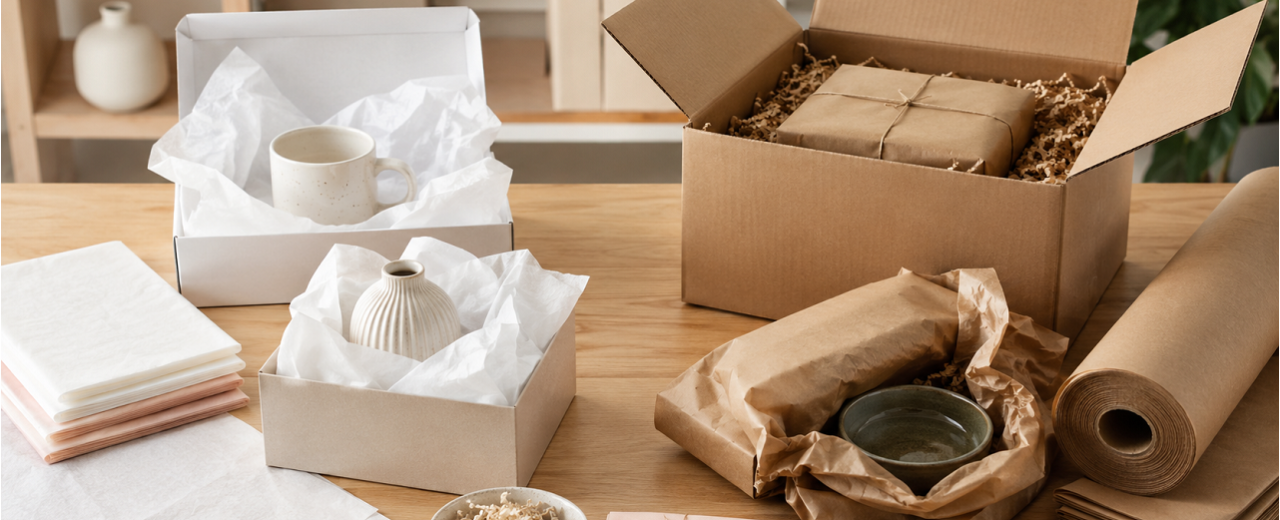
Tissue paper and wrapping paper for shipping have different functions and should not be confused. The tissue protects...
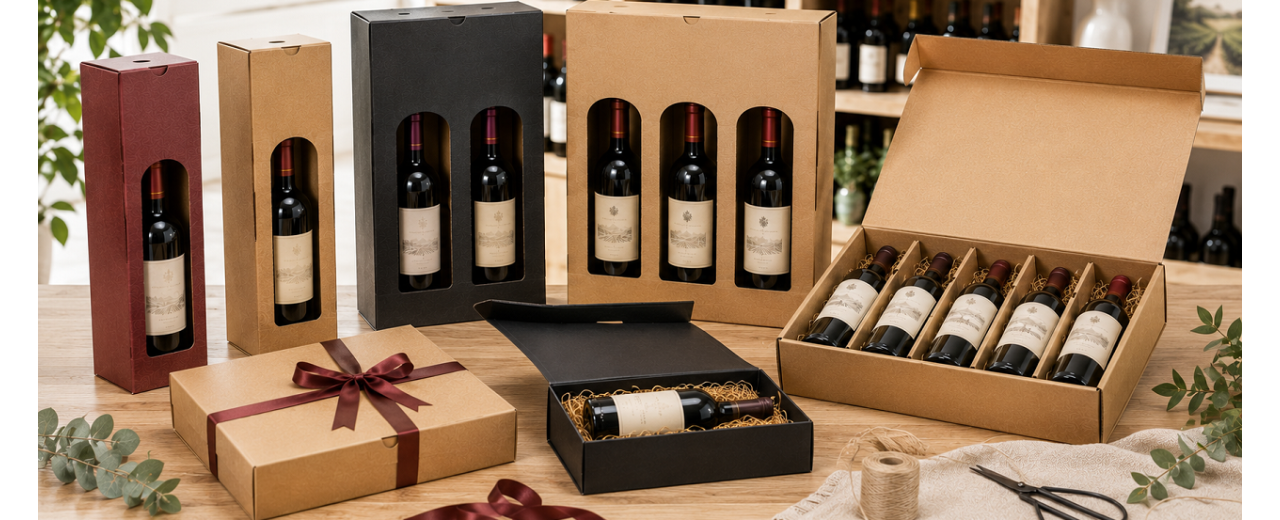
Wine boxes of 1, 2, 3 or 6 bottles help wine shops and wineries manage sales, gifts and delivery. Each format...
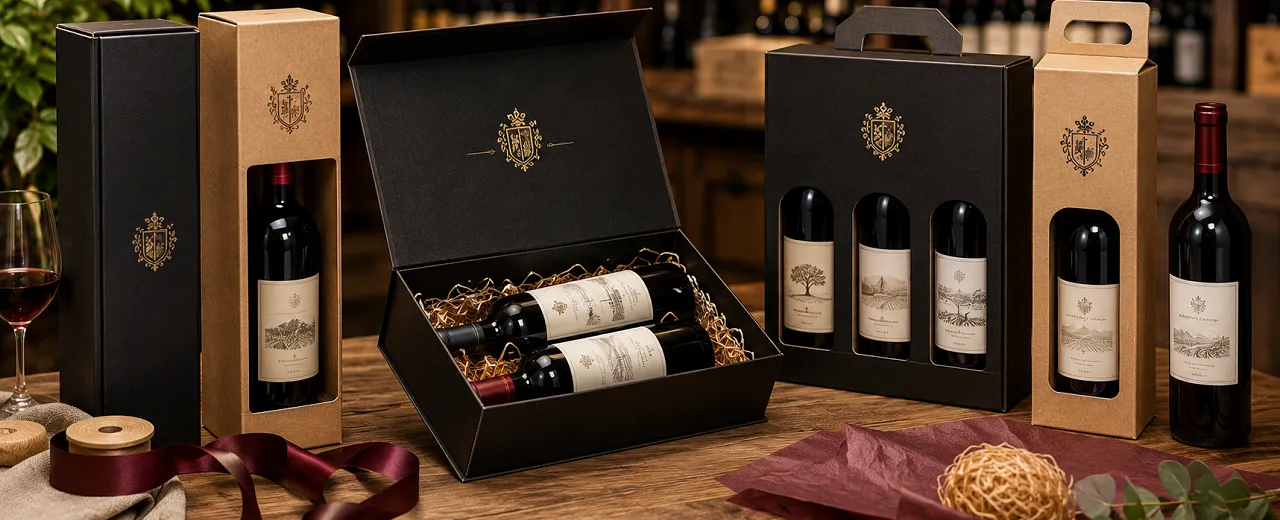
Personalised wine boxes enhance bottles, gift selections and corporate gifts. Logo, format and quantity must be...
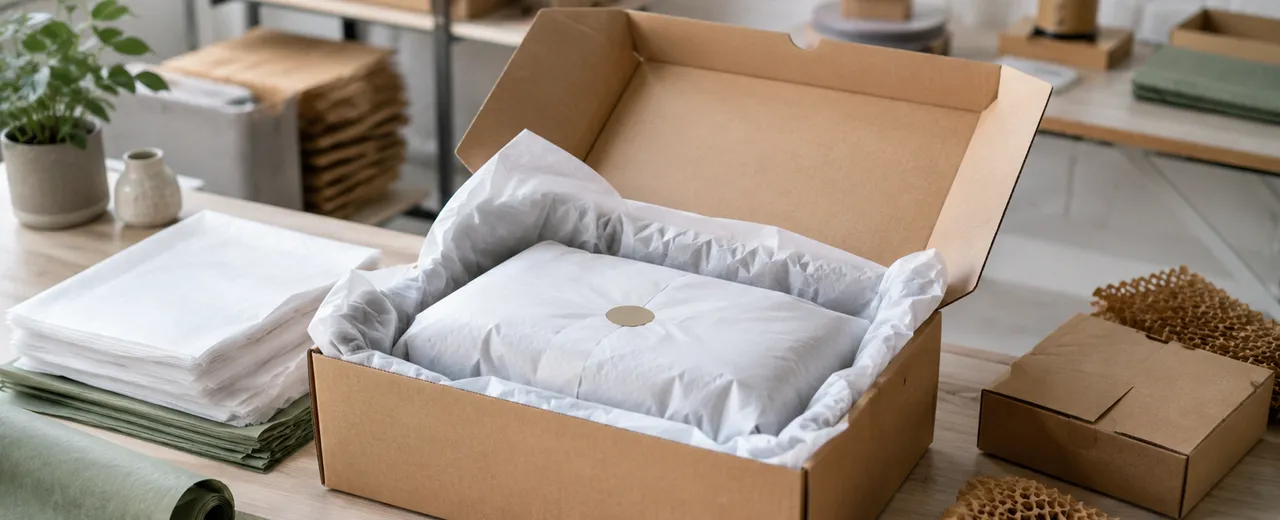
Tissue paper helps e-commerce businesses to superficially protect products and better present them inside the...
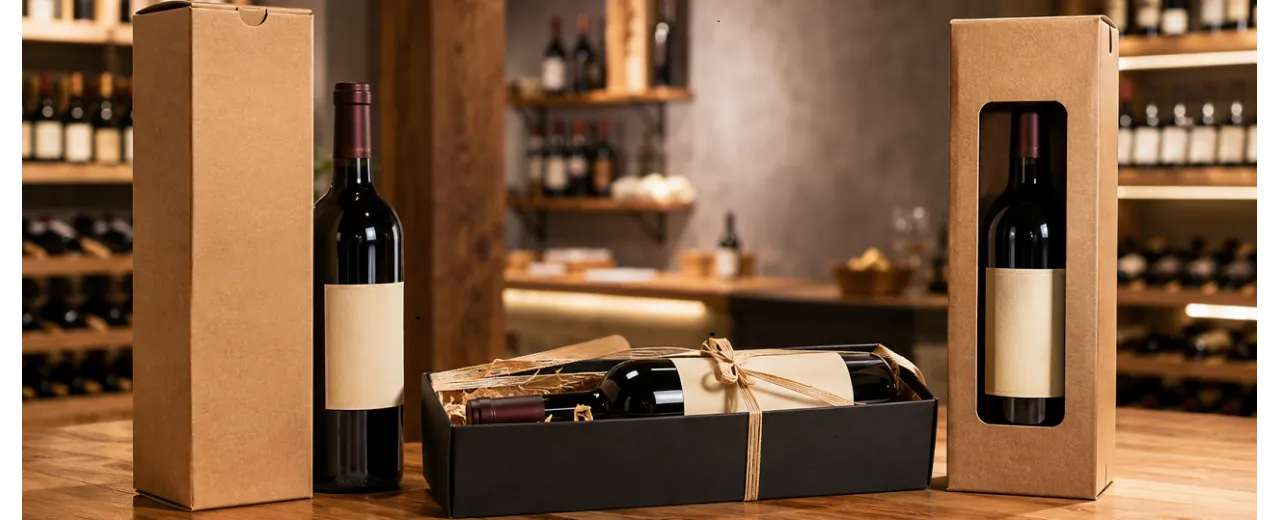
Wine boxes help wine shops and wineries to enhance bottles, gift selections and company packaging.Choosing between...
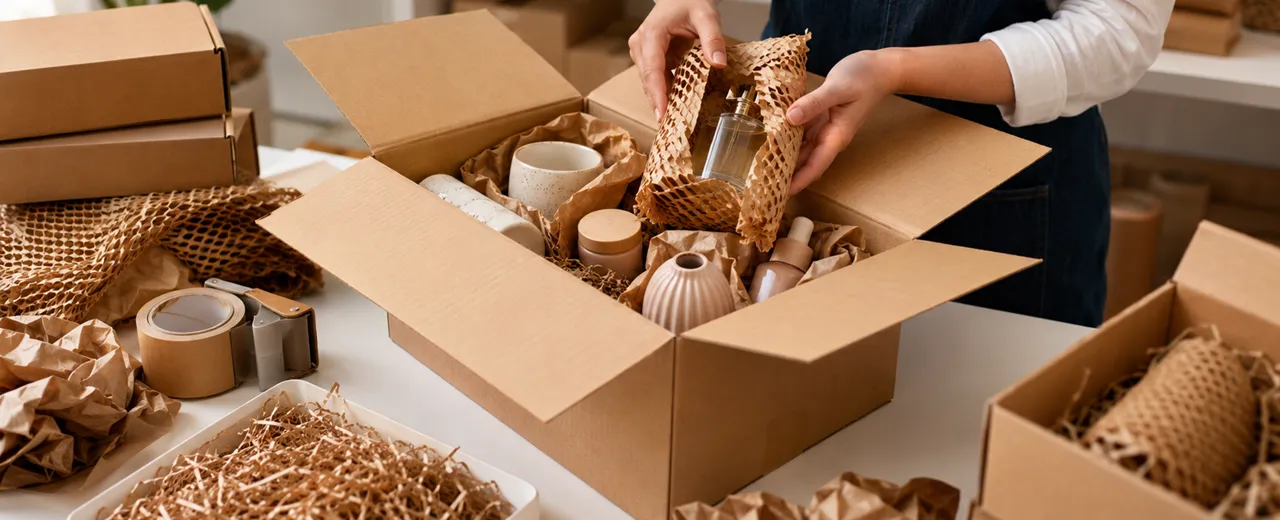
Fragile products require packaging designed according to weight, shape, material and mode of transport.Glass,...
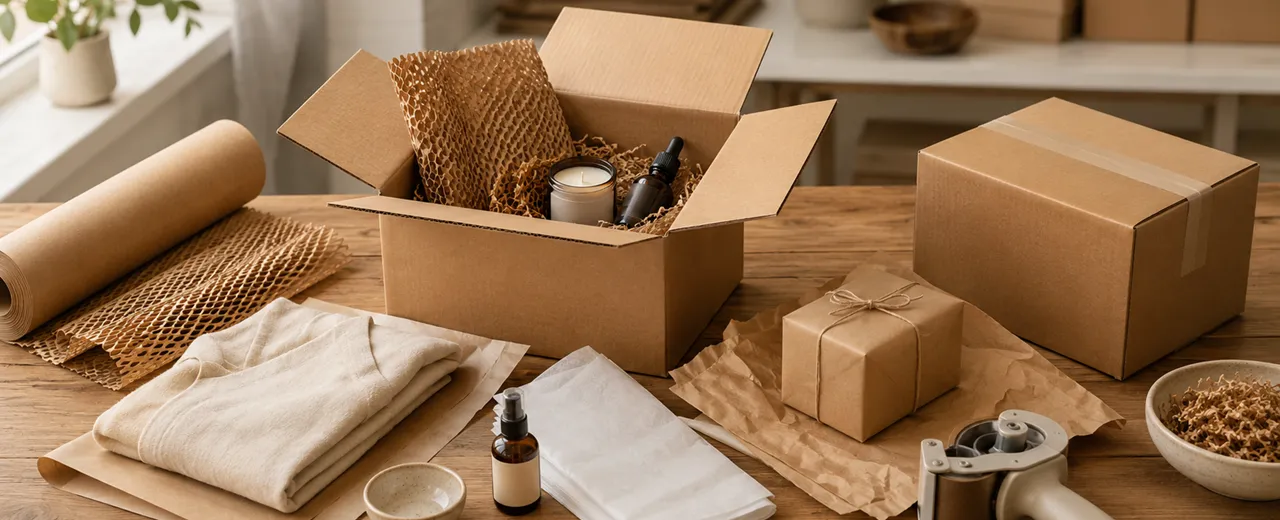
Preparing a package well means protecting the product and delivering an orderly and professional order to the...
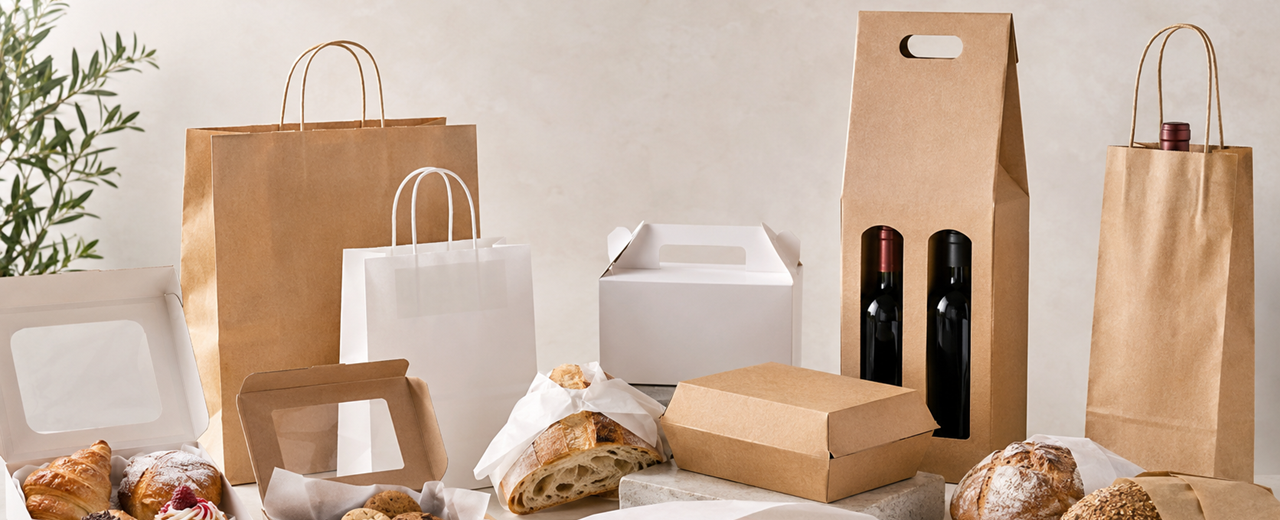
Food packaging must protect the product, speed up service and enhance every sale.Pastry shops, delicatessens and wine...
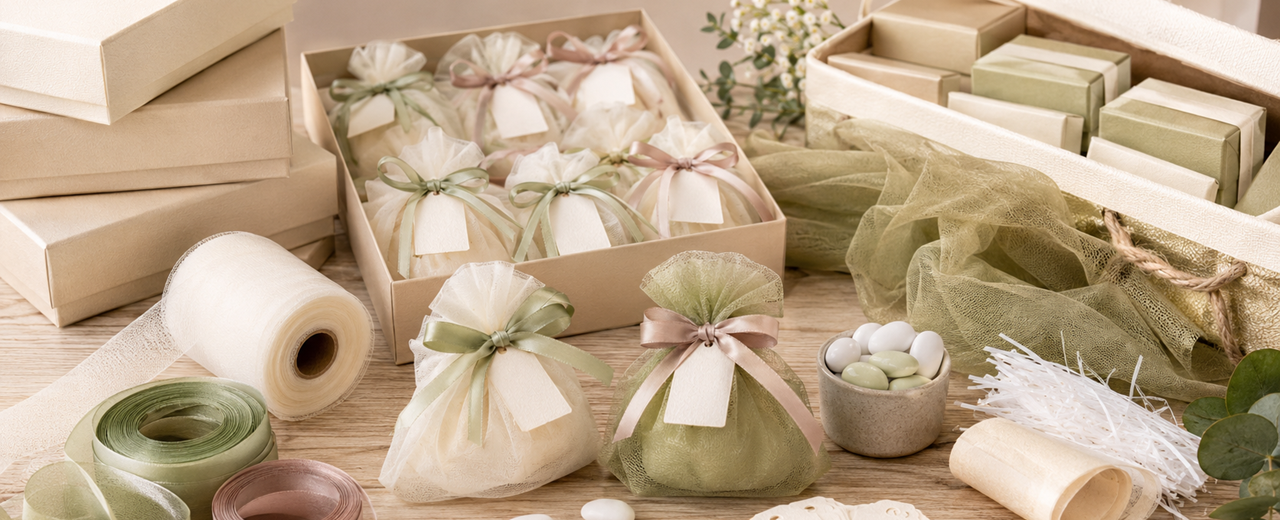
Packaging for wedding favors requires proportionate containers, coordinated materials and procedures that are easy to...
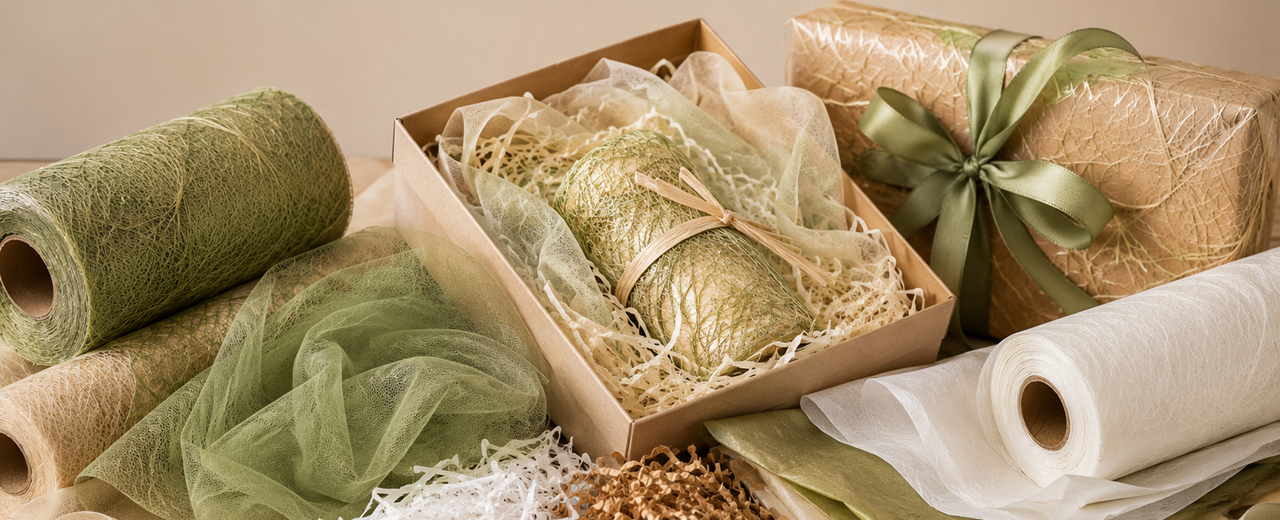
Grass paper, tulle, shavings and tissue paper perform different functions in professional packaging.The correct...
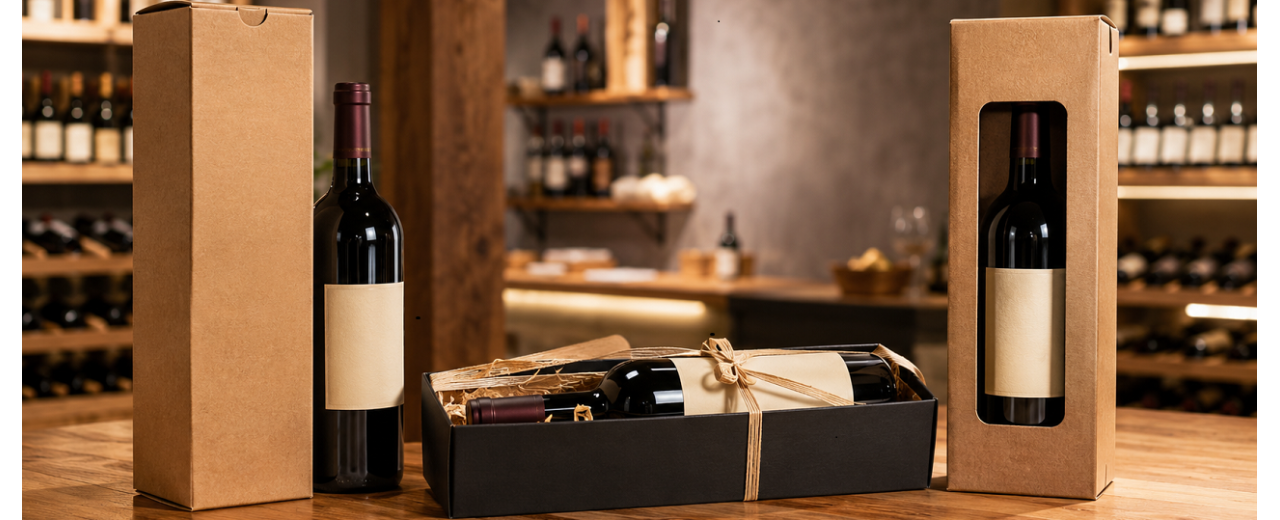
For wine shops and wineries, the wine box is not just a container, but a part of the sale.
A bottle can be purchased for personal consumption, gift, tasting, corporate gift, or shipping.
Each occasion requires packaging that is different in terms of structure, visual impact, practicality and level of protection.
Vertical boxes are quick and compact, flat boxes enhance the presentation, and windowed boxes show the label.
The correct choice depends on the type of bottle, the number of pieces, the transport and the placement of the product.
Shoppers, tissues, fillers and ribbons also contribute to making the packaging more complete and recognizable.
In this guide we see how to choose wine boxes suitable for wine shops, wineries, gourmet shops and corporate gifts. Wine boxes are one of the most important tools for those who sell bottles professionally. In a wine shop, cellar, wine shop or delicatessen, the bottle is not only evaluated by label, vintage or origin. It is also perceived through the way it is delivered. A bottle sold without packaging may be suitable for an everyday purchase, but when it becomes a gift, corporate gift, or special selection, the packaging must support the value of the product. Choosing between vertical, flat or windowed boxes means understanding what kind of experience we want to offer the customer. The vertical box is practical, immediate and suitable for fast delivery. The flat box offers a more structured presentation and better enhances the bottle as a gift item. The box with window lets you see the label and makes the product the protagonist, keeping the packaging neat and ready to deliver. No solution is better than ever. The correct choice comes from the product, the sales channel and the purchase opportunity.
A bottle of wine, oil, liqueur or distillate cannot be packaged as a generic product. It has particular weight, shape, fragility and dimensions. This is why Bottle Boxes are designed to hold and present bottles more safely than a standard box. Their job is to protect the glass, keep the contents stable and make the delivery tidier. The Boxes category helps to think about packaging in a general way, but for wine we need a more targeted choice. Height, width, bottom, dividers and closure must be compatible with the bottle. A box that is too wide makes the product move, one that is too low may not contain the neck properly, one that is too weak does not communicate the value of the wine. For wine shops and wineries, the right box also fulfils a commercial function. It makes it easier to offer gift packaging, multiple selections, Christmas gifts, gifts for companies and tastings. When the customer sees a ready and consistent package, he immediately perceives a more complete service.
Flat boxes for single and multiple bottles
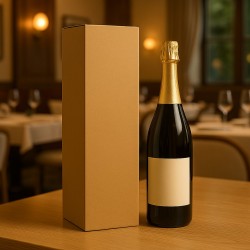
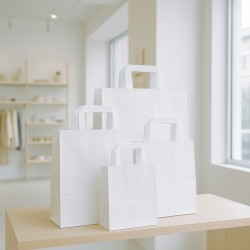
Vertical boxes are a very useful solution for counter sales and quick gift wrapping. They keep the bottle in its natural position, take up little space in width and are easy to deliver. For a wine shop that works with many individual sales, the vertical box allows for quick packaging without sacrificing a tidy presentation. The vertical format is especially suitable when the customer buys a bottle to take to dinner, to give as a gift immediately or to be easily transported. The box can be completed with a ribbon, a rosette or a proportioned shopping bag. In this way, the packaging remains simple, but more accurate than just the bag. Paper shopping bags can accompany vertical boxes when the customer needs to carry more purchases or when the store wants to offer more practical delivery. Luxury Shoppers , on the other hand, are more suitable when the bottle has a higher value or when the packaging needs to communicate greater elegance. The vertical box is recommended when speed, order and practicality are needed. It is less suitable when we want to create a more spectacular presentation or when the product needs to be placed in a mixed package with other gourmet items. In these cases, it may be more effective to evaluate a flat box or a larger gift box.
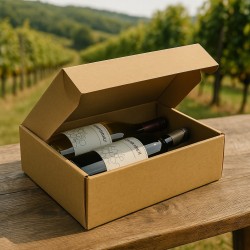
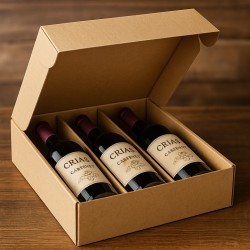
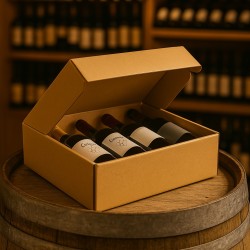
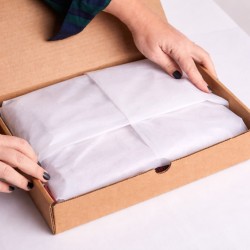
Flat boxes are suitable when we want to give the bottle a more important presentation. The bottle is placed horizontally and the format creates an effect more like a structured gift box. This type of packaging is particularly useful for premium bottles, special selections, corporate gifts, tastings and multi-packs. Gift boxes are useful for many product categories, but flat wine boxes have a specific function: they enhance the bottle by keeping it protected and well presented. In formats of two, three, four or more bottles, they become perfect for building cellar selections, pairings between different wines or promotional packages. The flat box communicates more time, more care and more attention. This is why it is very suitable when the packaging is part of the value of the gift. A customer who buys an important bottle or a selection of several wines expects consistent packaging. A flat box made of durable cardboard, completed with tissue paper or tape, helps to support this perception. The limit of the flat boxes is space. They take up more surface area than vertical ones and require a more orderly management in the warehouse. For this reason, it is advisable to keep them in selected formats, starting with the best-selling quantities: one bottle, two bottles and three bottles. Larger sizes are very useful for corporate gifts and peak periods, but should be chosen according to the actual rotation.
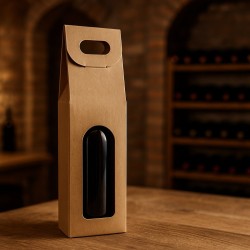
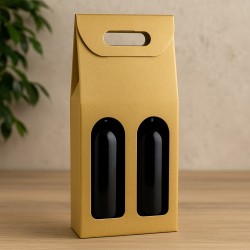
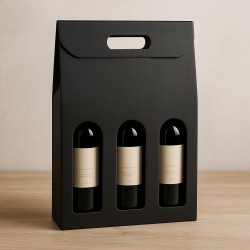
Boxes with a window are ideal when the label needs to remain visible. In wine, the label is part of the value: it tells the story of the winery, denomination, vintage, graphics and positioning. Hiding it completely can be a limitation, especially when the customer chooses a recognizable bottle or wants to give an already known product as a gift. The window allows you to show the bottle without sacrificing the structure of the box. This format is very useful for wine shops and wineries that want to enhance selections of two, three or four bottles, while maintaining a professional and ready-to-give appearance. Elegant and Luxury Boxes can be considered when an even more refined effect is needed, but the box with window has the advantage of letting the product speak directly. The window format is also suitable for seasonal packaging, counter displays and ready-made gift proposals. The customer immediately sees what the box contains, compares the bottles and perceives greater transparency in the proposal. For wineries and farms, this can also be useful during trade fairs, tastings or direct sales.
However, the window must be chosen carefully. If the product has an uncoordinated label or if the bottles have very different formats, the visual effect can lose order. In these cases, it is worth evaluating whether a closed or flat box better communicates the overall value.
Vertical and Window Boxes
An effective assortment does not have to contain too many variations. To work well, wine shops and wineries should build a basic equipment capable of covering most of the sales. A vertical box for the single bottle, a flat box for the most refined gift, a double box for tastings or pairings and a box with a window to make the label visible can already solve many situations. Christmas Gift Boxes become important during peak periods, when business demands, multi-packs and seasonal gifts increase. On these occasions it is not enough to have a few boxes available. You need a scheduled stock, divided by format and ready to use. The main criterion is rotation. If the most frequent sale is for a single bottle, the single format should always be available. If the shop often offers pairs of wines, you need a double box. If the winery works with company packaging, multiple formats must be ordered in advance. Color matters too. Havana, black, gold, burgundy, green, and blue can communicate different styles. A neutral line is easier to use year-round, while more distinctive colors may work better for Christmas, events, or premium packaging. The choice must remain consistent with the image of the business and with the medio value of the products sold.
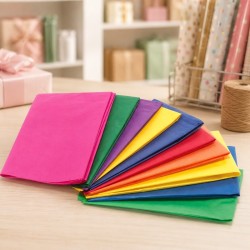
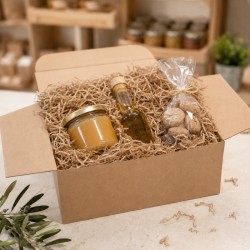
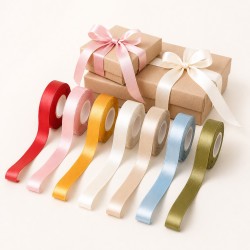
The box is the base, but the complete packaging comes from the correct details. Tissue Paper for Packaging can be used to lightly protect the bottle, wrap the neck, create a more neat interior or complete a gift box. The Box Filling Chip is useful when the bottle is combined with gourmet products, jars, preserves, sweets or accessories. Decorative Ribbons help close and finish the packaging, while Fabric Ribbons add a softer, more premium feel, especially for important gifts and corporate gifts. Rosettes, Stars and Bows can also speed up the stall at times of greatest influx.
Completion must be proportionate. A vertical box for quick sale can suffice with a small ribbon. A box rolled out for two bottles can be enhanced by tissue paper and coordinated closure. A box with a window must leave the label legible, so the decorative detail must not cover what we want to show.
Tissue papers, fillers and bottle tapes
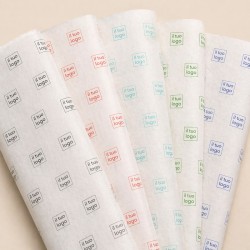
Personalisation becomes interesting when wine shops and wineries want to transform the box into a recognisable tool. Packaging with a logo, a matching shopper or personalised tissue paper can make sales more professional and strengthen brand memories, especially for corporate gifts, events, tastings and shipments to selected customers. The Shopper and Personalised Boxes category allows you to evaluate coordinated solutions to make the outer packaging more recognisable. Personalized Papers and Tissues , on the other hand, work on the moment of opening and can complete gift boxes, gourmet packaging and premium selections. To choose well, the method must remain simple. First the main bottles are defined: standard wine, magnum, sparkling wine, oil or distillate. Then the occasion of use is established: quick sale, gift, gift, exhibition, or shipping. Finally, the format is chosen: vertical for practicality, flat for presentation, with a window to show the label. When the packaging has to travel, it is also necessary to evaluate Packaging and Shipping and Safe Shipping Boxes, because a gift box is not always enough to protect the glass during transport. At ChartaRè, we help wine shops, wine shops, delicatessens and companies to choose vertical, flat or windowed wine boxes based on the product, service and value of the sale. The right box doesn't just contain a bottle: it makes the gift clearer, the transport safer and the delivery more professional.
Shopper and customization for wine shops and wineries
 Practical Guide: The Art of Window Dressing
 Artificial intelligence (AI) in the Physical Store.
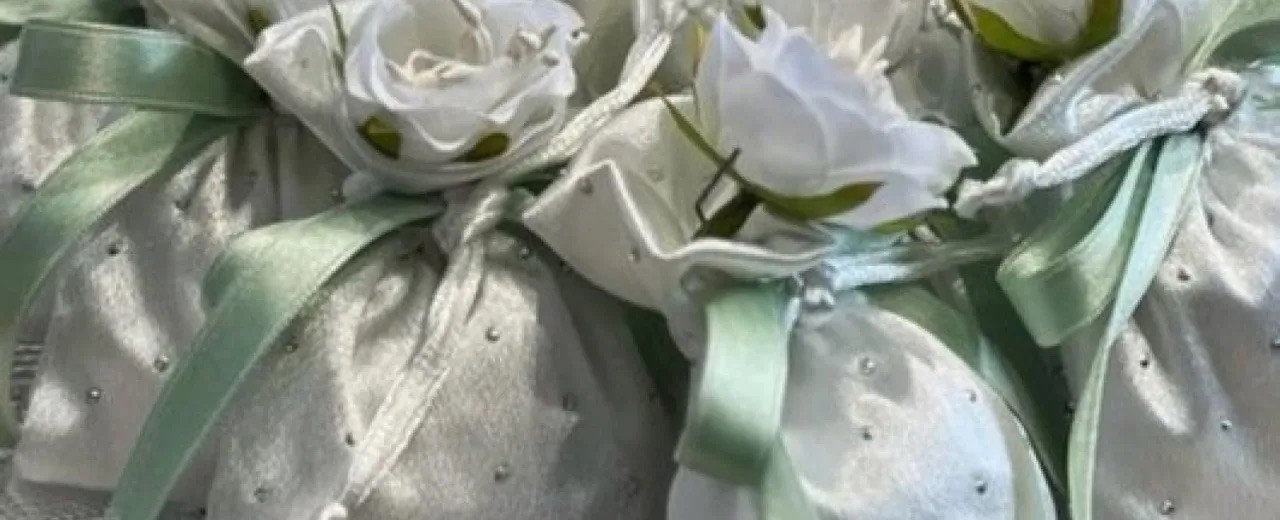 The DIY Wedding Favor, the Perfect One.
 Packaging with Sustainability: The Future of Environmental Impact
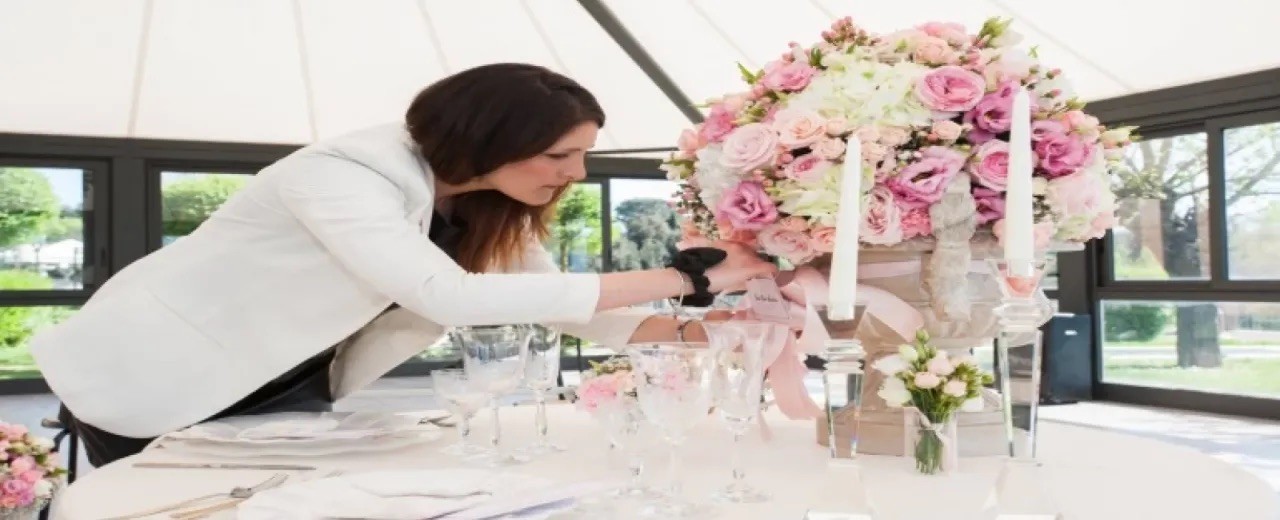 Practical Guide to Customizing Wedding Favors: Tune in to the Theme of the Event and Personal Tastes
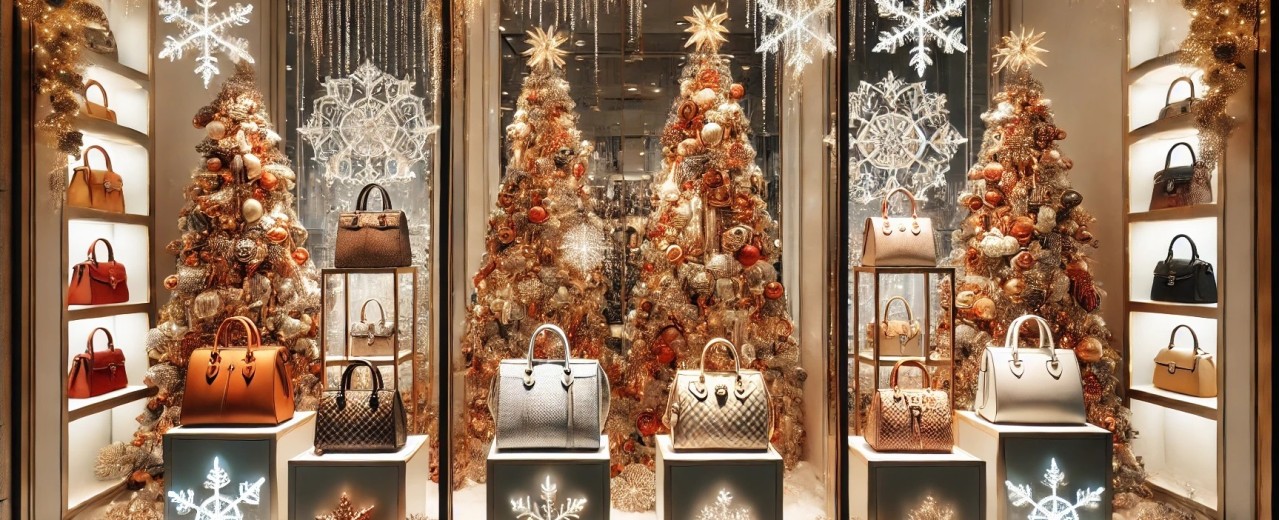 Preparing for Christmas Magic: When and How to Present Your Window Displays to Maximize Sales