A gift box for a purchase at the counter and a gift with panettone and bottle do not require the same preparation....
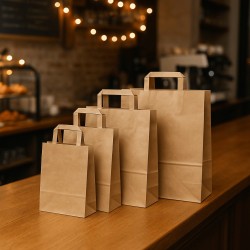
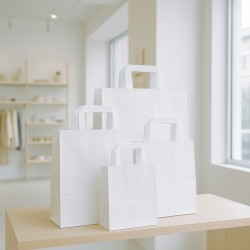
Havana recycled paper shopping bag with flat handle – 8 sizes€77.67
 ChartaRè, RossiCarta's Online Packaging Store



Tell us about yourself
Fill in the form and we will contact you to find the right solution together.
Latest posts
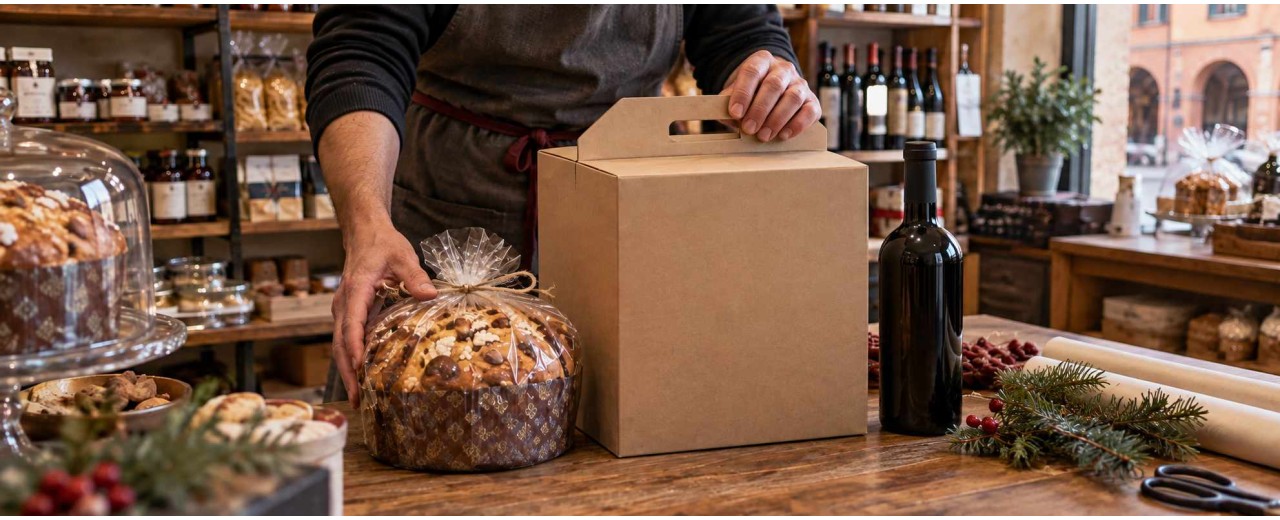
A gift box for a purchase at the counter and a gift with panettone and bottle do not require the same preparation....
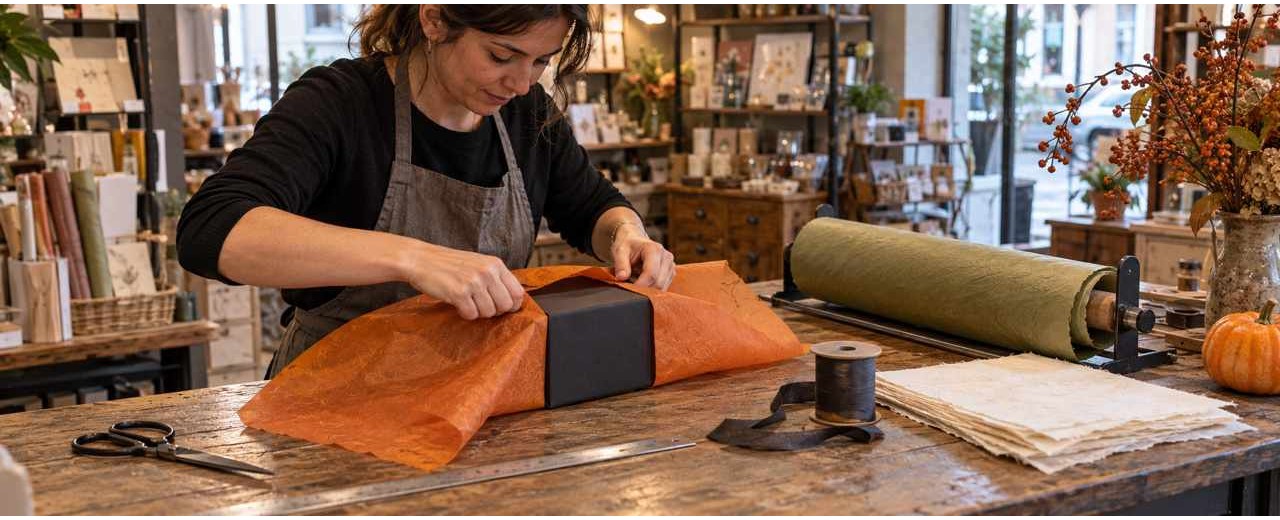
In a professional package, rice paper is not chosen only for the color. The shape and size of the product, the number...
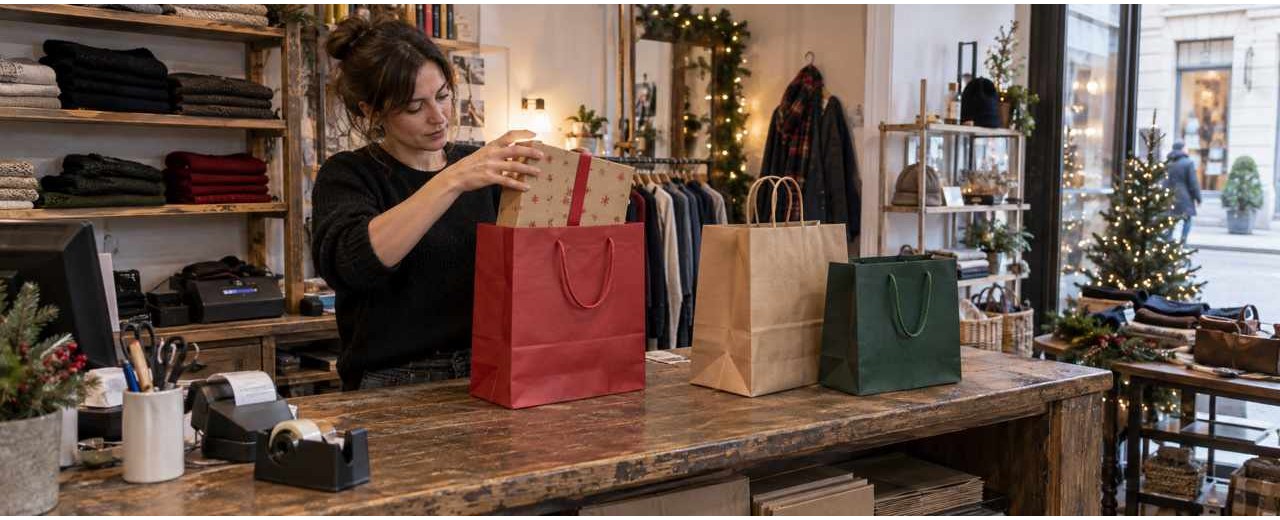
The shopper you deliver at Christmas must do two simple things: contain the already packaged product well and...
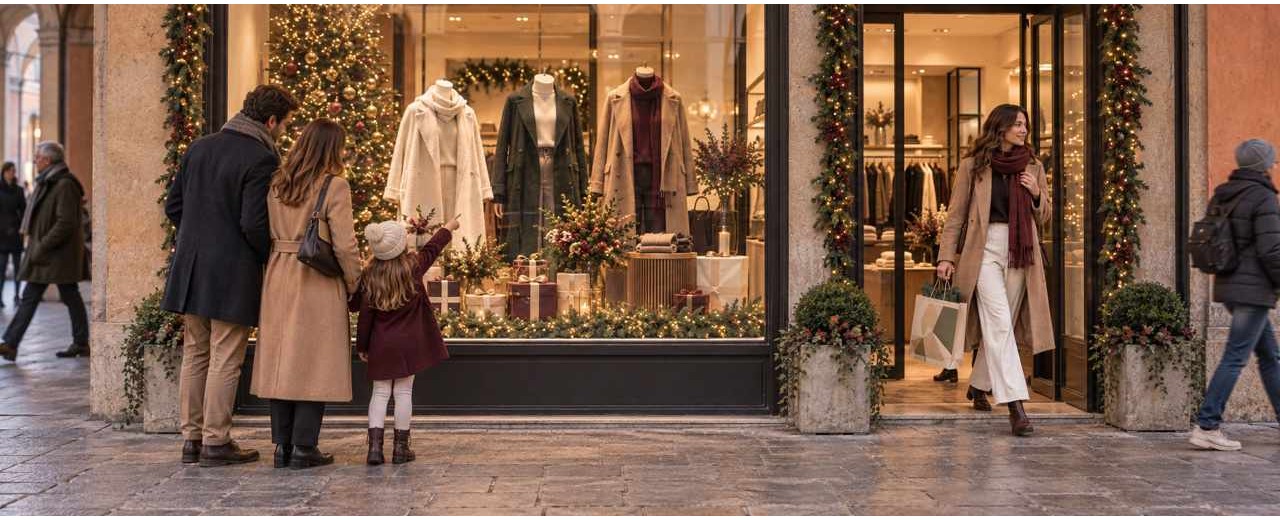
Christmas in the store doesn't start in December. An effective display case and coordinated packaging require...
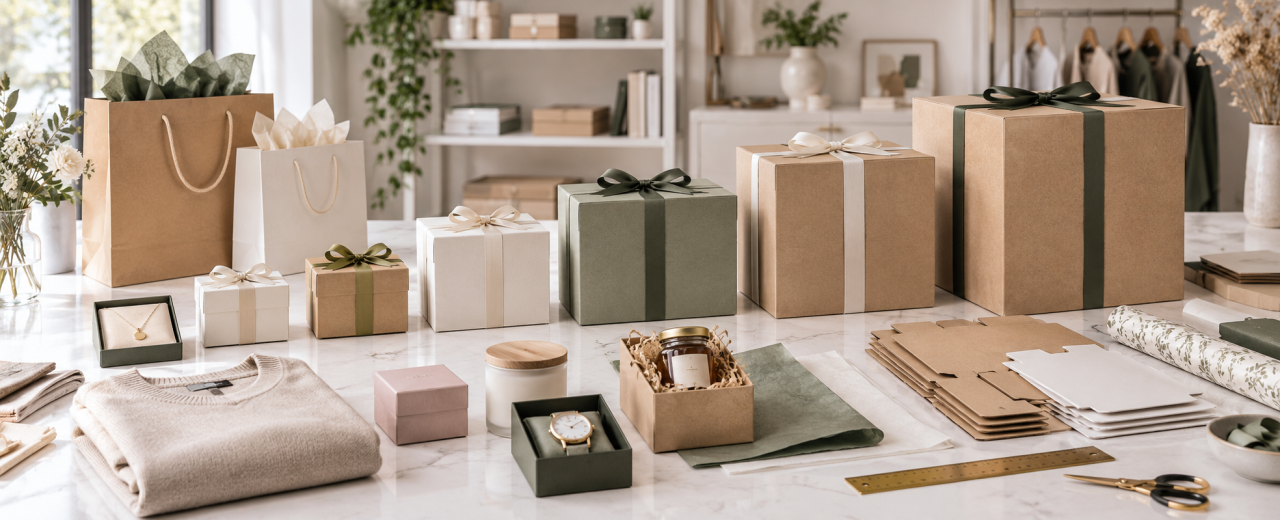
Choosing the sizes of gift boxes means finding a few formats capable of covering the greatest number of products.A...
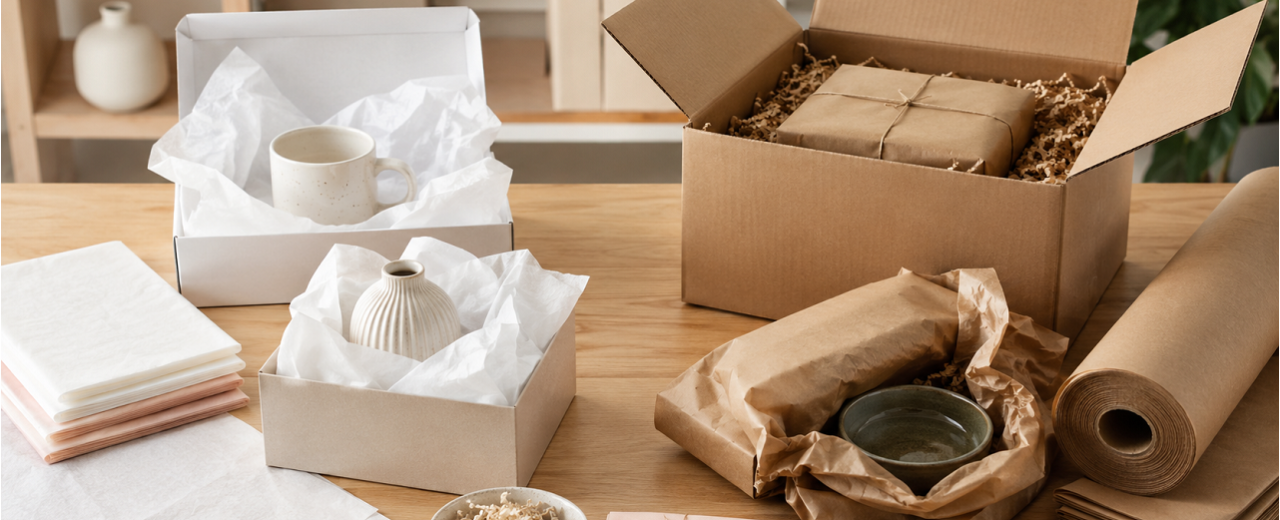
Tissue paper and wrapping paper for shipping have different functions and should not be confused. The tissue protects...
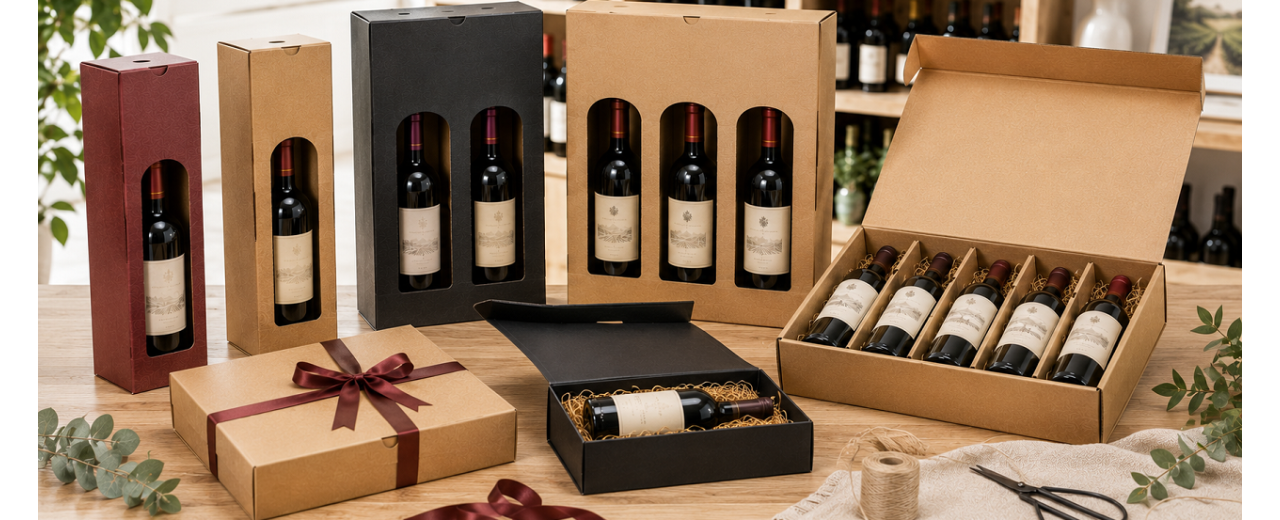
Wine boxes of 1, 2, 3 or 6 bottles help wine shops and wineries manage sales, gifts and delivery. Each format...
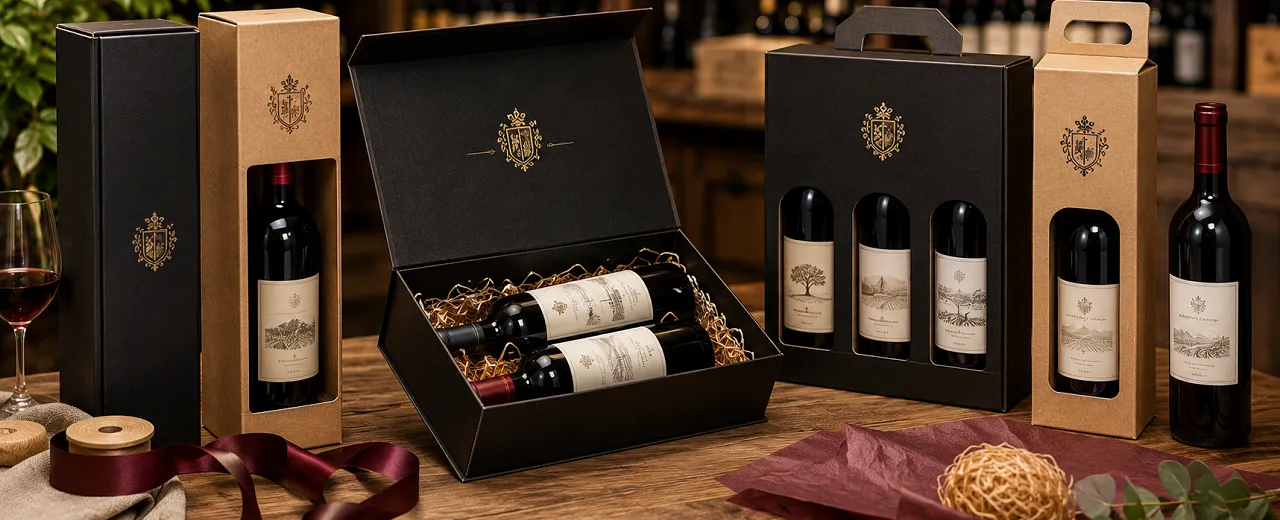
Personalised wine boxes enhance bottles, gift selections and corporate gifts. Logo, format and quantity must be...
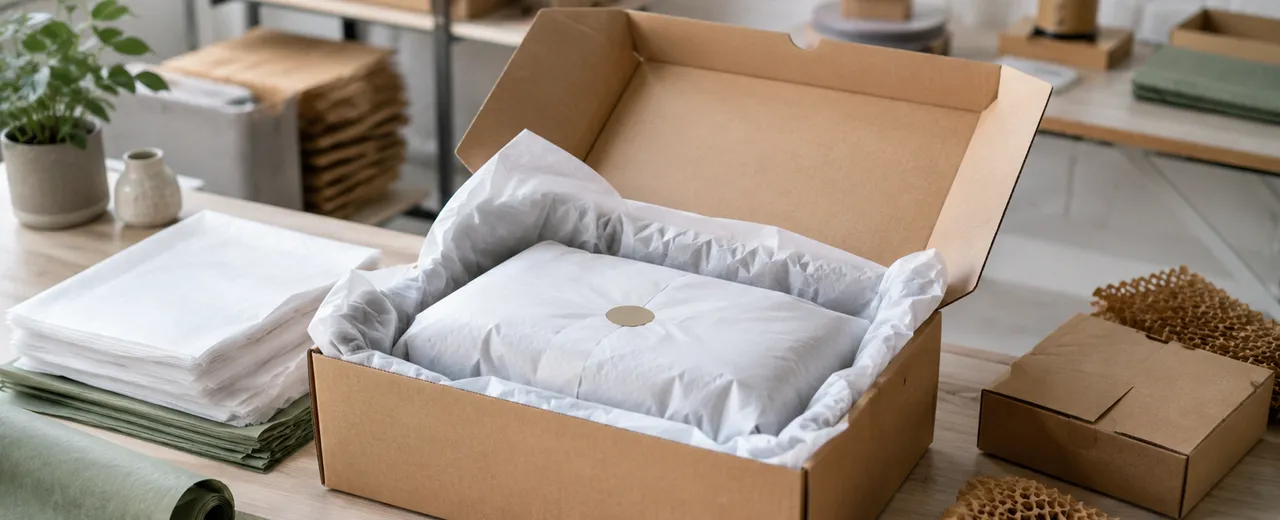
Tissue paper helps e-commerce businesses to superficially protect products and better present them inside the...
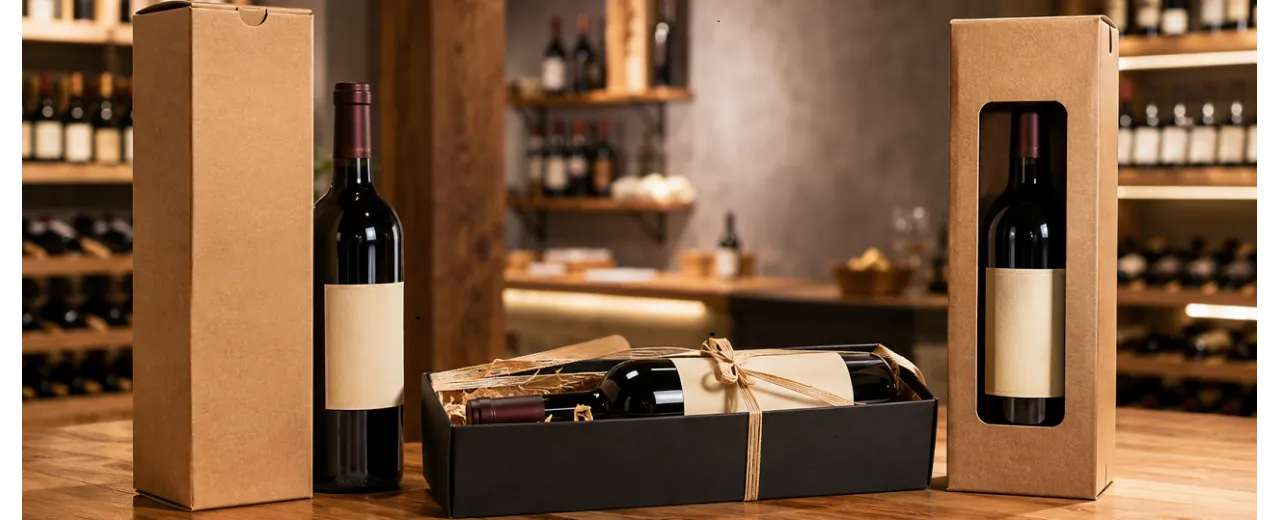
Wine boxes help wine shops and wineries to enhance bottles, gift selections and company packaging.Choosing between...
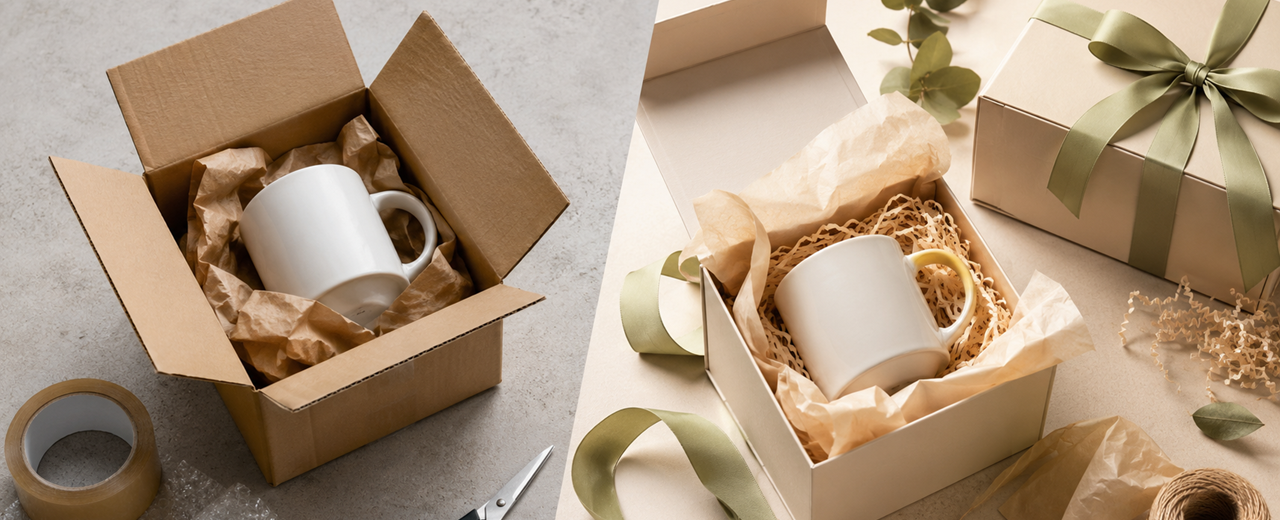
Cheap packaging should not be confused with poor or improvised packaging. For a store, saving money means choosing materials that are proportionate, functional and consistent with the product. Packaging that is too weak can lead to less value and compromise the customer experience. An overly expensive package, used without criteria, can instead create waste and reduce the margin. The point is to understand where savings are smart and where it becomes a commercial mistake. Shopping bags, bags, boxes, wrapping paper and interior materials must work in a balanced way. In this guide we see how to build an economical but professional packaging, without penalizing image and service. Cheap packaging for stores is one of the most delicate choices in the daily management of a store. Every business must control costs, avoid waste, and maintain a sustainable warehouse. At the same time, every package delivered to the customer speaks to the store, the product, and the level of care offered. The problem arises when savings are interpreted as a simple reduction in unit cost, without considering the final effect on sales, staff and customer perception. A shopper that is too light, an oversized box, a bag that is not very resistant or a paper chosen only because it costs less may seem convenient solutions at the time of purchase. But then they generate less visible consequences: poorly delivered products, packaging that deforms, customers who perceive little attention, staff who waste time reinforcing or correcting the package. The real savings are not spending less on each individual piece. It's choosing materials that really work, reduce errors, and sustain perceived value.
Cheap packaging becomes a problem when the price basso is the only criterion of choice. A store can buy shoppers, bags, boxes, or gift wrap at a low cost and still make a great choice, but only if those materials are suitable for real-world use. The cost must always be read together with resistance, format, practicality at the counter, visual performance and consistency with the product. The Shoppers, Bags and Bags category is one of the areas where the topic of saving comes up most often. Shoppers, pouches and bags are used every day, in large quantities and on different products. That's why it's natural to look for a cost-effective solution. The point is that a cheap shopper must still hold up to the contents, have a correct format and communicate order. The Boxes category also needs attention. A box chosen only to save money may be too light, too large or not very suitable for the product. In these cases, the store spends less on the box, but then has to use more filling, more time and more attention to get an acceptable package. The real cost of packaging includes everything that happens after the purchase of the material: the preparation time, the ease of use, the protection of the product, the customer's perception and the possibility of reordering the same solution continuously. If an inexpensive material creates difficulties at the counter or lowers the value of the purchase, the savings become only apparent.
Essential shopping bags to save wisely
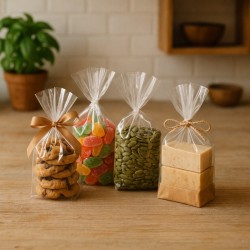
Saving money is correct when the material chosen is proportionate to the use. Not all sales require a premium shopping bag, rigid box, or elaborate packaging. For many everyday purchases, a simple and well-chosen solution is more effective than excessive packaging. The store must distinguish what is really needed from what adds cost without improving the service. Paper shopping bags allow you to build a practical base for the point of sale. The choice between Havana, white, flat handle or lanyard must depend on the product, weight, volume and the type of experience we want to offer. A shopping bag with a flat handle can be perfect for frequent use and quick handling at the counter. A shopper with a drawcord may be more suitable when a slightly more polished presentation is needed. Gift Bags and Pouches are useful when the product is small, light or already protected by primary packaging. In these cases, we can save compared to a box without losing quality, because the bag performs its function well: containing, presenting quickly and facilitating delivery. Smart savings come from segmentation. We don't have to use the same packaging for every sale. We can have a basic solution for everyday purchases, a gift solution for products to donate and a more structured solution for fragile or higher-value products. In this way, we do not waste important materials where they are not needed and we do not use materials that are too weak where the product requires more care.
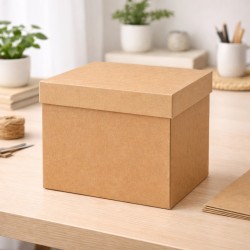
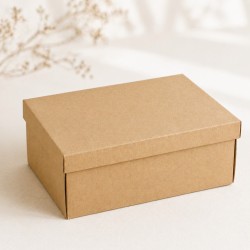
There are aspects of packaging where savings must not compromise function. The first is resistance. If a shopper deforms, if a bag tears or if a box does not support the weight, the customer does not perceive convenience. He perceives neglect. The initial savings become a negative message at the most delicate moment of the sale, i.e. delivery. The second aspect is the format. A wrong format generates waste even when the material is cheap. A box that is too large requires more filling and makes the contents seem less rich. A shopper that is too small creates tension, creases and discomfort. A gift card that is not suitable for the product slows down the counter and produces unclean wrapping. The third aspect is protection. Tissue Paper for Packaging is useful for slightly protecting, separating and making the opening more neat, but it should not be used as if it were a shockproof material. When the product is fragile, a proper structure is needed. The tissue completes the packaging, it does not replace technical protection. Gift Boxes become necessary when the product must maintain shape, order and perceived value. Saving money by eliminating the box can be a mistake if the product gets damaged, moves too much or is delivered in a way that is not suitable for its price. In these cases, the box is not a superfluous cost, but a part of the service.
Bags and pouches for quick wrapping
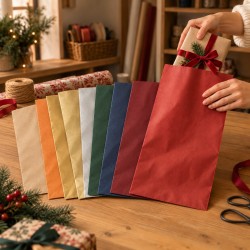
Shoppers and bags are often the first point where a store tries to reduce spending. This is understandable, because they are used every day and affect recurring consumption. However, the savings only work if the material remains consistent with the product and the image of the store. An economic solution must not seem random, weak or out of context. A Havana shopper can communicate simplicity, naturalness and practicality. A white shopping bag can make delivery cleaner and more neutral. A colorful shopper can give character. A gift bag can speed up the counter. None of these solutions are better than ever. It becomes correct when it responds to real use. Gift Paper can help to enhance even simple packaging. An essential shopper combined with a well-chosen paper or a neat tissue can give a professional result without excessive costs. Plain Wrapping Paper is particularly useful for creating a continuous, sober and easy-to-coordinate line. The store must avoid two extremes. On the one hand, always use the cheapest material even when it is not suitable. On the other hand, always use a solution that is too well cared for even when the product does not require it. The smart savings lie in creating tiers: basic, gift, premium and shipping. Each level has different materials, costs, and functions.
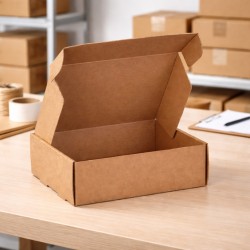
In e-commerce, cheap packaging requires even more attention. In the physical store, the customer receives the product directly and can perceive the service at the counter. In shipping, on the other hand, packaging becomes the first physical contact with the brand. If the package arrives damaged, messy, or poorly protected, the initial savings can turn into a claim, return, or loss of trust. The Packaging & Shipping category is critical when the product needs to travel. In this case we must not only think about aesthetics and cost, but about stability, closure, internal protection and resistance to handling. Safe Shipping Boxes help to build packaging that is more suitable for transport, especially when the contents are fragile, rigid or made up of several elements. Savings in shipping can be achieved by choosing the correct formats, reducing internal vacuum and using suitable protective materials. It should not be obtained by cutting on the safety of the product. A shipping box doesn't just have to arrive in one piece. It must also open in an orderly manner and convey attention. Cheap but correct shipping packaging must avoid three problems: product that moves, box that is too large and an unsafe closure. When these elements are under control, the store can save smarter, reducing waste and unnecessary materials without increasing risk.
Packaging for waste-free shipping
The safest way to build professional cheap packaging is to think in layers. The first level is the daily packaging, dedicated to frequent purchases. It must be simple, practical and consistent. The second level is gift packaging, which adds paper, tissue, box or ribbon when the customer wants a more refined packaging. The third level is valuable packaging, reserved for products that require more presentation. The fourth level is technical packaging, designed for protection, shipping and handling. The Shopper and Personalized Boxes can become useful when the base is already defined. Customizing a correct shopper or box reinforces the recognizability of the store. Customizing the wrong format, on the other hand, does not solve the problem. Savings do not have to be a linear cut on everything. It must be a reasoned choice. We can save on materials that are used more often, if they remain adequate. We can invest more in valuable products, gift wrapping and shipping. We can reduce waste by choosing the right formats and fewer unnecessary variations. We can increase perception with small, well-placed details. At ChartaRè, we help shops, boutiques, perfumeries, stationery shops, delicatessens, wine shops, concept stores and e-commerce to build more balanced packaging systems, where cost is controlled without sacrificing delivery quality. Cheap packaging works when it doesn't look poor. It works when it's fair, proportionate, and consistent with what the customer is buying.