Il Natale in negozio non comincia a dicembre. Una vetrina efficace e un packaging coordinato richiedono scelte,...
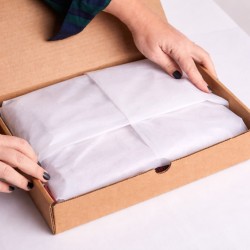
White Tissue Paper Monogloss Sheets - Packs of 5 kg€26.72
 ChartaRè, RossiCarta's Online Packaging Store



Fill in the form and we will contact you to find the right solution together.
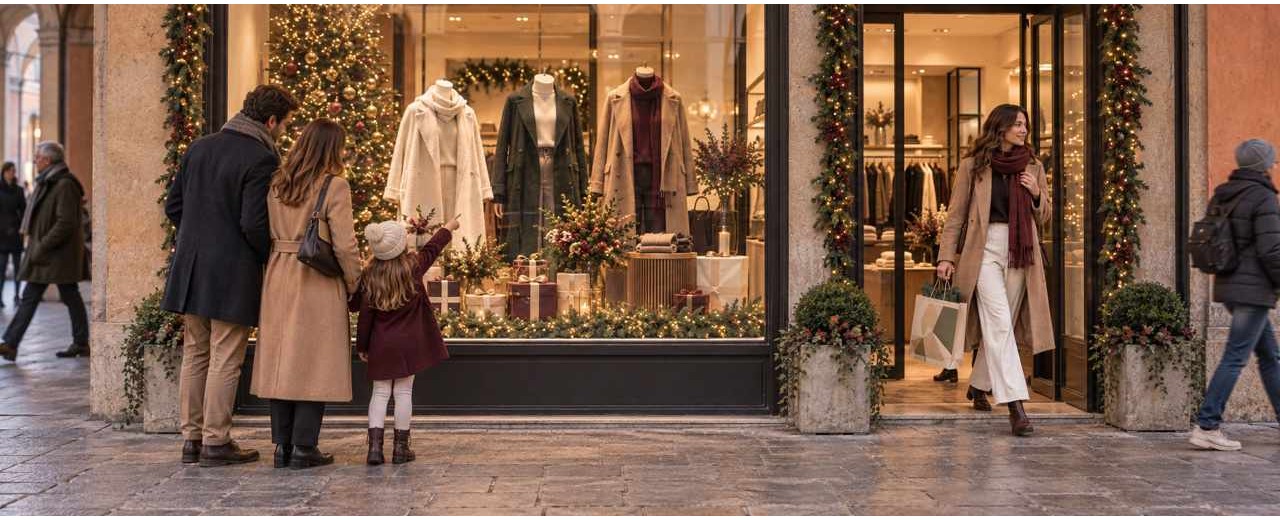
Il Natale in negozio non comincia a dicembre. Una vetrina efficace e un packaging coordinato richiedono scelte,...

Choosing the sizes of gift boxes means finding a few formats capable of covering the greatest number of products.A...
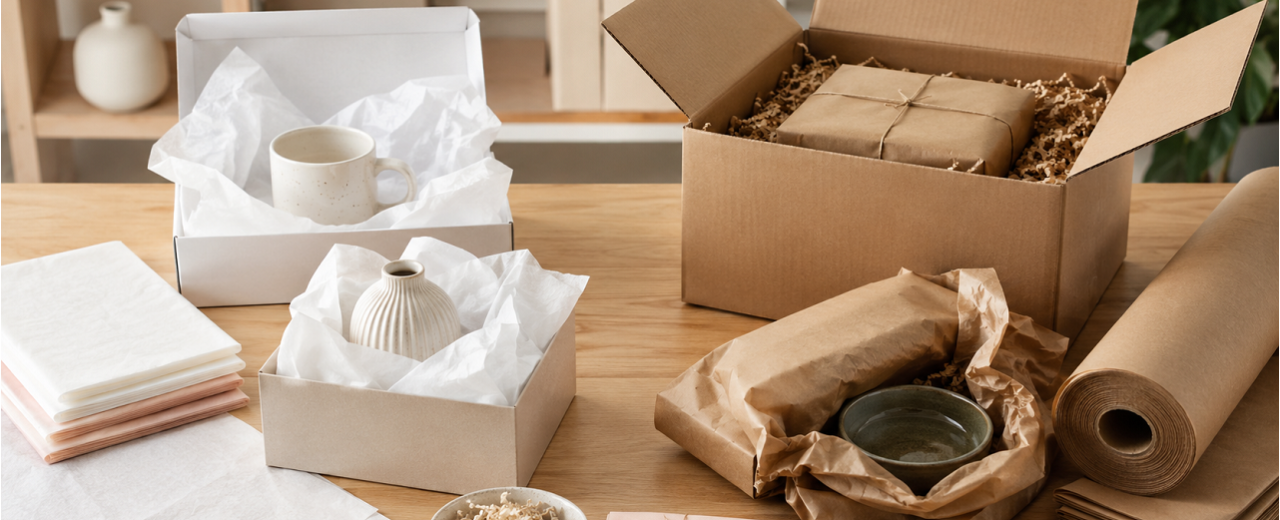
Tissue paper and wrapping paper for shipping have different functions and should not be confused. The tissue protects...
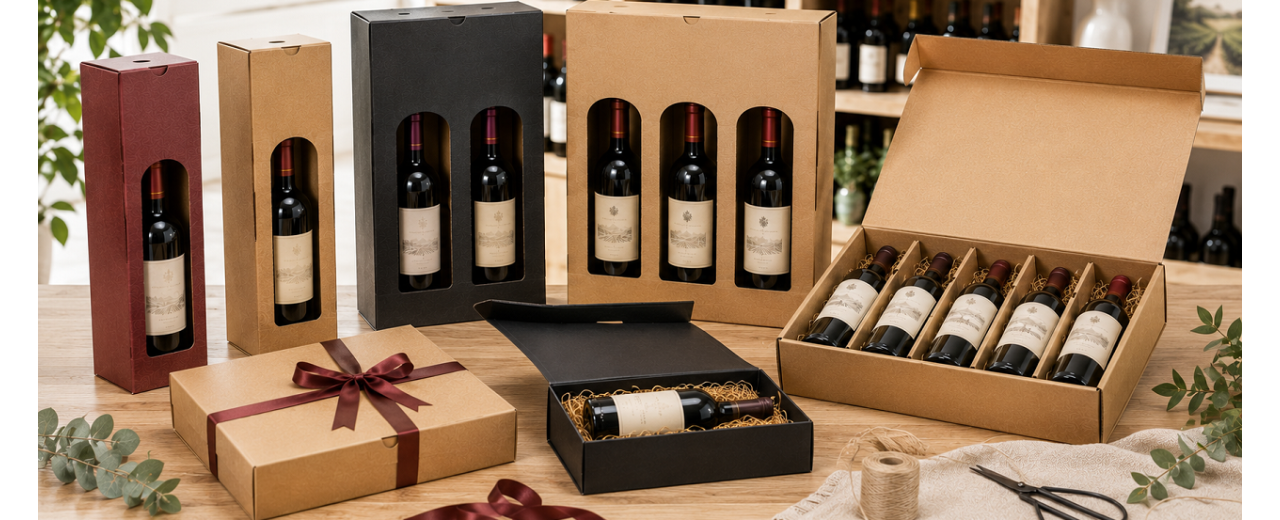
Wine boxes of 1, 2, 3 or 6 bottles help wine shops and wineries manage sales, gifts and delivery. Each format...

Personalised wine boxes enhance bottles, gift selections and corporate gifts. Logo, format and quantity must be...
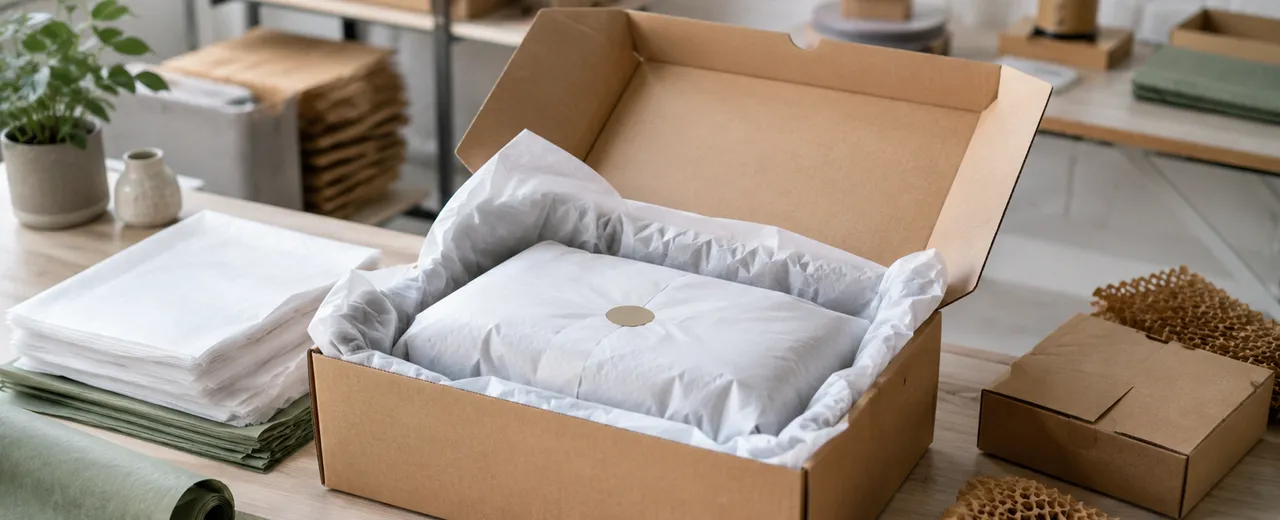
Tissue paper helps e-commerce businesses to superficially protect products and better present them inside the...
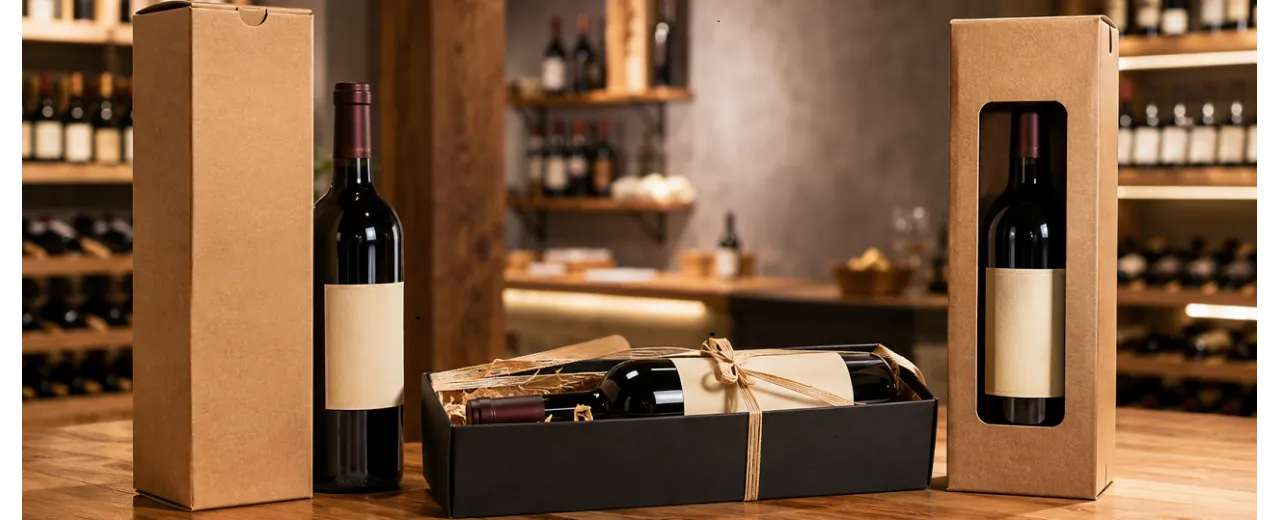
Wine boxes help wine shops and wineries to enhance bottles, gift selections and company packaging.Choosing between...
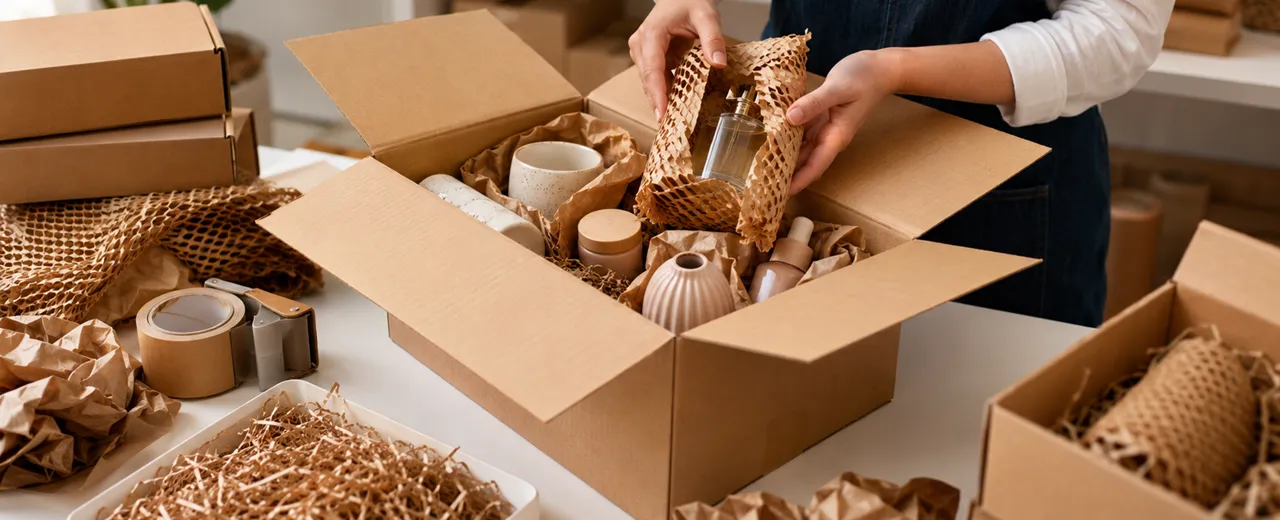
Fragile products require packaging designed according to weight, shape, material and mode of transport.Glass,...
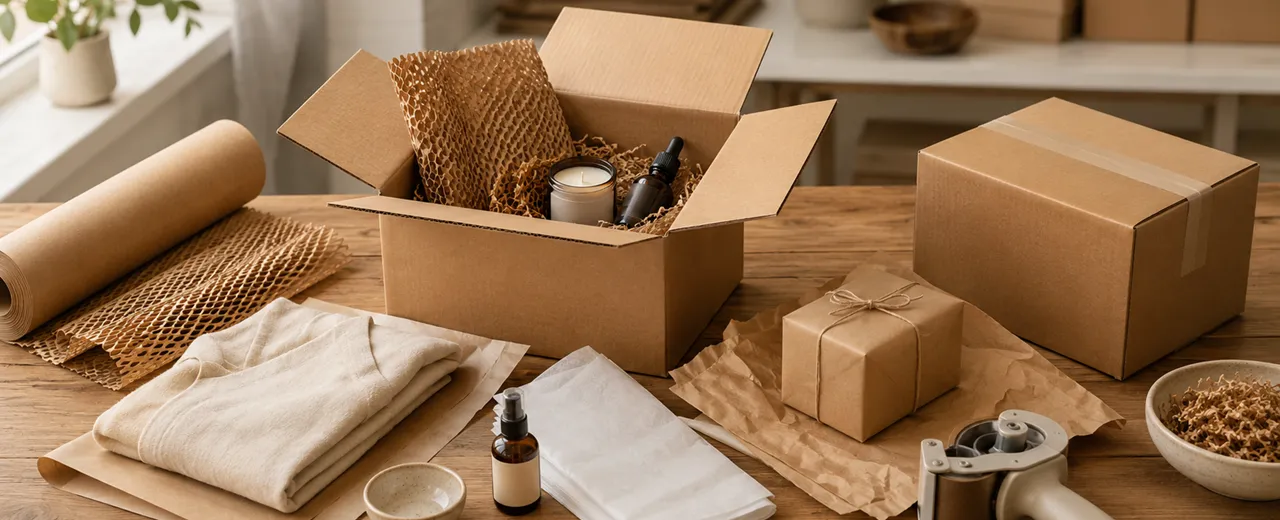
Preparing a package well means protecting the product and delivering an orderly and professional order to the...
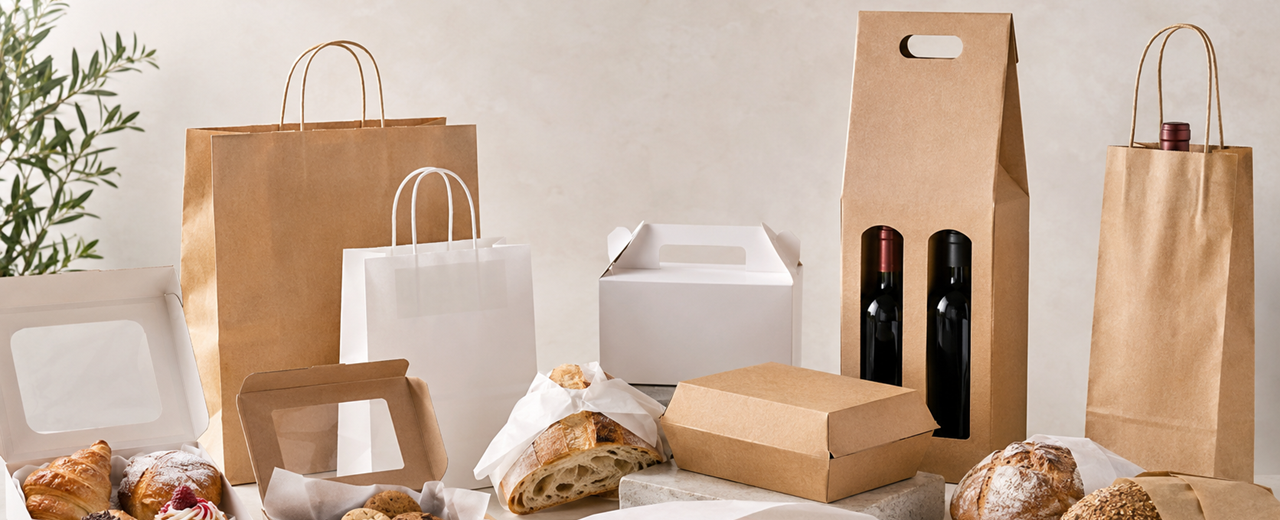
Food packaging must protect the product, speed up service and enhance every sale.Pastry shops, delicatessens and wine...
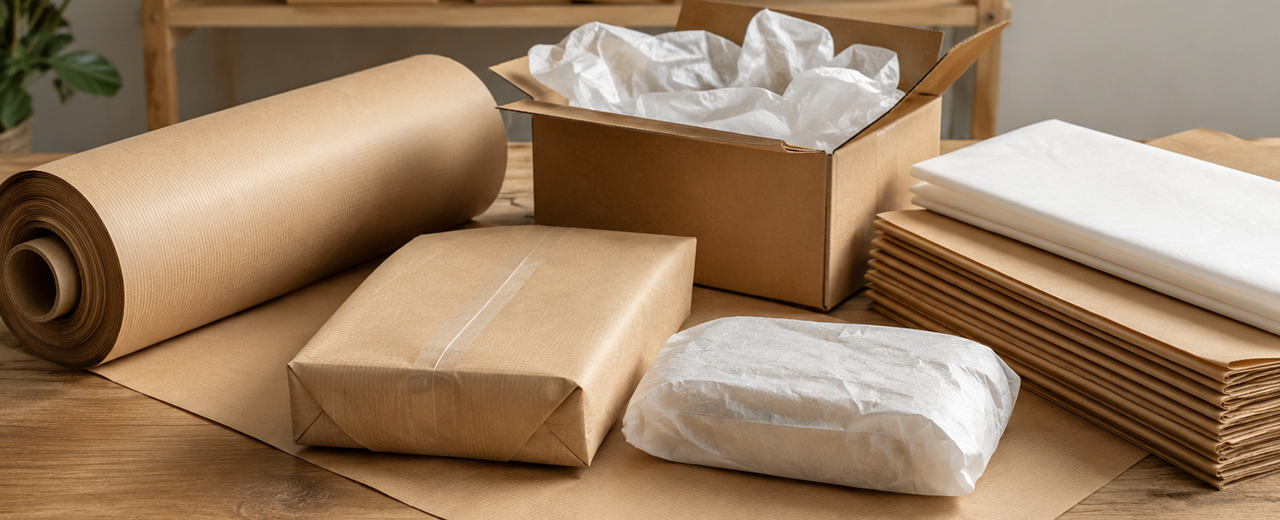
Protective packaging is a concrete part of the service we offer to the customer.
A product may be good, but it may arrive ruined or messy if it is packaged without method.
Wrapping papers help protect surfaces, separate items, and limit internal movement.
Tissue paper works well in contact with the product, especially when light protection is needed.
Wrapping paper and sealing paper offer more body and are suitable for stabilizing or wrapping better.
Honeycomb paper creates a cushioning layer useful for delicate items and e-commerce shipping.
The filler chip helps lock the contents into boxes, baskets and gift boxes.
The box remains essential, but without the correct filling it can leave the product free to move.
In retail, packaging must be fast, tidy and easy to manage at the counter.
In e-commerce, it must withstand handling, transport and final opening of the customer.
The most effective solution comes from the combination of paper, container, filling and closing.
You don't need to use more material, but choose the right one for each function.
A shared method helps staff prepare consistent packages even at peak times.
Professional activities can thus reduce errors, waste and discontinuous results.
This guide helps you build a simpler, more efficient, and more accurate protective packaging system.
Protective packaging is part of the service because it intervenes between the sale and the real customer experience. An item may be perfect at the time of purchase, but arrive wrinkled, scratched, or messy if it is not properly protected.
To move from individual materials to a complete system, see How to coordinate protection, presentation, and shipping.
In the physical store, paper helps deliver tidier products in shoppers, boxes, or bags. In e-commerce, it becomes an operational tool to reduce internal movements and improve neck stability. In both cases, the customer immediately perceives whether the package has been prepared methodically.
The Parcel Paper, Packaging & Food Packaging category is the correct starting point when we need to choose materials to wrap, separate, protect or package products professionally.
When the package needs to travel, the system must be completed with suitable containers, belts, fillings and accessories. For this reason, the Packaging and Shipping section allows you to think not only about paper, but about the entire structure of the package.
Protection is not just about the most obvious shocks. It also affects scratches, rubbing, creases, dust, light crushing and contact between different items. Well-designed packaging reduces these risks and makes work tidier for those who prepare orders.
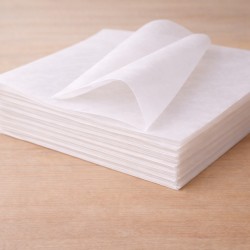
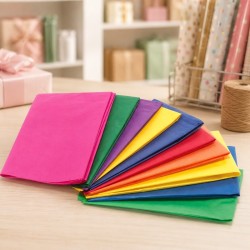


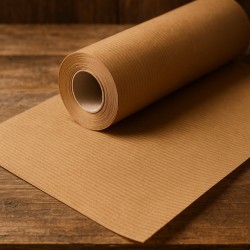

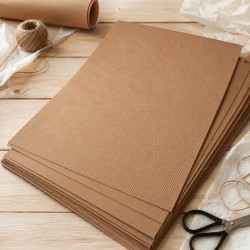
Surface protection is used when the product needs to be insulated from rubbing, dust, direct contact or small marks. In this function, tissue paper is often the most suitable choice, because it is light, soft and easy to work with.
Tissue Paper for Packaging can be used to wrap clothing, accessories, cosmetics, light objects, gift items and products with sensitive surfaces. It does not create strong structural protection, but offers a neat and clean first level.
The White Gloss Tissue Paper is particularly suitable when you are looking for a neutral and professional base. It can be used inside a box, in a shopping bag or as a separator between several items in the same order.
Tissue paper works well when used precisely. There is no need to multiply the layers for no reason. Instead, it is necessary to cover the most delicate parts, separate the products and keep the packaging tidy. In a boutique, it can protect a folded garment. In an e-commerce, it can prevent a metal accessory from touching a textile product. In a concept store, you can split different items into the same package.
The tissue is also useful when the customer needs to perceive care in the opening. The product does not appear to be placed directly on the cardboard, but protected by a clean first level. This attention is especially important for fashion items, accessories, cosmetics, small gift items and light premium products.
When the problem is not only the surface, but the movement of the product, more consistent protection is needed. Wrapping paper, sealing paper and honeycomb paper work on thickness, volume and stability.
Havana Millened Wrapping Paper is useful for wrapping solid products, protecting warehouse items, preparing counter packages and creating essential wrapping. The ribbed finish gives body to the paper and makes it suitable for everyday operational use.
The Avana Sealing Paper Reel becomes practical when the formats of the products change often. The spool allows you to cut the length you need, reducing the problem of sheets being too large or too small.
The Honeycomb Paper Reel is suitable when we need to wrap more fragile objects and create a cushioning layer. Its structure opens up during use and helps protect against minor bumps and side contacts.
The choice between these materials depends on the main risk. If the product can be scratched, a soft first layer is needed. If it can move, volume is needed. If it can hurt other items, separation is needed. If it has to travel, you also need a coherent box.
In everyday work, the best solution often comes from the combination. Tissue paper can come into contact with the product, sealing paper can build a more consistent second layer and honeycomb paper can be used when more absorption is needed. Separating functions allows you to avoid waste and obtain cleaner packages.
Internal vacuum is one of the most underrated problems in shipping. A durable box doesn't really protect if the product moves around in it. The filling must block, stabilize and absorb part of the stress.
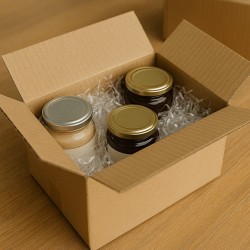
The Box Filling Chip is useful when we want to create a soft support inside boxes, baskets or packages. It is suitable for packaged food and wine products, cosmetics, gifts, gift kits and items that must remain tidy during handling.
For e-commerce shipments, paper can be used in three ways: on the bottom of the box, around the product, and at the top before closing. In this way, the content does not remain free to flow, the pressure is better distributed and the opening appears more accurate.
However, it is not necessary to fill in at random. A mass of paper crumpled without criteria can create volume, but not always stability. The material should be placed where the product can move: underneath, on the sides, between different items, and above the contents.
A simple check is to move the box slightly before closing it permanently. If the contents are flowing, bumping, or making noise, the fill is not working well. The package must remain stable without being excessively compressed.



In retail, packaging must be quick and tidy. Staff must find the correct material right away, wrap the product without slowing down the checkout, and deliver packaging consistent with the store level. A good workstation provides ready-made sheets, recurring formats and accessible materials.
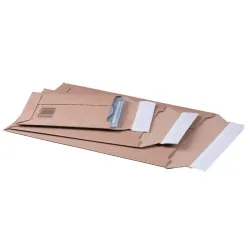
In e-commerce, the method changes, but the principle remains the same. The package must protect the product during handling, storage and transport. Secure Shipping Boxes help build a more stable base when the product needs to travel by courier.
Havana Cardboard Boxes are suitable when packaging, shipping and storage containers are needed. The protective paper works inside the box and must be chosen according to the contents.
An effective routine can be simple: tissue in contact with delicate surfaces, sealing paper or ribbed as a second layer, filling in the empty places and box suitable for the format. When this method is shared with staff, the result becomes more consistent and less dependent on the individual employee's experience.
For a store with occasional shipments, a small selection of boxes, tissue, wrapping paper, and tape may suffice. For an e-commerce with daily orders, it is advisable to define standard formats, minimum quantities of material per type of package and an organized packaging station.


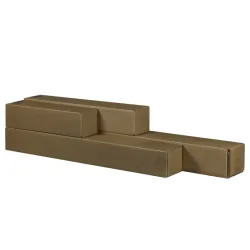
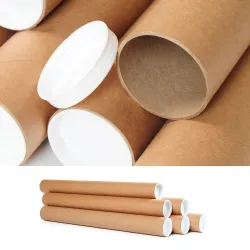


The first mistake is choosing the card based on appearance only. A beautiful but too light paper does not block a heavy product. A very large paper can be unsuitable if placed directly in contact with a delicate surface. Function must come before aesthetics.
The second mistake is to use only one material for everything. Tissue paper does not replace filling. Wrapping paper is not always a substitute for softer protection. Honeycomb paper does not eliminate the need for a proper box. Each material must have a precise task.
The third mistake is ignoring the format. Standard sheets are practical when products have recurring sizes. Large sheets are used for bulky items. Reels are more efficient when working with variable products or continuous volumes. The wrong format generates waste and slows down the work.
The fourth mistake is to underestimate the closure. Even the best filling loses effectiveness if the box is closed poorly. Ivory paper adhesive tapes are useful when we want a consistent closure with a more natural and tidy packaging.
The fifth mistake is to confuse security and presentation. Transparent Polypropylene Sheets and Reels can enhance and protect visible packages, but they are not a substitute for true impact protection when the product has to travel.
Another common mistake is not updating the method when changing the assortment. If new products enter that are more fragile, heavier or bulkier, the packaging must also be revised. Continuing to use the same material for all items can create problems at times of increased work.


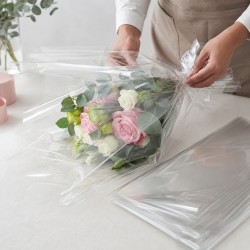

A protective packaging system works when each material has a clear position in the process. There is no need to complicate the station with too many alternatives. It is advisable to define a few rules, easy to apply and suitable for the best-selling products.
We recommend starting with three questions. Does the product need to be protected on the surface? Does it need to be immobilized? Does it need to be shipped or just delivered to the customer? From these answers comes the correct combination of tissue, wrapping paper, sealing paper, honeycomb, shavings, box and ribbon.
For a delicate but light product, tissue paper can be used as a first layer, with a neat box and little filling. For a rigid or irregular object, you need a larger paper. For an e-commerce package, you need a complete system: container, wrapping, filling and closing.
The choice must also be sustainable from an operational point of view. Staff need to know where each material is, when to use it, and how much to use. The bobbin must have a comfortable position. The sheets should be stored without creases. The filling must be metered, not accumulated.
We can build a simple matrix for the counter or warehouse: product, main risk, first layer, second layer, box, filling and closing. This scheme reduces doubts, makes preparation faster and helps maintain a consistent result even when several people are working.
ChartaRè, a brand of Rossi Carta srl, offers wrapping papers, boxes, fillers and closing materials to build professional, tidy and replicable protective packaging. When we choose the right paper for each function, the package protects better, prepares faster and communicates more care to the end customer.
 Practical Guide: The Art of Window Dressing
 Artificial intelligence (AI) in the Physical Store.
 The DIY Wedding Favor, the Perfect One.
 Packaging with Sustainability: The Future of Environmental Impact
 Practical Guide to Customizing Wedding Favors: Tune in to the Theme of the Event and Personal Tastes
 Preparing for Christmas Magic: When and How to Present Your Window Displays to Maximize Sales