Il Natale in negozio non comincia a dicembre. Una vetrina efficace e un packaging coordinato richiedono scelte,...
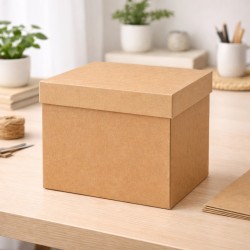
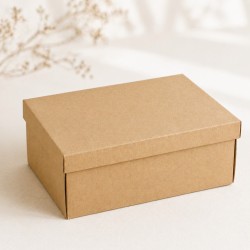
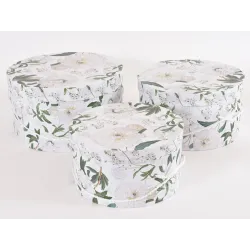
Avana Boxes Square Base Bottom and Lid€2.24
 ChartaRè, RossiCarta's Online Packaging Store



Fill in the form and we will contact you to find the right solution together.
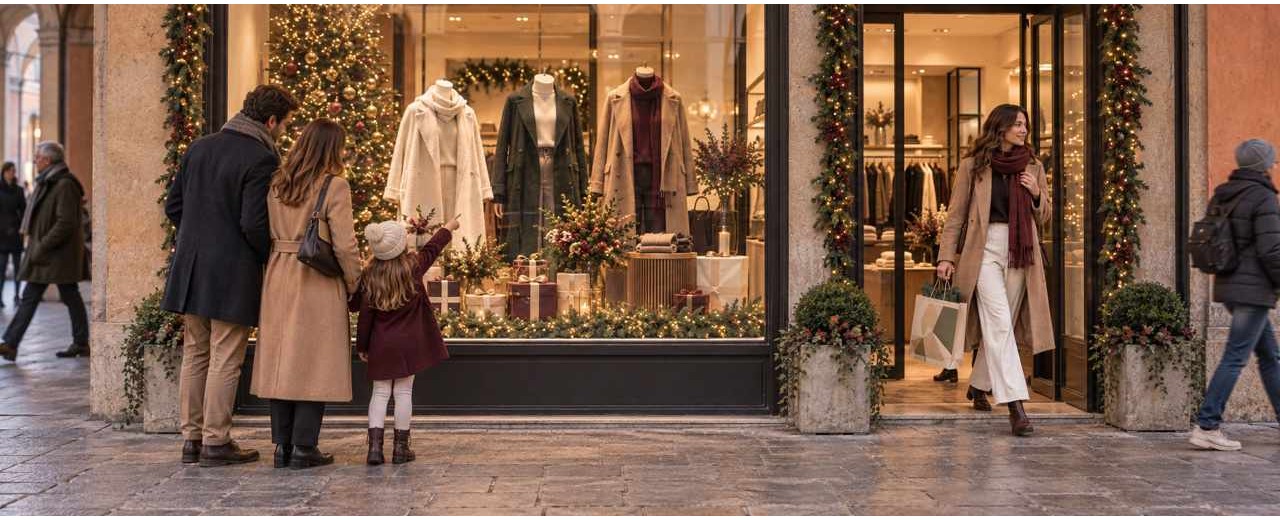
Il Natale in negozio non comincia a dicembre. Una vetrina efficace e un packaging coordinato richiedono scelte,...
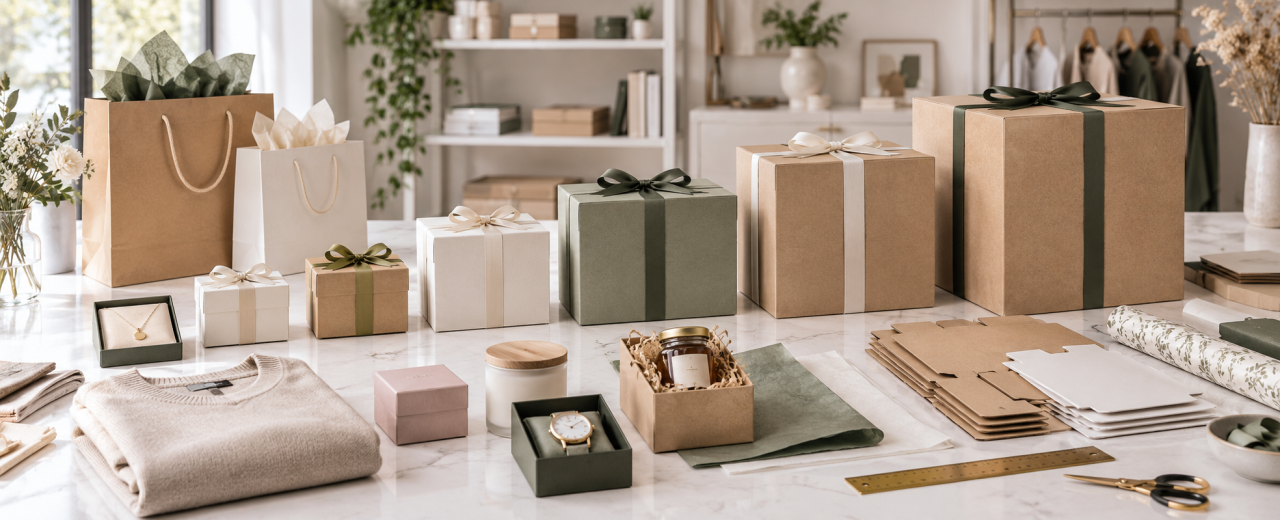
Choosing the sizes of gift boxes means finding a few formats capable of covering the greatest number of products.A...
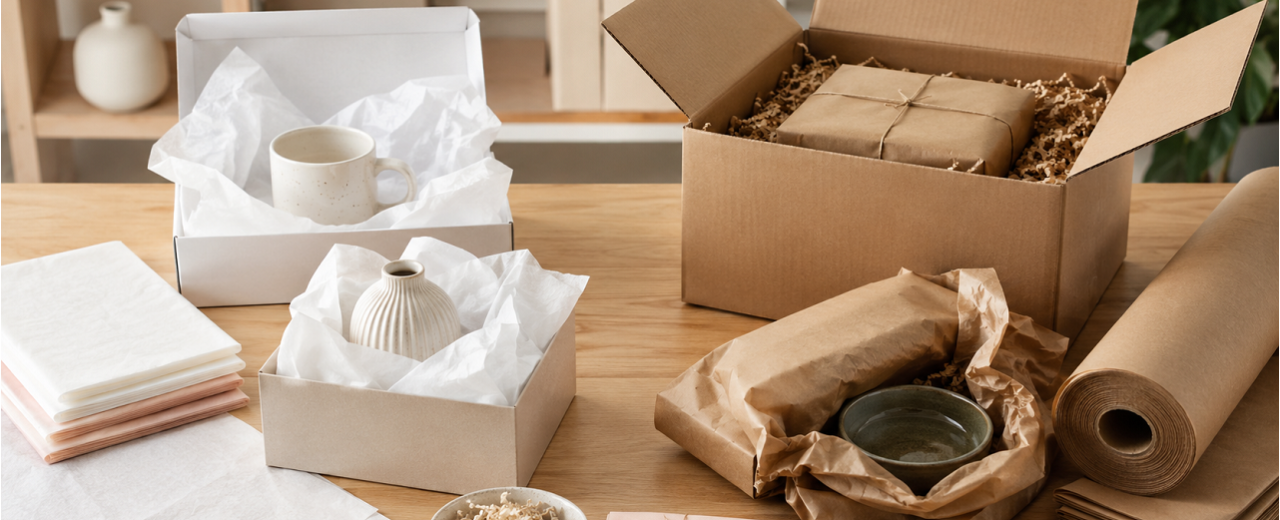
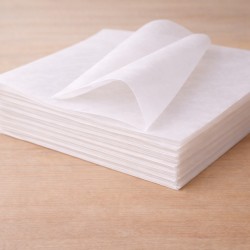
Tissue paper and wrapping paper for shipping have different functions and should not be confused. The tissue protects...
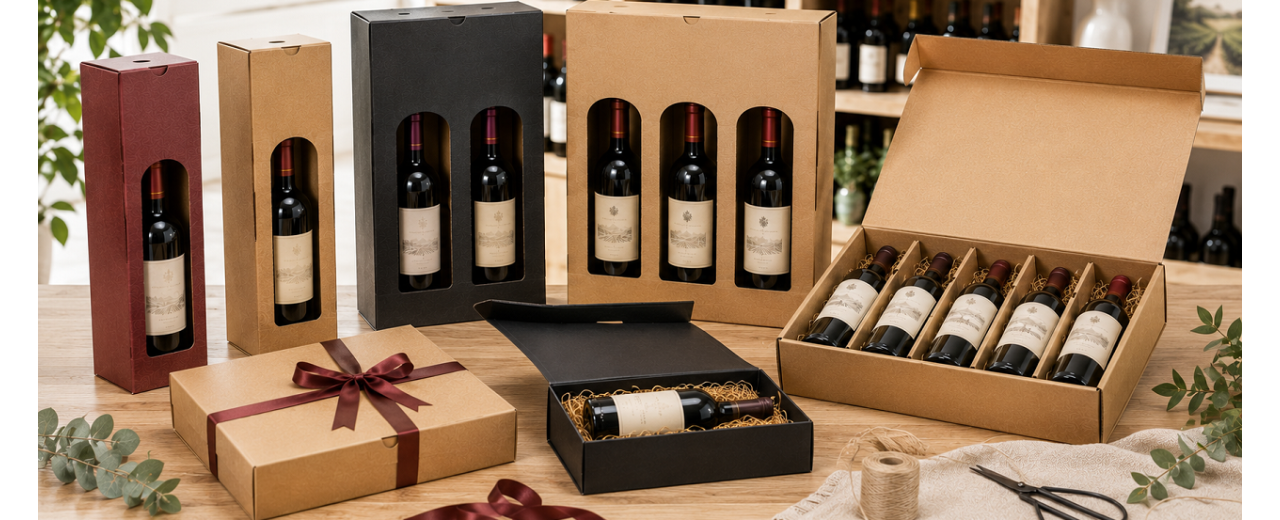
Wine boxes of 1, 2, 3 or 6 bottles help wine shops and wineries manage sales, gifts and delivery. Each format...
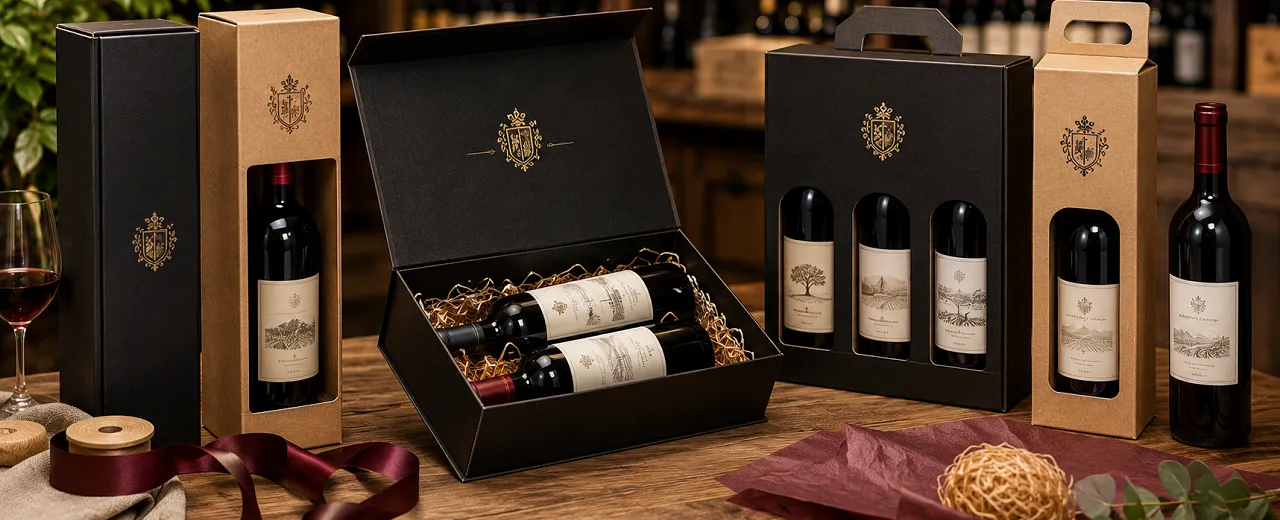
Personalised wine boxes enhance bottles, gift selections and corporate gifts. Logo, format and quantity must be...
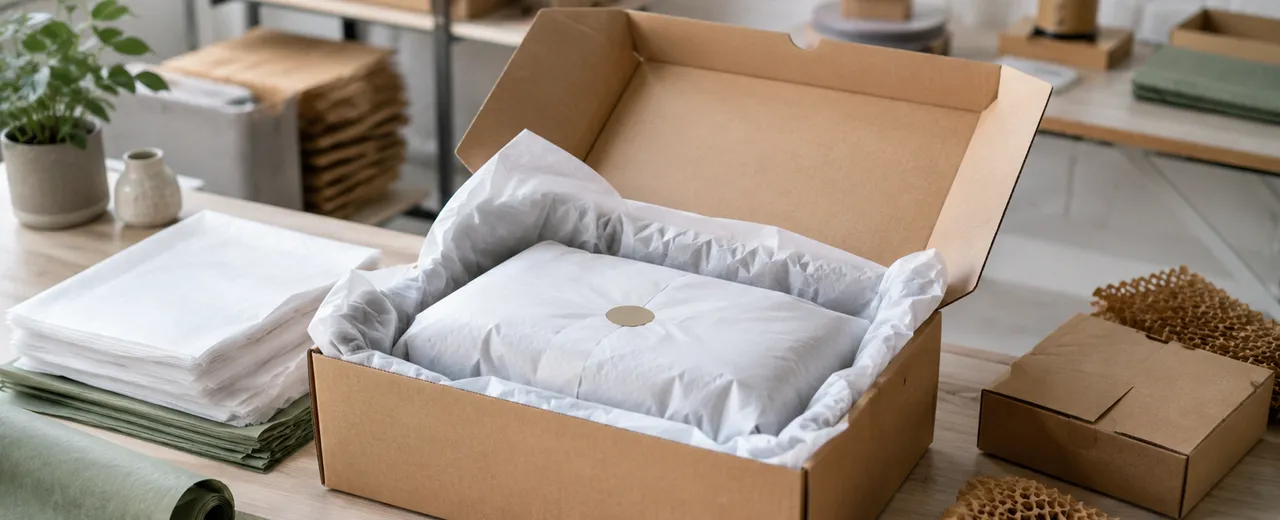
Tissue paper helps e-commerce businesses to superficially protect products and better present them inside the...
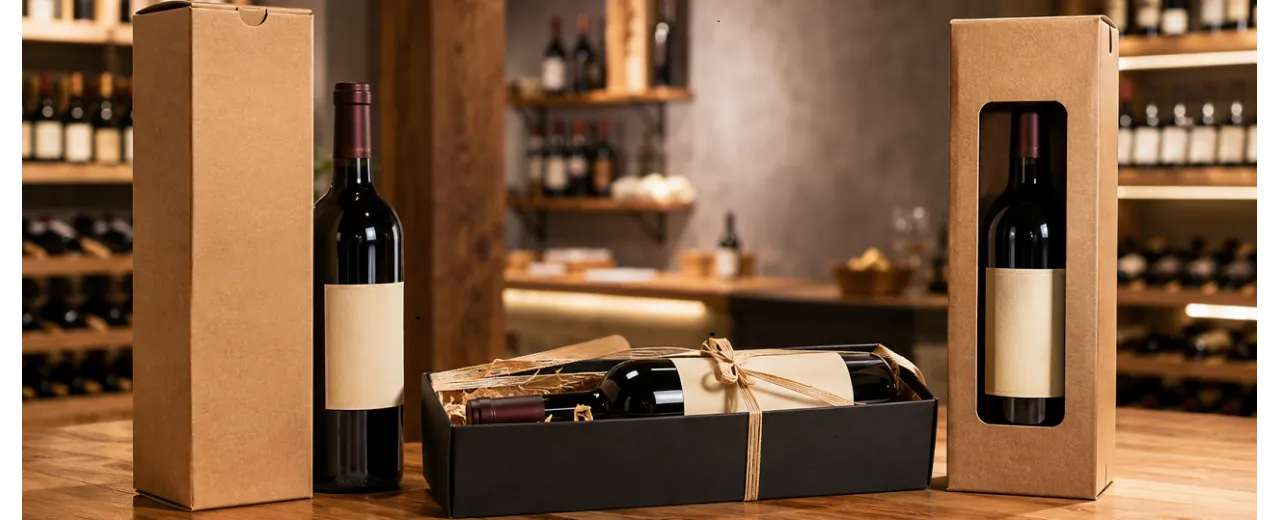
Wine boxes help wine shops and wineries to enhance bottles, gift selections and company packaging.Choosing between...
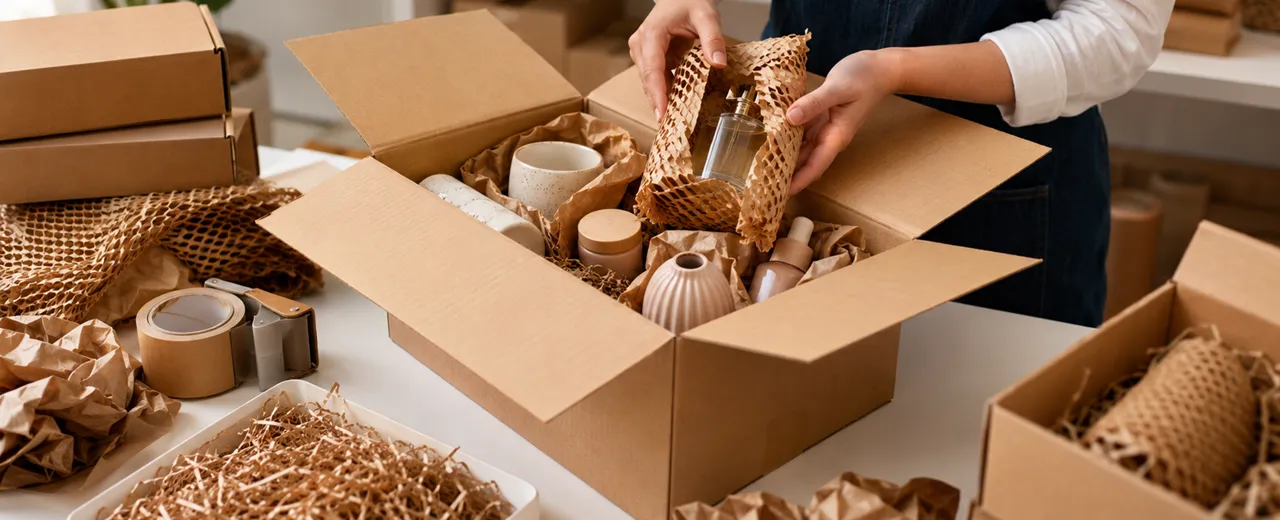
Fragile products require packaging designed according to weight, shape, material and mode of transport.Glass,...
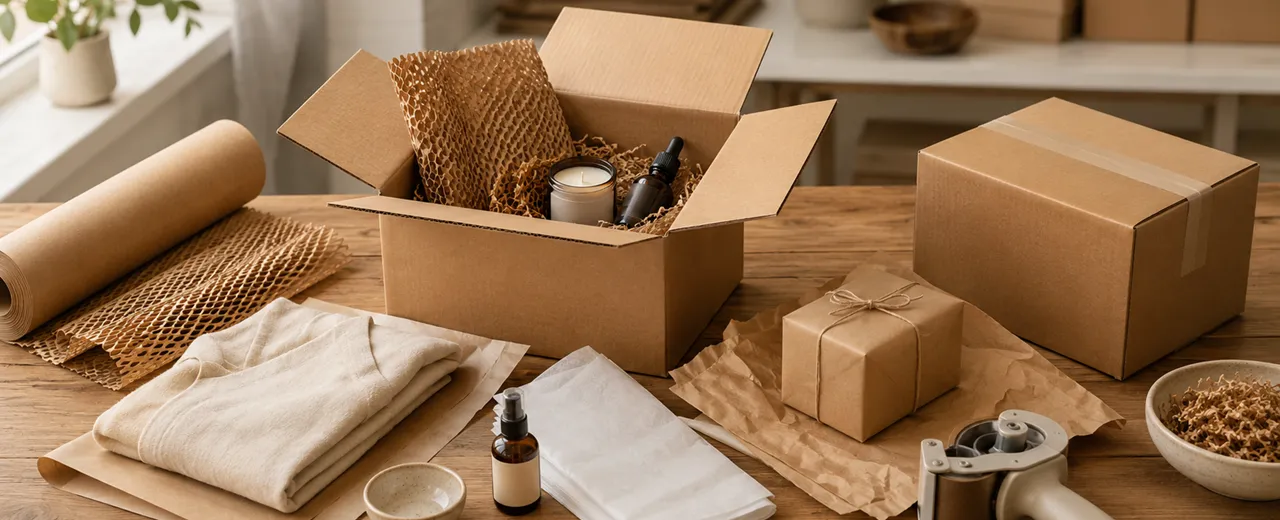
Preparing a package well means protecting the product and delivering an orderly and professional order to the...
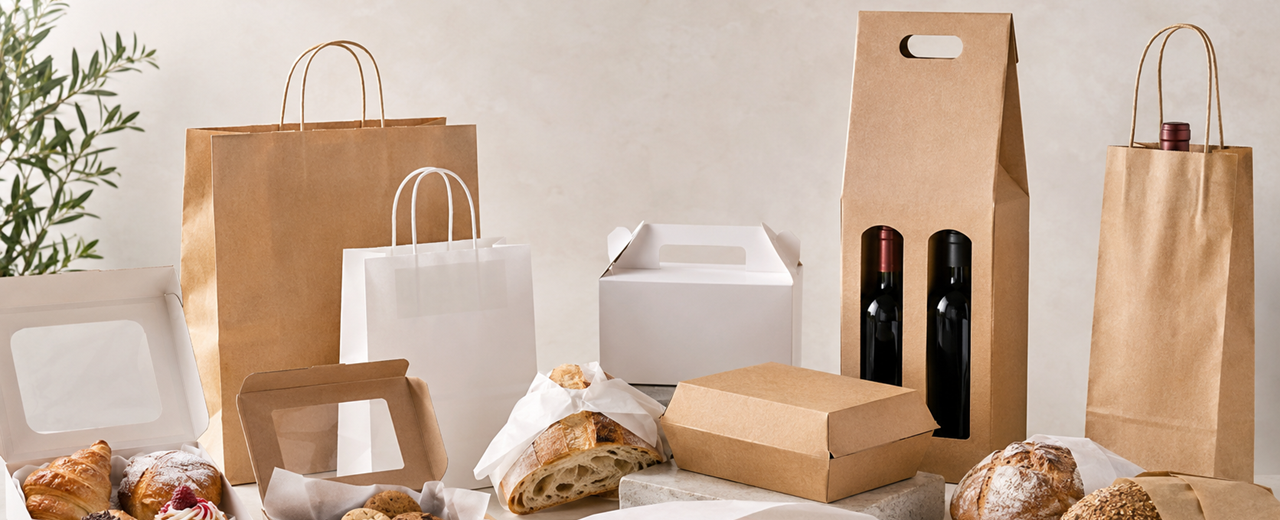
Food packaging must protect the product, speed up service and enhance every sale.Pastry shops, delicatessens and wine...
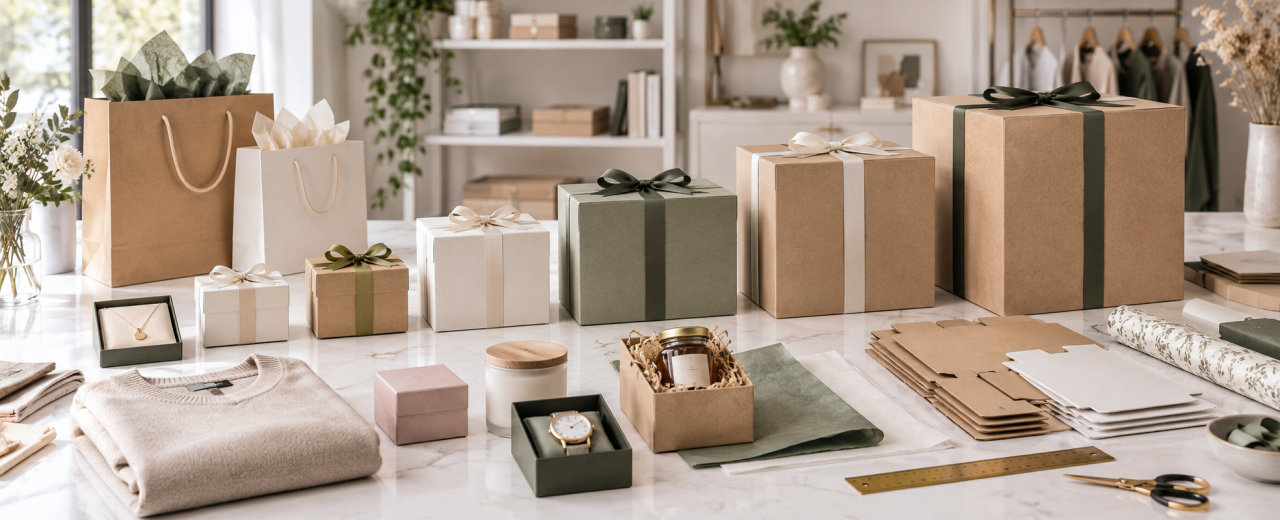
A professional assortment of gift boxes is not born by accumulating different sizes to deal with every possible sale.
The correct method starts with the products actually sold and the frequency with which they must be packaged.
Length, width and height must be considered together with the space needed for tissue, fillers and protections.
A few well-chosen formats reduce stocks, space occupied, leftovers and reordering complexity.
Flat boxes help to keep the footprint down, while those already assembled prioritize speed at the bench.
The scale of the formats must also be coordinated with available shopping bags, gift paper and interior materials.
In this guide, we build a quantitative method for choosing which boxes to keep and in which sizes.
A store can have dozens, hundreds or thousands of items, but this does not mean that it must have a different box for each product. The function of a professional assortment is exactly the opposite: to identify the fewest possible formats capable of solving the greatest number of real needs. The more references we insert without logic, the more space occupied, the capital in the warehouse, the risk of leftovers and the time it takes for staff to decide which box to use.
The starting point must therefore be the analysis of the products. The general Boxes category offers many types, but the goal of the store is not to own them all. It is to build a selection consistent with what it sells, with the volume of orders and with the level of presentation required.
Before choosing a box, we must look at what needs to be packaged. For each product family, it is advisable to record at least length, width, height and fragility, adding an often overlooked piece of information: how the product should look when the box is opened.
A folded garment occupies a different volume than a candle, a cosmetic, a book or a gourmet package. Two products with similar dimensions may also require different interior spaces: a sturdy object can fit almost to size, while a fragile item must leave room for tissue or filler.
The Gift Boxes category therefore represents the point of arrival of the analysis, not the starting point. First we identify the products that generate most of the packages; then we look for which sizes can cover them with the fewest references.
A practical method is to divide sales into size families. If, for example, twenty different products can fit correctly in the same average box, that measure has a much greater operational value than a measure that can only be used for one or two items.
To work professionally, we must distinguish the size of the product from the size of the box. The product must be measured in the way it will actually be inserted: a garment that has already been folded, a cosmetic set that has already been composed, an accessory with its own primary packaging.
The basic measurement is length × width × height. To this we must add the space occupied by the internal materials. If we use tissue, the margin can be reduced; if we have to insert chips or a more structured protection, the space needed increases.
The useful rule is therefore not "always add X centimeters", because different products require different margins. The correct method is:
Useful size required = actual size of the product + space required for internal packaging.
We also need to check whether the measurement shown in the product sheet is internal, external or nominal. This aspect becomes important when the tolerance is tight: a box should not be chosen relying on a few millimeters of margin.
The most reliable test remains the physical sample. Before making a format a stable part of the assortment, we try the main products that should use it and check closure, usable height and presentation.
The correct question is not "how many measures are there?", but "how many measures do we really need?".
To find out, we can use a very simple indicator: the coverage of the assortment. We take the items packaged over a significant period and check how many can be handled correctly with each box.
If four formats allow you to package almost all the products usually sold, introducing six more only for occasional situations increases complexity without necessarily improving the service.
We can calculate internally:
Format coverage = number of packs that can be handled with that format ÷ total number of packages.
There is no ideal percentage that is one-size-fits-all. The goal is to compare formats and understand which ones produce more coverage than the space and capital they require.
A format used every day deserves a higher stock. One used a few times a year can be handled with small quantities or purchased when the need arises.
A professional range should grow progressively. We can think about four operating ranges: small, medio, medio-large and large. These definitions do not correspond to universal measurements: they depend on the products in the store.
The Havana Rectangular Bottom and Lid Box offers a concrete example. The family now includes nominal sizes 240×170×100, 300×200×100, 380×260×110, 455×320×110 and 490×340×340 mm. It does not mean that a store has to keep them all: it is precisely this progression that allows you to choose the steps you really need.
| Headband | Choice logic | Possible uses |
|---|---|---|
| Small | Minimum compatible volume | Cosmetics, small accessories |
| medio | Cross size | sets, books, accessories, small garments |
| medio-large | bulkier products | Clothing, Home, Compositions |
| Large | Selective Use | voluminous garments, important sets |
The Avana Bottom and Lid Square Base Boxes also show why it is convenient to think by scale: the same family is available with different bases and heights, so we can build a consistent range without constantly changing the style of packaging.
Versatile formats to build the assortment
The form of supply directly affects the management of space. The ChartaRè rectangular bottom and lid boxes are supplied flat and can be assembled when needed: this significantly reduces the warehouse footprint compared to the same number of boxes already formed.
Avana Self-assembling Boxes also follow a logic oriented towards speed of assembly and stock management. The decision must therefore be made by considering two different costs: cubic meters occupied in the warehouse and seconds needed at the counter.
A flat box is generally attractive when space is limited or the quantity in stock is high. A pre-assembled box may be preferable when packaging speed is a priority and staff have to prepare many consecutive packages.
You don't have to choose between the two solutions at all. A well-designed assortment can keep the less used formats flat and have the two or three formats with the highest rotation ready.
The quantity to be ordered must start from consumption. For each format we can record how many boxes are used on average in a week or month and compare the data with the replenishment times.
The minimum stock must cover the expected consumption during the time required for the new supply, adding a margin consistent with the variability of sales.
Seasonality completely changes the calculation. A store can use a few gift boxes during a few months and multiply consumption over the Christmas period. For this reason, we should not rely only on the annual average: it is more useful to compare normal months and peak months.
Rotation also helps you decide where to place the boxes. High-frequency formats should be close to the counter or packing station. Less used ones can remain in stock.
The size cannot be separated from the use. Small accessories and cosmetics require compact boxes, in which the product does not seem lost. Clothing needs a sufficient base to contain the folded garment without compressing it. Gourmet products and corporate gifts often need greater height to allow compositions with more items.
For premium items we must also consider that part of the interior space is used for presentation. Tissue, supports and fillings require volume and must be provided for before the choice of format.
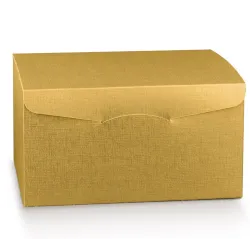
The self-assembling gold boxes show, for example, how the same style can be declined in several dimensions while maintaining visual continuity. The Gold Self-Assembling Boxes family includes different sizes and therefore allows you to think on a product scale without completely changing aesthetic language.
The standard solution is right when you need immediate availability, flexibility and manageable quantities. It is particularly useful for stores with a wide assortment, where the boxes have to fit different product categories.
The standard box also allows the range to be corrected more quickly: if we find that a size rotates little, we can reduce its stock without having immobilized large quantities of customized packaging.
For this reason, the Gift Boxes category should form the initial basis of the professional assortment, especially when we do not yet have sufficient consumption data.
The rectangular bottom and lid format is interesting because it manages to cover many product categories. The regular base simplifies the arrangement of the product, the separate lid makes the opening neat, and the shape facilitates stacking.
It is particularly suitable for folded clothing, accessories, books, gifts, cosmetics, handicrafts and sets. ChartaRè indicates precisely these uses for its rectangular family and also emphasizes the advantage of the supply laid out for storage.
Its strength is therefore above all managerial: we can use the same typology in several measures instead of introducing completely different structures for each category.
The rectangular bottom and lid format is interesting because it manages to cover many product categories. The regular base simplifies the arrangement of the product, the separate lid makes the opening neat, and the shape facilitates stacking.
It is particularly suitable for folded clothing, accessories, books, gifts, cosmetics, handicrafts and sets. ChartaRè indicates precisely these uses for its rectangular family and also emphasizes the advantage of the supply laid out for storage.
Its strength is therefore above all managerial: we can use the same typology in several sizes instead of introducing completely different structures for each category
The premium box must be used where the container really participates in the perceived value of the product. Boutiques, jewelers, perfumeries, corporate gifts, and high-end items are the most obvious cases.
The Elegant & Luxury Boxes category includes more prominent structures and finishes, intended for a superior presentation.
However, it is not necessary to convert the entire assortment to premium. We can keep standard boxes for everyday sale and introduce one or two high-end formats for selected products.
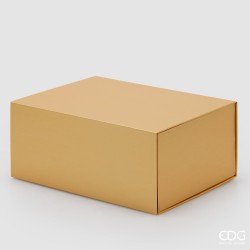
A solution like the Luxury Gold Collapsible Box also shows that even a premium box can be designed to reduce footprint thanks to a foldable structure.
Premium boxes for products with alto perceived value
Personalisation makes sense when we have already stabilised formats and consumption. If we don't yet know which sizes we actually use, printing large quantities means turning an assortment error into an expensive leftover.
The Shopper and Custom Boxes category allows you to switch from standard packaging to a solution with logo and coordinated graphics. ChartaRè offers, among others, Avana Fast E-Commerce Customized Self-Assembling Boxes available in numerous formats.
The transition should therefore follow this sequence: first we test the standard format, then we measure the consumption, then we only customize the high-rotation sizes.
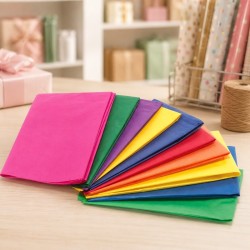
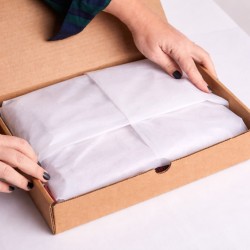
The box must be designed together with the other elements of the packaging. Tissue Paper for Packaging takes up internal space, even if it is small, and can change the size needed when the product fits very precisely.
Wrapping paper, on the other hand, is mainly used outdoors and can make it unnecessary to have many color variations of the same box: a neutral base can be adapted to seasons or collections by changing paper and finish.
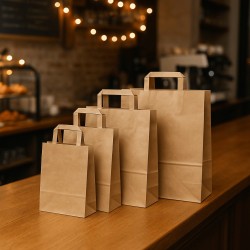
Finally, Paper Shoppers must be compatible with the chosen boxes. A shopper that is too narrow forces the box to tilt; a very large one makes delivery inconvenient and tidy. ChartaRè has shopping bags in numerous formats, so it is advisable to choose the strategic boxes first and then associate each one with a compatible shopping bag.
The goal is to create modules, not individual products: small box + small shopping bag + tissue; medium box + medium shopping bag + tissue; large box + large shopping bag. In this way, the possible combinations decrease but operational consistency increases.
Complementary materials for coordinated packaging
The quality of the assortment is not measured in the number of boxes available. It is measured in the ability to cover demand with a few high-utility references.
A well-constructed assortment should allow staff to quickly recognize which box to use, maintain stocks proportionate to the rotation and make reordering easy. Each new format should therefore only be included if it solves a need that has not already been satisfactorily filled.
The question to ask before adding a measure is simple: how many more products or how many more sales will we be able to manage thanks to this box? If the answer concerns very few cases, it may be preferable to use an existing format or buy that container only when necessary.
At ChartaRè, we help shops, boutiques and companies to build packaging assortments that are not only aesthetically consistent, but truly sustainable in daily management. A good professional assortment is not the one with the most formats: it is the one that covers the greatest number of needs with the fewest really useful references.
Standard and customized solutions to organize the range
How to choose the right size of a gift box?
You have to measure the product in the configuration in which it will actually be packaged and add the necessary space to tissue, protections or fillers. The box must close without pressure and must not leave an excessive internal volume.
How many sizes of boxes should a store keep?
There is no one-size-fits-all number. It is advisable to analyze sales and choose the smallest number of formats capable of covering most of the recurring packages, keeping any special measures only for really frequent needs.
Is it better to lay down or already assemble boxes?
Flat boxes reduce warehouse space and are cost-effective when stocks are high. Pre-assembled boxes prioritize speed. Many stores can use both: flat for stock and some ready-made formats near the counter.
When is it convenient to choose custom boxes?
When the store is already familiar with high-turnover formats and has sufficiently regular consumption. Customizing before having this data increases the risk of buying large quantities of a little-used size.
How to tell if a gift box is too big for the product?
If the contents leave too much empty space, require a lot of filling, or move easily, the box is likely oversized. A size that is too large increases material consumption, space occupied, and packaging cost.
Is it worth having different boxes for each product category?
Not always. It is more efficient to identify cross-cutting formats that can serve multiple product categories, as long as they guarantee good presentation and do not compromise the protection of the content.
How much space should be left inside the box for tissue paper and fillers?
It depends on the material used. Tissue paper requires little margin, while chips and more structured protections take up more volume. The product must therefore be measured in the final configuration, not without internal materials.
How to choose the shopper to match the gift box?
The shopper must contain the box without constricting it, tilting it or leaving too much free space. It is useful to create standard combinations between small, medium and large boxes and as many shopping bag formats.
When should I remove a size from the range?
When used infrequently, it takes up space, generates leftovers and does not cover needs that cannot be handled with another format already present. True rotation must guide assortment decisions.
 Practical Guide: The Art of Window Dressing
 Artificial intelligence (AI) in the Physical Store.
 The DIY Wedding Favor, the Perfect One.
 Packaging with Sustainability: The Future of Environmental Impact
 Practical Guide to Customizing Wedding Favors: Tune in to the Theme of the Event and Personal Tastes
 Preparing for Christmas Magic: When and How to Present Your Window Displays to Maximize Sales