Food packaging must protect the product, speed up service and enhance every sale.Pastry shops, delicatessens and wine...
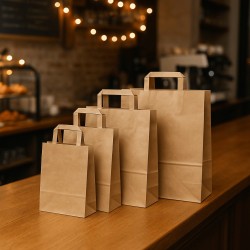
Recycled Havana paper shopper with flat handle, 8 sizes€77.67
 ChartaRè, RossiCarta's Online Packaging Store


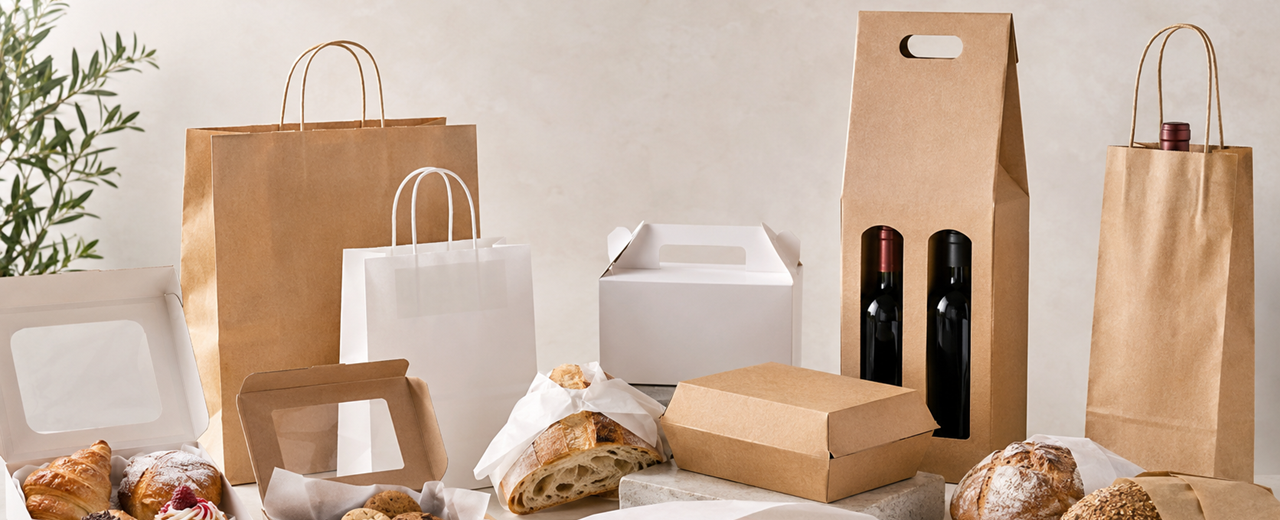
Food packaging must protect the product, speed up service and enhance every sale.Pastry shops, delicatessens and wine...
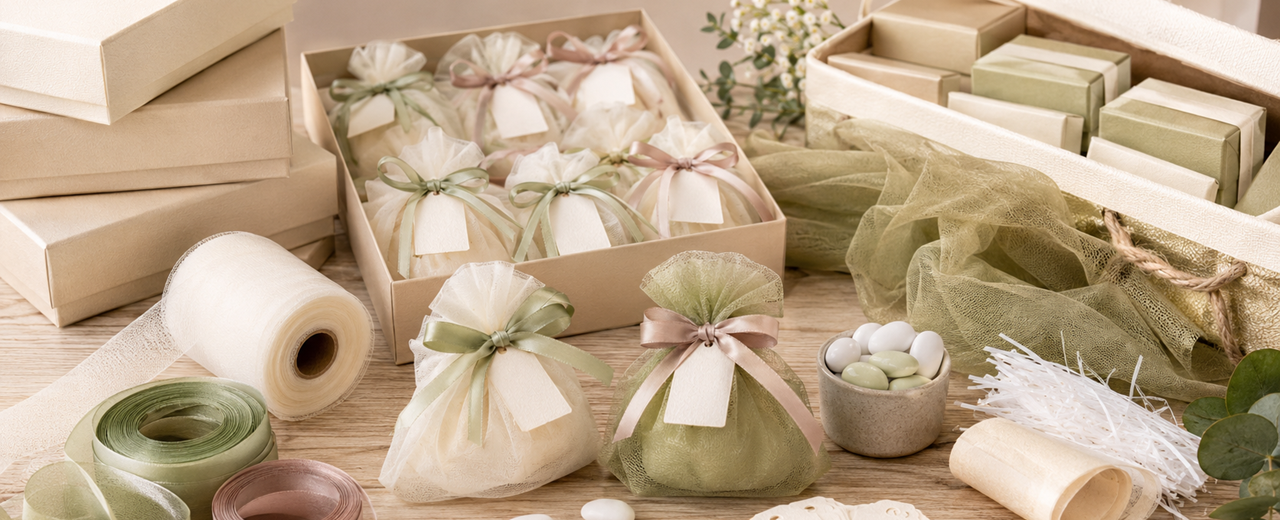
Packaging for wedding favors requires proportionate containers, coordinated materials and procedures that are easy to...
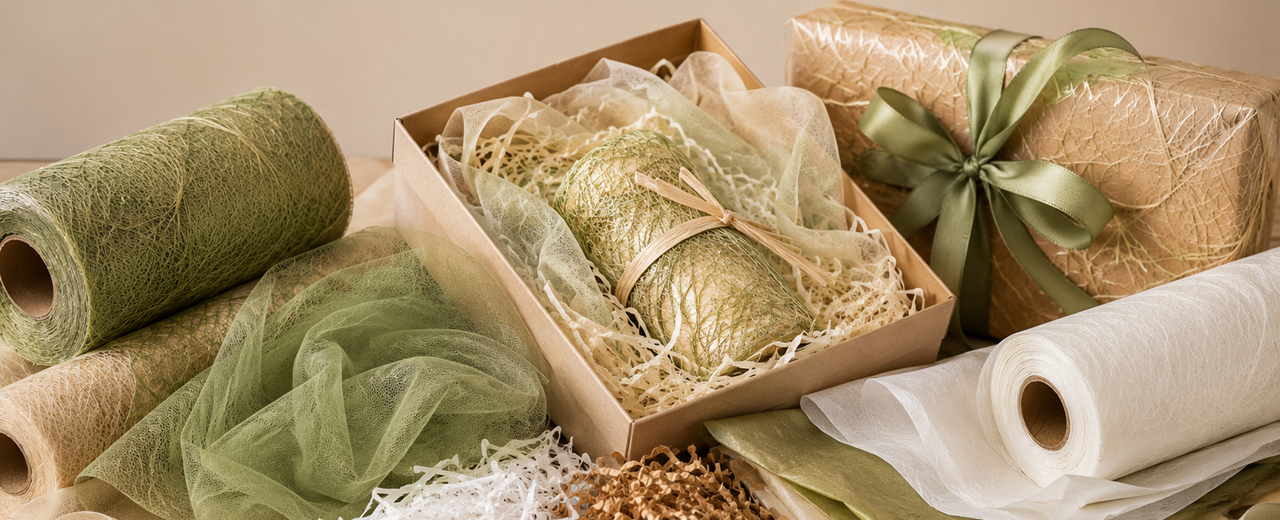
Grass paper, tulle, shavings and tissue paper perform different functions in professional packaging.The correct...
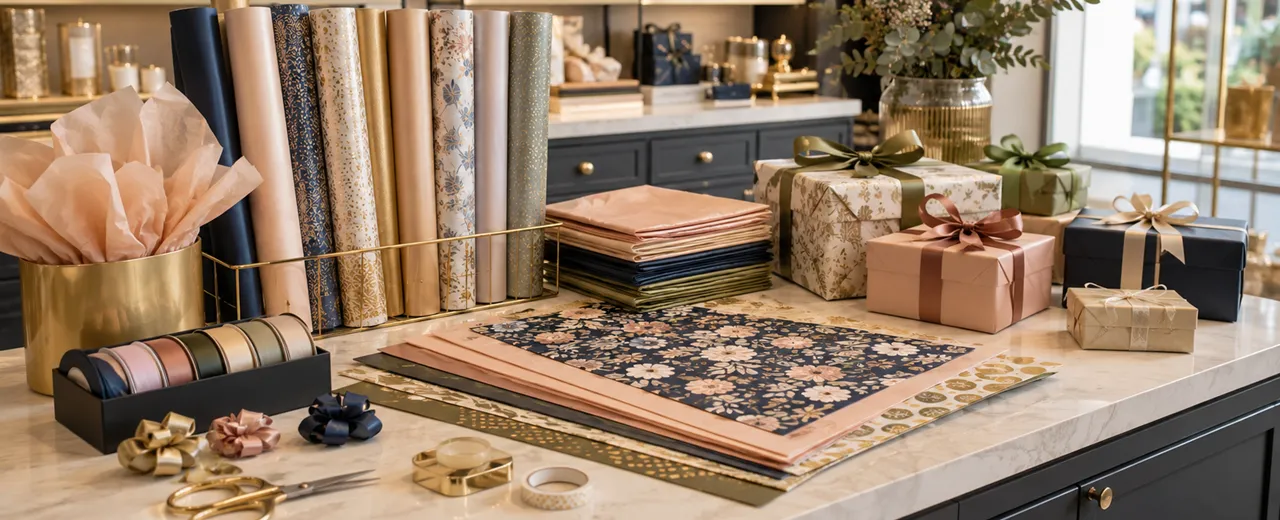
Choosing the right wrapping paper is a practical and commercial decision for every store that packs products at the...
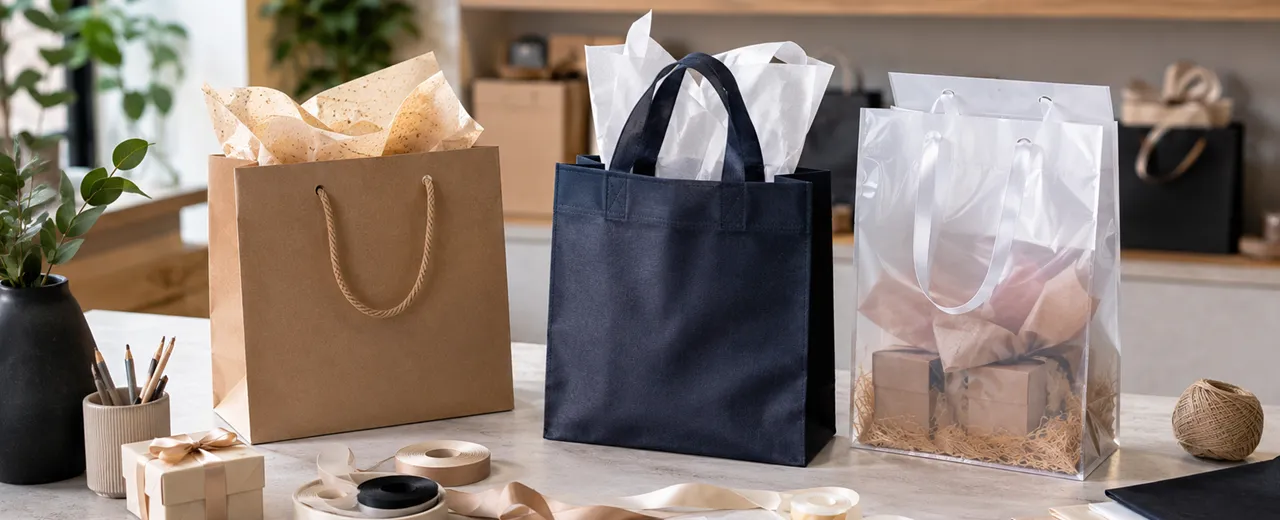
Choosing between paper, non-woven or polypropylene gift bags is not just a matter of aesthetics. For a shop,...
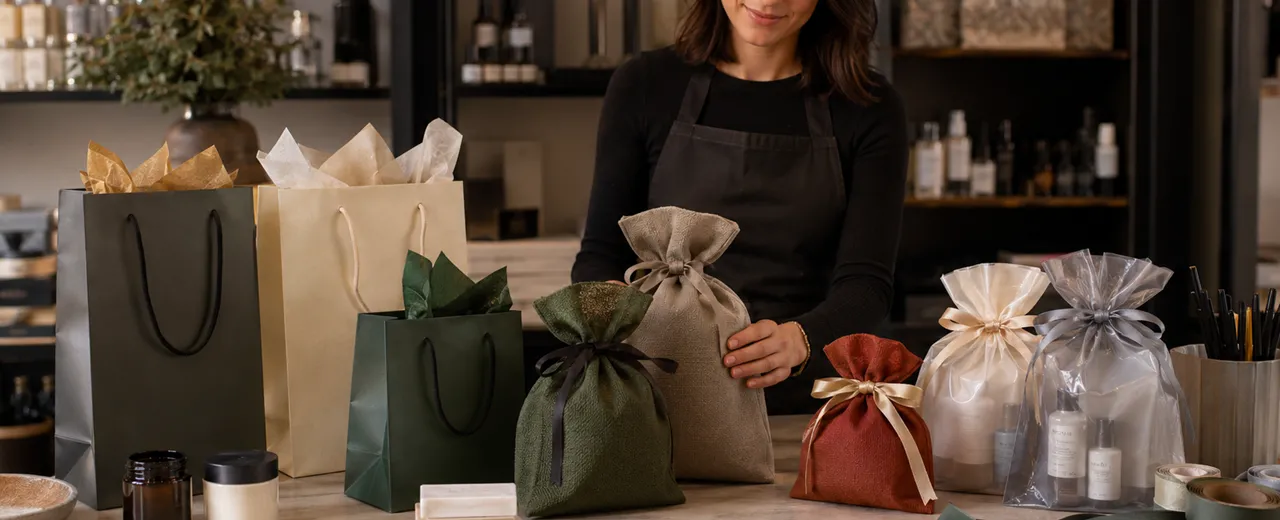
Choosing the right gift bags means making the moment of delivery to the customer easier, faster and more...
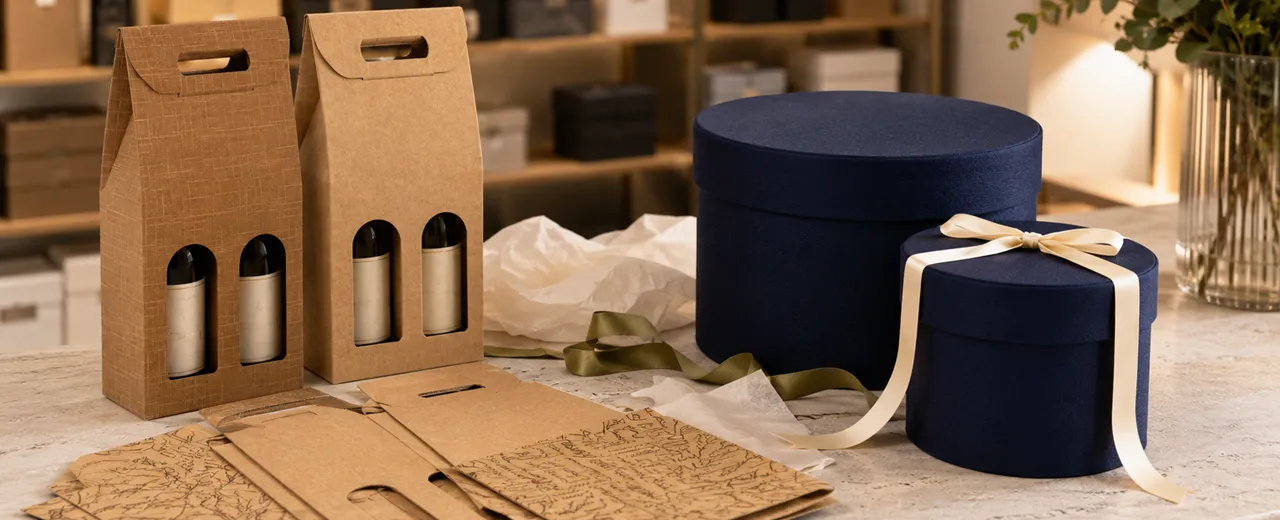
Choosing the right box means finding the balance between protection, practicality and perceived value. Folding...

Wrapping well means transforming the delivery of a product into a gesture of care, attention and trust. A well-kept...
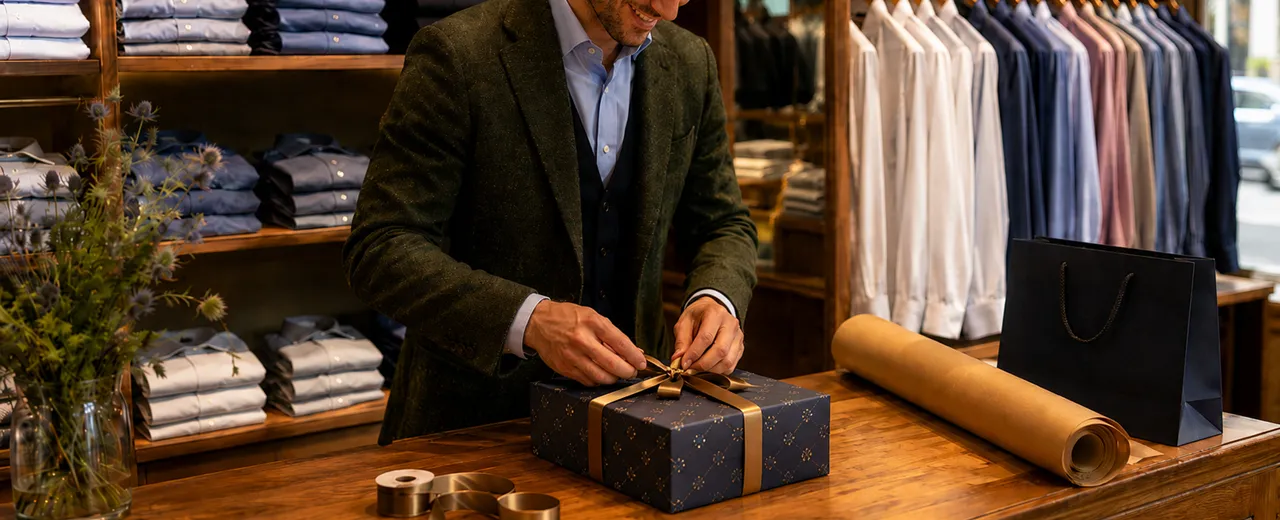
Packaging for small shops must enhance every purchase without slowing down the counter and checkout.Wrapping better...

A journey into the value of wrapping, starting from the care of Japanese retailers to get to the professional...

Secondary packaging is the last signal the customer receives before leaving the store.
In the case of e-commerce, it is the first physical contact with the brand after ordering online.
This is why we cannot treat it as an automatic gesture or as a simple container.
The packaging must confirm the level of the product, the care of the service and the identity of the business.
The 3-second test is used to observe the immediate reaction in front of the ready package.
At that moment, the customer does not analyze every detail, but perceives the whole.
Paper that is too light, oversized box or messy ribbon immediately communicate little attention.
A consistent shopping bag, a proportionate box and a well-placed tissue paper reinforce the value.
It is not a question of surprising, but of avoiding dissonances between what the customer buys and what he receives.
The packaging it sells is what seems right in terms of product, price and context.
To build it we have to look at materials, format, order, protection, color and customization.
We also need to distinguish store packaging from shipping packaging.
The method only works if we test real packages, prepared as it happens every day.
Correcting small mistakes can immediately improve the final perception of the purchase.
In the following sections we see how to apply the test and turn it into a practical guide to make a better choice.
The test is not used to understand if a package is beautiful in an absolute sense. It serves to understand if it is credible.
Packaging is credible when it confirms what the customer has already perceived during the shopping experience. If the store is taken care of, the packaging must be ordered. If the product is priced medio-alto, the packaging cannot look flimsy or improvised. If the business communicates simplicity and naturalness, the packaging must not be artificial or out of tone.
The Shoppers, Bags and Bags category is often the first point to analyze, because the shopper accompanies the customer out of the store and continues to represent the store even after delivery.
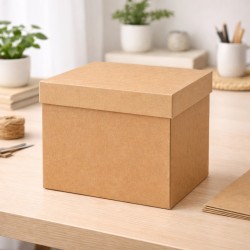
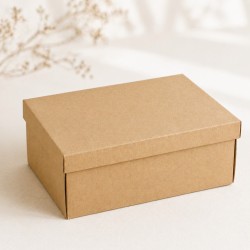
Boxes, on the other hand, come into play when the product needs structure, protection or greater perceived value. A proportionate box makes the purchase neater and also facilitates any gift wrapping.
The 3-second test works because it focuses on real perception. It does not measure the intention of the shopkeeper, but the final effect on the customer. If packaging generates safety, order and continuity, it is working well. If it creates hesitation, confusion or a feeling of lack of care, it must be corrected.

In the first moments, the customer does not think like a packaging technician. He doesn't think about the weight, the type of paper or the construction of the box. Perceives signals.
The first sign is the shape. A shopper that deforms, a box that is too large or a package that seems empty immediately generate a feeling of lack of precision. The second signal is the material. Paper, cardboard, tissue and tape communicate quality to the touch even before being read visually.
The third signal is order. A clean fold, a flat tissue, a proportionate tape or a stable closure make you feel controlled. On the contrary, randomly placed materials convey haste.
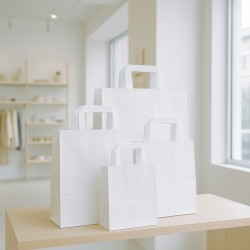
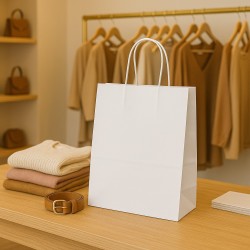
Paper shopping bags are useful when we want versatile delivery packaging, suitable for many retail sectors. The choice between Havana, white, lanyard or flat handle should depend on the product, weight, frequency of use and store image.
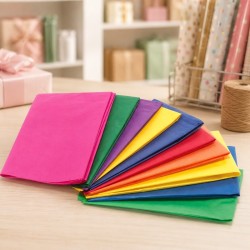
Tissue Paper for Packaging and Packaging, on the other hand, works in the first seconds of opening. It protects slightly, separates the product from the container and makes the package more neat without weighing it down.
The fourth signal is color coherence. You don't need to use a lot of colors. It is necessary that the shopping bag, paper, box and tape seem to belong to the same system. The customer immediately perceives when the materials have been chosen together and when they have been recovered without logic
To apply the test, we have to start from the materials that the customer sees and touches the most.
The shopper is essential for the physical store. It must be proportionate to the product, comfortable to carry and consistent with the positioning of the business. A shopper that is too light for an important product creates a dissonance. A shopper that's too elaborate for a simple purchase may seem like overkill.
Gift Boxes are decisive when the product needs to be delivered in a more orderly manner, especially if it can become a gift. A correct box creates structure, protects better and makes the presentation clearer.
The Gift Card comes into play when the purchase needs to be transformed into a ready-made package. It must coordinate with the rest of the packaging, not cover a weak system.
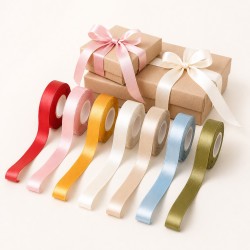
Fabric Ribbons add finish and care, but they must be used with moderation. A tape that is disproportionate, slow to apply, or inconsistent with the box material can worsen the result instead of improving it.
The point is not to use more materials. It's choosing the right ones. A package can pass the test even with a few items, if they are well coordinated. It can fail with many elements, if they communicate different messages.
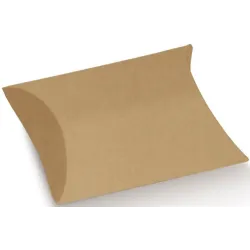

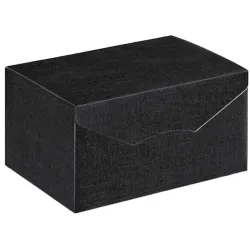
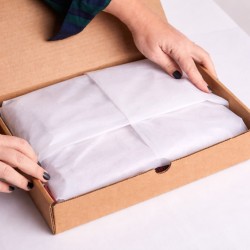

Packaging that is too poor creates anonymity. The customer receives the product, but does not perceive a real experience. It can happen with a thin shopping bag, a paper chosen without criteria, an oversized box or a hastily prepared package.
Packaging that is too elaborate creates the opposite problem. If the product is simple and the packaging seems much more important than the contents, the customer may perceive an imbalance. Packaging doesn't have to promise something that the product doesn't deliver.
Luxury Shoppers are correct when the value of the product, the sector and the positioning justify a more structured presentation. Fashion, selected cosmetics, accessories, perfumery, jewellery and gift products can benefit from a more substantial shopper.
Elegant and Luxury Boxes, on the other hand, are suitable when the packaging needs to become part of the experience. In these cases, the customer not only buys the content, but also the way it is presented.
The 3-second test helps you find the right spot. We have to ask ourselves if the packaging is proportionate to the product, the price and the context. If it seems too weak, lower the value. If it feels too built, it can feel unnatural.
Another frequent mistake is to evaluate packaging only when new, on the table. The test must be done with the product inside, in the real condition of sale or shipment. Only in this way can we see if the bottom holds, if the tissue remains tidy, if the ribbon closes well and if the box keeps its shape.
Packaging can be ordered, correct and functional, but remain anonymous. Customization serves to make the packaging recognizable, without necessarily turning it into a complex project.
The Shopper and Custom Boxes category is useful when we want to bring the logo, color or identity of the store on the outer packaging. Shoppers and custom boxes help the customer remember where the purchase came from.
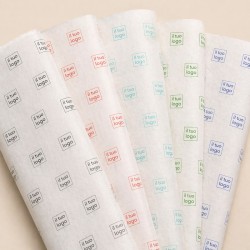
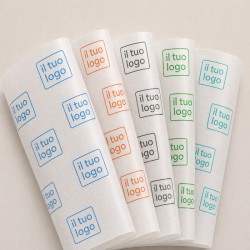
The Personalized Papers and Tissues work on the inside of the package. A personalized tissue can make the opening of a box or a shopper more accurate, especially for boutiques, e-commerce, perfumeries, cosmetics and accessories.
In the 3-second test, personalization works when it's readable and proportionate. A logo that is too big can seem intrusive. A print that is too small can disappear. Confusing graphics can weaken the message.
Before customizing, we need to define what should remain in the customer's memory: the name of the store, the color of the brand, the quality of the service, the positioning or the opening experience. Not everything has to be communicated in the same place. The shopper can carry the brand outside, the tissue can work on the opening, the ribbon can add recognizability without taking up graphic space.




The test should be done on real packages, not on versions prepared better than usual. We have to choose a representative product, package it as it happens every day and observe the reaction of an external person.
In the physical store, the test can be done over the counter. We prepare a standard box, a gift box and a premium box. Then we look at which one seems most consistent with the product, which one looks off the charts, and which one communicates value best.
In e-commerce, the test must also include the opening of the package. The customer does not see the store, does not meet the staff and does not receive explanations. This is why packaging must speak for itself. Box, filling, protection, paper and internal order become part of the experience.
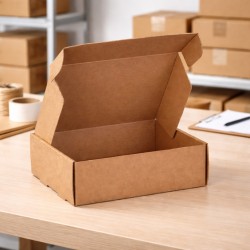
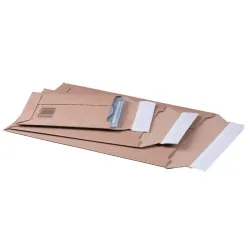
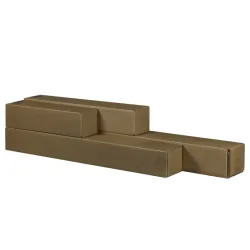
The Packaging and Shipping section allows you to build a system that is more suitable for transport, especially when the product has to travel by courier or be delivered remotely.
In the e-commerce test we have to observe three moments: how the closed package looks, how it opens and what the product looks like inside. A secure but messy box when opened communicates little care. A beautiful but unprotective box generates risk. Packaging that passes the test combines protection and perception.
It is also helpful to shake the package slightly before shipping. If the product moves, the filling is not working well. If the opening looks confusing, we need to review internal materials and order. If the customer doesn't understand where to look, the packaging contains too much visual noise.

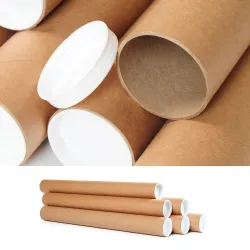


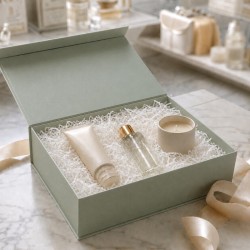
To build packaging that passes the 3-second test, we must start with a simple rule: each element must have a function.
The shopper must carry and communicate. The box must contain, protect and enhance. The tissue must order and separate. The gift card must transform the purchase into ready-made packaging. The tape must close and finish. The filling must stabilize. Personalization must make the brand recognizable.
The first step is to choose three levels of packaging. The basic level must be practical and consistent with daily purchases. The gift level should add care without slowing down the work. The premium tier should be reserved for products that warrant a higher presentation.
The second step is to reduce unnecessary variants. Too many shoppers, too many cards and too many ribbons create confusion at the house. A few well-chosen combinations make the result more consistent and easier to replicate.
The third step is to test with real products. It is not enough to look at the separate materials. We need to see the product inside the packaging, the way it is delivered, the opening gesture and the overall feel.
The fourth step is to correct by subtraction. If the packaging doesn't work, you don't always need to add something. Sometimes it is enough to eliminate a color, choose a more correct format, replace a shopper that is too weak or use a tidier tissue.
The fifth step is to create a small internal guide for the staff. Each product category should have a recommended solution: shopper, box, tissue, ribbon, possible filling and gift alternative. So packaging does not depend on the improvisation of the moment.
At ChartaRè, we help shops, companies and e-commerce to build consistent packaging systems, combining shoppers, boxes, cards, tissues, ribbons, personalisation and shipping materials. The 3-second test does not reward those who exaggerate. Reward those who confirm, with the right packaging, what the customer has already chosen.
 Practical Guide: The Art of Window Dressing
 Artificial intelligence (AI) in the Physical Store.
 What is the Favor (Favour) and its History
 The Principle of Complementarity of Colors
 A Practical Guide to Creative Packaging
 The Importance of Good Customer Care: Physical and E-commerce