Food packaging must protect the product, speed up service and enhance every sale.Pastry shops, delicatessens and wine...
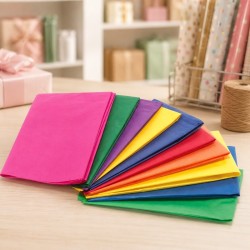
Colored Tissue Paper in Sheets cm.70x100 Pack of 70 sheets€18.61
 ChartaRè, il Packaging Online di RossiCarta


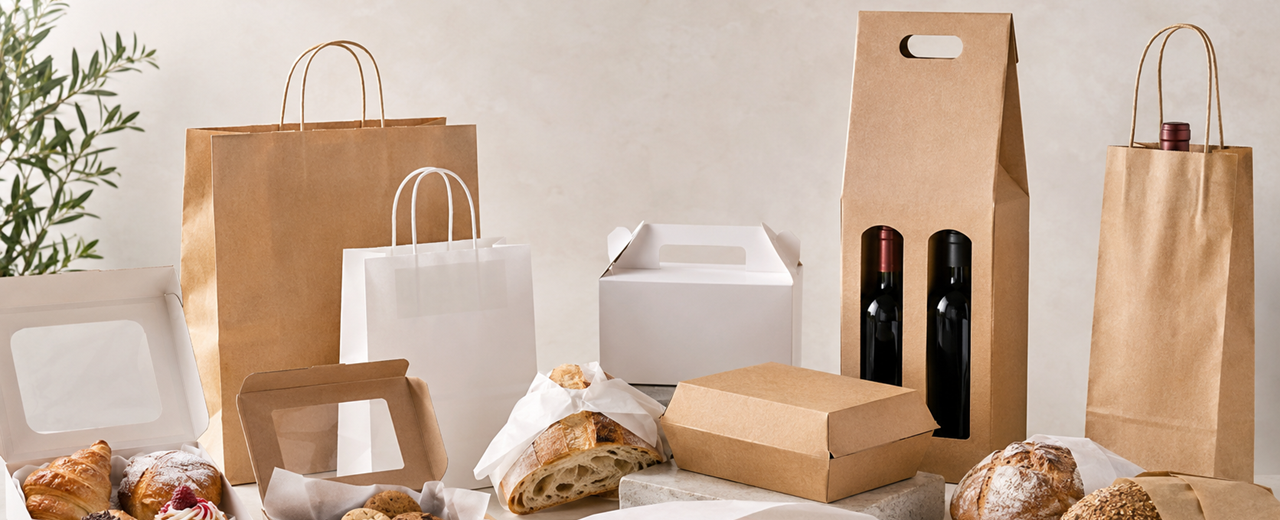
Food packaging must protect the product, speed up service and enhance every sale.Pastry shops, delicatessens and wine...
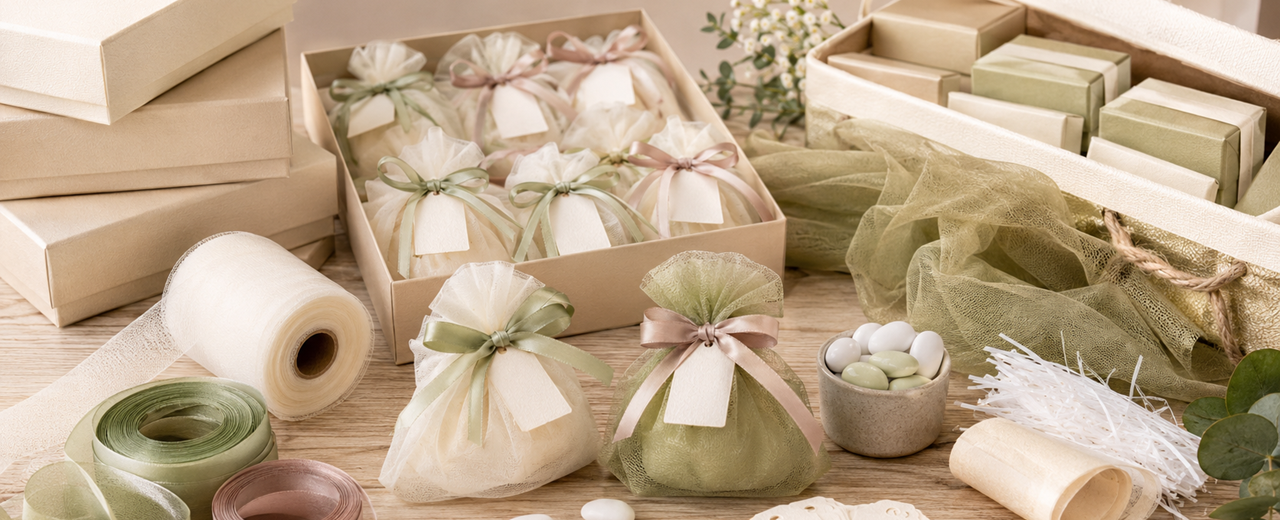
Packaging for wedding favors requires proportionate containers, coordinated materials and procedures that are easy to...
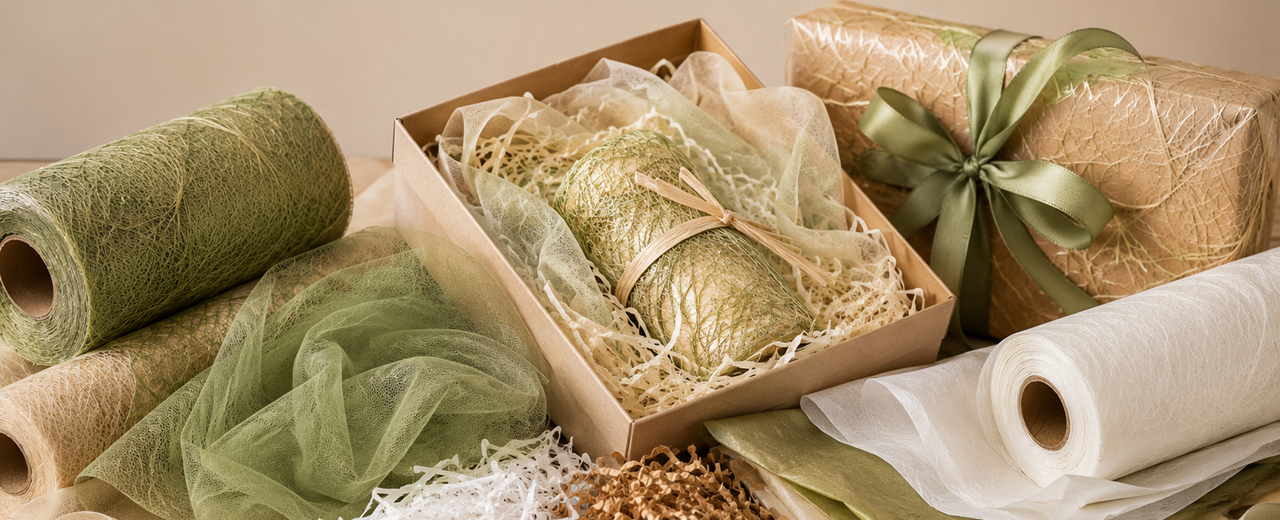
Grass paper, tulle, shavings and tissue paper perform different functions in professional packaging.The correct...
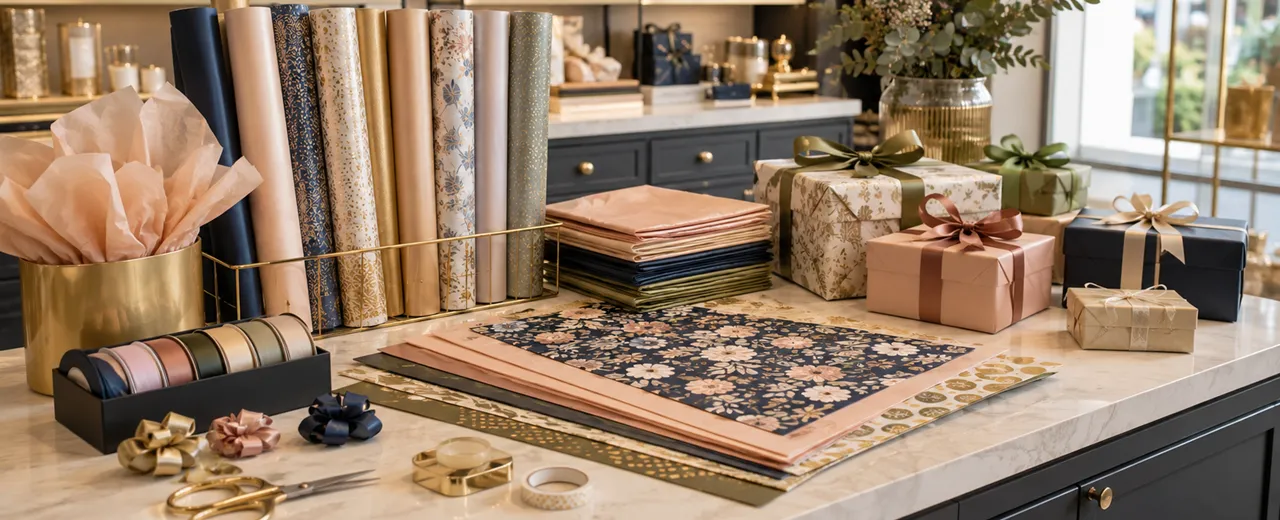
Choosing the right wrapping paper is a practical and commercial decision for every store that packs products at the...
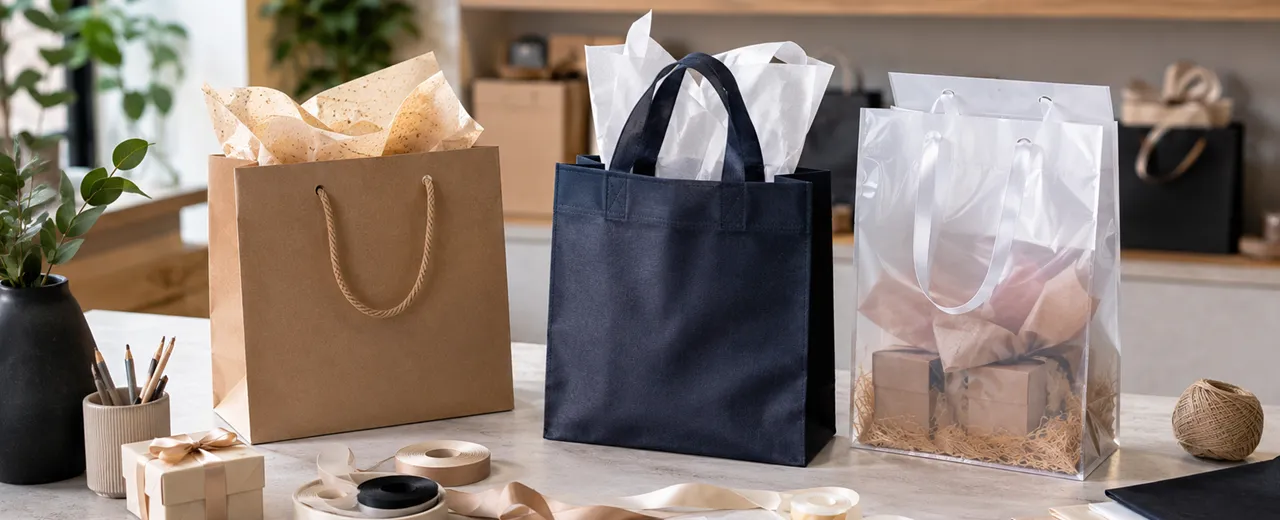
Choosing between paper, non-woven or polypropylene gift bags is not just a matter of aesthetics. For a shop,...
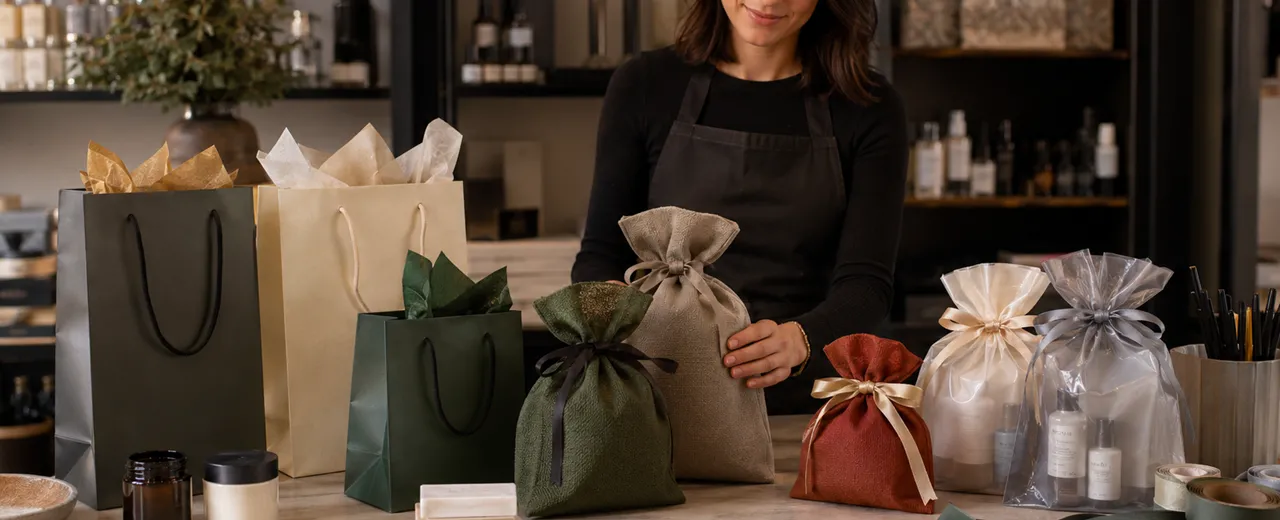
Choosing the right gift bags means making the moment of delivery to the customer easier, faster and more...
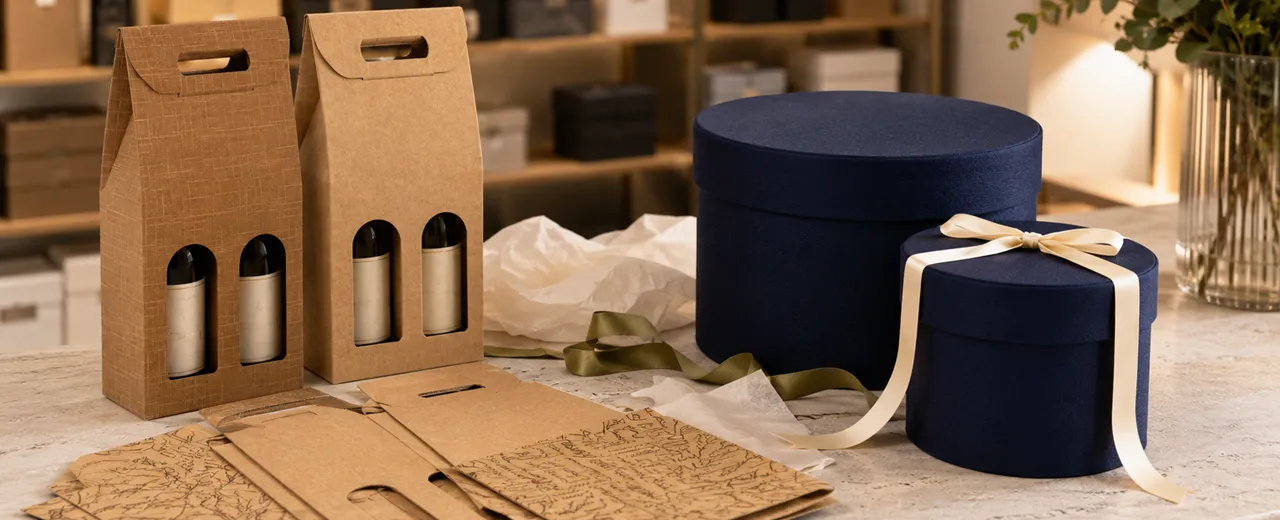
Choosing the right box means finding the balance between protection, practicality and perceived value. Folding...
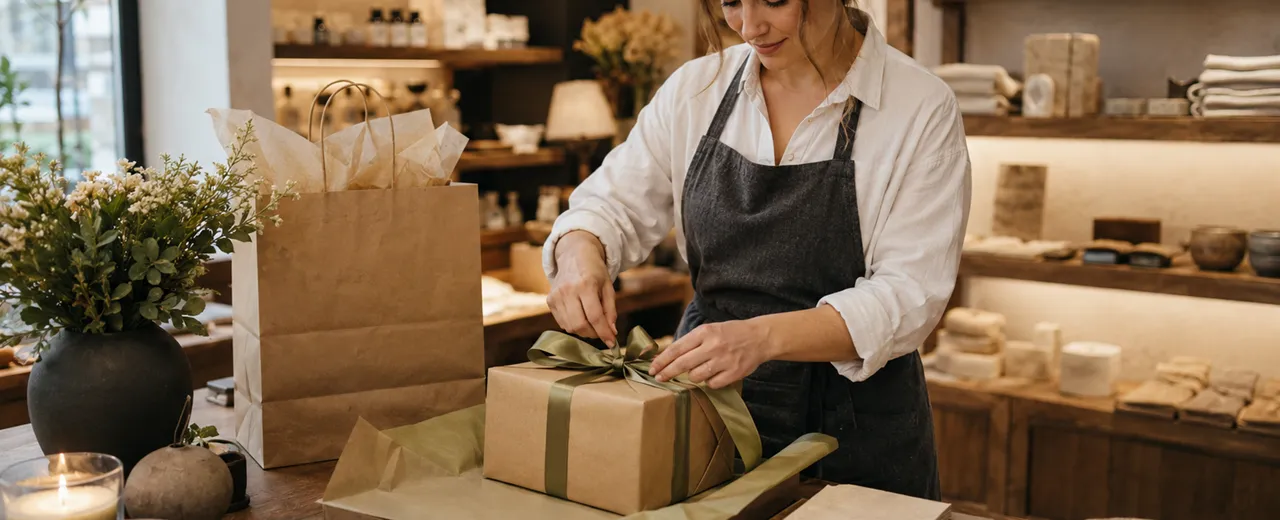
Wrapping well means transforming the delivery of a product into a gesture of care, attention and trust. A well-kept...
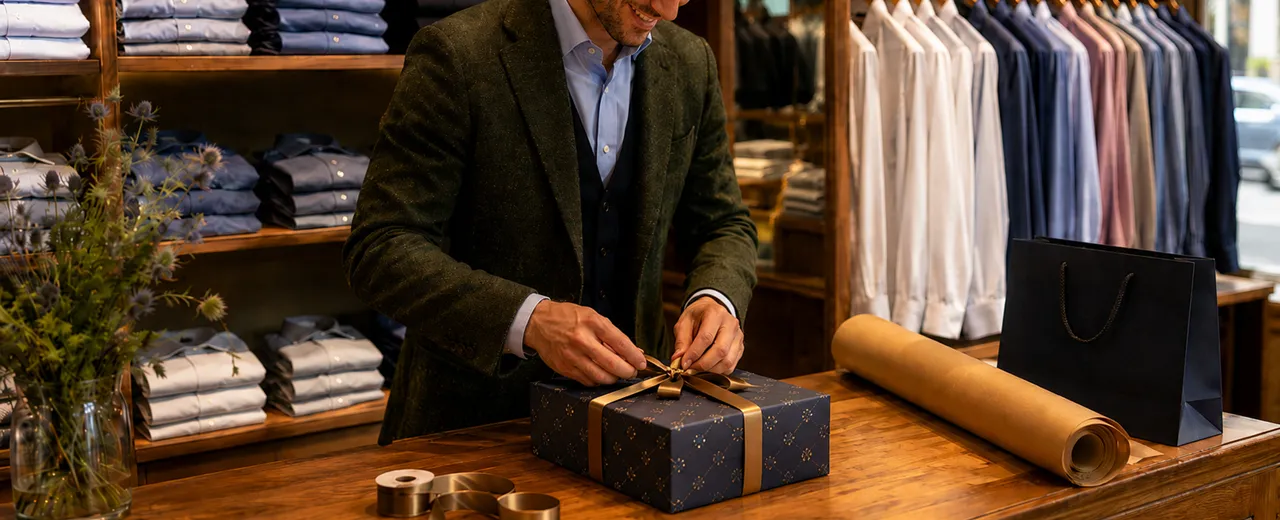
Packaging for small shops must enhance every purchase without slowing down the counter and checkout.Wrapping better...

A journey into the value of wrapping, starting from the care of Japanese retailers to get to the professional...

In Japan, entering a store and buying an item often means attending a small ritual. The product is not simply stuffed into an envelope, quickly closed and delivered to the customer. It is taken with care, wrapped, folded, protected, presented. Even a simple object can receive attention that makes it appear more important, more respected, more worthy of being taken away.
This wrapping culture also tells something very concrete to those who work in retail, eCommerce and professional packaging. The packaging is not an accessory step. It is the last gesture of the sale, but also the first material memory that the customer takes with him.
When a package is neat, tidy and consistent, it communicates value. It makes you feel attention. Builds confidence. It helps the customer think that they have purchased well. For this reason, packaging well helps to sell better: not because packaging replaces the product, but because it accompanies its perception in the most delicate moment, that of delivery.
For stores, retailers, brands, businesses, and eCommerce, this is a valuable lesson. There is no need to copy Japan superficially. We need to understand the principle: every item sold deserves a presentation that lives up to the value we want to communicate.
In many Japanese stores, wrapping is considered a true extension of customer service. The gesture is precise, measured, silent. A sheet of paper is carefully folded. The packaging takes shape without mess. The product is protected, but also presented. The customer does not only receive what he has bought: he receives an object prepared for him.
This attention has deep cultural roots. In Japan, the concept of caring for others runs through many daily gestures, including commercial ones. The way something is delivered matters almost as much as the content itself, because it speaks to the relationship between the giver and the receiver.
Japanese wrapping teaches us that packaging is not just material. It is a gesture. It is dedicated time. It is visible order. It is respect for the product and for the customer.
A well-folded sheet, a clean closure, a proportionate packaging, a resistant shopper: these are details that communicate professionalism even before words. The customer may not analyze them rationally, but perceives them. He sees if there is attention. Feels if the product has been treated with care. Understands if the experience is consistent with the price paid.
This sensitivity is also increasingly important in Italian retail. The customer is used to comparing, photographing, sharing, remembering. The shopping experience doesn't end at checkout. It continues in the packaging, transport, opening, gifting, delivery to another person.
For this reason, the after-sales wrapping should not be considered an operational detail, but a real part of the commercial experience.


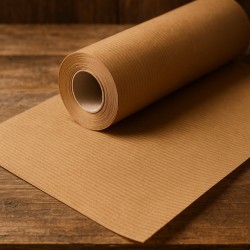
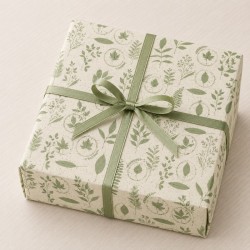

The sale does not end when the customer pays. It ends when the customer receives the product in a form consistent with his expectations. In the store, this moment happens at the checkout. In eCommerce, it happens when the package arrives at its destination. In both cases, the packaging has a precise responsibility: to confirm the value of the purchase.
Rushed packaging can weaken the experience. A shopping bag that is too light, an unsuitable box, a crumpled paper or a messy packaging convey carelessness. On the contrary, a well-constructed package gives the customer the feeling of having received attention.
When a customer leaves a store, they don't just take the product with them. It carries with it an impression. The shopper she holds in her hand, the box she rests on the seat of the car, the package she will deliver as a gift, the card she will open at home: everything contributes to building the memory of the purchase.
That's why paper shopping bags for shops, gift boxes, tissue paper, gift wrapping paper, decorative ribbons and wrapping stickers become communication tools. They do not speak explicitly, but tell the level of care of the activity.
Something similar happens in the eCommerce world. The customer does not meet the staff, does not see the store, does not physically perceive the sales environment. The first real material contact with the company is often the package. Orderly, secure, and clean shipping communicates reliability. A fragile, confused, or poorly sealed package communicates the opposite.
For this reason, shipping materials, eCommerce boxes, protective fillers, shipping envelopes and packaging tapes are not just logistical tools. They are part of the customer experience.
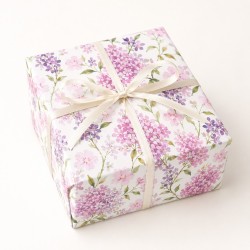

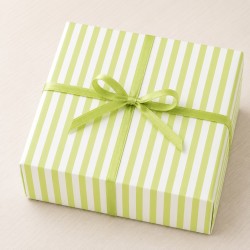


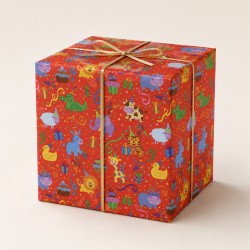
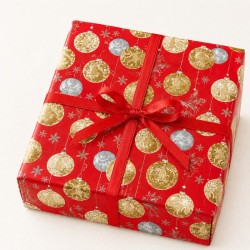

The perceived value arises from the set of signals that the customer receives. The product is certainly the center of the purchase, but it is never alone. It is observed, touched, delivered, transported, opened. Each step can strengthen or weaken the perception of quality.
Careful packaging doesn't make a mediocre product any better, but it can help a good product to be perceived correctly. If the item is valid but is poorly delivered, the customer may feel a dissonance. If, on the other hand, the packaging is consistent with the content, the experience becomes more robust.
A premium product needs packaging that doesn't lower its tone. A gift item needs to be presented in a pleasant way. A fragile product needs protection. A handcrafted object can be enhanced by natural materials, light papers, simple closures and warm details. A cosmetic product can require order, cleanliness, elegance. A food item may need practicality, resistance and an attractive presentation.
Packaging works when it's consistent. It doesn't always have to be luxurious, but it has to be adequate.
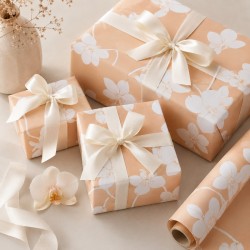
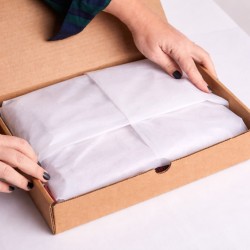
A rigid gift box communicates structure and importance. A durable paper shopping bag makes it more pleasant to transport. A tissue paper for packaging protects and embellishes. A matching decorative ribbon completes the perception. A customizable package sticker gives order and recognizability. A sturdy shipping box protects the product and reduces the risk of damage.
They are simple elements, but together they build a very clear message: this purchase has been carefully prepared.
After buying, the customer looks for confirmations. He wants to feel that he has chosen well. He wants to perceive that the price paid is justified. He wants to receive a product that looks neat, not abandoned in random packaging.
Packaging intervenes right now. A well-made package confirms the choice. It makes the purchase more memorable. It increases the likelihood that the customer will keep a good memory of the store or brand.
In the case of a gift, this effect is even more noticeable. The customer does not buy just a product for himself, but an object intended to be delivered to someone else. In that case, the packaging becomes part of the gift. A beautiful presentation saves the customer extra work and makes the gift immediately more ready, more cared for, more pleasant to offer.

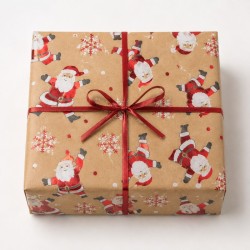

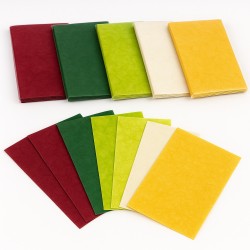
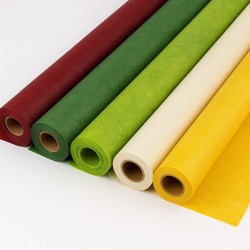
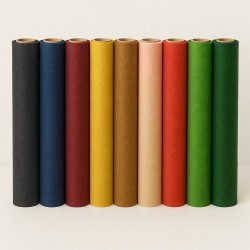
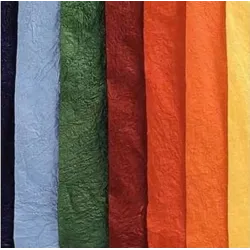
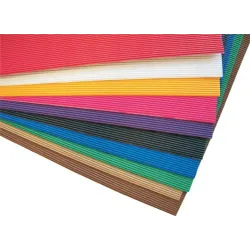
The image of the Japanese retailer starting from a simple sheet of paper is very powerful because it reminds us of an essential thing: even the simplest material can generate value, if it is chosen and used well.
A sheet of paper, on its own, seems little. But in the right hands it can become protection, presentation, order, surprise. The same applies to all elements of the packaging. It's not just the individual product that matters, but how it fits into a coherent system.
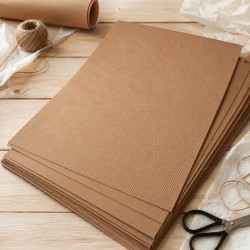
Paper has a particular strength. It is immediate, physical, tactile. It can be light or consistent, neutral or coloured, natural or refined. It can wrap, separate, protect, decorate. In professional packaging, paper is often the first level of care.
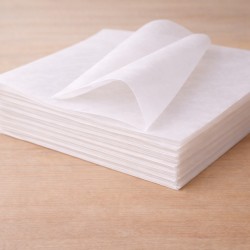
Colored tissue paper is ideal for wrapping delicate products, filling boxes, protecting surfaces, and adding a stylish visual mark. The gift card for shops allows you to create immediate packaging, especially during periods of high commercial intensity. Packaging countertop paper can become an everyday tool for shops, boutiques, specialty grocers, bookstores, perfumeries and concept stores.
Even when the packaging remains simple, paper allows you to build a neater and warmer experience. It is the first gesture. The first layer. The first visible protection.
After the paper come the other elements: the box, the shopper, the ribbon, the sticker, the label, the filler, the outer packaging. Everyone has a function, but everyone has to speak the same language.
Paper shopping bags for retail accompany the customer out of the store and make the purchase visible even after the sale. Ready-to-use gift boxes simplify the work of staff and give structure to the packaging. Decorative ribbons for packaging add recognizability and care. The packaging stickers allow you to seal in a clean and orderly way. Shipping protection materials reduce risk, damage and claims.
The point is not to accumulate accessories. The point is to choose the right ones.
Effective packaging doesn't have to slow down your work. It must make it easier. It must help staff pack quickly, maintaining a professional result. It must allow the company to have a recognizable line, without complicating daily management.
For this reason, it is useful to think in combinations: box plus tissue, shopper plus sticker, paper plus tape, outer packaging plus internal protection. When the categories talk to each other, the packaging is more natural, tidier and more credible.

The lesson of Japanese wrapping is not that every store has to turn packaging into a slow and complex ritual. The real lesson is another: the customer perceives the care. And care, when it is visible, increases the value of the experience.
For a physical store, this means considering the checkout counter as a strategic point. It is there that the product is transformed into a completed purchase. That's where good packaging can strengthen the image of the business. It is there that a shopper, a box, a card or a ribbon can communicate more than many words.
For an eCommerce, it means treating shipping as part of the brand. Parceling is not just logistics. It is the first physical contact with the customer. It must arrive intact, tidy, proportionate, easy to open and consistent with the product sold.
For a brand, it means building recognition. Colours, materials, sizes and details must help create memory. Consistent packaging makes the brand more recognizable and easier to remember.
In contemporary commerce, many products are comparable. The customer can find alternatives, search for prices, read reviews, buy online or in-store. In this scenario, experience becomes a decisive element.
Packaging is a concrete part of this experience. It is not theory. It's not just aesthetics. It's what the customer touches, sees, takes with them, opens or hands over to someone else.
Investing in professional packaging for shops, B2B gift packaging, eCommerce packaging, matching shopping bags, gift boxes, tissue paper, decorative ribbons and shipping materials means improving an essential step in the relationship with the customer.
With ChartaRè we provide retailers, shops, brands and companies with an assortment designed to simplify the choice of professional packaging. The goal is to help every business find neat, ready-to-use solutions suitable for in-store sales, eCommerce, gift wrapping and shipping.
A B2B one-stop shop makes it easier to build a coherent system: boxes and shoppers, tissue paper and gift wrap, tapes and stickers, packaging and shipping protection. In this way, the packaging is not chosen randomly, but becomes part of the company's commercial identity.
Packaging well does not just mean closing a product. It means delivering it the right way. It means giving shape to value. It means transforming a daily gesture into a sign of attention.
And this is precisely where the Japanese lesson becomes useful for us too: each package can tell the customer something important. You can tell that your purchase has been carefully prepared. He can say that the product has value. You can say that the company works carefully.
Because packaging, when it is chosen well, does not end up at the checkout. Keep talking even after the sale.
 Practical Guide: The Art of Window Dressing
 Artificial intelligence (AI) in the Physical Store.
 What is the Favor (Favour) and its History
 The Principle of Complementarity of Colors
 A Practical Guide to Creative Packaging
 The Importance of Good Customer Care: Physical and E-commerce