A gift box for a purchase at the counter and a gift with panettone and bottle do not require the same preparation....

50 Pearl Millerighe Gift Bags various sizes and colors for lively gift boxes€5.22
 ChartaRè, RossiCarta's Online Packaging Store


Tell us about yourself
Fill in the form and we will contact you to find the right solution together.
Latest posts
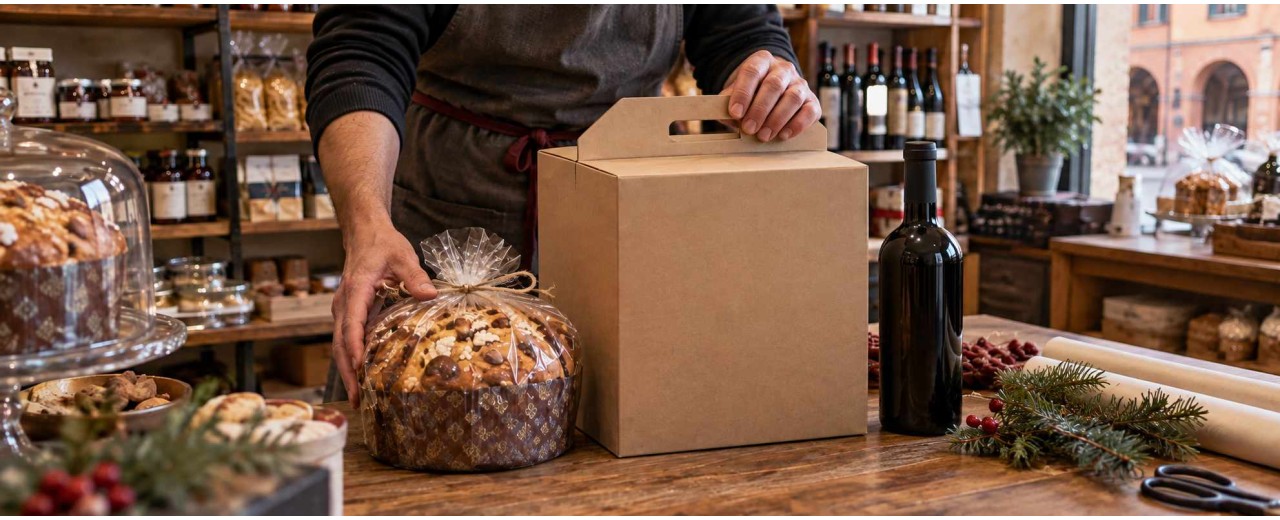
A gift box for a purchase at the counter and a gift with panettone and bottle do not require the same preparation....
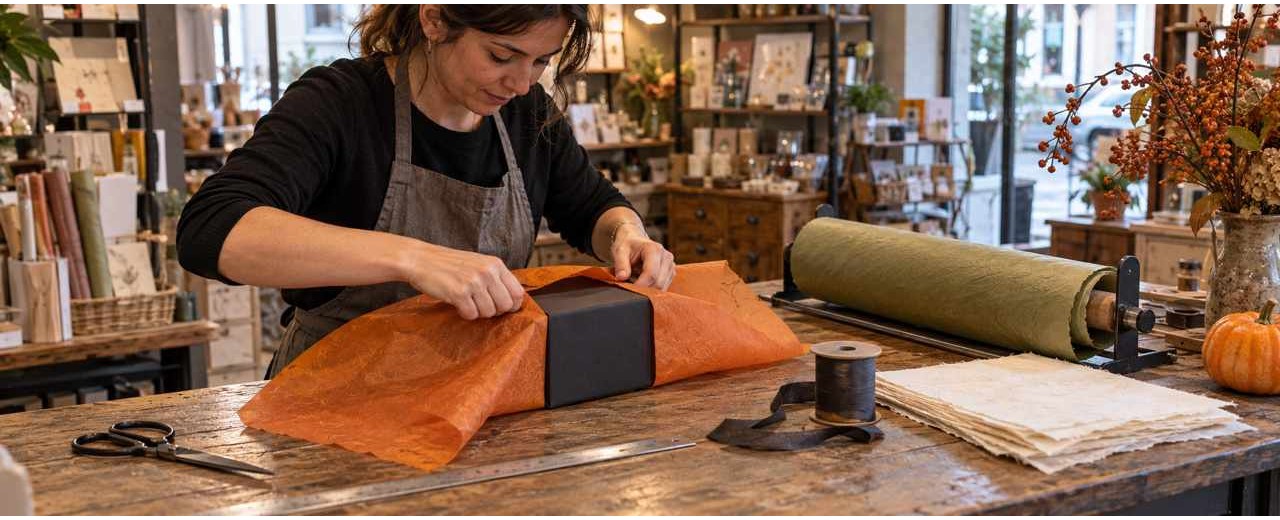
In a professional package, rice paper is not chosen only for the color. The shape and size of the product, the number...
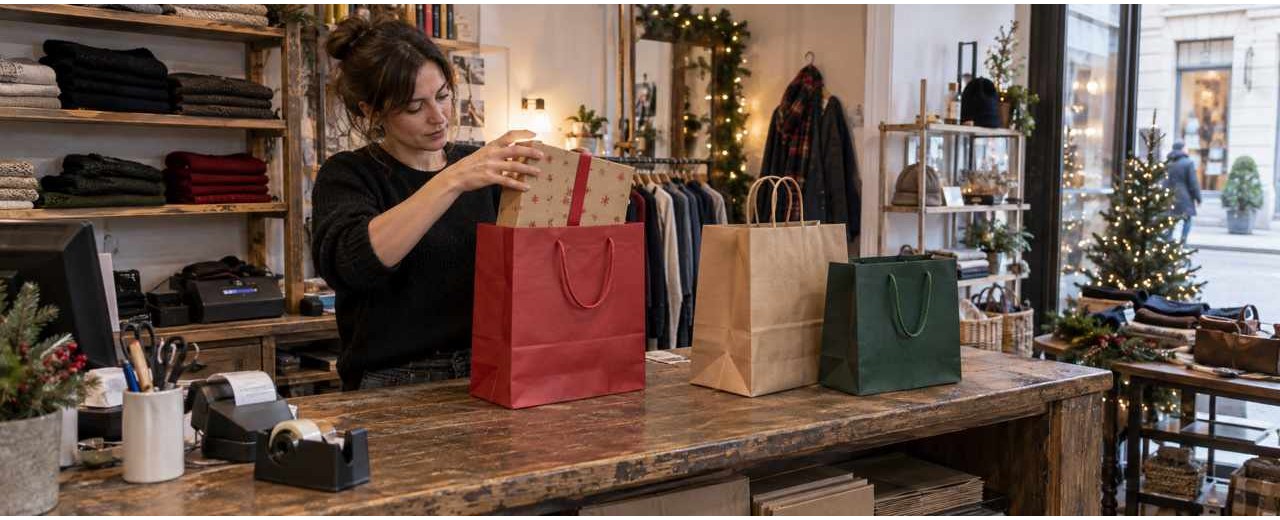
The shopper you deliver at Christmas must do two simple things: contain the already packaged product well and...
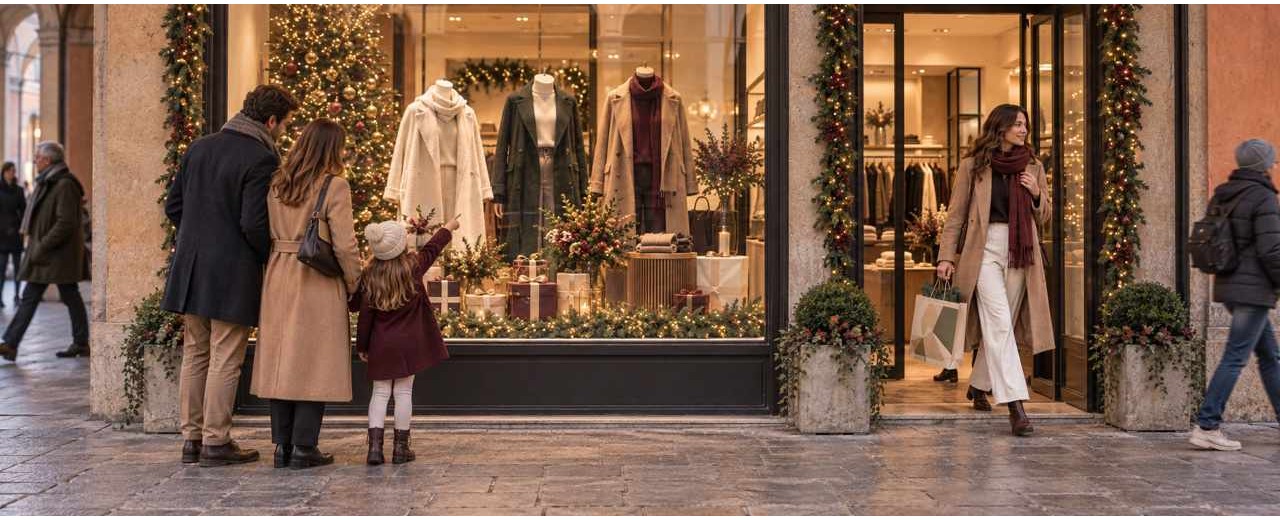
Christmas in the store doesn't start in December. An effective display case and coordinated packaging require...
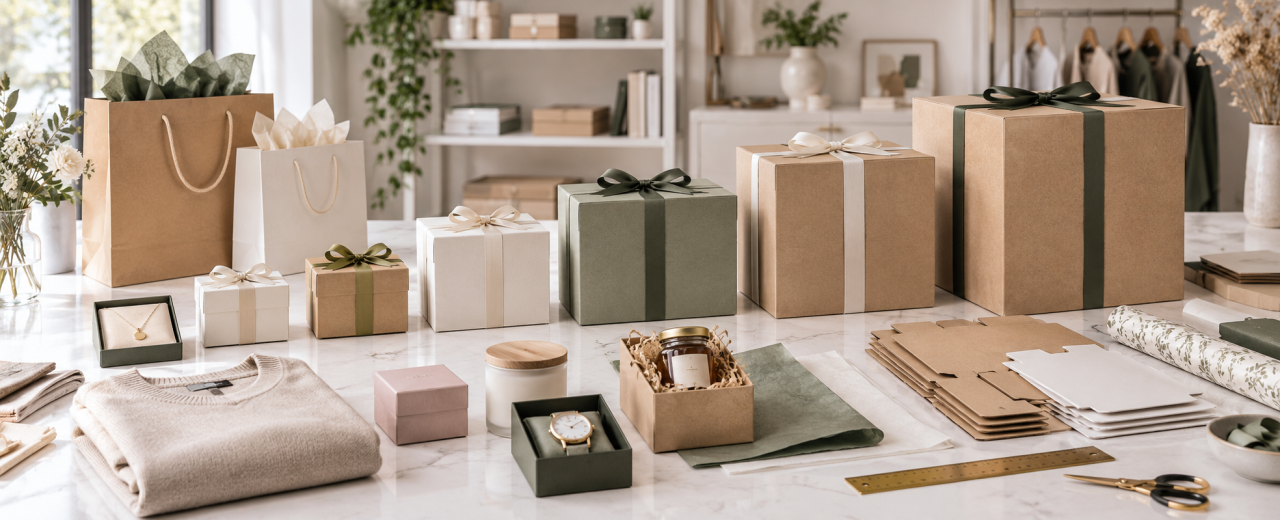
Choosing the sizes of gift boxes means finding a few formats capable of covering the greatest number of products.A...
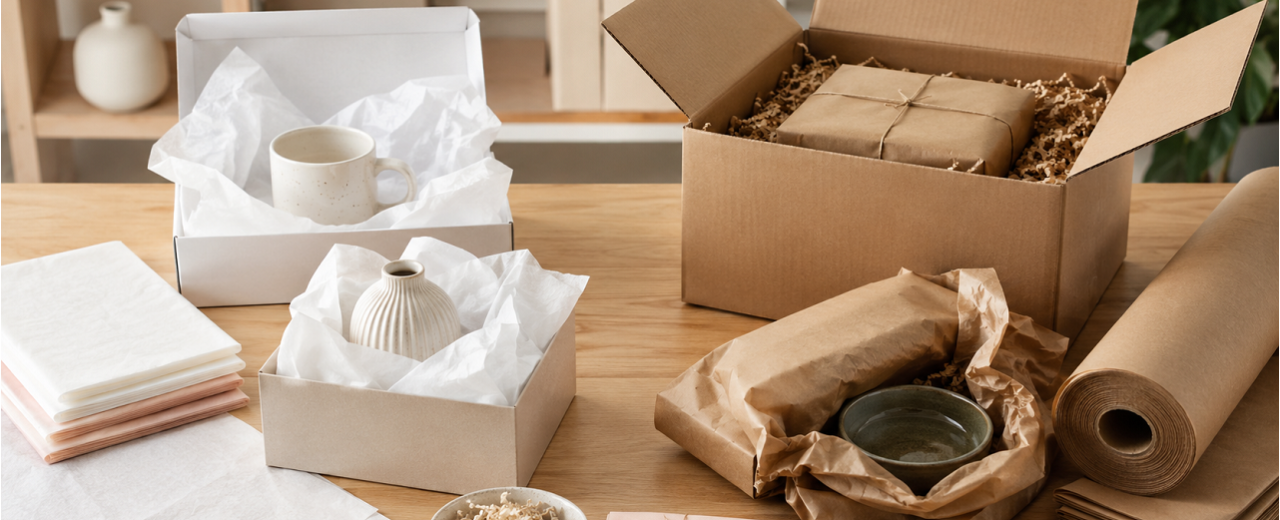
Tissue paper and wrapping paper for shipping have different functions and should not be confused. The tissue protects...
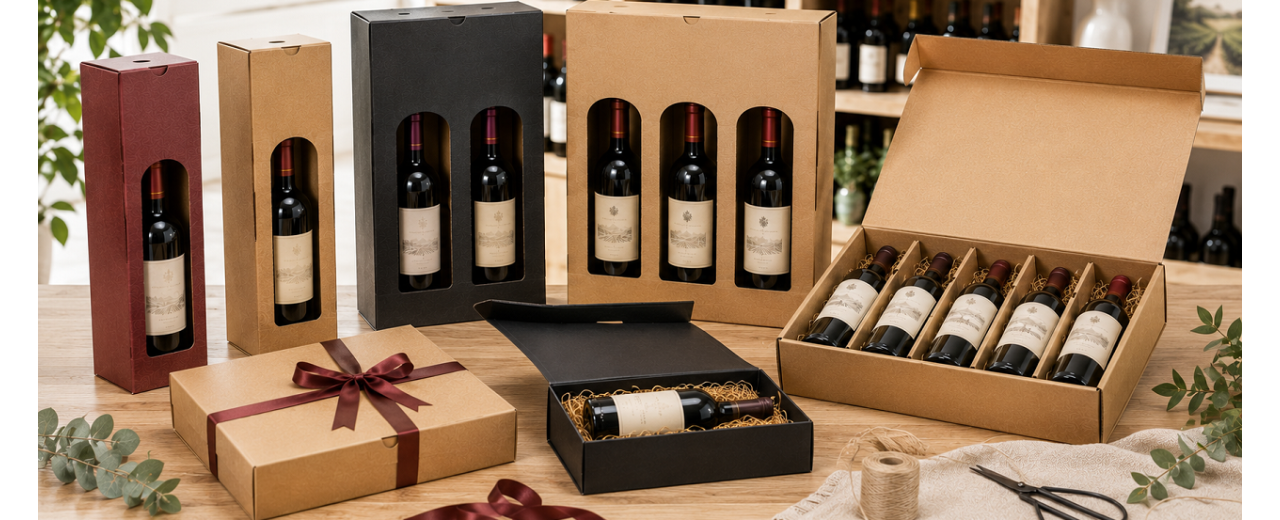
Wine boxes of 1, 2, 3 or 6 bottles help wine shops and wineries manage sales, gifts and delivery. Each format...
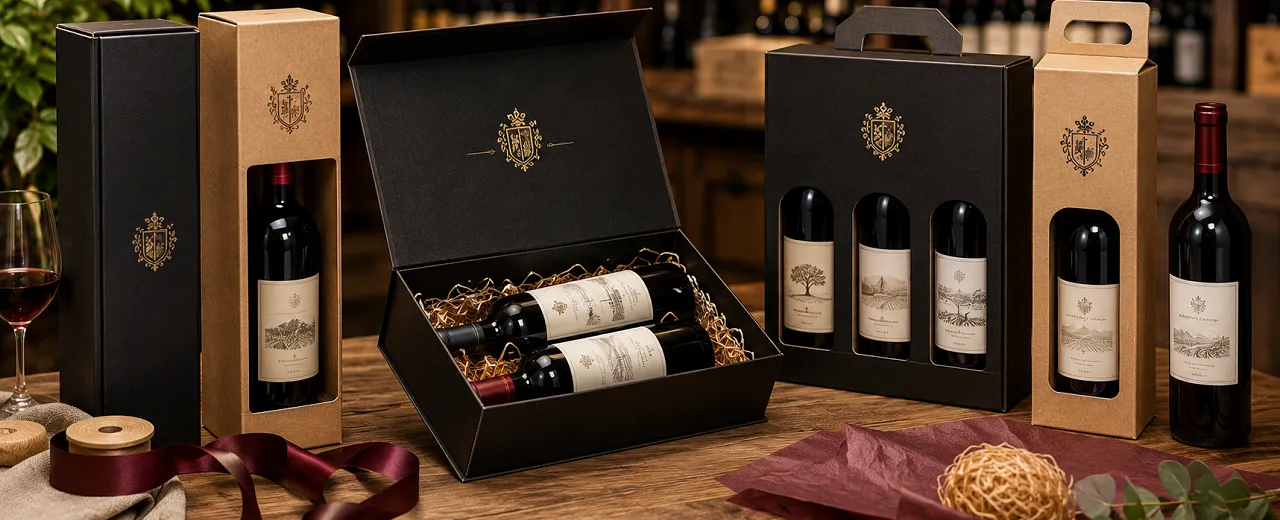
Personalised wine boxes enhance bottles, gift selections and corporate gifts. Logo, format and quantity must be...
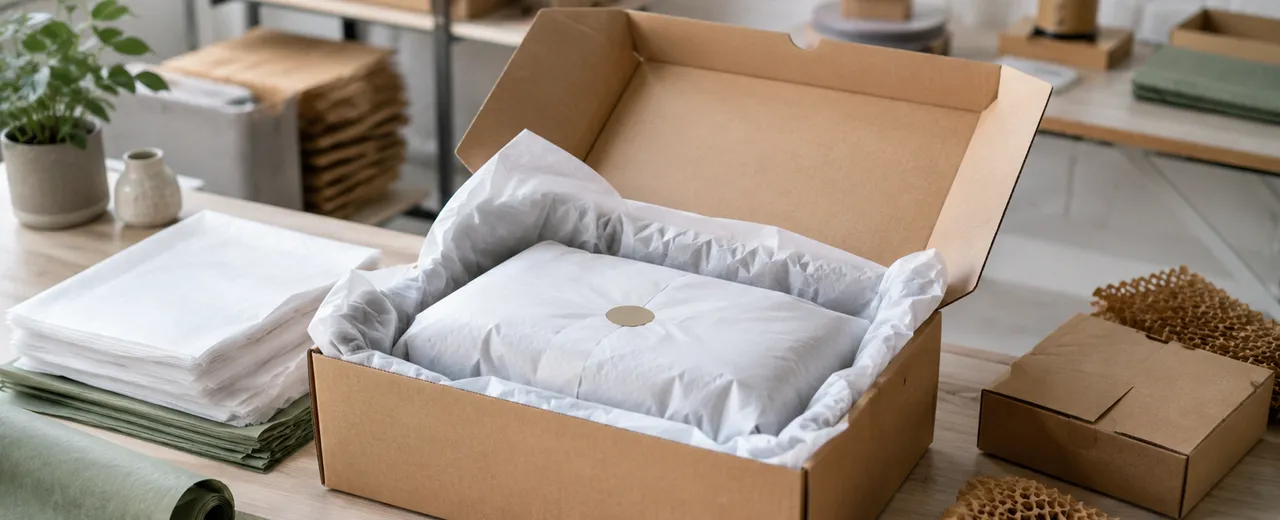
Tissue paper helps e-commerce businesses to superficially protect products and better present them inside the...
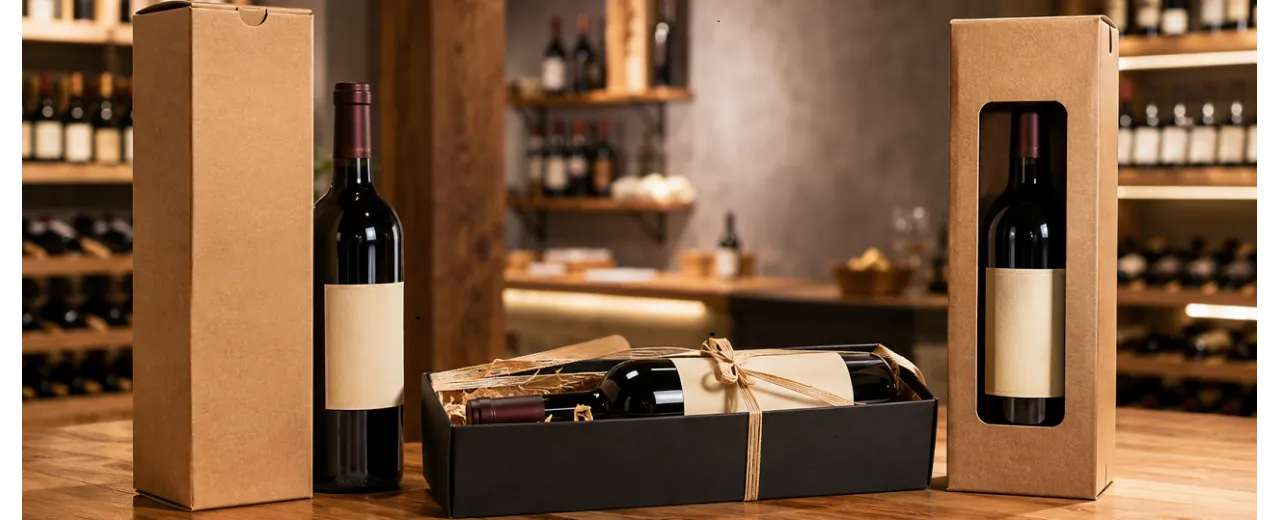
Wine boxes help wine shops and wineries to enhance bottles, gift selections and company packaging.Choosing between...
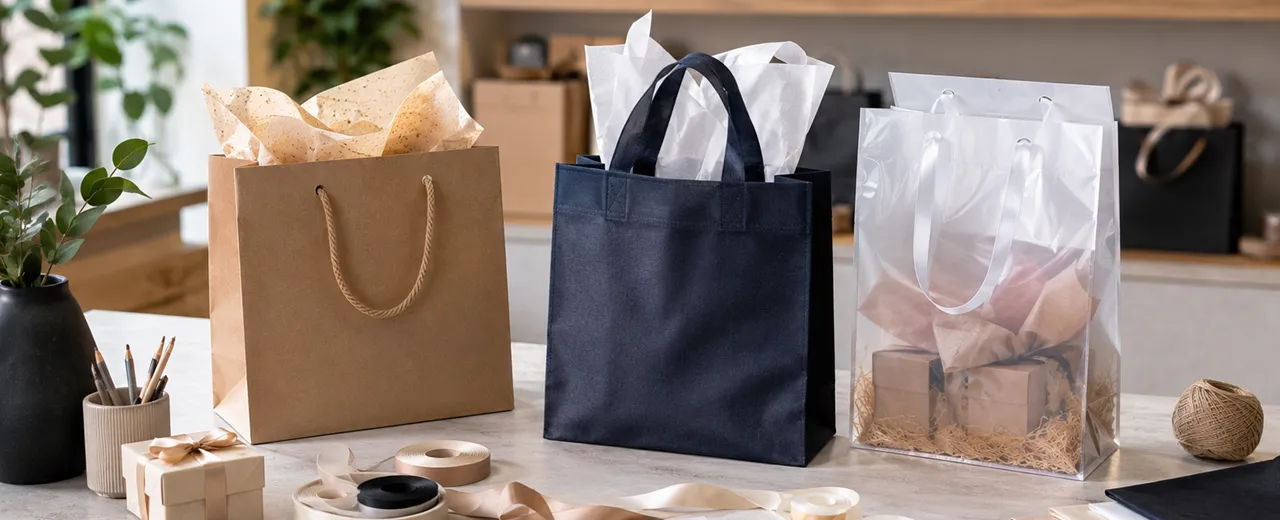
Gift bags are professional packaging tools that help the store to better present products, speed up service and offer the customer a ready-made, well-finished solution consistent with the image of the store. The choice of material, however, should not be random. Paper, non-woven fabric and polypropylene meet different needs.
If the goal is to speed up the service without losing care, see how to wrap better without slowing down the checkout counter.
Paper gift bags are versatile, tidy and suitable for many retail contexts: boutiques, stationery shops, perfumeries, concept stores, gift items and shops looking for simple but pleasant packaging. Non-woven gift bags offer a softer and more structured feel, useful for more refined packaging, fashion accessories, beauty, favors and small premium items. Polypropylene gift bags, on the other hand, are practical when product visibility, brilliance, lightness and protection are needed, especially for packaged items, sweets, gifts, favors and seasonal products.
The article guides the reader in choosing based on product, sector, moment of use and desired level of service. Combinations with tissue paper, package stickers, decorative ribbons, shopping bags and coordinated packaging are also considered. ChartaRè, Rossi Carta's B2B eCommerce, is presented as a reference for building a professional and consistent assortment.
In the daily work of a store, gift wrapping must solve a concrete problem: delivering the product quickly, neatly and consistently with the image of the business. There is not always time to make a package with paper, folds, ribbon and decorative closure. The product does not always have an easy shape to wrap. The customer has not always planned to buy a gift, but they often appreciate being able to leave the store with a ready-made package.
Gift bags for shops are used precisely for this: to simplify packaging without sacrificing care. They can be used at the checkout counter, during anniversaries, for small products, seasonal items, wedding favors, cosmetics, fashion accessories, packaged sweets, gifts, promotional products and many other sales situations.
The choice, however, should not stop at color or pattern. The material of the pouch affects the feel, strength, presentation, visibility of the contents and customer perception. This is why it is important to distinguish well between paper gift bags, non-woven gift bags and polypropylene gift bags.
There is no absolute best material. There is the material that best suits the product, the industry, the type of customer and the way the store works.
A gift bag is not a neutral element. Even when it seems simple, it communicates something. A natural paper envelope can convey sobriety, order and warmth. A non-woven bag can give a softer and more cared for feel. A polypropylene pouch can make the contents visible, add shine, and protect the product.
For a business, these differences are important because packaging is part of the service. The customer not only evaluates the product purchased, but also the way it is delivered. Consistent packaging can increase the perceived value of your purchase. A badly chosen package, on the other hand, can create a weak effect: an important product in a poor bag, a small item in a huge bag, an elegant product in a too random package, food well presented but placed in an unsuitable bag.
The first criterion must always be function. The bag must contain well, be practical to use, appropriate to the weight and volume of the product, easy to manage at the checkout counter and consistent with the type of purchase.
Only then does style arrive. Colour, finish, transparency, texture and decoration must support function, not replace it.
Before buying a line of gift bags for shops, it is worth asking yourself a few questions:
What kind of products should I pack most often? Are they small, soft, fragile, food-grade, light or bulky? Should the envelope hide the contents or show them? Does it need to be quick to close? Does it need to look elegant or practical? Will it be used every day or only for special occasions? Will the customer bring it directly by hand or will it be inserted in a shopping bag?
These questions allow you to avoid random assortments. A store doesn't need to have everything. They need to have the right solutions for their job.
Paper gift bags are often the most transversal choice. They work in many contexts because they are simple, recognizable and easy to integrate with other elements of the packaging. They can have an essential, natural, elegant, colorful, seasonal or decorative style.
They are suitable for boutiques, stationery shops, bookstores, perfumeries, herbalist's shops, concept stores, gift shops and businesses looking for neat and easily manageable packaging. Paper has an important advantage: it adapts to many visual languages. It can be sober for an elegant store, lively for a young store, natural for an artisan activity, decorated for anniversaries.
From an operational point of view, paper is useful because it allows you to work quickly. A well-proportioned envelope opens, fills and closes with a few gestures. It can be completed with tissue paper for packaging, a sticker, a tape or a tag. This combination option makes it particularly interesting for stores that want to build a more refined packaging without slowing down the work too much.
The card is indicated when the product needs to be presented in a clean and tidy way, but not necessarily visible. It is suitable when you want to cover the content, create a small surprise effect or maintain a consistent line with the point of sale.
For a boutique, a paper bag can be perfect for accessories, scarves, small garments, belts, bijoux and fashion products. For a perfumery it can contain soaps, creams, small perfumes or candles. For a stationery store or a concept store it can be used for notebooks, objects, small household items or gift products.
Paper is also suitable when the shop wants to work on a coordinated line. Combining envelopes, tissue, shopping bags and package seals allows you to build a recognizable image even with simple materials.
Paper isn't always the best answer. If the product is very heavy, fragile or requires special protection, the bag alone may not be enough. In that case, it is better to use an inner box, a more rigid support or a protective material.
Also, if the content needs to be seen, paper is not the ideal solution. For decorative items, packaged sweets, small seasonal products or ready-made wedding favors, a transparent or semi-transparent solution may be more useful.
However, paper remains the most balanced base material for many stores. It is often the first choice to be built in the assortment, before adding non-woven fabrics, polypropylene or more decorative materials.


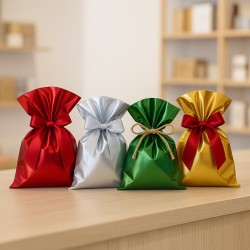
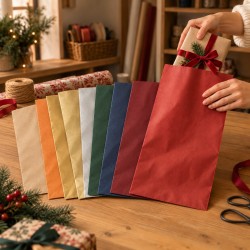
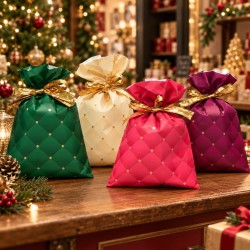
Non-woven gift bags have a different function. Non-woven fabric offers a softer, more structured feel than many lightweight pouches. It is a material that can communicate greater care, especially for small gift items, accessories, beauty products, favors and packaging that must look more refined.
TNT is interesting when the packaging must not only be fast, but also pleasant to the touch. It has a more "textile" presence and can be perceived as more elegant or more reusable than a very simple sachet. This is why it can work well in sectors where retail matters: beauty, fashion, ceremonies, gifts, gift items.
TNT is suitable when the product is small or medio, not too heavy, and needs a soft, pleasant and more neat packaging. It can be used for bijoux, cosmetics, perfumers, soaps, candles, accessories, small favors, handicrafts and premium items.
For boutique gift bags, nonwoven can be a good solution for accessories and small fashion products. For a perfumery or beauty store it can enhance kits, samples, soaps or body products. For a wedding favor shop, non-woven wedding favor gift bags can be a practical and decorative solution, especially when combined with tags, ribbons, or small details.
TNT is also useful when the store wants to differentiate gift wrapping from ordinary wrapping. For example: paper for everyday purchases, non-woven fabric for gifts, more decorative materials for special occasions.
A non-woven envelope can increase the perception of care because it adds texture. The customer feels a difference. The material is not as rigid as paper, it is not glossy as polypropylene, but it has a softness that can work well for delicate products or for more intimate-looking packaging.
This does not mean that TNT should be used all the time. If the product is very simple or if the store works on large volumes at basso cost, it may be excessive. If, on the other hand, the goal is to give the customer a more pleasant package without switching to a rigid box or very elaborate packaging, TNT can be an effective choice.
Non-woven fabric is not the most suitable material when you want to show the product clearly. It's also not always the tidiest solution for items with edges, irregular shapes, or packaging that requires precise construction. In those cases, it can deform or not enhance the content enough.
It should also be chosen carefully based on the positioning of the store. In some contexts it communicates care; in others, it may seem less consistent than paper or a cleaner, more streamlined envelope.
Polypropylene gift bags meet an even different need. They are useful when the contents need to be visible, when a brighter finish is needed or when the packaging needs to slightly protect the product while keeping it recognizable.
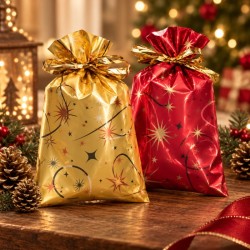
Polypropylene can be transparent, glossy, metallized or decorated. For this reason, it is often used in contexts where the immediate visual aspect is important: packaged sweets, seasonal products, small gift items, objects, favors, gadgets, promotional products and items ready for sale.
Polypropylene is indicated when seeing the product helps to sell or enhance it. If a pastry shop packages cookies, chocolates or sweets that are already protected, a transparent bag can immediately show the contents. If a deli prepares small gift products, a visible solution can make the proposal more immediate. If a wedding favor store wants to show sugared almonds, colors and details, transparency can be an advantage.
However, gift bags for pastry shops and gift bags for delicatessens must be chosen carefully. The gift bag does not replace primary food packaging when this is necessary. It serves as an external presentation layer for products that are already suitably packaged. In this sense, polypropylene can be very useful, but it must be included in the correct system.
For gift shops, polypropylene can work when the product has a decorative appearance and needs to remain visible. For events, promotions, and seasonality, glossy or metallic solutions can add impact.
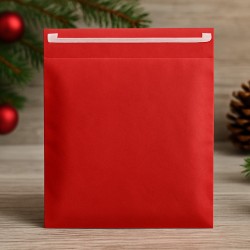
In the world of polypropylene and lightweight bags, gift bags with adhesive and gift bags with flaps are also very useful. They are practical solutions when you need a fast, clean and repeatable closure.
For the checkout counter, the flap or adhesive reduces time. The staff inserts the product, closes and delivers. No tape, scissors or additional steps are required. This is especially useful for small products, promotional items, wedding favors, light packaging, stationery, accessories and pre-packaged products.
Packaging stickers can further complete the packaging, especially when you want to give a graphic sign or a more refined touch without resorting to tape.
Polypropylene is not always the most elegant choice. In a very natural, crafted, or premium setting, a glossy or transparent envelope may not be consistent. Also, if the product has to be hidden to create a gift effect, transparency can be a limitation.
It is therefore a very useful material, but it should be chosen when visibility or practicality are really an advantage. It should not be used just because it is convenient, if it does not dialogue with the product and the image of the store.
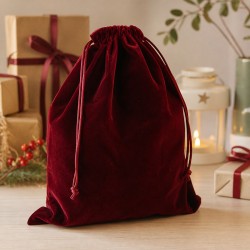
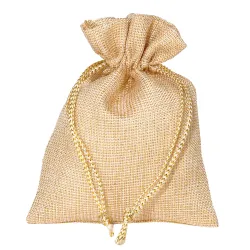
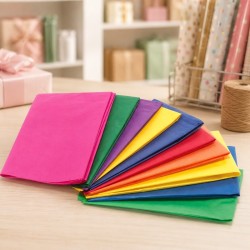
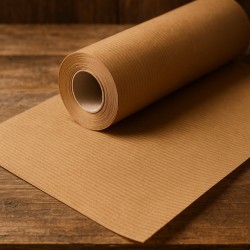
To choose between paper, non-woven fabric and polypropylene, it is useful to think by type of activity. Each sector has a different relationship with the customer, with the product and with the time of delivery.
For a boutique, the packaging must support the style of the store. Paper gift bags are often the most balanced base: neat, versatile, suitable for accessories and small garments. TNT can be used for more refined items, bijoux, scarves, perfumers or special packaging. Polypropylene, on the other hand, should be used more carefully, because it does not always communicate the same elegance.
For boutique gift bags, color consistency is important. It is better to choose a few recognizable colors, which can be combined with tissue, ribbons and shoppers, rather than buying very different materials. Simple but consistent packaging is often more effective than rich but messy packaging.
In beauty, the customer expects care, cleanliness and pleasantness. Paper and non-woven fabric are often the most suitable solutions. Paper works for neat packaging, non-woven fabric for softer products or gift kits. Polypropylene can be useful when the product needs to be visible, for example in small sets, samples, seasonal items or ready-made packaging.
Here the support of tissue paper for packaging is very useful. A well-chosen tissue protects, covers and increases the feeling of care without making the packaging complicated.
In the wedding favor sector, the envelope or bag has a highly decorative role. Non-woven fabric and polypropylene can be very useful because they allow you to work on color, lightness, transparency and closure. The card remains valid when a neater or more sober solution is needed.
Gift bags for wedding favors must be chosen according to the occasion: wedding, baptism, communion, confirmation, graduation, anniversary. They change color, format, closure and decorative level. Ribbons, tags and package tags become part of the presentation.
For pastry shops and delicatessens, practicality is key. Envelopes should be easy to use, clean in presentation and consistent with products that have already been packaged. Polypropylene is often useful when the contents must remain visible: biscuits, packaged sweets, preserves, chocolate, small gastronomic products. The paper can be suitable for a more sober presentation or for already protected gift packaging. TNT can be used for special products, gift boxes or more refined packaging.
Gift bags for delicatessens and gift bags for pastry shops must always respect the nature of the product. If the contents require protection, stability or specific food suitability, the outer gift bag is not enough: you need the correct primary packaging, then possibly a gift box.
Concept stores often have very different products: candles, books, small objects, perfumers, textiles, accessories, food products, stationery, seasonal items. In these cases, it is worthwhile to build a mixed assortment.
Card for most purchases. TNT for more polished items. Polypropylene for products that need to be visible. Bags with sticker or flap for small items to be packed quickly. The goal is never to find yourself without the right solution in front of the customer.
The gift bag works best when it is part of a system. On its own, it can solve many situations, but if it is combined with other elements, it becomes more effective.
Tissue paper for packaging is one of the most useful combinations. It can be inserted inside the bag to cover the product, protect it slightly or give volume. It is particularly effective with paper bags and shopping bags, but can also accompany more structured packaging.
For boutiques, perfumeries and concept stores, tissue paper allows you to transform a simple bag into a more refined packaging. There's no need to overdo it: often a well-arranged sheet of paper is enough to improve the presentation.
Packaging stickers are practical because they close, decorate and make the package tidier. They can be used with paper, flap bags, lightweight envelopes and small packages. They are especially useful when the store wants to maintain speed at the checkout counter but add a recognizable detail.
Decorative ribbons are suitable when packaging needs to become more important. However, they do not have to be used all the time. On a plain envelope, a small ribbon can make you stand out. On an already heavily decorated package, it can become excessive.
The tape should be chosen according to the material of the bag. Paper and non-woven fabric lend themselves better to a soft and elegant combination. Polypropylene, especially if glossy or transparent, requires more attention to avoid an overly heavy effect.
The paper shopping bag is used when the product needs to be transported more comfortably or when the store wants to maintain a more solid external presentation. In many cases, the gift bag can contain the product and the shopper can accompany the customer out of the store.
This is especially useful for boutiques, perfumeries, gift shops, and businesses that want to give a neater impression even after purchase.
A store should not choose just one material for all situations. The most efficient solution is to build a balanced assortment.
A possible basis can be this:
This logic allows us to work better because each material has a role. Staff don't have to improvise. He knows which bag to use for a small accessory, which for a more refined gift, which for a packaged food product and which for a quick solution at the checkout counter.
A well-constructed assortment reduces waste, errors, and unnecessary purchases. It also helps maintain consistency. The customer recognizes the way the store packages, because materials and colors do not change randomly.
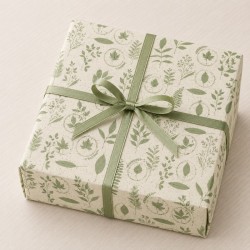
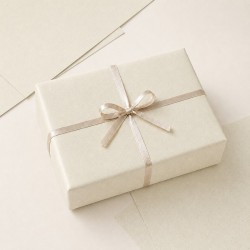
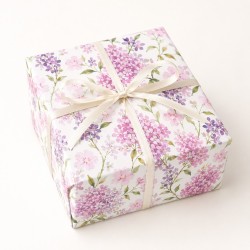


ChartaRè is Rossi Carta Srl's B2B eCommerce dedicated to professional packaging, gift wrapping, packaging and shipping materials. For stores, retailers, brands and businesses, choosing the right gift bags means having a consistent, practical assortment suitable for everyday use.
Through ChartaRè it is possible to think not only about the single bag, but about a broader system of coordinated packaging for stores: envelopes, bags, tissue paper, shoppers, boxes, tapes, package seals and complementary materials.
The choice between paper, non-woven fabric and polypropylene should not be approached as an abstract preference. It must start from the real work of the store. A boutique has different needs than a delicatessen. A perfumery does not package like a shop of favors. A concept store needs more flexibility. A busy checkout counter needs fast and orderly solutions.
The advantage of a one-stop shop is precisely this: being able to build a complete assortment, not buying disconnected materials. Because good packaging does not come from a single product, but from the balance between function, material, format and style.
Choosing between paper, non-woven or polypropylene gift bags means deciding how to present the product, how to work at the checkout counter and what experience to offer to the customer. The card is versatile, neat and suitable for many stores. The non-woven fabric adds softness and care. Polypropylene offers visibility, brilliance and practicality.
The best choice depends on the product, the industry and the desired level of packaging. A shop that works well does not choose by chance: it builds a small system of materials, sizes and combinations.



When the envelope is right, delivery becomes easier for the store and more pleasant for the customer. And the packaging stops being a final detail: it becomes part of the service.