A Practical Guide to Creative Packaging
1. Introduction to Creative Packaging
Packaging is much more than just a wrapper to protect a product: it is a very powerful communication and branding tool. In an increasingly competitive world, creative packaging has become a key resource for differentiating oneself and winning the customer's attention. Not only must it be functional, but it must also be able to tell a story, convey the values of the brand and arouse a positive emotion.
When a customer receives a package or stands in front of a shelf full of products, packaging becomes the first physical contact with the brand, immediately influencing the perception of the product and the purchase decision. A thoughtful and original design can transform an ordinary object into something desirable and memorable. It is an opportunity to bring out the brand identity and offer a sensory experience that goes beyond the product itself.
Creativity in packaging can manifest itself in many ways: from innovative graphic design to the choice of sustainable materials, to the integration of interactive technologies such as QR codes or augmented reality. The goal is to surprise and engage customers, making the moment of opening the package a real experience that not only meets expectations, but exceeds them.
In summary, creative packaging is not just an accessory, but a strategic component of the customer experience. A smart investment that can strengthen the bond with the brand, build customer loyalty and stimulate word of mouth, transforming each product into a brand ambassador.
2. The Importance of First Impact: Packaging as a Business Card
The first impact is fundamental, and packaging is often the business card of the product and the brand. Before a customer even tries the product, their judgment begins from the moment they see and touch it. Well-designed packaging immediately catches the eye and communicates professionalism, quality and care. It's like a visual and tactile business card that presents your company in the most effective way possible.
A striking design that reflects the brand identity can make the difference between a product that goes unnoticed and one that stands out from the crowd. This is especially important in a saturated market, where consumers are exposed to hundreds of similar options. Through packaging, you can create an emotional connection with the customer, stimulate curiosity, and entice them to learn more about what you have to offer.
When designing your packaging, it's essential to consider not only the aesthetics, but also the message you want to convey. Colors, materials, graphics, and even typography should be consistent with your brand values. For example, minimalist packaging can convey elegance and modernity, while a more colorful and playful one can suggest creativity and fun. Every detail must be thought out to tell the right story to the customer.
In addition, packaging can become a viral marketing tool. In an era dominated by social media, many consumers love to share the experience of opening a well-made package. A striking and original design can turn into a free promotion opportunity, with customers sharing images and videos of your product on their social profiles, generating visibility and interest.
In short, packaging is not only a means of protecting the product, but a real communication tool. Taking care of every detail to make a good first impression can have a lasting impact on customer perception, facilitating the establishment of a relationship of trust and loyalty towards the brand.
3. Materials and Sustainability: Ethical and Innovative Choices
In an era where sustainability is at the heart of consumers' purchasing decisions, the choice of packaging materials plays a fundamental role. Customers are increasingly aware of the environmental impact of the products they buy, and sustainable packaging is not only an ethical choice, but also a competitive advantage. Offering environmentally friendly packaging can demonstrate your commitment to social responsibility and create a deeper connection with conscious consumers.
Recyclable and biodegradable materials are now a must-have for those who want to surprise their customers with innovative and at the same time planet-friendly packaging. Using recycled paper, cardboard, compostable materials or bioplastics can significantly reduce the ecological footprint of packaging. It's not just about using materials that can be recycled, but also about minimizing waste, avoiding the use of unnecessary packaging and optimizing the design to ensure maximum efficiency.
Another aspect to consider is the durability of the packaging. Customers appreciate packaging that can be reused or given a second life. For example, packaging designed to be reused as a container or storage box adds tangible value to the purchase, improving the overall experience and reducing the need for disposable materials.
But sustainability doesn't have to sacrifice aesthetics. Innovation and design can go hand in hand with sustainability. Thanks to modern technologies, it is possible to create eco-friendly packaging that is also visually appealing and does not compromise the customer experience. For example, the use of water-based inks or the application of environmentally friendly printing techniques are options that can reduce the environmental impact while maintaining high packaging quality.
Eco-friendly packaging not only strengthens brand reputation, but can also positively influence sales, as customers are willing to pay more for products that demonstrate a clear commitment to sustainability. This choice can also become a marketing topic, allowing you to openly communicate your efforts in terms of environmental responsibility, gaining the trust of an increasingly attentive audience.
So integrating sustainable materials into packaging design is not only a right choice for the planet, but it is also a way to strengthen brand identity and surprise customers with innovative and responsible choices. Choosing ethical materials and reducing the environmental impact of packaging demonstrates a concrete commitment that consumers will appreciate and remember for a long time.
4. Packaging Customization: Making Each Product Unique
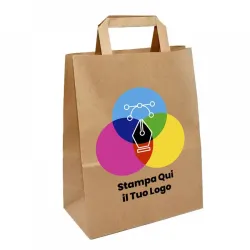
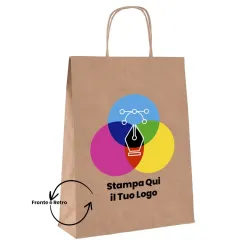
Packaging customization is an extremely effective way to create a unique bond with customers and make them feel special. In an increasingly crowded market, offering a personalized experience can be the factor that sets one product apart from all others. Customized packaging not only communicates the brand identity, but makes the customer perceive the product as something exclusive and tailor-made for him.
Today, advanced printing technologies and flexible production systems make packaging customization more accessible than ever. A classic example is printing the customer's name on the packaging, as seen in many global brand campaigns. This simple gesture can increase customer engagement and loyalty, because it conveys the idea that the product has been designed specifically for them.
Personalization isn't just limited to names or messages. It can include unique designs for special occasions, such as holidays, birthdays, or corporate events. For example, creating special packaging for Christmas or Valentine's Day can transform the simple act of buying a product into an emotional moment, in which packaging becomes an integral part of the festive experience. Themed packaging can elicit a sense of surprise and anticipation, making the product even more desirable.
Another important aspect of personalization is targeting market niches. If you know your audience well, you can tailor the packaging to their specific tastes and preferences. For example, for a sustainability-conscious audience, you can use messages that highlight the use of eco-friendly materials or include details that explain the ethical production process. For a younger audience, you could opt for colorful and modern designs that stand out for their dynamism and creativity.
In addition, packaging customization can improve the unboxing experience, which has become a real social trend. Many consumers share on social media the moments when they open packages of purchased products, especially if the packaging is aesthetically pleasing and striking. This can generate free advertising and user-generated content, increasing brand visibility organically.
Finally, packaging customization offers a unique opportunity to gather valuable feedback from customers. Attaching Personalized messages or inserting interactive elements, such as QR codes that redirect to surveys or special Sale, allows you to gain direct insights into customer satisfaction and how to further improve their experience.
Customizing packaging means going beyond simple packaging to transform the product into a unique and memorable experience. Not only does it strengthen brand identity, but it also creates an emotional connection with the customer, increasing loyalty and positive word-of-mouth. Investing in packaging customization is a winning strategy to stand out from the competition and surprise your customers in an unexpected and welcome way.
5. Functional and Aesthetic Packaging: Balance between Design and Practicality
Effective packaging must not only be aesthetically appealing, but also functional. The key to surprising customers is to find the right balance between visually appealing design and practicality that meets the needs of everyday use. The functionality of packaging can make a difference in the perception of the product, transforming an ordinary experience into a memorable and positive moment.
Functional packaging is one that facilitates the customer experience, making opening, use, and disposal of the product as easy as possible. For example, easy-to-open packages, which do not require tools or excessive force, improve the initial interaction with the product. Practicality is also essential for storage: packaging that closes or protects the product after opening becomes an added value for the customer, especially in the case of products that require multiple uses over time, such as food or cosmetics.
Another crucial aspect is transportation. The packaging must be resistant and ensure the protection of the product during shipping or transport. Solid materials and intelligent designs, which minimize product movement within the package, prevent damage and inconvenience, improving the shopping experience. At the same time, the packaging must be light and easy to manage for those who handle it, without creating inconvenience or unnecessary weight.
The aesthetics of the packaging remains a vital component. In addition to functionality, packaging must be able to communicate brand identity and attract attention. Colors, shapes, textures and graphic design play an important role in conveying the right message. For example, packaging with modern and minimalist features can reflect a brand that focuses on elegance and simplicity, while a bold and colorful design can suggest creativity and innovation.
Well-designed packaging should also stimulate the senses: textures that are pleasant to the touch, graphic elements that catch the eye or the use of innovative materials can make interaction with the product more engaging and memorable. Even small details, such as a magnetic closure or a transparent window that allows you to see the product inside, can create a rewarding experience for the customer.
The real challenge is to find the perfect balance between aesthetics and functionality. Packaging that is too elaborate can be difficult to use, while packaging that is too simple can seem characterless. The design should be eye-catching without compromising on practicality. This also applies to sustainability: today more than ever, customers are looking for environmentally friendly solutions that are also easy to dispose of or reuse. Integrating sustainability into packaging design without sacrificing functionality is a smart way to stand out from the competition.
The success of packaging lies in perfectly balancing aesthetic beauty with practical utility. Packaging that combines attractive design and ease of use not only improves the customer experience, but also helps to strengthen the brand image. Investing in solutions that meet both needs is the key to surprising and retaining customers, transforming a simple container into a strategic differentiator.
6. Innovative Technologies in Packaging
Packaging is no longer just a container, but is becoming an interactive channel that can enrich the customer experience thanks to new technologies. Integrating technology into packaging offers tremendous opportunities to improve functionality, customer communication, and product interaction. From augmented reality to QR codes to intelligent traceability systems, technological innovation is revolutionizing the way brands communicate through packaging.
One of the most exciting developments is the use of augmented reality (AR). Through AR, customers can interact with the packaging through their smartphones, receiving multimedia content, how-to videos or additional product information. For example, a customer who purchases a product can scan a label with their phone and view video tutorials on how to use the item, stories behind the production, or messages Personalized by the brand. Not only does this enrich the experience, but it also increases customer engagement, offering added value that goes beyond the purchase itself.
QR codes and NFC (Near Field Communication) codes are other popular technologies in modern packaging. These codes can be scanned to access digital content, special Sale, or loyalty programs. For example, a QR code can redirect the customer to a personalized web page with exclusive discounts or extra content, such as detailed instructions on how to use the product or certificates of authenticity. This form of interactivity transforms packaging into a dynamic marketing tool.
Artificial intelligence (AI) is also becoming increasingly important in the world of packaging. Through AI, it is possible to customize packaging intelligently, providing purchase suggestions based on previous customer behavior or monitoring preferences to offer an even more personalized shopping experience. Additionally, AI can be used to optimize the supply chain and reduce waste by tracking inventory and improving manufacturing processes to create more efficient and sustainable packaging.
Traceability is also making great strides in packaging thanks to the use of smart technologies such as digital barcodes or RFID tags. These tools make it possible to follow every stage of the product's life, from the warehouse to the final delivery, ensuring greater transparency and security for customers. In addition, they can be used to track product sustainability, providing detailed information on the provenance of raw materials, production processes, and CO₂ emissions related to the supply chain.
Finally, technology can also be integrated into packaging to improve sustainability. Innovative solutions such as smart inks that change color in response to temperature or time can help consumers understand when a product is about to expire or if it has been stored correctly. This not only increases the functionality of the packaging, but also reduces food waste and provides valuable service to customers.
Technological innovation is transforming packaging from a simple container to an interactive and intelligent tool. Integrating technologies such as augmented reality, QR codes, artificial intelligence, and traceability systems can improve the customer experience, strengthen the bond with the brand, and offer new ways to interact with the product. Investing in innovative technologies not only makes packaging more functional and sustainable, but opens up new opportunities to engage and surprise customers.
7. The Art of Detail: Elements That Make the Difference
The success of a packaging depends not only on the overall appearance or functionality, but also on the details that make the customer experience memorable. The art of detail is what can turn a simple package into something extraordinary. Adding small attentions and tricks in the design and presentation of the packaging can make a big difference, making the customer feel pampered and appreciated.
Textures and tactile materials are one of the most effective elements to enrich the sensory experience of packaging. Packaging with a silky, rough, or matte finish, or the use of unconventional materials, can give a premium feel and stand out immediately when touched. For example, the use of embossed paper or embossed can add depth and sophistication to the design, communicating care and attention to detail.
The use of specific colors and finishes can also make the packaging more appealing. Details such as metallic inserts, gold plating or selective gloss paints on certain parts of the packaging can attract the customer's eye and make the product feel luxurious and of high quality. The choice of colors is not accidental: warm colors can arouse positive and welcoming emotions, while colder tones can convey professionalism and elegance. Including these details in your packaging can increase visual appeal and create a more immersive experience.
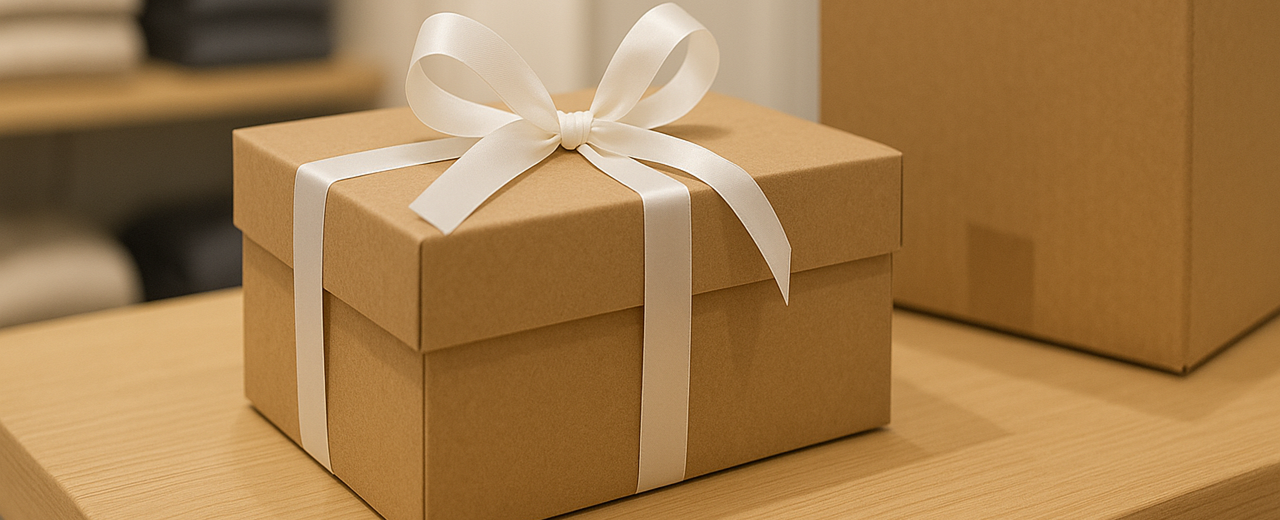
Another detail that can make the difference is the use of custom tapes, labels and closures. These elements add a touch of sophistication and can transform opening the package into an emotional experience. Imagine packaging closed with a colored ribbon or a natural jute string that makes the product even more attractive and regal. Labels can also play a crucial role: a handwritten message, a personalized thank you note, or a stylish seal can convey a sense of authenticity and care.
Another way to stand out is to incorporate interactive elements. For example, adding a small surprise item inside the package, such as a discount coupon, an inspirational message, or a small gadget, can positively surprise the customer. Not only do these details create an emotional connection, but they also encourage word-of-mouth, as the customer is more inclined to share the experience on social media or with friends and family.
Perfume, an often overlooked element, can also make a difference. Some companies add subtle fragrances to packaging to create a multi-sensory connection with the customer. A delicate scent that is released when the package is opened can add another layer of experience, making the moment even more special. Imagine receiving a package scented with lavender or citrus – this small detail can leave a positive imprint on the customer's mind.
The internal organization of the packaging is another key detail. It's not just the exterior that matters: the care with which the product is presented inside affects the overall impression of the customer. Well-organized spaces, protections made of precious material or elegant separators can make the product more valuable and enhanced.
Details really make a difference when it comes to creative packaging. Textures, colors, custom closures, interactive elements, and even scents can drastically improve the customer experience, making packaging not just a wrapper, but an integral part of the product itself. Investing in small details means showing the customer that every aspect has been carefully thought out, strengthening the bond with the brand and increasing the likelihood that the product will be remembered and shared.
8. Case Study: Examples of Successful Creative Packaging
The art of creative packaging has already won over many successful companies, which have turned simple packaging into powerful marketing and branding tools. By analyzing some examples of innovative packaging, we can draw inspiration on how to capture the customer's attention, create a memorable experience and strengthen the bond with the brand.
8.1. Apple: Elegant Minimalism
An iconic example of creative packaging is Apple's. The packaging of Apple products is known for its minimalist design, but with attention to the smallest details. Every element, from the clean, white box to the way the product is embedded, is designed to provide a unique unboxing experience. The attention to internal organization and ease of opening makes the first contact with the product fluid and stress-free. This approach reflects the brand's values: simplicity, elegance and advanced technology. The packaging thus becomes an extension of Apple's identity, which conveys the feeling of buying not only a product, but a quality experience.
8.2. Coca-Cola: Mass Customization
The "Share a Coke" campaign is one of the most famous examples of how packaging personalization can generate a great impact on the public. In this campaign, Coca-Cola replaced the logo on the bottles with the most common names of customers, inviting them to search for and share the bottle with their name or that of friends and family. This simple change created an emotional connection with consumers, making the product personalized and prompting people to share it on social media. The campaign generated millions of shares and a significant increase in sales, demonstrating the power of personalization in packaging.
8.3. Lush: Sustainable Packaging and Zero Waste
Lush, a brand known for its handmade cosmetics, has pushed the concept of sustainability beyond the limits of traditional packaging. Many of their products are sold without packaging, minimizing the use of materials and promoting a "zero waste" approach. When packaging is needed, Lush uses recyclable, compostable or reusable materials, such as aluminium cans or recycled paper. This choice not only reflects the values of the brand, but also attracts a clientele sensitive to environmental issues. The commitment to sustainability is clearly communicated through every aspect of the packaging, reinforcing Lush's reputation as a leader in the eco-friendly sector.
8.4. Innocent Drinks: Direct and Playful Communication
Innocent Drinks, a famous brand of juices and smoothies, has made its packaging a tool for direct and playful communication with customers. Innocent product labels are characterized by simple, humorous and genuine messages, reflecting the cheerful and informal spirit of the brand. For example, phrases such as "Made with real fruit. And love." This personal and friendly tone helped to create an emotional connection with consumers, differentiating Innocent from competitors and making interaction with the product fun and memorable.
8.5. Tiffany & Co.: The Power of Iconic Color
One of the most recognizable examples of successful packaging is the very famous "Tiffany Blue Box". Tiffany & Co.'s signature light blue color has become a symbol of luxury, sophistication and exclusivity. Each piece of jewelry sold by the brand is presented in a Tiffany Blue color box, wrapped with a white ribbon, creating an extraordinary shopping experience with great emotional impact. The box has become so iconic that it is almost as much desired as the jewel itself. This example demonstrates how the use of a single design detail, such as color, can become a central element of brand identity and reinforce the perceived value of the product.
8.6. Pringles: Functionality and Iconic Design
Pringles' packaging is another success story that combines functionality and creative design. The cylindrical package has been designed to protect the chips during transport and to allow an orderly arrangement inside, preventing them from breaking. This innovative design has also created a unique brand identity, making the Pringles instantly recognizable on supermarket shelves. The iconic shape of the packaging has become an integral part of the success of the product and has shown that functional packaging can also become a distinctive element of the brand.
These creative packaging examples demonstrate how well-thought-out and innovative design can make a significant difference in a product's success. Whether it's personalisation, sustainability, or an iconic aesthetic, packaging plays a crucial role in capturing attention, communicating brand values and creating a lasting connection with customers. Investing in packaging design is not just about protecting the product, but about creating an experience that consumers will remember and share.
9. In Summary: How to Turn Packaging into a Differentiator
In a competitive market, where consumers are exposed to hundreds of products every day, packaging represents one of the few opportunities to make a memorable first impression. Transforming packaging from a simple protective wrapper to a strategic differentiator requires a conscious and creative approach. It is an opportunity to show the customer that your brand is attentive to details, aesthetics, functionality and, above all, to their desires.
Well-designed packaging should not only protect the product, but also tell a story, engage the senses and communicate brand values. From the attractive design to the sustainability of the materials, from the customization to the use of the most advanced technologies, every packaging choice can influence the customer experience and contribute to the creation of an emotional bond.
9.1. Telling a Story Through Packaging
Packaging is the perfect vehicle to convey your brand story. It can tell the origin of the materials, the sustainable production process or the philosophy behind the product. The narrative does not have to be long or complex: even a simple detail, such as a handwritten note or a small message on the label, can communicate the value of craftsmanship and the attention dedicated to each individual customer.
9.2. Engaging the Senses
The power of packaging goes beyond sight. Well-designed packaging can involve all the senses: touch with particular textures, smell with delicate fragrances that are released when the package is opened, hearing with pleasant sounds when the packaging opens or closes. This type of multi-sensory experience creates a more lasting memory of the product and brand, offering a deep interaction that goes beyond just buying.
9.3. Sustainability as a Key to Differentiation
In an increasingly environmentally conscious world, sustainability has become a crucial factor in the choice of packaging. Using recycled, recyclable, or compostable materials not only helps reduce your environmental impact, but also communicates to the customer that your brand is committed to protecting the planet. In addition, sustainable packaging is often appreciated and rewarded by consumers, who prefer to buy from companies with ethical and responsible values.
9.4. Personalization to Build Customer Loyalty
Custom packaging is a powerful weapon to build customer loyalty and make them feel valued. From the printing of their name to the packaging designed for special events, a personalized touch makes each customer the protagonist and conveys the idea that the product has been designed exclusively for them. Personalization can create a sense of exclusivity and belonging, fostering a stronger bond with the brand.
9.5. Technological Innovation to Surprise
Integrating technology into packaging can open up new avenues to surprise and engage customers. Augmented reality, QR codes and artificial intelligence can transform packaging into an interactive tool that adds value to the shopping experience. These tools can provide additional information, access to special Sale or multimedia content, increasing customer engagement and improving brand perception.
Ultimately
Transforming packaging into a differentiator is not just an aesthetic choice, but a strategy that can strengthen brand identity and increase the perceived value of the product. Every aspect of packaging – from the materials used to design details, from sustainability to interactivity – can help create a unique and unforgettable experience for the customer. Well-thought-out packaging can surprise, excite and build loyalty, transforming a simple purchase into a moment of deep connection with the brand.
Investing in creative packaging will not only help you stand out from the competition, but it will offer your customers a more complete experience, which goes beyond the product and strengthens your presence in the market. Innovative, sustainable and personalized packaging is the key to differentiating yourself and remaining etched in the memory of your customers, making them come back to you not only for the product, but for the entire experience you have been able to offer.