Food packaging must protect the product, speed up service and enhance every sale.Pastry shops, delicatessens and wine...
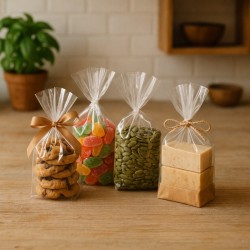
Transparent Cellophane Bags with Square Bottom Various Sizes€8.42
 ChartaRè, il Packaging Online di RossiCarta


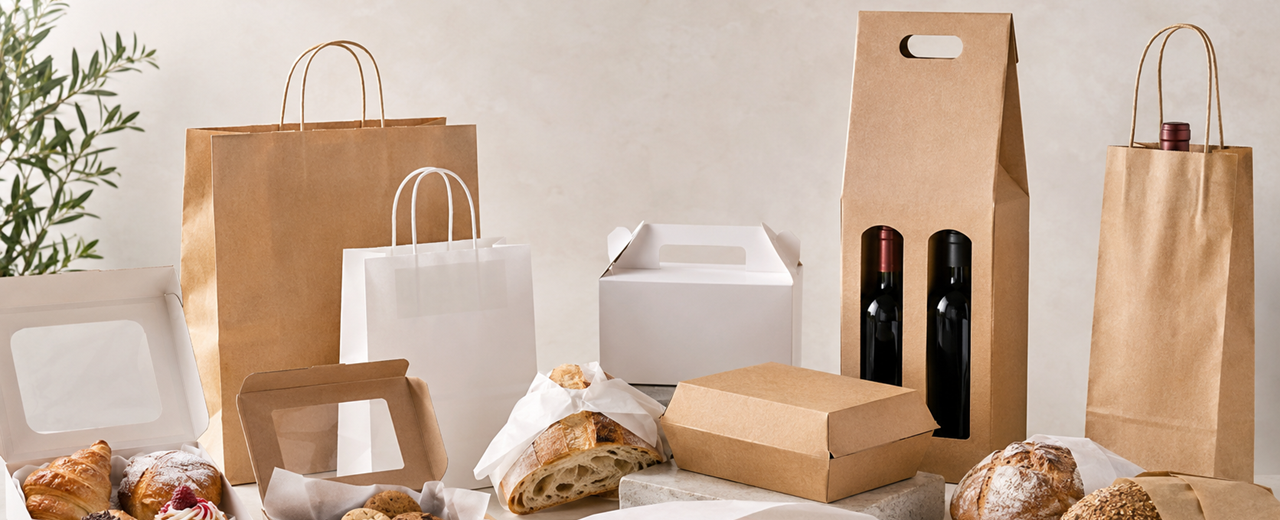
Food packaging must protect the product, speed up service and enhance every sale.Pastry shops, delicatessens and wine...
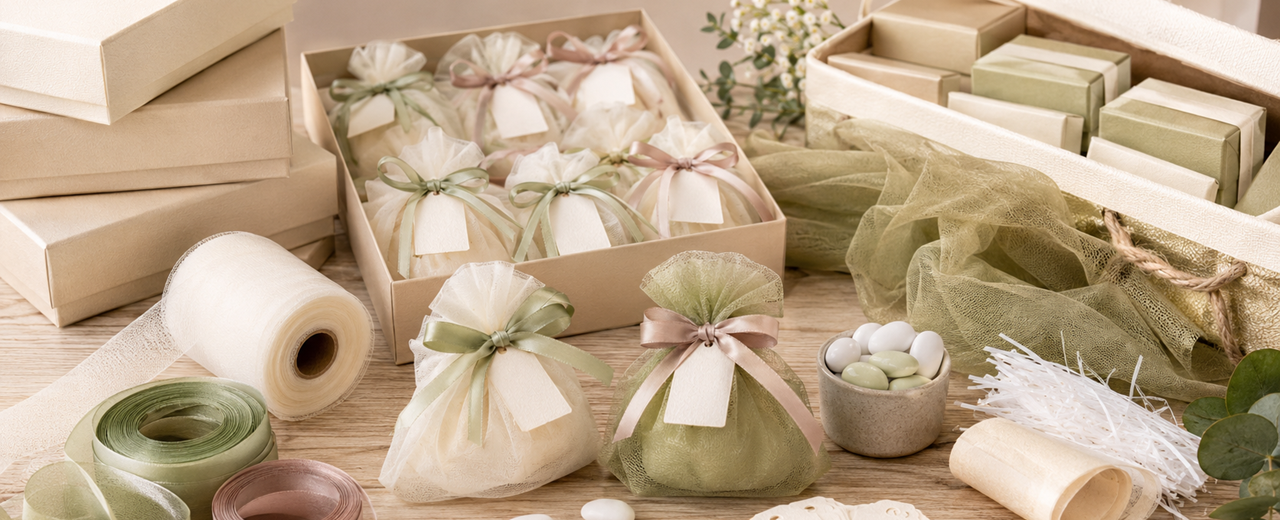
Packaging for wedding favors requires proportionate containers, coordinated materials and procedures that are easy to...
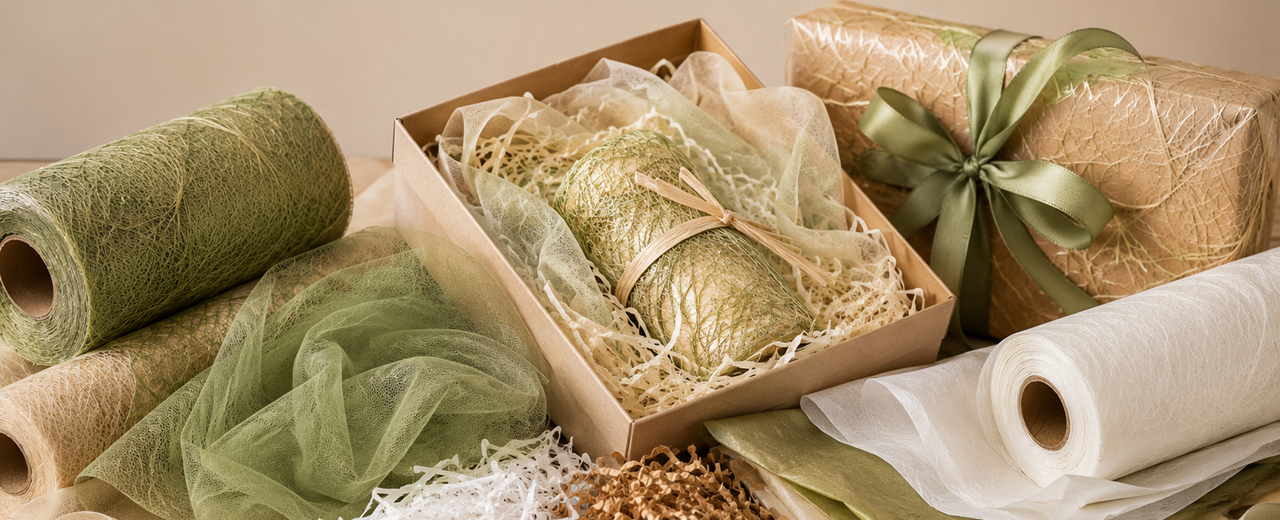
Grass paper, tulle, shavings and tissue paper perform different functions in professional packaging.The correct...
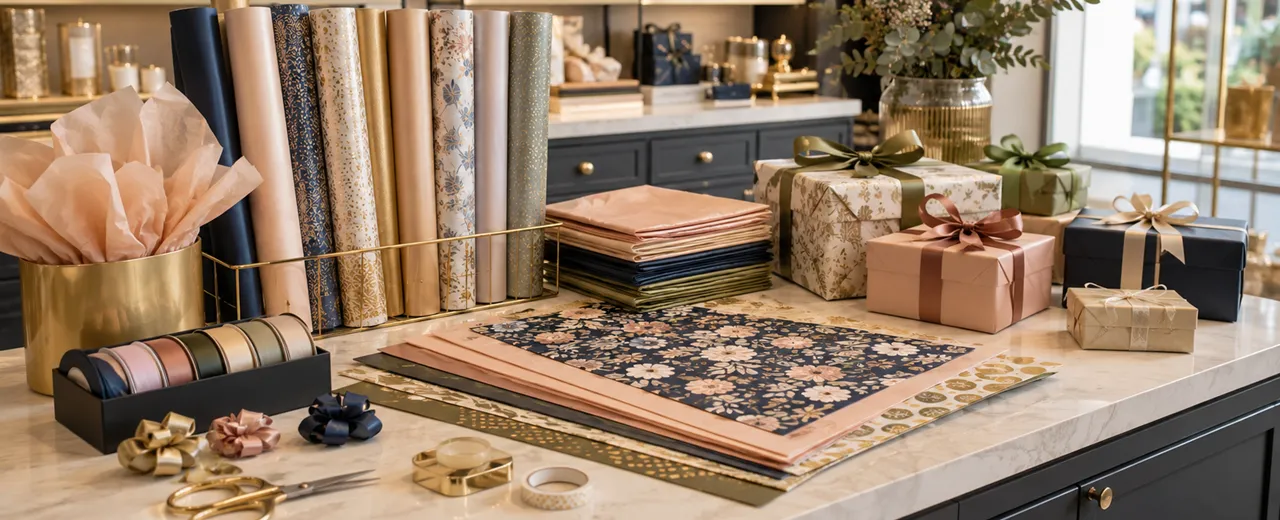
Choosing the right wrapping paper is a practical and commercial decision for every store that packs products at the...
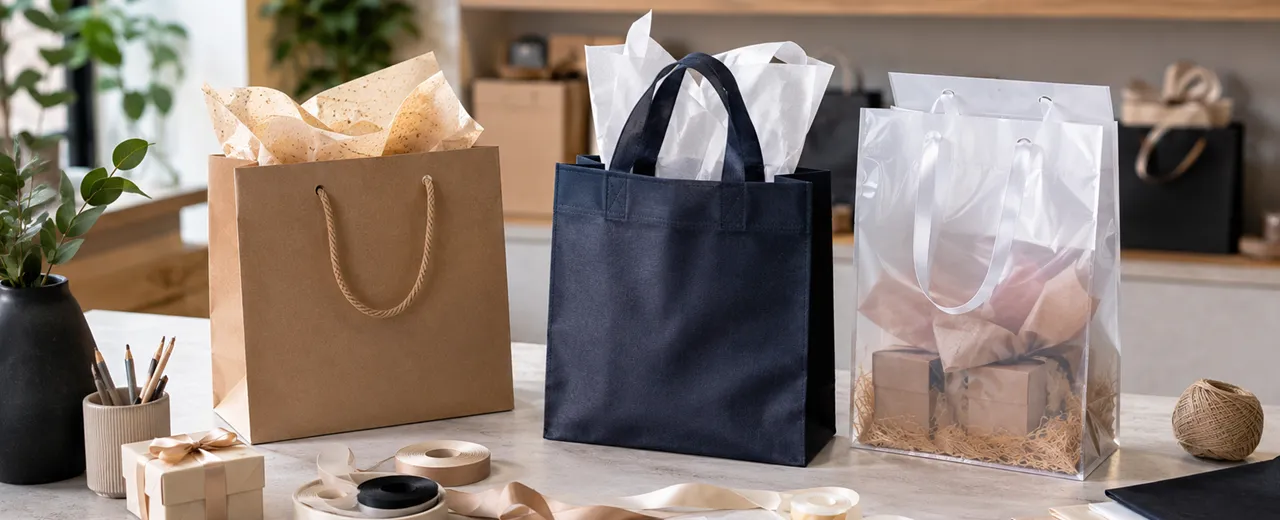
Choosing between paper, non-woven or polypropylene gift bags is not just a matter of aesthetics. For a shop,...
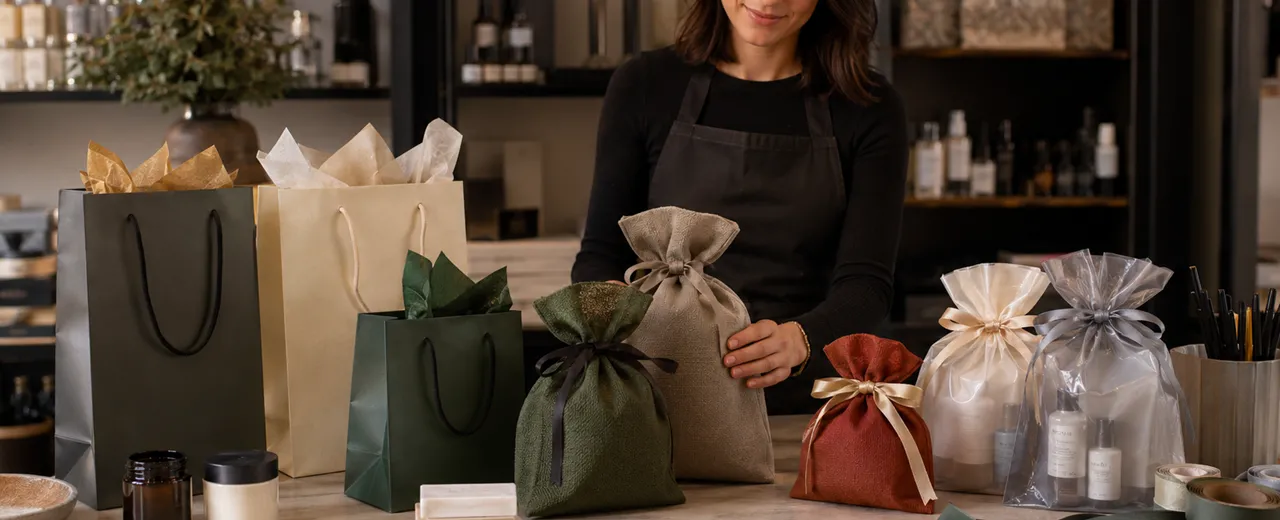
Choosing the right gift bags means making the moment of delivery to the customer easier, faster and more...
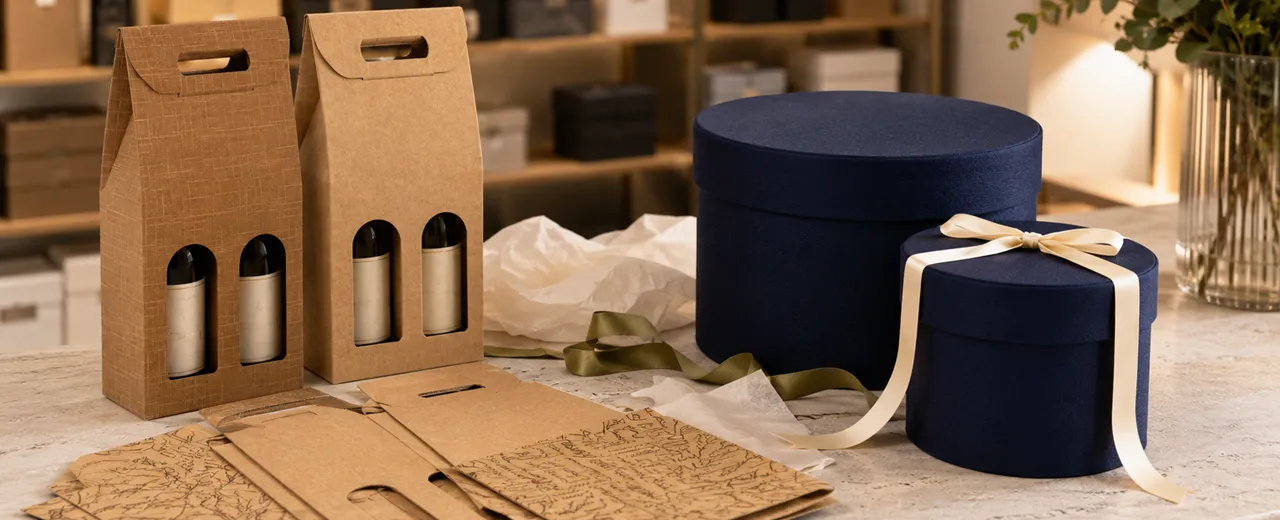
Choosing the right box means finding the balance between protection, practicality and perceived value. Folding...
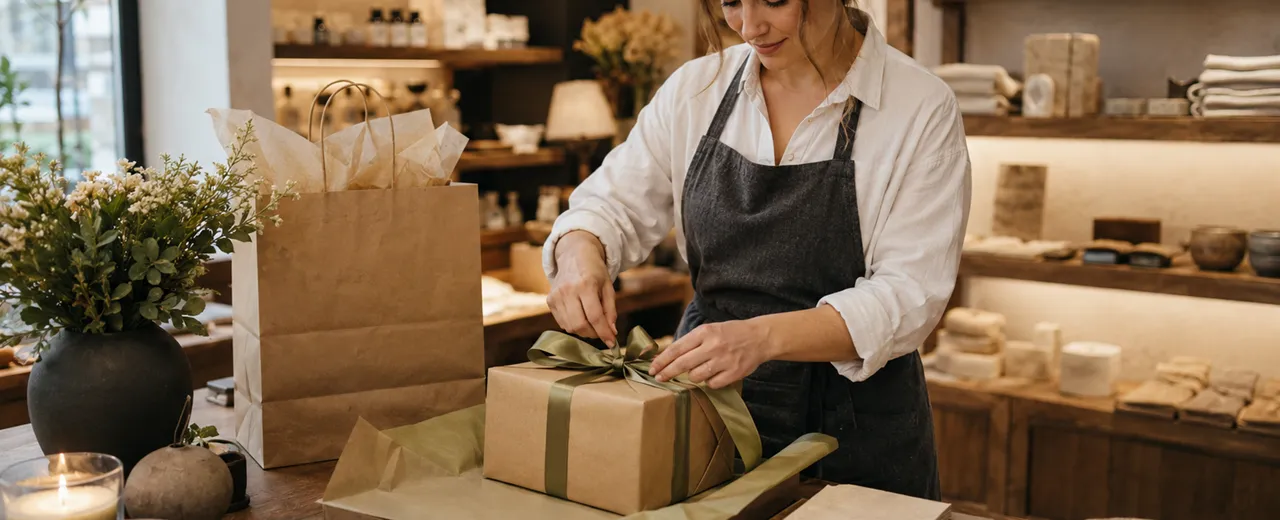
Wrapping well means transforming the delivery of a product into a gesture of care, attention and trust. A well-kept...
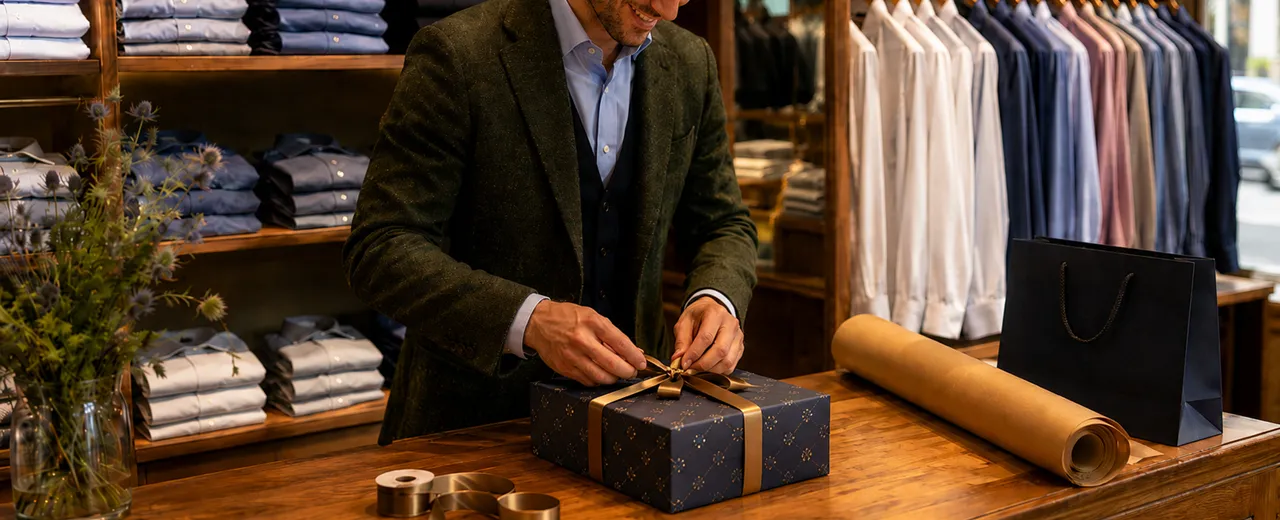
Packaging for small shops must enhance every purchase without slowing down the counter and checkout.Wrapping better...

A journey into the value of wrapping, starting from the care of Japanese retailers to get to the professional...

There are different ways of delivering a purchase. You can put a product in any bag, close the sale and immediately move on to the next customer. Or you can devote some extra attention: choose a suitable paper, fold neatly, add a tissue, close with a ribbon, put everything in a proportioned shopper. In the first case, the product is simply contained. In the second it is enhanced.
For a shop, boutique, perfumery, stationery, wine shop, deli or concept store, this difference is very important. The customer does not judge only what he buys. He also judges the way he receives it. A careful packaging communicates attention, professionalism and respect for the purchase. An anonymous envelope, especially if it is made of plastic, often communicates haste, standardization, lack of care.
The gift box is not just a more beautiful package. It is a commercial gesture. It tells the customer that the product has value. He says the store took the time to make his choice. He says that purchase deserves to be presented well.
In a market where many sales experiences are fast, impersonal, and easily replaceable, wrapping up can become a concrete way to get a choice. Because the customer trusts what he perceives as curated. And well-made packaging is one of the most immediate forms of visible care.
Plastic can be practical. It can be fast. It can solve an immediate transportation need. But he can hardly tell anything significant about the value of the purchase. A plastic bag contains, but rarely enhances. It is functional, often anonymous, not very memorable.
The gift package, on the other hand, communicates. Even when it's simple, it conveys an intention. A tastefully chosen paper, a clean fold, a neat closure and a suitable shopping bag turn the moment of delivery into a part of the shopping experience.
The customer does not always analyze the packaging rationally, but perceives it. Note if a package is made with care. Note whether the paper is thin or strong. Note if the ribbon is matched. Notice if the shopper holds the weight of the product well. Notice if the package seems to have been prepared quickly or carefully.
These signals build trust. You don't need big statements: the care of the packaging speaks for itself. A neat gift box suggests that the product has also been chosen, handled and delivered with seriousness.
Conversely, poor or messy packaging can weaken the perception of value. Even a good product is likely to seem less important if it is delivered carelessly. For this reason, gift wrapping paper for shops, paper shopping bags, tissue paper for packaging, decorative tapes and packaging stickers are not just accessories. They are tools through which the store communicates its level of attention.
A well-made package doesn't just say "here's your purchase". It says something more: "we have prepared this product for you". It's a silent promise of quality and reliability.
This promise is especially strong in small independent shops. Where large chains often focus on speed, flows and standardization, the store can stand out with a more personal gesture. Wrapping then becomes a way of affirming a difference: here the customer is not just a number, and the product is not treated as any object.



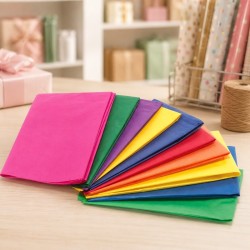
Trust also comes from the details. A customer trusts when they perceive consistency between what they have bought, the price they have paid and the way the product is delivered to them. If the packaging is up to the purchase, the experience feels more complete. If, on the other hand, the packaging is weak, random or inconsistent, a small dissonance can arise.
Wrapping well means reducing this distance. It means helping the customer feel that they have made a good choice.
In contemporary commerce we are used to considering time as a cost. Less time at the checkout, fewer steps, less preparation. But not all time is the same. Lost time is a cost. Time perceived as attention is value.
When a shopkeeper wraps a purchase carefully, they are dedicating time to the customer. Not much, necessarily. Even a few well-organized gestures can be enough. But that time is seen, heard, recognized. The customer perceives that someone has treated their purchase with respect.
For this reason, professional gift packaging should not be thought of as a superfluous addition, but as a part of the service. A gift box, colored tissue paper, gift wrapping tape or adhesive wrapping can turn an ordinary step into a moment of relationship.
When the purchased product is intended to be given as a gift, packaging takes on even greater value. The customer does not buy just one item. It also buys the chance to present it well to another person.
A well-kept gift package solves a practical problem and, at the same time, increases the pleasure of delivery. The customer can leave the store with a ready-made, elegant, tidy product, suitable for the occasion. This convenience is remembered.
A perfumery that packs well, a stationery shop that prepares well-kept packages, a boutique that uses tissue and coordinated shopping bags, a wine shop that enhances a bottle with a suitable box: all these activities are adding value to the purchase. They are not just selling a product, but a more complete experience.
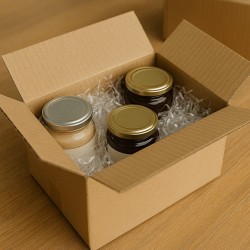
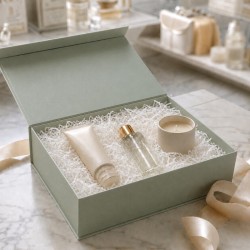
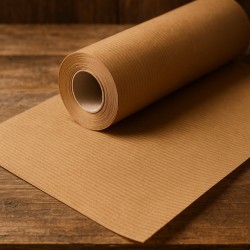




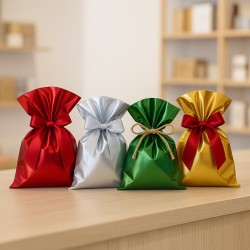
To be chosen once, you just need to have the right product at the right time. To be chosen again, you have to leave a memory. Packaging contributes in a concrete way to building this memory.
A beautiful package can be carried around, photographed, shown, delivered to another person. An elegant shopper can leave the store and become visible on the street. A well-made box can be stored. A particular card can stick with you. A recognizable ribbon can become a small visual signature.
The sale does not end at the checkout. It continues when the customer takes away the purchase. Continue when you get home. Continue when opening the package. Continue when handing over the gift to someone else.
In all these moments, the packaging represents the store. A matching shopping bag, a ready-to-use gift box, a stylish gift wrapper, a wrapping tissue, a matching wrapper sticker or a customisable decorative ribbon can also strengthen the identity of the business outside the store.
This is especially important for independent stores. The large chains have strong brands, widespread presence, advertising budgets and immediate recognition. The small shop often has to work on other levels: relationship, service, selection, competence, care. Packaging is one of these plans.
Every store should have a small packaging signature. Not necessarily something expensive or complex. It can be a simple but recognizable combination: a paper, a tissue, a shopper, a color, a sticker, a ribbon.
Recognizability comes from consistency. If each package is different, random, improvised, the customer does not build memory. If, on the other hand, the store maintains a clear style, the packaging becomes part of its identity.
A boutique can choose neutral tones, soft tissues and elegant shoppers. A stationery shop can work with patterned papers and colored ribbons. A gastronomy may prefer natural papers and sturdy packaging. A perfumery can focus on more refined details. A wine shop can enhance bottle boxes, resistant shopping bags and gift boxes suitable for the weight of the product.
The point is not to do everything the same as the others. The point is to choose a style and make it recognizable.

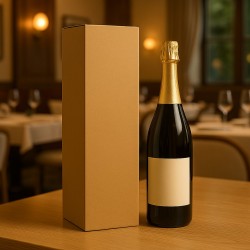
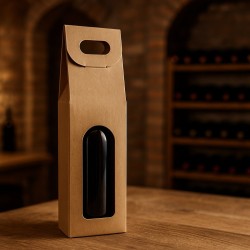
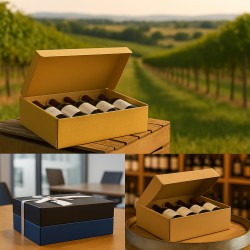
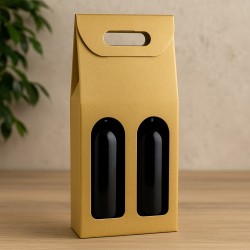
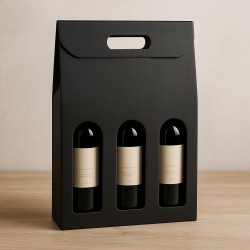
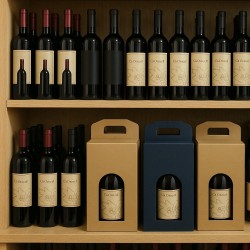
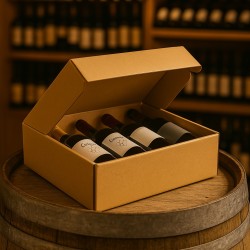
Many shopkeepers fear that wrapping up takes too long, especially at times of increased influx. It's a real concern. Packaging should not create confusion, slow down staff or complicate day-to-day management. It has to be beautiful, but also practical.
The solution is not to give up wrapping. The solution is to organize it.
Not all purchases require the same type of package. An effective system can include different levels of packaging.
The first level is essential: a tissue, a sticker, a proportioned shopper. It is quick, tidy, suitable for everyday purchases.
The second level is a gift: paper, ribbon, package closure, any card, more refined shopper. It is designed for those who buy a product to donate.
The third level is premium: box, matching tissue, most important paper, decorative ribbon, more refined details. It is suitable for higher value products or special occasions.
This organization allows the store to offer care without losing efficiency. Staff know what to use, when to use it, and how to achieve a consistent result.
A good packaging bench saves time. Papers already available, tidy tissues, boxes divided by size, shopping bags at hand, ready-made tapes, easily accessible stickers: these are small tricks that improve daily work.
The quality of the wrapping depends not only on manual skills, but also on organization. If the materials are chosen well and arranged in a functional way, the result becomes more consistent.
This makes it useful to work with rolls of gift wrapping, tissue paper sheets, ready-made gift boxes, paper shopping bags, packaging tapes, adhesive labels and gift bags designed for professional use. The packaging must be pleasant for the customer, but also simple for those who prepare it.
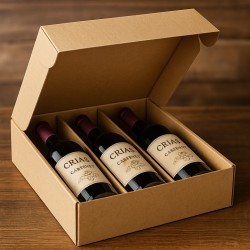



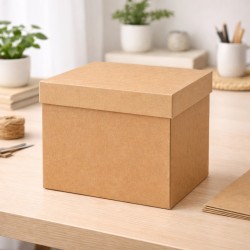
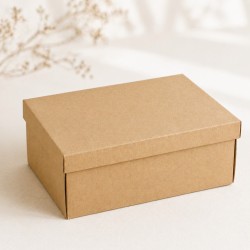


For a store, a brand or a company, wrapping well means building a system. It is not enough to buy a beautiful paper or a resistant shopping bag. It is necessary to choose materials that work together, that are consistent with the image of the business and that can be used continuously.
ChartaRè was created to simplify this choice. As Rossi Carta Srl's B2B eCommerce, we provide an assortment dedicated to professional packaging, gift wrapping, packaging and shipping materials. The goal is to help retailers, stores, brands and companies find well-finished, ready-to-use solutions suitable for the real needs of in-store sales, eCommerce and shipping.
A one-stop online shop makes it easier to build a consistent packaging system. The shopkeeper can combine gift paper and shopping bags, tissue paper and boxes, ribbons and stickers, gift bags and package seals, packaging and protective materials for shipping.
This reduces complexity and makes it easier to maintain a recognizable style. The packaging is not improvised every time, but becomes part of the identity of the store.
The customer trusts when he perceives care. He trusts when the product arrives intact. He trusts when the package is ordered. He trusts when he sees consistency between what he buys and the way it is delivered to him.
Plastic may contain. The gift package can tell. It can tell of attention, professionalism, taste, respect for the product and for the customer. It can make a simple purchase memorable. It can turn a sale into a more complete experience.
Wrapping to be chosen means just that: using packaging not as a final detail, but as a gesture of value. A gesture that the customer sees, appreciates and remembers.
Because a well-delivered purchase is not only more beautiful. It's more believable. And when a customer perceives credibility, it's easier for them to go back to the same store.





 Practical Guide: The Art of Window Dressing
 Artificial intelligence (AI) in the Physical Store.
 What is the Favor (Favour) and its History
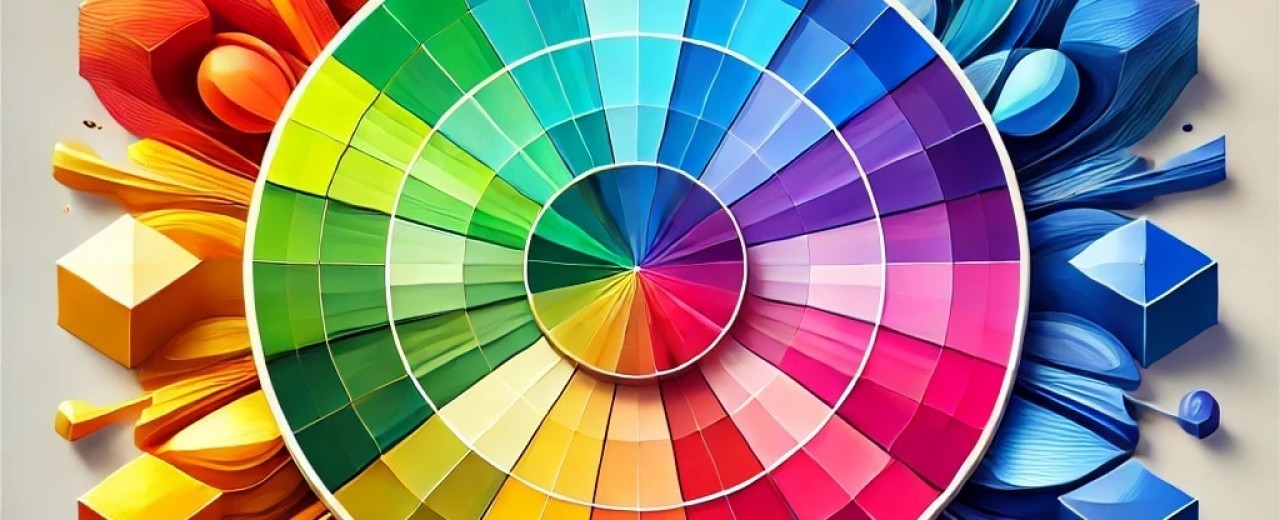 The Principle of Complementarity of Colors
 A Practical Guide to Creative Packaging
 The Importance of Good Customer Care: Physical and E-commerce