A gift box for a purchase at the counter and a gift with panettone and bottle do not require the same preparation....

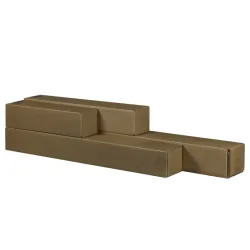
Havana Resistant Cardboard Self-Assembling Boxes€0.72
 ChartaRè, RossiCarta's Online Packaging Store



Tell us about yourself
Fill in the form and we will contact you to find the right solution together.
Latest posts
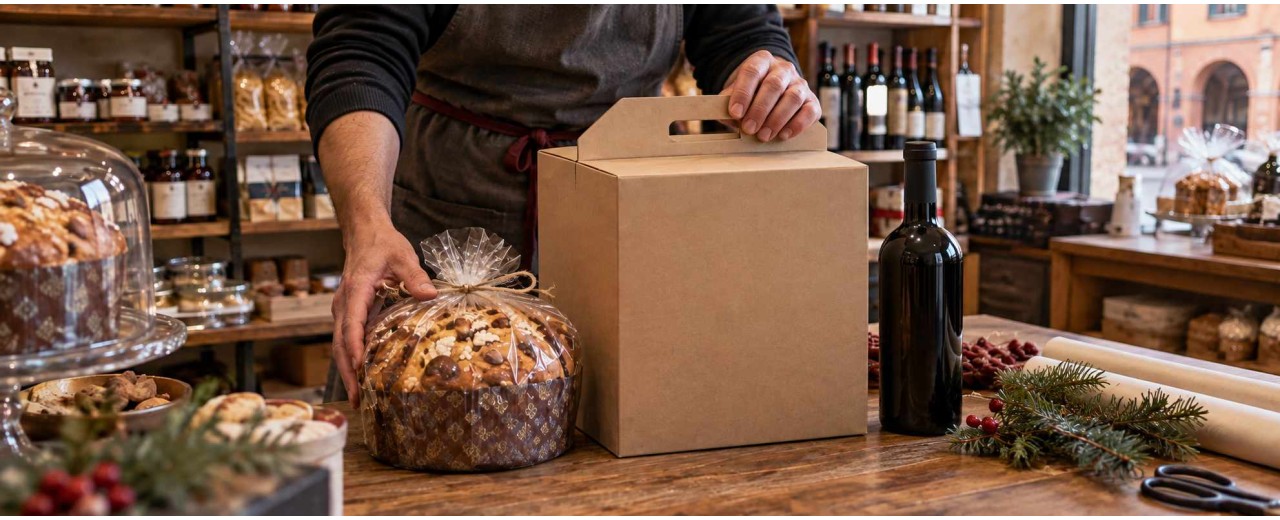
A gift box for a purchase at the counter and a gift with panettone and bottle do not require the same preparation....
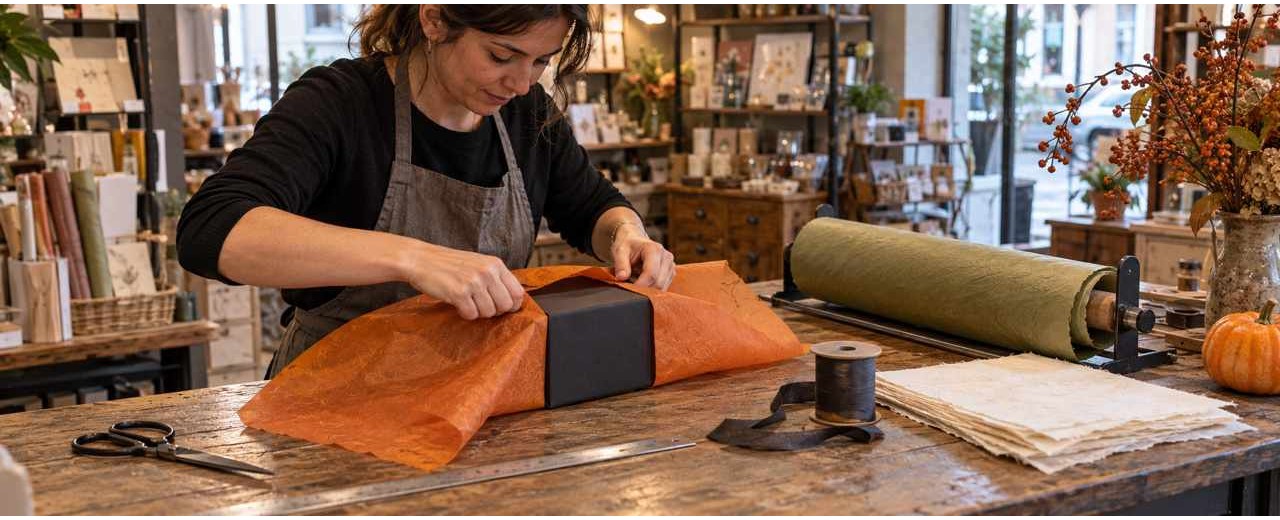
In a professional package, rice paper is not chosen only for the color. The shape and size of the product, the number...
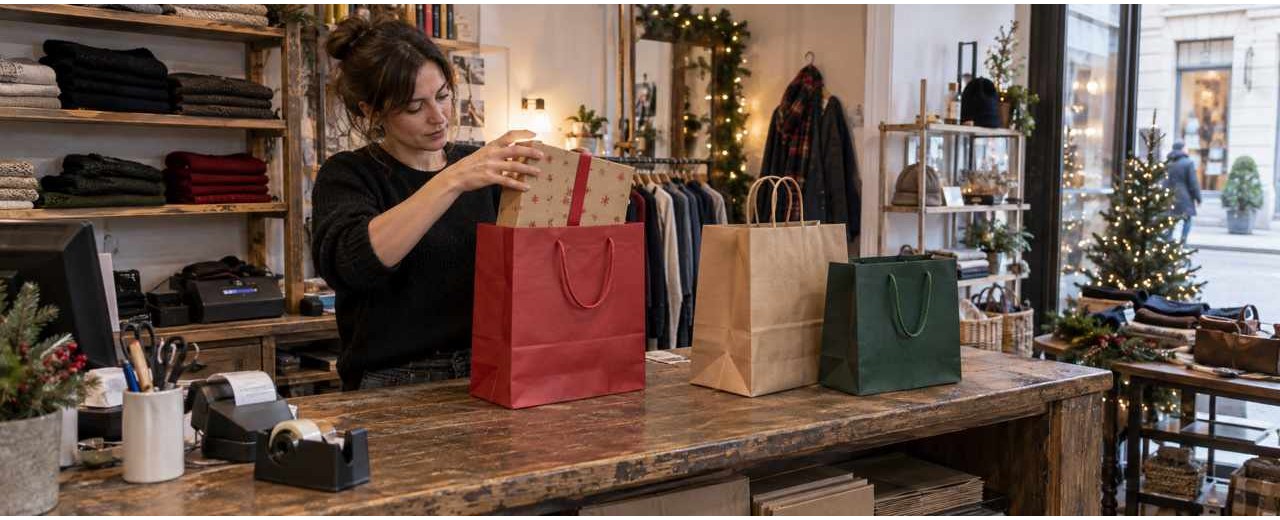
The shopper you deliver at Christmas must do two simple things: contain the already packaged product well and...
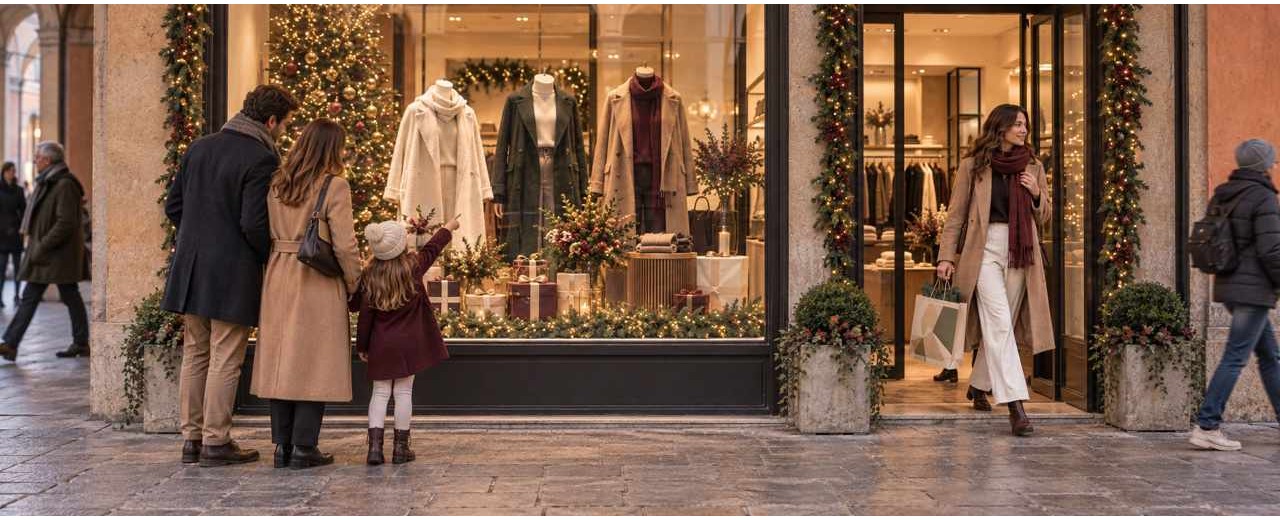
Christmas in the store doesn't start in December. An effective display case and coordinated packaging require...
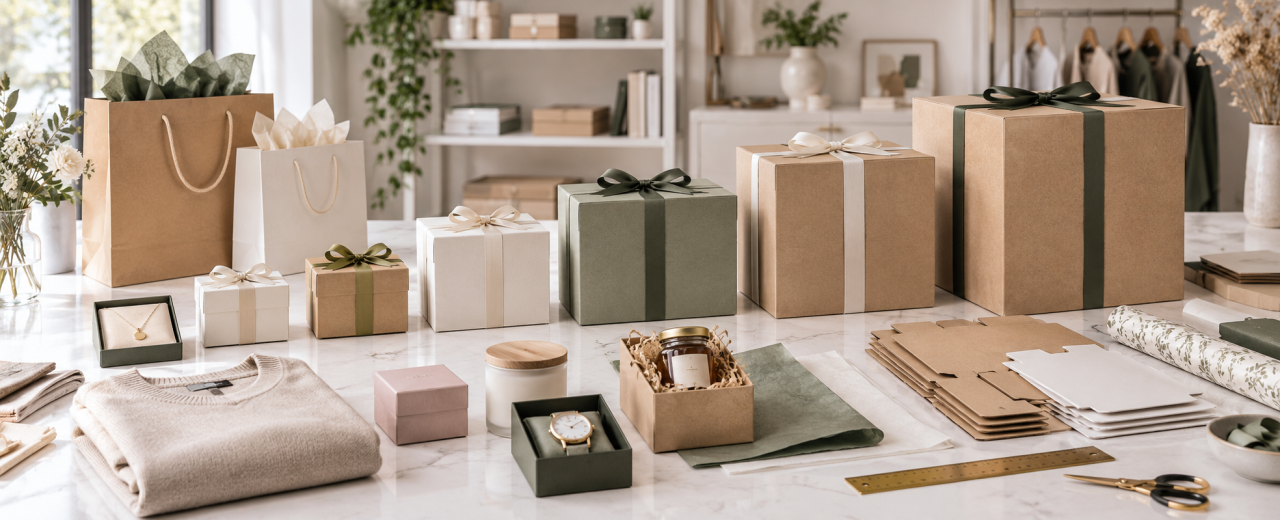
Choosing the sizes of gift boxes means finding a few formats capable of covering the greatest number of products.A...
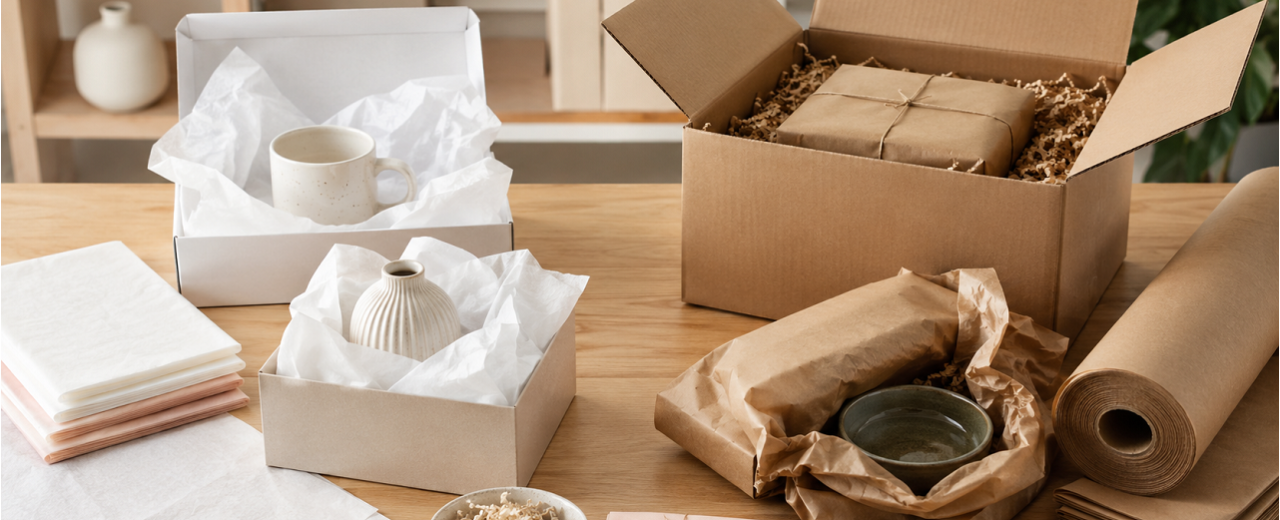
Tissue paper and wrapping paper for shipping have different functions and should not be confused. The tissue protects...
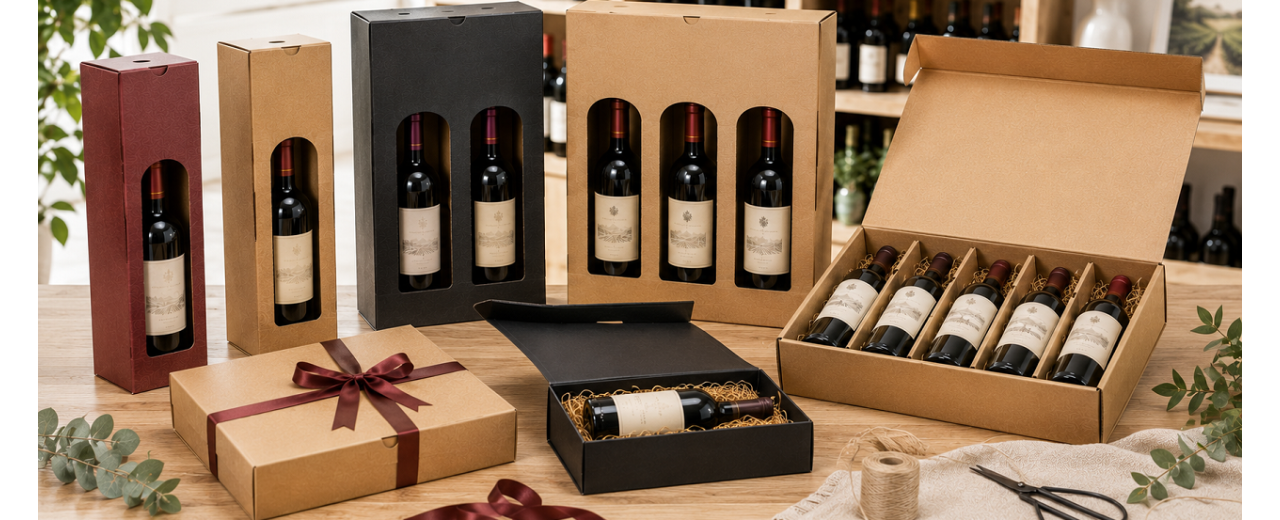
Wine boxes of 1, 2, 3 or 6 bottles help wine shops and wineries manage sales, gifts and delivery. Each format...

Personalised wine boxes enhance bottles, gift selections and corporate gifts. Logo, format and quantity must be...

Tissue paper helps e-commerce businesses to superficially protect products and better present them inside the...
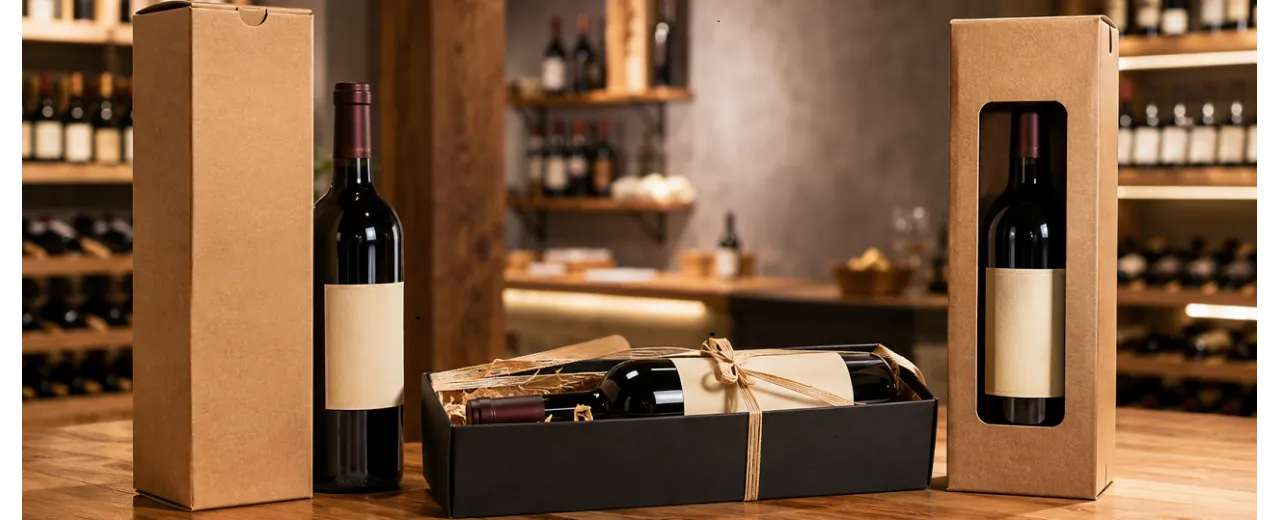
Wine boxes help wine shops and wineries to enhance bottles, gift selections and company packaging.Choosing between...
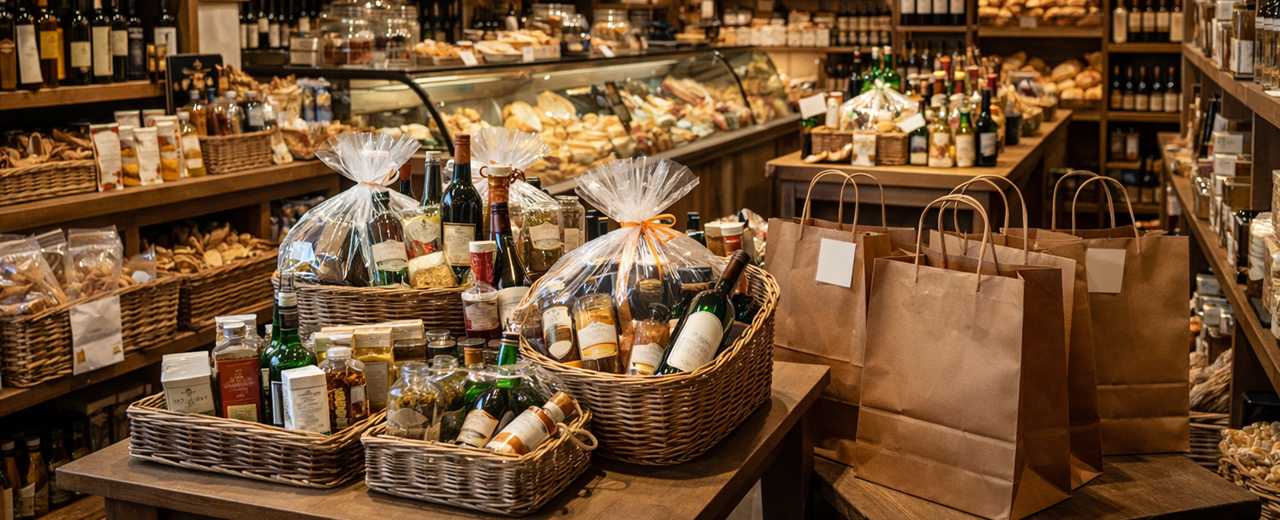
Choosing the right shipping and packaging materials does not only mean buying boxes, envelopes or packaging accessories. For retailers, stores, brands and companies, it means building a system capable of protecting products, simplifying work and enhancing the image of the business at every stage, from in-store sales to final delivery.
Today, packaging is no longer a simple operational detail. It's part of the customer experience, perceived quality, and internal efficiency. A well-chosen material helps you work faster, reduce errors and present the product with greater care. On the contrary, a choice made only on the basis of price or availability at the time can generate waste, disorder, damage during transport and a final result that is not consistent with the brand.
For this reason, choosing without compromise does not mean spending more, but adopting solutions suitable for your work, your volumes and your sales channels. From shipping boxes to padded envelopes, bubble wrap to paper shopping bags, every element of packaging must contribute to a smooth, professional and recognizable process.
In retail and eCommerce, packaging performs a dual function: it protects the content and represents the brand. This applies to a shipped order, a purchase delivered to the store, or a gift box prepared at the counter.
When packaging materials and shipping materials are chosen wisely, the whole process works better. The product arrives intact, the staff works more easily, stock management is more orderly and the customer receives an immediate impression of quality. In practice, packaging stops being an accessory cost and becomes a concrete lever of efficiency and positioning.
Many companies, however, continue to see packaging as a compromise: aesthetics or practicality, convenience or quality, speed or attention to detail. In reality, professional packaging is born from the ability to combine these aspects in a coherent way.
When it comes to shipping, the first goal is protection. However, a truly effective choice must also consider the product format, frequency of use, type of transport and the final customer experience.
Shipping boxes remain one of the most versatile and reliable solutions for many product categories. They offer structure, protection and order, but they must be chosen carefully.
A box that is too large increases the empty space and requires more protective filling. A box that is too small, on the other hand, risks compressing the contents or not providing sufficient security. The goal is to find the right balance between protection, bulk and practicality.
For companies that prepare a lot of orders, hinged boxes can also be particularly useful, as they allow you to speed up packaging and maintain a uniform standard.
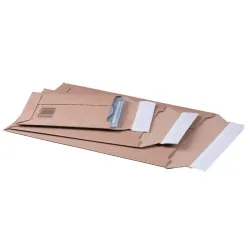
A box is not always necessary. Padded envelopes are a practical solution for shipping light or small items that still require more protection than a simple envelope. They offer speed, lightness and a good level of safety.
Courier envelopes, on the other hand, are ideal for streamlined and compact shipments, especially when the contents do not require a rigid structure. Again, the choice should depend on the product and the type of experience you want to offer the customer.
Protection does not depend only on the external container. Inside the package, the product must be firm, stable and well accompanied during transport. This is why protective filling is essential.
Bubble wrap continues to be one of the most effective solutions for protecting delicate items, sensitive surfaces or products subject to impact. Used correctly, it helps reduce the risk of damage and improves the overall safety of the shipment.
Once the container has been chosen, two other fundamental elements come into play: the closure and identification of the package. These are details that are often underestimated, but they directly affect the quality of the final result.
Packaging tapes are not just used to close a box. They must guarantee tightness, reliability and speed of use. In a professional context, a quality tape allows you to work better and avoid accidental opening, double applications or messy results.
For this reason, even if they are often considered simple consumables, adhesive tapes play an important role in the construction of truly efficient packaging.
Adhesive labels contribute to the operational order and presentation of the package. They can be used to identify, distinguish, signal or complete the packaging in a professional manner. Even these small elements help to make the process more orderly and consistent.
If shipping focuses on protection and logistics, packaging adds an essential dimension: presentation. And it's especially important for stores, retailers and brands that want to deliver a curated experience.
Paper shopping bags are not just a support to carry the purchase. They are part of the image of the store and accompany the customer even outside the store. A well-chosen shopper conveys attention, order and perceived quality.
In retail, the shopper is often one of the first visible elements of packaging, so it must be consistent with the tone and positioning of the brand.
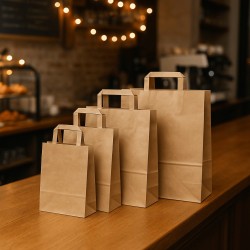


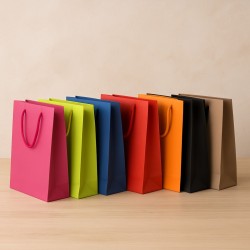
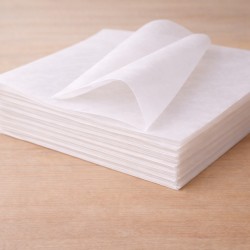
Tissue paper is one of the most versatile materials in professional packaging. It can be used to protect, separate or enhance the product, both in the store and in eCommerce. In particular, the colored tissue paper for professional packaging adds a feeling of care and makes the opening experience neater and more pleasant. It adds a feeling of care and makes the opening experience neater and more pleasant,
Gift paper and gift bags are also essential tools for shops that want to offer a complete service. They allow you to prepare quick but accurate packages, enhancing the product and improving the overall perception of the purchase.
A central aspect in the choice of materials is the difference between store packaging and shipping packaging. Needs change, but the quality must remain high in both cases.
In physical retail, immediate presentation matters a lot. The packaging must be pleasant, practical and consistent with the shopping experience. This is where shopping bags made of paper, tissue paper, gift paper and gift bags come into play in particular.
In eCommerce, on the other hand, the focus is on durability and security. Shipping boxes, padded envelopes, courier envelopes, bubble wrap and protective filling become central. But even in this case, the presentation should not be neglected: a well-prepared order still communicates professionalism and attention.
Companies that sell on multiple channels must therefore build a coherent packaging system, capable of adapting to different needs without losing quality and recognition.
When choosing packaging in a hurry, the most frequent mistakes are almost always the same. The first is to buy based on price only. A less expensive material may seem convenient, but if it slows down work, provides little protection, or requires additional solutions, the real cost increases.
The second mistake is to use one format for everything. Each product has specific needs, and trying to adapt the same solution over and over again often leads to waste or unprofessional results.
The third mistake is underestimating the customer's perception. The packaging speaks of the brand as much as the product. Improvised or poorly ordered packaging reduces perceived value, while a well-thought-out solution reinforces it.
To choose shipping and packaging materials without compromise, it pays to work with a system logic. The first step is to analyze the products to be packaged or shipped, the volumes, the sales channels and the frequency of use of materials.
The second step is to simplify. Instead of accumulating many similar solutions, it is often more useful to build a basic but comprehensive range: a few effective formats of shipping boxes, a targeted selection of padded envelopes or courier envelopes, reliable materials for protective filling, good adhesive packaging tapes and a consistent assortment for retail packaging.
The third step is to favor ready-to-use solutions that are easy to manage and simple to tidy up. This helps staff work better and reduces the risk of improvisation.
Choosing shipping and packaging materials well means much more than buying packaging. It means protecting products, improving operations, enhancing the brand and offering a more refined experience to the end customer.
With a well-thought-out selection of shipping boxes, self-assembling boxes, padded envelopes, courier envelopes, bubble wrap, protective filling, packaging tapes, adhesive labels, paper shopping bags, tissue paper, gift paper and gift bags, every company can build a truly professional packaging.
The point is not to choose between convenience, aesthetics and functionality. The point is to find solutions that are consistent, reliable and suitable for your business. This is how packaging stops being a detail and becomes a concrete lever for growth.
To integrate these materials into a unified design, learn how to design beautiful, protective packaging for sale and shipping.