Choosing the right wrapping paper is a practical and commercial decision for every store that packs products at the...
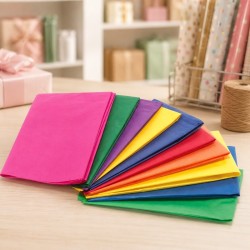
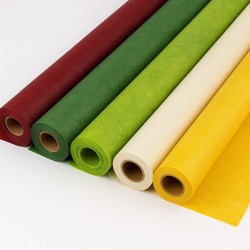
Colored Tissue Paper in Sheets cm.70x100 Pack of 70 sheets€18.61
 ChartaRè, il Packaging Online di RossiCarta



Choosing the right wrapping paper is a practical and commercial decision for every store that packs products at the...
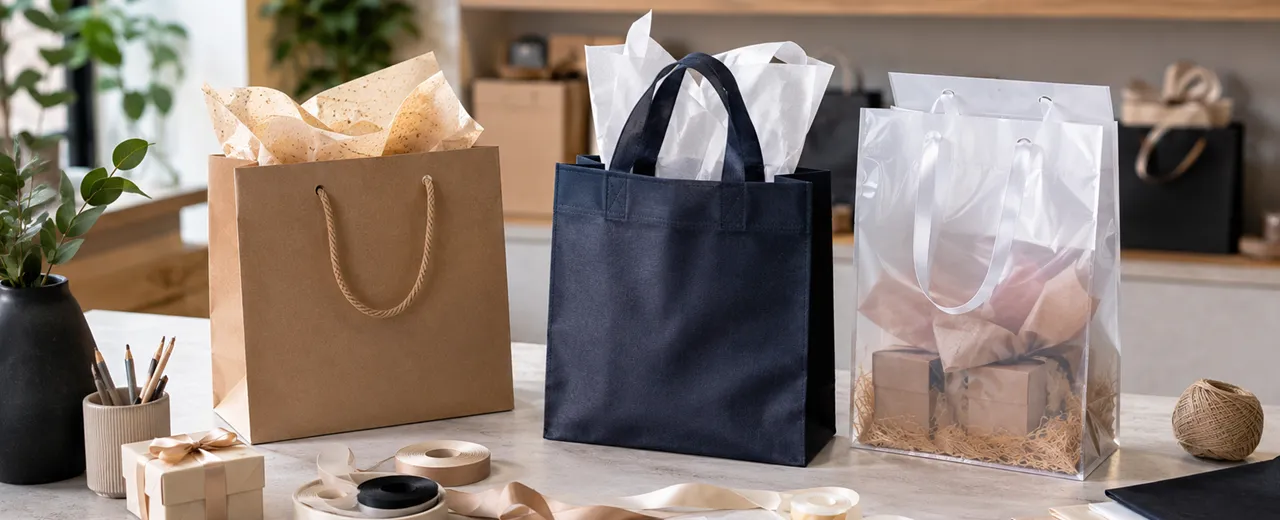
Choosing between paper, non-woven or polypropylene gift bags is not just a matter of aesthetics. For a shop,...
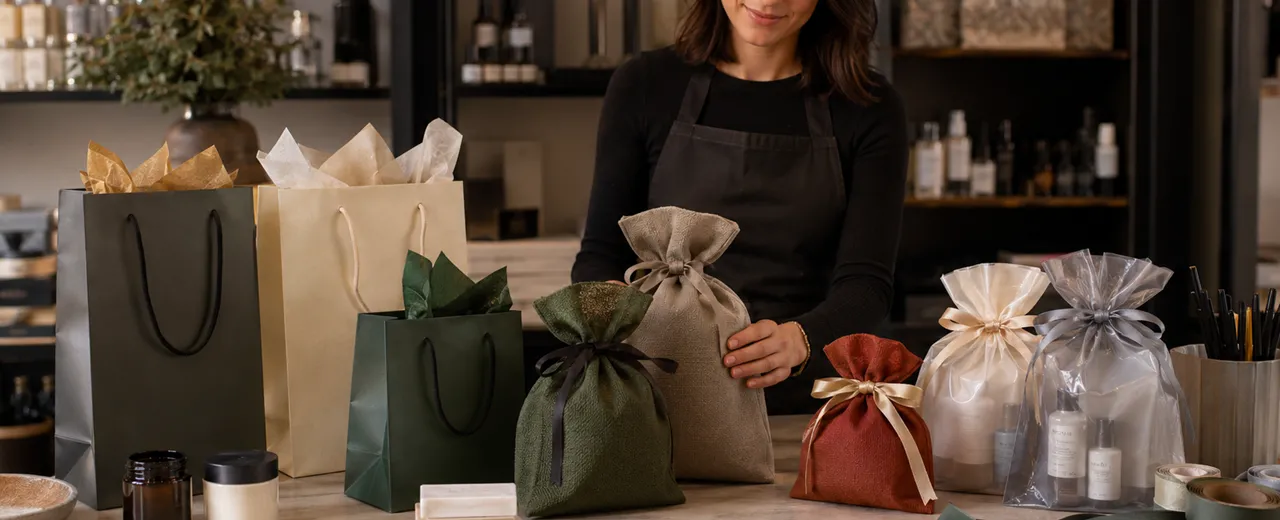
Choosing the right gift bags means making the moment of delivery to the customer easier, faster and more...
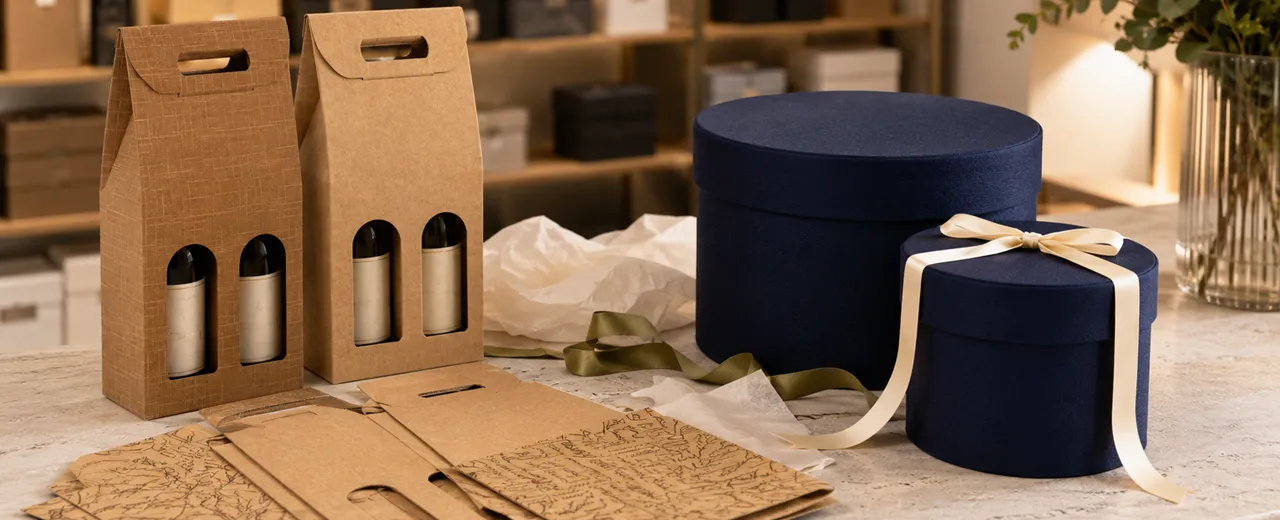
Choosing the right box means finding the balance between protection, practicality and perceived value. Folding...

Wrapping well means transforming the delivery of a product into a gesture of care, attention and trust. A well-kept...
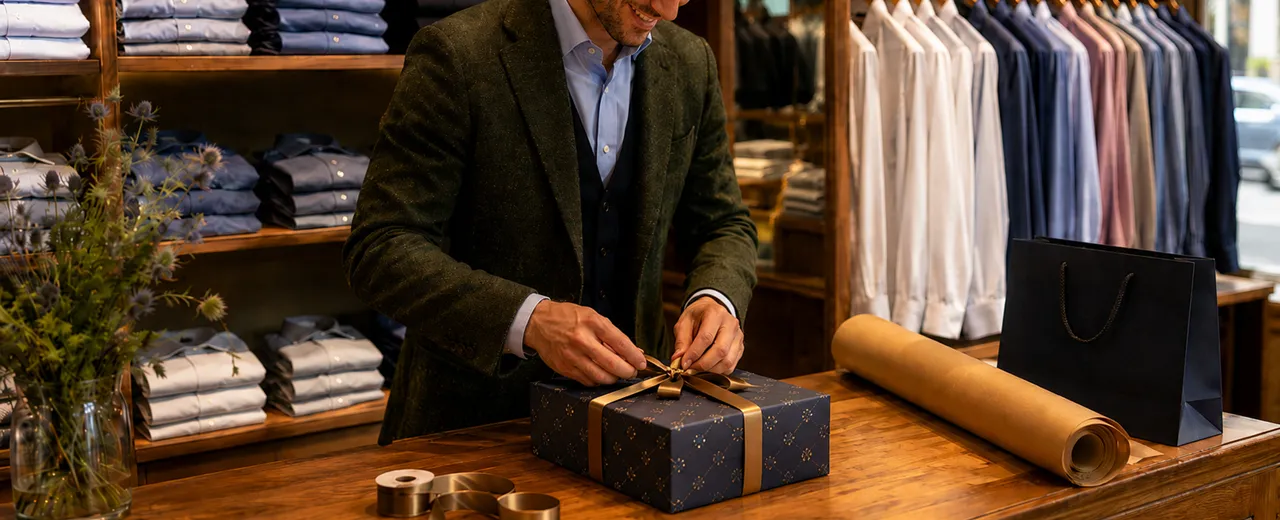
The small independent store has an advantage that large chains often cannot afford: the time to wrap. A carefully...

A journey into the value of wrapping, starting from the care of Japanese retailers to get to the professional...

There was a time when paper was not yet a product to be ordered, a code to be searched for or an item in a catalog,...

In the food & fun sector, packaging is not just a container, but a fundamental part of the customer experience....

Packaging is one of the first signals through which the customer measures the quality of a purchase. A carefully...

Packaging is never an isolated detail. Enter the customer experience before the product is even used, often before it is even touched. A tidy, consistent and well-built package communicates attention, quality, reliability. Conversely, neglected packaging can weaken even a good product, because it lowers the perception of value at the exact moment when the customer is mentally confirming the goodness of their purchase.
For a store, a brand, an eCommerce or a company, packaging well therefore means working on a delicate point in the relationship with the customer: the moment of delivery. It is there that the product stops simply being sold and becomes an experience. It is there that gift boxes, paper shopping bags, tissue paper, decorative tapes, package stickers and shipping materials help to build a precise perception.
There is no need to turn each package into a complex set-up. You need to choose methodically. Effective packaging is one that protects, presents, enhances and makes the product recognizable, without slowing down daily work and without creating unnecessary operational complications.
Every purchase has a path. There is the moment in which the customer chooses the product, the one in which he pays for it, the one in which he receives it or takes it away, and finally the one in which he opens it, uses it or gives it away. Packaging accompanies many of these phases and, precisely for this reason, it cannot be considered just a wrapper.
In the physical store, the packaging is the final gesture. The customer has chosen, has decided, has purchased. What he receives at the checkout becomes the visual synthesis of the experience he has just lived. A matching shopping bag, a well-chosen gift card, a proportioned ribbon, a clean closure label or a box suitable for the product confirm that the purchase has been handled with care.
In the eCommerce world, the role of packaging is even more evident. The customer does not physically meet the seller, does not experience the atmosphere of the store, does not perceive the service through a direct relationship. However, it receives a box, a packaging, a filler, an internal protection, a closure. All these elements become the first real material contact with the company.
This is why packaging must not only "contain". It must reassure. It must make it clear that the product has been carefully prepared. It must arrive intact, orderly, consistent with the value of the purchase. In many cases, it is the packaging that determines the customer's real first impression.
When we talk about professional packaging for shops and eCommerce, we are therefore talking about a system made up of materials, formats, colors, resistance and functionality. Each element has a role. The box protects and presents. The shopper accompanies and makes the brand visible. The tissue paper envelops and embellishes. The ribbon decorates and closes. The sticker seals and sorts. The filler protects and completes.
A well-thought-out packaging is not an accessory: it is a concrete part of the service.




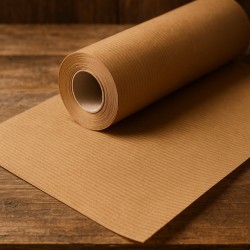
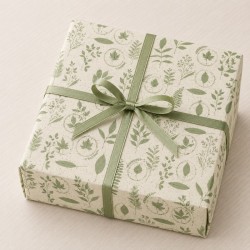

The perceived value does not depend only on the price or the technical quality of the product. It also depends on how that product is presented. Two similar items can generate very different impressions if they are delivered differently. A product placed in a fragile, messy or anonymous package risks looking less important. The same product, presented with a suitable box, a clean tissue and a careful closure, immediately communicates greater attention.
This doesn't mean that every package has to be luxurious. It means that it must be consistent. Effective packaging is not necessarily expensive, but it must be right for the product, for the customer and for the sales context.
For example, a handcrafted item can be enhanced by colored tissue paper, customizable adhesive tape and a natural shopping bag. A cosmetic product may require a rigid box, an internal protector and a stylish tape. A food item may need durable, hygienic, practical to transport and visually accurate packaging. An eCommerce order must focus on solid packaging, correct protection, secure closure and orderly opening.
The perception arises from the consistency between product and packaging. If the packaging is too poor compared to the contents, the customer perceives a negative distance. If it's excessive, disproportionate, or complicated, it can feel artificial. If, on the other hand, it is adequate, tidy and well built, it reinforces the idea that the purchase was a good choice.
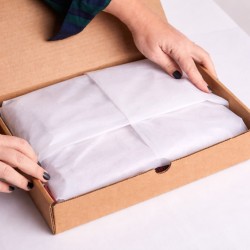
This is where materials and details come into play. A quality gift box offers structure and presence. A durable paper shopping bag improves transport and takes the customer out of the store. A tissue paper for packaging protects surfaces and adds a feeling of care. A matching decorative ribbon completes the ensemble. A package seal sticker makes the packaging cleaner and more professional.
They are simple elements, but their overall effect is strong. The customer does not always analyze them rationally, but perceives them. See if the packaging is neat. It feels if the paper is too thin. Notice if the box deforms. It understands if the shopper is suitable for the weight of the product. It recognizes when a purchase has been carefully prepared.
This is why packaging works on trust. It helps the customer think, "I bought it right." And it is precisely this confirmation, often silent, that makes the experience more positive and memorable.
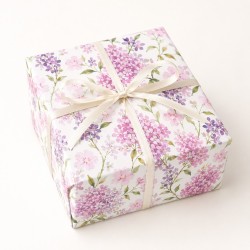




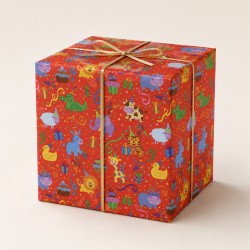
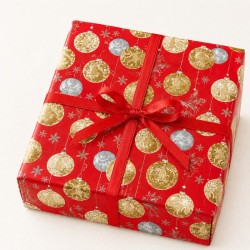

Packaging changes function depending on the sales channel, but the principle remains the same: every delivery communicates something.
In the physical store, packaging is visible, immediate and relational. The customer observes how the product is packaged, sees the gestures of the employee, receives the shopper, and takes the final result with him. The packaging becomes part of the image of the store. A beautiful, proportionate and resistant shopper continues to communicate even after leaving the store. He passes on the street, arrives at the office, enters the house. In some cases it is preserved, reused, shown.
For this paper shopping bag, gift bags, decorative boxes and packaging ribbons are not just consumables. They are tools of visual relationship. They help the store to be recognizable, tidy, and consistent.
In eCommerce, on the other hand, packaging works above all on protection, reliability and unboxing. The customer evaluates the order when they receive it. If the package arrives damaged, too empty, poorly closed or confused, the perception of the company immediately worsens. If, on the other hand, the package is intact, proportionate, well protected and easy to open, the experience improves.
This is where shipping boxes, protective fillers, wrapping paper, shipping envelopes, packaging tapes and solutions that protect the product without unnecessarily burdening the preparation work become central.
However, the difference between store packaging and shipping packaging does not have to create two separate worlds. A company that sells both offline and online should look for a certain visual and functional continuity. Colors, materials, style, and level of care may change by channel, but they should maintain a common logic.
A customer who buys in-store and then orders online should recognize the same attention. A brand that ships products should convey the same level of care that it would express in a direct sale. A gift retailer should be able to rely on materials that are practical, available and coordinated.
Packaging thus becomes a bridge between physical sales, eCommerce and brand communication. It doesn't just close an order: it makes the way the company works visible.

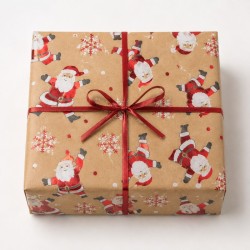

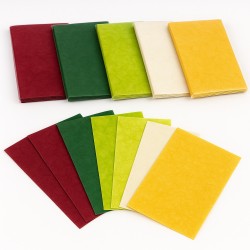
One of the most frequent mistakes is thinking that effective packaging always requires complex, expensive or difficult to manage solutions. In reality, for many activities, the best result comes from a smart selection of a few well-coordinated elements.
The correct question is not, "how can I make the packaging more elaborate?" The correct question is: "which materials allow me to pack better, faster and with a consistent result?".
For a store, this means having formats suitable for best-selling products, proportionate shopping bags, versatile papers, easy-to-use ribbons, boxes ready when needed and tidy closing accessories. For an eCommerce it means working with resistant packaging, adequate protective materials, quick to prepare solutions and formats that reduce waste, breakages and operating times.
Simplicity, when it's designed well, becomes an advantage. A set of ready-to-use gift boxes, a range of matching shopping bags, a few variations of tissue paper for inside the packaging, ribbons selected by color and material, package stickers and consistent shipping materials can cover most of your daily needs.
The point is to build a small grammar of packaging. Each business should identify its own basic elements: a more essential line for ordinary purchases, a more refined one for gifts and premium products, a more resistant one for shipments and deliveries. This allows employees to work better, the customer receives more consistent packaging, and the company maintains a tidier image.
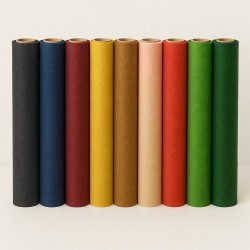
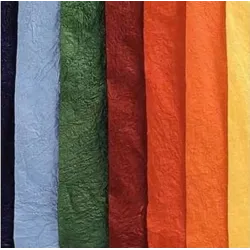
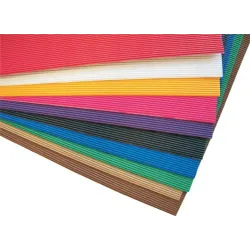
Color also plays an important role. You don't always need to use particular colors or refined combinations. Often a few guide colors are enough, chosen in a way consistent with the brand, the season or the type of product. White, Havana, black, gold, green, red, powder, blue or natural neutrals can communicate very different styles. The important thing is to avoid random combinations.
The same goes for materials. Paper that is too light can feel poor. A box that is not suitable for the weight can become deformed. An undersized shopper can create discomfort for the customer. Too much tape on a simple package can be disproportionate. The cure lies in the measure.
This is why a B2B one-stop shop like ChartaRè is useful not only because it allows you to buy different products in one place, but because it helps to build functional combinations between complementary categories: boxes and shoppers, tissue paper and stickers, tapes and package seals, packaging and protective materials for shipping.
The choice becomes faster, neater and more consistent. And packaging stops being a problem to be solved at the last minute.



Packaging well does not simply mean "making a beautiful package". It means improving the way the customer perceives the purchase, the product and the company that sold it. It is a concrete form of commercial communication, because it works at the moment when the customer has just chosen to trust.
Careful packaging can make a product more desirable, more giftable, more recognizable, and more memorable. It can reduce the impression of anonymous purchase. It can turn an ordinary delivery into a more enjoyable experience. It can increase the consistency between the price paid and the perceived value.
This applies to the small shop, to the boutique, to the perfumery, to the wine shop, to the stationery, to the concept store, to the artisan workshop, to the brand that sells online, to the company that ships products to its customers. In any case, packaging is one of the few tools that really gets into the hands of the customer.
For this reason, it must be thought out carefully. Not as an ancillary cost, but as an operational and communicative investment. Professional packaging solutions, when chosen well, help you work better, present better, ship better and sell better.
The customer may forget a description, promotion, or advertising message. But he hardly forgets the feeling of having received a carefully packaged product. A solid box, a well-folded tissue, an elegant shopper, a tastefully chosen ribbon, a package that arrived intact and tidy: these are concrete details, but they build trust.
And trust, in commerce, is one of the most precious elements.
With ChartaRè we provide retailers, shops, brands and companies with an assortment designed to make this choice easier: packaging for in-store sales, professional gift packaging, packaging for eCommerce, shipping materials, decorative accessories and ready-to-use solutions. The goal is to help each activity find the right balance between aesthetics, practicality, protection and perceived value.
Because packaging well is not just about closing a product. It serves to open a better relationship with the customer.
 Practical Guide: The Art of Window Dressing
 Artificial intelligence (AI) in the Physical Store.
 What is the Favor (Favour) and its History
 The Principle of Complementarity of Colors
 A Practical Guide to Creative Packaging
 The Importance of Good Customer Care: Physical and E-commerce