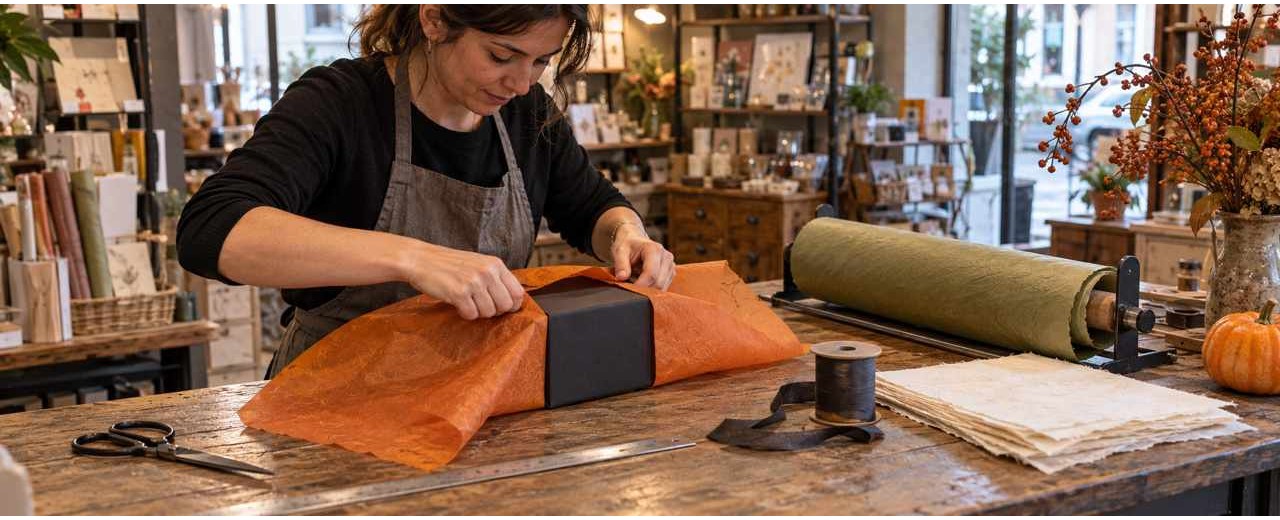
There was a time when paper was not yet a product to be ordered, a code to be searched for or an item in a catalog, but a living material, born from water, fibers, work and hands. In Fabriano, where paper seemed to have an older home than the houses themselves, the women who worked it were called paper, and in their fingers passed a silent wisdom, made up of repeated gestures, patience, attention and that minute care that is not learned in books, but only by staying for years next to the material.
The papers knew how to recognize a good sheet of paper even before they really looked at it. It was enough to touch it, listen to its rustle, observe how it took the light, feel if the surface had found its order. For them, paper was never silent, because each sheet, sooner or later, would have a destination: it would have welcomed words, protected an object, wrapped a gift, accompanied a delivery, kept a thought. It is from this ancient, simple and very profound idea that the meaning of ChartaRè also seems to be born much later: not paper as any material, but paper as a gesture of care.
The paper fireplace
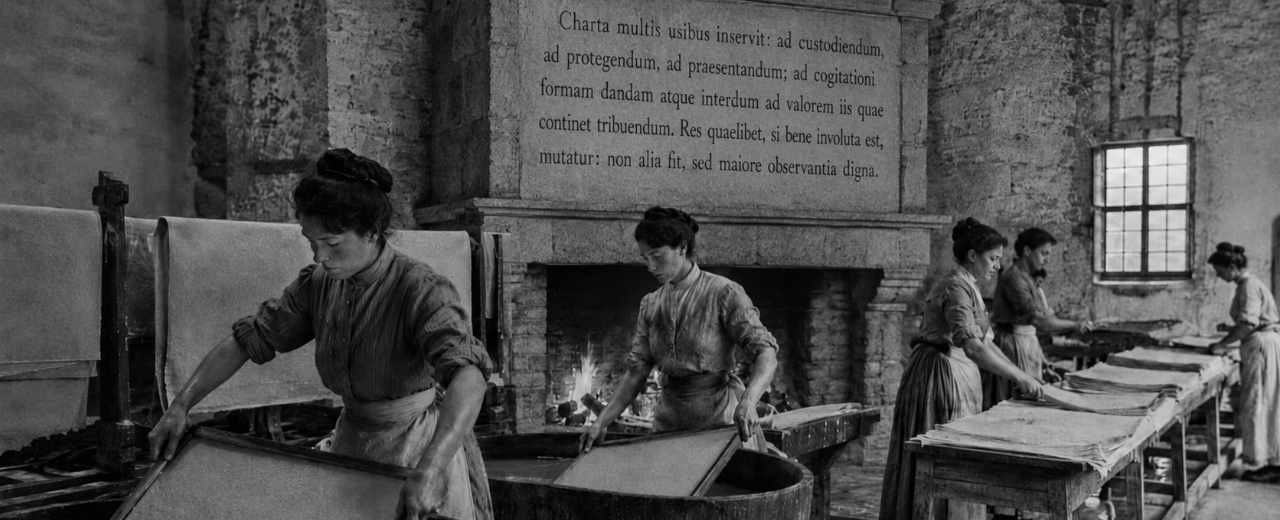
In the large room of the paper mill, where the papers worked between the breath of water, the damp smell of fibers and the intermittent heat of the fire, there was a large fireplace blackened by smoke. On cold days, women approached it for a few moments, warmed their hands, wiped the moisture from the sleeves and then returned to the sheets. Above that fireplace, engraved in the stone with solemn letters and a little worn by time, there was a phrase in Latin that the younger ones looked at with curiosity and fear:
Charta multis usibus inservit: ad custodiendum, ad protegendum, ad praesentandum; ad cogitationi formam dandam atque interdum ad valorem iis quae continet tribuendum. Res quaelibet, si bene involuta est, mutatur: non alia fit, sed maiore observantia digna.
Paper serves many things: it serves to preserve, to protect, to present; it serves to give shape to thought and sometimes even to give value to what it contains. Anything else, if it is wrapped well, changes: it does not become different, but it becomes more respected.
The young papers, as soon as they arrived at the paper mill, did not understand everything about that writing. They may have recognized the word Charta, because it resembled the material they had in front of them every day, but the rest seemed to belong to a distant world, made up of masters, notaries and educated people. At that time, the most experienced papers, who did not really know common Latin but had learned that phrase with work, explained it by heart, saying that paper was used to preserve, to protect, to present and to give value, not because it transformed things into what they were not, but because it taught us to look at them with more respect.
The imperfect translation and the fate of ChartaRè
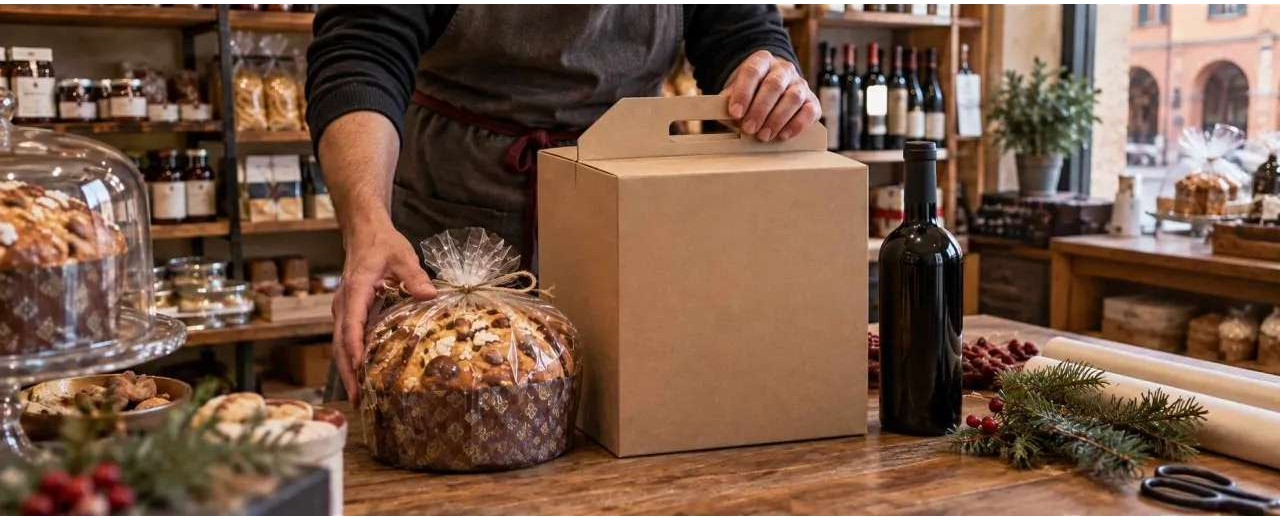
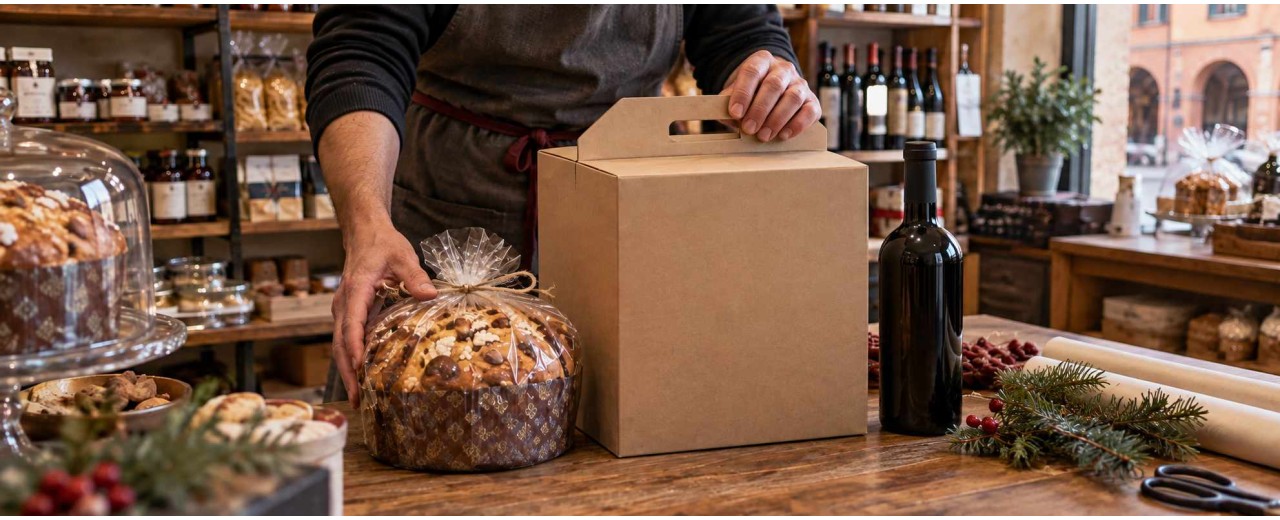
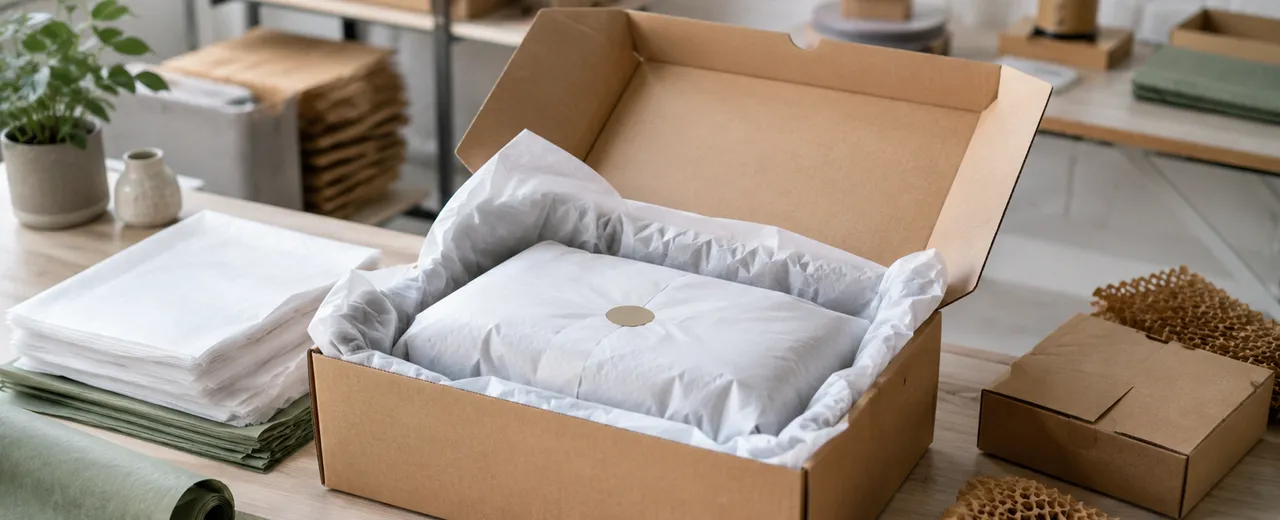
The papers worked the paper so that it could leave the paper mill ready to meet the world, just as ChartaRè chooses and offers papers, boxes, shoppers, tissues, ribbons and packaging so that each product can reach the customer with more care, more order and more dignity.
The papers prepared the sheet just as ChartaRè prepares the experience. The papers guarded the value of the material and ChartaRè guards the value of the way a product is presented, delivered or shipped.
Among the young papers
Among those women there was a young one, who worked at the Miliani Paper Mills and whom the memory preserves more like a light than a portrait. She had delicate and strong hands, and when she passed in front of the fireplace she often raised her eyes to that word, Charta, as if inside that ancient name there was something that belonged to her and, at the same time, surpassed her. For paper, Charta was paper in its highest dignity: not a simple surface, not a simple sheet, but a material capable of welcoming, protecting and giving shape. In ChartaRè, that same word seems to return with a new guise, as if paper, after having gone through time, had become queen not to command, but to better serve what it contains.
The young man from Cesena
One day a young man arrived at the paper mill from another part of Italy, from a world made up of shops, travels, trade and trust built little by little. It was a certain Rossi, like many others. He approached the papers and was attracted by a young woman bent over the papers. He was impressed by the way he touched, ordered and prepared them, not as goods, but as things intended for someone. He asked her what she was doing, and she replied that she was preparing paper for who was supposed to say something.
Then he pointed to the fireplace and told him the phrase that the old papers translated to the younger ones. He explained to him that paper is used to guard, to protect, to present, and that something wrapped well did not become different, but became more respected. The young man remained silent, because in those words there was not only an explanation of the profession, but a whole way of understanding value: value not as an empty luxury, but as care, measure, attention and respect for what passes from one hand to another.
The papers, Rossi Carta and ChartaRè
Years passed, and at the end of the sixties his nephew Vittorio founded Rossi Carta Srl attracted by that ancient family phrase: paper is used to guard, to protect, to present, and that something wrapped well does not become different, but becomes more respected. The world had changed, but that truth remained intact: paper was not only used to cover or contain, but to accompany things on their journey. From that history of work, material and trust was born ChartaRè, a modern brand of Rossi Carta Srl, where paper continues to do what paper had always known: preserve, protect, present and give value.
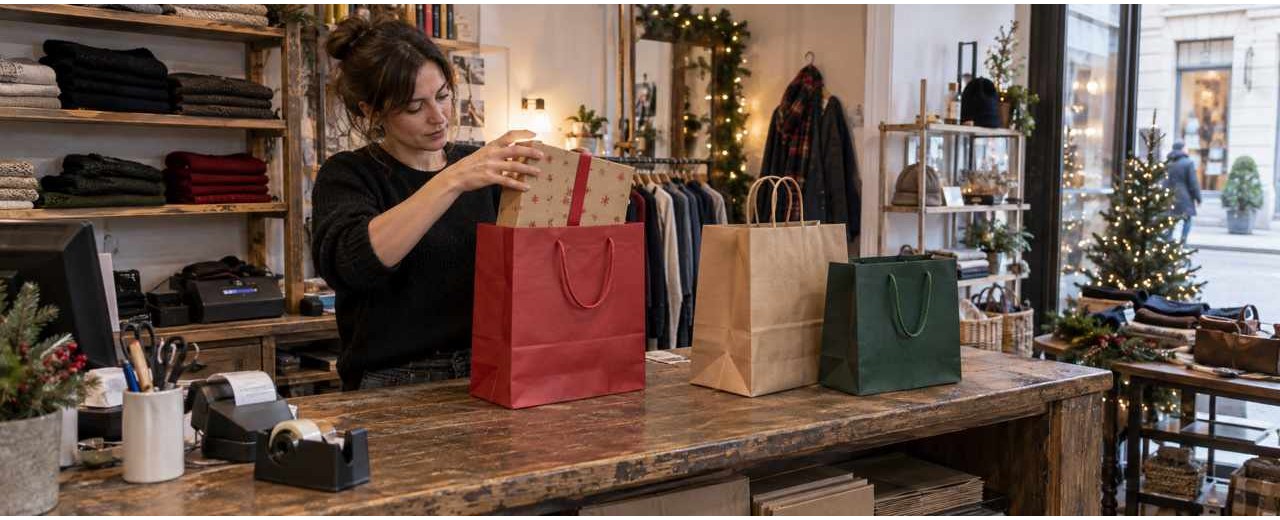
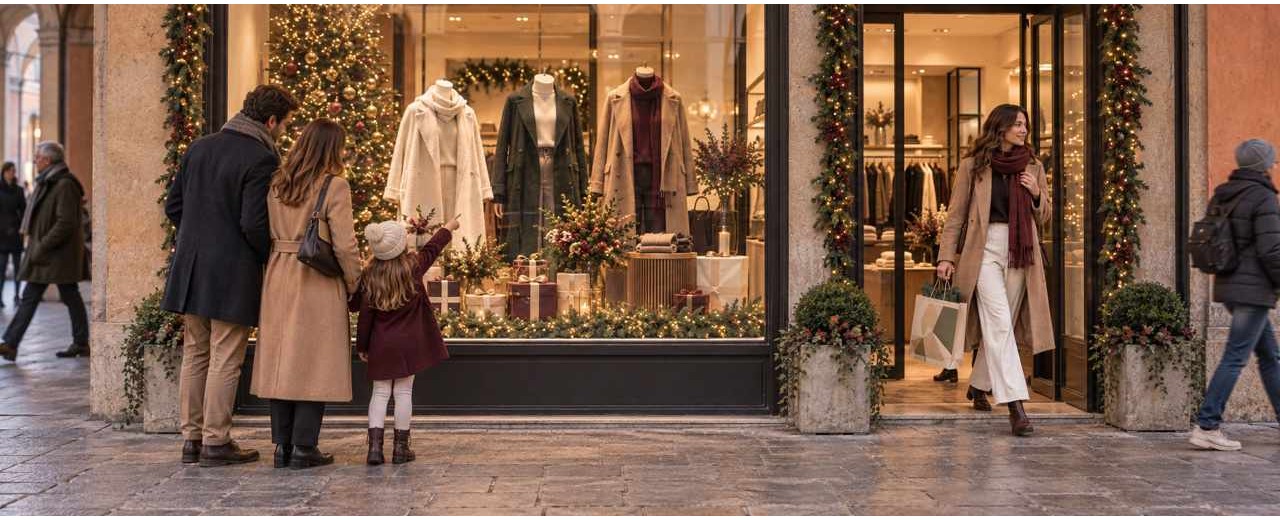
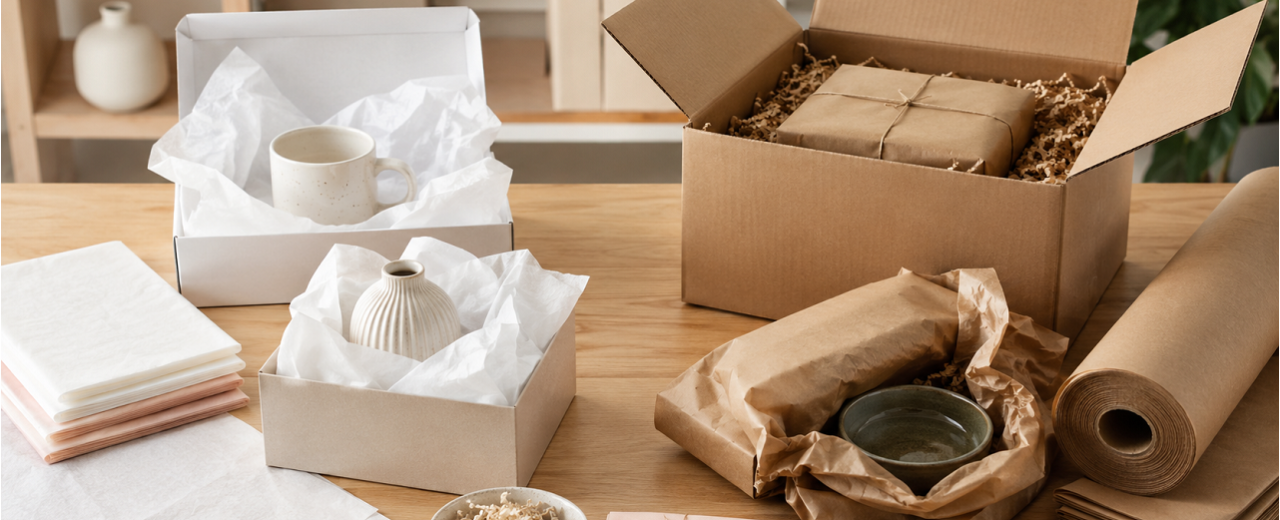
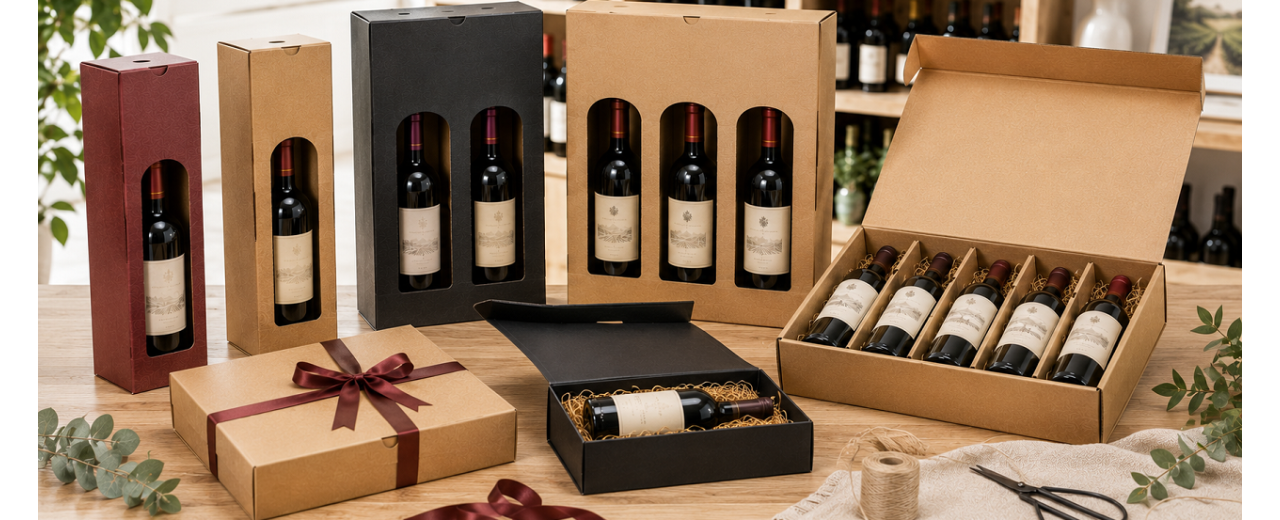
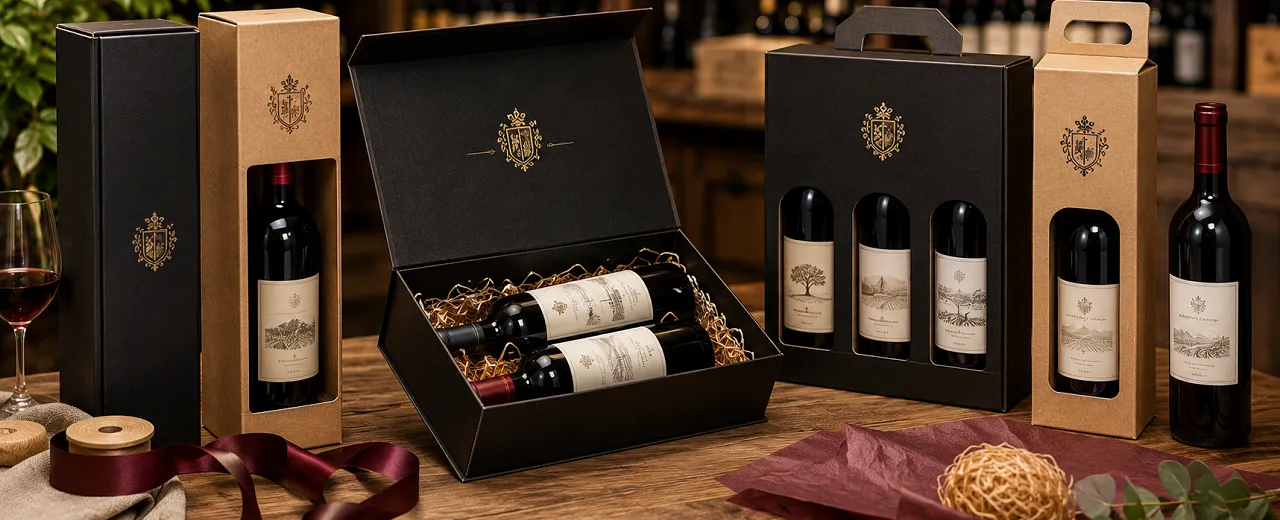
In ChartaRè, a tissue paper not only wraps a product, but welcomes it; a shopper does not just carry a purchase, but brings an identity to the street; a box does not contain only an object, but builds an expectation; a ribbon not only closes a package, but concludes a gesture; Packaging is not only used to get the goods to the place, but to make them arrive well, with respect.
The same wisdom of paper, transformed into the contemporary language of professional packaging.