Tissue paper and wrapping paper for shipping have different functions and should not be confused. The tissue protects...
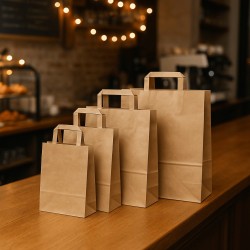
Recycled Havana paper shopper with flat handle, 8 sizes€77.67
 ChartaRè, RossiCarta's Online Packaging Store


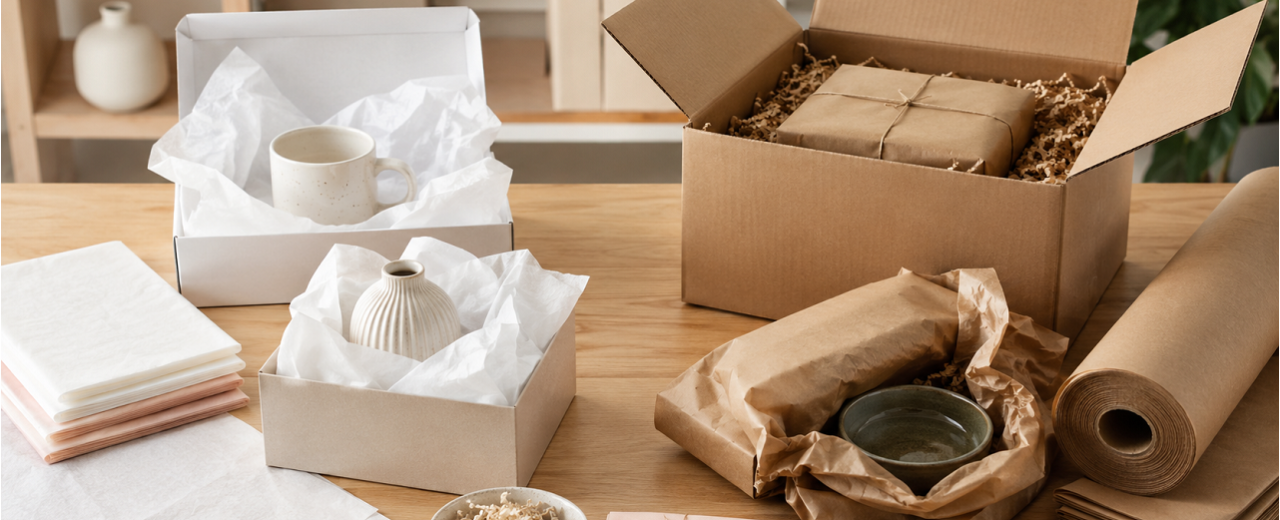
Tissue paper and wrapping paper for shipping have different functions and should not be confused. The tissue protects...
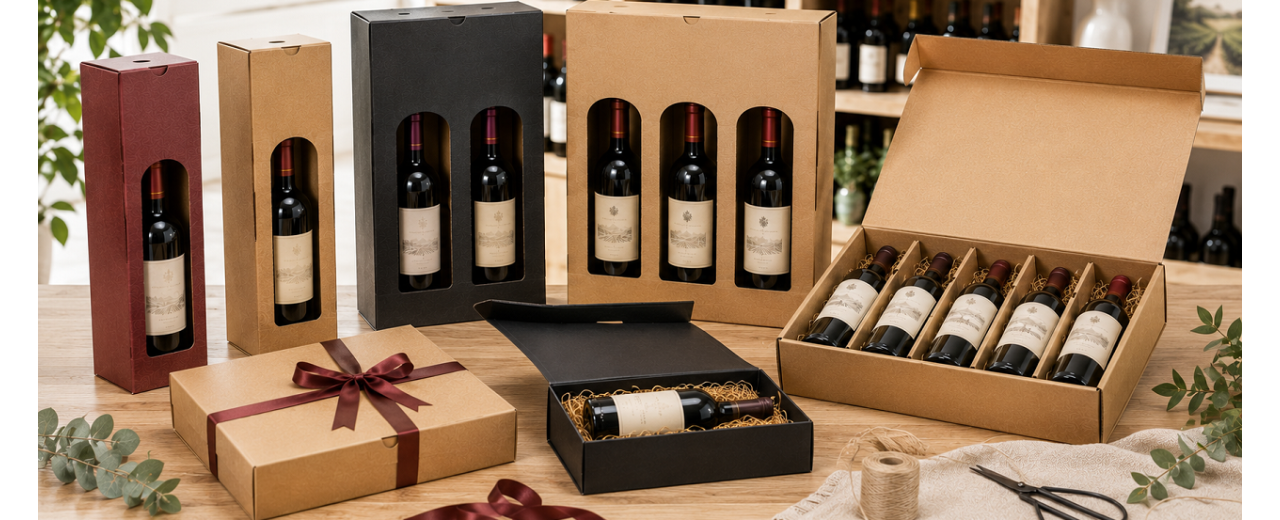
Wine boxes of 1, 2, 3 or 6 bottles help wine shops and wineries manage sales, gifts and delivery. Each format...
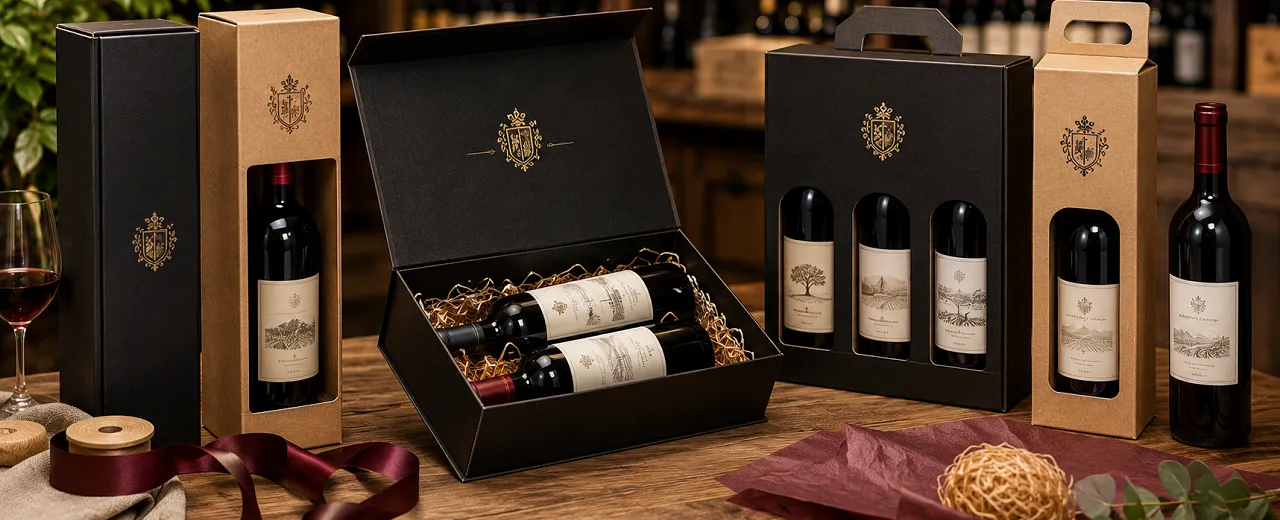
Personalised wine boxes enhance bottles, gift selections and corporate gifts. Logo, format and quantity must be...
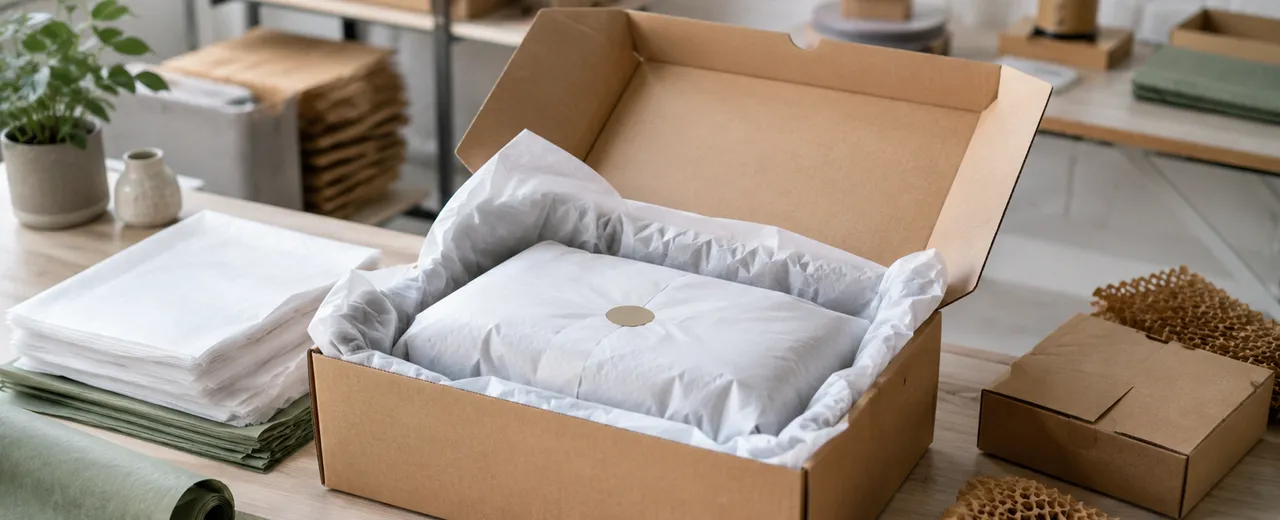
Tissue paper helps e-commerce businesses to superficially protect products and better present them inside the...
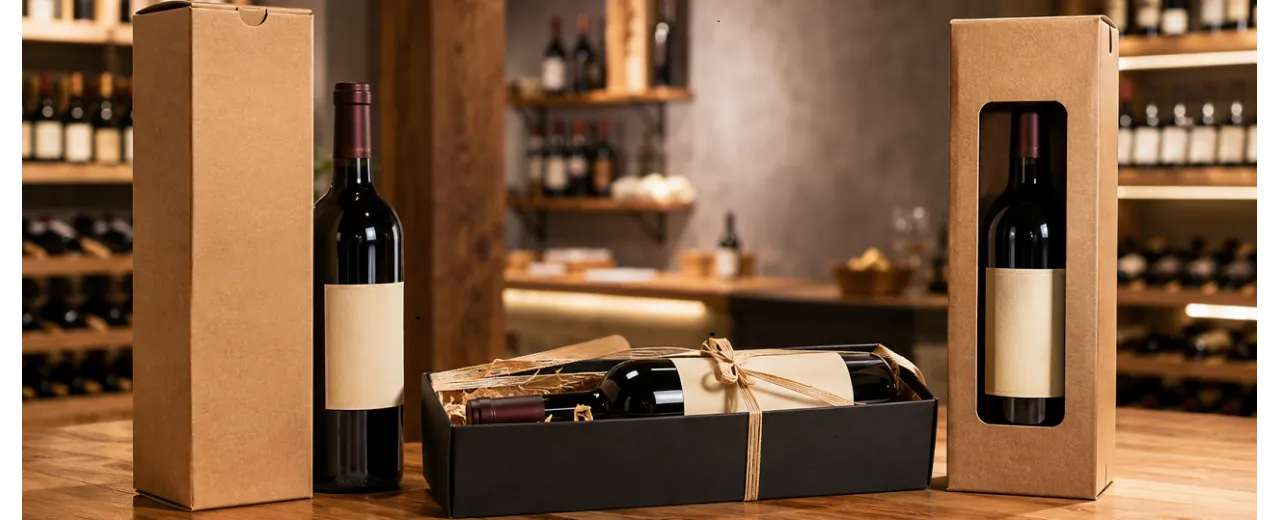
Wine boxes help wine shops and wineries to enhance bottles, gift selections and company packaging.Choosing between...
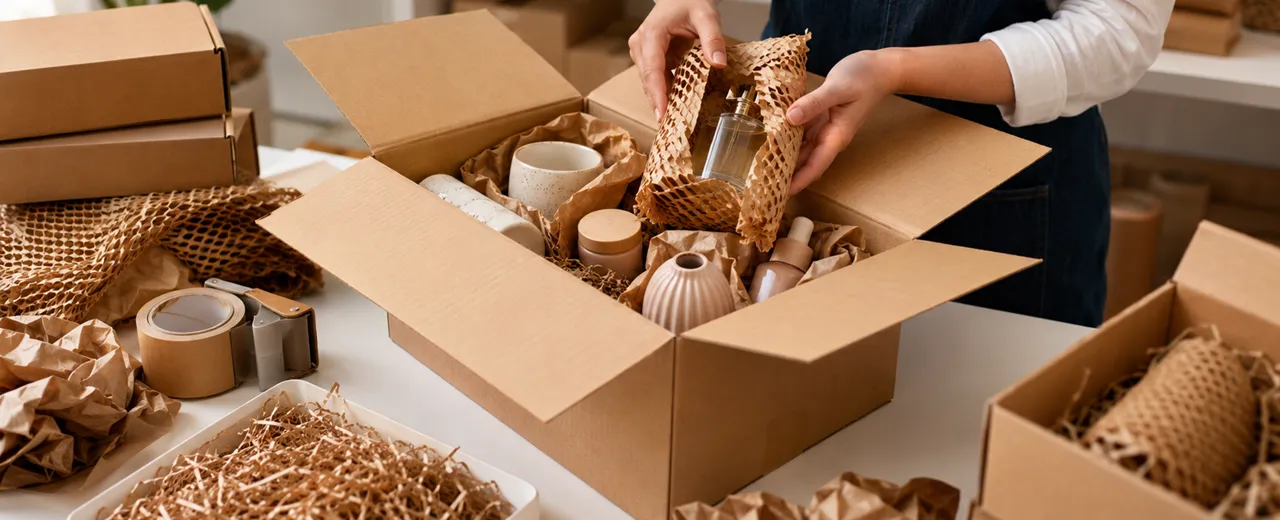
Fragile products require packaging designed according to weight, shape, material and mode of transport.Glass,...
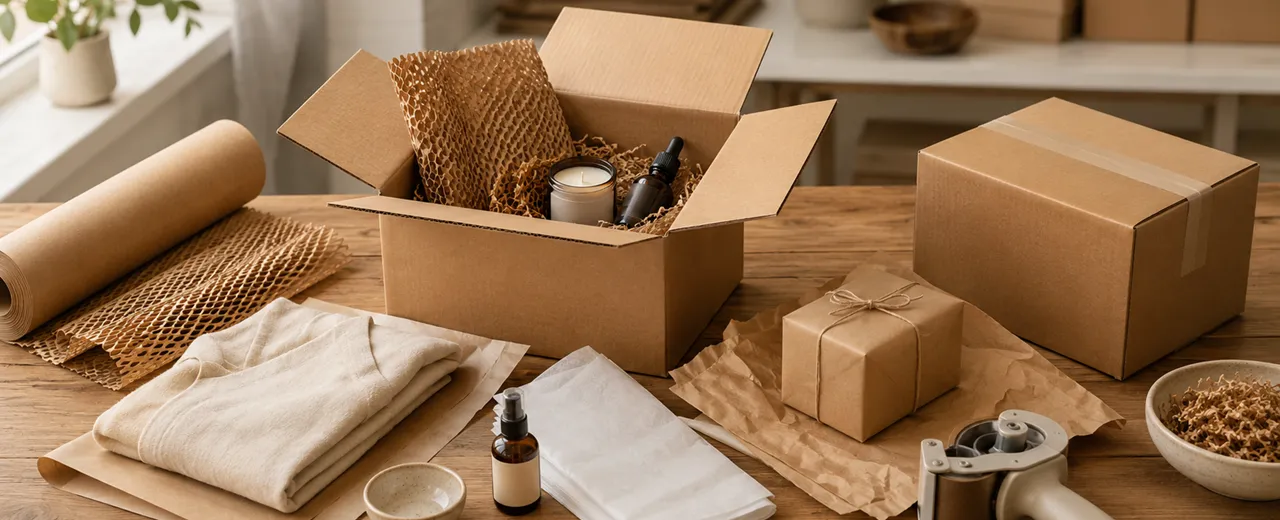
Preparing a package well means protecting the product and delivering an orderly and professional order to the...
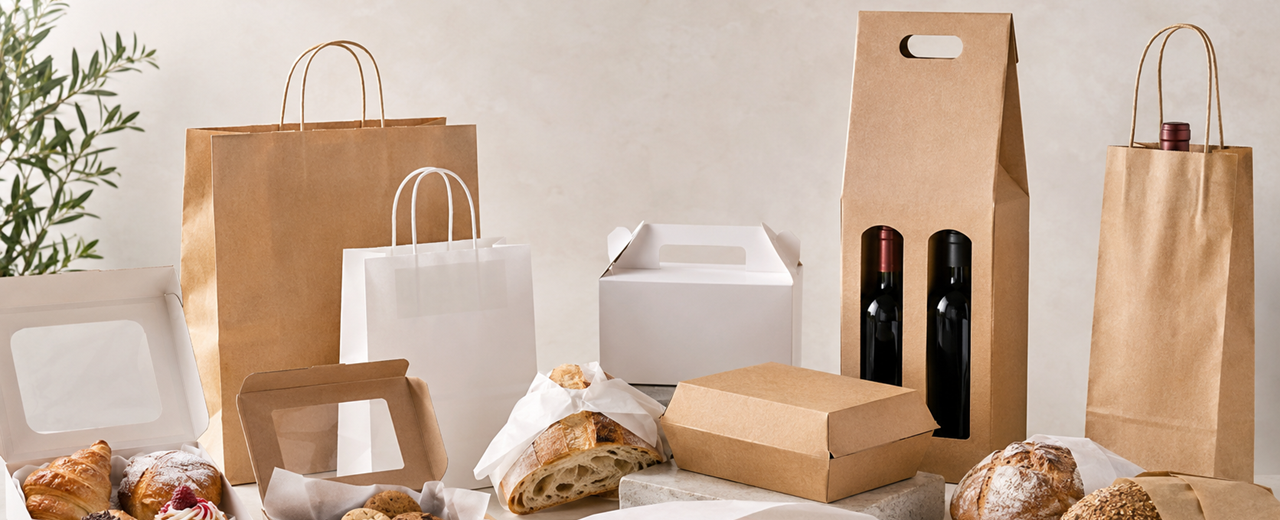
Food packaging must protect the product, speed up service and enhance every sale.Pastry shops, delicatessens and wine...
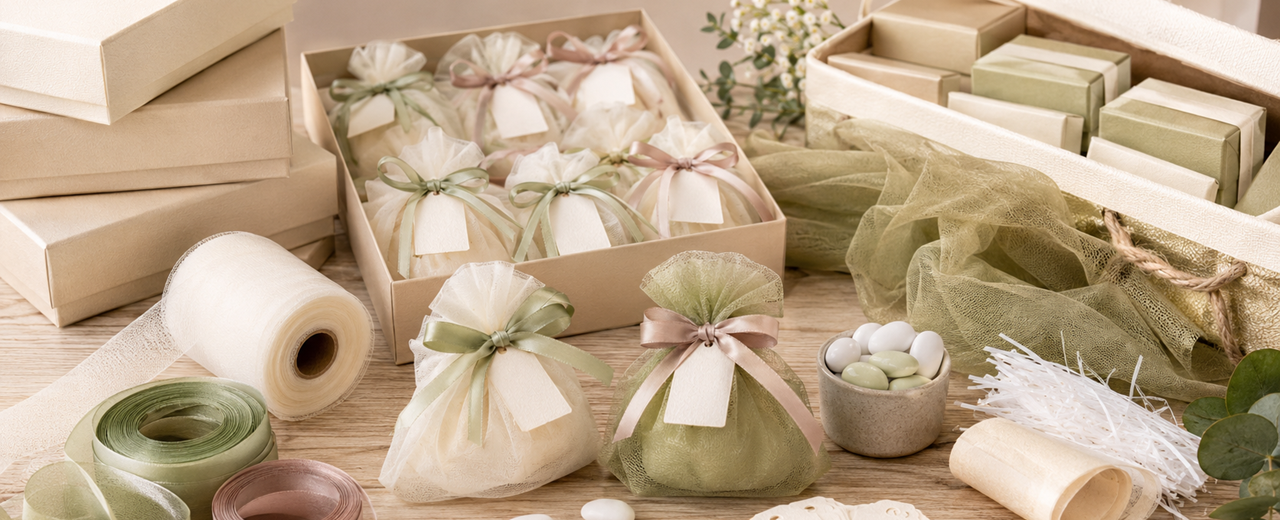
Packaging for wedding favors requires proportionate containers, coordinated materials and procedures that are easy to...
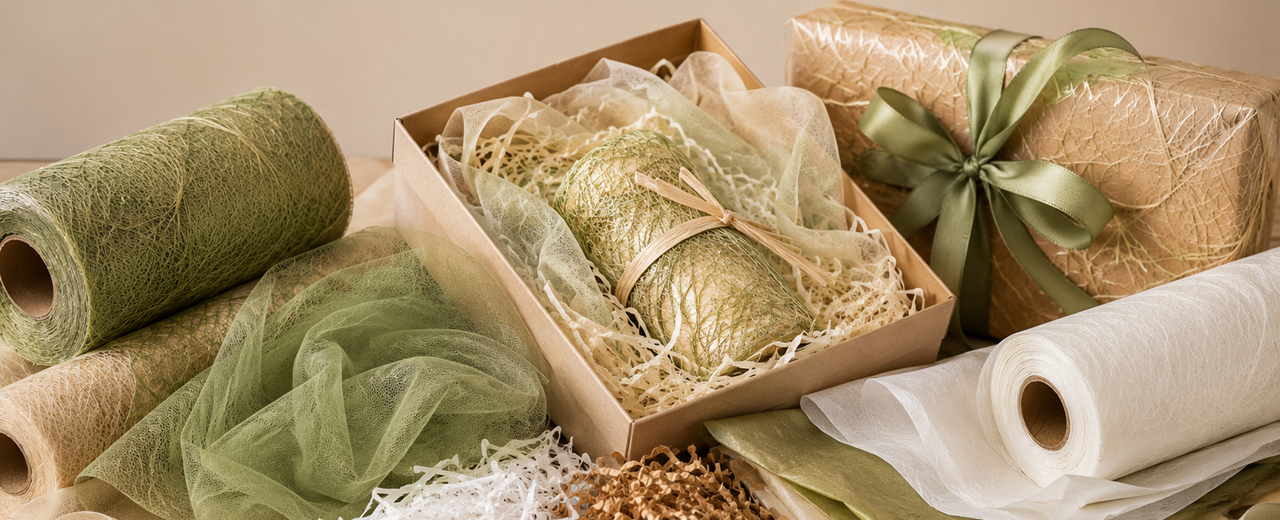
Grass paper, tulle, shavings and tissue paper perform different functions in professional packaging.The correct...
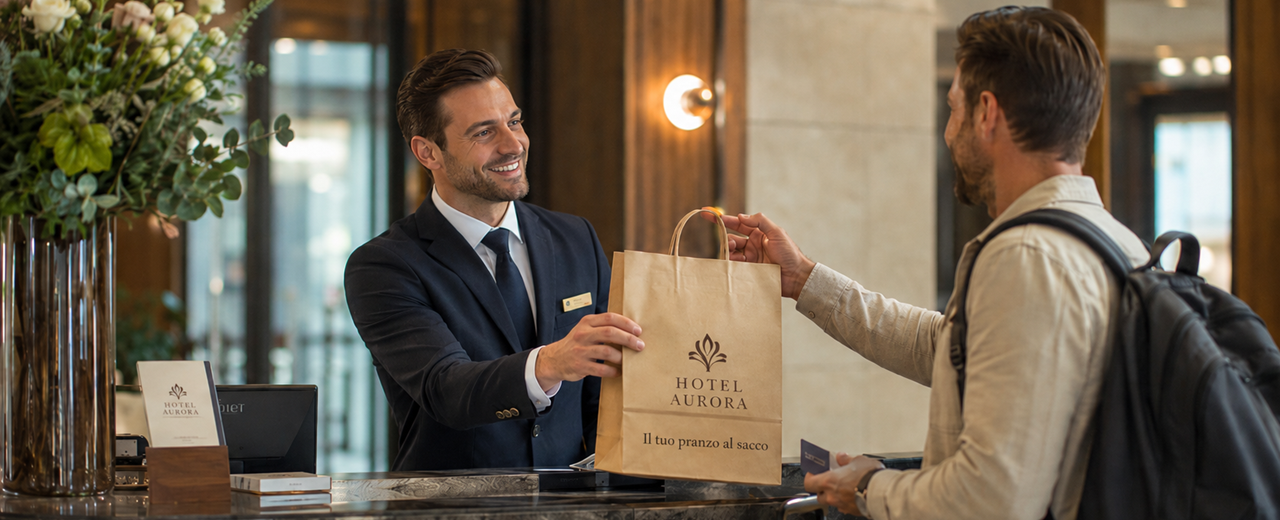
Packaging experience means transforming packaging into a concrete element of service. In food, the customer evaluates product, delivery, order, cleanliness, practicality and visual identity at the same time. A bag, box, shopping bag or food paper can strengthen or weaken perception. For restaurants, bars, pastry shops, hotels and events, the packaging must be beautiful but above all functional. Take away and delivery require materials that are resistant, comfortable to use and consistent with the type of product. Branding, customization and finishes are needed when they make the business more recognizable without slowing down the work. In this guide, we see how to choose professional packaging to make every food experience memorable. In the food world, the product never lives alone. A takeaway coffee, a breakfast at the hotel, a cake for a party, a dinner delivered to your home, a tasting at an event or a gastronomic gift box always need a setting. Packaging creates this framework: it protects, transports, organizes and communicates. For this reason, restaurants, bars, pastry shops, hotels and events cannot consider it a final detail, but a real part of the customer experience. When the packaging is taken care of, the customer perceives method. He sees order, attention and professionalism. On the other hand, when the packaging is improvised, too fragile or not very consistent, even a good product can seem less polished. The value depends not only on the content, but on the way it is delivered, opened, transported and remembered. Packaging the experience therefore means building a system: shoppers, boxes, bags, cards, placemats, ribbons and personalization must work together, without complicating the service.
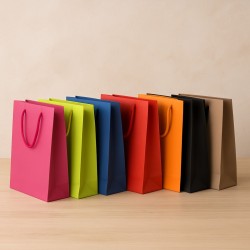
In the food sector, packaging must solve two needs: function and perception. The function concerns containment, transport, protection, cleaning and practicality at the counter. Perception, on the other hand, concerns the way in which the customer reads the activity. A neat package can make the service seem more reliable, a suitable box can enhance a dessert, a consistent shopper can make the place better remembered. Shoppers, Bags and Bags are often the first visible medium outside the store. The customer takes them with him, puts them in the car, delivers them to others or uses them during an event. Paper shopping bags are useful for bars, delicatessens, pastry shops, take-away places and businesses that need to deliver products already packaged in a more orderly way. Packaging should not be chosen only for aesthetics. A restaurant will have different needs from a pastry shop, a hotel from a food truck, a corporate event from an ice cream parlor. The point is to choose materials that are consistent with the pace of work, product and image. When each element has a specific task, the packaging becomes easier to prepare and stronger in communication.
Shopper for takeaway, food and professional deliveries
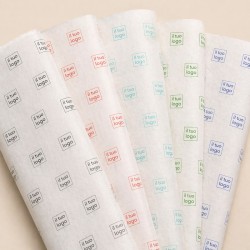
Branding is not just about signs, menus or websites. The customer also encounters the brand in the packaging: in the shopper he takes away, in the box he opens, in the paper that wraps the product, in the placemat he finds on the table, in the ribbon that closes a gift box. For this reason, the packaging must be consistent with the colors, tone and level of the room. The Shopper and Personalised Boxes category allows you to transform delivery materials into recognisable media. A personalised shopping bag for a bakery, a matching box for gourmet products or a bag with a clear visual identity help the customer remember where they shopped. Personalized Placemats are also useful for bars, hotels, restaurants, establishments and clubs that want to communicate during consumption, not only at the time of sale. Personalization must be measured, however. You don't need to print everything. It is more effective to choose a few visible elements and repeat them consistently. A shopping bag, a placemat, a tissue or a ribbon can be enough to make the identity clearer. Packaging becomes memorable when the customer recognizes the style of the business even outside the restaurant.
Take away and delivery are now central services for many food businesses. The customer not only evaluates the taste of the product, but also how they receive it. A package that breaks, loses shape or creates a mess lowers the perceived quality. An orderly solution, on the other hand, conveys reliability even before tasting. Paper for Parcels, Packaging and Food Packaging is useful when you need to wrap, separate, protect or manage over-the-counter and food products. It is always necessary to distinguish between decorative material and material suitable for food use: when there is direct contact with the product, the choice must be correct. Gift Bags and Pouches can help with packaged products, complementary items, already protected sweets or small gifts. In takeaway, format is key. A bag that is too small slows down the counter, a shopper that is too large makes the contents move, and an unsuitable paper complicates delivery. Packaging must simplify the work and give the customer the feeling of receiving a carefully managed product. The faster the service, the more ready, tidy and user-friendly the material needs to be.
Papers and materials for counter, take-away and packaging
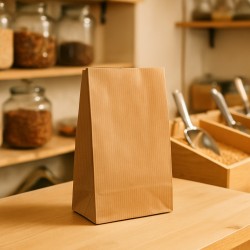

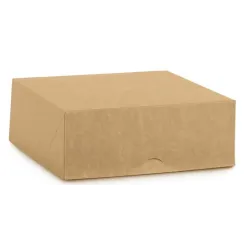
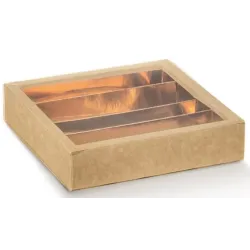
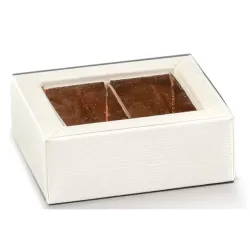
Restaurants, bars and delicatessens need packaging capable of supporting different rhythms. A bar often works on breakfasts, coffee, snacks and small deliveries. A deli can manage ready-made products, tasting boxes, trays, bags and shoppers. A restaurant can use packaging for deliveries, gifts, private events or special products to take away. In any case, the packaging must remain consistent with the type of experience proposed. Boxes can be useful when structure and order are needed, especially for kits, mixed packs, gastronomic products or gift boxes. Gift Boxes , on the other hand, allow you to enhance more refined products, corporate gifts, food selections and packaging dedicated to anniversaries. For bars and delicatessens, counter management is also decisive. Materials should be easy to pick up, match, and tidy up. A line that is too complex slows down the service and increases errors. A simple line, built on a few consistent colors and formats, makes work smoother. The customer sees less improvisation and more professionalism. In all these cases, ChartaRè can help to build effective combinations between gift box boxes, matching shopping bags, decorative ribbons, tissue papers, packaging fillers, bags, envelopes, labels and transport solutions. The goal is to make the work of the business easier and the final impression on the customer stronger.
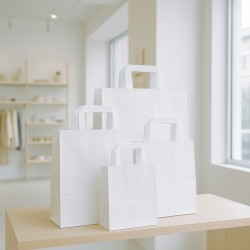
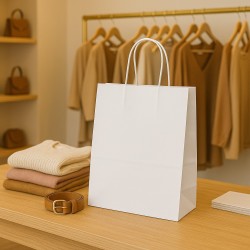
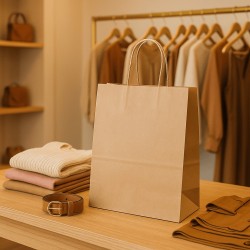
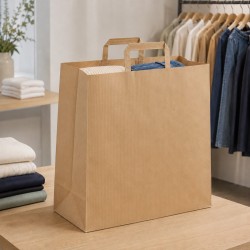
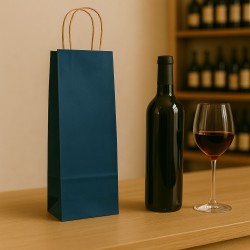
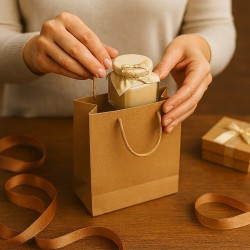
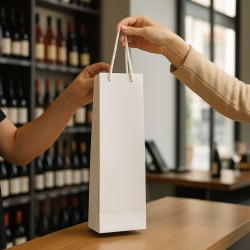
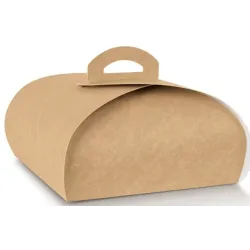
Pastry shops, hotels and events often work on emotional moments: birthdays, special breakfasts, ceremonies, meetings, welcome kits, buffets, tastings and corporate gifts. Here, the packaging is not just for transport. It must anticipate pleasure, protect the product and create a visual memory. A cake delivered in a correct box, a neat breakfast box or a well-finished gift shopper communicate care of the service. Cake Boxes are designed for pastry shops, bakeries, bars, catering and events, because they help to package and transport cakes, pastries, biscuits and take-away sweets. Tissue Paper for Packaging and Packaging can complete boxes and packages when light protection or a more refined presentation is needed, while the Box Filling Chip can be useful for gift boxes, gourmet products, baskets and mixed sets. In the world of events, packaging becomes part of the set-up. Colours, materials and finishes must dialogue with the theme. Packaging that is too neutral can go unnoticed, while packaging that is too decorated can be out of context. The best solution is the one that sustains the moment without stealing space from the product.
Boxes for sweets, events and food gift boxes
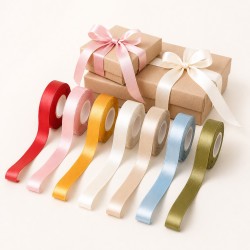
Details make the difference when they are functional and consistent. A ribbon, a clasp, a tissue or a tag can transform a simple packaging into a more refined gesture. This applies to pastry shops, hotels, caterers, restaurants with gift products, wine bars, delicatessens and businesses that work on anniversaries or gifts. Decorative Ribbons help to finish gift boxes, sweet boxes, baskets and special packages. Fabric Ribbons are suitable when you need a softer, premium rendering, while Personalizzati Ribbons can strengthen your brand in the most visible packaging. Again, the rule is not to exceed. A well-chosen finish should complement the packaging, not complicate it. The perceived value comes from the whole. A proportionate box, a correct shopping bag, a suitable paper and a consistent ribbon are worth more than many decorative elements used without method. In food, packaging must remain practical because it is often prepared in moments of intense work. Beauty must help the service, not slow it down.
To build a memorable packaging, you have to start from the experience you want to create. A bar must make the delivery fast and orderly. A pastry shop must protect and enhance sweets and anniversaries. A restaurant must manage take-away and delivery without losing perception of quality. A hotel must transform breakfasts, welcome bags and ancillary services into recognizable gestures. An event must use packaging as part of the scene. The correct method starts with the product, then considers the sales channel, format, weight, transport, service times, brand image and reordering possibilities. After this analysis, shoppers, boxes, food papers, tissues, fillers, ribbons and customizations are chosen. Personalised Papers and Tissue Papers can make the opening of the package more recognisable, while a shopper or a personalised box can transform delivery into visible communication. At ChartaRè, we help restaurants, bars, pastry shops, hotels, catering, delicatessens, ice cream parlors, wine bars, establishments and events to choose professional, consistent and easy-to-reorder packaging. Packaging the experience means shaping the service: the customer not only remembers what he ate or received, but also how he received it. When packaging, branding and takeaway work together, each delivery becomes neater, more recognizable and more memorable.
Customization and finishes for memorable food packaging
 Practical Guide: The Art of Window Dressing
 Artificial intelligence (AI) in the Physical Store.
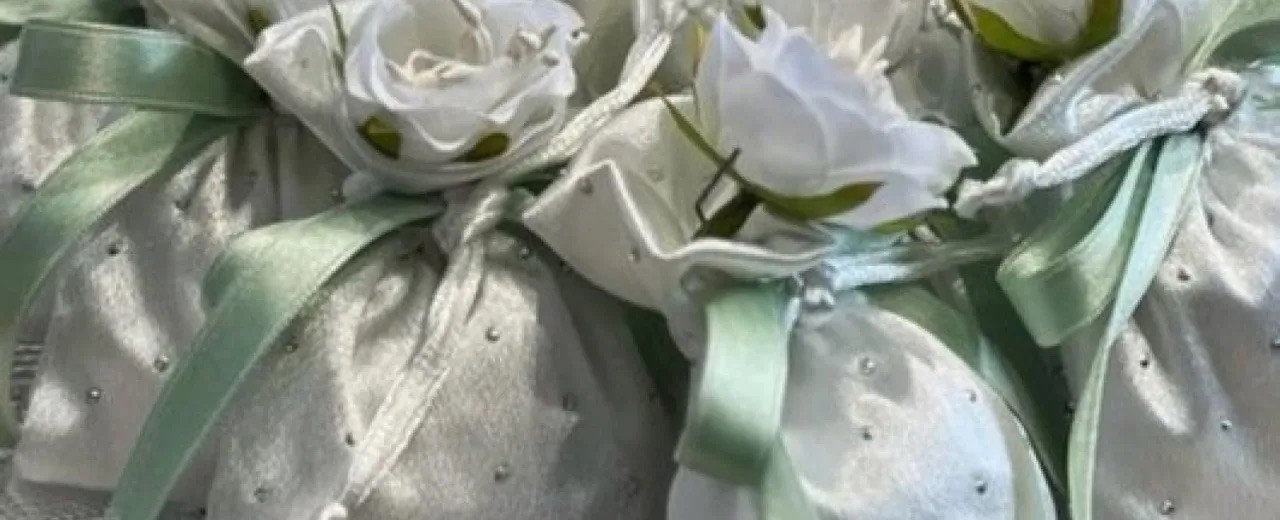 The DIY Wedding Favor, the Perfect One.
 Packaging with Sustainability: The Future of Environmental Impact
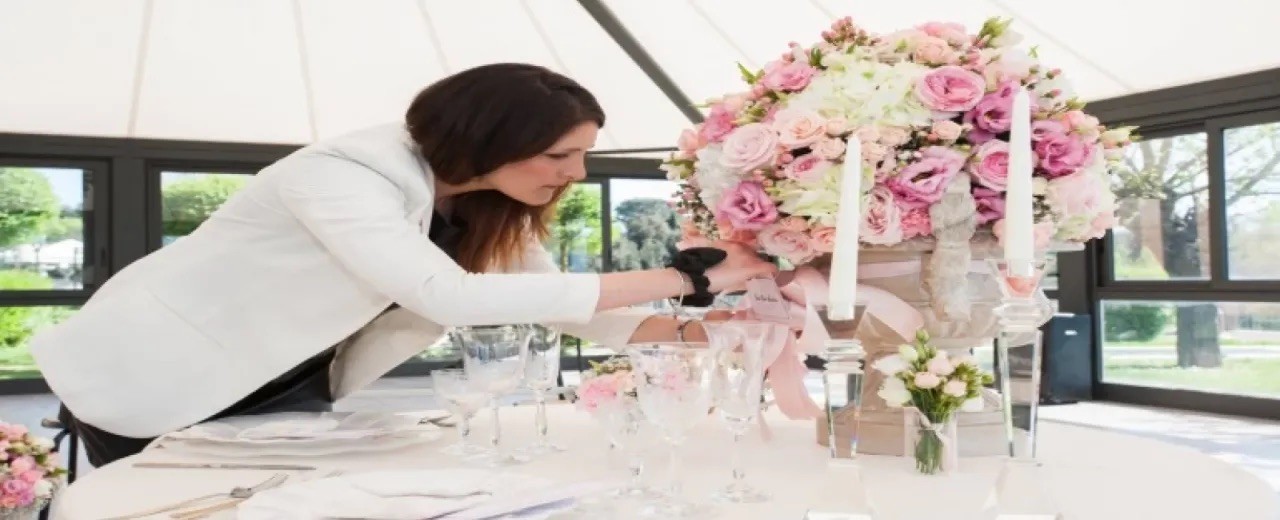 Practical Guide to Customizing Wedding Favors: Tune in to the Theme of the Event and Personal Tastes
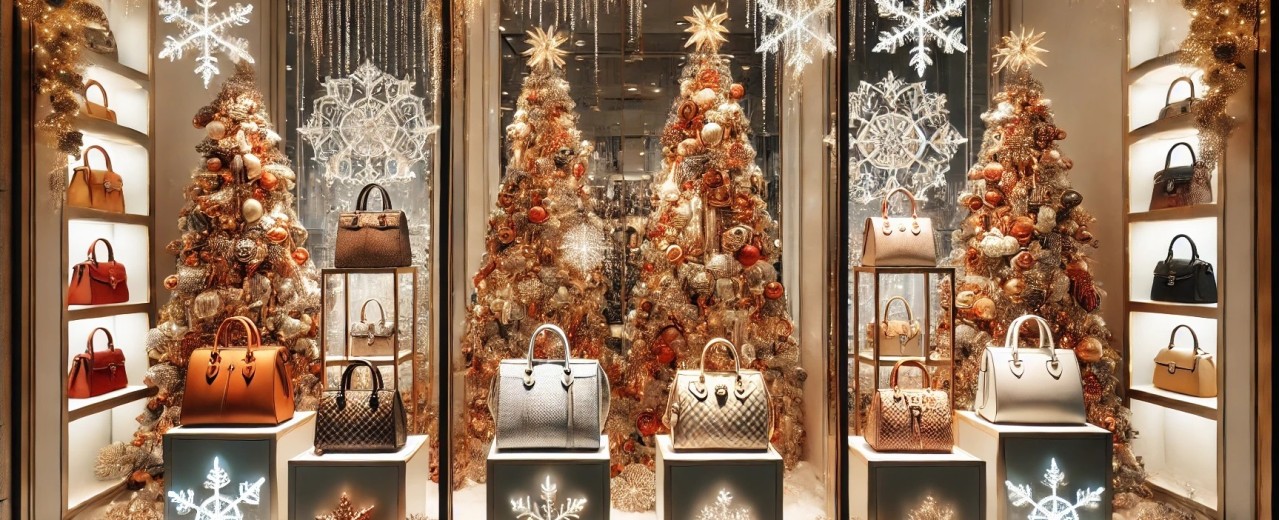 Preparing for Christmas Magic: When and How to Present Your Window Displays to Maximize Sales