Folding cardboard gift boxes are designed for those who want a more stable, tidy and well-kept packaging than simple light packaging. Folding carton retains its shape better, protects the contents and immediately gives a higher perception of the product.
It is not just an aesthetic choice. A rigid or semi-rigid box communicates attention, makes opening more pleasant and can be reused by the customer. For boutiques, perfumeries, jewelers, wine shops and gift shops, this detail directly affects the perceived value.
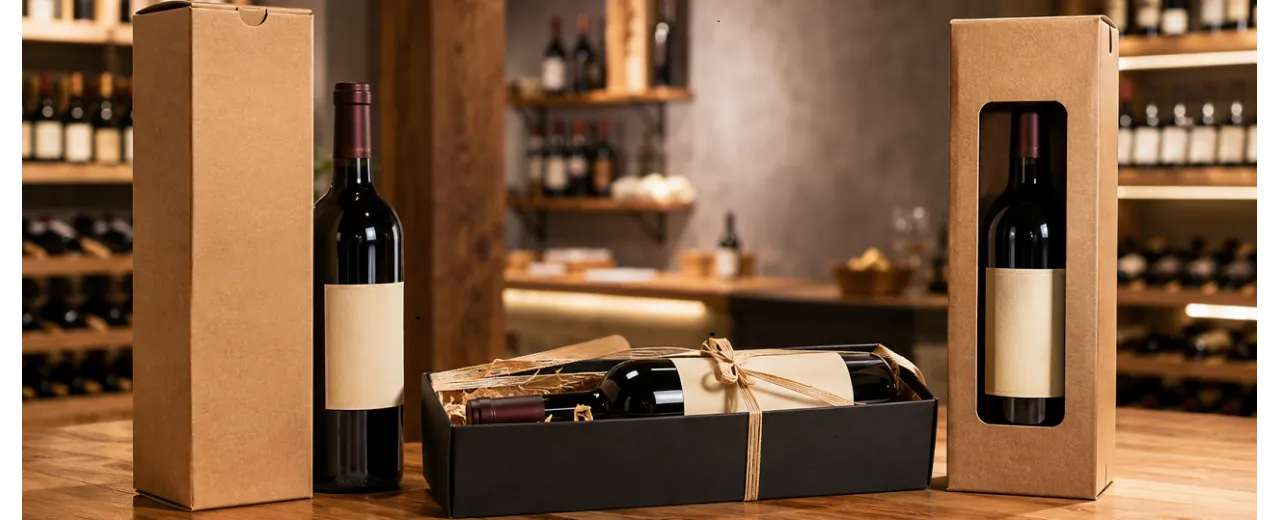
To extend the same perception of value to boxes, papers and fillers, consult the guide to premium packaging for wine shops and gift products.
What is folding carton
Folding carton is a compact material, with no internal corrugation. Unlike corrugated cardboard, which is mainly used for shipping and technical protection, folding cardboard is chosen when the appearance of the packaging also counts.
It is rigid, has a smooth surface and can be coated, printed, embossed, or laminated with decorative papers. This is why it is widely used in Gift Boxes intended for products that must be presented well at first glance.
Its main feature is the ability to maintain a clean shape. The walls remain more stable, the corners are more defined and the packaging gives a more textured feeling. This is important when the customer picks up the box: the value is not only communicated by sight, but also by touch.
Folding carton is different from the lightweight carton used for very cheap folding packs. It doesn't mean that one solution is always better than the other: the point is to understand the use. If you need a quick and light package, folding cardboard can suffice. If, on the other hand, the box has to support the positioning of the product, folding cardboard is more suitable.
When it is convenient to use a folding cardboard box
This type of box is suitable when the packaging needs to do more than just a containment function. It is worth using when:
- the product is fragile or must remain in the packaging;
- the gift must have an elegant presentation;
- the customer expects a package ready to be delivered;
- The brand wants to communicate quality, care and order;
- The box can be displayed in the store together with the product.
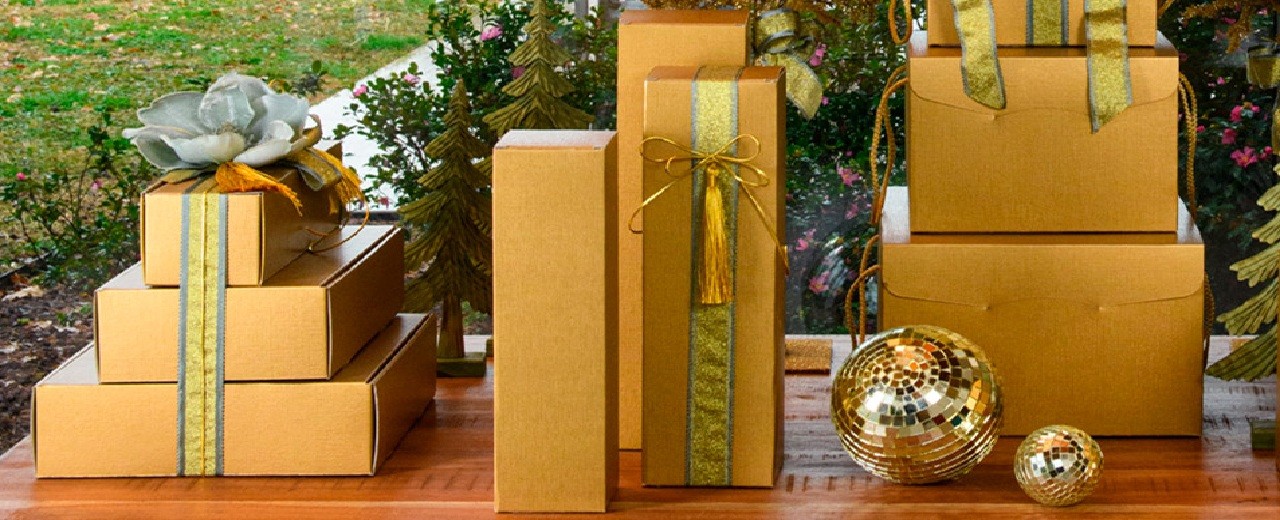
For rectangular products, cosmetic sets, accessories, folded knitwear and gifts, rectangular boxes with lids are particularly practical: they have a stable shape, stack well and make the opening tidier.
Folding cardboard is also useful when the box remains visible in the store. If the product is displayed already packaged, the packaging must hold its own against the contents. A box that curves, opens badly or shows too obvious folds communicates little care. A more stable structure, on the other hand, allows the box to be used as part of the set-up.
However, it should not be chosen only out of habit. For very cheap products, quick promotions or packaging intended to be opened immediately, it can be oversized. The correct choice always depends on the relationship between the value of the product, customer expectations and the sales context.
Elegance does not mean excess
A good gift box doesn't have to be flashy. Restrained colors, matte surfaces, light textures and a well-chosen ribbon often work best. The goal is to make quality perceived without overloading the packaging.
For an elegant result, work on three elements:
- structure: the box must hold the shape and close well;
- Color: White, Ivory, Black, Havana, Powder and Deep Tones are easy to coordinate;
- Finish: matte, embossed or slightly textured if you want a more refined effect.
The main risk is to confuse elegance and excessive decoration. A box with too many colors, too many shiny elements or too many accessories can be less refined than a simple but well-proportioned solution. The packaging must accompany the product, not steal the show.
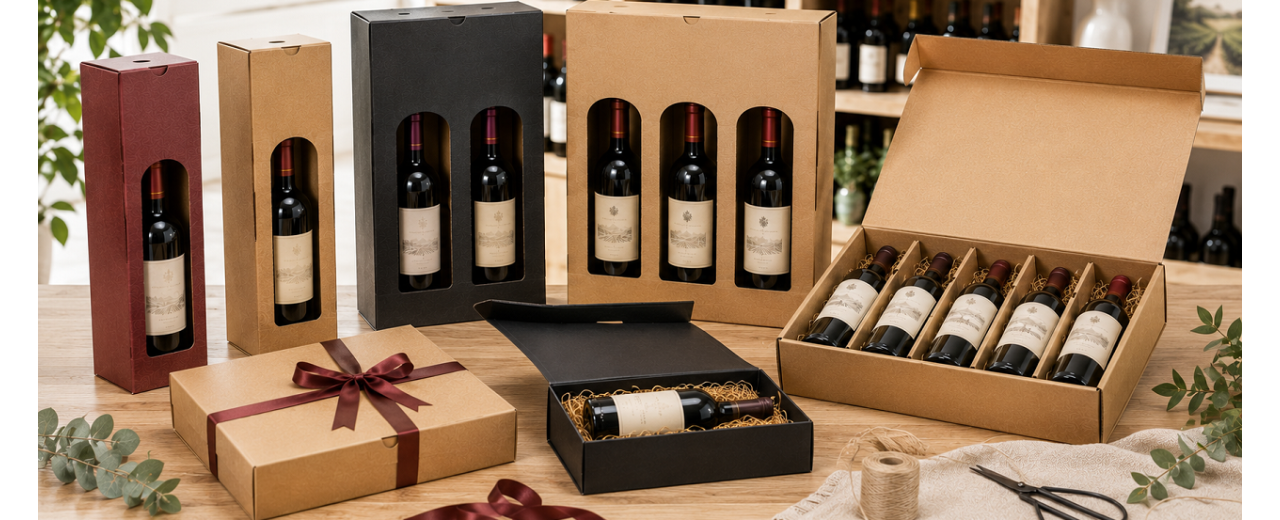
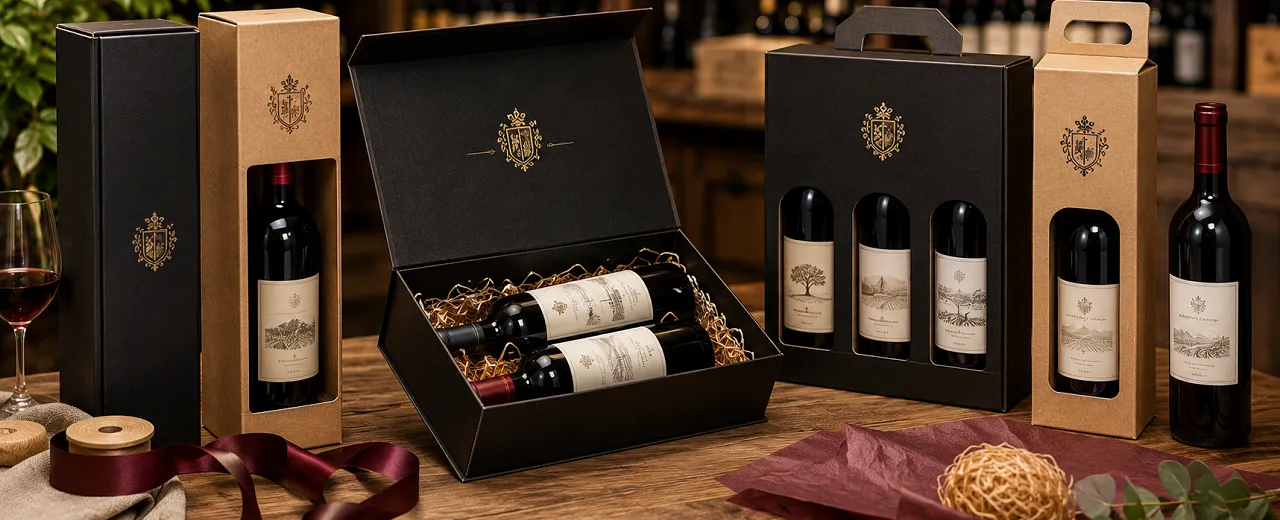
For boutiques and perfumeries, clean finishes, neutral colors and controlled details work well. For wine bars and premium gastronomic products, warmer tones, textured papers or natural textures can work. For high-end jewelry and cosmetics, on the other hand, black, white, gold, silver and very tidy surfaces often win.
How to complete it
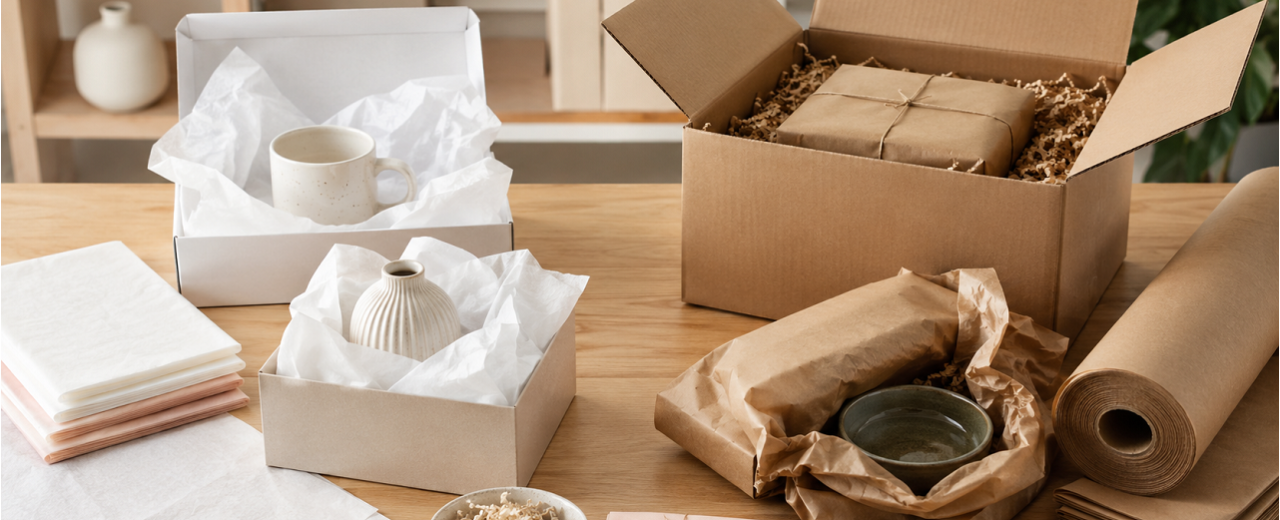
Flat cardboard gives structure, but it is the accessories that close the language of the packaging. An internal tissue protects and improves unboxing; a fabric ribbon adds softness; A rosette or tag gives the final detail.
For a more refined packaging you can combine the box with Fabric Ribbons: satin for a classic effect, organza for ceremonies and light packaging, jute or cotton for natural packaging.
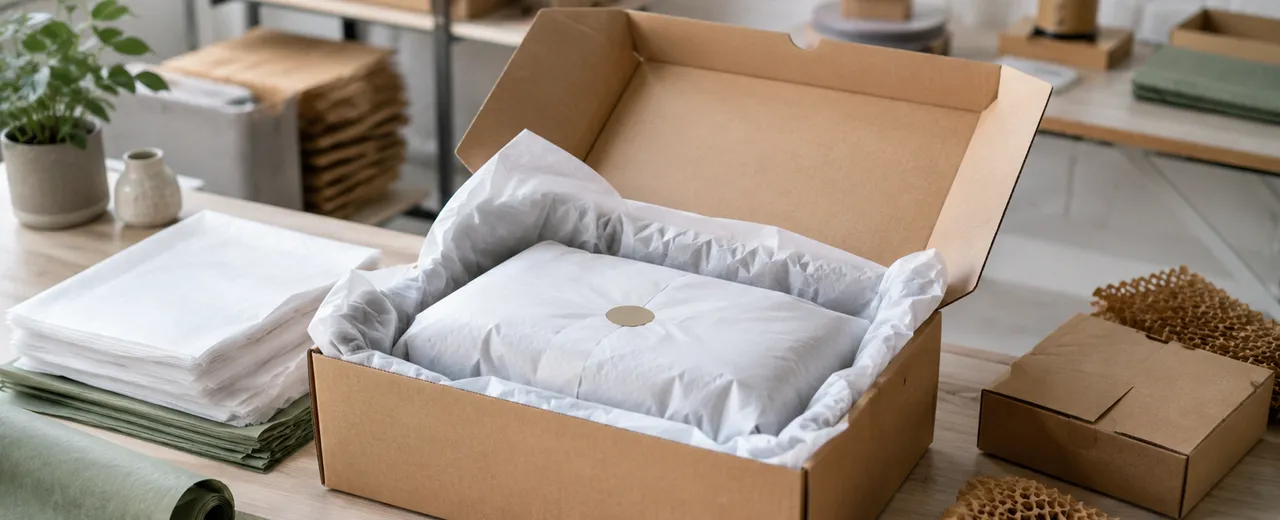
The interior also matters. A flat cardboard box with contents left free risks losing part of its effect. Tissue paper, separators, small fills, or a neat fold of the product help build a more neat opening. The outside creates expectation, the inside must confirm it.
The rule is simple: if the box is more important, the completion must also be up to par. You don't need to add many elements, but those present must be consistent. A well-proportioned ribbon and a well-chosen tissue paper are often enough more than a bulky decoration.
Mistakes to avoid
The first mistake is choosing a box that is too big. A small content inside a large box seems less valuable and requires more filling. The second mistake is choosing a beautiful but impractical box: if it is difficult to open, assemble or keep in stock, it slows down the work of the store.
The third mistake is neglecting weight. A more rigid box communicates quality, but it must be adapted to the product and daily management. For an e-commerce or a store with a lot of inventory, volume and stackability also become important criteria.
Standard or custom boxes?
Standard boxes are the quickest choice when you want curated packaging with no production time. They are suitable for shops, laboratories and businesses that have to manage several occasions during the year.
Personalization makes sense when packaging becomes part of the brand identity: logo, colors, dedicated format, coordinated ribbon. In that case, the box is not just a container, but a recognizable signature.
For many businesses, the best solution is to start with standard quality boxes and work on accessories: tissue, ribbon, tags, labels, recurring colors. In this way, you get a recognizable packaging without immediately dealing with minimum quantities and production times of the customized.
When volumes grow or the brand has an established visual identity, then the custom box becomes more interesting. At that point, the packaging is not only used to package, but to make the store recognizable even outside the store.
Conclusion
Folding cardboard gift boxes are an effective solution when you want more solid, elegant and professional packaging. They protect better than simple wrapping, enhance the product and make the opening more accurate.
The right choice depends not only on the material, but on the whole: correct format, consistent colour, neat closure and proportionate accessories. When these elements work together, the box becomes a real part of the gifting experience.