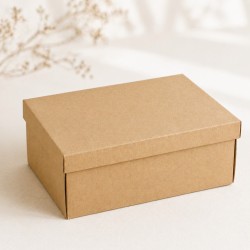
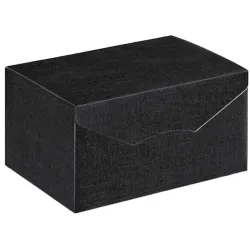
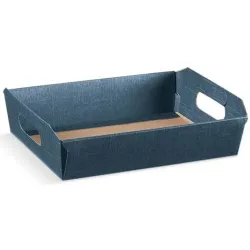
A hinged box is prepared by folding and fitting the prepared parts. It's useful when you pack orders regularly in...
Avana Boxes Square Base Bottom and Lid€2.24
 ChartaRè, RossiCarta's Online Packaging Store



Tell us about yourself
Fill in the form and we will contact you to find the right solution together.
Latest posts
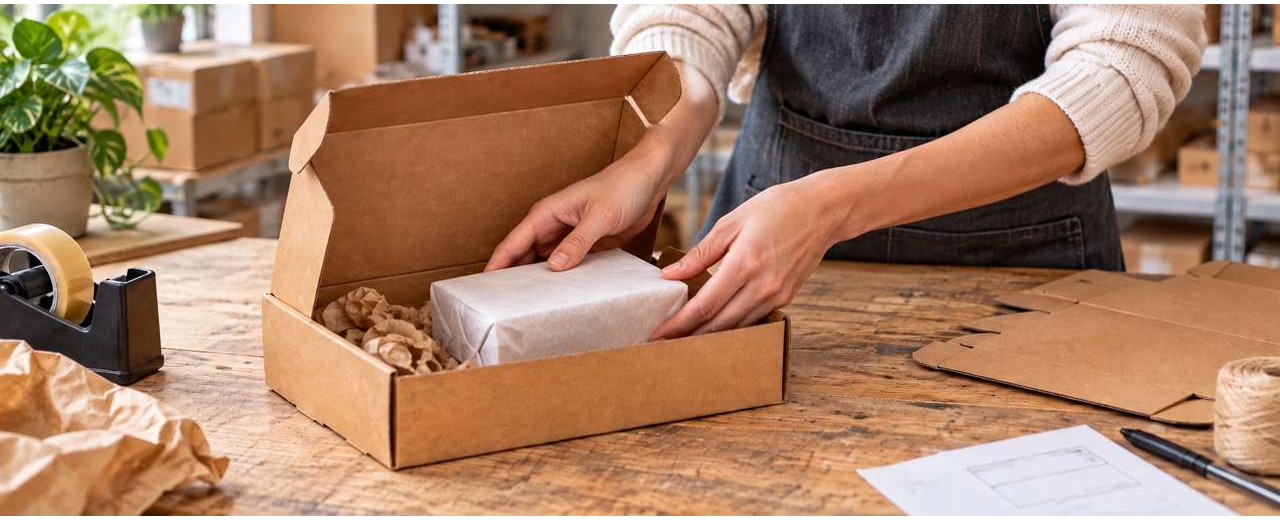
A hinged box is prepared by folding and fitting the prepared parts. It's useful when you pack orders regularly in...
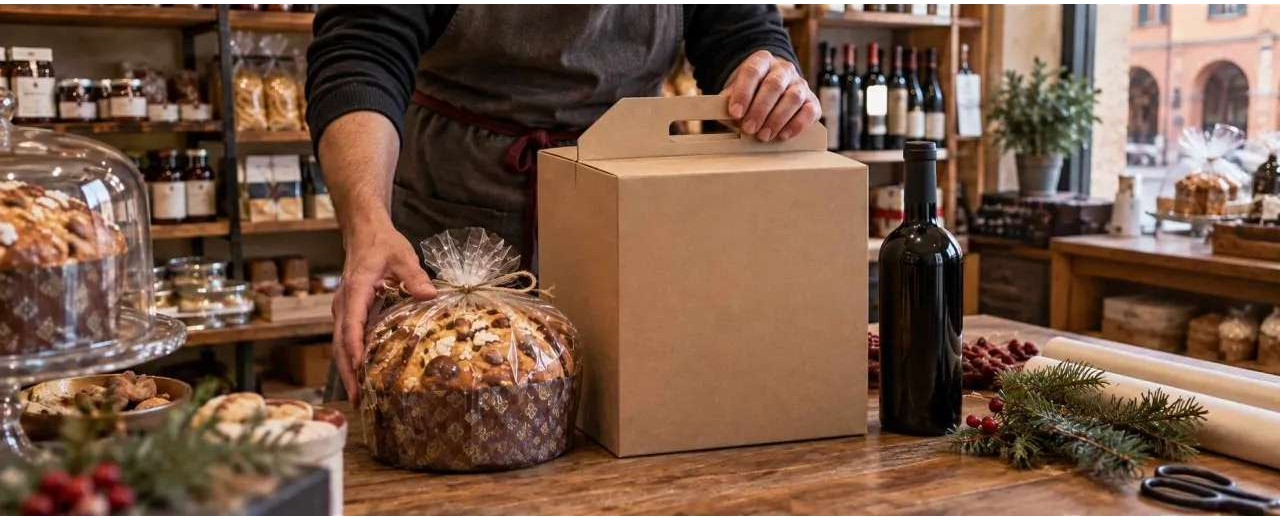
A shopper accompanies the customer out of the store. A box presents the product when it is opened. A staff T-shirt...
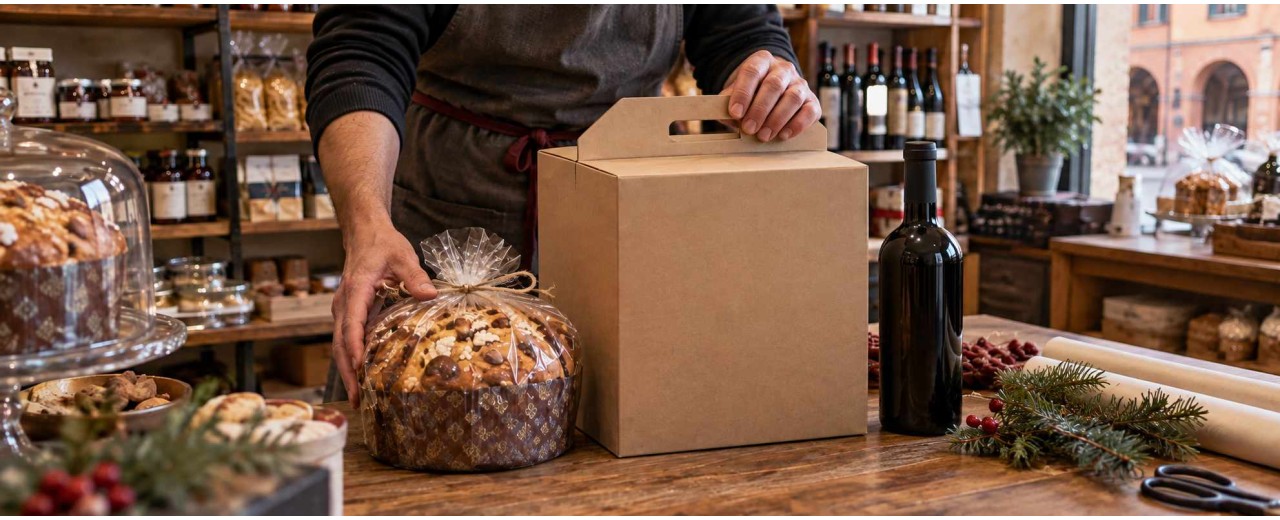
A gift box for a purchase at the counter and a gift with panettone and bottle do not require the same preparation....
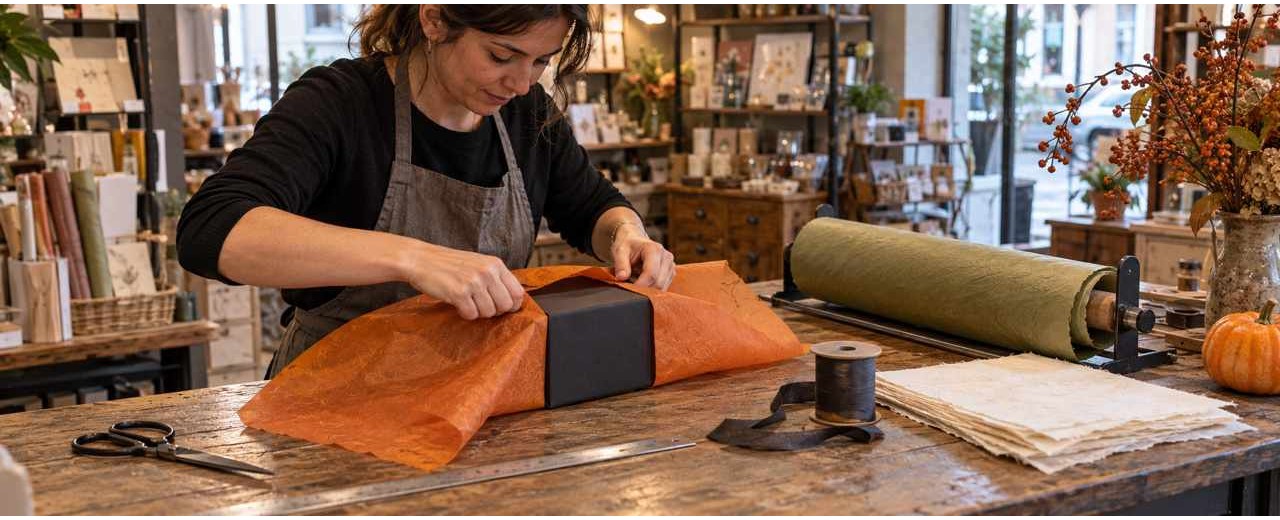
In a professional package, rice paper is not chosen only for the color. The shape and size of the product, the number...
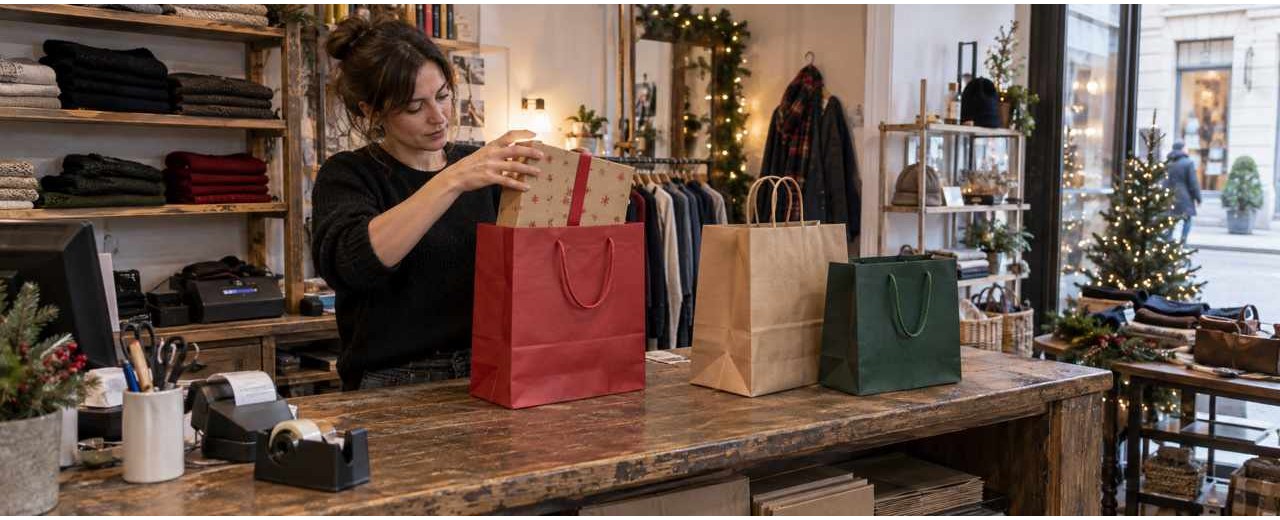
The shopper you deliver at Christmas must do two simple things: contain the already packaged product well and...
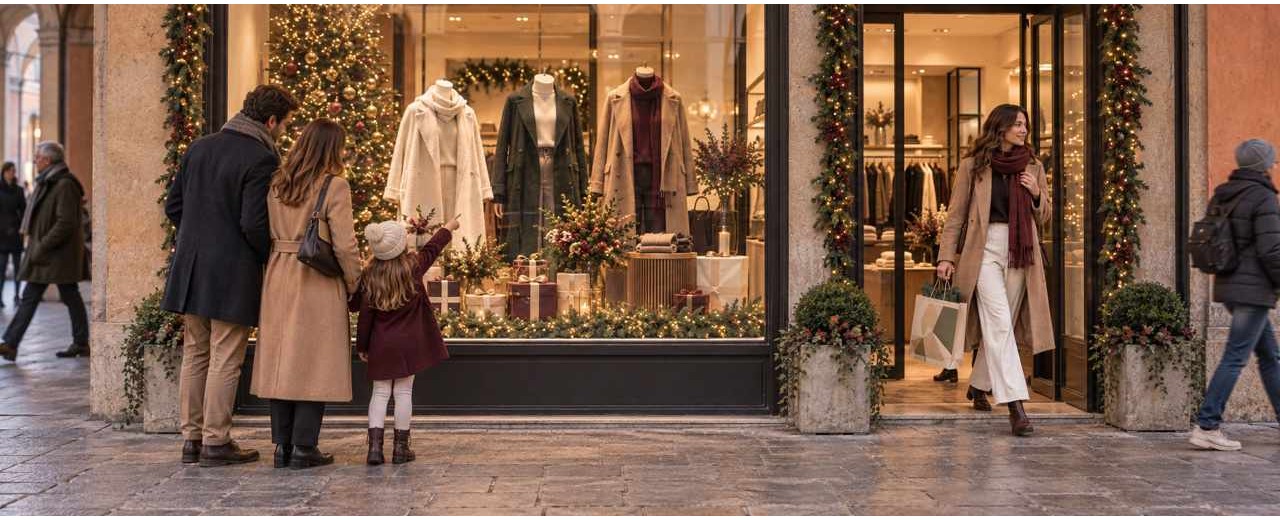
Christmas in the store doesn't start in December. An effective display case and coordinated packaging require...
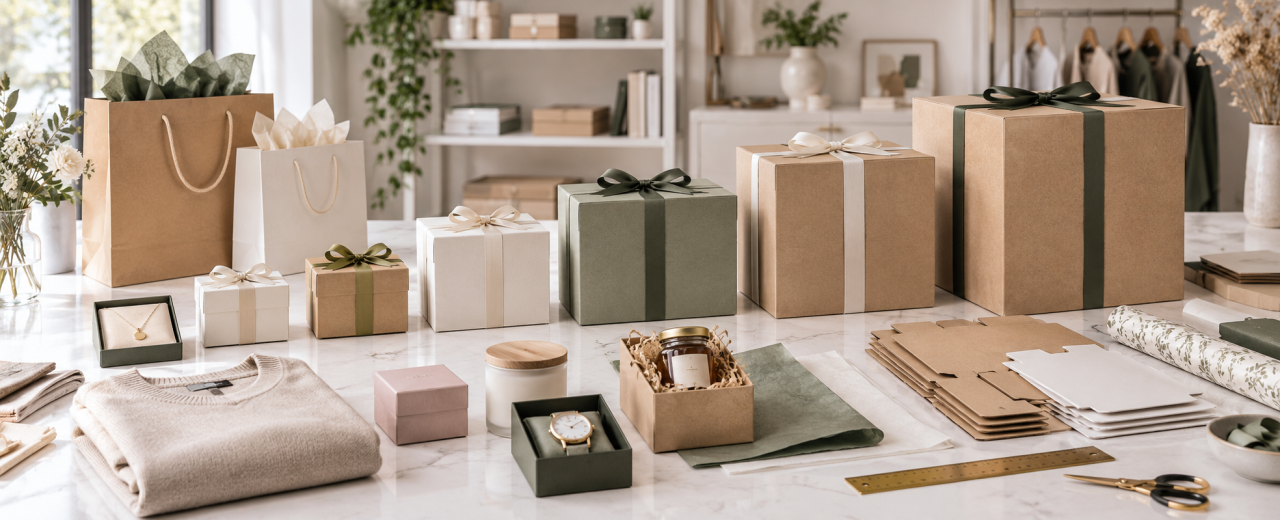
Choosing the sizes of gift boxes means finding a few formats capable of covering the greatest number of products.A...
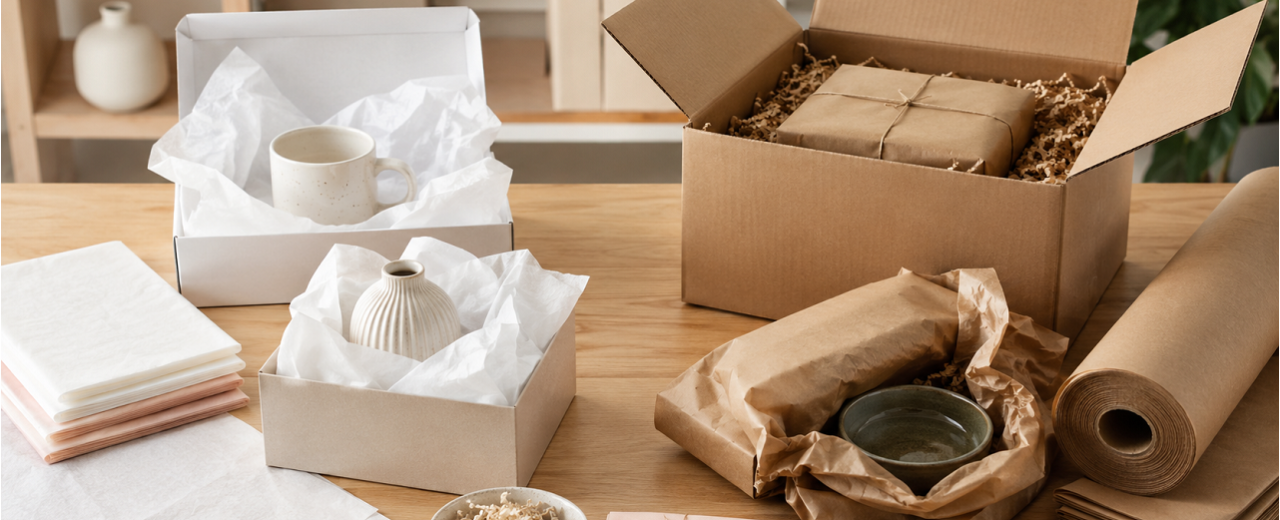
Tissue paper and wrapping paper for shipping have different functions and should not be confused. The tissue protects...
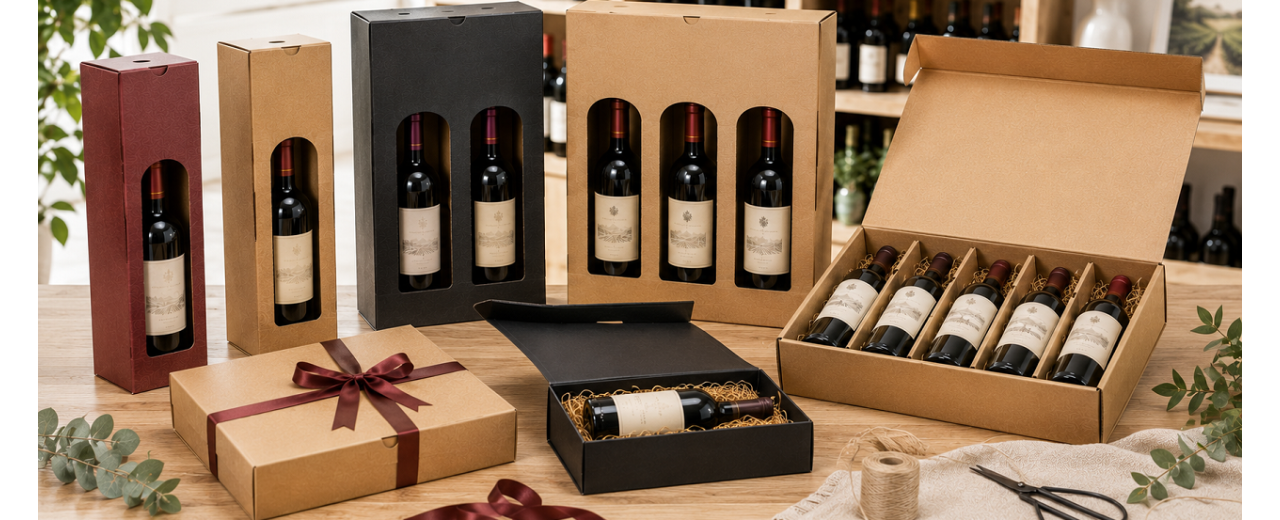
Wine boxes of 1, 2, 3 or 6 bottles help wine shops and wineries manage sales, gifts and delivery. Each format...
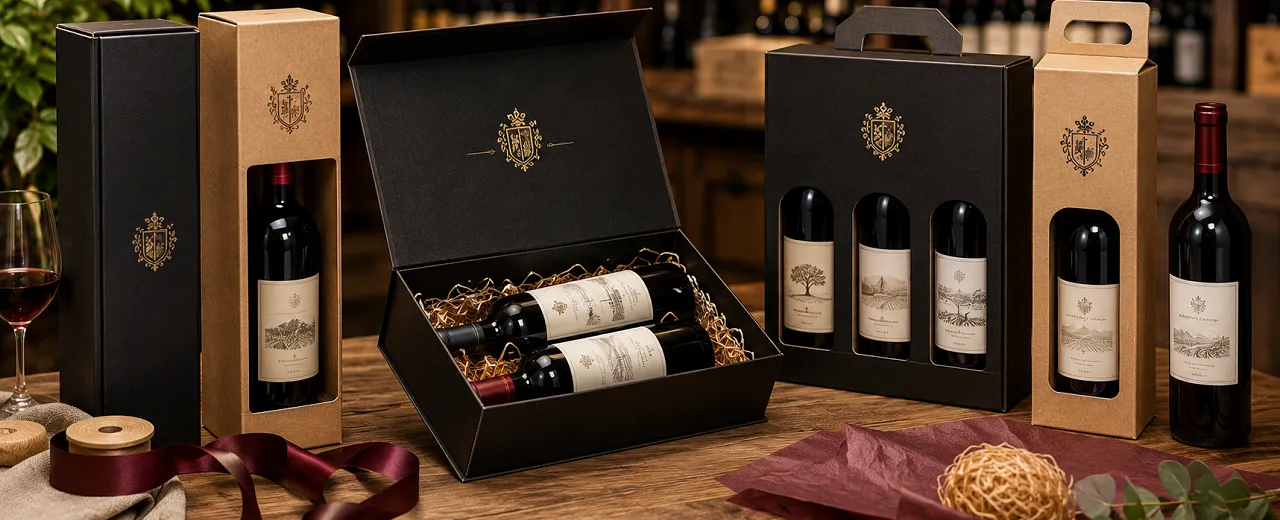
Personalised wine boxes enhance bottles, gift selections and corporate gifts. Logo, format and quantity must be...
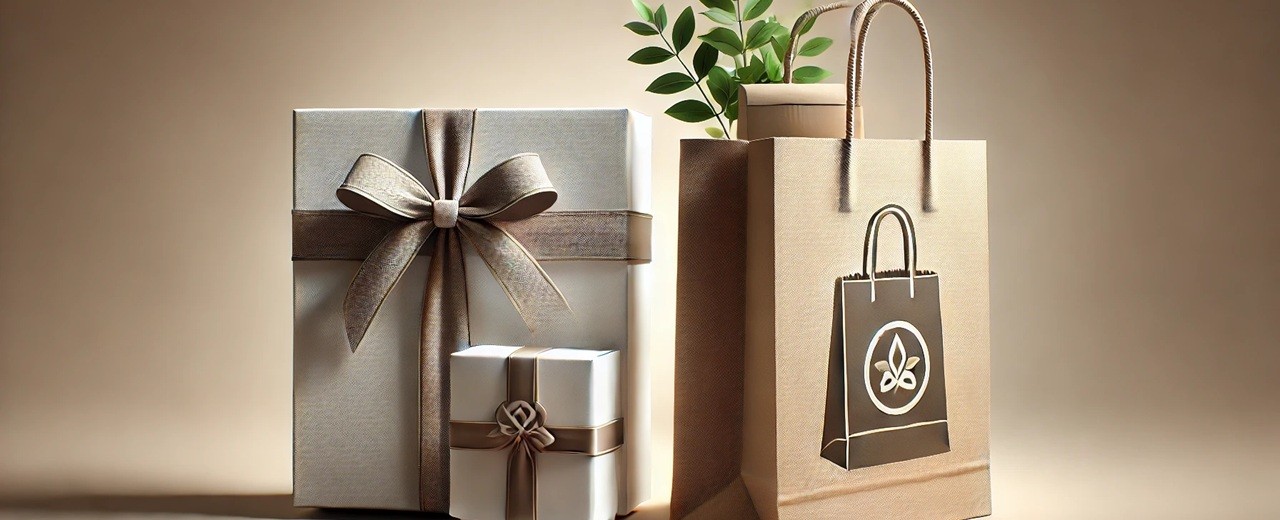
Choosing between boxes and bags means deciding how the product will be delivered to the customer.
The package must contain, protect, present and make the work of the staff easier.
A box offers structure, stability and greater order when the product needs to be enhanced.
A pouch offers speed, lightness and convenience when the contents do not require hard protection.
There is no absolute best solution, but a solution that is more consistent with real use.
A product that is fragile, heavy, or made up of several elements requires a different evaluation than a light item.
The gift needs a more careful presentation than a daily sale over the counter.
E-commerce requires internal protection, filling and containers suitable for handling.
The physical store, on the other hand, must manage speed, space, reordering and immediate customer perception.
Boxes and bags can also work together, creating a more complete packaging.
To turn this choice into a faster, more consistent workflow at the counter, see how to organize small store packaging.
Boxes or Bags: When to Choose One or the Other?
⏰ 8 min. · ChartareThe first difference concerns the structure. The box creates a defined space, retains its shape better and allows you to organize the contents. The bag, on the other hand, adapts to the product, is lighter and allows quick management at the counter.
The Shoppers, Pouches and Bags category is useful when the product needs to be delivered conveniently, transported by the customer and handled in quantity. Bags, pouches and shopping bags work well when the contents do not require a rigid structure or when they are already protected by primary packaging.
The Boxes category, on the other hand, responds to more structural needs. A box can contain, protect, present and make the product tidier. It is particularly useful when the customer needs to perceive more care or when the content is in danger of being deformed.
The correct choice therefore arises from function. If we need to transport a light and already packaged product, the bag may be sufficient. If we need to protect a fragile object, compose a set or create a gift, the box becomes more suitable.
The box is indicated when the product needs to be protected, presented or made more important. It is the most consistent choice for fragile items, cosmetics, accessories, gourmet products, bottles, gift sets, premium items, and packaging that need to maintain a neat shape.
Gift Boxes are suitable when the product needs to leave the store ready to be delivered. The box gives structure, improves the opening and allows you to insert tissue paper, chips or filling materials.
A box works well when the product doesn't have to move too much. The content has a precise space, is protected from the sides and can be presented in a more orderly manner. This is important for perfumeries, boutiques, wine shops, delis, gift shops, homewares and companies that prepare gifts.
The format remains decisive. A box that is too large makes the contents look poor and requires a lot of filling. A box that is too small compresses the product and can make it difficult to close. The correct measurement must consider width, height, depth, internal volume, and additional materials.
The box is preferable when the product needs to communicate value. It does not mean always choosing the most expensive solution, but giving the content a proportionate presentation. In many cases, a simple but well-finished box communicates more professionalism than a used bag for convenience.
The bag is the most practical choice when the product is light, flexible, already packaged or intended for fast delivery. It takes up less space, prepares quickly and allows you to handle higher volumes without slowing down the bench.
Gift Bags and Pouches are useful when the store needs to quickly package small items, accessories, cosmetics, already protected products, gadgets, promotional items or simple gifts. They can be made of paper, non-woven fabric, polypropylene or transparent materials, depending on the desired effect.
Paper shopping bags, on the other hand, become the ideal solution when the customer needs to carry the purchase. The shopper does not always replace a box, but completes the delivery and makes the packaging tidier outside the store.
Cellophane bags are useful when the product needs to remain visible. They are suitable for cookies, candies, packaged goods, small handicrafts, gadgets and items that benefit from transparency.
The bag is preferable when the priority is speed. In bakeries, delicatessens, stationery shops, gift shops, pharmacies, herbalists and businesses with many counter sales, staff must be able to pack without complex steps.


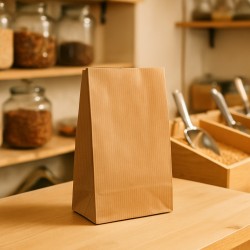
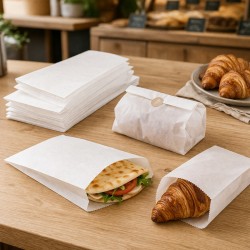
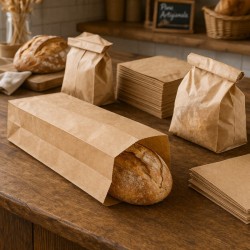
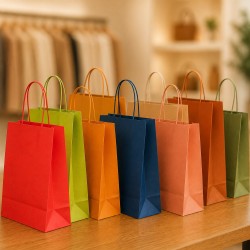
The product must guide the choice. A rigid, fragile or multi-element item needs more internal control. A light product, textile or already contained in a case can be placed more easily in a bag or shopper.
Tissue Paper for Packaging is useful in both cases. Inside a box improves the opening and protects the surface. Inside a bag makes the contents more accurate and reduces direct contact with the external material.
Weight is another fundamental criterion. A heavy product requires a stable bottom, structure and suitable handle. If we choose a bag just for convenience, we risk deforming the packaging or making it uncomfortable to transport. If we choose a box without evaluating the weight, we can get a container that is nice but not solid enough.
For fragile or delicate products, the box offers more protection. For light and soft products, the bag may be sufficient. For gourmet products or mixed compositions, box and filling work best together. For transparent products or packaged food, the bag can enhance the contents while keeping them visible.
The practical question is simple: does the product only have to be transported or does it also have to be protected and presented? If it only needs to be delivered, the bag works. If it needs to be ordered, stabilized or valued, the box is more consistent.
In the physical store, packaging must be fast and consistent. The customer sees the gesture of the package and immediately perceives if the result is ordered. For this reason, it is advisable to have a few well-chosen formats, easy to take, assemble and complete.
The Gift Card can transform a box or an already packaged product into a ready-made gift solution. It works well when the store wants to offer a more refined finish without changing the entire structure of the packaging.
In e-commerce, the situation changes. The product is not only delivered, but handled, transported and opened remotely. Secure Shipping Boxes become essential when the contents need to travel by courier or be placed in a more resistant package.
The Packaging and Shipping section allows you to complete the system with boxes, envelopes, protective papers, adhesive tapes and materials to block the contents. A bag can be useful as an inner package, but it is not always sufficient as an outer packaging.
The gift requires yet another logic. Here the packaging must protect, but also create anticipation. A box with tissue, shavings or inner paper can make the product look tidier. A gift bag can be quick and pleasant, but it works best when the product doesn't require structure.

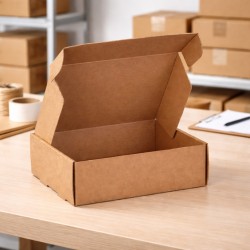
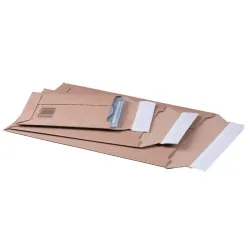
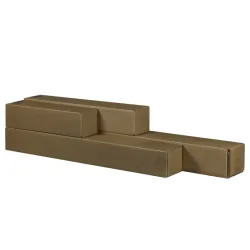
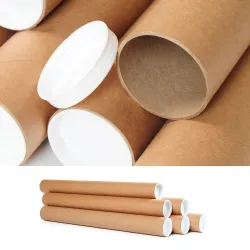


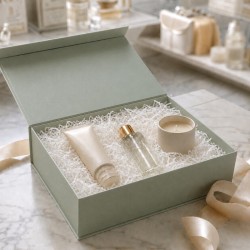
Often the best choice is not box or bag, but box plus bag. The box protects and presents, while the bag or shopper makes it easier to transport.
The Box Filling Chip helps when we need to lock products into boxes, baskets or mixed packages. It is useful for gourmets, cosmetics, gifts, gift sets and products that need to remain tidy during delivery.
A practical example is perfumery: bottle or box inside gift box, internal tissue, ribbon and final shopper. Another example is gastronomy: product packaged in a transparent bag, placed in a box or basket with filling. For a boutique, the garment can be wrapped in tissue paper and placed in a shopping bag, while more delicate accessories may require a box.
The combination works when each element has a function. The box doesn't have to be added just to make the packaging more important. The bag should not be used to hide the wrong box. Tissue, filling, shopping bags and finishes must complete the system without creating waste.
The Shopper and Personalized Boxes becomes useful when we want to make the entire packaging recognizable. Customization can concern shoppers, boxes, cards or tissues, but it must start from the correct formats and functions.
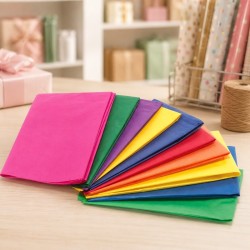
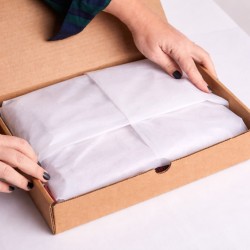
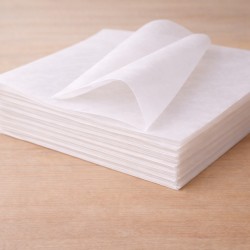
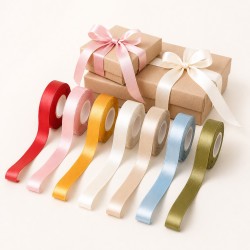


To build a basic assortment we have to start with the best-selling products. It makes no sense to buy many variants if the staff then always uses the same two or three formats. Better to define a few clear and replicable solutions.
The first level is the quick bag. It is for light products, small items, quick packs, and daily sales. It must be easy to pick up, fill and close. It can be made of paper, non-woven fabric, cellophane or transparent material depending on the industry.
The second level is the gift box. It is for products that need to be better presented, protected or sold as gifts. It must have a proportionate format and be able to be completed with tissue, shavings or tape.
The third level is shipping packaging. It is used for e-commerce, remote deliveries and products that need to travel. In this case we must not only think about aesthetics, but about protection, stability and closure.
The fourth level is customization. First we choose structure and formats, then we evaluate the logo, colors, tissues and coordinated shopping bags. Customizing the wrong solution doesn't make it more functional. Customizing a correct solution makes it more recognizable.
We recommend creating a small internal matrix: product, quick wrap, gift wrap, shipping wrap and complementary material. This helps staff to always choose the most suitable solution.
Boxes and bags do not compete with each other. They work at different times. The bag simplifies delivery, the box increases structure and perceived value. When chosen methodically, they help the store work better, reduce errors, and make packaging more consistent with what the customer buys.
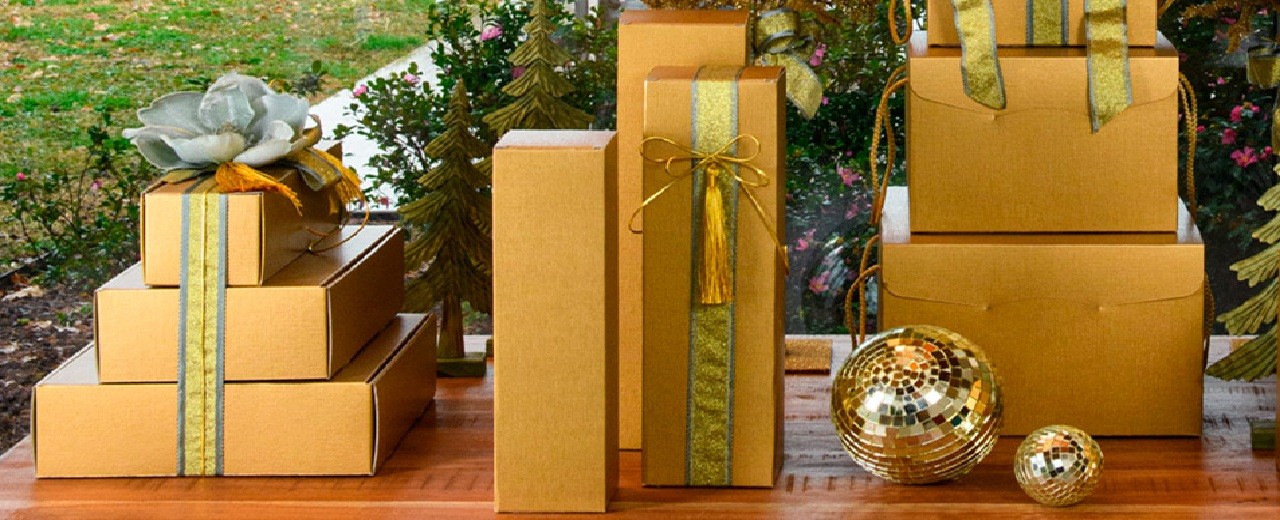 Folding Cardboard Gift Boxes: Elegance, Functionality and Craftsmanship
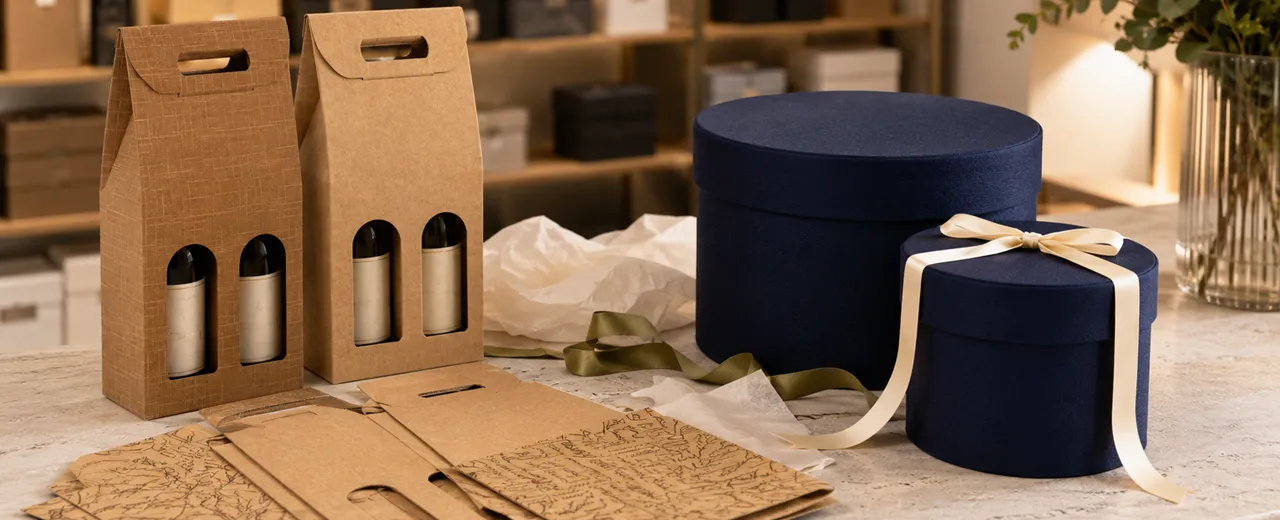 Folding cardboard box or Luxury box? How to choose the right packaging for your product
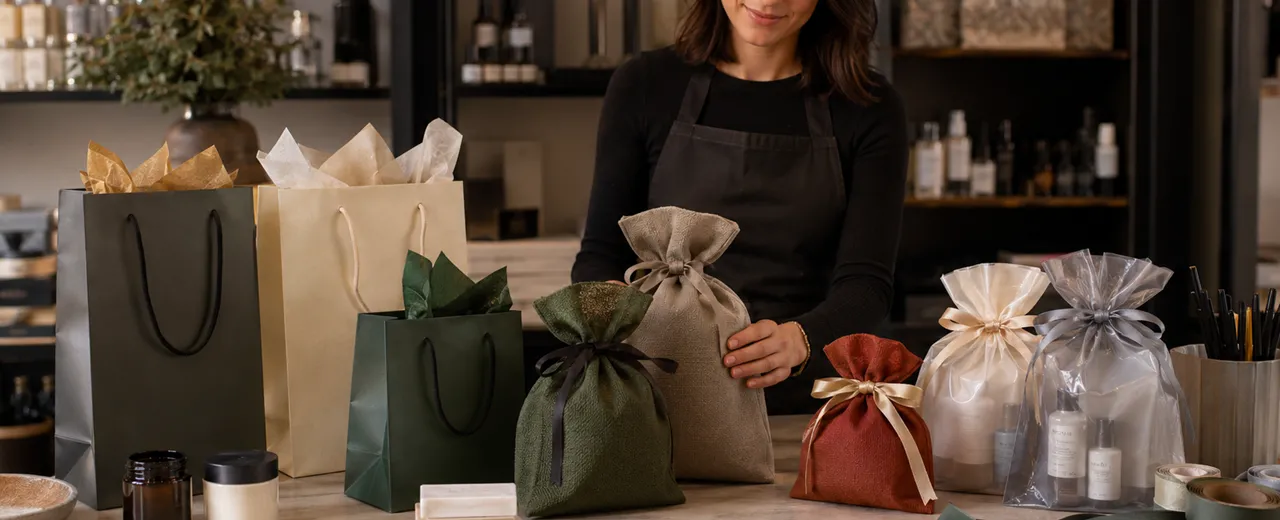 Gift bags and gift bags for shops: how to choose size, material and style
How to choose gift box sizes for a professional assortment
Gift bags and gift bags for shops: how to choose size, material and style
How to choose gift box sizes for a professional assortment