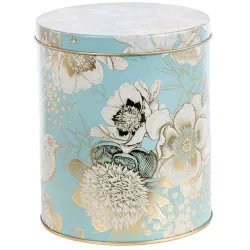
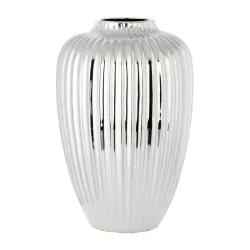
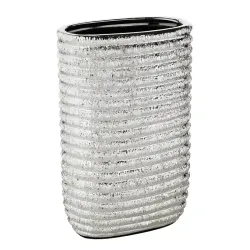
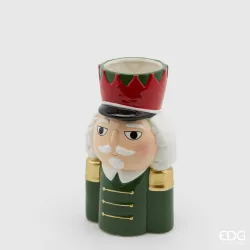
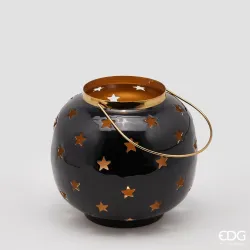
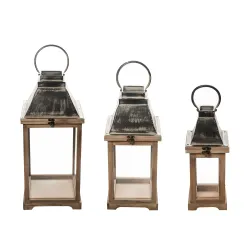
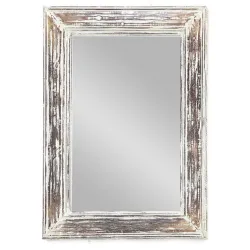
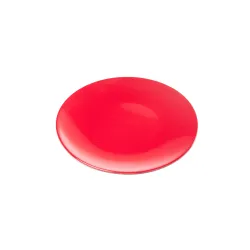
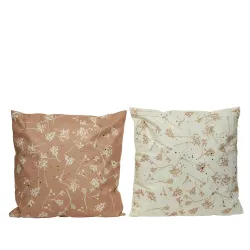
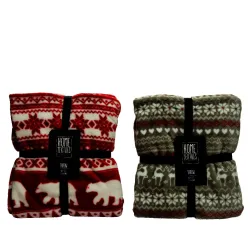
Autumn/Winter 2025-2026 promises to be a season of color full of meanings and dualisms. The emerging palettes in home décor and lifestyle reflect a balance between the need for reassuring comfort and the desire for creative expression. From reports from the Pantone Color Institute and international trendsetters, an "accessible" but effortlessly glamorous color range emerges where traditional shades are mixed with bold accents to reflect current times. In this in-depth analysis, aimed at an educated and design-passionate female audience around 45 years old, we explore the season's flagship colors , emerging contrasts (warm vs. cool, neutral vs. saturated), reinterpreted iconic returns, and the cultural and social influences behind these color choices. Authoritative sources – from Pantone to WGSN, from Maison&Objet to Elle Decor and Vogue – will guide us through the chapters of this overview of next winter's colors.
Flagship colours of the F/W 2025-2026 season
Among the absolute protagonists of the season, some key colors identified by trend forecasters stand out. According to WGSN and Coloro, the five top shades for A/W 25-26 are: Celestial Yellow, Cherry Lacquer, Retro Blue, Neon Flare and Future Dusk. Added to these is the warm brown Mocha Mousse (Pantone 17-1230), chosen by Pantone as Color of the Year 2025. These shades outline a heterogeneous palette ranging from ethereal and spiritual tones to the deepest and most mysterious, offering ideas for both welcoming environments and bold accents in the home.
- Celestial Yellow – A bright pale yellow, almost a lunar ivory. The researchers describe it as "radiant and multisensory, restful and surreal at the same time". It evokes the glow of the stars (moon, stars, sun) and symbolizes the human search for reassurance and orientation. In uncertain times, people turn to spiritual and cosmic values for meaning, and that's exactly what Celestial Yellow embodies. In décor, it can translate into soft nuances on the walls or furnishing fabrics that instill calm and discreet optimism.
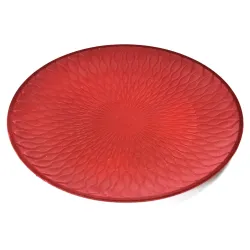
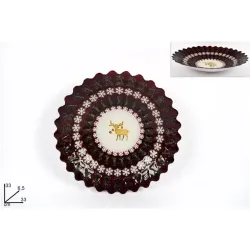
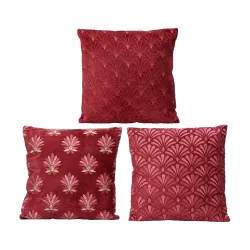
- Cherry Lacquer – A dark cherry lacquer, a deep red shade tending to burgundy. It is a mysterious and luxurious color, defined as a mix of black and red that recalls the intensity of a black black cherry. This dark red reflects the turbulent emotions of the present: on the one hand, it channels widespread feelings of anger and insecurity, symbolizing resistance and a spirit of rebellion against the established rules. On the other hand, it has a seductive, almost decadent attraction: it suggests forbidden pleasures and a desire to escape, giving a sense of power and empowerment to those who adopt it. In an interior, Cherry Lacquer can appear on an important velvet or a lacquered detail, giving an immediate dramatic and sensual charge to the environment.
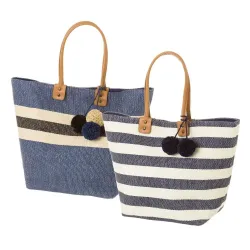
- Retro Blue – A nostalgic blue with a warm and dusty undertone. This "analogue" nuance recalls the past: it inspires warmth and joy precisely because it evokes familiar objects and atmospheres. In times of uncertainty, colors such as Retro Blue offer emotional stability, leveraging a reassuring nostalgia. WGSN notes that this hue could also have a strong appeal for Gen Z, who are fascinated by retro aesthetics as a refuge from the volatile digital world. In our spaces, Retro Blue can be translated into a desaturated baby blue or cerulean blue for walls or textiles, bringing with it a "vintage" allusion combined with contemporary comfort.
- Neon Flare – An intense and bright neon coral. This vibrant hue reflects the environmental zeitgeist: it stems from growing concern about the climate crisis and its impacts on the planet. Defined as an "AI-inspired" color, Neon Flare has an energizing effect: it is almost a neon signal that ignites a sense of collective urgency in finding solutions to epochal problems. The shade, halfway between a coral orange and a fluorescent pink, draws attention like a stylized but positive alarm. It can appear in pop details of the interior – a cushion, a decorative object – to literally "light up" the atmosphere and stimulate creativity and dialogue.
- Future Dusk – A twilight blue-purple, dark and at the same time subtly bright. This hue intersects the boundary between blue and purple and represents the combination of darkness and hope: according to WGSN "it suggests that despite the challenges on the horizon, there is always room for imagination and optimism towards the future". It has a dreamlike and futuristic character, like a sky at sunset on a distant planet. Future Dusk embodies the idea of renewal after the crisis, a moment of quiet in which something new can be born. In interior design, it can be adopted in shades of ink, indigo or dark aubergine on accent walls or elegant upholstery, to add sophisticated and contemplative depth to spaces.
- Mocha Mousse – A soft and enveloping mocha brown. Pantone elected it color of the year 2025 and describes it as a "rich and warming" shade that invites a "reflective indulgence". Leatrice Eiseman, executive director of the Pantone Color Institute, explains that Mocha Mousse expresses the pleasure of pampering oneself, of indulging in comfort, but also the possibility of sharing it with others. In fact, cocoa brown, with its references to chocolate and coffee, evokes feelings of pampering and conviviality. This color brings subtle warmth to any room, not only through wall paint but also through furnishings such as a burnt earth sofa or leather and dark wood accessories. It is a brown that amplifies the feeling of domestic comfort without being flat: on the contrary, it is imbued with a "greedy" richness that visually warms the space.
In addition to these, other notable shades enrich Pantone's seasonal palette. Different shades of red emerge from the fashion week reports, confirming that this color family is the protagonist: for example, Winterberry is a "seductive" and velvety red that ignites the senses, Chili Oil a vital but timeless earthy red, and Poppy Red a bright, "exuberant and celebratory" poppy red. Alongside reds, we find spicy browns such as Hot Chocolate (a comfortable chocolate brown, which recalls a decadent indulgence) and Bronze Brown (a bronze brown, with golden reflections, emblematic of an authentic elegance inspired by natural metals). More delicate nuances such as Primrose Pink, a suffused and illuminating primrose pink, and original yellow-green hues such as Lemon Grass, a citrus green with sweet floral notes, complete the picture. This rich chromatic variety – from warm neutrals to bright tones – captures attention and stimulates curiosity, offering endless possibilities to customize environments in line with one's taste and mood.
Emerging color contrasts: Warm vs. Cool, Neutral vs. Neutral vs. Neutral Saturated
A key feature of the 2025-26 trends is the interplay of contrasts between temperatures and color intensities. Warm and cold tones coexist in the palettes, creating unexpected and dynamic balances. Similarly, a dialogue between refined neutral colors and saturated , bold accents can be observed. This balance responds to the desire for environments that are both welcoming and full of personality.
Heat vs. Cold: The season stages a true chromatic duet between enveloping nuances and refreshing notes. On the one hand, we find warm, earthy and spicy colors, capable of visually warming the space. For example, Pantone's Brandied Melon is an orange softened by spicy undertones that "leaves a warm enveloping persistence" almost on the palate – think of it on a wall or in a fabric: it exudes comfort and conviviality. On the other hand, cool, airy shades appear that bring freshness and calm. Vapor Blue, an impalpable grayish blue, is an example of this: it adds "a refreshing and discreet touch" to the environment, like a light breeze in a room dominated by warm tones. The alternation of warm and cold is also manifested in the combination of complementary colors: a deep purplish blue such as Future Dusk (cold) can be combined with a detail in Cherry Lacquer (warm) in the same environment, creating emotional contrast – quiet against passion – and at the same time narrative harmony. This combination of opposites generates vibrant yet balanced environments, where the hues enhance each other instead of colliding.
Neutral vs. Saturated: Another key contrast is between neutral hues – understated, elegant, often natural – and bolder saturated colors. In current trends, classic neutrals are regaining importance as the basis of furniture, but they are no longer the cold and impersonal grays of yesterday: we are talking rather about bright whites, refined beiges and browns, dusty blues and soft mauves. Pantone, for example, offers for A/W 25-26 a series of "seasonless" neutrals such as Bright White, a pure and clarifying optical white, French Roast, an intense and full-bodied brown with an earthy undertone of honest luxury, Crown Blue, a classic and reliable blue that expresses perenniality in design, and Mauve Wine, a sophisticated and natural burgundy mauve. These timeless neutral colours bring a sense of comfort, stability and timeless elegance to rooms.
But the real novelty is how they are combined with saturated and bold colors. The presence of vibrant accents breaks up the monotony and adds character: a touch of vibrant red or spicy yellow on a neutral background can transform the space. Pantone speaks of a "lively chromatic dialogue between well-known neutrals and bold, deep seasonal hues," a combination that creates drama and encourages everyone to embark on a personal creative journey. Concretely, we can imagine a living room played on basic beige-camel tones (warm neutrals) enriched by Poppy Red or Primrose Pink cushions; or a kitchen with creamy white walls with deep olive green or petrol blue furniture. The effect is that of a balanced but not flat environment: the neutrals act as a canvas on which the saturated colors "paint" accents of personality.
It should be noted that this trend also marks a change from the recent past. As some interior designers point out, the long parenthesis of only dominant grays and greiges is officially closing: "don't be afraid, the era of grays is over" proclaim the furniture experts, inviting you to opt for more intense bases such as rich browns, moss greens and warm ochres. In practice, neutrality today takes warmer and more comfortable forms, while bright colors are no longer banned but are dosed with taste (according to compositional rules such as the famous 60-30-10 in decoration, where 10% is reserved for the brightest touches). The result is interiors that combine practicality and character: pragmatic and reassuring shades with depth, but "with a fashion touch that elevates them from traditional to contemporary". This allows you to satisfy the need for relaxing environments without sacrificing a pinch of boldness and visual originality.
Returns and reinterpretations of iconic colors
The F/W 2025-2026 color trends look to the future without denying the past – indeed, many iconic colors of the past are back in vogue reinterpreted in a modern key. We could speak of a real nostalgia operation in the world of design: shades that were once classic or even vintage are rediscovered and modernized, often mixing references from different eras to create something new and trendy.
One obvious theme is the revival of the 70s and 80s in contemporary palettes. Warm, natural colors typical of those decades – think earthy browns, olive greens and orange shades of rust and ochre – are experiencing a second youth. Brown, in particular, has returned to being the "mother color" of the moment. Long considered old-fashioned, today brown (from chocolate to caramel) is once again celebrated by paint companies and interior designers on both sides of the Atlantic, as a versatile and sophisticated It-color . After years of dominance of ice whites and cement grays, nuances such as taupe, cocoa, terracotta are conquering homes and showrooms, a symptom of a return to a warmer and more "rooted" aesthetic. Monica Reese, trend director at Lowe's, points out how Truffle Brown – an intense truffle brown – "overlaps beautifully with a wide palette, from delicate neutrals to deep, bold tones, elevating the style of any space." In other words, brown is once again synonymous with versatility: it adapts to both modern minimalist interiors and rustic chic contexts, acting as an elegant neutral base that nevertheless carries with it the heritage of nature. This rediscovery of worn browns and beiges partly represents a return to 70s furniture (think of the trend of modern antiques and dark wood furniture), but with today's finishes and combinations that make it cool and current. Today's browns also convey an idea of authenticity and comfort that resonates with the search for more livable and personal spaces – an evolution from the ultra-bright or artificial tones of a few years ago.
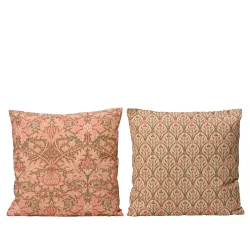
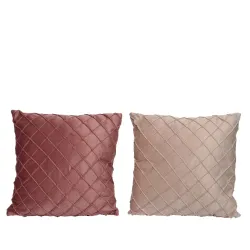
At the same time, vintage jewel colors also peep out in current trends. Notes of peacock blue, petrol green, purple and aubergine – typical of Art Deco or 40s-50s furnishings – are taken up and updated. Experts point out that in 2025 the inspiration is going beyond the Y2K wave (which has dominated recently with bright pinks and electric blues), to draw instead on the early 2000s and even earlier, even the 20s and 30s of the twentieth century. The return of Art Deco is in fact evident in both fashion and design: classic lines and luxurious ornaments are back in fashion, and with them the rich and "soft" colors of that era. There is talk of a resurrection of hues that experts define as muddied, or "cloudy" or dusty shades of pink, purple, green and yellow, all with earthy and muted bases. Ghislaine Viñas, interior designer, envisions "complex shades of pink, purple, green and yellow with earthy and rooted bases" as protagonists : imagine a dusty antique pink, a smoky sage green, a burnt ochre yellow, a desaturated mauve purple. These are colors that recall glazed ceramics, fabrics faded by time, oil paints of yesteryear – yet today they are incredibly new, because they go against the trend of the digital saturation we had become accustomed to.
This "nostalgia operation" is not a simple recycling of the past, but a conscious reinvention. "True creativity doesn't always lie in chasing the new at all costs, but includes the art of reinventing the familiar," says Pantone's Leatrice Eiseman. And that's exactly what we see: familiar colors reinterpreted with a contemporary transformation, giving ample space to play and experimentation. A striking example is plum purple: a regal and slightly retro shade, which in recent years has been declined in current versions – from Digital Lavender (digital lavender) proclaimed color of the year 2023 according to WGSN, to the most recent revival of aubergine and eggplant shades in the 2024-25 paint collections. Pantone in its F/W 25-26 report includes Damson, an intense plum purple whose contemporary glamour "recalls a dramatically vintage aesthetic", indicating precisely this union of past and present. Similarly, Lyons Blue, a "deeply intense" petrol blue, evokes the luxury of bygone eras but with a renewed allure for today. They are colors that bring with them ancient stories (the peacock blue of art deco living rooms, the purple of Victorian velvets) but are proposed in such a way as to dialogue with modern elements, generating fresh and stimulating results.
Another iconic return is that of classic red, which crosses eras: from the scarlet red of the 50s to the burgundy of the 80s, up to the recent "Cherry Coke" phenomenon on social media. In 2025 we observe a strong presence of reinterpreted reds. The trend of deep reds is so evident that Maison&Objet in Paris has seen these tones dominate: "the trend is confirmed – intense reds dominate Paris", notes a report, pointing out that cherry reds, burgundy, tea rooibos and rust have admittedly taken the lion's share of the installations. This trend had already emerged at the Salone del Mobile 2024 and even in Pinterest forecasts (which indicated cherry red as the color of the year on the web), proving that certain iconic colors cross fashion, design and pop culture. Red is therefore back – but here too, with new nuances: cherry today is mixed with hints of black (as in the aforementioned Cherry Lacquer) to appear deeper and more mysterious. Rust becomes more elegant, crimson more sophisticated. This gives the reds a luxurious and intriguing richness that makes them current in interiors, where until recently they were used sparingly.
Finally, it is worth mentioning that the rediscovery of the past also embraces historical neutrals. In addition to the aforementioned '70s browns and beiges, we notice a return of classic neutrals such as gray in fashion contexts. Pantone for spring 2025 has introduced Moonbeam Gray, a shiny and mysterious "moonbeam" gray, defining it as a new trendy neutral marked by discretion and elegance. Grey, synonymous with sartorial refinement, is brought back to the centre in an updated and bright version, indicating that even the "simplest" colour can amaze if proposed with the right materials or contrasts. Pantone experts explain that this harmonious group of shades, including timeless neutrals such as Moonbeam Gray, reflects the "new desire for authenticity" and alignment with the precious natural world. In practice, the 2025 gray is not the flat gray of the industrial era, but a gray enriched with warm or pearly undertones, capable of combining comfort and glamour and elevating itself from traditional to contemporary. This shows how even the most iconic and popular colors are constantly reinterpreted to adapt to today's taste and the needs of the moment.
In summary, the chapter on chromatic "returns" teaches us that the fashion of colors is cyclical but not repetitive: every era takes from the past what it needs, tinging it with its own aspirations. Today, the reinterpretation of retro palettes satisfies the need for roots and references in a world perceived as uncertain: using a color "of yesterday" in a new way gives a sense of reassuring continuity, but also of creativity in knowing how to make it of today. Like combining an old standard with a new remix, reinterpreted iconic colors create environments that tell familiar stories with an updated visual language.
Cultural and social influences behind color choices
Behind every color trend there is always a broader context. The colors we see emerging for A/W 2025-26 are not simply the result of aesthetic arbitrariness, but respond to very specific cultural, social and psychological stimuli . This chromatic season, in particular, reflects many of the challenges and contemporary collective moods: from global anxieties to the search for hope, from youthful rebellion to the desire for authenticity and well-being. Let's explore what are the main drivers behind trending palettes.
1. Climate, crisis and urgency for change: The climate emergency and global instability serve as a dramatic backdrop to many color choices. WGSN has named the overall theme of A/W 25-26 trends "Acceleration" precisely because we see an acceleration of change (for better or worse) in response to climate chaos. Events such as "orange skies, green oceans" caused by climate change generate disquiet and impose a sense of urgency. This tension is reflected in the colors: on the one hand, there is a need for colors that give reassurance and shelter (think of natural, earthy calming); on the other, colors emerge that scream the alarm and the request to act. Neon Flare, the lit neon coral mentioned above, is directly linked to this zeitgeist: it is described as a color that "fuels a sense of collective urgency as we strive to solve enormous problems." Its almost artificial luminescence recalls technology (it is no coincidence that it is inspired by AI) but also warning signals – like a neon in the night that indicates "be careful, we must act now". At the same time, colors like Celestial Yellow represent the other side of the coin: in moments of bewilderment, people turn their gaze to the sky for guidance. Celestial yellow embodies the spiritual and cosmic dimension that re-emerges when we need orientation and hope beyond contingency. Astrology, astronomy, connection to the cosmos have become popular again as ways to find meaning – and that pale, lunar yellow is the chromatic reflection of this search for higher meaning. Therefore, climate and social anxiety has a double translation: alarm colors that activate (such as neon, acids, fiery orange) and comfort colors that appease (such as earth, celestial, vegetal tones). Both coexist because they reflect the opposite widespread feelings: urgency to act but also need for consolation.
2. Rebellion, strength and individual freedom: Colors have always been a means of expression and, sometimes, of protest. In 2025, we see that some strong colors are directly linked to feelings of rebellion, empowerment, and redefining social norms. An emblematic example is the already discussed Cherry Lacquer: this deep red-black "adapts to the feelings of anger and insecurity that many people are experiencing", symbolizing resistance and a spirit of rebellion towards existing expectations and patterns. In a post-pandemic and turbulent world, where social movements demand change, such a bold color becomes a visual statement of rupture. Its seductive, almost forbidden allure also gives a sense of personal power: wearing (or furnishing with) a red like this means affirming oneself, going against the tide. Not surprisingly, on the catwalks it has often been associated with materials of character such as vinyl or shiny leather – a sign of stylistic transgression. Other dark shades such as deep purple and midnight blue can also take on empowering connotations: they embody a regality and self-assurance that defies convention (think of purple, a color once reserved for nobles, now used to manifest independent creativity). This rebellious thrust in colors can be seen as a chromatic reflection of socio-cultural movements: the desire to break the rules finds an echo in unconventional palettes, in daring combinations, in the use of "difficult" colors with pride. For a mature female audience, this can translate into the freedom to dare a dark red wall in the studio as a statement of character, or to insert a dark purple piece of furniture in an otherwise classic living room to break the monotony and say "this is me". Color thus becomes a manifesto of identity and personal freedom .
3. Nostalgia and the need for reassurance: As mentioned, nostalgia is a powerful driver behind many current color choices. Periods of economic or social instability often generate a desire to return to something known and reassuring – even if only on an aesthetic level. That's why we see colors that recall "simpler" past eras or at least already lived are depopulating. Retro Blue is the perfect example of this: WGSN points out that "in times of uncertainty, people find comfort in what is familiar and gives a sense of stability", hence the nostalgic power of this analogue blue. At home, this trend manifests itself in the rediscovery of vintage palettes: many boomers and Gen X find in sage greens, powder blues and powder pinks the flavor of their childhood homes, while younger people (Gen Z) adopt them for the charm of retro cool. There is almost a desire to create spaces "like those of the past", but updated: not a slavish copy of the past, but an emotional appeal. For example, the use of a sage green on kitchen walls can be reminiscent of grandmother's 50s kitchens, subconsciously conveying familiar warmth; Or a petrol blue velvet sofa can give the living room that vintage club tone that makes you feel safe and pampered. Chromatic nostalgia is therefore a response to the need for emotional security: surrounding oneself with colors that have a history and a soul attenuates the feeling of disorientation in the present. Also, looking back is a way to slow down: in an accelerated era, choosing "old-fashioned" colors is like pressing pause and recovering a slower, more comfortable pace.
4. Influence of media and pop culture: The role of less institutional but very powerful trendsetters such as social media and pop culture in shaping color tastes should not be forgotten. An interesting case is the "food palette" launched by Pinterest for 2025: the social network of visual ideas has identified five trending colors inspired by food – Cherry Red , Butter Yellow , Aura Indigo (indigo aura), Dill Green (dill green) and Alpine Oat (alpine oats, a delicate beige). According to Pinterest, these shades – literally "out of the fridge" – will influence design, beauty, fashion and interiors, confirming a desire for tasty and particular colors. "We really see an appetite for expressive colors in 2025 — not necessarily hyper vibrant, but unique. They are unusual, specific colors, with a well-defined personality, which reflect self-expression," explains Xanthe Wells, creative director at Pinterest. This indicates that the generations active online (Millennials and Gen Z in the first place) are looking for colors that are out of the ordinary, that distinguish them. The case of Cherry Red is emblematic: Pinterest describes it as "a rich red that blends the intensity of red with the warmth of brown... tastes like dark cherry", differentiating it from the usual bright red. It is a shade that has been all the rage on TikTok and Instagram, associated with nostalgic aesthetics (the cherry motif on clothes, accessories and decorations has gone viral). This shift from food trend to color trend shows how pop culture is shaping domestic palettes: a greedy reference or an aesthetic meme can translate into painting and décor choices. For the lifestyle world, this means an advance in playful, narrative colors – hues that tell something (a story, a taste, an internet trend) and thus allow people to connect and have fun with color. The 2023 cinematic phenomenon "Barbenheimer" (the contrast between Barbie and Oppenheimer) also had chromatic effects: it simultaneously brought the obsession with Barbiecore shocking pink and more serious "moody" dark tones. Having overcome that extreme phase, now the pop influence pushes towards a more nuanced middle ground: the colors of 2025 renounce the kitsch excess of fluorescent pink but also the gloomy total austerity, to embrace more understated and complex shades (the aforementioned desaturated greens, soft mustard yellows, powder blues, etc., which some have called the colors of female "soft power"). In essence, the media and social networks amplify and accelerate certain latent trends: they make palettes popular that may have been proposed by experts, because they find emotional resonance in the public, especially among the younger ones who then influence the whole family.
5. Well-being, sustainability and authenticity: Finally, a transversal influence is given by the emerging values in society – mental well-being, environmental sustainability, rediscovery of the authentic – which are also reflected in the color choices. The post-2020 home has become a refuge and center of life, so the colors we choose are intimately linked to how we want to feel. The trend towards shades of nature (earth, forest green, sky blue, cream whites) denotes the desire to bring calm and nature into the home, creating environments that promote relaxation and balance. Pantone emphasizes that the 2025 colors want to align "with the precious natural world" and reflect "our new desire for authenticity". This translates into the use of organic, not very artificial, perhaps even imperfect nuances. The concept of honest luxe associated with colors such as French Roast brown is illuminating: it indicates a luxury that is not ostentatious but rooted in simple and genuine elements (such as earth, wood, leather), therefore colors that taste of reality, of experience. This is in line with the growing sensitivity towards sustainability: eco-friendly materials and natural colors go hand in hand, because both express respect for the environment and a slower lifestyle. In addition, the attention to mental well-being pushes towards relaxing palettes: this is why we find many soft, dusty, balanced tones (the so-called "dopamine" colors of a few years ago – hyper bright to give instant happiness – give way to "serotonin" colors, more constant and calming). For example, a sage green or powder blue reduces visual stress and promotes concentration, making them popular choices for bedrooms and studies. On the contrary, for well-being understood as joie de vivre, those vibrant touches appear (a sunny yellow pillow, an orange vase) that elevate the mood in a neutral room. In short, never before has there been such a tendency to design colors around human beings: the palette of the home becomes a mirror of our values and needs. An article in House Beautiful noted how the trendy colors for 2025 mark "an inclination towards discreet elegance, thoughtful indulgence and quiet restoration" – keywords that refer precisely to taking care of oneself and one's environment. In a fast-paced world, choosing thoughtful and soothing colors is an act of wellness, while incorporating rich notes (such as purples and burgundies) is an act of creative indulgence that nourishes the emotional side.
Ultimately, behind the choice of a certain color for one's home in 2025-26 there are many stories: there is the story of a historical period (the climate crisis, the post-pandemic), there is the influence of a hyper-connected global culture (social media, viral fashions), there is the reflection of social movements (rebellion, female empowerment, spiritual research), and there is the personal search for well-being and identity. Every color that enters our living room or wardrobe is never only "fashionable", but is also the bearer of these collective meanings. Knowing them helps us understand why certain combinations attract us today more than yesterday and how to use color in a more conscious way to express who we are and what matters to us.
The color trends for Fall/Winter 2025-2026 therefore tell a story of harmonized contrasts and cycles that are renewed. From spiritual yellows to rebellious reds, from nostalgic blues to comforting browns, each key hue carries with it a piece of our time – fears, hopes, memories and desires – translating it into visual language. This season invites you to combine the usual with the new, intertwining familiar shades with colors that express hope for the future, offering "a path to authenticity and a meaningful life" through color choices. For a mature and demanding female audience, this means being able to create environments that truly reflect their personality and experience: spaces where an elegant neutral gray or beige coexists with a bold detail, where a vintage color is reborn in a modern context, where each room becomes an expression of balance between comfort and aesthetics, between roots and change. In an era in which the home is a refuge and a business card at the same time, the F/W 2025-26 colors offer a versatile palette full of ideas, ready to be declined with creativity. All that remains is to draw on these authoritative suggestions – from Pantone forecasts to inspirations from international fairs – and play with colors in a personal way, to face the winter with environments that know how to welcome, inspire and tell our chromatic story.
Sources:
fashionunited.uk
housebeautiful.com
vogue.it.
elledecor.com
instagram.com
fashiontrendsetter.com
italianbark.com
giuliagrilloarchitetto.com