The Importance of Packaging in E-commerce
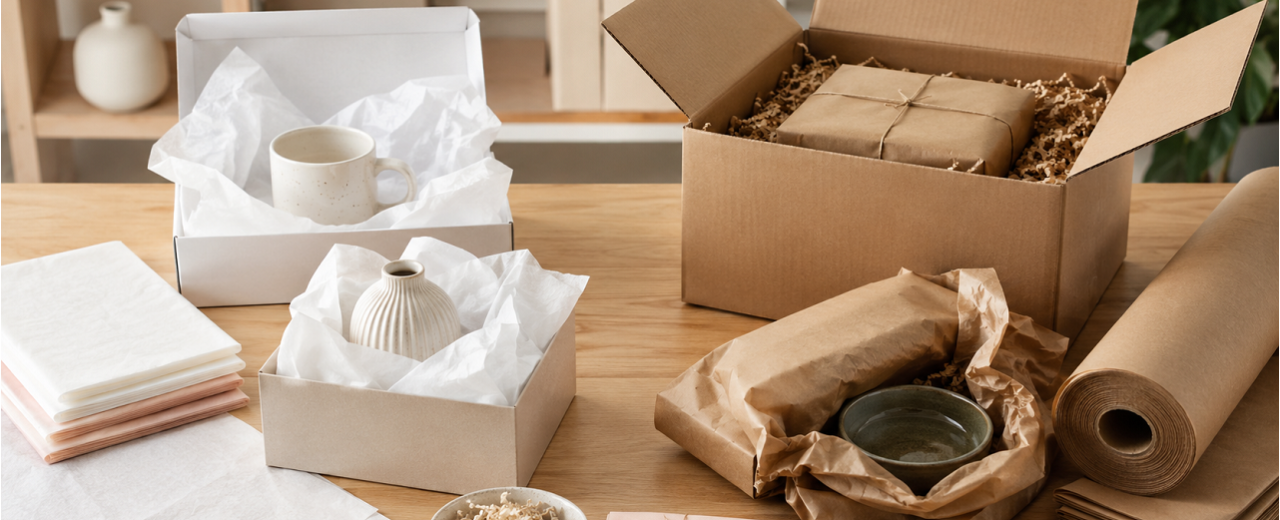
Let's face it: packaging is the business card of every online brand. It's not just a box or envelope, but the perfect opportunity to make a good first impression. In a world where there are no physical stores, the packaging does the talking for you. It's not just about protecting the product, it's about making the customer happy and, why not, making them say "Wow!". The more functional and polished the packaging, the more it helps grow your brand.
Product Protection During Transport
When it comes to e-commerce, the key word is "travel". Your product does not go directly from the warehouse to the customer's hands, but makes a nice tour between warehouses, trucks, conveyor belts, and who knows how many other stops. Shocks, vibrations, compressions, rain: packaging has to deal with everything. Poorly done packaging not only risks ruining the product, but can create a bad customer experience. And no one wants angry customers
When Packaging Misfires
Extra Costs for the Company
Imagine you receive a package with a broken product. What are you doing? You send it back, of course! For the company, this means: picking up the return, sending back a new product and managing all the logistical chaos. And these costs add up, directly affecting the bottom line.
Disappointed customers
Receiving a damaged product is one of the most annoying things that can happen to a customer. In addition to frustration, many will write negative reviews or, even worse, stop buying from your store. Poor packaging sends a clear message: "We don't care enough".
Impact on Brand Image
Packaging is not just a practical matter; It's a reflection of how detail-oriented a company is. Poor packaging can give the impression of lack of professionalism and quality, even if the product is fantastic.
Examples to Avoid
- Luxury products in anonymous packaging: If you buy a €500 watch and they ship it to you in a generic box, don't you feel a bit ripped off?
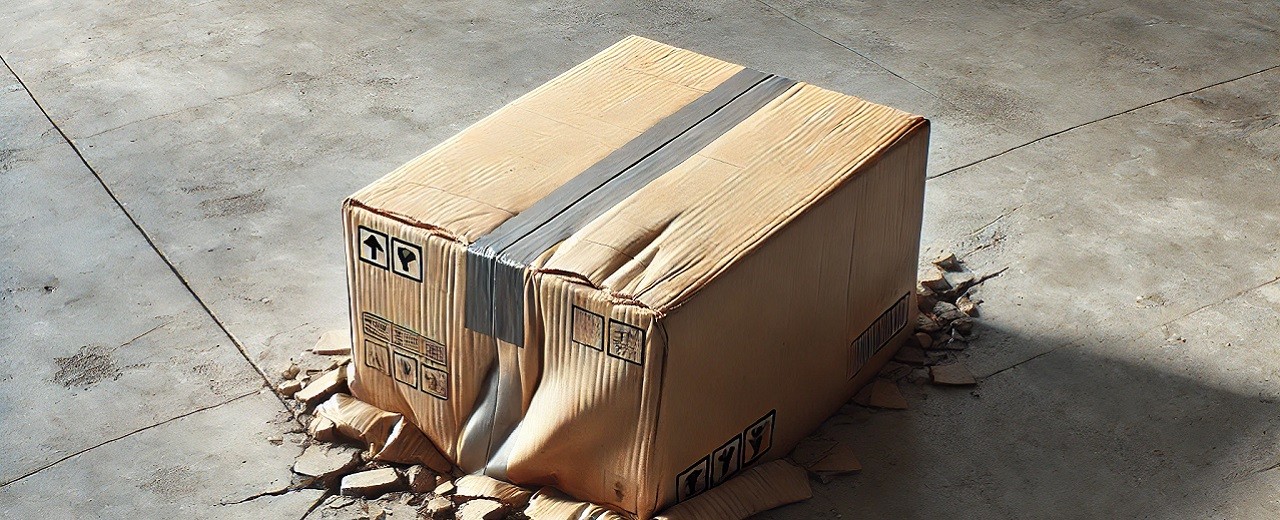
- Damaged packaging: A dented or torn box communicates carelessness. Even if the product is intact, the experience is ruined.
What Happens When Packaging Doesn't Reflect Your Brand
If your brand is eco-friendly and then you ship everything in non-recyclable plastic, be prepared to lose credibility. Customers expect consistency between brand values and packaging. And let's not forget social media – all it takes is one angry customer with a viral photo to destroy your reputation.
How to Avoid Disasters with Packaging
Well-designed packaging is not just an expense, but an investment. It saves you from disgruntled customers, returns, and negative reviews. Here are some tips to make sure you don't go wrong:
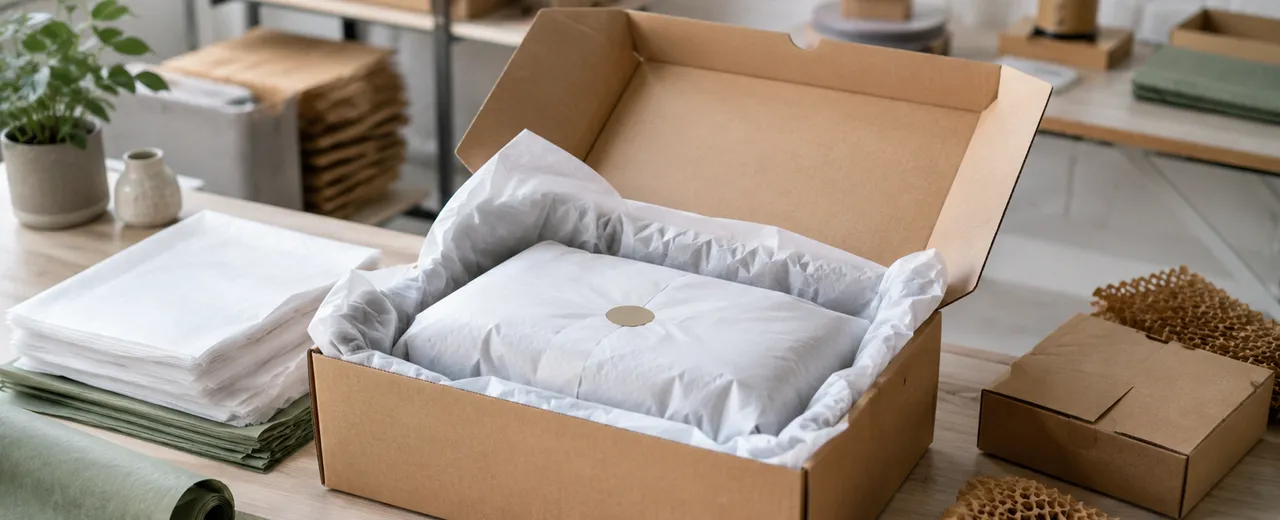
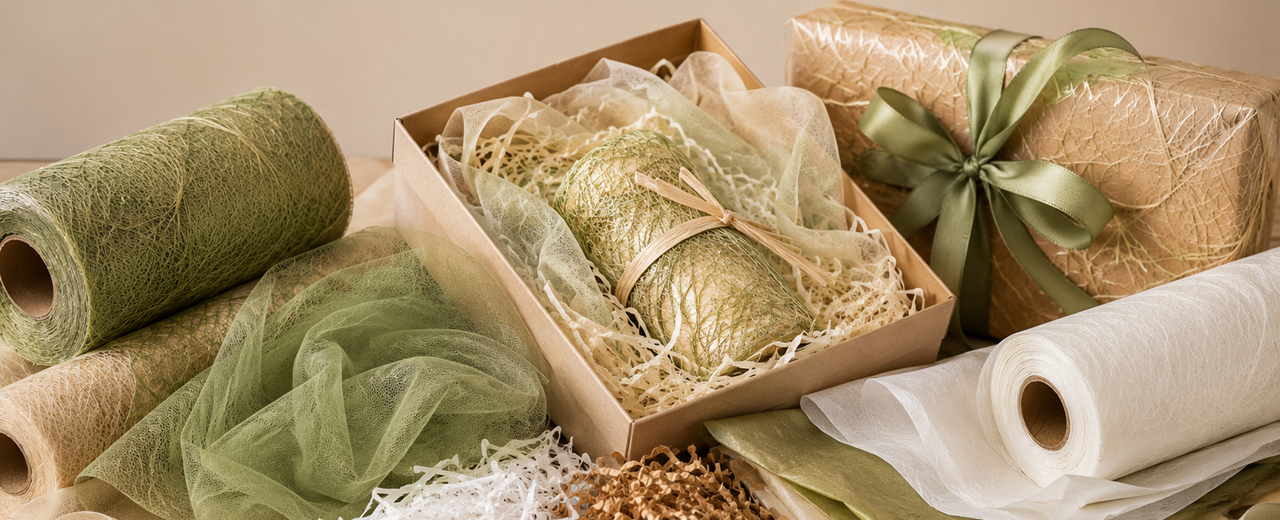
- Choose quality materials: Durable cardboard, rigid plastic, or eco-friendly materials that protect your product and represent your brand.
- Respect your message: Are you eco-friendly? Use recycled and recyclable materials. Focus on branding? Show it off, with logos and colors that recall your identity.
- Test your packaging: Simulate bumps, drops, and extreme conditions to avoid nasty surprises. If the product arrives intact, you're on your way.
- Ask for feedback: Listen to what your customers are saying. Often the best ideas come from them.
Right Materials for a Top Packaging
Not all materials are created equal, and choosing the right one is crucial. Here are some interesting options:
- Corrugated cardboard: Great for resisting impact and compression. It has several variations: single flute for light products, double or triple for heavier ones.
- Rigid plastic: Durable and waterproof, perfect for electronics or cosmetics.
- Protective foams: Ideal for fragile products such as ceramics or glass. They protect against shocks and vibrations.
- Air Cushions: Lightweight, inexpensive, and fill gaps in boxes.
Smart Design: When Packaging Takes Care of Everything
Good design doesn't just protect the product, it makes everything easier and more enjoyable. What? Here are some ideas:
- Tailored packaging: Tailor the packaging to the product to eliminate gaps and reduce unnecessary materials.
- Corner reinforcements: Perfect for rectangular and fragile items such as TVs or furniture.
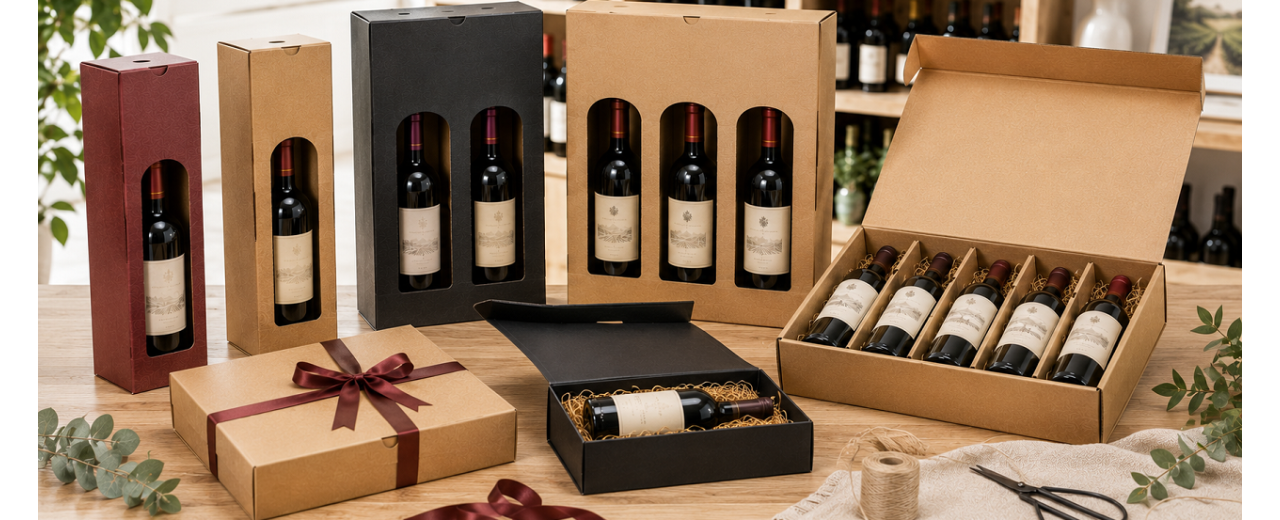
- Interior dividers: Ideal for product sets such as bottles or fragile components, so they don't bump into each other.
- Anti-vibration packaging: Essential for electronics or sensitive devices.
Test Your Packaging Before Shipping
Packaging that looks perfect may not be perfect during transport. To be sure, try these tests:
- Drop test: Simulate an accidental drop to see if the product survives.
- Compression test: Check how much weight it can hold without crushing.
- Vibration test: Reproduce the vibrations of trucks and planes to avoid damage.
Benefits of Well-Thought-Out Packaging
If the packaging is done right, here's what you get out of:
- Reduce operational costs: Fewer returns, fewer replacements, less chaos.
- Improve logistics efficiency: More compact packaging means less space taken up and reduced transport costs.
- Happier customers: Everyone is pleased to receive an intact and well-made package.
- Stronger brand: Careful packaging communicates attention to detail and quality.
The Unboxing Experience: Surprise Your Customers
Ever heard of "unboxing experience"? It's that feeling of joy you get when you open a well-made package. And in the world of social media, it's a winning strategy. Here's how to create an experience that makes an impact:
- Take care of the details: Use colors, logos, and designs that reflect your brand.
- Add a personal touch: Thank you cards, coupons, or small giveaways always make an impression.
- Makes it easy to open: No packages that are impossible to open. Pull off excess tape and use practical solutions.
Sustainability: Packaging that respects the environment
More and more customers are choosing eco-friendly brands. In order not to lose ground, focus on sustainable materials such as recycled paper, biodegradable plastic or innovative solutions such as "mushroom packaging" made of mushrooms. Communicate your commitment with clear messages on the packaging, such as: "100% recyclable" or "Made with eco-friendly materials".
Custom Packaging: Make Customers Feel Special
When the customer opens a package, they should not only see a product, but experience a unique moment. Customized packaging can turn a normal delivery into an experience to remember. Here's how to do it:
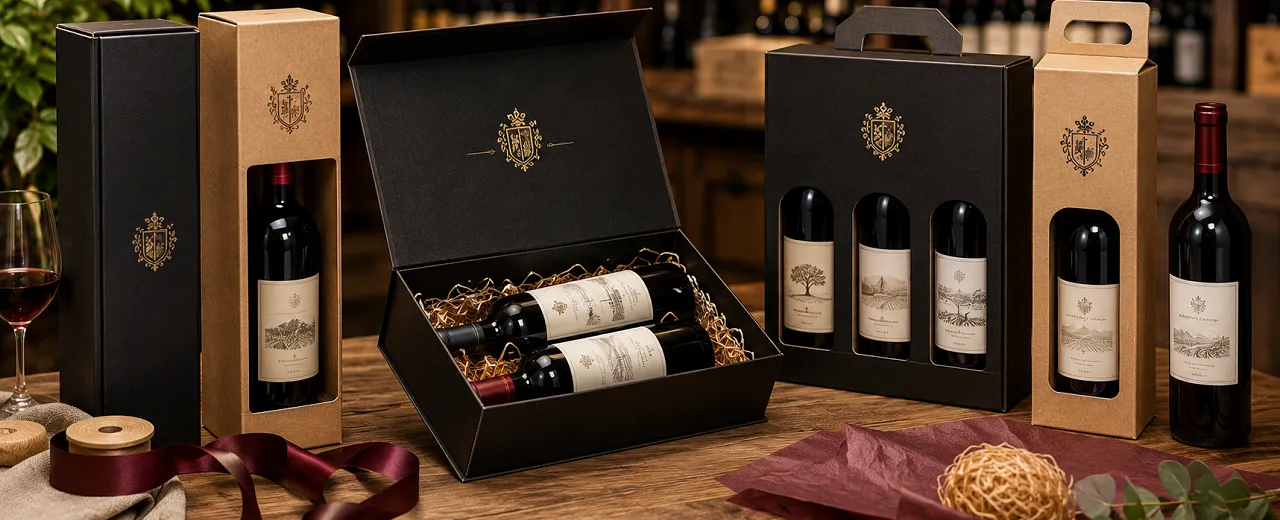
- Show your style: Use logos, colors, and graphics that speak to your brand.
- Write Personalized messages: A simple "Thank you for choosing us!" printed on the packaging can work wonders.
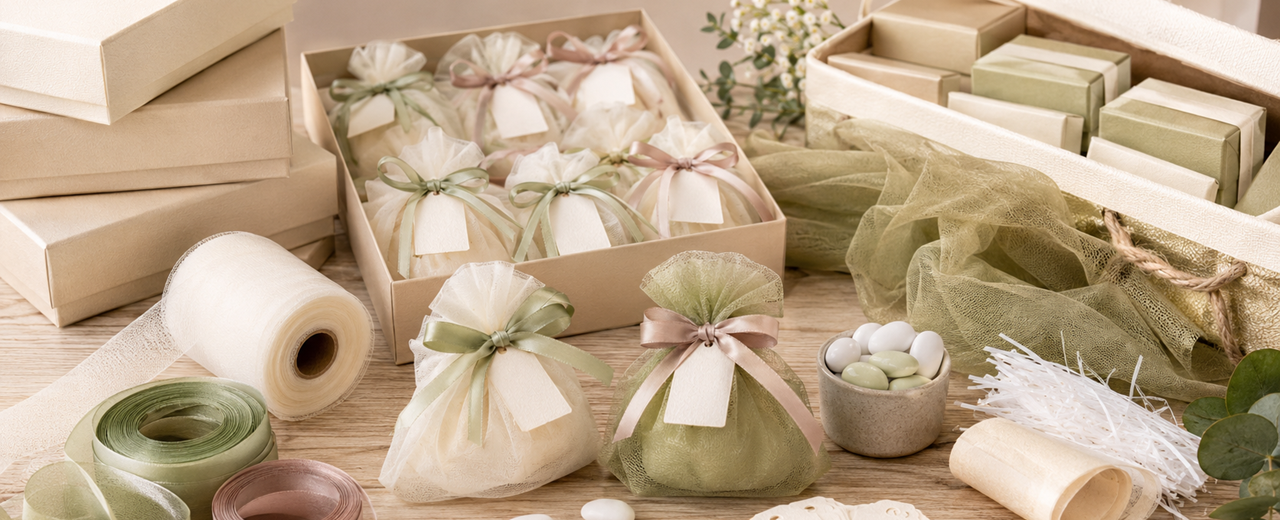
- Use special materials: Printed paper with the logo, decorative ribbons or stickers Personalized add that touch of class.
- Think outside the box: Reusable or transformable packaging (such as a box that becomes a storage box) will make people remember your brand.
Innovations That Make a Difference
Technology is changing the world of packaging, making it smarter and more functional. Here are some innovative ideas that can give you an edge:
- QR codes and Augmented Reality (AR): Insert a QR code that links to special content, such as tutorials, promotions, or stories about the product. Or use AR to provide an interactive experience.
- Smart labels: With RFID or NFC tags, the customer can access product info directly from the package, while you can track shipments in real time.
- Built-in sensors: For sensitive products, use sensors that monitor temperature, humidity, or shock during transit.
Reduce Packaging Costs Without Sacrificing Quality
Perfect packaging doesn't have to cost an arm and a leg. There are so many ways to save money without sacrificing quality. Here are some tricks:
- Adapt the packaging to the product: Use boxes of the right size to avoid material waste and save on shipping costs.
- Choose cheap but durable materials: Recycled corrugated cardboard, for example, is cheap, environmentally friendly, and functional.
- Buy in bulk: If you have a high shipping volume, order materials in bulk to reduce unit costs.
- Automate the process: Investing in packaging machinery can cut operating costs in the long run.
Packaging and Sustainability: A Winning Choice
Being green is not just a fad, it is a necessity. Many customers choose to buy from brands that respect the environment. Here's how you can do your part:
- Use recycled materials: Kraft paper, recycled cardboard, or rPET plastic are great options.
- Focus on biodegradable materials: such as PLA (based on corn starch) or innovative packaging based on seaweed.
- Design for recycling: Avoid mixed materials that are difficult to separate, and use plant-based inks for prints.
- Educate customers: Write on the packaging how to dispose of it correctly, perhaps adding a message such as: "Thank you for helping the environment!".
Case study: Who packs smartly
Amazon and Frustration-Free Packaging
Amazon has revolutionized packaging by reducing unnecessary materials and making packages easier to open. Result? Reduced shipping costs and happy customers.
IKEA and Flat Boxes
IKEA's popular flat boxes are not only practical to transport, but also an example of logistical optimisation and sustainability.
Patagonia and Eco-Friendly Packaging
With 100% recycled and compostable packaging, Patagonia won over eco-conscious customers and reduced CO₂ emissions by 30%.
Measuring the Success of Your Packaging
How do you know if your packaging is working? By measuring the results! Here's what you should keep an eye on:
- Cost per unit: How much do you spend per pack? Is there room for improvement?
- Returns rate: If products arrive damaged, it's time to review the packaging.
- Customer feedback: Listen to customers and analyze reviews to understand what they like and what they don't.
- Environmental impact: Calculate how much of your packaging is recyclable or compostable.
Packaging and Logistics: When Efficiency is Everything
Packaging is not just about the product, but also about how it is transported and handled. Well-designed packaging can save time, space, and money. Here's how:
- Optimize size: Use boxes proportionate to the product to reduce gaps. This saves you money on transportation and increases storage efficiency.
- Make packaging stackable: If packages are easy to stack, you can maximize space in warehouses and trucks.
- Use lightweight materials: The lighter the packaging, the less it costs to transport. As long as it does not compromise the protection of the product.
Packaging Automation
If you ship a lot of products, consider automating. The machines can make custom packages in seconds, cut the necessary materials, and even label the packages. The advantages? More speed, fewer errors, less costs.
Innovations and Technologies for E-commerce
The future of packaging is digital and smart. Here are some technologies that are changing the game:
- 3D printing: Perfect for creating prototypes or packaging Personalized in small quantities.
- Interactive labels: QR codes and NFC tags allow customers to learn more about the product, watch videos, or access special offers.
- Sensors and IoT: Packaging with built-in sensors can monitor temperature, humidity or shock, which is crucial for fragile food and products.
- Modular packaging: Designed to fit snugly on pallets and reduce volume during transport.
Regulations and Legality in Packaging
It is not enough for the packaging to be beautiful and functional, it must also comply with regulations. Some examples:
- European Packaging Directive: Requires companies to use recyclable materials and reduce waste.
- FSC and PEFC certifications: To prove that the wood or paper used comes from sustainable forests.
- Safety labels: For dangerous goods, the packaging must include specific symbols and transport instructions.
Be careful: not respecting the rules can lead to hefty fines or, worse, damage to reputation.
How to Make Packaging a Strategic Asset
In the end, packaging is much more than just a wrapper. If done right, it can become a real ally for your business:
- Strengthen your brand: Thoughtful packaging tells a story and helps customers remember you.
- Increase loyalty: A memorable unboxing experience keeps customers coming back.
- Improve margins: By reducing waste, materials, and logistics costs, you can optimize your earnings per order.
Packaging matters, and how!
Packaging is not a detail to be overlooked: it is a fundamental part of the customer experience and your business strategy. It protects the product, represents your brand, and can even improve your company's sustainability.
Investing in well-designed, customized and sustainable packaging is a winning move. Not only to reduce costs and hassle, but also to leave a lasting impression on customers and grow your brand.