The Importance of Christmas Decorations: A Deep Sociological and Cultural Perspective
The Christmas season represents an opportunity for celebration and sharing for many cultures, and Christmas decorations are one of the most powerful symbols of this moment. Beyond their aesthetic aspect, Christmas decorations take on a complex and profound socio-cultural meaning, influencing mood, consolidating traditions and family values, and contributing to social cohesion. This article explores in depth the meaning of Christmas decorations, analyzing their psychological and cultural impact and suggesting authoritative sources to better understand the role they play in our lives.
1. Create a Festive and Magical Atmosphere
Christmas decorations transform the ordinary environment into a festive and magical space, evoking feelings of joy and serenity. This is due not only to the beauty of the lights and colors, but also to the ability of the decorations to establish a sort of "temporal pause" from everyday life. The Christmas decoration becomes a means of announcing the arrival of a special moment, a "temporary ritual" as theorized by Émile Durkheim, father of modern sociology, who studied the importance of rituals as a tool to create social cohesion and strengthen the sense of belonging.
Sources and research:
- Durkheim, É. (1912). Les Formes élémentaires de la vie religieuse. Durkheim argues that rituals contribute to social cohesion, and Christmas, with its decorations, can be seen as a secular ritual that unites people from all backgrounds.
- Psychology Today has published numerous articles on the positive effect of the festive environment on mood, stating that light and colors stimulate the production of serotonin, the so-called "happiness hormone".
2. They preserve Traditions and the Sense of Family Continuity
The tradition of decorating the house for Christmas has been handed down from generation to generation, becoming a fundamental moment for families. These rituals create a sense of continuity and grounding, making each family member feel part of a shared story. In many cultures, the moments dedicated to Christmas decoration are real rituals that consolidate identity and belonging.
Sociologist Maurice Halbwachs has studied how collective memory helps shape our identity and how family rituals strengthen bonds between generations. Decorating the tree together or setting up the nativity scene becomes a gesture that not only reaffirms family values, but also transmits a cultural and historical memory.
Sources and research:
- Halbwachs, M. (1950). La mémoire collective. Halbwachs theorizes that collective memory is built through rituals and traditions. Christmas decorations, in this sense, help to remember and perpetuate family and cultural identity.
- A study published in the Journal of Family Psychology showed that family traditions, such as Christmas traditions, are crucial for children's psychological development and for strengthening their sense of belonging.
3. They reaffirm the Religious and Spiritual Significance of Christmas
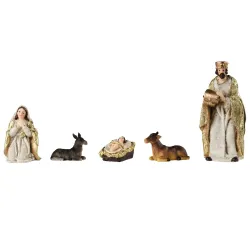
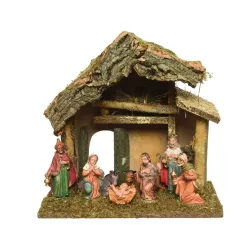
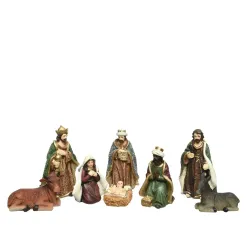
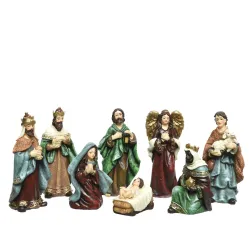
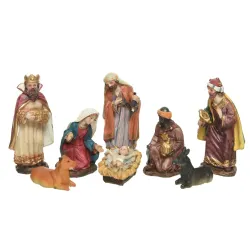
For many people, Christmas is a holiday that retains a deep religious meaning, and some decorations – such as the nativity scene – represent spiritual symbols that bring back the true meaning of the celebration. These elements serve to remember the history and values behind the festival, strengthening the link between past and present.
Theologian Paul Tillich, in his studies of religious symbology, has emphasized how religious symbols can help people connect with their spirituality and find a sense of inner peace. Religious decorations, such as the nativity scene, are an invitation to reflect on deep meanings, even for those who experience the holiday in a secular way.
Sources and research:
- Tillich, P. (1955). Dynamics of Faith. In this text, Tillich explores the meaning of religious symbols and their role in facilitating spiritual connection.
- A study by the University of Santa Clara, conducted by Professor Tomás Jiménez, highlights how religious symbols are fundamental for many people during the Christmas season, helping them to maintain a connection with their faith and culture.
4. They Bring Joy to Children and Strengthen Childhood Memories
Christmas decorations, such as the decorated tree and hanging stockings, are symbols of joy for children, who see in them the promise of a magical feast and expected gifts. Psychologists such as Donald Winnicott, who has studied the relationship between environment and child development, argue that a festive environment can foster the construction of positive memories and offer a sense of stability and security.
For children, Christmas decorations are a multi-sensory experience that helps to create a lasting emotional memory. Once adults, these memories will be linked to feelings of happiness and belonging, and many people want to recreate that same atmosphere for their children.
Sources and research:
- Winnicott, D.W. (1971). Playing and Reality. Winnicott theorizes that the environment and sensory experience play a fundamental role in emotional development.
- A study published in Developmental Psychology confirms that Christmas traditions enrich children's emotional development, creating positive memories and a sense of stability.
5. They Promote Sharing and Generosity
The tradition of exchanging gifts under the tree is a central element of Christmas, made even more special by the decorations and their ability to amplify feelings of sharing. The exchange of gifts can be considered a social ritual that celebrates values such as altruism, solidarity and reciprocity.
The sociologist Marcel Mauss, in his famous essay The Gift, argues that the exchange of gifts is not just a material gesture, but an act that creates and maintains social bonds. Christmas decorations, with their welcoming and festive atmosphere, reinforce the importance of these gestures, transforming Christmas into a time of greater closeness and affection.
Sources and research:
- Mauss, M. (1925). Essai sur le don. Mauss explains how gift giving is the basis of social relationships and community dynamics.
- An article published in Current Sociology explores the impact of generosity during the festive season, confirming that Christmas traditions promote stronger bonds and contribute to togetherness.
6. Public Decorations as a Cultural and Economic Attraction
Christmas decorations are not only a private phenomenon, but are also of great importance in public places. Cities that adorn themselves with Christmas lights and decorations attract tourists, fueling the local economy and strengthening the sense of community. Sociologists Harvey Molotch and Philip Ethington studied how urban decoration can enhance public spaces and transform them into places of meeting and interaction.
Public decorations therefore become a cultural and social event, a sort of "temporary heritage" that strengthens the sense of belonging and makes Christmas an opportunity for sharing for the whole community.
Sources and research:
- Molotch, H., & Ethington, P. (2001). Urban Culture and the City. In this book, the authors examine how cities can be transformed into centers of attraction through temporary events and public decorations.
- According to a study conducted by the University of Edinburgh, Christmas public decorations significantly increase tourist footfall and promote commercial activity, creating positive effects on the local economy.
7. Create an Atmosphere of Warmth and Hospitality in Homes
The warm and welcoming atmosphere created by Christmas decorations has a direct impact on people's emotional well-being. Decorations such as candles, warm lights, and table decorations transform homes into spaces of refuge and relaxation, fostering quality time spent with the family.
Environmental psychology argues that a harmoniously decorated environment positively affects mood and helps reduce stress. Sociologist Ray Oldenburg, in his book The Great Good Place, describes how spaces that evoke warmth and familiarity promote conviviality and social well-being.
Sources and research:
- Oldenburg, R. (1989). The Great Good Place. Oldenburg explores the importance of spaces that convey familiarity and comfort, concepts that also apply to domestic spaces decorated for Christmas.
- A study published in Environment and Behavior shows that a festive and decorated environment positively affects mood, reducing stress and improving overall well-being.
Conclusion: The Sociocultural Impact of Christmas Decorations
Christmas decorations represent much more than just decorations: they are symbols of deep meaning that help build bonds, preserve traditions and stimulate emotional well-being. At the sociological level, they play a fundamental role in creating social cohesion and promoting values such as generosity and solidarity. Christmas, thanks to the decorations that illuminate homes and cities, becomes an opportunity to celebrate culture, history and human bonds, transforming a seasonal event into a celebration of our common humanity.