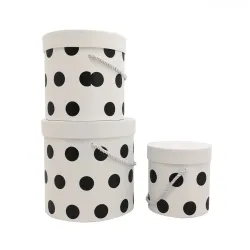
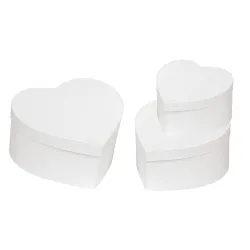
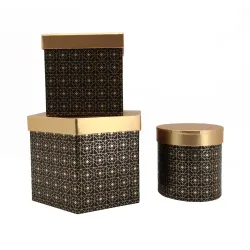
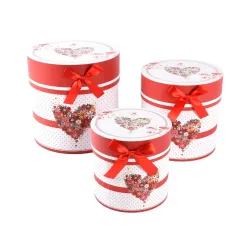
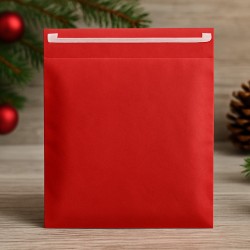
1. The Power of After-Sales Packaging
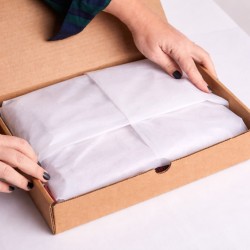
Packaging is not only a wrapper that protects the product during transport, but it is a fundamental extension of the experience that the customer has with the brand. In the era of digital consumerism, where online purchases are increasingly widespread, the first physical contact between customer and product often takes place at the time of unboxing. This makes the after-sales wrapping a key element to convey a message of quality, care and attention to detail.
The importance of after-sales packaging is not limited to the protection function. Premium packaging, such as well-designed boxes, elevates the perception of the product and the brand. Imagine a customer who, opening the package, finds himself in front of an elegant, resistant and carefully crafted box: at that moment, the impression of value of the product grows exponentially. This seemingly simple gesture of providing thoughtful packaging can transform an ordinary purchase into a memorable experience, positively influencing brand perception and customer satisfaction.
According to recent research, a curated product presentation greatly increases the chances that customers will come back for another purchase or share their experience on social media. In other words, eye-catching packaging can turn into a viral marketing tool, increasing brand visibility at no additional cost.
In addition, premium packaging directly affects the perception of reliability and professionalism of the brand. Customers automatically associate a high-quality box with an equally high level of service. This detail sends a clear message: the brand cares about every single aspect, not only of the product but also of the overall experience, starting from the moment the package is delivered.
In summary, the power of after-sales packaging lies in its ability to create a strong emotional and functional impact. Boxes are not just a means of delivering a product, but they become a strategic element that reflects the quality of the brand and influences customer loyalty. Investing in premium packaging, therefore, is not only a matter of protecting the product, but of offering the customer
2. Why Boxes Are a Superior Choice
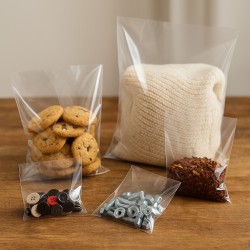
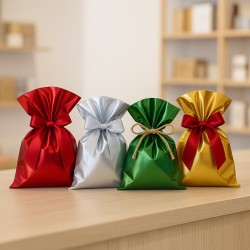
When it comes to after-sales packaging, many retailers tend to choose traditional solutions such as wrapping paper or bags. However, boxes are a far superior choice, not only because of their aesthetics, but also because of the functionality, protection, and overall customer experience they offer.
1. Durability and Product Protection
One of the main advantages of boxes over paper and bags is their sturdiness. The boxes offer a much higher level of protection, which is especially important during transport. While paper and bags can be easily torn or damaged, boxes provide a rigid barrier that protects the product from impacts, crushing, and harsh weather conditions.
For retailers, choosing boxes can significantly reduce the risk of returns due to damaged products. Not only does this improve the customer experience, but it can also reduce the costs involved in handling returns and replacing spoiled items. In addition, a product that arrives intact strengthens customer trust, making the brand perceived as reliable and attentive to detail.
2. Elegant and Professional Presentation
Boxes offer a more sophisticated presentation than paper and bags. A box can be customized to fully reflect the brand identity, with logo, colors and details that convey the essence of the brand. This customization is not just a matter of aesthetics, but a real strategic element: every time the customer sees the box, the perception of professionalism and quality is reinforced.
On the contrary, wrapping paper and bags, while practical, tend to convey a more informal and less polished impression. A well-made and personalized box, on the other hand, immediately communicates meticulous attention, transforming the moment of unboxing into a special experience.
3. Visual Impact: Packaging That Catches the Eye
The boxes offer a great visual impact thanks to their three-dimensional structure and large surfaces that can be used for visual communication. They are perfect for hosting prints, logos and graphics that capture the customer's attention. Compared to wrapping paper or bags, which are often folded and less visible, boxes remain intact and present the contents in a neater and more attractive way.
In addition, well-maintained packaging can become a reason for sharing on social media. Customers are increasingly inclined to post photos or unboxing videos of products presented in an elegant and original way. This represents a huge free marketing opportunity for the brand, which can benefit from extra visibility thanks to customer shares.
4. Versatility and Reuse
The boxes are also extremely versatile and can be reused by customers in a variety of ways, making the packaging itself an added value. Whether it's to store items around the house or to reuse them as gift boxes, this type of packaging has a longer life than paper or bags that are usually discarded and thrown away immediately.
This versatility not only extends the useful life of the box, but also contributes to a positive perception of the brand, which is seen as attentive to sustainability and practicality. In addition, every time the customer reuses the box, the brand has the opportunity to remain present in the consumer's daily life.
5. Product enhancement
Finally, an aspect that should not be underestimated is the ability of the boxes to enhance the product. An item packaged in a well-designed box automatically looks more valuable and luxurious. This "enhancement" effect is not easily achieved with paper or bags, which can give the impression of being cheaper or temporary solutions.
The boxes, on the other hand, help to create a sense of anticipation and care that makes the product itself more desirable. The customer perceives more attention from the brand, which can positively influence their overall experience and increase the likelihood that they will return for more purchases.
In summary, boxes offer a significant advantage over wrapping paper and bags, both in terms of protection and aesthetic presentation. Carefully chosen, they can make the difference between ordinary packaging and an extraordinary after-sales experience, leaving a lasting impression on the customer and contributing to brand loyalty.
3. An Added Value: Box Customization
In the world of packaging, personalization is one of the key factors that can transform a simple wrapping into a powerful marketing and loyalty tool. Custom boxes allow retailers to differentiate themselves in an increasingly competitive market, communicating a distinctive image and creating a unique customer experience. In this chapter, we will explore how box customization can add value to packaging and improve brand perception.
1. Strengthen Brand Identity
Custom boxes provide an opportunity to convey brand identity and values in a tangible way. Every element, from the logo to the design, from the colors to the finishes, can be designed to reflect the style and essence of the brand. This helps to create a strong emotional connection with the customer, who associates the box not only with the product, but with everything the brand stands for.
For example, a luxury brand might opt for boxes with sleek finishes and understated colors, while an eco-friendly brand might choose boxes made from recycled materials and natural hues. Consistency between packaging and brand image is key to strengthening brand recognition and credibility.
2. Create a Memorable Experience
Customizing boxes allows retailers to go beyond the simple packaging function and create a unique and engaging customer experience. From the sleek exterior to the thoughtful interior design, every detail contributes to making the unboxing moment memorable.
For example, the use of custom prints inside the box, the inclusion of welcome or thank you messages, and details such as a ribbon or a special clasp can surprise and delight the customer. The surprise effect plays a fundamental role in consumer satisfaction and can turn a simple delivery into an event to remember. These moments, often shared on social media, can generate free advertising for the brand, increasing visibility and perceived value.
3. Differentiation from the Competition
In today's market, where many products may be similar, customizing boxes gives retailers the opportunity to stand out from the competition. A unique and eye-catching box not only attracts attention, but makes the product more recognizable and desirable.
The customization possibilities are endless: from the addition of the company logo to creative designs, through the use of innovative or sustainable materials, to the integration of interactive elements such as QR codes or promotional stickers. All these details help to create packaging that not only protects the product, but becomes an integral part of the brand's visual communication.
4. Enhance the Product and Justify a Higher Price
Custom packaging can help justify a more alto price of the product, giving the customer a sense of added value. When the product is packaged in a box with attention to the smallest details, the customer perceives that they are receiving a higher quality item, making it easier to accept a higher cost.
For high-end or luxury products, presentation is crucial to convey the idea of exclusivity and value. Premium packaging communicates a level of attention and care that customers associate with a product of alto value. Even in more accessible product categories, a well-designed box can make the product stand out in the eyes of the consumer, increasing the perception of value compared to competitors who use standard or less elaborate packaging.
5. Sustainability and Custom Packaging
Another key aspect of customization is the ability to incorporate sustainable materials and eco-friendly practices. Today's consumers are increasingly aware of the environmental impact of the products they buy, and packaging plays a central role in this consideration. Custom boxes can be made from recycled or easily recyclable materials, which not only demonstrates the brand's commitment to sustainability, but strengthens the relationship with customers who share these values.
Including sustainability messages or using certified labels can further enhance your brand image in the eyes of environmentally conscious consumers. Personalization is not only an aesthetic issue, but also an ethical one: it is the opportunity to make a strong statement about the brand's values.
6. An Effective Means of Communication
The custom box can also serve as a direct communication tool with the customer. Inside the box, retailers can include personalizzati messages, invitations to participate in exclusive promotions, or information about related products. An example is the insertion of discount codes printed inside the boxes or thank you cards that entice the customer to return for a new purchase.
In this way, the packaging becomes an extension of the marketing strategy, allowing the retailer to interact directly with the customer even after the purchase. A personalized message can strengthen the relationship, make the customer feel valued, and increase their loyalty in the long run.
Box customization gives retailers the ability to add value to the customer experience, differentiate themselves from the competition, and strengthen brand identity. From visual design to sustainability, every aspect of customization contributes to creating packaging that not only protects the product, but also
4. Sustainability and Brand Image: Eco-Friendly Boxes
In an era where consumers are increasingly aware of the environmental impact of their purchases, sustainability has become a key factor for companies looking to remain competitive. Packaging is no exception. Eco-friendly boxes are not only a more environmentally responsible choice, but they can also positively strengthen the brand's image in the eyes of consumers. In this chapter, we will explore how eco-friendly boxes can become a powerful tool for conveying company values and improving brand perception.
1. The Importance of Sustainability for Modern Consumers
More and more people are looking for products and brands that demonstrate a tangible commitment to environmental sustainability. According to numerous studies, consumers, especially the younger generation, prefer to buy from companies that adopt eco-friendly practices, even if this comes at a slightly higher price. Offering eco-friendly boxes is a simple and straightforward way to show customers that the brand is committed to reducing its environmental impact.
Boxes made from recycled, biodegradable, or reusable materials can make a big difference in reducing waste. This type of packaging not only helps reduce the use of virgin materials, but also promotes a virtuous cycle of reuse and recycling. When customers see that the brand cares about sustainability, they are more likely to develop a sense of affiliation and loyalty to the brand.
2. Eco-friendly materials: a conscious choice
One of the main advantages of eco-friendly boxes is the wide range of sustainable materials available today. Recycled cardboard, kraft paper, and FSC (Forest Stewardship Council) certified materials are just some of the options retailers can use to produce high-quality, eco-friendly boxes. Not only do these materials reduce environmental impact, but they can be personalizzati to fit the brand's aesthetic.
The use of water-based inks and natural glues can further improve the eco-friendliness of the boxes. In addition, many eco-friendly boxes are designed to be reusable, offering the customer added value that can extend the useful life of the packaging, further reducing waste. Offering packaging of this type not only communicates attention to the environment, but also demonstrates innovation and social responsibility.
3. Brand Perception: Conveying Positive Values
Adopting eco-friendly boxes is not only an environmentally responsible choice, but also an effective branding strategy. Customers appreciate brands that demonstrate transparency and commitment to sustainability. When a company decides to invest in eco-friendly packaging solutions, they are sending a clear message to their consumers: we care about the environment and care about our impact on the planet.
This message, however, must be authentic and consistent. Companies need to clearly communicate their sustainability efforts, both through the packaging itself and through marketing initiatives. Labels indicating the use of recycled materials or certifications such as FSC can improve the perception of eco-friendly packaging. In addition, integrating eco-friendly messages into the design of the box – such as recycling invitations or reuse tips – can directly involve the customer in the sustainability process.
4. Reduce Environmental Footprint and Operational Costs
Eco-friendly boxes not only help reduce environmental impact, but they can also have economic benefits for retailers. Using lighter, recycled materials can reduce production and shipping costs, as eco-friendly boxes tend to weigh less than traditional ones. In addition, some governments and institutions offer tax incentives or concessions for companies that adopt sustainable practices, including the use of eco-friendly packaging.
Adopting eco-friendly boxes can also reduce the costs associated with waste management. If customers can recycle or reuse packaging, the amount of waste that the company or customer has to dispose of decreases. This reduction in the environmental footprint translates not only into a positive impact for the planet, but also into a competitive advantage for companies that choose to invest in sustainability.
5. Innovation in Eco-Friendly Box Design
Eco-friendly boxes are not only functional, but they can also be extremely creative and attractive from a design point of view. Thanks to advances in printing technology and the increasing availability of high-quality, eco-friendly materials, it is possible to create sustainable boxes that do not sacrifice aesthetics or customization.
Minimalist designs, for example, not only reduce the use of materials, but are also highly valued by modern consumers for their elegance and simplicity. In addition, eco-friendly packaging often lends itself to innovative solutions, such as modular or foldable boxes, which optimize space during transport and further reduce costs and environmental impact.
6. Transparent Communication: Educating Customers on Sustainability
To maximize the positive impact of eco-friendly boxes, it's important for retailers to clearly communicate the environmental benefits to their customers. This can be done through information labels, promotional messages on the website, or information materials included in the packaging.
Educating customers on why eco-friendly boxes are a better choice for the environment not only increases their awareness but also strengthens trust in the brand. Companies can encourage customers to participate in the virtuous cycle of recycling or reuse boxes for other purposes, thus turning packaging into a symbol of shared commitment to sustainability.
Eco-friendly boxes offer a triple benefit: they help reduce environmental impact, improve brand image, and can even reduce operating costs. Adopting boxes made from sustainable materials and communicating this clearly to customers allows retailers to stand out in the market and build a deeper and more authentic relationship with consumers, who increasingly appreciate companies committed to protecting the planet.
5. Protection & Safety: Boxes That Protect the Product
One of the most critical aspects of packaging is its ability to protect the product during transport and delivery. Boxes play a vital role in this context, ensuring that the product reaches the customer in perfect condition. Protection and safety are two essential elements that not only preserve the integrity of the product, but also influence the customer's perception of the brand. In this chapter, we will explore the benefits that boxes offer in terms of protection and how they can help improve customer satisfaction and reduce costs associated with damage.
1. Barrier against Shocks and Crushes
One of the main advantages of boxes over other types of packaging, such as paper or bags, is their ability to protect the contents from bumps and crushing during transport. The boxes, thanks to their rigid structure, provide a physical barrier that minimizes the risk of damage caused by external impacts. This is especially important when shipping delicate or fragile products, such as electronics, cosmetics, or glassware.
Retailers who choose high-quality boxes can significantly reduce the risk of returns due to damaged products. Product damage is not only an economic cost to the business, but it can also have a negative impact on customer trust. The safety and reliability of packaging, therefore, play a fundamental role in maintaining high customer satisfaction and strengthening the reputation of the brand.
2. Protection from Atmospheric Agents
During transport, products may be exposed to adverse weather conditions, such as rain, humidity or dust. The boxes offer additional protection against these elements, keeping the product safe from any water damage or excessive exposure to moisture.
High-quality materials, such as treated cardboard or water-resistant laminates, can further enhance protection against these weathering agents. Retailers operating in e-commerce or shipping products around the world must take these variables into account to ensure that their items arrive in flawless condition, regardless of the weather.
3. Internal Solutions to Improve Security
In addition to the robustness of the outer box, many modern boxes offer internal protection solutions, such as dividers, foam inserts or personalizzati compartments. These additional elements are essential to protect the product from the inside, reducing displacement during transport and preventing scratches or breakage.
These interior solutions are particularly useful for items with moving parts or accessories that need individual protection. For example, a box that contains fragile items such as perfume bottles or electronics may include separate compartments or foam inserts to keep items stable and prevent damage.
4. Reduced Returns and Operational Costs
One of the biggest benefits of well-designed boxes is the reduced costs associated with returns and replacement of damaged products. When products arrive undamaged to the customer, not only do replacement fees are avoided, but it also reduces the time and effort required to handle returns.
In addition, reducing returns improves customer satisfaction. Consumers appreciate the security of receiving a product that has not been damaged in transit, and this increases the likelihood that they will return to buy from the retailer. By reducing the risk of damage, boxes not only protect the product but also improve the operational efficiency of the business.
5. Improved Customer Trust
Packaging safety has a direct impact on customer perception. Receiving a product in a sturdy and safe box communicates professionalism and care on the part of the brand. The customer knows they can trust the retailer, knowing that the company has invested in packaging to ensure the quality of the shopping experience.
This trust is invaluable in the long run, as satisfied customers tend to come back and recommend the brand to friends and family. Packaging thus becomes a strategic element that helps build lasting relationships with customers, improving loyalty and positive word of mouth.
6. Boxes for Products of Various Sizes and Sizes
The boxes can be customized to fit products of different sizes and shapes, always ensuring maximum protection. While bags and wrapping paper offer limited protection and are often impractical for large items or irregular shapes, boxes can be custom-designed to accommodate any type of product, regardless of its features.
This level of customization not only ensures that the product is properly protected, but it can also improve the efficiency of the packaging and shipping process, reducing the risk of overuse of materials or gaps within the box that could cause harmful movement during transportation.
Product protection is one of the main functions of packaging, and boxes are an optimal solution to ensure the safety of items during transport. Thanks to their robustness, the possibility of internal customization and the ability to protect against environmental factors, the boxes offer a higher level of security than other forms of packaging. This protection not only reduces the operational costs associated with damage and returns, but also improves customer satisfaction and trust, strengthening the bond between the brand and the consumer.
6. A Memorable Experience: Unboxing and Customer Emotion
In the world of e-commerce and online shopping, the moment of unboxing has become a fundamental part of the customer experience. This phenomenon, popularized by social media, is much more than just an act of opening a package: it is an opportunity to create a special moment, emotionally engage the customer and consolidate the bond with the brand. Boxes, thanks to their versatility and aesthetic potential, play a central role in transforming the opening of a package into a memorable and rewarding experience.
1. The Importance of Unboxing Timing
The moment of unboxing represents the first physical contact between the customer and the purchased product. In an increasingly competitive market, where customers have endless options, the way a product is presented can make a significant difference. Thoughtful and well-designed packaging creates anticipation and helps build customer enthusiasm, while neglected or poor packaging can generate disappointment, even if the product itself is of high quality.
Well-made, customized and durable boxes enhance the unboxing experience, making the customer feel special and valued. This attention to detail does not go unnoticed and helps to create a lasting positive impact. Customers appreciate brands that invest in every aspect of the experience, including packaging, as this demonstrates care and dedication that reinforces trust in the brand.
2. Unboxing As a Viral Marketing Tool
In recent years, unboxing has become a real phenomenon on social media, with millions of videos showing customers opening their packages and sharing the experience with the public. This represents a great opportunity for retailers: a well-finished and attractive packaging can induce customers to want to show their purchase, generating organic visibility for the brand.
The boxes, with their ability to be customized, offer a perfect canvas for creating "instagrammable" moments. A creative design, eye-catching colors, original details such as messages inside the box or small gifts can push the customer to share their experience with their network, thus increasing the reach of the brand without any direct advertising spend. A great unboxing experience can become content that spreads virally, creating an authentic connection between the brand and a new audience.
3. Engage the Customer Through Design and Details
The boxes offer endless possibilities for customization, allowing brands to engage customers through design and details. In addition to the external aesthetic aspect, the inside of the box is a precious space that can be used to surprise the customer. For example, thank you messages, hidden graphics, or internal packaging that reveals the product in a step-by-step manner can make the opening experience even more intriguing and memorable.
The boxes can also be customized with tactile elements, such as reliefs or textures, which add an extra sensory dimension to the experience. Small tricks such as a magnetic closure or a ribbon to open the box create a sense of luxury and care, helping to make the act of opening not only functional, but a real ritual of discovery.
4.Packaging As Part of the Product
In many cases, especially for high-end or luxury products, packaging becomes an integral part of the product itself. A well-designed, quality box is not simply thrown away, but can be reused by the customer as a container or displayed for its aesthetic beauty. This prolongs the customer experience and keeps the brand visible in everyday life, strengthening the bond with the brand.
When the packaging is so accurate that it is considered an object in itself, it becomes an added value that justifies and increases the price of the product. Customers are more willing to pay more when they know they'll receive not only a great product, but also a complete shopping experience that starts with the moment of unboxing.
5. Differentiation Through Unboxing
In a saturated market, packaging is one of the few aspects in which a brand can still truly stand out. Customised and carefully designed boxes are an effective way to make your brand stand out from the competition. While many brands might opt for standardized solutions such as paper bags or packaging, boxes offer a structured and engaging experience that immediately elevates brand perception.
This is particularly relevant in the luxury sector and for brands that focus on quality. A well-thought-out packaging communicates that the company has not skimped on any detail and that every phase of the customer experience has been carefully considered. This care is tangible and is reflected in greater customer loyalty, who perceives the value of the brand at every stage, from purchase to delivery.
6. The Role of Boxes in Creating Anticipation and Value
The boxes, thanks to their closed and resistant structure, allow you to create a sense of anticipation and mystery. Unboxing becomes a kind of ritual, where the customer is invited to gradually discover the content. This process, if taken care of in detail, increases the perceived value of the product. Simple, straightforward packaging doesn't offer the same excitement as a box that requires multiple steps to open, keeping expectations high.
This is something that many brands have started to take advantage of to give customers a "premium" feeling when they finally reach the product. The value of the experience lies not only in the product, but in everything around it, from the aesthetics of the box to the way the product is positioned inside.
Boxes play an essential role in creating a memorable unboxing experience. Not only do they protect and present the product professionally, but they turn the act of opening it into an exciting and engaging moment for the customer. Thoughtful packaging elevates product and brand perception, increasing customer satisfaction and offering organic marketing opportunities through social media sharing. Ultimately, a high-quality unboxing experience strengthens the relationship between brand and customer, making every purchase a special and memorable moment.
7. Multipurpose boxes: from packaging to reusable object
In today's landscape, where sustainability plays a fundamental role in purchasing choices, consumers are looking for solutions that have a positive impact on both the environment and their daily lives. Multi-purpose boxes, which can also be reused after purchase, are a packaging option that meets these needs. Not only do they protect and present the product in an elegant way, but they also offer the customer added value, turning into useful tools to be reused at home or in the office. In this chapter, we will explore how multi-purpose boxes can increase brand perception and benefit both the customer and the retailer.
1. Versatility: Packaging That Goes Beyond Packaging
Multi-purpose boxes offer versatility that other types of packaging, such as paper or bags, cannot provide. Thanks to their solid construction and functional design, they can be easily reused by customers for a wide range of purposes, such as organizing items, storing household items, or even as gift boxes. This multifunctionality means that packaging becomes an integral part of the customer's daily life, strengthening the bond with the brand.
From the retailer's point of view, offering multi-purpose boxes allows them to provide a shopping experience that goes beyond simply selling the product. The customer receives an added value that prolongs the usefulness of the packaging and increases the perception of quality of the entire service.
2. Continuous Branding: The Power of Reusable Packaging
Multi-purpose boxes are not only useful, but can also become a means for ongoing branding. When a customer reuses a box that has the brand's logo or colors on it, that brand remains visible in their day-to-day life. This type of visibility, non-invasive but constant, reinforces the brand identity and creates a lasting connection between the customer and the company.
Continuous branding through multi-purpose packaging is particularly effective for high-end products or brands that target a loyal customer base. The more the box is reused, the more the customer perceives the value of the brand, creating a positive cycle that can lead to further purchases or recommendations. Well-made and durable boxes become real objects to be preserved, ensuring that the company logo remains present even after some time after purchase.
3. Eco-Friendly Packaging: Waste Reduction
One of the most popular features of multi-purpose boxes is their contribution to waste reduction. Many customers are increasingly aware of the environmental impact of packaging, and prefer solutions that can be reused rather than thrown away. Offering reusable boxes aligns perfectly with this growing demand for eco-friendly solutions.
Multi-purpose boxes are often made from recycled or recyclable materials, further improving the sustainability of the packaging. In this way, retailers can communicate a concrete commitment to reducing environmental impact, differentiating themselves from competitors who use single-use and unfriendly packaging. This focus on sustainability not only improves the brand image, but also attracts an audience that is increasingly attentive to making informed choices.
4. Increase Customer Satisfaction Through Multipurpose Packaging
Packaging that can be reused offers the customer added value that goes beyond simply protecting the purchased product. The multi-purpose box can become an item that customers value and remember, enhancing their overall experience. When the customer perceives that the packaging is cared for and designed to last, they feel more valued by the brand.
The unboxing experience, already enriched by the use of a well-made box, is extended over time through the subsequent use of the box itself. This sense of usefulness and added value increases customer satisfaction and, consequently, brand loyalty. A satisfied customer will be more inclined to recommend the brand to others, sharing the positive experience both online and offline.
5. Marketing Opportunities: Multipurpose Boxes as a Promotional Tool
Multi-purpose boxes can also become a powerful marketing tool. In addition to ongoing branding, retailers can leverage reusable packaging to communicate promotional messages or incentivize customers to take other actions, such as visiting the website, signing up for the newsletter, or participating in special promotions. Including printed messages or exclusive discount codes inside the box can make unboxing even more interesting and increase future interactions with the brand.
Multi-purpose boxes, when carefully designed, can become desirable design objects, increasing the likelihood of them being displayed or shared on social media by customers. This type of organic promotion is especially valuable for brands, as it amplifies brand visibility without additional costs for advertising.
6. Customization of Reusable Boxes: Added Value
Multi-purpose boxes can be customized in creative ways to reflect brand identity and provide a unique shopping experience. Adding details such as printed messages inside, custom graphics or special textures can make the packaging even more special for the customer. Customized packaging not only enhances the product, but also gives a sense of exclusivity and attention that can positively influence the customer's perception.
For retailers looking to stand out from the competition, customising boxes is an opportunity to communicate brand values and deliver a memorable experience. Personalised multi-purpose boxes are transformed into objects that customers will want to keep, bringing the brand into their daily lives and strengthening the link with the brand.
Multi-purpose boxes are not just containers: they represent a strategic opportunity for retailers to offer added value to customers, improve brand visibility and promote sustainable practices. Their reuse extends the life of packaging, reducing waste and keeping the brand present in consumers' daily lives. Investing in multi-purpose boxes means creating a shopping experience that goes beyond the product, helping to build customer loyalty and promote a responsible brand image and
8. Versatility and Modularity of Boxes for Different Product Needs
In the world of packaging, one of the key factors influencing the choice of the most effective solutions is the ability to adapt to different product needs. The boxes offer unique versatility and modularity, allowing retailers to use them for a wide range of items, regardless of size, shape or specific features. This ability to adapt is crucial to improving logistics efficiency, reducing waste, and providing customers with a tailored shopping experience.
In this chapter, we will explore how modular boxes can meet the needs of different products and how this versatility can be a competitive advantage for retailers.
1. Adaptability to Products of Different Sizes and Shapes
One of the main advantages of boxes is their ability to be customized according to the sizes and shapes of the products they need to contain. From small and compact boxes for jewelry or cosmetics, to larger and more durable boxes for appliances or fragile items, the boxes can be custom designed to ensure maximum protection and optimal product presentation.
Adaptability is important not only to protect the product, but also to improve shipping efficiency. Boxes that are too large in relation to the contents require additional filling material and can increase shipping costs, while boxes that are too small may not provide adequate protection. Designing modular boxes that fit perfectly into the product reduces these risks, optimizing the logistics process.
2. Logistics Efficiency: Reduction of Waste and Costs
Modular boxes offer a great advantage in terms of logistical optimization. Because they are designed to fit the product perfectly, they eliminate the need to use excessive packaging material such as paper or plastic to fill gaps. Not only does this reduce waste, but it also decreases the overall volume of the package, leading to significant savings in shipping costs.
Efficiency in packaging also contributes to a more rational management of warehouse space. Modular boxes, when not in use, can be stacked and stored neatly, taking up less space. This optimization allows retailers to better manage inventory, reduce storage costs, and speed up the process of preparing and shipping orders.
3. Modular Boxes for Multiple Products
Modular boxes are particularly useful for retailers who offer multiple product sets or items in a single order. Due to their flexible construction, these boxes can be designed with internal compartments or personalizzati dividers, which keep products separate and organized during transport. Not only does this improve product protection, but it also provides a more polished and professional presentation when unboxing.
For example, a gift set consisting of products of different sizes or categories, such as perfumes and accessories, can be organized in a modular box with dedicated compartments for each item. This type of packaging adds perceived value to the set and improves the overall customer experience.
4. Improving the Customer Experience
Using modular boxes not only ensures protection and convenience, but also helps to improve the customer experience. A well-designed packaging, which adapts perfectly to the product, offers a pleasant and well-kept shopping experience. During unboxing, customers appreciate the quality of the packaging and the attention to detail, perceiving an added value that goes beyond the simple product.
A modular design can also help to make it easier to open the box, making the unboxing process more intuitive and less complex. This type of experience not only elevates customer satisfaction, but can also incentivize them to share their positive experience on social media, generating organic brand advertising.
5. Sustainability and Modularity: A Responsible Choice
Modular boxes, in addition to being efficient and practical, are also a more sustainable choice for retailers. Thanks to their adaptability, they reduce the use of unnecessary materials and minimize the waste of resources. Additionally, many modular boxes can be made from recycled or recyclable materials, contributing to an overall reduction in environmental impact.
Companies that adopt modular packaging solutions can communicate their commitment to sustainability to customers, who are increasingly sensitive to these issues today. Modular boxes, in fact, not only improve operational efficiency, but also reflect the company's values of environmental responsibility, strengthening the brand's reputation.
6. Customization and Branding of Modular Packaging
Modular boxes are not only functional, but also offer extensive customization options to reflect the brand identity. Thanks to their flexibility, they can be designed with custom colors, logos, and graphics, creating a consistent and distinctive brand experience. The ability to customize each module or compartment within the box allows you to add a unique touch that further enhances brand perception.
This personalization can also include marketing or promotional messages that reveal themselves as the customer explores the contents of the box. Every compartment or level can be an opportunity to communicate the value of the brand and to surprise the customer with a memorable and tailor-made packaging experience.
Modular boxes are a versatile and innovative solution that meets the diverse needs of modern retailers. Their ability to adapt to products of various sizes and shapes, reduce shipping costs, and improve the customer experience makes them an optimal choice for any industry. In addition to offering logistical efficiencies, modular boxes can be customized to reflect brand identity and promote sustainable practices. Investing in modular boxes means improving the quality of the service offered to customers, increasing the sustainability of the packaging and strengthening the positioning of the brand
9. Costs and Benefits: Investing in Premium Packaging
Investing in premium packaging, such as high-quality and custom boxes, is a strategic choice for many retailers. While the upfront costs of adopting advanced packaging solutions may seem higher than simpler or standardized options, the long-term benefits far outweigh the investment. In this chapter, we will analyze the costs and benefits of premium packaging, exploring how it can help improve brand perception, increase customer satisfaction, and generate significant economic returns.
1. The Initial Cost of Premium Packaging
Premium packaging, which includes custom boxes, high-quality materials and sophisticated design, certainly involves higher costs than standard packaging. Costs can include the use of durable materials, special finishes such as laminations or varnishes, and the use of advanced technologies for personalisation, such as embossed printing or bespoke packaging. However, it's important to consider that these costs aren't just an expense, but a real investment in building a stronger brand and a better customer experience.
Investing in premium packaging is a strategy that offers multiple long-term benefits, especially when it comes to high-end products or when the brand aims to stand out in a competitive market. Choosing the right packaging can make the difference between a product that is perceived as common and one that conveys luxury, care and added value.
2. Increased Perceived Value of the Product
One of the main benefits of premium packaging is the ability to increase the perceived value of the product. A well-designed box, made with quality materials and customized with unique details, immediately communicates to the customer that the product contained is of alto level. This perception often results in a greater willingness on the part of the customer to pay a higher price for the product.
For luxury or niche products, packaging is an integral part of the shopping experience. The customer buys not just an object, but everything that surrounds him, including the thrill of discovering a product packaged with care and attention to detail. Premium packaging transforms the product into an experience and helps justify a higher price, thus increasing profit margins for the retailer.
3. Improved Customer Experience
Premium packaging is not only about aesthetics, but also about functionality and customer experience. Durable and well-structured boxes ensure that the product arrives intact and in perfect condition, reducing costs associated with returns and damage during transport. In addition, high-quality packaging enhances the unboxing experience, turning the opening of the package into a special and memorable moment for the customer.
Attention to detail, such as the insertion of personalizzati messages inside the box, the use of tactile materials or innovative closures, can surprise and delight the customer, increasing the level of satisfaction. A positive unboxing experience not only strengthens brand perception, but also creates an emotional connection with the customer, who will be more likely to share their experience on social media or recommend the brand to family and friends.
4. Competitive Differentiation
In a market saturated with similar products, premium packaging is one of the most effective tools to stand out from the competition. While many brands opt for standard and uncomplicated packaging solutions, quality custom boxes offer a visual differentiator that captures the customer's attention, both on physical shelves and in virtual e-commerce storefronts.
Well-designed premium packaging can communicate brand values, creating a consistent, high-quality experience that reflects the essence of the product. This type of packaging not only makes the product stand out in the eyes of the customer, but also makes it more memorable, increasing the likelihood of repeat purchases and building customer loyalty.
5. Reduced Costs Associated with Returns and Damage
One of the less considered, but critically important, aspects of premium packaging is its ability to reduce costs associated with returns and damage during shipping. High-quality boxes offer superior protection compared to cheaper solutions, ensuring that the product arrives intact and hassle-free to the end customer. Not only does this improve the customer experience, but it also reduces the operational costs involved in handling returns and replacing damaged items.
Robust and well-designed packaging is essential especially for fragile or alto valuable products, where protection during transport is crucial. Investing in durable boxes means reducing losses due to damage and minimizing additional expenses for logistics and product replacement.
6. Environmental Impact and Sustainability
Many brands today focus on premium packaging that not only offers a superior experience, but is also sustainable. Boxes made from recycled, biodegradable or reusable materials offer a double benefit: they improve the perception of the brand as environmentally responsible and respond to the needs of a growing number of sustainability-conscious consumers.
The adoption of eco-friendly packaging solutions, even if initially more expensive, can generate a positive return in terms of reputation and customer loyalty. Many consumers are willing to pay more for products that use sustainable packaging, perceiving the brand as ethical and responsible. In addition, companies can benefit from tax incentives or cost reductions related to waste management thanks to the use of eco-friendly packaging.
7. Loyalty and Viral Marketing
One of the biggest advantages of premium packaging is its ability to generate viral marketing. A well-curated unboxing experience, with high-quality boxes and unique details, is often shared by customers on social media, generating organic visibility for the brand. Unboxing videos have become a real trend, with millions of views on platforms like YouTube and Instagram.
Investing in packaging that customers want to showcase and share can lead to free advertising and increased exposure for your brand. In addition, customers who have a positive experience with packaging are more likely to return for more purchases, increasing customer loyalty and lifetime value.
Investing in premium packaging should not be seen as an additional cost, but as a long-term strategy to improve brand perception, increase customer satisfaction and generate a significant economic return. From increasing the perceived value of the product to reducing the costs associated with returns, the benefits of premium packaging far outweigh the initial investment. In addition to offering superior protection and creating a memorable unboxing experience, premium packaging helps strengthen brand image, build customer loyalty, and stand out in a market
Packaging Transformation as a Successful Strategy
Packaging has long ceased to be just a functional wrapper. Today it represents a real strategic tool to differentiate oneself in the market, convey the brand identity and offer the customer a complete and memorable shopping experience. Throughout this article, we have explored various aspects of premium packaging, with a particular focus on boxes, demonstrating how these can become an added value in terms of branding, sustainability and product protection.
In this final chapter, we recap the key strengths of boxes as a packaging element and explain why investing in premium solutions is a winning choice for retailers in every industry.
Packaging as a Brand Extension
Boxes, especially personalized ones, offer a platform for brands to communicate their identity and values in a clear and tangible way. From the choice of materials to the exterior and interior design, every detail of the box speaks to the brand. Well-designed packaging conveys the idea of quality, care and attention, reinforcing the positive perception of the brand in the eyes of consumers.
Packaging, therefore, should not be considered just an aesthetic issue, but an extension of marketing and business strategy. When well-designed, it can communicate consistency, reliability, and prestige, influencing the customer's decision to return for future purchases.
Improving the Customer Experience Through Packaging
The importance of customer experience cannot be overemphasized. Every step of the buying process, from the moment the customer orders a product to the moment they receive and opens it, contributes to forming the overall opinion of the brand. Premium boxes play a key role in this experience, offering protection, aesthetics, and functionality that elevates unboxing to a special moment.
A well-curated unboxing experience can surprise, delight, and retain the customer, turning an ordinary transaction into an emotional connection with the brand. This experience is not limited to a single purchase, but can generate recommendations, positive reviews, and social media shares, amplifying brand impact through digital word-of-mouth.
Product Protection and Safety
As discussed in the previous chapters, product protection is one of the main goals of packaging, and premium boxes excel at this task. Thanks to their solid and customizable structure, the boxes offer a barrier against physical damage, moisture and other external agents, ensuring that the product arrives at the customer in perfect condition.
Reducing damage in transit not only improves customer satisfaction, but also reduces the costs associated with returns and replacement of damaged products. In this sense, investing in quality boxes is an advantageous choice both in terms of product protection and operational efficiency.
Sustainability as a competitive advantage
With the growing focus on the environment, sustainable packaging has become a must-have for brands looking to stay competitive. Boxes made from eco-friendly, recyclable or reusable materials not only meet the expectations of modern consumers, but also improve the reputation of the brand. Today, many people prefer to buy from companies that demonstrate a concrete commitment to sustainability, even if it comes at a higher alto price.
Integrating sustainability into packaging, therefore, is not only a responsible choice, but can become a real competitive advantage. Customers are more likely to stay loyal to a brand that demonstrates alignment with their environmental values, and eco-friendly boxes offer a practical and tangible solution to answer this question.
Cost Optimization