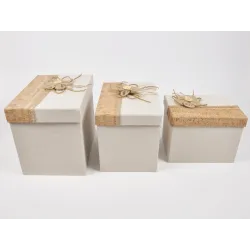
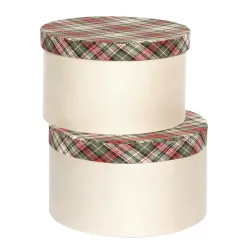
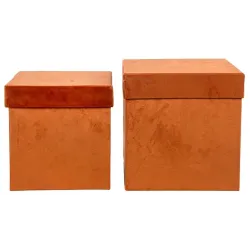
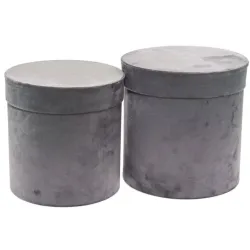
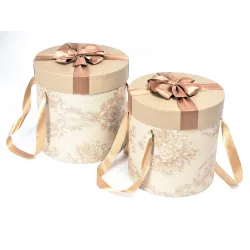
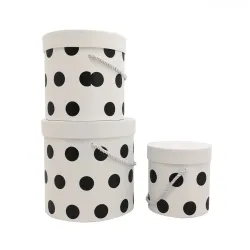
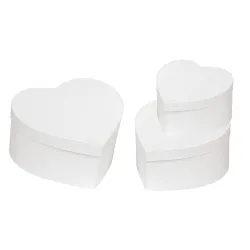
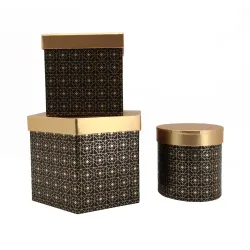
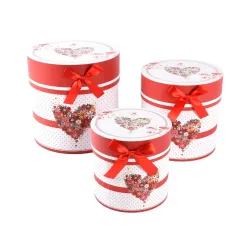
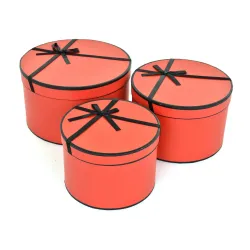
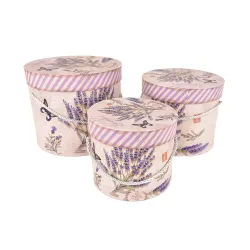
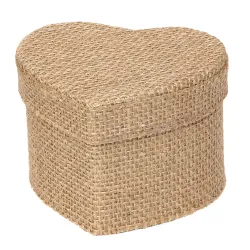
Why is Multisensory Packaging the Future of Marketing?
In today's fast-paced and hyper-competitive world, winning consumers' attention has never been more difficult. Every day we are bombarded with hundreds of images, messages and products, and only those that manage to create an authentic and exciting experience truly stand out. That's where multi-sensory packaging comes in: an innovative approach that goes beyond traditional "beautiful packaging" and embraces all the senses to create a deep and lasting connection with the customer.
Multisensory packaging is much more than a wrapper; It is an experience that communicates, surprises and loyalty. It's about designing packaging that doesn't just catch the eye, but also engages touch, smell, sound, and in some cases, even taste. Each element of the packaging becomes an opportunity to tell a story, to evoke emotions and to strengthen the brand identity.
This strategy is particularly effective because it harnesses the power of the senses to create a lasting memory. The human brain is designed to associate multisensory experiences with emotions and memories, making packaging not just a container, but a message that remains etched in the consumer's mind. For example, the evocative scent of a gift box or the velvety texture of a ribbon can make the difference between a forgotten product and one that stands out as a memorable experience.
But why is this trend becoming so important? First of all, modern consumers are increasingly looking for added value in the products they buy. It is not enough for a product to be of quality: they want to feel pampered, surprised, inspired. In addition, multi-sensory packaging offers a significant competitive advantage in saturated industries such as food, cosmetics, luxury or retail, where standing out is essential.
Finally, multisensory packaging is perfectly in line with the principles of emotional marketing, one of the most powerful strategies on the contemporary scene. By engaging multiple senses, the brand is able to convey its message more effectively and build an authentic connection with the customer. Think about it: a packaging that you "feel" in your hands or that releases a particular scent as it is opened tells a story that no advertisement could match.
Throughout this article, we will explore how multisensory packaging can be designed to surprise and captivate, with practical examples and advice on how to make the best use of the materials and products available on chartare.com. Whether you're looking to improve the customer experience or make a change for your brand, you'll find all the inspiration you need here.
What is Multisensory Packaging?
Multisensory packaging represents an innovative approach to packaging design, conceived to involve the five senses: sight, touch, smell, hearing and, in some cases, taste. It is a matter of transforming the simple container of a product into a sensory experience that stimulates emotions, memories and desires, thus increasing the attractiveness and perceived value of the product itself.
Beyond aesthetics: total involvement
Traditionally, packaging has been designed primarily to capture attention through sight, with eye-catching colors, shapes, and graphics. Multi-sensory packaging, on the other hand, expands on this vision by also focusing on how a customer feels a package in their hands, how the package smells when opened, or even how it sounds when handled. This strategy transforms packaging into an active element of the customer experience, capable of telling a story and communicating values.
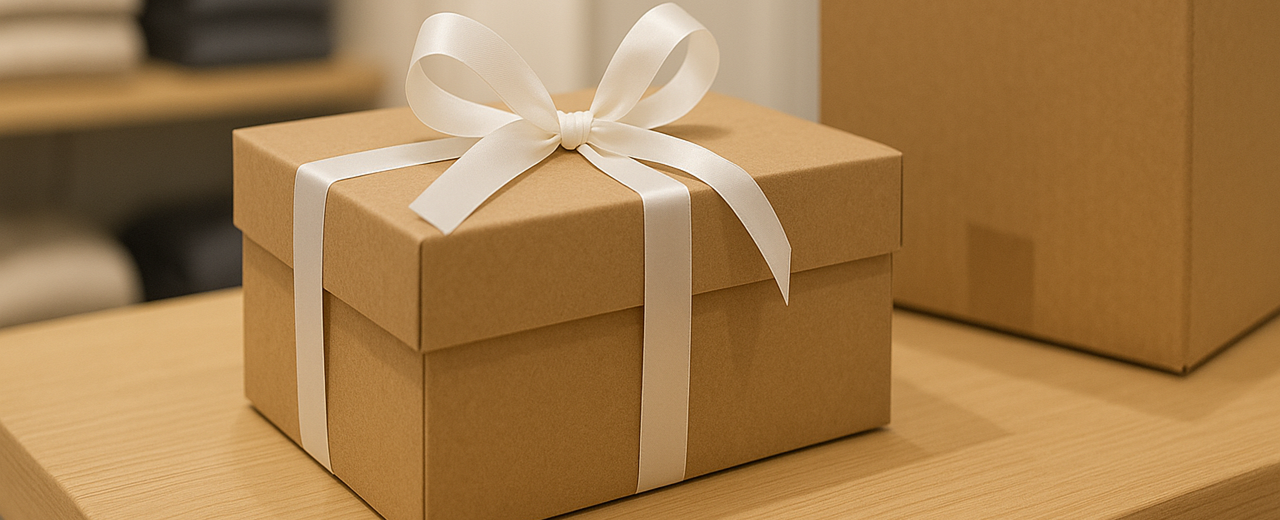
For example, think of a gift box that, when opened, gives off a delicate lavender fragrance. Or a package with a velvety surface that recalls luxury to the touch. These seemingly small details add significant emotional value, making the product more memorable and attractive.
The Goal of Multisensory Packaging
The main goal is to create a deeper connection between the consumer and the product, going beyond the practical function of packaging. This approach allows you to:
- Capturing the customer's attention in a competitive market.
- Make the shopping experience unforgettable thanks to emotional involvement.
- Increase the perception of the value of the product, justifying premium prices.
- Strengthen the brand's identity, communicating its values through the senses.
How Does Multisensory Packaging Work?
Multi-sensory packaging uses materials, techniques and designs that stimulate the senses in a strategic way. Each element of the package is designed to elicit a specific reaction:
- View: Attractive designs, bright or elegant colors, attractive graphics.
- Touch: Materials with particular textures, reliefs or finishes that offer a unique sensation to the touch.
- Smell: The addition of fragrances that evoke emotions or create a positive association with the brand.
- Hearing: Sounds produced by opening or handling the package, such as paper crinkle or a pleasant click.
- Taste: Food-related packages that offer a tasting or edible elements associated with the product.
Why Does Multisensory Packaging Work?
The success of this strategy lies in the ability to activate multiple senses simultaneously, creating a richer and more immersive experience. This is supported by scientific research showing that multisensory experiences are easier to remember and have a stronger emotional impact than those involving only one sense.
For example:
- The sense of smell is closely linked to memory and emotions. Scented packaging can evoke positive memories and strengthen the association with the brand.
- Touch conveys quality: velvety or satin materials suggest luxury, while rough surfaces can evoke authenticity or craftsmanship.
- Sound can convey a sense of security and care; The click of a perfectly designed clasp, for example, suggests quality and attention to detail.
Industries That Benefit from Multisensory Packaging
This approach is particularly useful in industries where packaging plays a crucial role in the customer experience:
- Cosmetics and perfumes: The use of refined materials and fragrances engages the senses and reinforces the image of luxury.
- Food and beverage: Packaging that combines natural textures, scents and tastings improve the perception of quality.
- Luxury products: Multi-sensory packaging emphasizes exclusivity and justifies the premium price.
- Events and gifts: Packaging that surprises and delights helps create positive memories related to the occasion.
Practical examples
Imagine:
- A box of chocolates with a delicate vanilla scent that is released when opened.
- A set of cosmetics enclosed in a velvety touch packaging, with a magnetic closure that emits a satisfying sound.
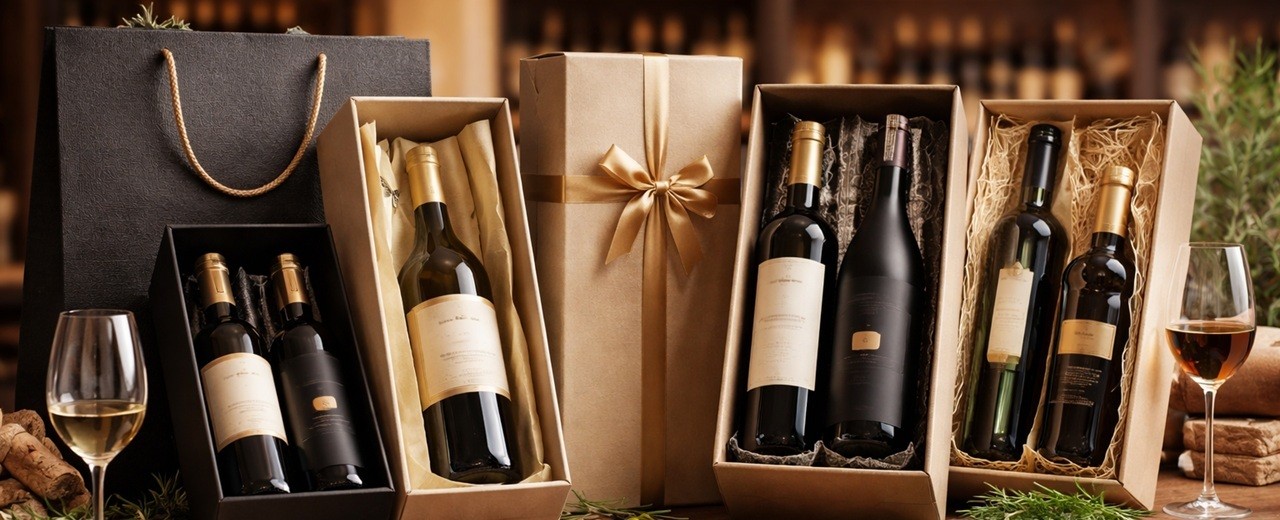
- A bottle of wine in a rigid packaging, with wooden inserts that give off a light and natural scent.
These details are not just aesthetic: they tell a story, strengthen the brand identity and create a unique experience for the customer.
Multi-sensory packaging is a sensory journey that transforms the way consumers perceive products. In an era where the experience matters more than the product itself, this strategy represents a tremendous opportunity for brands that want to stand out and create authentic connections.
Touch: The Magic of Materials
Touch is one of the most powerful senses when it comes to creating a memorable experience. Touching a package is not a passive action: it is a moment in which the customer subconsciously evaluates the quality of the product, connects with the brand and gets carried away by physical sensations that influence the overall perception. Choosing the right materials and working on textures can transform a simple package into a unique multi-sensory experience that leaves a lasting impression.
Velvety, Smooth or Rough Materials: A Distinctive Tactile Sensation
Choosing the packaging material is the first step in creating an emotional bond through touch.
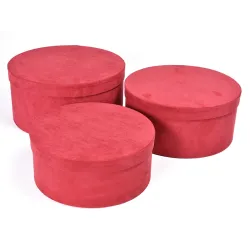
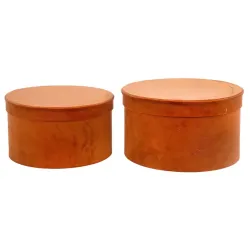
- Velvety materials: they evoke luxury, softness and warmth. They are ideal for packaging high-end products such as jewelry, perfumes, or corporate gifts.
- Practical example: imagine a jewelry box covered with a velvety fabric. The sensation to the touch immediately communicates exclusivity and refinement, amplifying the perceived value of the product inside.
- Smooth materials: they convey elegance and modernity. Glossy or satin surfaces are perfect for industries such as cosmetics and technology.
- Practical example: An electronic device box with a smooth, satin coating creates a premium opening experience, suggesting innovation and quality.
- Rough or raw materials: they recall authenticity, naturalness and craftsmanship. They are very popular in the food, wine or eco-friendly products sectors.
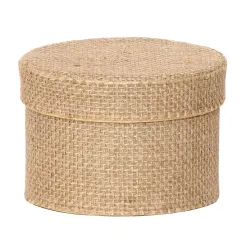
- Practical example: A jute bag or box with a rough surface is perfect for an organic or artisanal product, evoking a sense of sustainability and authenticity.
Embossed Elements or Textured Surfaces: An Extra Sensory Experience
Adding embossed details or textures to the surface of the packaging amplifies the tactile experience and adds a striking visual dimension.
- Embossed Personalized: Embossed logos or decorations not only enhance aesthetics, but create a physical interaction that consumers remember.
- Practical example: a box of chocolates with the brand logo embossed on the surface adds a touch of elegance and makes you feel more attention to detail.
- Special textures: geometric patterns, embossed finishes or laser-engraved designs can make a package intriguing and pleasant to touch.
- Practical example: a bottle of wine wrapped in a rigid box with an embossed finish in the shape of a grape shoot not only enhances the product, but also suggests a story linked to the territory and tradition.
- Texture contrasts: combining smooth and rough surfaces in the same packaging creates a complex and fascinating experience.
- Practical example: A gift box with a smooth, satin lid and a rough base covered with kraft paper emphasizes the contrast between luxury and authenticity.
Silk, Jute or Satin Ribbons: A Touch of Luxury
Ribbons are more than just a decorative accessory; they represent the first physical point of contact with the packaging. Their texture plays a crucial role in creating a feeling of luxury or craftsmanship.
- Silk or satin ribbons: soft, smooth and shiny, they communicate refinement and luxury.
- Practical example: a satin ribbon that wraps a gift box for a bottle of champagne adds a touch of prestige, making the gift even more special.
- Jute or cotton ribbons: perfect for rustic or eco-friendly packaging, they evoke authenticity and sustainability.
- Practical example: a bag of organic products with a simple jute ribbon reinforces the green identity of the brand.
- Personalized ribbons: Adding a message, logo, or design to the ribbon through prints or engravings offers an extra level of customization.
- Practical example: a gift box with a silk ribbon personalized with the customer's name makes the experience unforgettable and unique.
Practical Applications for Chartare.com Products
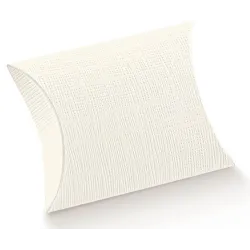
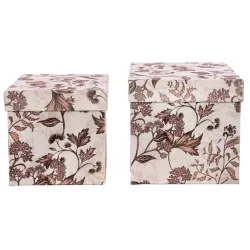
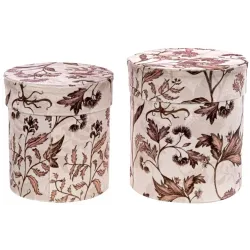
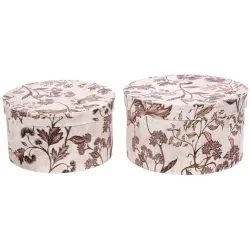
- Textured boxes: opt for boxes with velvety surfaces or embossed details, available on chartare.com, to create packaging that stands out at the first touch.
- Quality ribbons: Combine silk or jute ribbons available on the site to add an elegant or natural touch to the packaging.
- Additional accessories: Complete the packaging with tactile decorations, such as coated magnetic closures or fabric labels.
The strategic use of touch in packaging is not just an aesthetic quirk, but a real emotional lever. A carefully chosen material can convey luxury, authenticity or sustainability, reinforcing the brand's message and transforming a common product into an unforgettable experience.
The Perfume: The Essence of a Memory
The sense of smell is the most powerful sense to evoke emotions and memories. A fragrance has the power to immediately transport us to a specific place, time, or emotion. Integrating perfume into packaging is not just an aesthetic choice, but a sensory strategy that creates a lasting bond between the customer and the product. This approach transforms opening a package into a multi-sensory experience, amplifying the perceived value and making the product memorable.
Why Is Perfume In Packaging So Effective?
The human brain automatically associates scents with memories and sensations. When a package emits a pleasant aroma, the user experience becomes richer and more enjoyable, leaving a lasting imprint. For example:
- A floral scent can evoke romance and tenderness.
- Spicy notes can recall the magic of the holidays.
- Fresh, natural flavors can evoke purity, nature, and sustainability.
This emotional association not only improves the perception of the product, but also increases the likelihood that the customer will remember and choose that brand again.
Floral Perfumes for Romantic Packaging
Floral fragrances are perfect for products related to romantic occasions or for items that evoke elegance and femininity.
- Practical applications:
- A jewelry gift box can be enriched with a delicate essence of rose or lavender, creating a sophisticated and romantic experience.
- For a set of cosmetics or perfumes, packaging that gives off a slight aroma of orange blossom or peony adds a touch of luxury.
- Practical example: Imagine a box of chocolates for Valentine's Day that gives off a rose scent every time it is opened. The customer not only tastes the product, but lives a complete sensory experience that amplifies the romantic meaning of the gift.
Spicy Notes for Festive Periods such as Christmas
Spicy fragrances, such as cinnamon, ginger and nutmeg, are synonymous with warmth and tradition, ideal for the Christmas season.
- Practical applications:
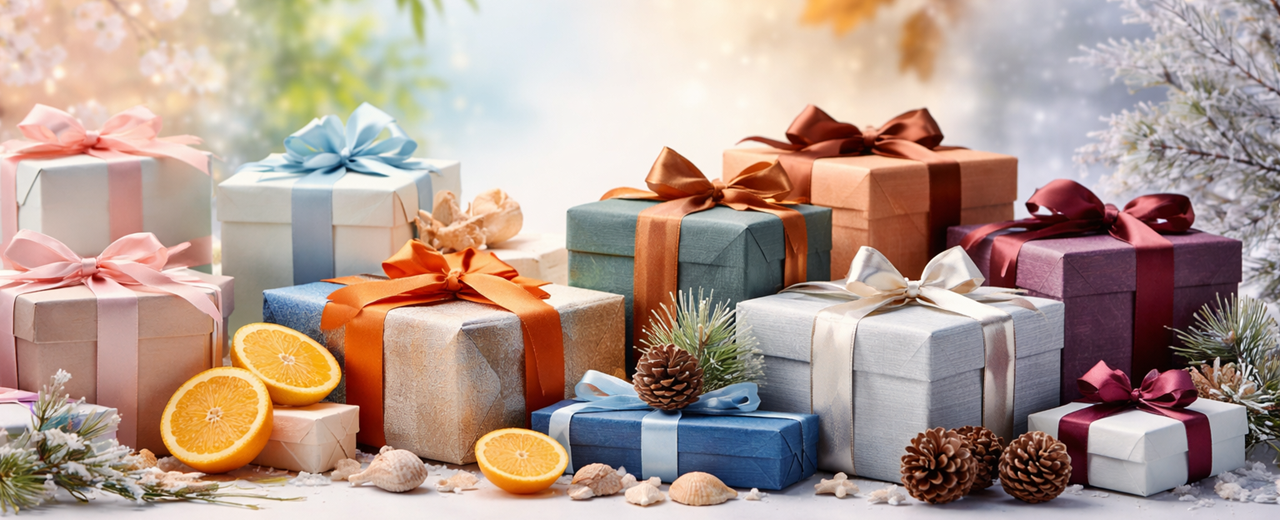
- A gift box for panettone or Christmas sweets can be scented with cinnamon and orange essences to evoke the warmth of the holidays.
- Candle packaging or Christmas decorations can include scented sachets with notes of pine and wood to recall the atmosphere of Christmas.
- Practical example: A Christmas tree decoration pack that gives off a delicate pine aroma transforms the opening experience into a moment of pure Christmas magic.
Fresh Flavours for Eco-Friendly Products
For brands that want to communicate values of sustainability and naturalness, fresh and light fragrances are the perfect choice.
- Practical applications:
- Eco-friendly or organic products can be accompanied by aromas of mint, eucalyptus or citrus, which evoke purity and freshness.
- Packaging of natural cosmetics can be scented with essential oils such as lemongrass or rosemary.
- Practical example: A box of handcrafted soaps packaged with a green tea or lemon scented sachet adds authenticity and consistency with the brand's natural message.
How to Integrate Perfume into Packaging
Integrating perfume into packaging can be simple and creative. Here are some practical solutions:
- Scented Sachets: Small sachets containing natural essences can be placed inside gift boxes.
- Example: A lavender sachet in a pack of blankets or sheets adds a cozy touch.
Fragrances Spray: Spray a delicate fragrance on the packaging or on an internal element (such as tissue paper).
- Example: A vanilla flavor sprinkled on a gift box for handcrafted desserts emphasizes the sweetness of the product.
Aromatic Materials: Use fragrance-impregnated materials, such as scented paper inserts.
- Example: A eucalyptus-scented rice paper to wrap natural cosmetics.
Scented Seals: Add seals or flavored stickers.
- Example: A seal with a slight mint aroma on a tea package.
Practical Examples with Chartare.com Products
- Scented sachets: You can buy scented sachets to go with the gift boxes sold on chartare.com, choosing fragrances that suit the product or occasion.
- Scented tissue paper: Use tissue paper available on the website and vaporize a delicate fragrance to personalize the packaging.
- Scented ribbons: Tie a jute or satin ribbon around the box and spray a light essence on it for a unique touch.
Olfactory Emotion in Packaging
Integrating perfume into packaging is not just an additional detail, but an opportunity to transform the customer experience into a special moment. Every time the customer smells that scent, they will remember the product, the occasion, and the brand. This emotional connection, if well designed, not only builds customer loyalty, but invites them to come back and share the experience with others.
The sound: a surprising detail
In the world of multi-sensory packaging, sound is perhaps one of the most underrated elements, but it can make a big difference in creating an immersive and memorable experience. Well-designed sound can evoke emotions, improve the perception of product quality, and add an element of surprise that sticks in the customer's memory.
When a package "speaks" through subtle but meaningful sounds, it captures the consumer's attention and makes the interaction with the product even more special.
Why Is Sound Important in Packaging?
Sound is a sensory stimulus that the human brain processes rapidly, often associating it with feelings of quality, security or curiosity. The noise produced by a package, whether it's the rustle of paper, the click of a magnetic closure, or the clinking of interior decorations, can improve the overall customer experience.
For example:
- A soft, unobtrusive sound can convey elegance and sophistication.
- A playful jingle can evoke joy and lightness.
- A clear and decisive click can communicate quality and safety.
1. The Rattle of Tissue Paper or the Click of the Box
Small natural sounds, such as the rustle of tissue paper or the click of a well-designed clasp, add a tactile and acoustic dimension that emphasizes care and attention to detail.
- Tissue paper rustle:
- Practical applications: Imagine a piece of clothing wrapped in high-quality tissue paper. The slight rustling at the time of opening not only amplifies the perception of care, but also emphasizes the value of the product.
- Practical example: A gift box containing a perfume can be completed with scented tissue paper, which gently rustles as it opens, creating a multi-sensory experience.
- Box Clicks:
- Practical Applications: A magnetic locking mechanism that produces a soft, crisp sound when opened or closed suggests attention to detail and superior quality.
- Practical example: A box of premium chocolates with a magnetic closure creates an impression of exclusivity and luxury.
2. Recorded Audio Messages That Activate When Opened
Integrating audio messages into packaging is a surprising and innovative idea, perfect for products related to special events or unique advertising campaigns.
- Practical applications:
- Gift boxes that play a short melody or personalized message when opened.
- Promotional packages that include a product presentation or a voice that tells the brand story.
- Practical example:
- Packaging for the launch of a new perfume might include a short message describing the main olfactory notes.
- A Christmas package might emit a festive tune, such as a delicate jingle, upon opening.
3. Elements that Tinkle: Decorative and Playful Details
Adding small elements that produce sounds inside or outside the packaging can create a surprise effect that catches the eye.
- Practical applications:
- Interior decorations, such as bells or small spheres, that clink when the package is shaken or opened.
- External moving elements, such as pendants or pendants, that produce pleasant sounds on contact.
- Practical example:
- A Christmas decoration box with a small bell attached to the ribbon creates a festive atmosphere and anticipates the special content.
- A children's gift box that includes a sound toy or jingling elements increases the surprise factor and engages the little ones.
4. Unexpected Sound Accessories
Packaging can be designed to produce specific sounds that reflect the brand's message or identity.
- Practical example:
- A premium tea or coffee packaging that emits a slight rustle similar to that of leaves or beans, evoking naturalness and authenticity.
- A gift box related to a sporting event that reproduces the effect of a round of applause or a sound related to sports.
How to Integrate Sound into Chartare.com Products
- Quality tissue paper: You can use tissue paper available on chartare.com to create an elegant and satisfying hiss when opening the packaging.
- Magnetic closures: Opt for gift boxes with magnetic closures available on the site to add a touch of luxury and a distinctive sound.
- Sound decorations: Combine decorative ribbons with sound elements, such as bells or pendants, to create festive or playful packaging.
Sound as Emotion and Involvement
Sound in packaging is a detail that many consumers may not expect, but it can transform the entire experience. Whether it's a hiss, a click, or a rattle, sound adds personality to the product and emphasizes the brand's attention to detail. This extra touch can surprise the customer, create a lasting memory, and differentiate the product in an increasingly competitive market.
When Taste Is Involved: The Complete Sensory Experience
In the food or gourmet sector, packaging can become an element that not only preserves the product, but enhances and completes it, also involving taste. This approach not only enhances the content, but creates a multi-sensory experience that leaves a deep impression on the customer. Taste, in fact, is one of the most personal and immediate senses, capable of evoking emotions and memories. Integrating this sense into packaging means transforming a product into a real experience.
Why Involve Taste in Packaging?
Integrating taste into the packaging creates a direct link between the consumer and the product, increasing the perception of quality and uniqueness. In addition, this strategy:
- Amplifies the customer experience: Packaging becomes part of the product, offering a preview or taste.
- Enhances the product: Edible elements or elements that interact with taste strengthen the brand's positioning in the gourmet sector.
- Increases memorability: Taste integration makes the product a complete experience, easy to remember and tell.
Decorative Sugar Ribbons or Aromatic Wrappers
One of the most creative ideas is to transform decorative elements of packaging into edible or taste-related components.
- Decorative Sugar Ribbons:
- These ribbons are not only beautiful to look at, but also delicious to enjoy. Perfect for packaging sweets or baked goods.
- Practical example: Packaging for artisanal biscuits wrapped in a vanilla or chocolate flavoured sugar ribbon. The customer not only opens the package, but can also enjoy a little extra.
Wrappers that contain fragrant spices:
- Some wrappers may be designed to include spices or herbs that amplify the olfactory experience and anticipate the taste of the product.
- Practical example: A tea box that contains a sachet of spices, such as cinnamon or cardamom, that the customer can use to enrich their drink.
Safe Materials for Food Contact
In the food industry, safety is paramount. Using safe and certified food contact materials not only protects the product, but can also enhance it.
- Edible packs:
- Some packaging may be designed to be completely edible, such as chocolate wrappers or crystallized sugar.
- Practical example: A gourmet praline pack wrapped in edible white chocolate foil, which adds a touch of luxury and sustainability.
Aromatic and gustatory materials:
- The use of materials that interact with the taste of the product can enrich the experience.
- Practical example: A paper bag treated with a light lemon flavor to hold butter biscuits, which gives the product a fresh and pleasant note.
Other Ways to Integrate Taste into Packaging
- Small tastings included in the package:
- Insert samples or small samples of the product inside the package.
- Practical example: A wine gift box that includes a small artisanal chocolate paired with the wine itself, to suggest a tasting experience.
Ingredients that can be used by the customer:
- Offer spices, herbs or condiments in single-serve format together with the product.
- Practical example: A gourmet pasta packaging that includes a sachet of ground black pepper or a mix of spices to complete the dish.
Edible messages and instructions:
- Print messages or logos on edible materials, such as sugar sheets or rice paper.
- Practical example: A cupcake gift box with a personalized message printed on a sugar topper.
Practical Examples with Chartare.com Products
- Decorative sugar ribbons: You can offer Personalized ribbons, ideal for desserts or artisanal products, which add a sweet touch to the packaging.
- Food boxes: The boxes available on chartare.com can be paired with food-safe inserts, such as wax paper trays or flavored containers.
- Edible decorations: Suggest pairing the packaging with decorations such as Personalized cookies or small separately packaged samples.
Conclusion
Integrating taste into packaging is a great way to engage the customer and turn every purchase into a memorable experience. Whether through edible decorative elements, such as sugar ribbons, or with aromatic materials that are safe for food contact, packaging becomes an integral part of the product, helping to tell its story and enhance its value. This approach not only improves the perception of the product, but also creates an emotional and sensory bond with the customer, making the brand unique and recognizable.
Successful Examples in Multisensory Packaging
Multisensory packaging is now a well-established reality in various sectors, and successful brands have been able to use it to strengthen their image and improve the customer experience. Let's analyze some real and practical examples of how cosmetics, food and baby products brands have exploited multisensory packaging to win over consumers.
1. Luxury Cosmetics: Velvety Boxes with Delicate Scents
In the cosmetics industry, packaging must communicate elegance, luxury and quality. Many brands have used velvety and fragrant boxes to enhance the customer experience.
- Real-life example: Lancôme
Lancôme, a luxury cosmetics brand, has launched packaging for its perfumes enclosed in boxes with a velvety surface to the touch and embossed details. The boxes not only offer a smooth feel, but also give off a slight aroma that echoes the fragrance inside. This strategy creates an immediate link between the packaging and the product, amplifying anticipation and the perception of value. - Practical example:
A company that produces premium skincare could use rigid boxes covered in velvety fabric, with a delicate floral scent such as rose or jasmine. This not only creates a pleasant sensory experience but also reinforces the brand identity as a synonym for elegance and care.
2. Food & Beverage: Packaging with Natural Textures and Scented Details
In the food and beverage industry, multi-sensory packaging not only protects the product, but amplifies its perceived quality. Natural textures and evocative fragrances create a direct link with the origin and freshness of the product.
- Real example: Kusmi Tea
Kusmi Tea uses recyclable tin packaging with slightly embossed surfaces and a design that recalls craftsmanship. The boxes contain scented sachets that give off the delicate aroma of the tea blends. This approach not only enhances the product, but makes the packaging reusable and part of the experience. - Real example: Dom Pérignon
The packaging for Dom Pérignon champagne bottles is wrapped in textured materials reminiscent of leather, with embossed metallic details. Opening the package is accompanied by a distinctive "click" of the magnetic closure, immediately conveying a feeling of luxury. - Practical example:
An artisanal chocolate brand might use kraft paper boxes with embossed details, inserting a sachet of spices such as cinnamon or vanilla inside. Every time the package is opened, the scent anticipates the goodness of the product.
3. Baby Products: Packaging That Is Soft to the Touch and with Relaxing Fragrances
When it comes to baby products, packaging must communicate safety, tenderness and comfort. Many brands have integrated soft textures and delicate fragrances to win over parents and appeal to young consumers.
- Real-life example: Johnson & Johnson
The packaging of Johnson & Johnson baby products includes tactile details such as soft surfaces or ergonomic curves, designed to fit comfortably in the parents' hand. Some products are packaged in boxes that give off a light lavender fragrance, which is known for its relaxing properties. - Real-life example: Sophie the Girafe
The popular brand of toys and children's products packs its items in boxes with soft-touch windows and decorations that emit a slight sound when touched. The addition of delicate fragrances such as chamomile or talcum powder creates a reassuring experience for parents. - Practical example:
A brand that produces eco-friendly diapers could pack them in soft-touch boxes, made of recyclable materials, and include a chamomile aroma to reinforce the message of safety and care.
Successful examples demonstrate how multi-sensory packaging can be used to communicate values of luxury, authenticity or safety. Whether it's velvety boxes for cosmetics, natural and aromatic materials for food or soft packaging for children, attention to detail and the involvement of the senses make all the difference.
Chartare.com can inspire its customers by offering practical and creative solutions to create packaging that not only protects products, but transforms them into unique and memorable experiences.
Conclusion: How to Implement Multisensory Packaging to Impress Your Customers
Multisensory packaging is not just a trend, but a concrete strategy to improve the customer experience and strengthen brand identity. Integrating sight, touch, smell, sound and taste into packaging design means transforming every interaction with the product into a memorable moment, capable of emotionally involving the consumer and building loyalty. However, to achieve these results, it is essential to plan every detail and choose materials and solutions that combine aesthetics and functionality.
1. Choose Quality Materials over Chartare.com
The first step to creating successful multisensory packaging is to start from the basics: the materials. The quality of the materials not only protects the product, but immediately communicates the value of the brand.
- Durable and versatile boxes: Opt for boxes with special finishes, such as velvety surfaces, embossed textures, or embossed details. These elements not only satisfy the touch, but also enrich the visual appearance.
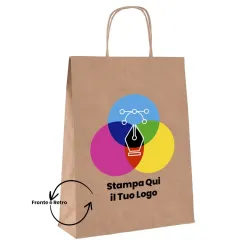
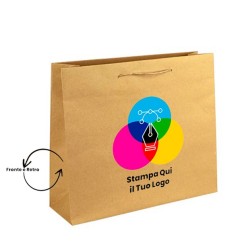
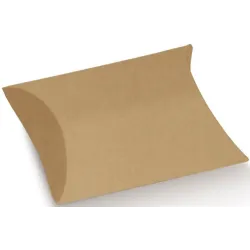
- Natural and eco-friendly materials: If your brand focuses on sustainability, Chartare.com offers solutions made of kraft paper or recycled materials that combine perfectly with a natural design.
- Practical example: A kraft paper box with a rough texture can be perfect for an organic brand, while a box with a magnetic closure and a satin finish is better suited to luxury products.
2. Customize Your Packaging with Unique Perfumes, Ribbons and Accessories
Personalization is key to standing out and creating packaging that reflects your brand identity. Adding multi-sensory elements such as perfumes, ribbons, and accessories makes your product even more memorable.
- Add an olfactory touch: Integrate scented sachets or use spray fragrances to personalize the boxes. Delicate fragrances such as lavender, vanilla, or cinnamon can evoke specific emotions and bind to the product.
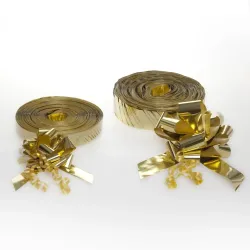
- Decorative ribbons: Choose from silk, satin or jute ribbons available on Chartare.com to add a luxurious or rustic touch to your packaging. Ribbons are not only an aesthetic element, but also offer a unique tactile experience.
- Distinctive accessories: Insert small details such as sound decorations (bells or pendants), Personalized seals or edible inserts to complete the packaging.
- Practical example: A cosmetics brand may use a velvety box with a silk ribbon and floral fragrance to create a luxurious experience, while a tea maker may add spice bags and a jute ribbon to evoke authenticity and naturalness.
3. Combine Aesthetics and Functionality
Good multi-sensory packaging must not only be beautiful, but also practical. Functionality is essential to ensure that the product is protected and that the multi-sensory experience is consistent with customer expectations.
- Practical and engaging design: Choose boxes that are easy to open, with magnetic closures that produce satisfying sound, or add interactive elements such as transparent windows that allow you to see the product.
- Uncompromising sustainability: For eco-conscious brands, use recyclable materials that also have a sensory impact, such as velvety or embossed surfaces.
- Practical example: A wine gift box can be designed with a rigid insert to protect the bottle, a decorative ribbon for touch, and a light wood aroma to evoke the craftsmanship of the product.
A Memorable Experience for Your Customers
Multisensory packaging is not just a way to package a product; It's a means to tell a story, communicate your brand values, and leave a lasting imprint on the consumer's mind. With the materials and solutions available on Chartare.com, you can make packages that not only protect the product, but enhance it through the senses.
Why choose multisensory packaging?
Because customers today are looking for more: they want emotions, memories and connections. Creating a multisensory experience means responding to these expectations, offering not just a product, but a moment of discovery and wonder.
If you're looking to make a difference, start with the packaging. With the right materials, perfumes, ribbons and accessories, you can turn each package into a unique experience that your customers won't forget. And Chartare.com is the ideal partner to help you achieve this.