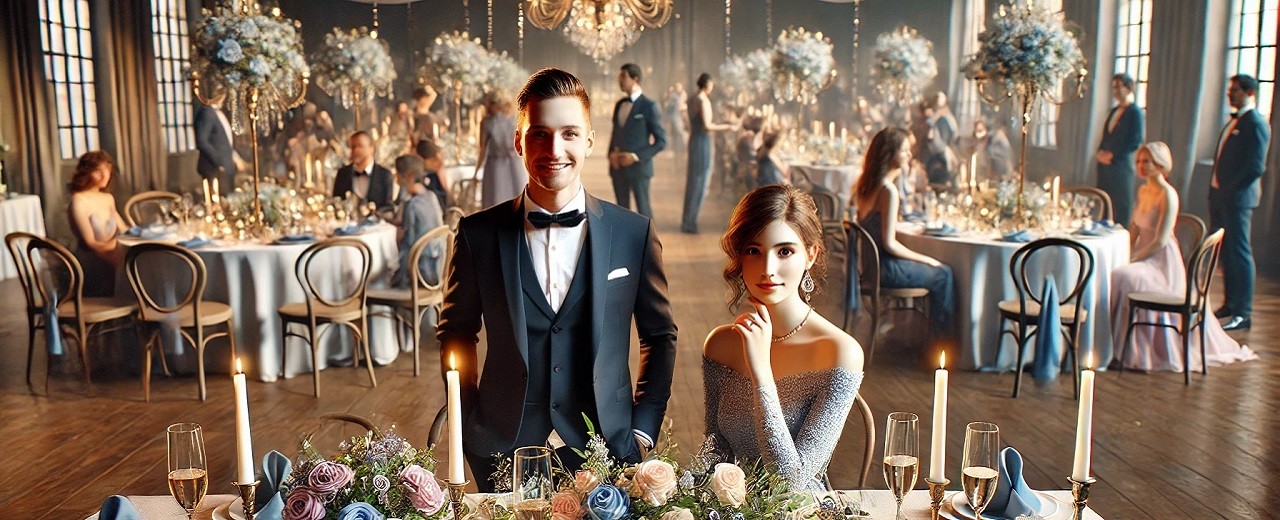
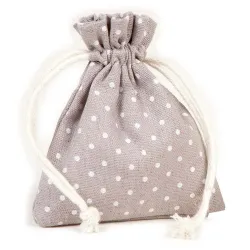
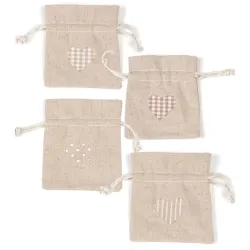
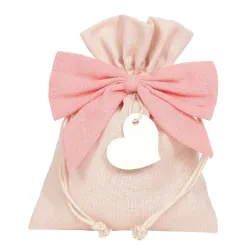
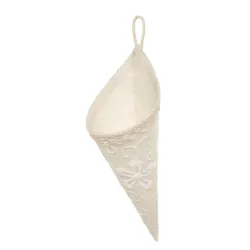
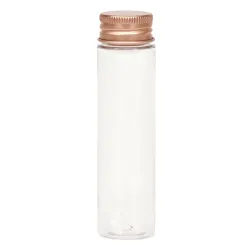
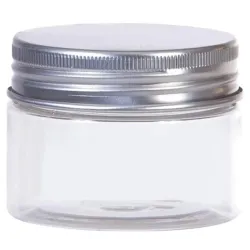
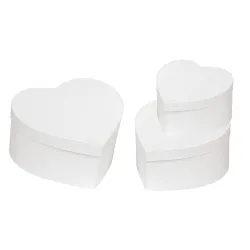
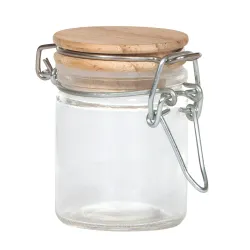
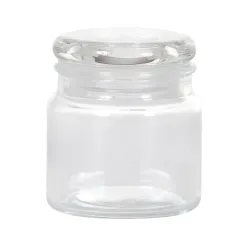
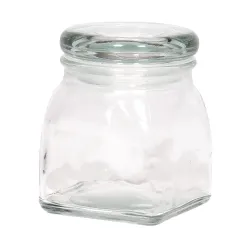
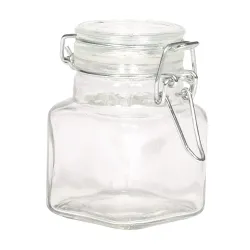
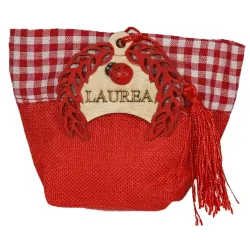
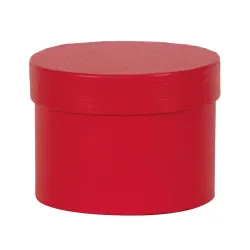
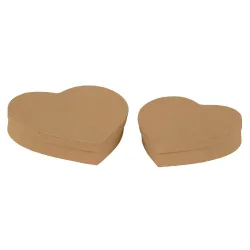
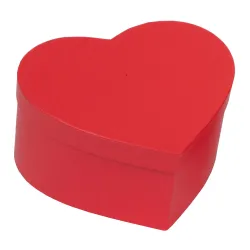
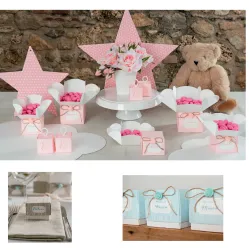
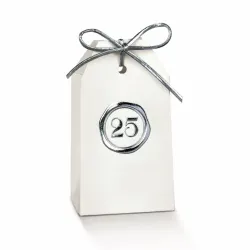
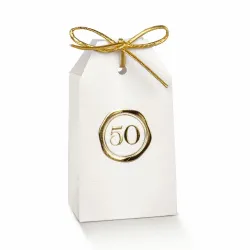
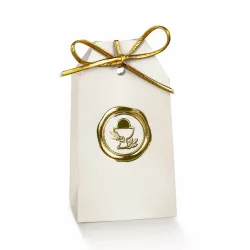
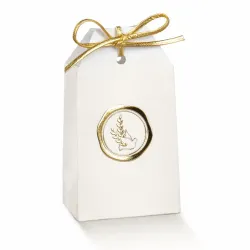
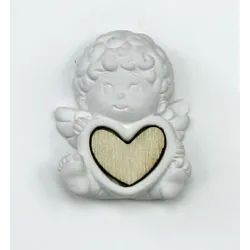
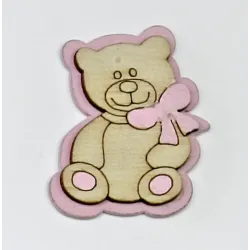
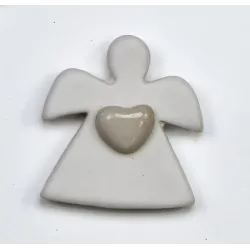
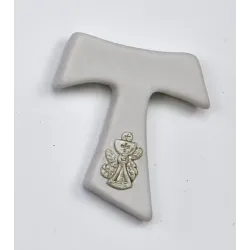
Before addressing the differences, I want to tell you an anecdote that will make the topic much clearer for you. At my cousin Anna's wedding, she and her husband James – she Italian and he English – had decided to combine their traditions by giving both favors and favors. A nice idea, but one that created a small family drama .
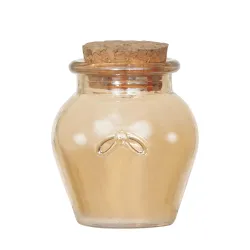
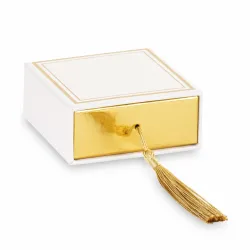
The Italian part of the family, accustomed to the classic favors with sugared almonds, was all in fibrillation. Anna had chosen hand-painted ceramic jewelry boxes with the usual five symbolic sugared almonds inside. Beautiful, really, but when James proposed adding small jars of homemade jam – his favourite favour – the suspicious looks began.
During dinner, my aunt Luisa, with all her discretion, takes one of the jars in her hand and says in a low voice:
"But this... Is it a wedding favor? Where are the sugared almonds? Why do they give me jam? We are not poor!"
I was bent over with laughter, but James, who had heard everything, smiled and replied:
"It's for breakfast the next day, aunt! A little energy to remind you of us even in the morning!"
Despite the explanation, my aunt spent the whole lunch asking everyone: "But what did they give you? Jam or that beautiful ceramic thing?"
In the end, the favors ended up in the window (where they are destined to remain for the next twenty years), while the jam favors were brushed the next day. The moral of the story? That the wedding favor makes you shine in the eyes of the guests, but the English favor ... you eat it with gusto!
Two traditions compared
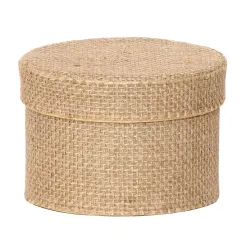
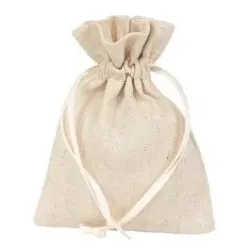
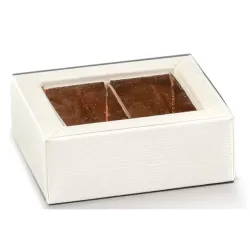
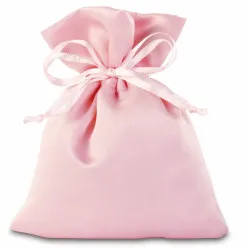
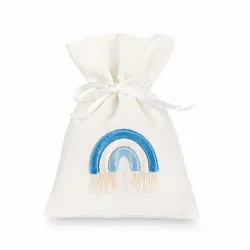
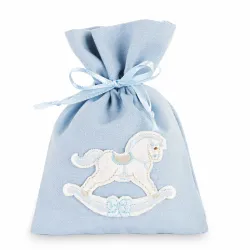
When we talk about English "favours" and Italian "favours", we are faced with a real clash of cultures. Imagine an Italian wedding favor: rich, decorated, often sparkling, perhaps with a beautiful satin bow and a bag of sugared almonds that smells of almonds and sugar. Now think of an English favour : a minimalist box, a jute bag or a small jar of homemade jam. It's like comparing a traditional Neapolitan pizza with a cucumber sandwich: both delicious (hopefully), but completely different!
Italian charm: "The more beautiful, the better"
In Italy, the wedding favor is not just a gift to thank guests, but a real business card. Have you been invited to a wedding? Expect something elegant, perhaps a ceramic figurine of Capodimonte, a Murano glass candle holder, or a decorative jar that your grandmother will jealously keep in the display case. The idea is that the wedding favor represents the bride and groom and, why not, also gives a touch of prestige to the event.
For example, at the wedding of Chiara and Marco, my friends, I received a mini marble sculpture that looked like it came straight out of a museum. And the sugared almonds? Obviously Maxtris, almond, chocolate and even pistachio. Let's face it: in Italy, a wedding favor that does not contain sugared almonds is not even a wedding favor!
The English style: "Less is more"
On the other side of the Channel, things are very different. English favours focus on simplicity and personal meaning. Don't expect great things: you may find yourself in front of a small jar of honey with a label that says "Love is sweet", or a bookmark with a motivational phrase. At my friend Emma's wedding, I received a bag of seeds with the words "Plant love and let it grow". Cute, isn't it? Sure, it won't look good in grandma's showcase, but the idea is still sweet.
Two ways to say "Thank you"
Basically, both the Italian wedding favor and the English favor mean one thing: thank you for being with us on this special day. Only they do it in completely different ways. Italians tend to focus on luxury and art (who doesn't love a bit of drama and style?), while Brits prefer more discreet and sustainable gifts, perfect for their love of understated elegance.
So, whether you receive an elegant jar of honey or a porcelain figurine that weighs as much as a brick, remember: what matters is the gesture... and, well, the ability to post the photo on Instagram!
Origins and History of Italian Wedding Favors
Ah, the Italian wedding favors! They are a bit like pasta with tomato sauce: they seem simple, but behind them there is a history rich in culture, tradition and... national pride. Every time someone hands you a wedding favor, you're not just getting an item. You are receiving a piece of Italian history, carefully packaged and, of course, accompanied by the legendary sugared almonds.
A blast from the past
The origins of wedding favors date back to the Renaissance, when noble families exchanged precious "caskets" full of sugared almonds as a sign of good luck. Yes, you got it right: sugared almonds were considered a luxury, the stuff of VIPs at the time. We're not talking about a box of chocolates from the supermarket, but authentic sugar-coated treats that are perfect for impressing your high-ranking friends.
Practical example: imagine you are a Medici. You've just thrown a lavish wedding and want to let everyone know that you're rich, powerful, and incredibly generous. What are you doing? Gifts golden favors, perhaps inlaid, and full of sugared almonds that shout "yes, we are the crème de la crème". And voila, tradition takes hold.
Confetti: the heart of wedding favors
Speaking of sugared almonds, you should know that every aspect is symbolic. The five standard sugared almonds represent health, wealth, happiness, fertility and long life. It's a bit like a contract written with sugar: "We wish you the best, here are five sugared almonds to seal the deal."
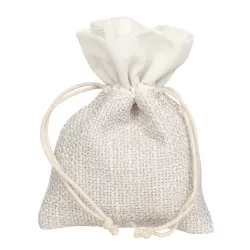
For example, my friend Laura, at her wedding, gave favors with limoncello sugared almonds (super modern!) in a handmade linen bag. His mother? Horror! He said: "And the almond sugared almonds? It's tradition!" In short, in Italy, sugared almonds are not just sweets: they are a religion.
Craftsmanship that makes the difference
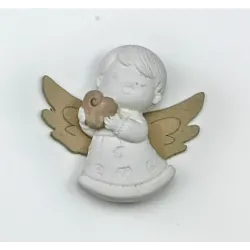
Another characteristic of Italian wedding favors is the artisanal quality. Hand-painted ceramics, Bohemian crystals, statuettes of angels that look like they have just come out of a master craftsman's workshop: everything must be perfect. And the more refined, the better. Not to mention the packaging: silk bows, worked boxes and details that would make even the best designer pale.
An example? My colleague Giulia gave her guests small Murano glass jewelry boxes at her wedding in Venice. Beautiful, of course, but probably each piece cost as much as a starred dinner for four people.
Not only weddings
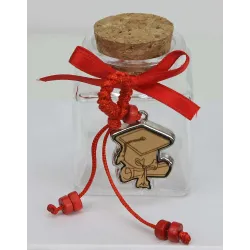
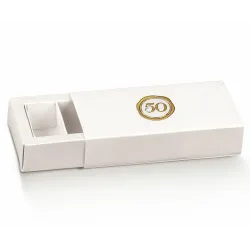
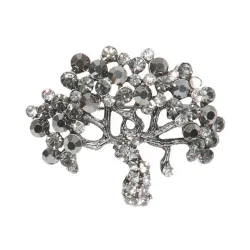
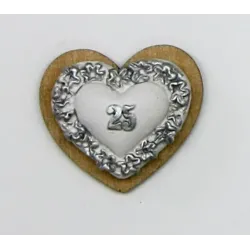
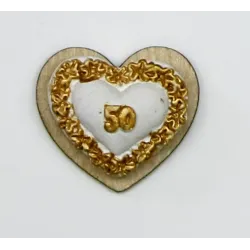
And don't think that wedding favors are only for weddings! In Italy, every occasion is good: baptisms, communions, confirmations, graduations and even anniversaries. My grandmother, for example, on her 50th wedding anniversary distributed miniatures of a tree of life in gilded metal. "It's symbolic, you know?" he told me with a smile. And I, of course, nodded as I looked for a safe place so as not to lose it.
A symbol of gratitude and status
After all, Italian wedding favors are a declaration of love for art, tradition and, let's face it, for drama. When you receive a wedding favor, you're not just getting a keepsake. You are receiving a piece of the hearts of Italians. Of course, sometimes it's a bit kitsch (who hasn't received an unlikely wedding favor?), but that's the beauty of it: each wedding favor has its own story, its own character and, above all, its own soul.
Favours: The Minimalist Gift of English Tradition
Let's now move on to the world of English favours , those small gifts that seem to come out of a tutorial on Pinterest. Here the watchword is simplicity: no baroque ceramics or sugared almonds covered in shiny sugar, but a personal touch that winks at sustainability and minimalist taste. In practice, English favours are the sober and reserved counterpart of Italian favours, but no less interesting.
A bit of history: from aristocrats to DIYs
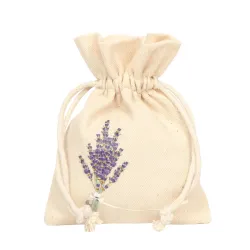
Like wedding favors, favours also have aristocratic origins. In England in the past, upper-class newlyweds gave small symbolic gifts to guests to thank them for their presence. Of course, don't expect anything too flashy: maybe a sachet of lavender or a scented candle. And so, over time, favours have become a must-have for weddings and, subsequently, for events such as baby showers, baptisms and graduation parties.
Today, however, favours have made an evolutionary leap thanks to the DIY culture. If there is not at least a little hot glue or handwriting with a glitter marker, it is not a real favour! For example, at my friend Emma's wedding, I received a jar of homemade jam with a label that said: "Spread the love". Simple, but nice. And, importantly, delicious.
What to expect from a favor
Favours are distinguished by being small, practical and often Personalized. Here are some typical examples:
Flower seeds or herbs: a bag of lavender or basil seeds with the words "Let love grow". Okay, I'll never plant them, but the idea is lovely.
Homemade treats: cookies, candies or chocolates, often packaged in transparent sachets with a colored ribbon.
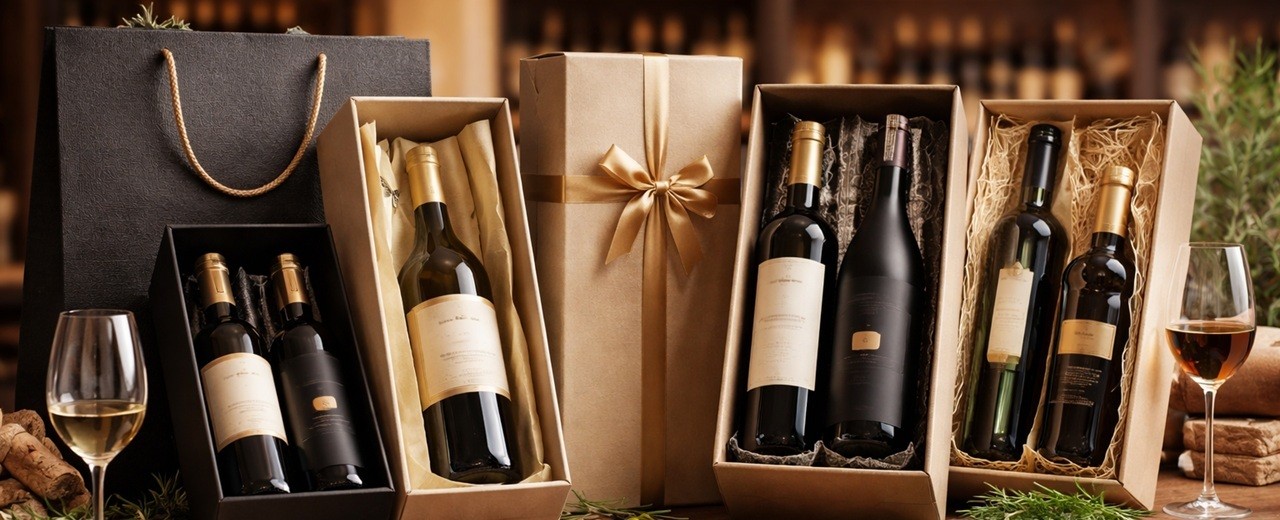
Mini bottles: wine, oil or liqueurs in miniature format. At Tom and Alice's wedding, I received a mini bottle of craft gin. I appreciated it VERY much.
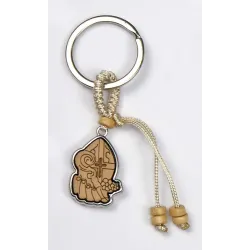
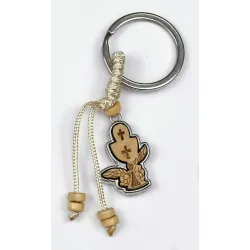
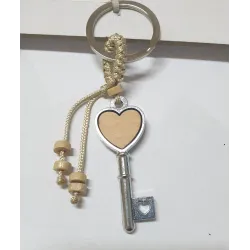
Symbolic objects: such as candles , keychains or small bookmarks with romantic quotes. Don't expect anything too elaborate: here the meaning counts more than the aesthetics.
An ode to sustainability
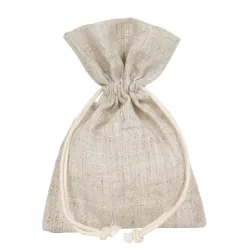
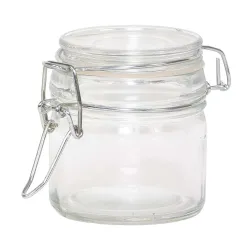
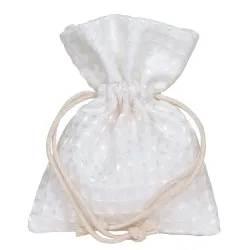
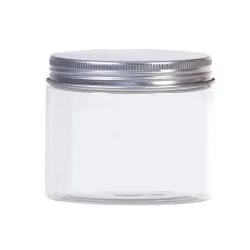
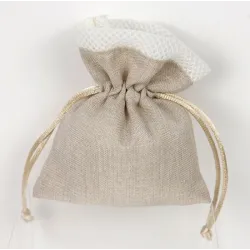
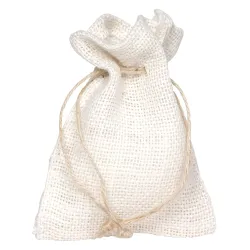
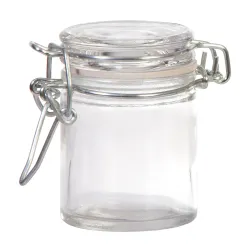
One aspect that distinguishes the English favours is the attention to the environment. Many brides and grooms choose recyclable materials or opt for gifts that have minimal impact on the planet. For example, reusable jute or linen bags, glass jars or small "useful" gifts, such as a handmade bar of soap. A friend of mine, who is passionate about the environment, gave as a favor a special pencil that, once used, can be planted to grow a seedling. Brilliant, isn't it?
When personalization is everything
The secret to a successful favour lies in personalization. The British love to add a unique touch: a handmade lettering, a label with the date of the wedding or a personal message for each guest. At Sophie and James' wedding, for example, the favours were small boxes with tea leaves and a note that said: "Thank you for being part of our brew-tiful day". Yes, the pun was a bit obvious, but irresistible.
The philosophy of "less is more"
In general, favours do not need to impress with size or economic value. The important thing is the gesture: a small thought that makes those who receive it feel special. Of course, they will not end up in grandma's window like an Italian wedding favor, but perhaps this is their strength: they are practical, undemanding and, in most cases, useful.
In short, favours are the perfect expression of the English spirit: discreet, elegant and always with a touch of irony. If nothing else, you don't risk ending up with an object that you don't know where to put. In fact, you'll probably eat, plant, or use it before you even get home!
Differences in Style and Design
When it comes to style and design, Italian favors and English favours are like two distant cousins: one loves to dress up in designer clothes, the other prefers jeans and a T-shirt. Both are adorable, but their approach couldn't be more different.
Materials: Italy vs. UK
Italians focus everything on luxury and quality craftsmanship. Wedding favors can be made of ceramic, crystal, Murano glass, worked metal and even fine wood. Each object tells a story, often linked to the territory. For example, if you go to a wedding in Naples, you may receive a small ceramic frame from Vietri. In Venice? Get ready to take home something blown glass. The idea is that the wedding favor is a real deluxe souvenir.
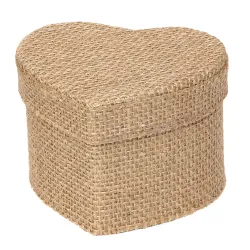
Now, let's move to England. Here the materials are decidedly more... Minimalist. Favours often use recycled paper, jute, linen or small glass jars. Practicality and sustainability are the keywords. You will never find a wedding favor that looks like it came out of a museum: favors want to be simple, pretty and useful. A classic example? A linen bag with herb seeds and a label that says "Grow love". Minimal and cute, but nothing your grandmother would put in her window.
Size and complexity: bigger is better?
Italian wedding favors are often extra. If they don't weigh at least half a kilogram, they're not worthy of being called such. Imagine a ten-centimeter-high porcelain figurine or a jewelry box decorated with gilding. My aunt once got a mini ceramic fountain with lots of water (yes, it really worked!). And what about packaging? Decorated boxes, silk bows and details that would be the envy of a luxury store.
English favours , on the contrary, follow the mantra of less is more. They are small, practical, and rarely exceed the size of a hand. At the wedding of an English friend of mine, I received a delicious frosted cookie with the name of the bride and groom. I ate it in three seconds, but it was still a nice gesture. Nothing that requires a move to be taken home.
Aesthetics: drama vs. sobriety
Italians don't know half measures: wedding favors must be beautiful, opulent and, preferably, a little dramatic. It doesn't matter if they end up forgotten in a drawer: the moment you deliver them, they must leave everyone speechless. Have you ever seen a wedding favor with Swarovski crystals set in it? I do, and I still don't know if it was a gift or a jewel.
English favours , on the other hand, are sober and elegant, often playing on simplicity. A scented candle with a small vintage-style label, a bag of artisanal candies or a personalized mini bottle of prosecco. No screaming, no gigantic bows, just a delicate and measured touch. It's the kind of gift that makes you think, "What a cute idea!" instead of "Where do I put it now?"
Packaging: the great challenge
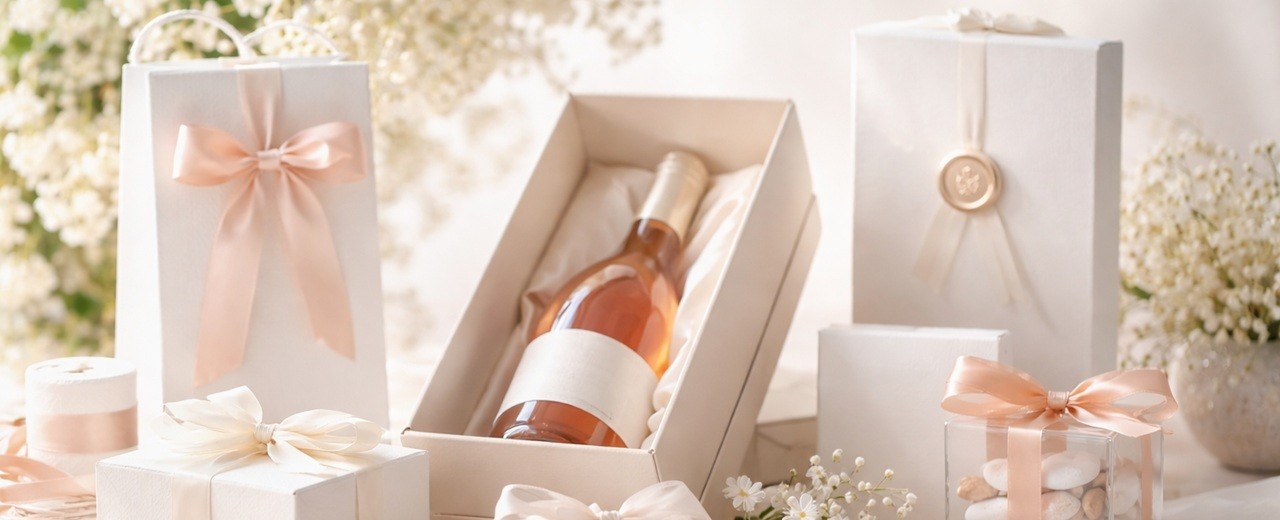
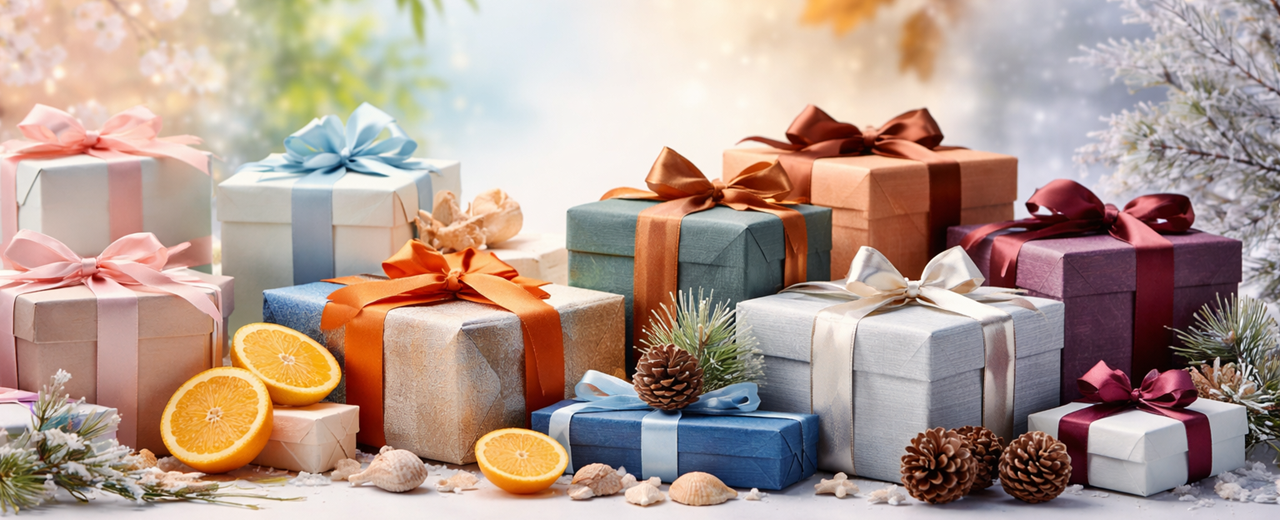
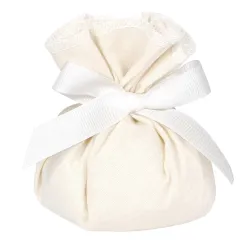
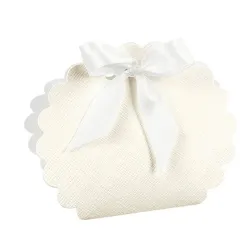
Italian wedding favors are an ode to the art of packaging. Satin bows, colored ribbons, handmade boxes: all combined with the colors of the event and, of course, full of sugared almonds. At my cousin's wedding, I received a velvet box with their monogram embroidered on it. A true work of art.
English favours focus more on the practical. A kraft cardboard box, a handwritten label and a jute ribbon are more than enough. And this is precisely their charm: attention to detail without ever exaggerating. An example? I once received a mini bottle of honey with a recycled paper label and an inscription that read: "Sweet as our love". Delightfully simple.
Conclusion: Two Opposite Worlds
In the end, the difference between Italian favors and English favours comes down to a matter of style and culture. Italians love to go big, celebrating with gifts that speak of tradition, art, and opulence. The British prefer a more discreet approach, where the gesture counts more than the object. And you know what? Both worlds have their charms. The important thing is the thought... and that it is not too heavy to take home!
The Role of Sugared Almonds in Wedding Favors
Ah, the sugared almonds! The soul of Italian wedding favors. If the wedding favor is the queen of the party, the sugared almonds are its precious jewels. No matter how elaborate or simple the wedding favor is, without those sugary treats, it's not even worthy of being called one. But be careful, because the role of sugared almonds is much more than it seems. In Italy, these small desserts are not only a pleasure for the palate: they are a symbol, tradition and, let's face it, a small national obsession.
The (very sweet) history of sugared almonds
Sugared almonds have ancient roots. Just think that they were already used at the time of the Roman Empire to celebrate births and weddings, even if at that time they were made with honey and flour. The arrival of sugar during the Renaissance turned these simple treats into real must-haves for any special occasion. From there, Italy took the concept and elevated it to an art.
Today, sugared almonds are not just sweets: they are a message. Five sugared almonds in the wedding favor? It is no coincidence: they represent health, happiness, fertility, wealth and long life. In short, a small wish list packaged in sugar.
Variety is the spice of life (and sugar)
In the past, the sugared almonds were always almond, full stop. Today, however, we have a real explosion of tastes. There are chocolate, pistachio, limoncello, coconut and even tiramisu cream fillings. For example, at my friend Francesca's wedding, the sugared almonds were strawberry and champagne flavored. Elegance made sweet!
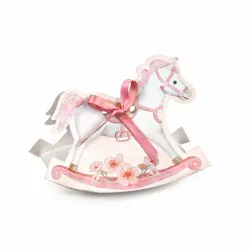
And let's not forget the colors. Sugared almonds are not only white: today you can find them pink, blue, gold, silver and even multicolor, each suitable for a specific event. Pink for girls' baptisms, blue for boys, golden for golden weddings and so on. Once, at a graduation, I saw red sugared almonds with gold glitter. Extreme glamour.
Sugared almonds and wedding favors: an inseparable pair
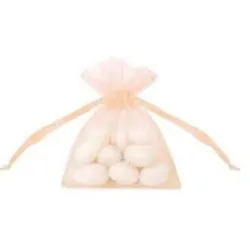
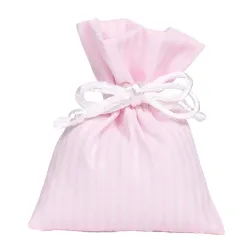
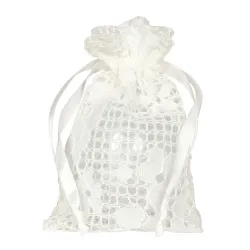
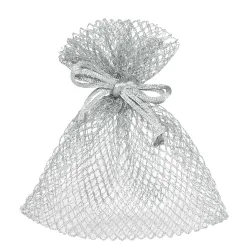
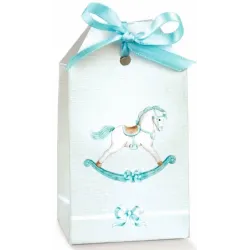
Italian wedding favors are literally designed to contain sugared almonds. There are organza bags, decorated boxes, and even small ceramic or glass containers. Here is a classic example: at the baptism of little Mattia, I received a wedding favor that was a mini lantern with five blue sugared almonds and a scented candle inside. Sure, my first thought was "Where do I put this lantern now?", but I couldn't deny that it was beautiful.
And the sugared almonds in English favours?
Now, let's face it: in English favours , sugared almonds are not really the protagonists. The British don't have this sugary obsession. Instead, you will find homemade sweets, cookies or maybe chocolates. I once received a bag of gummies at an English friend's wedding. Delicious, of course, but do you want to put the symbolic charm of sugared almonds?
Sugared almonds as modern trends
In recent years, sugared almonds have also adapted to modern times. Now you can find them in transparent packaging, combined with Personalized messages or in decorated glass jars. An interesting trend? The confetti bar: a table full of sugared almonds of all tastes and colors, where guests can choose their favorites. At Marco and Anna's wedding, the sugared almonds had so many flavors that I spent half an hour deciding which ones to take.
Conclusion: sugared almonds as a symbol of Italianness
In Italy, sugared almonds are not just sweets: they are tradition, culture and a way of saying we love you in five small bites. Whether you find them inside an organza bag or in a designer box, sugared almonds are the beating heart of every wedding favor. And let's face it: what would a wedding favor be without the crunchy crack of a good sugared almond?
Customization: A Common But Different Element
If there is one thing that Italian favors and English favors have in common, it is the desire to personalize. But be careful, here the similarities end! Because while Italians focus on refined and opulent details that shout "Look how much love (and money) we put into it", the British prefer simplicity and the handmade touch, the kind of customization that makes you think of Pinterest and DIY. Two different approaches, but both with a single goal: to make your memory special.
Italian-style customization: elegance and tradition
Italians are not joking when it comes to customizing wedding favors. They don't just have a name or a date written on a label, no, they have to go big! Engraved monograms, hand-decorated boxes, ribbons with the colors of the wedding and even small pendants matching the theme of the event.
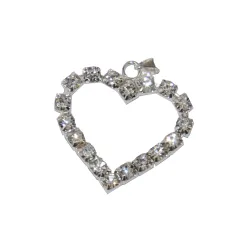
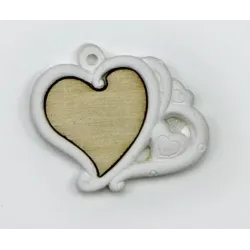
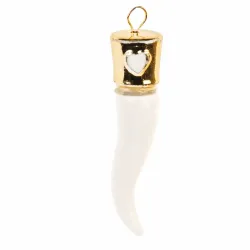
Practical example? At Silvia and Luca's wedding, each wedding favor was a small jewelry box with their names engraved on it and a small heart-shaped charm. And inside, of course, the usual five sugared almonds (because without sugared almonds you don't go anywhere in Italy). Or think of my cousin Francesca, who for her baptism had mini silver frames engraved with her name. Yes, Francesca already had style at three months of age.
The English Touch: Minimalist Personalization
On the other hand, the British have a much simpler and more informal approach. Personalisation, for them, is a handwritten label, a small personal message or a creative detail that gives a unique touch to the favour. No luxury engravings or elaborate packaging: here the gesture counts.
An example? At Sophie and James' wedding, I received a small jar of artisanal honey with the handmade label that read, "Thank you for making our day sweeter." Simple, cute and, above all, usable (who doesn't love honey?). Or, at my friend Emily's baby shower, the favours were personalized tea bags with the message: "A baby is brewing!". English to the core.
Practical vs. symbolic personalization
Italians use personalization to emphasize the importance of the event. It's a way of saying, "This is a special day, and you're an integral part of it." Every detail, from the engraved name to the matching bow, is designed to amaze and leave an indelible memory.
The British, on the other hand, see personalization in a more practical and functional way. A handwritten note or a unique detail is enough to make guests feel appreciated. For them, the gesture is more important than the aesthetic or symbolic value.
Limitless creativity: modern ideas
In recent years, both worlds have seen a growth in creativity. Italians have opened up to more modern and less formal ideas, such as favors with motivational messages or small useful gadgets. At Chiara and Marco's wedding, for example, guests received a personalized candle with the words "Light up our memories".
In the English world, however, the trend is towards eco-friendly and do-it-yourself gifts. An English friend of mine gave succulents as favours in hand-decorated pots, with a label that said: "Let love grow". The funny thing? At the end of the evening, half of the guests exchanged plants to choose the one they liked best!
Conclusion: Two Approaches, One Goal
Whether it's a refined engraved jewelry box or a jar of honey with a handwritten label, personalization is at the heart of every wedding favor and favor. Italians put their heart (and a bit of spectacle) into the details, while the British prefer a more intimate and minimalist approach. But in the end, both traditions serve the same purpose: to make guests feel special and leave a unique memory of that unforgettable day.
And you, what do you prefer? A wedding favor that screams "luxury made in Italy" or a favor that makes you say: "What a cute idea!"?
Cultural Impact and Social Perception
Italian favors and English favours are not just gifts: they are real mirrors of their respective cultures. Behind every bag of sugared almonds or every jar of honey there is a world of meanings, expectations and – let's face it – a bit of social judgment. Yes, because these small gifts say a lot not only about those who give them, but also about how they are perceived by those who receive them. And guess what? Italians and English see it in a completely different way.
Italian wedding favors: the status symbol you can't ignore
In Italy, the wedding favor is much more than a simple "Thank you for coming". It's a mission statement, a status symbol, a way of saying, "Look how much we care and how much we've worked for you." If you go to an Italian wedding and find a simple or – horror! – without sugared almonds, get ready to hear about it from your aunt for months. "I can't believe it, just a bag? But where are we going!"
Italians spare no expense when it comes to making a good impression. If the wedding favor is large, sparkling and accompanied by fine sugared almonds, everyone will talk about your event as a success. If, on the other hand, it is minimalist, well... Better that the guests have at least eaten well at lunch.
Practical example? At my cousin Giada's wedding, the wedding favors were elegant velvet boxes with a small crystal table clock inside. Your grandmother would surely have said, "A masterpiece!" My mother, however, immediately commented: "Who knows how much they will have spent..."
English favours : the discreet gift that speaks from the heart
On the other hand, the British have a much more relaxed approach. For them, favours are a gesture of gratitude, not a display of luxury. The idea is that the gift is symbolic, simple and, possibly, useful. No matter how expensive or elaborate it is, what matters is the thought behind the gesture.
This approach is also reflected in the reaction of the guests. No one expects a favor that is worth more than the wedding dinner, and if you receive something nice and personal, it is more than enough. At Emily and John's wedding, for example, favours were seed sachets with an adorable inscription: "Plant these and think of us." The guests were all enthusiastic and there was no one who said: "But where are the Swarovski crystals?"
Social pressure: who gives away what and why
In Italy, there is an implicit pressure to do things "big". It doesn't matter if you are organizing a wedding, a baptism or a graduation: the wedding favor must be worthy of the event. If it's not elaborate enough, some might think that you haven't put enough effort or, worse, that you're trying to save money. And in Italy, as we know, saving on these things is considered almost a crime.
In the UK, however, the pressure is much less. The British tend to value creativity and sustainability rather than luxury. A handmade favor or something eco-friendly will be greatly appreciated, and no one will judge your event on the basis of the gift.
The "wow" factor vs. the "aw" factor
Italian wedding favors focus everything on the "wow" effect. They must surprise, impress and, possibly, remain in the memory of guests for years. It's a bit like when you go to a wedding and expect a two-meter-high cake: the highlight.
The English favours , on the other hand, focus on the "aw" factor. These are small gestures that warm the heart, perhaps with a touch of humor or a personal message. They don't need to be overdone to make their mark.
Example? At Marco and Anna's wedding, guests received a crystal figurine engraved with the bride and groom's name and date. At Sophie and James' wedding, however, there were small jars of jam that read, "Spread the love." Two completely different approaches, but both effective.
Two cultures, two visions
In Italy, the wedding favor is a central element of the event, a small work of art that tells the story of the bride and groom (or the birthday boy) and leaves a lasting impression. In England, on the other hand, favours are a simple and sincere gesture, a way to say thank you without too many frills.
So, which one is better? It depends on what you are looking for: if you want to impress and amaze, focus on an Italian wedding favor. If you prefer an intimate and personal gesture, choose an English style. Either way, remember: the important thing is the thought. Or, as your grandmother would say, "As long as there are sugared almonds!"
Modern Trends: Evolution of Traditions
Italian favors and English favours are not immune to changing times. If once giving a symbolic object as a gift was all that was needed, today we find ourselves in an era in which tradition and innovation are intertwined to create new trends. From sustainable materials to modern designs and truly original ideas, we see how these traditions are evolving to keep up with the (increasingly high) expectations of guests.
Italian wedding favors are reinvented
In Italy, wedding favors are experiencing a small revolution. If once the goal was to amaze with hand-painted ceramics or sparkling crystals, today there is a return to simplicity (but with style). The bride and groom want objects that are useful, beautiful and, possibly, environmentally friendly.
Examples? Favors such as jars of organic honey, scented candles in reusable containers or small bottles of locally produced extra virgin olive oil. At Claudia and Marco's wedding, guests received a bottle of red wine with a personalized label. "Here's something you're really going to use, instead of leaving it in a drawer," the bride and groom joked. And they were right: wine was enjoyed (and drunk) much more quickly than a jewelry box would have been.
The materials have also changed. More and more couples are choosing recycled paper packaging, compostable boxes or linen bags instead of plastic and synthetic fabrics. It is the demonstration that even luxury can be sustainable.
English favours embrace creativity
In the UK, favours were already minimalist and practical, but now they're also getting super creative. The main trend? DIY and eco-friendly gifts. The British love to create something with their own hands or choose gifts that have a special meaning for the guests.
A memorable example? At Emily and Tom's wedding, each guest received a mini succulent plant in a jar decorated with the colors of the event. The message was clear: "Let love grow." And, considering how difficult succulents are to kill, it was a really good idea.
Another trend? Edible gifts. Homemade biscuits, jars of homemade jam or even chocolates decorated with the names of the bride and groom. And we can't forget the mini bottles of gin or whiskey, perfect for liquor lovers. At Sophie and James' wedding, favours were small bottles of craft gin with a note that read: "Drink me, but not all at once!" (someone, of course, didn't follow the advice).
Sustainability at the heart of everything
One of the trends that unites Italian favors and English favours is attention to the environment. More and more couples are trying to reduce the ecological impact of their event by choosing gifts that are biodegradable, reusable or have an ecological meaning.
In Italy, the confetti bar is evolving with sugared almonds without refined sugars or sweets made with organic ingredients. Green favors, such as aromatic seedlings in terracotta pots or plantable pens (yes, you can plant the pen when it runs out!), are also becoming increasingly popular.
In England, the concept of sustainability is even stronger. Favours often include wildflower seeds to help bees or candles made with soy wax. And instead of material items, some couples choose to make donations to charities on behalf of their guests. A friend told me that at Lucy and John's wedding, each guest found a note that read, "We planted a tree for you. Because our love deserves a forest." Really poetic, right?
The influence of technology
In an increasingly digital world, wedding favors and favours are also experimenting with new technological ideas. In Italy, some couples are inserting QR codes in wedding favors, which guests can scan to access photo galleries of the event or videos of the most exciting moments.
In the UK, QR codes are used for Personalized messages or to make a donation to a charity of the bride and groom's choice. Imagine receiving a scented candle with a QR code that takes you to a thank you video shot by the bride and groom themselves. Cute, isn't it?
The return to symbolism
Despite all the new trends, both favors and favors are rediscovering the importance of symbolism. Italians continue to focus on sugared almonds as a wish for happiness and prosperity, while the British focus on gifts that have an emotional meaning.
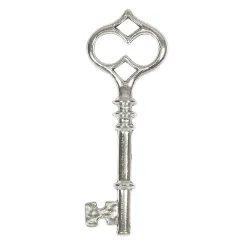
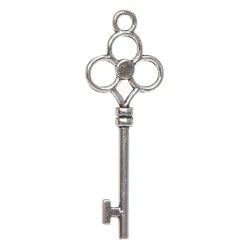
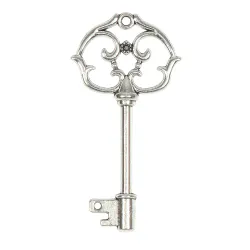
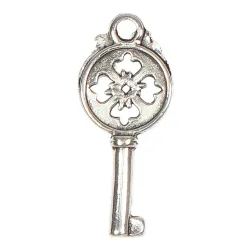
For example, an Italian friend chose to give small antique metal keys as a symbol of eternal love, while an English friend opted for small shells with a note that read: "From the shore of our love story." Two different interpretations, but both deeply touching.
Conclusion: tradition and innovation hand in hand
Whether it's Italian favors that reinvent themselves or English favors that are becoming more and more creative, one thing is certain: these traditions are evolving without losing their essence. Italians will never give up sugared almonds and elegance, while the British will continue to focus on simplicity and meaning. But in the end, the message remains the same: Thank you for sharing this day with us. And it is a message that never goes out of fashion.
Conclusion: A World of Differences, but the Same Spirit
Here we are at the end of this journey between Italian favors and English favours . Two traditions that, despite having the same purpose – to say thank you to the guests – do so in completely different ways. But, as in all good stories, it is precisely this diversity that makes them fascinating. In short, if favors and favours were people, they would be cousins: one is elegant and theatrical Italian, the other is minimalist and ironic English. And you would love them both.
Style vs. Simplicity
The Italian wedding favor is a work of art, a unique piece that screams: "Look at me! I'm beautiful and full of meaning." It is made to impress, to leave a tangible memory that can be kept (or forgotten in a drawer). Think of ceramics, crystals and sugared almonds enclosed in boxes worthy of a museum.
English favours , on the other hand, are like that person who presents himself with a sincere smile and a simple but warm gesture. There is nothing excessive, but every detail is taken care of to communicate a personal and intimate message. A jar of jam with a handmade label? Perfect. A bag of seeds with a nice message? Happy.
The importance of the gesture
In Italy, the wedding favor is not just a gift: it is a statement. The bride and groom (or the celebrated) want to say: "We have put our heart into every detail of this day, and this wedding favor is proof of that." It is also a way to respect a deep-rooted tradition, because, let's face it, who would ever dare to organize an event without favors? Grandmothers would rise up.
In the United Kingdom, however, gesture is everything. It doesn't matter how big or expensive the favor is: what matters is that it is authentic. A small thought that says: "Thank you for being here, it means a lot to us." And it is precisely this simplicity that makes it special.
Instagrammable Memories vs. Instagrammable Memories Useful
Italian wedding favors also aim to be Instagrammable. Perfect photos, with lights that highlight the bow, the sugared almonds and maybe the engraved monogram. Wedding favors are made to be admired, shared and, let's face it, a little envied.
The English favours , on the other hand, focus on utility. They are gifts that you can use or consume. Homemade biscuits, candles, jams: nothing too elaborate, but always practical. And if they are also nice to photograph, it is only a bonus.
Real-world examples of the union of traditions
With the world becoming increasingly global, there are also examples of how the two traditions are contaminating each other. At the wedding of Marta (Italian) and Jack (English), guests received an elegant box with Italian sugared almonds and a small bottle of English artisanal gin. A perfect mix of traditions that everyone agreed on: grandmothers were happy for sugared almonds, friends for gin.
Or think of Sara, who lived in London for years but returned to Italy for her wedding. She gave Murano glass favors with a small handwritten card inside in perfect English style. An idea that combined the best of both worlds.
In the end, the heart counts
Whether it's a sparkling wedding favor or a simple, minimalist favor , the heart of the gesture remains the same: thanksgiving. Thanking those who chose to share a special moment with you, those who traveled to be present and those who laughed, cried and toasted by your side.
Italian favors and English favours show us that there is no right or wrong way to say thank you. The important thing is that the gesture is authentic and made from the heart. And in the end, whether you're getting a mini ceramic sculpture or a jar of honey, the message is always the same: "Thank you for being there."
And you, which side are you on?
Are you more of a wedding favor with sugared almonds and silk bows or a minimalist and eco-friendly favour ? Maybe you are a mix of both, like the Italian-English couple in the example. The truth is, no matter what you choose, as long as your gift tells something about you and your special day. Because in the end, what really matters is the memory you leave in the hearts of those who receive it.
And if you really don't know how to choose, no one forbids you to do both: sugared almonds for the Italians, biscuits for the British, and everyone will be happy!