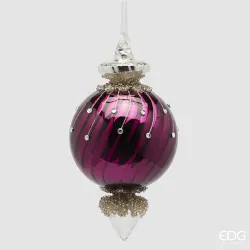
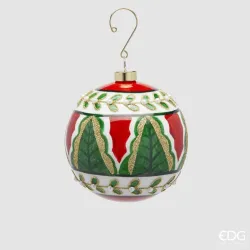
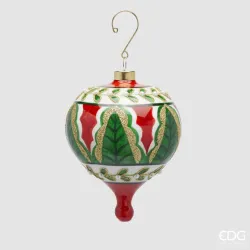
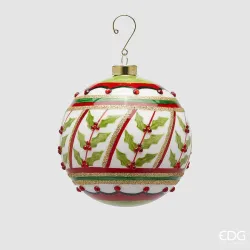
Christmas with Pets: Joy, Safety and Precautions for a Pet-Proof Holiday Environment
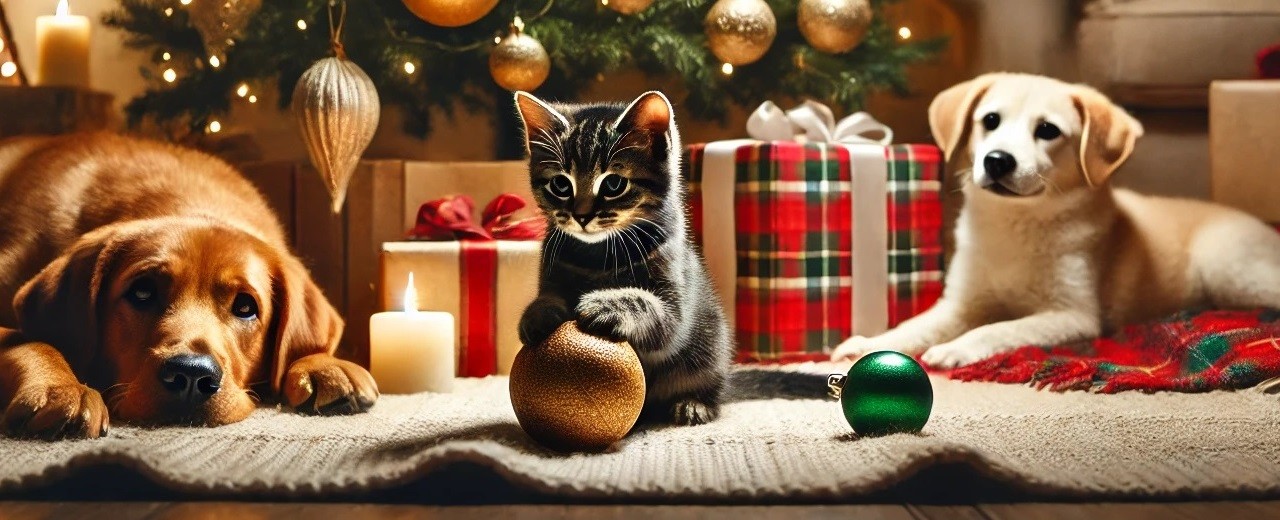
Christmas is synonymous with magic: lights that illuminate homes, sparkling decorations and the Christmas tree that becomes the beating heart of the festive atmosphere. For those who live with pets, these holidays take on an even more special value, thanks to the joy and company that our four-legged friends offer us. However, while dogs and cats can enrich the warmth of Christmas, it is also crucial to take certain precautions to ensure that the Christmas environment is safe for them.
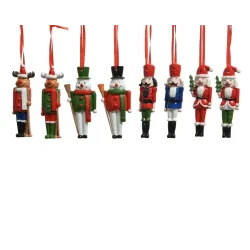
How to Protect Dogs and Cats During the Christmas Holidays When it comes to decorating the house for Christmas, we often don't consider that some choices, while aesthetically pleasing, can hide pitfalls for pets. From Christmas lights to electrical wires, fragile ornaments to toxic plants like mistletoe and poinsettia, there are plenty of details to look out for. Lit candles, colored ribbons and typical holiday foods can also pose a danger to the health and safety of our pets. For this reason, it becomes essential to take a series of precautions to prevent accidents and keep the festive atmosphere serene and pleasant for everyone.
Decorating Your Home Pet-Proof In this article, we will explore the main precautions to take to decorate the home safely for our pets. We will focus on the most critical aspects related to Christmas decorations, providing practical advice on how to protect the Christmas tree, what decorations to choose to avoid risks and how to ensure that Christmas lights do not become a trap for curious dogs and cats. In addition, we will talk about Christmas plants which, although symbolic of the holidays, can be toxic if ingested by animals, offering safer alternatives for decorating the home.
Creating a Safe Space and Involving Animals in Christmas We will not forget the importance of creating a quiet and safe space where our furry friends can take refuge during the hustle and bustle of the holidays, when visits and noise could stress them out. Finally, we will see how to involve our pets in Christmas celebrations, suggesting suitable activities and games to share the joy of this period with them.
This article, full of practical and easy-to-implement tips, will be a complete guide to experience Christmas with pets in total serenity, making sure that the holidays are not only magical, but also safe.
Through this attention, you can enjoy the holidays knowing that you have created a protected and comfortable environment for the whole family, including the four-legged members. Find out how to decorate, prevent risks and make Christmas special for your pets too!
Lights and Electrical Cables: How to Protect Pets at Christmas
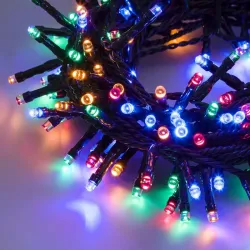
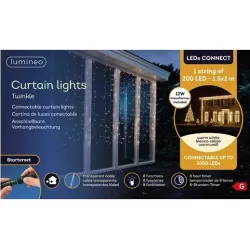
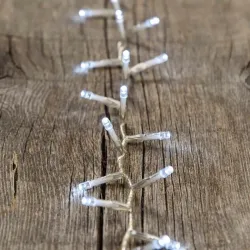
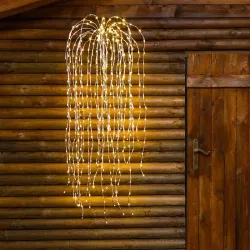
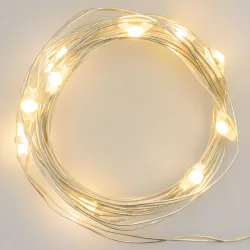
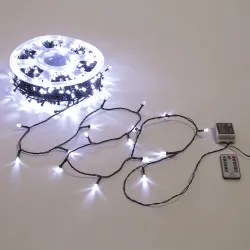
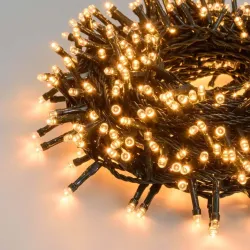
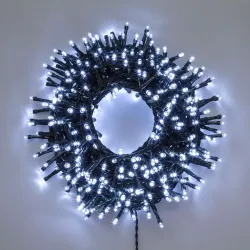
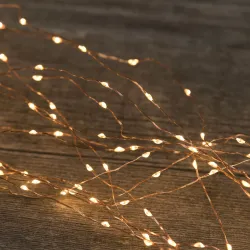
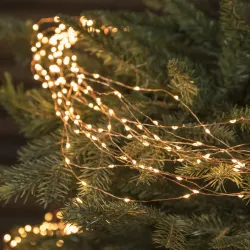
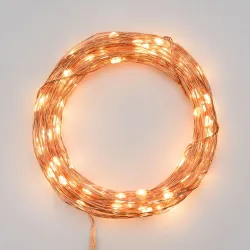
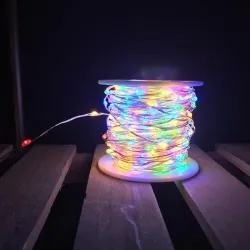
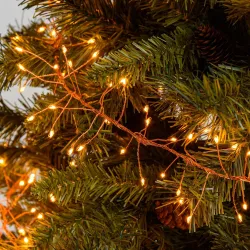
Christmas lights are an essential element to create the magical atmosphere of the holidays, but for those with pets, such as dogs and cats, it is important to consider the potential risks associated with electrical cables and light decorations. Our four-legged friends, attracted by the movement and colors of the lights, may be tempted to chew on cables or play with decorations, exposing themselves to serious dangers such as electrocution, burns or suffocation. In this chapter, we'll look at how to take simple but effective safety measures to protect your pets and enjoy your holiday lights without worry.
1.1 Protecting Electrical Cables
Electrical cables are a major attraction for pets, especially cats and puppies, who love to nibble and play with thin, flexible objects. Here are some tips to prevent accidents:
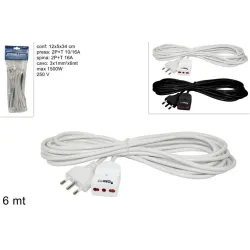
· Use cable covers or conduits: Inserting electrical cables inside cable covers or protective conduits is an easy solution to make them inaccessible. These accessories not only protect the cables from animal bites, but also prevent them from getting easily knotted or damaged.
· Place cords away from pets: Try to hide electrical cords behind furniture or on shelves out of reach of dogs and cats. Avoid leaving exposed wires on the floor, where they could easily become a toy for your pets.
· Use repellent sprays: There are specific sprays that emit an unpleasant odor for animals, but harmless to them, discouraging them from biting the cables. This method is especially useful if your pets are curious and tend to nibble on objects.
1.2 Choosing Low-Voltage Christmas Lights
Low-voltage lights are a recommended choice for those who live with pets, as they reduce the risk of electrocution in the event of bites or damage. There are various safe and decorative options:
· LED lights: LED lights are not only basso energy efficient, but they emit less heat than traditional lights, reducing the risk of burns for animals that accidentally come into contact with them.
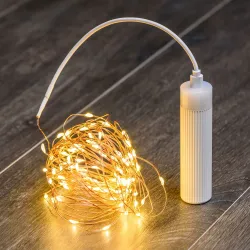
· Wireless or battery-powered lights: To avoid wires entirely, you can opt for wireless, battery-powered Christmas lights. This solution eliminates the risk of electrocution and allows you to place decorations in any corner of the house without worries.
1.3 Beware of Thin and Hanging Wires
Pets, especially cats, are attracted to anything that hangs or moves. Thin wires and hanging lights can stimulate their gaming instincts. Here are some solutions:
· Avoid leaving hanging wires: When installing lights, make sure the wires are securely fastened and do not leave hanging segments within paw reach. The wobbling wires can be perceived as a game and cause the animals to jump or bite.
· Use clear tape: You can attach the wires of the lights to the floor or walls with clear tape, preventing them from moving and reducing their attractiveness to animals.
1.4 Prevention and Surveillance
Despite all the precautions, it is important to regularly monitor the behavior of your animals during the Christmas season, especially in the first days of installing the decorations. Curious behavior is natural, but it can be managed with the right balance between prevention and surveillance:
· Continuous surveillance: Observe the behavior of your animals in the first hours and days after the installation of the light decorations. If you notice that they are particularly attracted to the lights, it may be helpful to introduce some form of deterrent or rearrange the decoration.
· Training and positive reinforcement: If your dog or cat tends to be attracted to Christmas lights, try to distract them with positive toys or reinforcement. You can train them to avoid certain areas of the house where there are cables and decorations.
Holiday lights add charm and magic to the holidays, but it's crucial to take safety measures to protect pets from possible accidents. Following these simple steps will allow you to decorate your home without worries, ensuring a safe and festive environment for you and your four-legged friends. Remember, a safe Christmas is a peaceful Christmas for everyone in the family!
Pet-Safe Christmas Tree: Tips to Protect Dogs and Cats
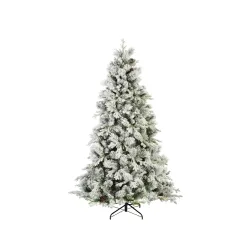
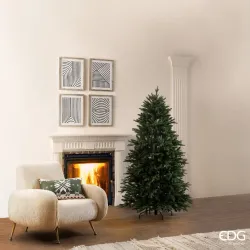
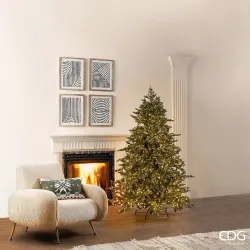
The Christmas tree is the undisputed symbol of the holidays, a center of attention in every home, decorated with twinkling lights and colorful decorations. However, for those who have pets, such as dogs and cats, the Christmas tree can turn into a source of curiosity and, unfortunately, danger. Animals can be tempted to climb the tree, bite the branches, or accidentally knock it over. For this reason, it is essential to take precautions to protect both the tree and our four-legged friends. In this chapter, we'll look at how to choose, anchor, and decorate an animal-safe Christmas tree.
2.1 Choosing the Right Christmas Tree: Natural or Artificial?
When living with pets, choosing between a natural or artificial Christmas tree can affect safety. Both options have advantages and risks, but let's see in detail how to manage them:
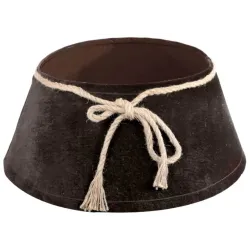
- Natural Christmas tree: Real trees can be fascinating for dogs and cats. However, needle-like leaves can be toxic if swallowed or irritate the skin. In addition, the bucket of water at the base of the tree could attract the attention of the animals, exposing them to potential risks. It is important to cover the base of the tree to prevent animals from drinking the water, which may contain chemical residues from tree treatments.
- Artificial Christmas tree: Artificial trees can be a safer choice, as they do not shed needles and do not need water. However, even in this case, it is important to choose a good quality tree, preferably with non-toxic materials, to avoid the risk of accidental ingestion.
2.2 How to Anchor Your Christmas Tree to Avoid Falls
One of the main risks for those with pets is that the Christmas tree can be knocked over. Cats climbing branches or dogs playing near the tree can easily knock it over. Here are some tips for anchoring your tree securely:
- Stable and sturdy base: Make sure the tree is equipped with a solid and stable base. A wide base will help to better distribute the weight of the tree, reducing the risk of falls.
- Wall or ceiling anchoring: For added security, you can anchor the tree to the wall or ceiling using hooks and clear nylon thread. This will help keep it in place, even if your pet tries to jump on it or shake it.
- Move the tree away from walkways: Place the tree in a corner of the room, away from areas where animals might run or play. This will reduce the risk of the tree being bumped or knocked down during play or running.
2.3 Pet-Safe Christmas Decorations
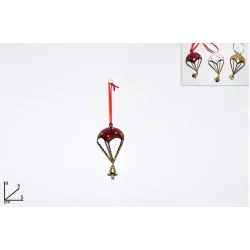
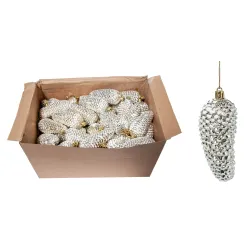
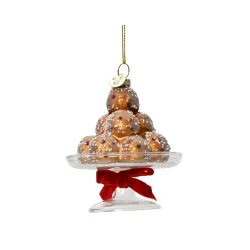
Christmas tree decorations can pose a great danger to pets. Glass balls, glittering garlands, and strings of light are often seen as irresistible games, but they can cause choking or injury if bitten or swallowed. Here's how to decorate the tree safely:
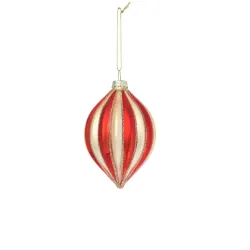
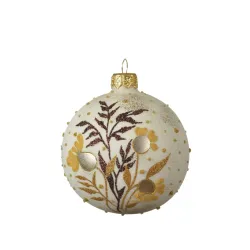
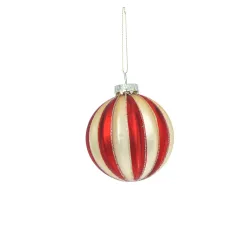
- Avoid fragile or small ornaments: Glass ornaments can easily break if dropped, causing cuts or injuries. Choose decorations made of durable plastic or soft materials that don't break easily.
- Place the most dangerous decorations in alto: If you want to use fragile or valuable decorations, be sure to place them at the top of the tree, out of reach of dogs and cats.
- Avoid silver wire or garlands: Silver wires, also called swags, can be very dangerous if swallowed, as they can cause intestinal obstructions. It is best to avoid this type of decoration completely, replacing it with safer ribbons or non-hazardous ornaments.
2.4 Protecting the Tree with Barriers or Anti-Pet Devices
If your pet is particularly curious and continually tries to get close to the tree, you may want to consider using physical barriers to restrict access:
- Animal enclosures: Installing a small fence around the tree is an effective solution to keep dogs and cats away. There are decorative fences that blend well with the Christmas décor and protect the tree.
- Deterrence devices: There are devices that emit high-frequency sounds, inaudible to humans, but annoying to animals, when they get too close to the tree. This can be a way to teach them to stay away without creating stress.
2.5 Constant Surveillance and Training
Finally, one of the best security measures is surveillance and training. Monitoring pets' behaviors during the Christmas season and teaching them to respect the tree is essential to prevent accidents:
- Supervise in the first few days: During the first few days after setting up the tree, carefully observe the behavior of your animals. If they are too curious, you may need to take extra precautions or teach them not to go near them.
- Training and distraction: Use training techniques to discourage unwanted behavior. Offer games or rewards to distract your animals from the tree and decorations.
Protecting your Christmas tree from pets does not mean giving up the beauty of the decorations. With the right precautions, such as anchoring the tree, choosing safe decorations, and using physical barriers, you can create a safe Christmas environment for dogs and cats. By following these tips, you can enjoy the holidays without worries, knowing that you have created a pet-proof festive environment, while keeping the magic of Christmas intact!
Decorations and Toxic Plants: How to Protect Pets During Christmas
The Christmas season is synonymous with elaborate decorations and festive atmospheres, but some of the plants and ornaments we use to beautify our homes can be dangerous for our pets. Dogs, cats, and other pets are often attracted to new Christmas decorations and may be tempted to bite, lick, or play with plants and ornaments that can be toxic or cause accidents. In this chapter, we'll explore the Christmas plants to avoid, decorations that can pose a danger, and how to create a safe environment for pets this holiday season.
3.1 Toxic Christmas plants: which ones to avoid
During Christmas, many people choose to decorate their homes with traditional plants such as mistletoe, poinsettia, and holly. However, these plants, if ingested by animals, can cause serious health problems. Here are the main toxic plants to keep your pets away from:
- Poinsettia (Euphorbia pulcherrima): Although it is one of the symbolic plants of the holidays, the poinsettia is toxic to cats and dogs. If ingested, it can cause symptoms such as oral irritation, excessive salivation, vomiting, and diarrhea. If you have pets in your home, it is advisable to opt for an artificial version of this plant or place it out of their reach.
- Mistletoe (Viscum album): Mistletoe is another very popular plant during Christmas, but its berries are highly toxic to pets. If swallowed, they can cause gastrointestinal problems, breathing difficulties and, in severe cases, seizures. It is better to avoid natural mistletoe and opt for synthetic decorations that reproduce its appearance.
- Holly (Ilex aquifolium): Holly berries, as well as leaves, are dangerous to animals. Ingesting this plant can cause vomiting, diarrhea, and abdominal pain. Again, an artificial solution can offer the same decorative effect without risk to your pets.
3.2 Dangerous Christmas Decorations: What to Avoid and How to Choose
Not only plants can pose a danger: even some Christmas decorations, if not carefully selected, can be harmful to pets. Here are the main decorations to consider carefully:
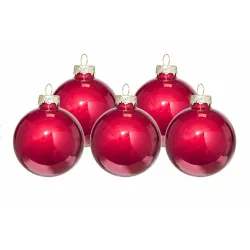
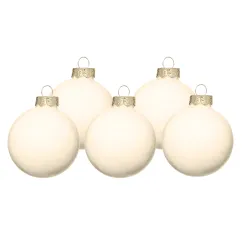
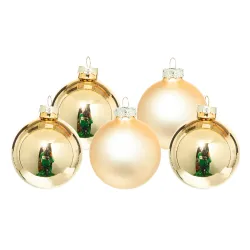
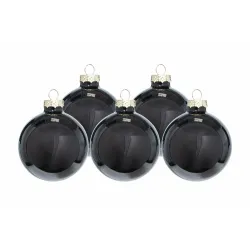
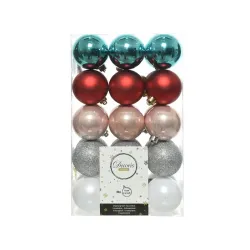
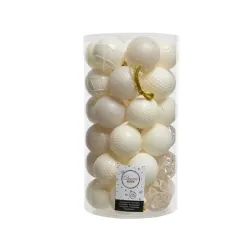
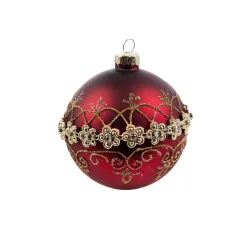
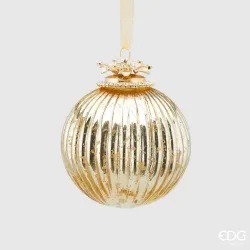
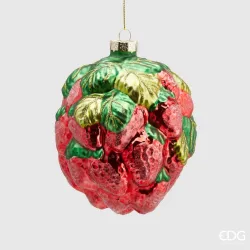
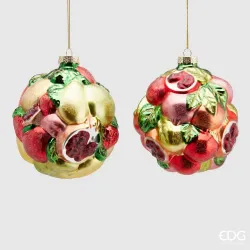
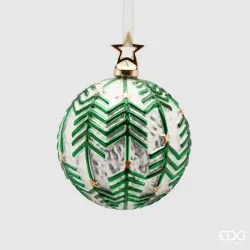
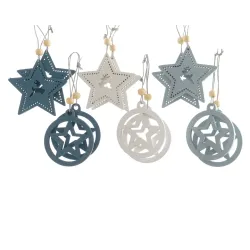
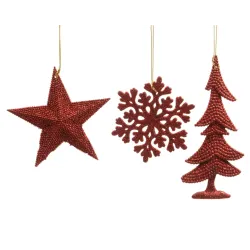
- Glass balls: Glass balls are delicate, and if they fall, they can break into sharp fragments that can injure your pets or be accidentally swallowed. Choose shatterproof plastic balls or soft decorations that won't break easily if dropped.
- Sparkly swags and garlands: Long, shiny items like swags can be irresistible to cats, who may try to play with them or nibble on them. If swallowed, these objects can cause very dangerous intestinal blockages. It is better to avoid festoons altogether or replace them with safe decorations, such as cloth ribbons or soft decorations.
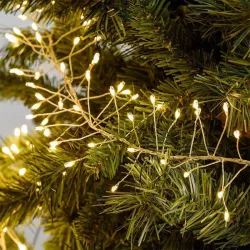
- Strings of pearls or lights: Similar to streamers, strings of pearls or lights can attract animals, especially cats, who may try to climb the tree or pull on the strings. To reduce the risk, be sure to secure these decorations well and monitor your pets' behavior when they are nearby.
3.3 How to Create Pet-Safe Decorations
Fortunately, it is possible to create a festive and safe Christmas environment for our pets by choosing alternative decorations and plants. Here are some tips for keeping your home nice and safe during the holidays:
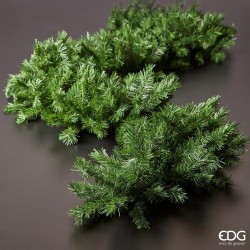
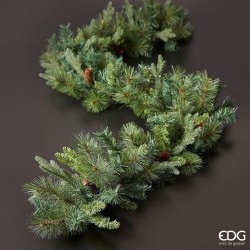
- Replace toxic plants with safe alternatives: If you love decorative plants, choose pet-safe alternatives. Plants such as rosemary, ivy or well-made artificial plants can add a festive touch without risk. You can also consider using fabric or silk flowers, which reproduce the appearance of Christmas plants without danger.
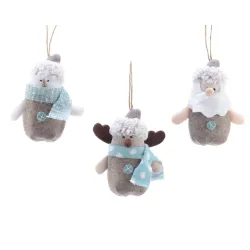
- Opt for soft or shatterproof decorations: Instead of traditional glass balls, you can choose decorations made of fabric, felt, or shatterproof plastic. Not only do they reduce the risk of injury, but they also offer a unique and creative touch to the Christmas tree.
- Safety first: When choosing decorations, always think about the safety of your animals. Avoid small objects that could be swallowed or decorations with easily detachable parts. If possible, place the most fragile or dangerous decorations at the top of the tree, out of the reach of animals.
3.4 What to Do in Case of Ingestion or Accident
Despite all precautions, it can happen that a pet comes into contact with a dangerous plant or decoration. Here's what to do if you suspect your pet has ingested something toxic or potentially harmful:
- Contact your veterinarian immediately: If you notice that your pet has symptoms such as vomiting, diarrhea, lethargy, or difficulty breathing, contact your veterinarian right away. Having the veterinary emergency number available is always a good practice, especially during the holidays.
- Remove the source of the hazard: If possible, try to remove the plant or object that caused the problem immediately to prevent further damage. Keep the environment safe and constantly monitor your pet's behavior during the holidays.
Decorating your home for Christmas is one of the most enjoyable moments of the holidays, but it's essential to do it safely when living with pets. Avoiding toxic plants such as poinsettias and mistletoe, choosing durable and pet-proof decorations and constantly monitoring the environment can make all the difference. Following these precautions will allow you to create a festive atmosphere without jeopardizing the health and well-being of your four-legged friends, ensuring a peaceful and safe Christmas for the whole family.
Candles and Fragrances: Hidden Risks for Pets at Christmas
The Christmas period is characterized by warm and welcoming atmospheres, often enriched by scented candles, incense and aroma diffusers that add a magical touch to our homes. However, for those who live with pets, these decorative elements can pose a danger. Lighted candles, air fresheners, and incense can cause accidents or have negative effects on the health of dogs and cats. In this chapter, we'll delve into the risks of using candles and air fresheners during Christmas and provide practical tips for making the environment safe for your pets.
4.1 Lit Candles: How to Reduce the Risks for Cats and Dogs
Lit candles are a classic of Christmas decorations, but they can be extremely dangerous for pets, especially curious cats or lively dogs that may accidentally bump into them. Here's how to use candles safely:
- Place candles out of the reach of animals: Make sure that lighted candles are placed on elevated surfaces, away from the edges of tables or areas where animals might jump or play. Cats, in particular, love to climb, so it's important to choose locations that are truly inaccessible.
- Use stable candlesticks or candle holders: Choose sturdy and stable candlesticks that won't tip over easily. This way, even if an animal were to accidentally bump into them, the candle will be less likely to fall and cause a fire.
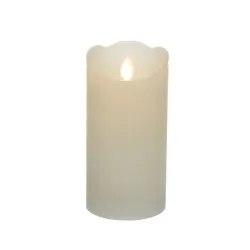
- Opt for electric or LED candles: If you want to completely eliminate the risk of fire, LED electric candles are a great alternative. They create the same lighting effect without the danger of open flames, hot wax or harmful emissions.
4.2 Home Fragrances: Hidden Risks to Animal Health
During the holidays, it's common to use air fresheners, incense, or essential oils to create a cozy and festive fragrance in your home. However, many of these products contain chemicals that can be irritating or toxic to pets. Let's see how to manage them safely:
- Beware of essential oils: Essential oils, often found in diffusers and fragrances, can be dangerous for animals, especially cats. Oils such as eucalyptus, tea tree oil, lavender, and peppermint can cause symptoms such as vomiting, respiratory problems, and skin irritation if inhaled or ingested. If you use essential oils, make sure the room is well-ventilated and keep the diffusers out of reach of your pets.
- Avoid the use of incense: Burnt incense emits smoke and particles that can irritate the respiratory tract of animals, especially the most sensitive ones such as cats. If you want to use incense, be sure to do so in a well-ventilated room and limit animal access to that area.
- Spray and chemical fragrances: Many room sprays contain chemicals that can cause irritation to the eyes, skin, and respiratory tract of animals. Avoid the use of these products or, if absolutely necessary, choose natural formulations free of harsh chemicals.
4.3 Safe Alternatives to Create a Christmas Atmosphere
To maintain a festive and fragrant environment without risk for your pets, there are numerous safe alternatives that can be used during the Christmas season:
- LED candles with fragrances: In addition to the safety of flameless candles, many LED versions include a light scent that can add a touch of atmosphere without the dangers associated with traditional candles.
- Water diffusers and natural plants: Diffusers that use water to vaporize low-concentration essential oils are a safer choice than traditional air fresheners. Be sure to use animal-safe oils, such as chamomile or vanilla. In addition, plants such as rosemary and lavender, if in a natural version and not treated with chemicals, can help create a pleasant and festive fragrance.
- Natural decorations: Decorative elements such as dried oranges, cinnamon sticks and pine branches (non-toxic to animals) can perfume the environment in a safe and natural way. In addition, these decorations give a traditional and cozy touch to your home.
4.4 Accident Prevention and Surveillance
Despite the precautions, it is important to maintain constant surveillance of the home environment during the Christmas season, especially if you use candles or perfumers. Here are some tips to avoid accidents:
- Never leave burning candles unattended: If you have to leave the room or go to sleep, always blow out the candles. Even a well-placed spark plug can become dangerous if it is not monitored.
- Keep enclosed spaces well-ventilated: If you use air fresheners or diffusers in a room, make sure there is good ventilation to prevent the buildup of chemicals in the air that could irritate your pets' airways.
- Watch for signs of discomfort in your pets: If you notice your pet sneezing, coughing, or appearing irritated after lighting candles or air fresheners, turn off these devices immediately and ventilate the room.
Lit candles and Christmas air fresheners can add a touch of magic to the holidays, but it's crucial to use them safely when living with pets. Placing candles out of your pets' reach, opting for safe alternatives such as LED candles, and paying attention to the choice of air fresheners are just some of the precautions you can take to avoid risks. By following these tips, you can create a warm and welcoming atmosphere without compromising the health and well-being of your four-legged friends, ensuring a peaceful and safe Christmas for the whole family.
Gifts and Ribbons: Beware of Hazardous Materials for Pets
During the Christmas season, gifts are one of the most anticipated and beloved traditions, but for those with pets, the abundance of packages, ribbons, and wrapping paper can hide pitfalls. Dogs and cats, curious by nature, can be attracted to these objects and tempted to play with them or chew them, running the risk of suffocation or ingestion of hazardous materials. In this chapter, we'll explore the potential risks involved in materials used for gifting and how to ensure the safety of pets this holiday season.
5.1 The Risks Associated with Gift Ribbons and Wrappers
Colorful ribbons, sparkling wrapping paper and decorative bows may seem harmless, but for pets, they pose a real danger. Here are the main risks to look out for:
- Ingestion of ribbons and threads: Plastic ribbons, satin ribbons, or decorative threads can easily be swallowed by dogs and cats, causing choking or intestinal obstructions. Cats, in particular, are attracted to the movements of ribbons, considering them a game, and may try to bite or swallow them.
- Toxic gift wrapping paper: Some types of gift wrapping paper are treated with chemical inks or coatings that, if ingested, can be toxic to animals. It is important to choose non-toxic or recycled wrapping paper to avoid risks.
- Bows and decorations with small parts: Some decorative bows or package decorations may contain small parts that, if swallowed, can cause choking or gastrointestinal blockages. Avoid decorations with detachable parts and choose safe and pet-proof options.
5.2 How to Pack Gifts Safely for Pets
Fortunately, there are plenty of solutions to wrap gifts safely and reduce the risks for your four-legged friends. Here are some practical tips to avoid accidents:
- Use natural and safe materials: Choose cloth or natural rope ribbons instead of plastic ribbons. Cotton or jute tapes are less attractive to animals, and even when chewed, they are easier to handle than thin plastic tapes that can cause intestinal blockages.
- Avoid shiny or toxic wrapping paper: Opt for plain or recycled wrapping paper, which is less attractive to animals and safer if they were to come into contact with it. In addition, recycled paper is an eco-friendly choice that reduces environmental impact.
- Seal packages well: Make sure packages are tightly sealed, so pets can't easily open them. Use strong tape to securely close gifts and make it harder for your pets to access.
5.3 Where to Place Gifts to Avoid Risks
Gift placement is another important aspect of pet safety. Leaving packages under the tree can be too great a temptation for dogs and cats. Here are some tips for placing gifts safely:
- Place gifts out of the reach of animals: If possible, avoid putting gifts under the tree until Christmas Day, especially if your pets are particularly curious. Keep packages in a closet or locked room until you are ready to unwrap them.
- Use a protective barrier: If you want to leave gifts under the tree, consider using a protective barrier around the tree itself. Decorative fences or light barriers can help keep animals away from packages.
- Watch over animals when gifts are in sight: If you decide to place gifts under the tree, monitor your animals' behavior closely, especially if they approach packages. Distract them with toys or snacks to prevent them from getting too interested in gifts.
5.4 Alternative Materials for Wrapping Gifts Safely
If you want to avoid risky materials such as ribbons, shiny paper or plastic decorations altogether, there are several safe and environmentally friendly alternatives for wrapping gifts:
- Reusable cloth bags: Cloth bags are a safe and eco-friendly choice for wrapping gifts. Not only are they reusable, but they are also less attractive to animals than wrapping paper.
- Natural Kraft Paper: Kraft paper is a simple, elegant, and safe choice for your Christmas packages. You can decorate it with stamps or fabric ribbons for a personal and creative touch.
- Decorative baskets or rigid boxes: Using rigid baskets or boxes for wrapping gifts is not only a practical solution, but it also helps to keep animals away from packages. Rigid boxes are difficult for animals to open and protect the contents.
5.5 Preventing Ingestion and Managing Incidents
Despite all precautions, it is possible for a pet to reach the packages and ingest hazardous materials. Here's what to do in case of accidental ingestion:
- Check for symptoms of choking or blockage: If you suspect that your pet has swallowed a ribbon, piece of paper, or small decoration, check for symptoms immediately. Vomiting, lethargy, lack of appetite, or difficulty breathing are signs of obstruction or choking and require immediate veterinary attention.
- Contact your veterinarian immediately: If you notice any worrying symptoms or know for sure that your pet has ingested something dangerous, contact your veterinarian immediately. It is important to act quickly to avoid more serious complications.
Christmas gifts can add joy and magic to the holidays, but it's essential to be careful with the materials used to wrap packages when you have pets in your home. Ribbons, wrapping paper and small decorations can become dangerous if swallowed or chewed, but with the right precautions, such as choosing safe materials and placing gifts out of the reach of animals, it is possible to enjoy the holidays in total serenity. By following these tips, you can create a safe Christmas environment for your four-legged friends, without giving up the pleasure of unwrapping gifts under the tree!
Christmas Food: Sweets and Foods Toxic to Pets
Christmas is a time of great celebration, full of delicious foods and traditional sweets. However, while we enjoy Christmas treats, it is important to remember that many of the typical holiday foods can be dangerous, if not downright toxic, for our pets. Dogs and cats are often attracted to the inviting smell of food, and may try to steal a bite or taste what falls off the table. In this chapter, we'll explore the most common holiday foods that can be harmful to pets and how to ensure your holiday table remains safe for pets.
6.1 Toxic Pet Foods: Foods to Avoid
During the Christmas holidays, many foods that we consume with pleasure can represent a serious danger to the health of dogs and cats. Let's see what are the most dangerous foods to keep away from your four-legged friends:
- Chocolate: One of the most dangerous foods for dogs (and to a lesser extent cats) is chocolate. It contains theobromine, a toxic substance for pets that can cause vomiting, diarrhea, tremors, seizures and, in severe cases, even death. Even small amounts of chocolate can be dangerous, so it's crucial to keep it out of their reach.
- Raisins and raisins: Present in many Christmas sweets such as panettone, raisins and raisins can cause kidney failure in dogs, even in small amounts. If you have pets, it's best to avoid leaving these foods accessible or offering sweets that contain them.
- Macadamia nuts: Another food that is toxic to dogs is macadamia nuts, which can cause weakness, vomiting, tremors, and hyperthermia. Avoid leaving nut bowls unattended if you have pets in the house.
- Alcohol: Even small amounts of alcohol can be dangerous for pets, causing symptoms such as vomiting, diarrhea, difficulty breathing, disorientation, and, in severe cases, coma. Pay attention to where you leave glasses or bottles of alcoholic beverages during the holidays.
- Sweets and products containing xylitol: Xylitol is an artificial sweetener found in many sweets and baked goods. Even a small amount can cause a sudden release of insulin in dogs, leading to severe hypoglycemia (basso blood sugar level), seizures, and liver damage.
6.2 How to Manage the Christmas Table with the Presence of Pets
Protecting your pets from toxic foods requires a few simple precautions, especially during Christmas meals, when the house is full of food. Here are some tips on how to manage your holiday table safely:
- Keep dangerous foods out of their reach: During meals, make sure that the food is placed on elevated surfaces and that animals cannot reach it. Do not leave food scraps or dishes unattended, especially those containing dangerous ingredients.
- Supervise children and guests: Children and guests may not be aware of the risks to animals and may share inappropriate food with them. Let your guests know what foods are dangerous and encourage them not to offer your pets anything.
- Create a separate area for pets: If your home is particularly busy during the holidays, it may be helpful to create a safe and quiet area for your pets, away from the hustle and bustle of the table, where they can rest without the temptation to go near food.
6.3 Safe Snacks for Dogs and Cats During the Holidays
Although many Christmas foods are forbidden for pets, there are safe alternatives that can be offered to them in a controlled manner. Here are some safe and healthy snack options for your furry friends:
- Raw or cooked vegetables: Carrots, cucumbers, zucchini, or sweet potatoes are great treats for dogs, rich in vitamins and fiber. Be sure not to add any seasonings or sauces, which may contain harmful ingredients.
- Lean meat bits: You can offer small portions of cooked lean meat without spices or sauces. Turkey, chicken, or beef are good options, but be sure to remove any bones, which can pose a choking hazard or cause damage to your digestive system.
- Commercial pet snacks: Many companies offer snacks that are specifically formulated for pets that are safe and nutritious. During the holidays, you can surprise your dog or cat with a special snack designed especially for them.
6.4 What to Do in Case of Accidental Ingestion of Toxic Food
Despite all the precautions, it can happen that your pet manages to ingest dangerous foods. Here's what to do if you suspect your pet has eaten something toxic:
- Contact your veterinarian immediately: If you notice symptoms such as vomiting, diarrhea, lethargy, tremors, or seizures, call your veterinarian or a veterinary emergency room clinic immediately. Acting quickly can make all the difference.
- Monitor symptoms: Even if there are no immediate symptoms, it's important to closely monitor your pet's behavior in the hours following the ingestion of a suspicious food. Some effects may not show up right away.
- Do not attempt to induce vomiting without consulting a veterinarian: In some cases, inducing vomiting could make the situation worse, especially if the food ingested is caustic or toxic. Always follow your veterinarian's advice before taking action.
Christmas is a time of joy and sharing, but it is essential to pay attention to the foods we offer our pets. Many traditional holiday foods, such as chocolate, raisins, and nuts, are toxic to dogs and cats and should be kept out of their reach. With a little care and choosing safe and nutritious snacks, you can enjoy the holidays with peace of mind, ensuring that your furry friends can celebrate in a healthy and safe way too. By following these simple tips, you can avoid accidents and ensure that Christmas is a happy time for the whole family, including your pets!
Resting Spaces for Animals During the Holidays: How to Protect the Well-Being of Dogs and Cats at Christmas
During the holiday season, the house is often filled with people, noises and activities, creating a festive atmosphere that, however, can be stressful for our pets. The hustle and bustle of visits, music, children playing, and guests coming in and out can easily overwhelm dogs and cats, who may feel overwhelmed or anxious. To ensure the well-being of your four-legged friends during this eventful period, it is important to create a safe and peaceful resting space for them. In this chapter, we'll explore how to set up a comfort zone for your pets and how to manage their routine during the holidays.
7.1 The Importance of a Quiet Space for Pets
The holiday season can be stressful for cats and dogs due to their changing daily routines. Pets rely on stability and predictability to feel secure, and the hustle and bustle of Christmas celebrations can upset this balance. That's why it's essential to create a space where they can retreat and rest away from the hustle and bustle.
- Stress reduction: When the house is full of guests or the music is loud, pets can become anxious. Having a quiet and private space to retreat to allows them to relax and feel safe.
- Prevent problematic behaviors: When animals are stressed or overloaded with stimuli, they may develop unwanted behaviors such as barking, scratching, biting, or hiding. Creating a comfortable environment reduces the chance of these behaviors occurring.
7.2 How to Set Up a Safe and Comfortable Space for Your Pets
To help your pets manage the stress of the holiday season, it's important to provide them with a dedicated rest area. Here's how to create a cozy space for your dogs and cats:
- Choosing the right location: Choose a room or area of the house that is away from the hustle and bustle and main noise. A secluded corner in the bedroom or in a room that is not very busy is ideal for creating a safe space.
- Comfortable beds and blankets: Make sure your pet has a comfortable and familiar bed, with blankets that they recognize by their smell. This will help them feel more comfortable. For cats, a raised bed or scratching post with shelter can offer a sense of security.
- Toys and familiar items: Leave some of your pet's favorite toys or an item that smells like you in the resting area. This helps reduce anxiety and give them something familiar to focus on.
- Soft light and soothing music: If possible, keep the resting area dimly lit and consider leaving soothing music or white noise in the background to mask any noises coming from outside.
7.3 Establishing a Rest Routine During the Holidays
In addition to creating a quiet space, maintaining a regular routine for your pets is crucial during the holidays. While celebrations can disrupt your daily routine, try to keep certain aspects of your pets' lives consistent.
- Meal and walk times: Keep meal and walk times the same. Even if you have guests, make sure your dog gets the usual amount of exercise to avoid buildup of nervous energy.
- Quality time with your pets: Don't forget to spend some time exclusively with your pets. Even a few minutes of cuddling or playing can help them feel more confident and less neglected during the holidays.
- Plan rest breaks: If you know your home will be crowded for several hours, schedule breaks throughout the day to bring your pets to their resting area. This will help them disconnect from the confusion and get adequate rest.
7.4 Managing Guest Visits in the Presence of Pets
Guest visits can be particularly stressful for pets, especially if they are not used to the presence of many people or children. Here are some tips for managing guest visits and protecting your pets' welfare:
- Inform guests about the rules for pets: Before guests arrive, let them know a few simple rules regarding your pets. For example, ask them not to feed them food from the table or disturb them while they are in their resting area.
- Restrict access to certain rooms: If your pet is particularly nervous around strangers, you may want to restrict guests' access to certain rooms in the house, leaving your pet's resting area completely reserved for them.
- Monitor interactions between children and animals: Children can be affectionate, but sometimes unknowingly intrusive to animals. Always monitor interactions between children and animals to ensure that your dog or cat does not feel overwhelmed.
7.5 Signs of Stress to Recognize in Pets
During the Christmas season, it's important to be aware of the signs of stress your pet may be exhibiting. Here are some common symptoms of stress in dogs and cats:
- Dogs: Signs of stress in dogs may include excessive barking, panting, shaking, hiding, or trying to avoid people. You may also notice that your dog seeks refuge in enclosed places such as under furniture.
- Cats: Stressed cats tend to hide, lick themselves excessively, or may become more irritable or aggressive. They may also show changes in their cleaning or eating behaviors.
- Actions to take: If you notice signs of stress, take your pet to their safe area immediately. Offer comfort, but don't force them to interact with you or guests until they feel more comfortable.
During the Christmas season, creating a safe and peaceful environment for your pets is essential for their well-being. While the house fills up with guests and noise, dogs and cats need a dedicated space where they can rest and feel safe. Setting up a comfortable resting area, maintaining a regular routine, and managing guest interactions will help ensure that Christmas is a peaceful time for everyone, including your four-legged friends. By following these simple steps, you can enjoy the holidays knowing that your pets also feel protected and calm.
How to Involve Your Pets in Christmas Celebrations: Safe Ideas and Activities
Christmas is a time of joy and sharing, and there's no reason why our pets should be left out of celebrations. Involving dogs and cats in Christmas traditions can make the holidays even more special, as long as the right precautions are taken to ensure their safety and well-being. In this chapter, we'll explore some ideas for including your pets in Christmas celebrations, suggesting fun and safe activities that will allow the whole family, including four-legged members, to enjoy Christmas in harmony.
8.1 Gifts for Dogs and Cats: Safe Christmas Surprises
Just like we do for our loved ones, our pets can also receive a special gift at Christmas. Here are some ideas for safe and fun gifts for dogs and cats that will make them feel like they're part of the celebrations:
- Interactive toys: For both dogs and cats, interactive toys can make a great Christmas gift. These toys stimulate their minds and keep them engaged, reducing stress during the festive period. Opt for durable games with no detachable parts that could be accidentally swallowed.
- Special snacks and treats: There are a number of pet-safe Christmas snacks that are made with natural ingredients and are free of harmful substances such as sugar, chocolate or xylitol. You can find pre-packaged treats or try your hand at making homemade biscuits for dogs or cats, using safe ingredients such as carrots, pumpkin or rice flour.
- Christmas-themed accessories: To add a festive touch, you can give your pet a Christmas-themed collar or harness. Make sure the accessories are comfortable and won't cause irritation or discomfort to your furry friend.
8.2 Christmas Activities to Engage Pets
Christmas offers plenty of opportunities to include your pets in family activities. Whether it's moments of relaxation or games with friends, here are some ideas to involve your dogs and cats during the holidays:
- Christmas walks: If you have a dog, a winter walk among the Christmas lights can be an enjoyable and relaxing activity. Always keep your dog on a leash and dress him in a coat if necessary, especially if it's very cold. Walking together in a decorated environment can be a nice way to strengthen the bond and relax.
- Games and scavenger hunts: Organize a small Christmas scavenger hunt for your pet. Hide some of his favorite snacks in safe places and invite him to find them. This type of play stimulates their minds and keeps them engaged, especially at times when the house is more chaotic due to guests.
- Family photos with your pet: There is nothing sweeter than including your pet in family photos. Make sure the experience is fun and not stressful for your pet. If your dog or cat is comfortable, you can also dress them up with a small Christmas photo accessory, such as a bow or hat, as long as it is comfortable and secure.
8.3 Creating a Pet-Friendly Christmas Routine
Even during the holidays, it's important to maintain a regular daily routine for your pets. Dogs and cats feel safer when they know what to expect, so try to balance the hustle and bustle of Christmas with moments of tranquility and normalcy:
- Maintain meal and walking times: While the holidays can be chaotic, try to stick to your usual meal and walking times. This will help your pets feel less disoriented by changes in routine.
- Evening cuddle rituals: Despite the hustle and bustle of the parties, make time each day to relax with your pets. This moment of pampering and relaxation will help them feel reassured and experience Christmas as a time of joy and serenity.
- Short, relaxing games: If your dog or cat is stressed by crowding or noise, give them quiet and relaxing playtime. For cats, a scratching post or feather toy can distract them; For dogs, you can organize a short training session or play with a ball.
8.4 Precautions for Involving Animals in Events and Celebrations
While we want to include our pets in celebrations, it's essential to take certain precautions to ensure that the experience is safe and positive for them:
- Avoid forcing participation: Not all pets like to be the center of attention, especially in the presence of strangers or during noisy events. Respect your dog or cat's personality and boundaries. If you notice any signs of discomfort, let them rest in their safe space without forcing them to interact.
- Monitor interaction with guests: If you have guests in your home, pay attention to the interaction between your pets and visitors. Some dogs or cats may feel stressed by too much attention or excitement from children. Make sure guests treat animals with respect and gentleness.
- Safety first: If you organize games or activities with your pet, make sure that all items used are safe. Avoid flimsy decorations, small items that could be swallowed, or toys with detachable parts that can pose a hazard.
8.5 Organizing an Animal-Friendly Christmas Party
If you really want to involve your pet in a special way, you could even organize a small pet-friendly Christmas party. Here are some ideas for a safe and fun celebration:
- Party with four-legged friends: Invite friends or family members who have pets for a small get-together. Make sure the animals are well socialized with each other and that the environment is safe for everyone.
- Homemade Christmas snacks: Make homemade treats for your pets and their friends. You can find numerous recipes online for dog biscuits or cat snacks, made with natural and safe ingredients.
- Photo corner for pets: Set up a special corner to take Christmas photos of your pets and their friends. You can create a festive background and add some safe and fun accessories.
Involving your pets in holiday celebrations can be a wonderful experience, but it's important to do it in a way that is safe and respectful of their well-being. With proper gifts, fun activities, and precautions to ensure they aren't overwhelmed by the excitement of the holidays, you can create unforgettable moments with your four-legged friends. By following these tips, you can include your pets in the holiday season so they can participate in the joy and magic of Christmas, feeling loved and safe.
In conclusion...
Christmas is a time of joy and sharing, and involving our pets in the festive season can make this time even more special. However, it is crucial to be aware of the potential risks that decorations, food, noise, and routine changes can pose to the safety and well-being of dogs and cats. From Christmas lights and electrical wires to toxic plants and dangerous foods to quiet spaces and safe gifts, every detail counts to ensure the holidays are peaceful for the whole family, including our four-legged friends.
Taking the right precautions and creating a safe environment allows you to fully enjoy the holidays without worrying about accidents or unnecessary stress for your pets. Remember to maintain a regular routine, provide them with quiet rest spaces, and engage them in safe and fun activities. With a little planning, you can ensure that your pets also participate in the magic of Christmas in a peaceful and happy way.
Christmas is an occasion to celebrate love and family, and our pets are part of it in all respects. With these attentions, you can experience a harmonious Christmas, where joy and security are intertwined, creating precious memories with all the members of your family, humans and animals.