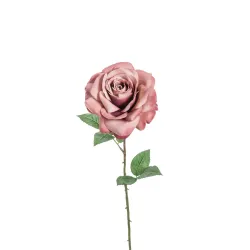
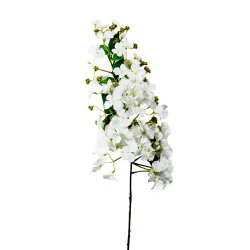
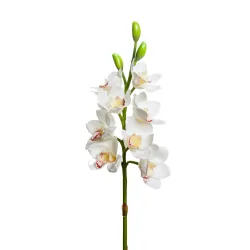
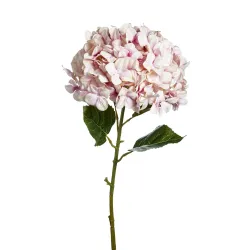
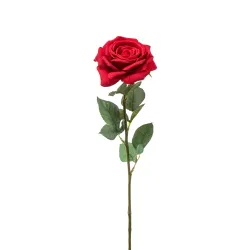
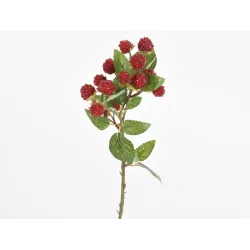
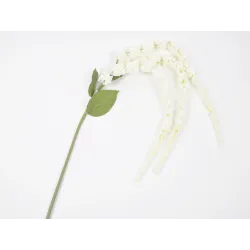
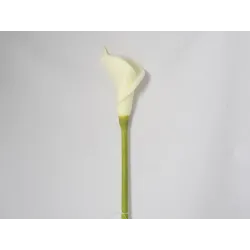
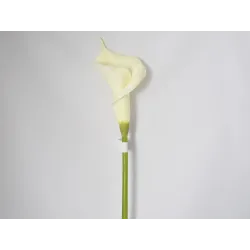
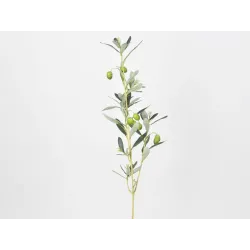
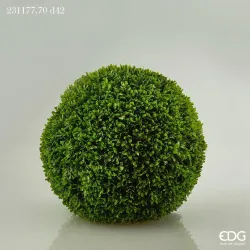
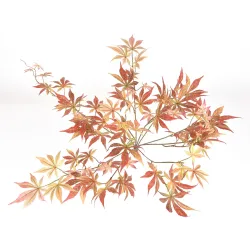
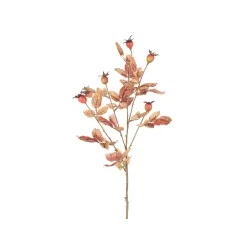
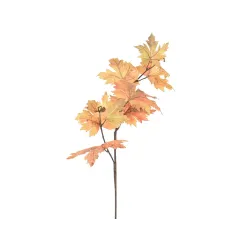
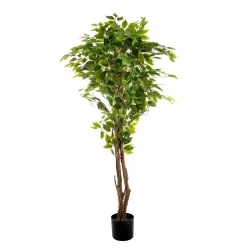
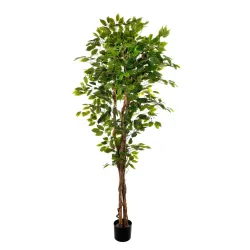
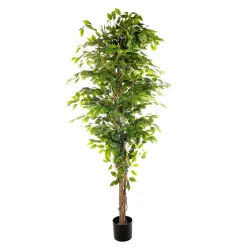
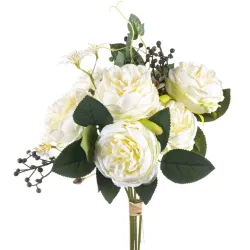
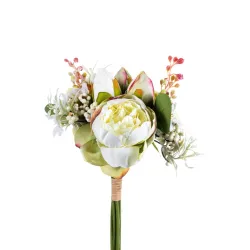
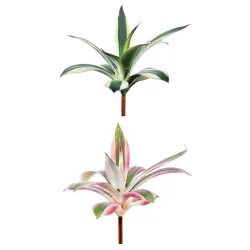
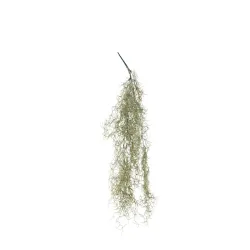
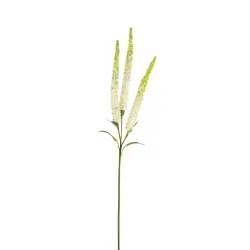
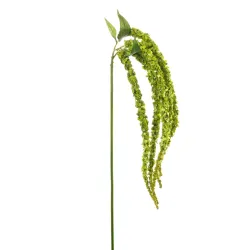
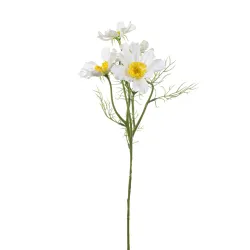
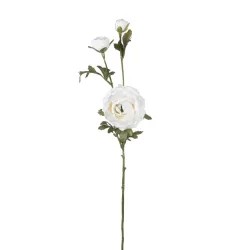
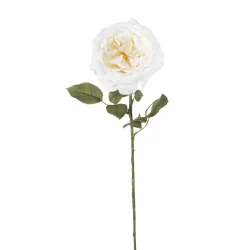
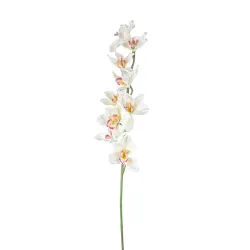
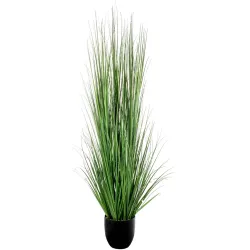
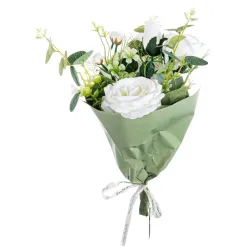
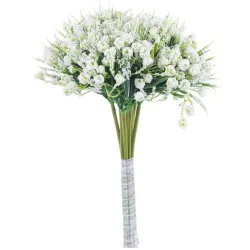
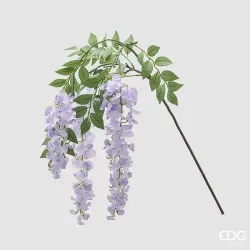
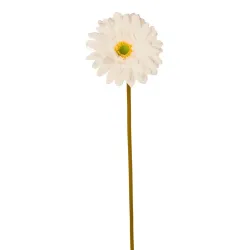
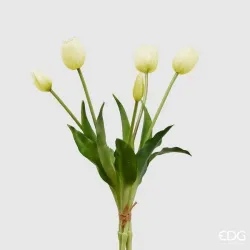
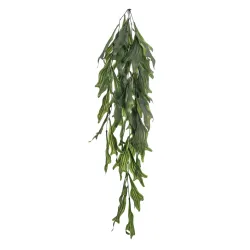
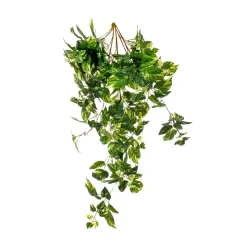
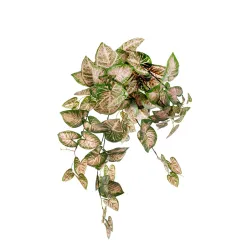
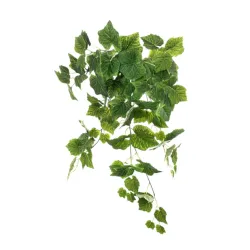
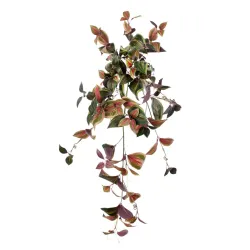
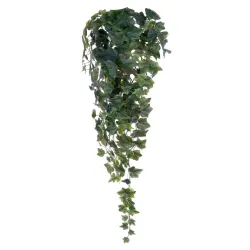
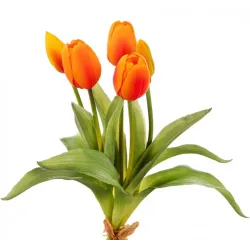
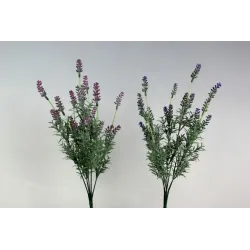
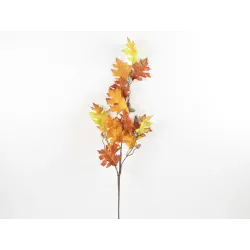
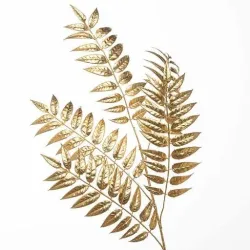
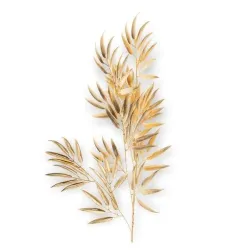
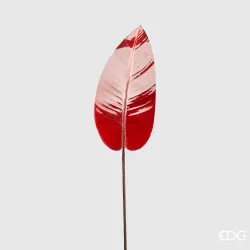
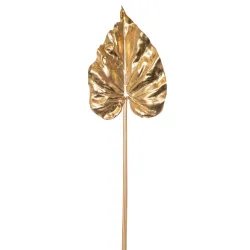
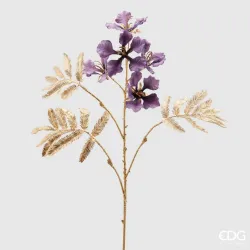
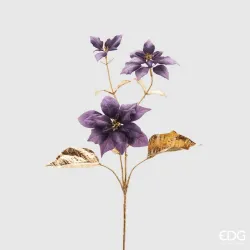
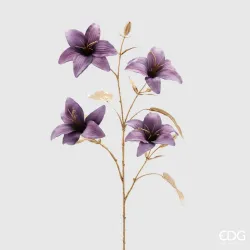
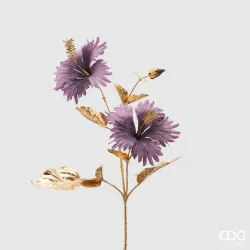
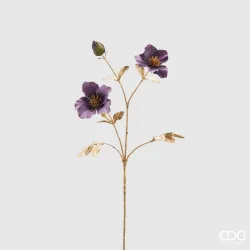
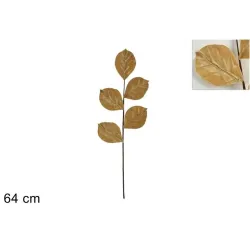
Artificial Flowers and Plants: Elegance, Functionality and Innovation for Every Environment
Artificial flowers and plants are a decorative element that is increasingly appreciated for their ability to combine beauty, practicality and versatility. Over the centuries, they have gone from being simple rudimentary imitations to real works of art, thanks to the evolution of materials and production techniques. Their history is as fascinating as it is long, intertwined with the cultural traditions of numerous countries.
Today they represent an ideal solution for those who want to decorate indoor or outdoor environments without worrying about maintenance or environmental conditions. This article explores every aspect of artificial flowers and plants: from their history to practical applications, to tips for choosing the best products.
The History of Artificial Flowers and Plants
Ancient Origins
Artificial flowers have ancient origins. In ancient Egypt, floral decorations were made using materials such as ivory, wax and precious metals, often intended for religious rituals or royal sarcophagi. In ancient Rome, wax flowers were used to decorate patrician houses and official ceremonies.
The Rise in Europe
During the Middle Ages, the production of artificial flowers developed in European convents, where nuns made silk flower arrangements for altars. In the Renaissance, Italy and France became the main centers of this art, with the "flower convents" specializing in creating fine decorations for the nobility.
In the 18th century, Paris became famous for its "floristes", artisans who created artificial flowers so realistic that they were exported throughout Europe. This tradition of craftsmanship has evolved over time, incorporating increasingly innovative materials.
Modern Evolution
With the Industrial Revolution, the production of artificial flowers shifted from an entirely manual process to semi-automated techniques. Today, thanks to modern technologies such as 3D printing and advanced synthetic materials, artificial flowers can achieve a level of realism that challenges visual perception.
Materials and Production Techniques
Materials Used
The materials used for artificial flowers and plants are crucial in determining their quality and durability. Here are the main ones:
- Silk and Synthetic Fabrics: Ideal for reproducing the delicacy and lightness of petals.
- Natural Latex: Used for fleshy leaves and flowers, it gives a realistic touch.
- High-Quality Plastic: Used for stems, pins, and veins, it is durable and easy to shape.
- Eco-Friendly Materials: Bioplastics and recycled fabrics are gaining popularity to address sustainability needs.
Production Techniques
The creation of artificial flowers combines artisanal methods and advanced technologies:
- Injection Molding: To create intricate details and precise shapes.
- Advanced Coloring: The use of UV dyes ensures vibrant and durable colors.
- Manual Processing: Often applied to high-end products to add unique details, such as veins or color gradients.
- 3D printing: Recent innovation that allows you to create extremely detailed and Personalized elements.
Characteristics of High Quality Artificial Flowers and Plants
Realistic details
High-end products are distinguished by their extremely realistic appearance. The veins of the leaves, the shades of the petals and even the natural imperfections are reproduced with precision.
Durability and Resistance
Thanks to the use of high-quality materials, artificial flowers resist weathering, sun exposure and humidity, keeping their appearance unchanged for years.
Versatility
These products are available in a wide range of styles, sizes, and colors, making them suitable for any decorative needs.
Practical and Environmental Benefits
Zero Maintenance
Artificial flowers do not require watering, pruning or special care, making them ideal for those who have little time or live in environments that are not conducive to the growth of natural plants.
Sustainability
Despite the use of synthetic materials, many companies are adopting sustainable practices, such as the use of recycled materials and production processes with basso environmental impact. In addition, artificial flowers reduce the waste of natural resources such as water and fertilizers.
How to Choose Quality Artificial Flowers and Plants
A Practical Guide
Choosing quality artificial flowers requires attention to detail. Here's what to consider:
- Realism: Observe details such as veins, color gradients, and textures.
- Materials: Prefer high-quality silk, latex, or plastic for a realistic look and long life.
- Resistance: If the product is intended for outdoor use, check that it is treated to resist UV rays.
Intended Use
- Home Decoration: Opt for elegant and realistic compositions that harmonize with the décor.
- Outdoors: Choose artificial plants that are resistant to bad weather and sunlight.
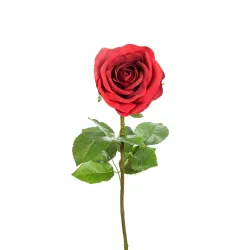
- Funeral use: Prefer durable materials and sober designs, such as chrysanthemums or roses.
- Events: For weddings or ceremonies, focus on luxury flowers that add a refined touch.
Decorative and Functional Applications
Indoors
Artificial flowers can enrich any home environment, adding a touch of elegance without the need for maintenance. For example:
- Living room: Floral arrangements such as peonies or roses add warmth and color.
- Cuisine: Artificial succulents create a modern and fresh atmosphere.
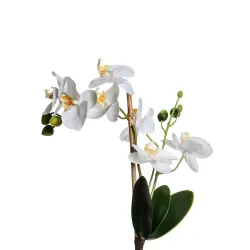
- Bathroom: Small artificial plants that are resistant to moisture are perfect for decorating shelves or sinks.
Offices
Artificial plants improve the working atmosphere and create a more welcoming environment. Ideal for reception, meeting rooms and open spaces.
Events
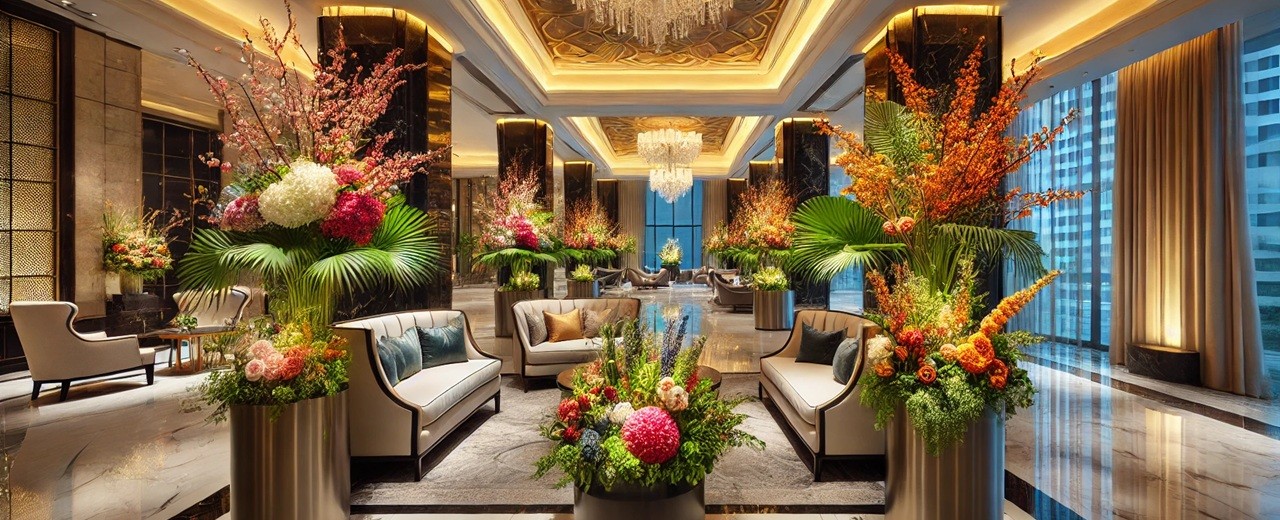
High quality artificial flowers are essential for decorating weddings, corporate events and ceremonies, guaranteeing an impeccable result without the risk of wilting.
Artificial flowers and plants are an elegant and practical decorative solution, capable of adapting to any context. Thanks to their variety and realism, they are a versatile choice for those who want to enrich their spaces with style and without compromise. Investing in high-quality products guarantees long-lasting and satisfactory results, making every environment unique and welcoming.
Professional Opening of Artificial Plants and Flowers
Even the best artificial flowers and plants can lose some of their aesthetic impact if they are not shaped and "opened" properly. This process, which is fundamental for window dressers, floral designers and professionals in the sector, allows you to make the most of each composition, making it as realistic as possible.
The Art of Openness
Professional opening involves separating and shaping branches, petals, and leaves to mimic the natural look of the plant. Here are the main steps:
- Unpacking: Gently remove the product from the packaging to avoid damage to the materials.
- Branch Separation: Gradually open the main and secondary branches, distributing them in a natural and harmonious way.
- Petal Modeling: Work the petals with your fingers to give them volume and realism. In high-quality flowers, flexible materials allow the petals to be bent and oriented without damaging them.
- Creation of Dynamism: Slightly bend leaves and stems to simulate the natural movement of plants.
- Final Check: Examine the composition from different angles to ensure that it is balanced and visually pleasing.
Professional Tools and Techniques
For optimal results, professionals make use of specific tools:
- Pliers and Fine Point Tools: To precisely shape metal branches without damaging the coating.
- Protective Gloves: To avoid fingerprints or smudges on delicate materials.
- Protective sprays: To add a matte or satin finish and protect materials from the elements.
Importance of Openness
Even a high-quality artificial plant can look flat or unconvincing if it is not opened properly. Attention to detail and care in orienting each element are essential to obtain a professional result. This process, while requiring time and practice, transforms each composition into a work of art, perfect for residential, commercial or special event settings.
Why Choose High-End Flowers and Plants
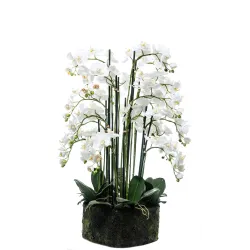
Opting for high-end artificial flowers and plants means investing in quality, aesthetics and durability. These products are not simply decorations, but real design elements capable of enriching any environment with elegance and refinement.
Premium Materials
High-end products are distinguished by the use of superior quality materials, such as:
- High Grade Silk: It guarantees a soft and natural texture.
- Natural Latex: It brings realism to the touch and sight.
- High Quality Plastic: Used for stems and structural details, it is durable and versatile.
- Innovative Pigments: They ensure bright colors and natural, long-lasting shades.
Realistic details
In the high-end flowers, every element is taken care of down to the smallest detail:
- Petals and Leaves: Designed to mimic natural grains, shades and even imperfections.
- Handcrafted Assembly: Many high-end products are finished by hand to ensure an authentic and unique look.
Durability and Resistance
Superior artificial flowers are designed to last, keeping their appearance intact despite exposure to harsh environmental conditions. The anti-UV treatments and waterproof finishes make them ideal for both indoor and outdoor use.
Creative Versatility
Thanks to their variety of styles, colors and sizes, high-end flowers can be used in multiple contexts:
- Luxury Furniture: Perfect for elegant homes and exclusive environments.
- Prestigious Events: They guarantee an unforgettable visual impact in weddings, galas and ceremonies.
- Personalized Projects : They can be tailored to meet specific needs.
A Value Investment
Choosing high-end artificial flowers means opting for a product that combines beauty, functionality and durability. While they may have a higher upfront cost, their extended life cycle and maintenance-free make them a smart investment for those who want uncompromising decorations.
Even the best artificial flowers and plants lose much of their impact if they are not "opened" properly. Professional opening is a fundamental technique used by window dressers, floral designers and florists to make the most of each composition. This practice involves carefully shaping the branches, petals and leaves, creating a natural and harmonious shape that faithfully reproduces the appearance of a living plant.
Real Touch Artificial Flowers: What They Are and Why Choose Them
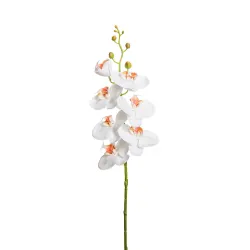
Real Touch artificial flowers represent the ultimate technological evolution in the field of floral decorations. Thanks to their incredible resemblance to natural flowers, both visually and to the touch, they are conquering an increasingly wide audience among floral designers, interior decorators and decoration enthusiasts.
What Are Real Touch Flowers
Real Touch artificial flowers are made using innovative materials such as polyurethane or special silicones, processed through advanced processes that combine technological precision and craftsmanship. During production, polyurethane is hot molded into detailed molds, which perfectly replicate the structure of the petals and leaves. Subsequently, silicones are applied to give a velvety texture that is soft to the touch, completing the natural effect.
Techniques such as spray coloring and pigment layering are used to achieve realistic shades, while small details, such as veins and jagged edges of the petals, are reproduced with precision instruments. This approach ensures that each Real Touch flower is unique and indistinguishable from a natural one.
Main features of Real Touch flowers:
- Natural Texture: The petals are soft and velvety, similar to those of a real flower.
- Matte Finishes: They reproduce the natural shine of the petals, avoiding the shiny effect typical of low-quality synthetic materials.
- Accurate Details: Veins, color gradients and even natural imperfections are reproduced with extreme precision.
- Durability and Resistance: Thanks to advanced materials, these flowers resist atmospheric agents and keep their beauty intact over time.
Why Choose Real Touch Flowers
Real Touch flowers offer a number of advantages that make them the ideal choice for multiple applications:
- Uncompromising realism: Perfect for those who want an authentic look without the need for maintenance.
- Versatility: Suitable for home decorations, event setups, commercial window displays and classy gifts.
- Sustainability: While they are artificial, they are often made from recyclable materials and are an eco-friendly choice over cut flowers, which require natural resources to grow. Many manufacturers use polyurethane and silicones derived from recyclable sources and are committed to reducing industrial waste during manufacturing processes. Some companies also adopt sustainable practices, such as the use of renewable energy in their factories and the use of biodegradable packaging for product distribution.
- Long Lasting: Ideal for environments where natural flowers would not last, such as dimly lit spaces or exposed to temperature changes.
Real Touch Flower Applications
Real Touch flowers are particularly popular for:
- Luxury Events: Weddings, galas and prestigious parties where elegance is an essential requirement.
- Interior Design: They complement the style of living rooms, bedrooms and offices with a sophisticated touch.
- Commercial Set-ups: Used in shop windows and showrooms to capture the attention of customers.
- Refined Gifts: A Real Touch flower bouquet is a gift that surprises and lasts over time.
Real Touch Flower Maintenance
Although Real Touch flowers are artificial, they need some care to maintain their splendor:
- Regular cleaning: Use a soft cloth or brush to remove dust.
- Avoid harsh chemicals: Clean with warm water and, if necessary, a mild detergent.
- Heat Protection: Avoid direct exposure to intense heat sources to prevent warping.
- Use of Antistatic Sprays: Apply specific anti-static sprays to reduce dust build-up and keep your flowers clean for longer.
- Strategic positioning: Avoid places with high humidity, which could compromise the quality of the texture.
Why invest in Real Touch flowers
Choosing Real Touch flowers means opting for a solution that combines aesthetics, practicality and innovation. While they may have a higher upfront cost than traditional artificial flowers, they are a long-term investment due to their durability and ability to maintain a flawless appearance.
Real Touch artificial flowers embody the perfect union of technology and design, offering a sophisticated and sustainable alternative to natural flowers. Ideal for those looking for beauty and practicality without compromise, they are destined to revolutionize the world of floral decoration.
A Window on Infinite Beauty
Artificial flowers and plants have taken pride of place in the world of decoration, thanks to their ability to combine aesthetics, functionality and innovation. From advanced materials such as latex and polyurethane, to manufacturing technologies that include 3D printing and manual processing, these modern masterpieces are the result of an evolution that spans centuries of artisanal traditions and technological advances.
Whether it's to enrich a home environment, embellish a special event or enhance the working atmosphere, high-quality artificial flowers are a versatile and long-lasting choice. They are much more than just decorations: they are allies for those looking for maintenance-free beauty, sustainable solutions and a touch of timeless class.
Investing in these products means betting on a beauty that never fades, on details that enchant and on a creativity that goes beyond all limits. So, the next time you want to bring a touch of nature into your life, why not choose an artificial plant or flower? It will be a choice that combines aesthetics and practicality, for a home, an office or an event that will never cease to shine!