The Importance of Packaging in the Shopping Experience: An In-Depth Look
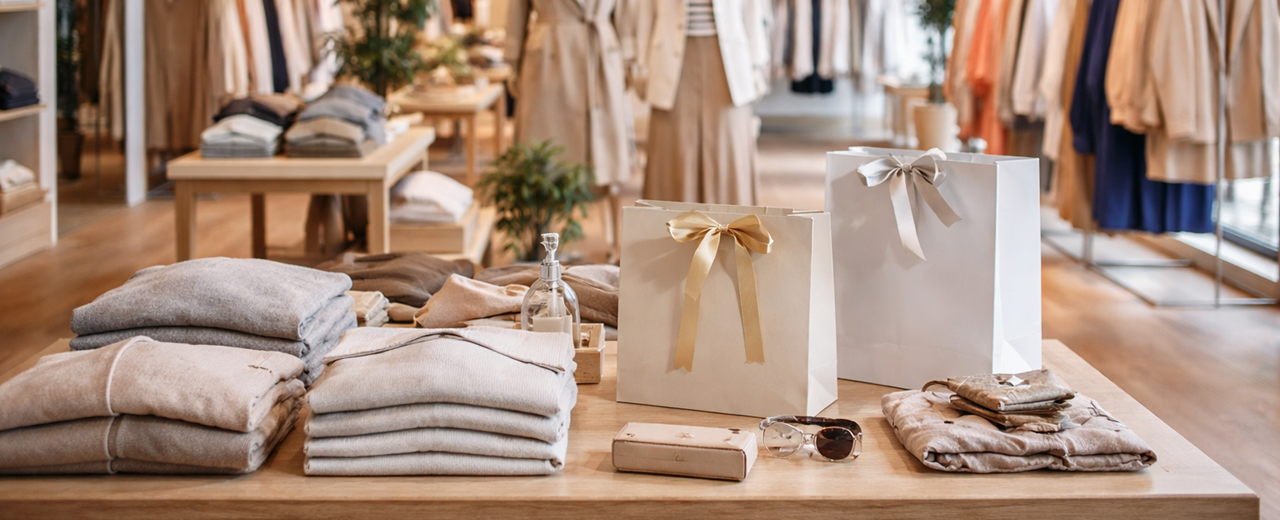
In today's commerce landscape, the shopping experience doesn't end when the customer makes the payment. Instead, it embraces every aspect that helps shape the perception of the product and the brand. Packaging plays a crucial role in this context, representing one of the key elements that influence emotional involvement, loyalty and customer satisfaction. Let's find out how packaging can really transform the shopping experience.
The First Visual Impression: More Than Just Coverage
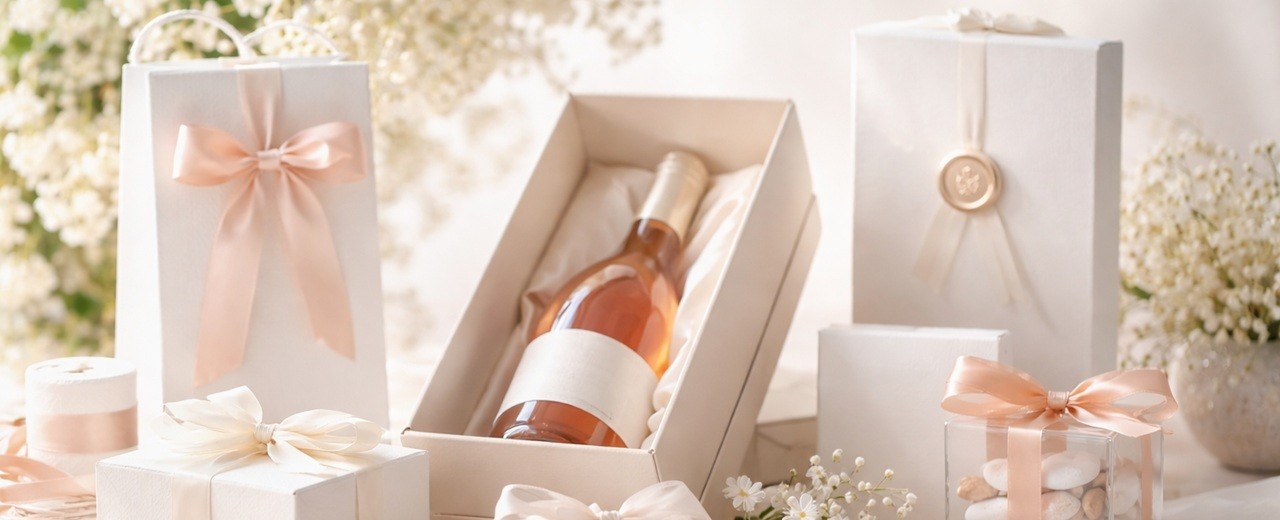
The packaging is often the first point of visual contact between the customer and the product, and as with any first meeting, the initial impact is decisive. A well-thought-out package that is attractive and consistent with the brand identity can attract attention and spark interest. Design, colors, textures and materials are all elements that contribute to creating a visual impression that communicates values and quality of the product.
For example, minimalist packaging can convey an image of elegance and sophistication, while colorful and lively packaging can recall the idea of a fun and innovative product. Each design choice helps to make the customer understand what they can expect and whether the product reflects their personal values and tastes. This first impact, which can take place in a matter of seconds, is often the starting point for the decision to explore the product further, and therefore to consider the purchase.
The Sense of Perceptible Value: The Quality You Perceive
The perceived value of a product is strongly influenced by the quality of the packaging. Premium materials, such as rigid cardboard, embossed details, metallic finishes and other valuable elements, immediately communicate a sense of luxury and care to the customer. These details make the product appear not only desirable, but worthy of an economic investment.
High-quality packaging conveys the idea that the brand has dedicated time and resources to the presentation, increasing the overall value perceived by the customer. As a result, the customer is more inclined to recognize the asking price and consider it justified, increasing the likelihood of purchase. Investing in quality packaging is therefore a strategy to build trust, make the product perceived as something special and also justify premium price positioning.
The Unboxing Experience: The Power of the Moment
The "unboxing" experience has become a popular phenomenon, also thanks to social media. Videos and photos of people eagerly opening a package are commonplace, and this has prompted brands to further take care of every single detail of the product opening.
A rewarding unboxing is a multisensory experience, where every element – from the noise of the material to the touch of the paper, up to the arrangement of the components inside – contributes to making the customer live a moment of surprise and discovery. It's the occasion when the customer interacts with the product for the first time, and a well-designed unboxing can elicit positive emotions and solidify the bond between customer and brand.
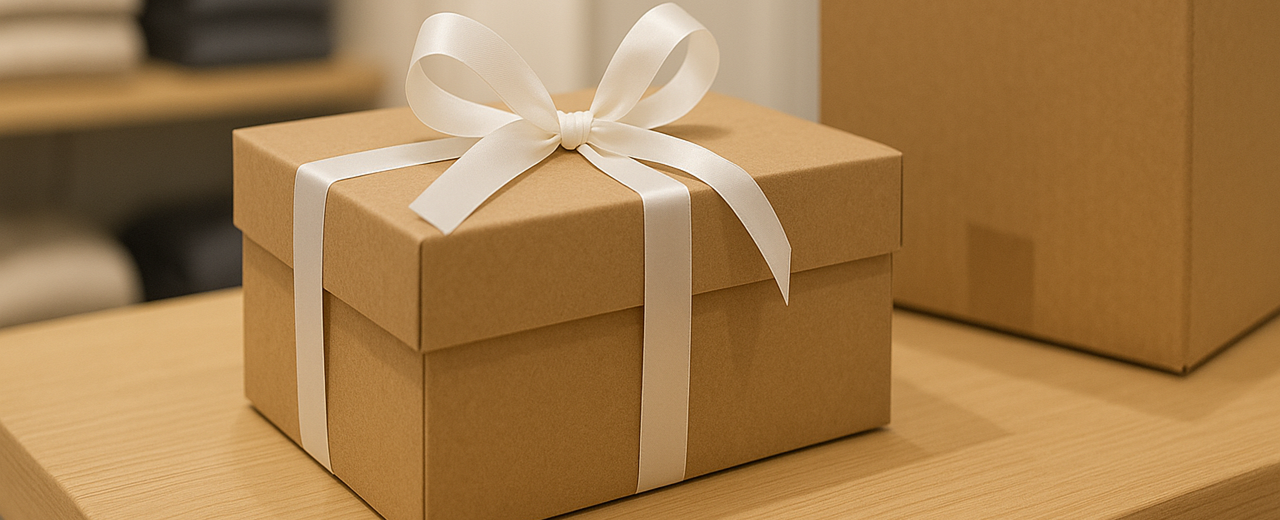
Some brands include Personalized messages, small gifts or unexpected details such as ribbons or special closures, which surprise and reinforce the sense of care and attention that the brand dedicates to its customers. Unboxing can turn a simple purchase into a memorable experience, reinforcing the customer's desire to share it and stay loyal to the brand.
Differentiation from the Competitive Context: A Question of Identity
In a crowded market, standing out is key. Packaging is one of the most powerful tools to distinguish a product from the competition and to build a solid and recognizable brand identity. Brands that curate a distinctive design are able to create an immediately recognizable visual identity, and this recognizability has a profound impact on consumer choices.
For example, packaging that uses sustainable materials or has an innovative design not only attracts customers, but also communicates a strong message about the brand's positioning and values. In an era where consumers are increasingly attentive to sustainability and social responsibility, an eco-friendly package can be an important differentiator.
Sustainability: an increasingly important aspect
Packaging today cannot ignore considerations related to sustainability. Consumers are more informed and aware of the environmental impact of the products they buy and increasingly choose brands that adopt eco-friendly solutions. This means not only using recycled or recyclable materials, but also optimizing production processes to reduce waste and ecological impact.
Sustainable packaging can be an important competitive advantage and generate a sense of trust and respect for the brand. Environmentally well-thought-out packaging is not only an added value, but often a decisive factor in the customer's choice.
Conclusion: A Package to Build Relationships and Loyalty
Product packaging has a profound impact on the customer experience and goes far beyond aesthetics. It represents a strategic tool to create an emotional bond with the customer, influence the perception of the value of the product and build a solid brand identity. Investing in quality packaging means improving the overall customer experience, generating satisfaction and, in many cases, ensuring long-term loyalty.
For brands, taking care of every step – from design design to choice of materials – means not only standing out from the competition, but also building relationships based on trust and appreciation. In the age of customer experience, packaging is a detail that makes all the difference and can turn a purchase into a memorable experience.