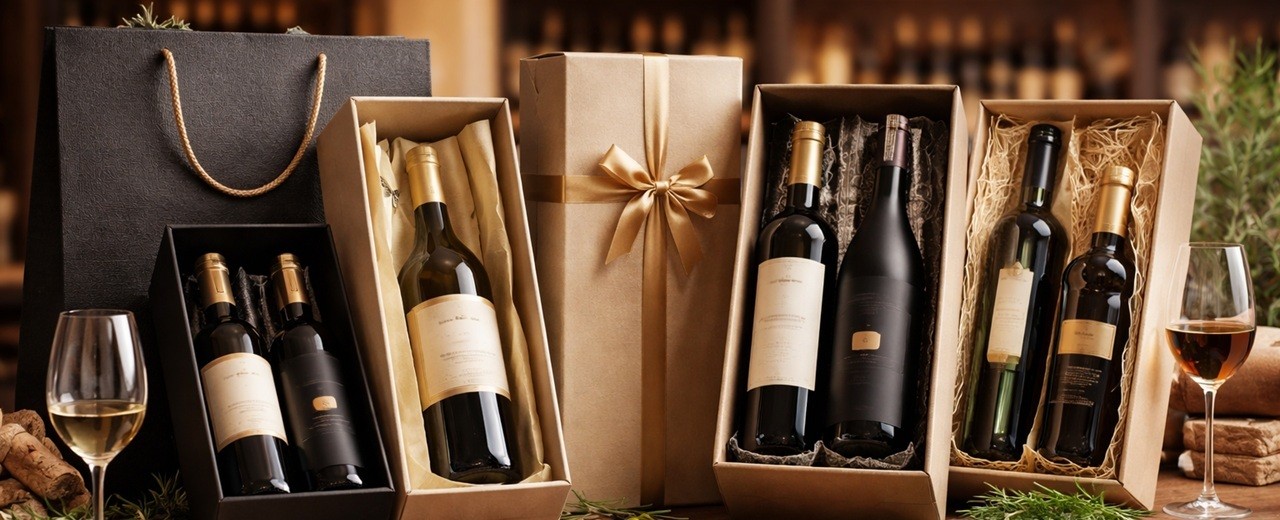
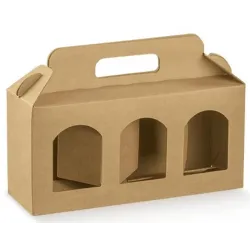
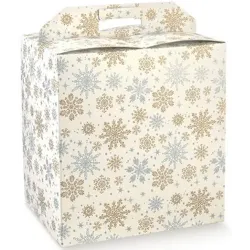
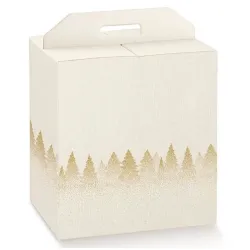
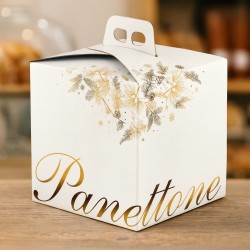
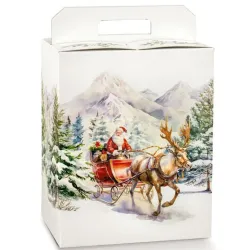
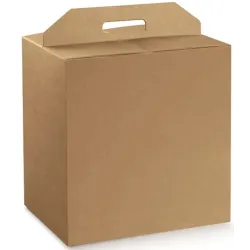
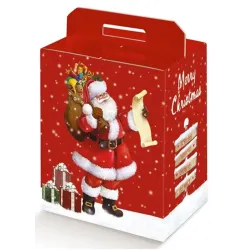
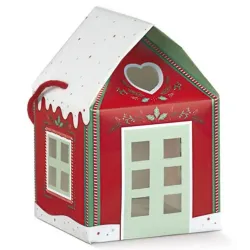
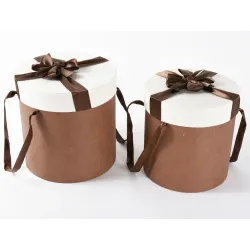
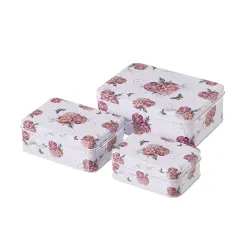
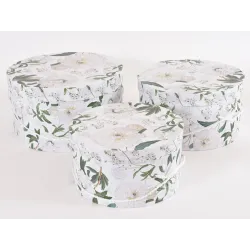
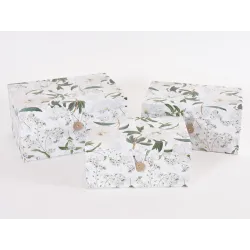
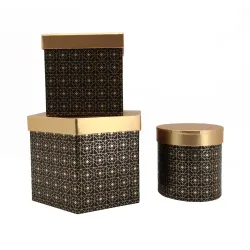
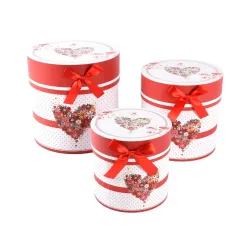
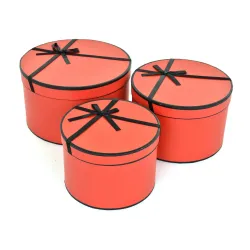
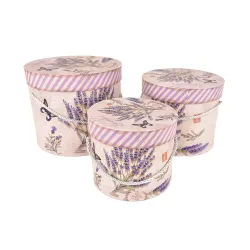
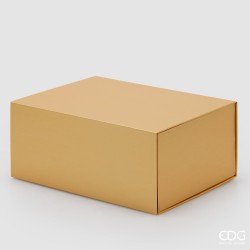
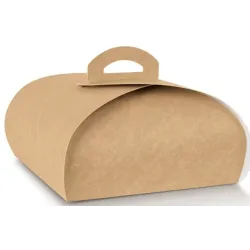
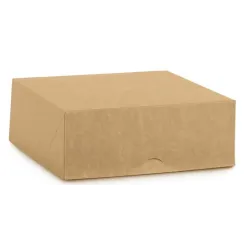
In the world of food and wine, product quality is only one part of the overall customer experience. Whether it's a bottle of fine wine, an artisanal extra virgin olive oil, refined preserves or spirits with a unique character, the packaging plays a fundamental role in communicating value, elegance and attention to detail. In an increasingly competitive market, where choice is vast and consumer expectations are high, packaging is not just a functional accessory, but an element of marketing, storytelling and positioning.
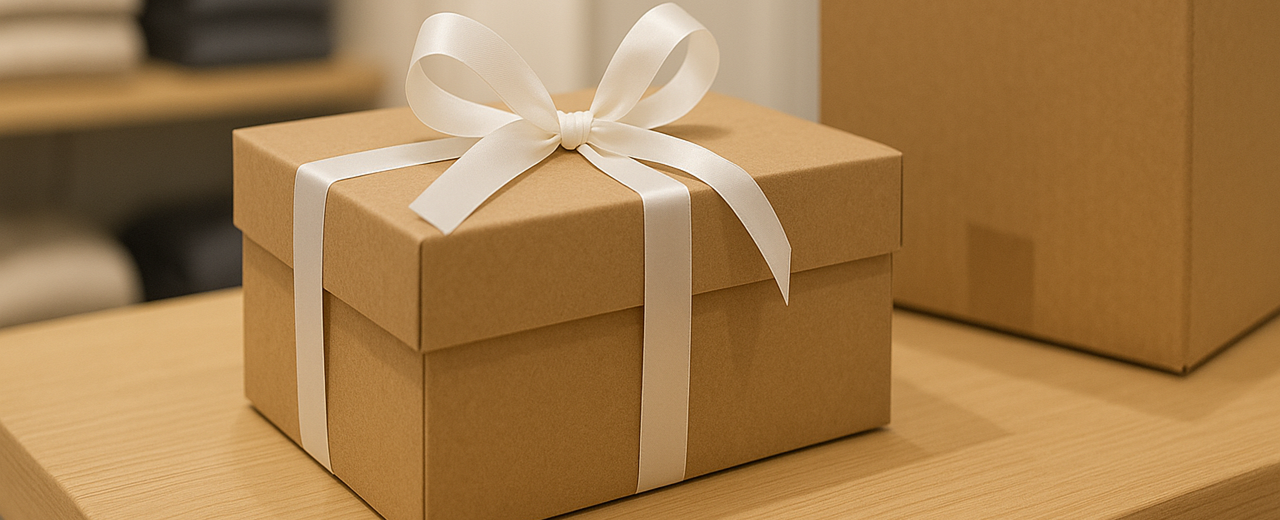
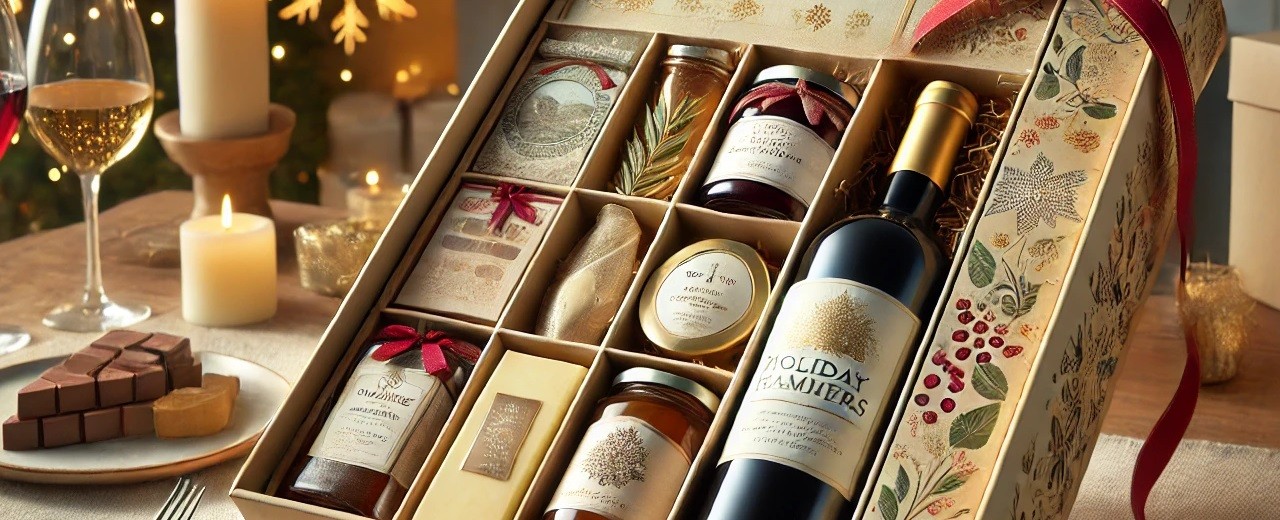
A finely crafted and durable gift box is not simply a container, but a visual and tactile message that speaks of quality and attention. It's what turns a product, no matter how excellent, into a memorable experience. This is particularly true for sectors such as grocery, wine shops, bars, restaurants and corporate gifts, where the aesthetic appeal of the package is crucial to win over and retain the customer.
In addition to the aesthetic aspect, gift boxes offer significant practical benefits: they protect bottles and jars during transport, ensure their integrity, and add a level of professionalism that gift bags or wrapping paper cannot match. The robustness of the boxes is especially important for distributors and retailers who need to manage large-scale shipments or sales, ensuring that the product arrives intact and flawless at its destination.
In an era where attention to detail can make the difference between a closed sale and a lost opportunity, choosing quality packaging becomes a strategic investment. It's not just about protecting the content, it's about enhancing it, making it the star of a presentation that captures the attention and satisfies the senses.
This article will explore the importance and benefits of bottle gift boxes, offering practical tips and creative ideas to make the most of the potential of packaging, both for professionals in the sector and for end customers. The packaging is no longer just a detail: it is the first step towards a consumer experience that stands out.
1. The importance of careful packaging for quality products
When a customer buys a bottle of wine, a fine oil, an artisanal preserve or a refined distillate, they are not just buying a product, but an experience. This is especially true for the food and wine and gift sectors, where the perception of value is influenced as much by the intrinsic quality of the content as by its presentation. That's where packaging comes in.
First impact counts
The packaging is the first visual and tactile contact that the customer has with the product. A well-designed and crafted box can convey elegance, professionalism, and attention to detail, creating an emotional connection even before the contents are discovered. Conversely, poor or poorly maintained packaging can devalue even the highest quality products, leaving an impression of neglect that risks compromising the entire experience.
Packaging as a storytelling element
Every product has a story to tell, and packaging is its visual storyteller. Through design, colors, materials and even texture, a package can communicate the character of the product: the tradition of an extra virgin olive oil, the elegance of a reserve wine, the authenticity of a handmade preserve or the refinement of an aged spirit. Packaging, therefore, is not just a wrapper, but a tool to tell what makes the product unique.
Enhancing the product through packaging
Careful packaging elevates the perception of the product. For example:
- A rigid box with embossed finishes and magnetic closures suggests luxury and prestige.
- An eco-friendly paper cover with custom printing communicates a focus on sustainability.
- A minimalist but well-thought-out design can appeal to a contemporary style audience.
In any case, the result is the same: the customer perceives the product as something special, and this justifies not only the price, but also the desire to buy it.
Differentiation in a competitive market
In saturated sectors such as wine and oil, standing out is essential. Eye-catching packaging not only attracts attention on shelves or in online catalogs, but can also influence the purchase decision. Customers are looking for products that stand out, and well-designed packaging becomes a key element to stand out from the competition.
Packaging as an added value in gifts
When a product is purchased as a gift, the packaging becomes even more important. An elegant and durable box is not only a way to protect the contents, but a detail that makes the gift memorable. For corporate gift dispensers, for example, a high-quality box with the customer's logo reinforces branding and conveys professionalism.
In summary, a well-finished package is much more than just a container: it is the business card of the product, an essential element that enhances its value, captures attention and builds an emotional bond with the customer. Investing in resistant and well-finished gift boxes is not just an aesthetic choice, but a winning strategy to increase the perception of quality and, consequently, sales.
2. Key Features of Bottle Gift Boxes
When it comes to packaging bottles of wine, oil, preserves or spirits, the choice of packaging cannot be left to chance. Gift boxes play a crucial role in enhancing the product and ensuring its safety. But what are the essential features that make a bottle box not only functional, but also aesthetically appealing and suitable for different sales contexts? Here are the key points to consider.
1. Strength and safety
The first requirement of a bottle box is the ability to protect the contents. Glass bottles and jars are fragile, and the risk of damage during transport or handling is always present. For this reason, the boxes must be:
- Made of sturdy materials, such as reinforced cardboard or plywood.
- Designed to ensure stable support, with internal dividers that prevent the movement of the bottles.
- Resistant to humidity or small impacts, thanks to specific coatings or treatments.
Durable packaging not only protects the product, but gives the customer peace of mind knowing that the purchase will arrive intact and in perfect condition.
2. Quality materials
The quality of the materials is essential to convey the value of the packaged product. High-end gift boxes use:
- Premium cardboard: thickened and with a smooth or textured finish.
- Special coatings: such as natural kraft paper for a sustainable look, or glossy or matte laminates for a more sophisticated effect.
- Fine details: magnetic closures, decorative ribbons or velvet inserts that add a touch of luxury.
These elements not only improve the aesthetics of the box, but increase the perception of quality of the product.
3. Customization
Custom packaging is a powerful marketing tool. Gift boxes can be adapted to the needs of the brand or occasion:
- Logo printing: A great way to strengthen brand visibility.
- Thematic colors: to recall the brand or celebrate holidays and special occasions.
- Unique designs: graphics, textures or lettering that tell a story and capture attention.
This customization makes each package unique, turning it into a business card for the product and for the company.
4. Flexibility for different formats
A good gift box should fit different types of products, ensuring versatility. Some useful features include:
- Modular spaces to hold bottles of different sizes (750 ml, 1 liter, magnum, etc.).
- Possibility of inserting accessories, such as wine glasses, cruets or small gadgets.
- Modular structures, which allow you to package single bottles or multiple sets.
This flexibility allows you to offer different options to customers, maximizing the usability of the box.
5. Elegant finishes
The finishes of the box play a decisive role in making it attractive and suitable for premium sales contexts. Some of the most popular options include:
- Embossed or embossing effects: for a sophisticated look.
- Special closures: such as metal hooks or magnetic lids.
- Matte, gloss or satin finishes: to adapt to the positioning of the product, from modern minimalism to traditional luxury.
These details not only attract the customer's eye, but communicate care and attention to detail.
6. Sustainability compatibility
More and more companies and customers are attentive to environmental impact. Today's gift boxes must meet sustainability requirements, such as:
- The use of recycled or recyclable materials.
- The reduction of waste thanks to essential but functional designs.
- The use of ecological and certified inks.
An eco-friendly box not only protects the environment, but becomes a sales argument for an increasingly aware public.
7. Versatility of use
A quality gift box does not end its function with the delivery of the product. Many premium packaging is designed to be reusable, turning into containers for personal items or home décor. This feature adds value to the product and strengthens the brand image.
In summary, bottle gift boxes are much more than just packaging. When designed with attention to resistance, aesthetics and customization, they become a key element to enhance the product and create a memorable experience for the customer. For operators in the sector, investing in high-quality boxes means not only protecting their product, but also conveying a message of excellence and professionalism.
3. Solutions for different industries
Bottle gift boxes are a strategic choice for a wide range of professional sectors, adapting with versatility to specific needs. From food and wine to retail, passing through the HoReCa sector (Hotels, Restaurants, Catering) and corporate gifts, every context can benefit from quality packaging. In this chapter, we explore the most effective solutions for the main areas of use.
For wine bars and bars: enhancing wine and spirits
Wine bars and bars often find themselves having to satisfy a clientele looking for premium experiences. Gift boxes represent a unique opportunity to:
- Promote gift sales: during holidays or events, elegant packaging entices the customer to buy bottles to give as gifts.
- Differentiate yourself from the competition: A well-designed box distinguishes the product from generic alternatives, positioning it as exclusive.
- Offer practical transport solutions: Robust packaging reduces the risk of breakage, which is crucial for building customer loyalty.
Wine and spirits boxes can be customized with the logo of the wine shop or bar, reinforcing the brand identity and turning each sale into a form of promotion.
For restaurants: gift proposals and partnerships
Restaurants not only sell food, but also emotions and memories related to a culinary experience. Gift boxes can play an important role in this context, for example:
- Gift proposals in collaboration with local producers: boxes combining wine, oil and artisanal preserves can be sold as souvenirs of the restaurant experience.
- Packaging for private events or catering: during weddings, anniversaries or corporate dinners, offering bottles packaged in high-quality boxes elevates the perceived value of the offer.
- Direct sales of premium products: for restaurants that offer wines or oils from their cellar, packaging represents a lever to increase sales.
A restaurant that invests in careful packaging shows attention to detail, building customer loyalty even outside the dining room.
For food manufacturers and producers: the value of packaging in direct sales
In the food industry, packaging is often the first element that attracts the customer's attention. Gift boxes offer manufacturers and retailers an effective solution for:
- Position the products as valuable gifts: extra virgin olive oil, preserves and liqueurs packaged in elegant boxes immediately become perfect gift ideas.
- Increase perceived value: A high-quality box justifies a more alto price than a simple bulk product.
- Facilitate logistics and distribution: Durable boxes protect products during transport, reducing the risk of damage.
For foodies, packaging is not just a practical necessity, but an essential component of the sales strategy.
For corporate gift distributors: strengthen branding
In the business world, corporate gifting is an opportunity to consolidate relationships and communicate values. Gift boxes are an ideal solution for:
- Create a personalized packaging: boxes with the company logo and dedicated messages add a personal touch.
- Conveying professionalism: a well-finished packaging reflects the image of a company attentive to detail.
- Offer tailor-made solutions: distributors can offer boxes that contain combinations of products, such as wine and oil, adapting to the needs of the end customer.
Customizing boxes for corporate gifts is a winning strategy to transform a simple gift into a powerful marketing tool.
Each industry has specific needs, but the common point is that curated packaging significantly increases the perceived value of the product and strengthens the emotional connection with the customer. Whether it's a wine shop, a restaurant or a company that distributes corporate gifts, gift boxes for bottles represent an investment that combines aesthetics, functionality and marketing in a single solution.
4. Styles and trends in bottle packaging
Packaging is a constantly evolving industry, influenced by fashions, consumer expectations and technological innovations. Even for bottles of wine, oil, preserves and spirits, gift boxes are no longer a simple container, but a communication tool that follows precise stylistic trends. In this chapter, we will explore the hottest styles and current trends that are redefining the way food and wine products are packaged.
1. Sustainability: eco-friendly packaging
The increasing focus on sustainability has had a significant impact on packaging design. More and more companies are choosing eco-friendly solutions to meet the expectations of an environmentally conscious public. Sustainable gift boxes are distinguished by:
- Recycled and recyclable materials: natural kraft cardboard, FSC-certified paper or compostable materials.
- Minimalist design: waste reduction with simple and essential structures.
- Sustainable messages: phrases or logos that highlight the brand's ecological commitment, such as "100% eco-friendly" or "zero waste".
This style is particularly appreciated by artisanal producers, farms and brands that want to emphasize the connection with nature.
2. Luxury and sophistication
For premium products such as fine wines, aged spirits or high-end olive oils, luxury packaging is essential to communicate exclusivity and prestige. Key features of this style include:
- High-quality materials: thickened cardboard, velvet interior or metal details.
- Sophisticated finishes: embossing, gold or silver laminations, embossed details.
- Elegant and clean design: neutral colors, such as black, white or champagne, enriched with refined textures.
Luxury boxes are ideal for wine shops, corporate gift distributors and restaurants that want to offer an exclusive experience to their customers.
3. Modern minimalism
The increasingly popular minimalist style focuses on essentiality and visual cleanliness. This approach is particularly effective in attracting a young audience who loves contemporary design. Key features include:
- Reduced color palette: predominance of white, black and gray with touches of pastel colors or metallic accents.
- Simple graphics: clean lines, sans-serif fonts and no excessive decoration.
- Focus on the product: the packaging leaves room for the contents, often with transparent windows or inserts that show off the bottle.
This style is well suited to trendy bars and restaurants, as well as brands that focus on a modern and minimal image.
4. Tradition and craftsmanship
For products linked to tradition, such as artisanal preserves or local wines, the packaging must tell an authentic story. This style emphasizes the link with the territory and artisanal savoir-faire through:
- Natural materials: kraft paper, twine or fabric labels.
- Rustic decorative elements: floral motifs, handmade illustrations or calligraphic writings.
- Warm and welcoming design: color palettes that recall the colors of the earth, such as brown, olive green and brick red.
This style is perfect for foodies and producers who want to enhance the genuineness of their products.
5. Seasonal and thematic packaging
During the holidays or for special occasions, thematic packaging becomes a must. Gift boxes can be customized to reflect the spirit of an event, with:
- Festive colors: red, gold and green for Christmas; crayons for spring; warm shades for autumn.
- Individual graphics: Christmas motifs, hearts for Valentine's Day or seasonal decorations.
- Decorative accessories: bows, ribbons or special labels that add a festive touch.
This style is ideal for wine shops, bars, and gift companies that want to offer eye-catching holiday packaging.
6. Innovative solutions
As technology advances, gift boxes are becoming more and more interactive and creative. Among the most interesting innovations we find:
- Interactive packaging: QR codes printed on the box that link to digital content, such as videos on the history of the product or pairing tips.
- Special effects: holographic finishes, heat-sensitive inks or tactile textures that surprise the customer.
- Modularity: boxes that turn into decorative objects or reusable containers.
These solutions are particularly suitable for brands that want to amaze and innovate, focusing on a unique shopping experience.
Trends in bottle packaging reflect the preferences and desires of an ever-changing market. Choosing a style that reflects the values of the brand and meets customer expectations is essential to enhance the product and build customer loyalty. From sustainable to luxurious, every detail contributes to an experience that goes beyond a simple purchase, turning into a memorable moment for those who receive the product.
5. Advantages of gift boxes over gift bags or wrapping paper
When it comes to packaging bottles of wine, oil, preserves or spirits, the choice of packaging is not only a matter of aesthetics, but also a practical and strategic one. Among the various options available, gift boxes offer a number of advantages that make them superior to traditional bags or wrapping paper. In this chapter, we'll look at the top reasons why boxes are the ideal choice for enhancing and protecting products.
1. Superior protection for fragile products
Glass bottles and jars are particularly delicate and require packaging that guarantees their integrity during transport and handling. The gift boxes:
- They protect against shocks thanks to the rigid structure and internal dividers.
- They prevent damage during transport: unlike bags, boxes keep bottles stable and safe.
- They preserve the aesthetics of the product: the box prevents the bottle from scratching or dirty, keeping it perfectly presentable.
This security is especially important for those who sell and ship products, ensuring that the customer receives their purchase in perfect condition.
2. More professional presentation
Gift boxes elevate the look of the product, communicating quality and attention to detail. Compared to a gift card bag or packaging, they offer:
- A sleeker, more polished look: the boxes are designed to impress, often with fine finishes, custom prints and high-quality materials.
- A unique unboxing experience: opening a well-made box conveys a sense of exclusivity and luxury, which is particularly appreciated by customers.
For wine shops, restaurants and corporate gift distributors, this aspect is essential to convey professionalism and strengthen the brand image.
3. Perceived value plus alto
Packaging directly affects the perception of a product's value. The gift boxes:
- They justify a more alto price: the customer is willing to pay more for a premiumly packaged product.
- They make the product an ideal gift: an elegant box transforms a simple bottle into a refined gift, ready to be delivered without further precautions.
This increased perception of value is particularly useful for manufacturers and retailers who want to stand out in a competitive market.
4. Customization and branding
Gift boxes offer extensive customization possibilities, making them a powerful marketing tool. Compared to bags or wrapping paper, boxes can be:
- Printed with the company logo, reinforcing brand recognition.
- Adapt to specific occasions, such as holidays or events, with thematic designs.
- Designed to tell the story of the product, through graphics or texts that emphasize the quality and uniqueness of the content.
This personalization is not only aesthetic, but helps to build an emotional connection with the customer.
5. Versatility of use
Gift boxes adapt to a wide range of needs and situations:
- To pack multiple sets: Unlike bags, boxes can hold multiple bottles or combinations of products.
- For events and Sale: The boxes are ideal for themed packaging or corporate gifts.
- Customer reusable: Many quality boxes are designed to be reused, increasing their perceived value.
This flexibility makes them suitable for multiple contexts, from grocery stores to restaurants, up to corporate gift dispensers.
6. Sustainability and green image
More and more consumers are choosing sustainably packaged products. Gift boxes can be made from environmentally friendly and reusable materials, while bags and wrapping paper often quickly end up in the trash. Investing in sustainable boxes:
- It strengthens the green image of the brand.
- It attracts a conscious and environmentally conscious clientele.
This aspect is an additional advantage for companies that want to communicate social and environmental responsibility values.
Gift boxes outperform bags and wrapping paper in every respect: protection, aesthetics, versatility and sustainability. It is not just a packaging, but a strategic element that enhances the product, increases customer satisfaction and improves the brand image. For those who work in the food and wine or gift industry, choosing gift boxes means investing in a solution that combines functionality and marketing, transforming each bottle into a memorable experience.
6. The contribution of packaging to marketing and sales
In an increasingly competitive market, where customers are constantly bombarded with similar offers and products, packaging plays a crucial role in differentiating a brand and attracting attention. It is no longer just a means to protect the product, but a powerful marketing tool and a lever to increase sales. This is especially true for bottles of wine, oil, preserves and spirits, products that often represent an experience as well as a purchase.
1. Packaging as a brand ambassador
The packaging is often the first contact between the customer and the product, and this is where the first impression is created. A well-designed packaging:
- It tells the story of the brand: through colors, materials and graphics, the packaging can communicate the values and identity of the brand.
- It makes the product recognizable: personalized gift boxes with logos, distinctive symbols or specific patterns strengthen the visual memory of the brand.
- Differentiate the product from the competition: a unique design catches the eye on the shelves or in the windows, enticing the customer to choose the product.
In this way, packaging becomes a means of conveying a clear and convincing message to the customer, even before the product is opened.
2. Increased perceived value
Packaging is a fundamental tool for improving the perception of the value of a product. A well-designed gift box:
- Justify a more alto price: Customers associate careful packaging with higher content quality.
- Create a luxurious experience: details such as embossed finishes, special textures or premium materials transform the product into an exclusive gift.
- It makes the product ideal for special occasions: the packaging ensures that the customer does not have to worry about additional decorations, making the product ready to be given as a gift.
This is especially beneficial for wine shops, restaurants, and businesses that want to position their products in a higher market segment.
3. Stimulate impulse buying
Packaging design can significantly influence customer buying behavior. The eye-catching gift boxes:
- They capture immediate attention: bright colors, particular shapes or innovative details push the customer to notice the product among many.
- They create a sense of urgency: limited editions or seasonal themed packaging encourage immediate purchases.
- They generate emotions: a package that evokes positive emotions (elegance, happiness, celebration) makes the purchase more rewarding.
This is especially relevant in brick-and-mortar stores, where the customer makes quick decisions based on what strikes them visually.
4. Packaging as a loyalty tool
Quality packaging not only attracts new customers, but also helps to retain existing ones. Gift boxes that offer a premium experience create:
- Positive memories: A well-packaged product leaves a lasting impression, increasing the likelihood of future purchases.
- Opportunities for reuse: elegant and sturdy boxes can be reused by customers, becoming functional objects and keeping the brand visible over time.
- Shared stories: Satisfied customers are more likely to share the experience on social media, generating word-of-mouth and free publicity.
A customer who feels valued by the attention to detail of the packaging is more inclined to return and recommend the product to others.
5. Seasonal and thematic marketing
Packaging offers endless possibilities to take advantage of specific times of the year or special events. The thematic gift boxes:
- Sales increase during festive periods: Christmas, Easter, Valentine's Day and other special occasions are perfect times to launch themed packages.
- They create limited editions: seasonal packaging generates a sense of exclusivity that drives customers to buy.
- They strengthen the bond with the customer: packages that celebrate local events or cultural traditions show attention to the needs of the market.
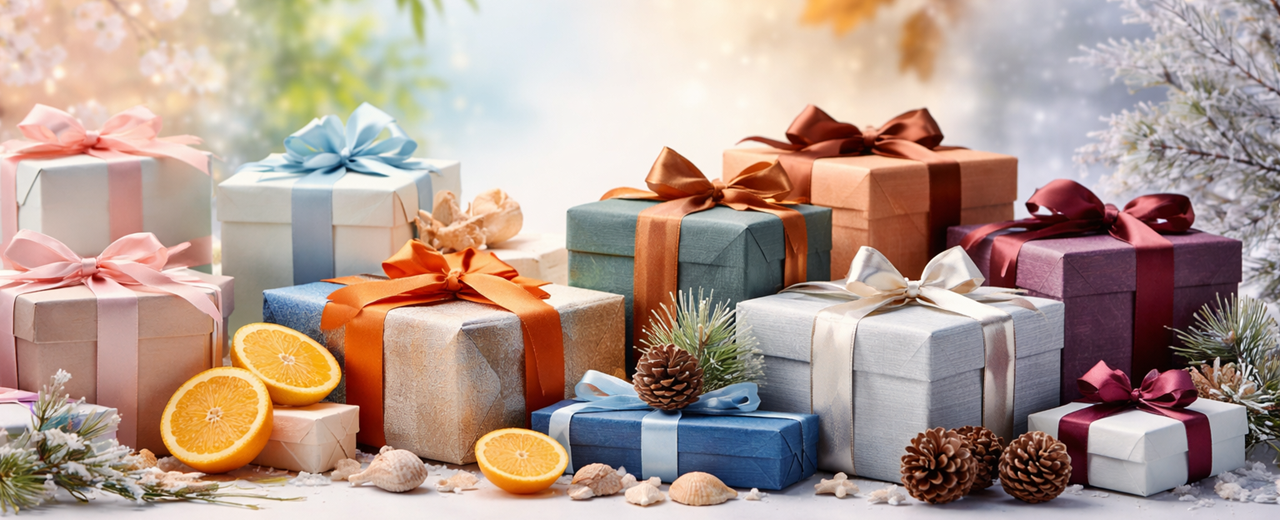
For example, a Christmas box decorated with festive elements can turn a simple bottle of wine into a perfect holiday gift.
6. Packaging as a storytelling vehicle
Every product has a story, and packaging is the ideal way to tell it. A well-designed gift box can include:
- Product descriptions: information on origin, production methods or distinctive characteristics.
- Evocative graphic elements: illustrations or images that recall the territory, tradition or innovation of the product.
- Emotional messages: Phrases or quotes that create an emotional connection with the customer.
This storytelling not only increases interest in the product, but also helps create an authentic connection between the brand and the consumer.
Packaging is not just a wrapper, but an all-round marketing strategy. Through well-designed gift boxes, companies can tell their brand, increase the perceived value of the product, stimulate sales and build customer loyalty. In a world where the shopping experience is increasingly important, investing in quality packaging is a choice that pays off, turning each bottle into a marketing opportunity and a memorable moment for the customer.
7. Packaging sustainability
In recent years, sustainability has become a priority for consumers and businesses in every industry. Even in the world of packaging for bottles of wine, oil, preserves and spirits, attention to environmental impact is a crucial factor that influences the choices of producers and end customers. Sustainable gift boxes not only help reduce ecological impact, but also represent a powerful marketing tool to win over an increasingly aware and environmentally conscious audience.
1. Eco-friendly and recyclable materials
One of the fundamental aspects of sustainability in packaging is the use of materials with basso environmental impact. Modern gift boxes can be made with:
- Recycled cardboard: A common and versatile choice that allows you to create robust and attractive packages while reducing the consumption of new resources.
- FSC-certified paper: ensures that the material comes from responsibly managed forests.
- Compostable or biodegradable materials: innovative options to reduce waste, ideal for companies that want to stand out.
These materials not only reduce environmental impact, but also clearly communicate brand values to customers.
2. Essential design to reduce waste
Sustainability is not only about materials, but also about design. Eco-friendly gift boxes are designed to be:
- Minimal and functional: by eliminating superfluous elements, the use of materials is reduced without compromising aesthetics.
- Easy to assemble: Smart structures reduce waste during production and distribution.
- Reusable: packaging designed to have a second life (e.g. as a container) increases its usefulness and extends its life cycle.
This philosophy of "less is more" fits perfectly with the needs of modern consumers, who are increasingly oriented towards practical and sustainable products.
3. The role of packaging in promoting a green image
Choosing sustainable gift boxes is not only an environmental choice, but also a marketing opportunity. A company that adopts eco-friendly practices can:
- Strengthen your brand: Customers appreciate brands that demonstrate social and environmental responsibility.
- Attract new market segments: Environmentally conscious consumers tend to prefer companies that share their values.
- Generate positive publicity: green initiatives are often appreciated and shared, both online and offline.
For example, a label on the box highlighting the use of recycled materials or FSC certification can make a big difference in customer perception.
4. Modular and multifunctional packaging solutions
Another sustainable trend is modular or multifunctional design. Gift boxes can be:
- Modular: Can be used for different bottle sizes, reducing the need to produce multiple variants.
- Reusable: Durable, well-finished boxes can be turned into decorative containers, document holders, or organizers.
- Easy to recycle: designed to be completely disassembled, making it easy to recycle materials.
This versatility not only reduces waste, but adds perceived value to the product.
5. The importance of sustainable communication
To make a green packaging strategy effective, it is essential to clearly communicate your commitment to customers. This can be done through:
- Information labels: details of the materials used and their environmental certifications.
- Brand Stories: Short stories printed on the box explaining the company's commitment to sustainability.
- Eco-friendly calls-to-action: tips on how to dispose of or reuse packaging.
Transparent communication not only educates consumers, but also creates a bond of trust between the brand and the customer.
6. Sustainability as a competitive lever
Investing in sustainable packaging is not only a moral obligation, but also a strategic lever to emerge in a crowded market. Key competitive advantages include:
- Better brand reputation: A green image increases brand appeal.
- Access to wider markets: Many retailers and distributors prefer to partner with sustainable companies.
- Long-term cost reduction: Recycled materials or optimized designs can reduce operating costs.
Sustainable gift boxes, therefore, are not only an investment in the environment, but also in the success of the company.
Sustainability is no longer an option, but a necessity for companies that want to remain competitive and relevant. Gift boxes for bottles made with ecological materials and intelligent designs are a winning choice, capable of combining aesthetics, functionality and environmental responsibility. Choosing sustainable packaging means not only doing the right thing for the planet, but also building a better future for your brand, attracting aware and loyal customers.
8. Ideas for thematic and seasonal packaging
Packaging is a powerful tool to communicate emotions and make the product the protagonist of every special occasion. During the festive periods or for thematic events, a well-kept and personalized packaging can transform a simple bottle of wine, oil, preserves or spirits into a memorable gift. Themed and seasonal gift boxes allow you to adapt your product to different holidays, stimulating customer interest and increasing sales.
1. Christmas: elegance and warmth for the holidays
Christmas is undoubtedly one of the most important moments for the gift market. Christmas gift boxes can create a unique experience for those who receive them, thanks to:
- Iconic colors: red, green, gold and silver are the shades that immediately evoke the Christmas spirit.
- Graphic elements: snowflakes, reindeer, Christmas trees or bright decorations make the packaging festive and eye-catching.
- Decorative accessories: ribbons, bows or small details such as Christmas charms add a touch of magic.
Not only do these packs attract the attention of customers at the point of sale, but they also increase the perceived value of the product, making it a perfect gift for friends, family, or business partners.
2. Valentine's Day: romance and sophistication
Valentine's Day is the ideal occasion for packaging that conveys love and intimacy. Gift boxes can be customized with:
- Romantic shades: red, pink and white dominate the design to evoke feelings of affection and passion.
- Evocative details: hearts, roses and love phrases printed on the box to create a romantic atmosphere.
- Minimalist but elegant design: to make the product refined and suitable for more formal contexts.
These packs are especially popular with customers who are looking for a sophisticated gift to celebrate love.
3. Easter: fresh colors and spring inspirations
Easter offers a unique opportunity for packaging inspired by rebirth and nature. Gift boxes can be:
- Decorated with floral motifs: to celebrate the arrival of spring.
- Coloured in pastel shades: such as yellow, light blue and light green, to evoke lightness and freshness.
- Enriched with themed accessories: such as raffia ribbons or small decorative bunnies.
This type of packaging is ideal for fine oils or artisanal preserves, perfect products for lunches and Easter celebrations.
4. Personal and Business Occasions
Not only holidays, but also events such as weddings, birthdays and anniversaries offer the opportunity to create thematic packaging:
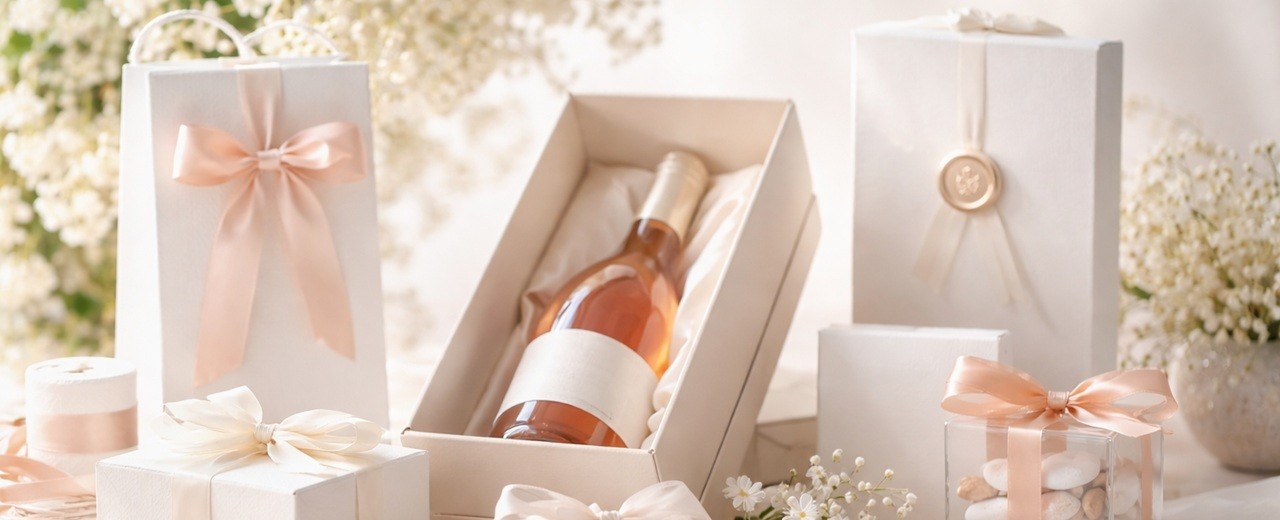
- For weddings: elegant boxes in white or ivory, with gold or silver details and the possibility of personalization with names or dates.
- For birthdays: bright and colorful packaging, with graphics that convey joy and cheerfulness.
- For corporate anniversaries: institutional and refined packaging, with colors and logos that reflect the brand identity.
These packages are perfect for businesses that want to create Personalized gifts for customers or employees.
5. Seasonality and local traditions
Each season and culture has its own peculiarities, and packaging can adapt to celebrate them:
- Spring and summer: bright and airy designs, with floral or marine motifs.
- Autumn: warm shades such as orange, brown and burgundy, with decorations inspired by the grape harvest or fallen leaves.
- Local or cultural events: packages that recall traditional festivals or celebrations specific to the territory.
This personalization helps brands create a stronger connection with local audiences and enhance their cultural roots.
6. Packaging for limited editions
Limited editions represent a winning marketing strategy to increase customer desire and stimulate purchase. Gift boxes for these occasions can include:
- Exclusive designs: graphics and materials that stand out from standard lines.
- Numbered details: To emphasize the uniqueness of the product (e.g., "1 of 500").
- Special messages: Telling the occasion or story behind the limited edition.
This strategy is particularly effective for fine wine bottles or aged spirits, where exclusivity is an element of attraction.
7. The importance of personal touch
Finally, thematic gift boxes can be further enhanced with customizations designed for the end customer:
- Names or initials: printed or engraved on the box.
- Personalized messages: such as dedications or thanks.
- Handmade details: such as hand-tied bows or unique decorations.
These measures create a unique experience, transforming each package into a special and memorable gift.
Thematic and seasonal packaging is a fundamental resource for enhancing products and capturing the attention of customers at specific times of the year. Investing in customized and well-finished packaging not only increases the perceived value of the product, but also allows you to establish an emotional connection with the customer. Whether it's Christmas, Valentine's Day or local events, every occasion can be made special with a gift box that tells a story and celebrates the moment.
9. How to choose the right packaging for your products
The choice of packaging for bottles of wine, oil, preserves and spirits is a strategic decision that can significantly influence product perception, sales and logistical efficiency. There is no one-size-fits-all solution: every type of product, brand, and market requires a specific approach. In this chapter, we will explore the fundamental criteria for identifying the ideal packaging, with practical tips to optimize the choice.
1. Analyze the product to be packaged
The first step is to understand the characteristics of the product, as these directly influence the type of packaging needed. Some factors to consider include:
- Size and shape: Standard 750ml bottles, magnum formats or jars require specific boxes to ensure a perfect fit.
- Fragility: For glass bottles, it is essential to opt for rigid boxes with internal dividers or protective inserts.
- Value of the contents: premium products deserve packaging that conveys luxury, while for more accessible lines, simple but well-finished packaging may be enough.
Knowing the product in depth is essential to choose packaging that enhances it without compromising its safety.
2. Consider the target audience
The packaging must meet the expectations and tastes of the end customer. To do this, it is useful to ask yourself a few questions:
- Who is the customer? A young audience may prefer modern, minimalist designs, while a more traditional target may be attracted to classic packaging.
- What is the context of use? Corporate gifts, personal gifts, or purchases for home use require different approaches.
- What values are important for the target group? If the public is sensitive to sustainability, eco-friendly packaging becomes an essential element.
Understanding the customer helps create packaging that not only protects the product, but strengthens the bond with the brand.
3. Evaluate the unboxing experience
Unboxing has become a pivotal moment in the customer experience, especially in the age of social media. Well-designed packaging can turn this moment into a memorable experience:
- Ease of opening: boxes should be practical to open without compromising the presentation of the product.
- Surprise elements: Small details, such as messages printed inside the box or decorative inserts, make unboxing more exciting.
- Photographable design: Accurate and original packaging is more likely to be shared on social media, increasing brand visibility.
A positive unboxing experience not only increases customer satisfaction, but it can also generate word-of-mouth and free promotion.
4. Focus on personalization
Packaging customization is a key element to stand out from the competition and create a unique bond with the customer. Possibilities include:
- Logo and branding: the packaging must be consistent with the visual identity of the brand.
- Themed graphics: suitable for specific seasons, events or celebrations.
- Personalized Messages: Ideal for corporate gifts or special occasions.
Customized packaging not only strengthens the brand image, but makes the product more memorable and appreciated.
5. Sustainability and materials
Today, choosing eco-friendly materials is more than a trend – it's a necessity. When selecting packaging, it is important to consider:
- Recycled or recyclable materials: to reduce environmental impact.
- Functional minimalism: designing packaging that reduces waste without sacrificing aesthetics and functionality.
- Reusability: sturdy and well-made boxes can have a second life, increasing the value perceived by the customer.
Investing in sustainable packaging not only improves the brand image, but meets the expectations of an increasingly environmentally conscious public.
6. Logistics efficiency
The convenience of packaging is crucial for those who handle large volumes of products or shipments. Here's what to consider:
- Easy assembly: ready-to-use or easy-to-assemble boxes reduce preparation time.
- Space optimization: packaging designed to reduce the overall volume facilitates transport and storage.
- Resistance to shipments: the boxes must protect the contents during long journeys and frequent handling.
Efficient packaging improves operational management and reduces costs, while maintaining high quality of service.
7. Budget and scalability
Finally, cost is a determining factor in the choice of packaging. It is important to:
- Balance quality and price: Invest in quality packaging without breaking your budget.
- Consider scalability: if sales increase, the chosen packaging must be able to be produced and managed on a large scale.
- Evaluate the return on investment: A package that is more expensive, but increases perceived value and sales, can prove to be a more profitable choice in the long run.
Planning the budget carefully guarantees a sustainable solution both from an economic and operational point of view.
Choosing the right packaging means finding the perfect balance between functionality, aesthetics and sustainability. Knowing the characteristics of the product, understanding the customer's needs and optimizing operational efficiency are the pillars of a winning strategy. Well-thought-out packaging not only protects the contents, but tells a story, improves the customer experience and strengthens brand identity, turning each package into a marketing and sales tool.
10. Why invest in premium gift boxes?
When it comes to packaging bottles of wine, oil, preserves or spirits, packaging is not just an aesthetic detail, but a real strategic tool to add value to the product and increase sales. Premium gift boxes represent an investment that offers numerous advantages, not only in terms of product perception, but also in terms of brand positioning and customer loyalty. In this chapter, we'll look at the reasons why choosing high-quality boxes can make all the difference.
1. Increased perceived value of the product
Premium gift boxes immediately convey a sense of quality and prestige. When a customer sees a carefully packaged product:
- Associate the packaging with the quality of the contents: an elegant and well-finished box suggests that the product inside is just as valuable.
- Justify a more alto price: the customer is willing to pay more for a product that appears exclusive and luxurious.
- It makes the product perfect to be given as a gift: a premium packaging eliminates the need for additional decorations, immediately transforming the product into a prestigious gift.
This is especially important in the food and wine and corporate gifting industries, where packaging is an integral part of the overall experience.
2. Differentiation in a competitive market
In a crowded market, standing out from the competition is crucial. Premium gift boxes offer a significant competitive advantage:
- They capture the customer's attention: the attractive design and quality materials make the product stand out on the shelves or in the windows.
- They convey uniqueness: exclusive packaging communicates that the product is special and different from the alternatives available.
- They create an emotional connection: high-quality packaging evokes positive emotions, such as joy and satisfaction, increasing the desire to buy.
Premium packaging can become a distinctive element that strengthens the brand's positioning on the market.
3. Customer Experience and Retention
Quality gift boxes not only enhance the first impression, but help create a memorable customer experience. Some things to consider include:
- Exciting unboxing: Opening a well-designed box is a pleasant experience, which adds value to the product.
- Reusability: Many premium boxes are designed to be reused, becoming decorative or useful containers, and keeping the brand visible over time.