Why eco-friendly packaging has become essential
In recent years, the consumer has radically changed the way they look at food products, and in particular typical and organic ones. If once it was enough to offer quality and taste, today the customer expects much more: he wants transparency, traceability, authenticity, but above all consistency. In other words, it is not enough to declare that the product comes from environmentally friendly agriculture or craftsmanship: every aspect of the supply chain must tell the same story, including the packaging.
This is why ecological packaging can no longer be considered a detail or a simple aesthetic quirk. It has become a real extension of the product, an element that has the task of protecting it, enhancing it and communicating its values. If a customer finds an organic jam packaged in non-recyclable plastic or a typical cheese wrapped in anonymous materials, the message they receive is dissonant. The feeling of inconsistency puts at risk trust, which is instead the basis of the relationship between producer and consumer.
In this scenario, ecological packaging represents a decisive competitive factor. It is not only a matter of reducing the environmental impact – a need that is now essential at a global level – but also of strengthening the image of the brand and its credibility on the market. According to a 2023 McKinsey report, more than 60% of European consumers say they are willing to switch brands if they find a product with more sustainable packaging. And a Nielsen study confirms that more than 70% of customers are ready to pay a premium for eco-friendly packaging.
If you produce typical or organic food, you therefore have a double interest: on the one hand to protect the environment and align yourself with the principles of your supply chain, on the other hand to respond concretely to market expectations. Eco-friendly packaging thus becomes a long-term investment, capable of generating value not only for the individual product, but for the entire company reputation.
But what does "ecological packaging" mean, in practice? It is not enough to choose a material that is defined as "green" or apply a label with a natural color. Being ecological means considering the entire life cycle of the packaging: from the origin of the raw materials, to the production process, to the impact during transport, up to the possibility of recycling or reuse after consumption. Every choice must be consistent and measurable, to avoid the risk of slipping into so-called greenwashing, i.e. superficial and misleading environmental communication that the most attentive customers immediately recognize.
Let's think of a concrete example: a company that produces organic extra virgin olive oil. Choosing lightweight glass bottles not only reduces raw material consumption and transport costs, but also communicates a real commitment to sustainability. If you add to this a recyclable aluminum cap, a label printed with vegetable inks on FSC-certified paper and a QR code that tells the story of the supply chain, packaging becomes a powerful marketing tool, capable of conveying consistency and transforming an already good product into a complete experience.
This guide was created with the aim of offering you an in-depth and practical overview of the topic of ecological packaging applied to typical and organic products. You will not only find generic concepts or slogans, but concrete data, regulatory references, real-world examples, comparisons of materials, operational advice and a clear vision of the innovations that are changing the sector.
Our path will start from the symbolic and strategic value of packaging, and then go into detail about the regulations, the materials available and the most effective solutions for each type of product. We will analyze market trends, consumer expectations, the opportunities offered by new technologies and the economic impact of ecological choices. We will conclude with a section of practical tips and an operational check-list that will help you assess the consistency of your packaging and improve it step by step.
The result will be a guide that does not just "talk about sustainability", but that will provide you with concrete tools to transform packaging into a strategic ally of your business. Because packaging is never just a container: it is a messenger that carries with it the values of your company and that can determine the success or failure of a product on the market.
The role of packaging in typical and organic products
When you think of the packaging of your typical or organic products, you don't have to imagine it as a simple protective wrap. Packaging is much more: it is the first contact between the consumer and your company, the "business card" that can determine the purchase or abandonment of a product on the shelf. In an increasingly crowded and competitive market, packaging is often what catches the eye before the customer even reads the label or tastes the contents.
Packaging as protection and quality assurance
The first task of packaging is to ensure that the product arrives intact and safe to the consumer. If you sell extra virgin olive oil, the container must protect it from light and oxidation. If you pack a typical cheese, the pack must maintain the right breathability, while avoiding external contamination. If you offer artisanal biscuits, the packaging must preserve their fragrance and prevent humidity.
In other words, without functional packaging, even the best product risks reaching the customer in compromised conditions. This is where the choice of materials and structure becomes strategic, not only in terms of sustainability, but also in terms of food safety and product durability.
Packaging as a marketing tool
Packaging is not only function, but also communication. Tell who you are, where you come from, what values you drive. An organic wine packaged in a light bottle with a recycled paper label communicates authenticity and respect for nature. On the contrary, the same wine enclosed in a heavy bottle, with a glossy and plasticized label, would convey an inconsistent message and risk alienating the sustainability-conscious consumer.
In this sense, packaging is a real media, a channel that transmits values even before the customer reads the technical information. Shapes, colors, textures, materials and even the sound of a closure (think of the cap that "cracks" when you open a vacuum jar) contribute to creating an experience that remains etched in the memory.
Typicality and craftsmanship: the difference can be seen
Typical products have a peculiarity: they tell a story. A Sardinian pecorino is not just cheese, it is the representation of a territory, a pastoral tradition, a knowledge handed down. An organic berry jam is not just sweetness, it is a symbol of genuineness, of a short supply chain, of respect for nature.
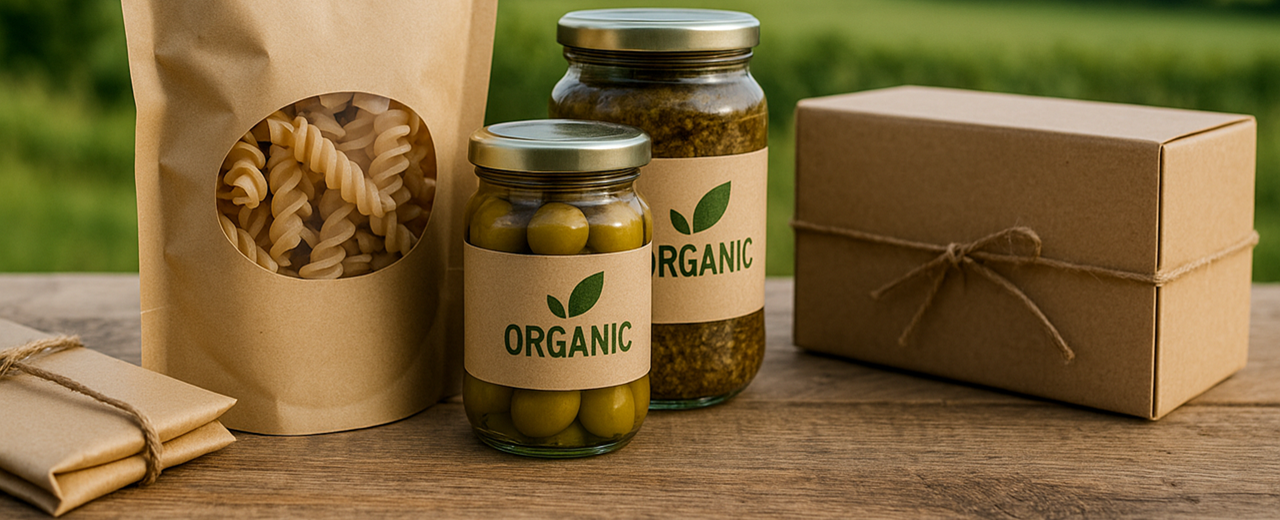
Packaging must be able to translate these values into visible and tangible signs. A raw paper with monochrome printing can recall craftsmanship, a glass jar with a wooden cap communicates naturalness, a recycled cardboard box with illustrations of the local landscape conveys a link with the territory. Every graphic and material choice must be functional to strengthen the identity of the product.
The consumer as a packaging reader
Don't forget that today's customer is much more attentive and informed. It reads labels, looks for certifications, observes recyclability symbols and assesses the environmental impact of packaging. For this reason, packaging becomes a language that must be clear, transparent and consistent.
A concrete example: an organic honey producer decided to replace plastic labels with recycled paper and natural inks. On the label he has included a small guide on the correct disposal of the jar and cap, and a QR code that leads to a video where he shows the bees and flowers from which the honey grows. The result? Not only an increase in sales, but above all a growth in loyalty: customers feel part of a community that shares values.
Packaging as a differentiator on the market
Finally, packaging is a positioning tool. In a market dominated by large-scale distribution, where shelf space is limited and competitive, packaging becomes decisive for standing out. A typical or organic product, however high-quality, risks going unnoticed if it does not come with a pack capable of attracting, communicating and convincing.
This is where the ability to combine aesthetics and sustainability comes into play: the consumer rewards companies that are able to offer beautiful, functional and ecological packaging. It is a complex challenge, but also a great opportunity for small producers, who can use packaging as a lever to stand out against large industrial brands.
Sustainability and brand identity
When we talk about typical and organic products, sustainability is not optional: it is an integral part of the promise you make to the consumer. Those who choose an organic or artisanal food do not buy just a taste, but a set of values: respect for nature, attention to the territory, attention to detail. For this reason, packaging is much more than a container: it becomes a symbol of your corporate identity.
Consistency as the key to credibility
Imagine a consumer buying an organic tomato puree. He expects everything, from the product to the packaging, to reflect authenticity and respect for the environment. However, if he finds the tomato in a non-recyclable plastic container, with glossy labels and polluting glue, the message he receives is contradictory. The perception is: "you're talking to me about nature and sustainability, but you don't show it all the way". This dissonance can compromise trust and lead the customer to switch brands.
On the contrary, when the packaging reflects the declared values, trust is strengthened. A lightweight glass jar, a recyclable aluminum cap, an FSC-certified paper label with clear instructions on disposal tell a story of consistency. And consistency is the basis of credibility.
The risk of greenwashing
Many companies have realized that sustainability is a sales driver and are trying to ride this trend. Unfortunately, they don't always do it sincerely. This is the phenomenon of greenwashing: communicating an environmental commitment only in words, without a real change in production processes.
Common examples of greenwashing in packaging:
- use "natural" colors (green, brown, beige) without any real certification;
- insert ambiguous symbols imitating eco-labels;
- speak generically of "recyclable pack" without specifying how and under what conditions;
- boast the compostability of materials that, in reality, require industrial plants often not available in the area.
The problem is that consumers are increasingly prepared and easily recognize these artifices. The damage to reputation can be enormous: not only do you lose a customer, but you risk compromising the trust of an entire community of attentive consumers.
Sustainability in numbers
The data speak for themselves. According to the Global Buying Green Report 2023, 76% of European consumers say that sustainable packaging influences their purchasing choices. In Italy, a 2022 Nomisma survey found that more than 60% of buyers of organic products consider eco-friendly packaging to be "very important" in their purchase decision. In addition, a report by Nielsen shows that 70% of customers are willing to pay a higher price alto for eco-friendly and transparent packaging.
These data highlight how sustainability is no longer an added value, but a competitive requirement. A manufacturer who ignores this reality risks losing ground, while those who invest in consistency and authenticity gain market share and build stronger relationships with customers.
Packaging as a brand ambassador
Eco-friendly packaging thus becomes an ambassador for your brand. Not only does it protect and communicate, but it embodies the company's values. It is a way of telling the consumer: "you can trust us, because we mean business".
A dairy that packs typical cheeses with compostable anti-grease paper and recycled cardboard boxes not only reduces the environmental impact, but reinforces the perception of quality and respect. A winery that adopts lightened glass bottles and natural cork stoppers conveys attention to detail and environmental sensitivity. In both cases, packaging is not a neutral element, but an ally that constantly works for the brand's reputation.
Eco-friendly materials for food packaging
When it comes to eco-friendly packaging, the choice of materials is the most critical element. It is not enough to select "something that looks green": it is necessary to evaluate origin, performance, disposal and consistency with food regulations. Each material has its strengths and limitations, and the choice must be made according to the type of product, the reference market and logistics.
In this section we analyze the main ecological materials used today for food packaging, with specific attention to typical and organic products.
1. Certified paper and cardboard
Features
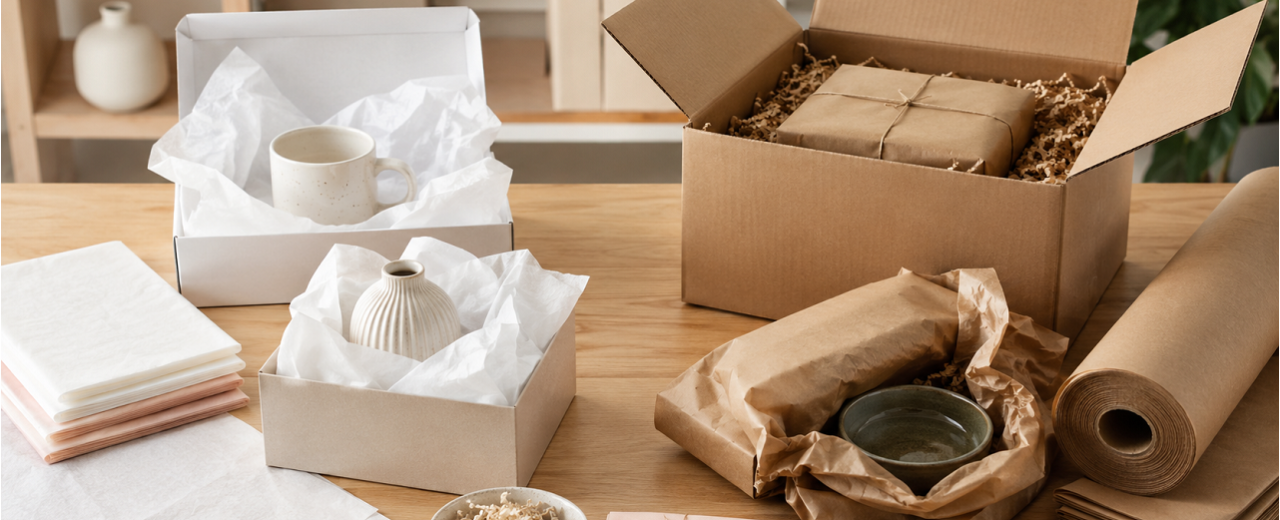
Paper and cardboard from sustainably managed forests (FSC, PEFC) or recycled. They can be virgin, recycled or coupled with protective coatings of natural origin.
Advantages
- Widely available and cost-competitive.
- Recyclable in the paper supply chain.
- Aesthetically consistent with the natural and artisanal image.
- Printable with ecological water-based or vegetable based inks.
Limits
- Poor resistance to moisture and grease without additional treatments.
- Compostable protective barriers even more expensive than traditional plastics.
Examples of use
- Boxes for artisanal pasta or typical desserts.
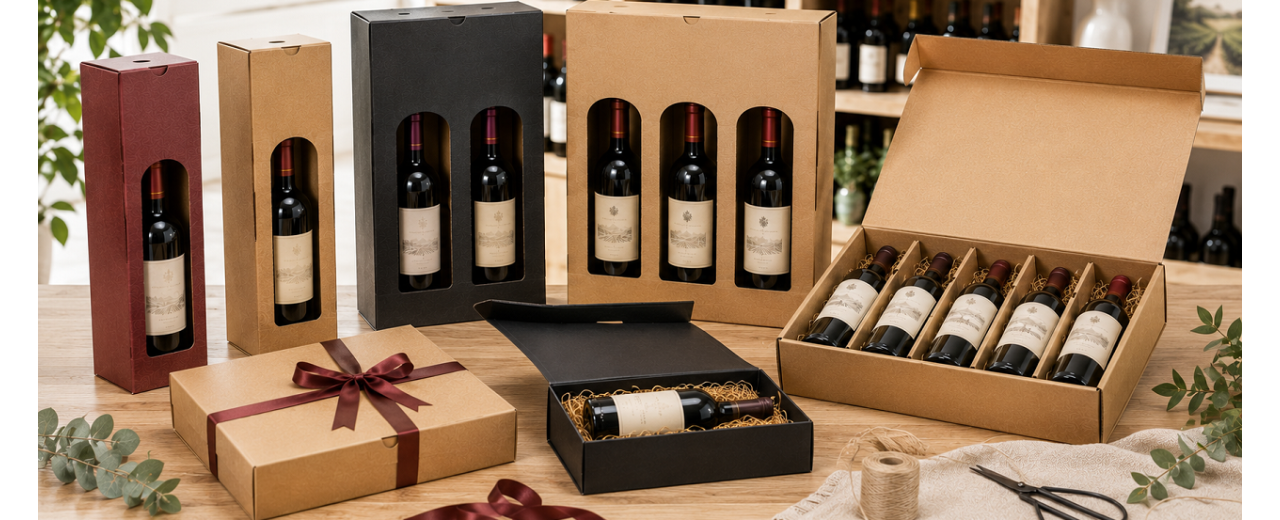
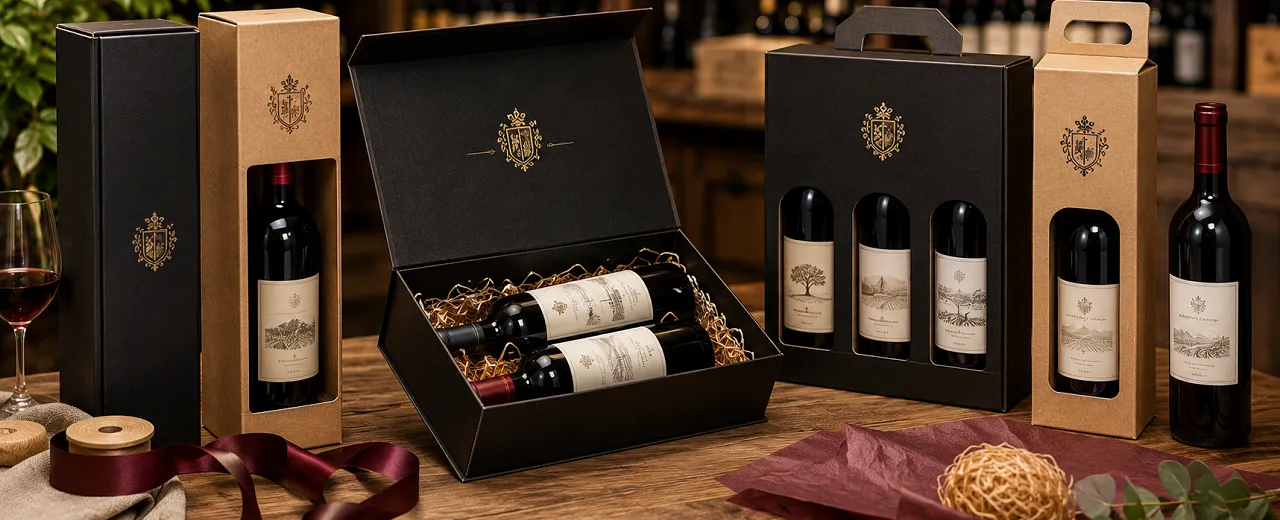
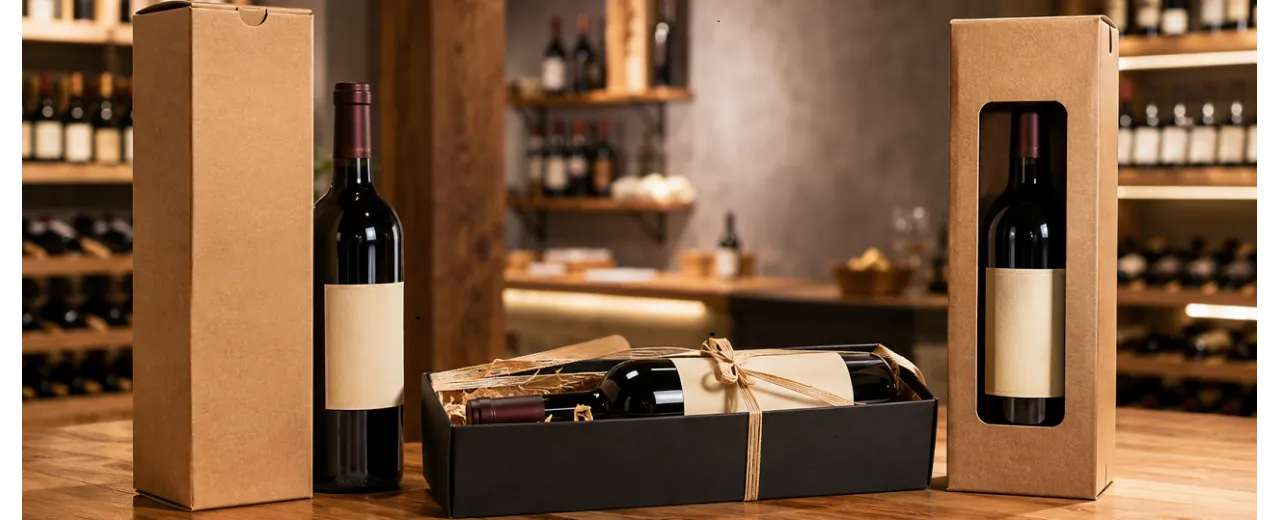
- Gift boxes for wine, oil and bakery products.
- Aticelca certified anti-grease papers for cold cuts and fresh cheeses.
Approximate cost: € 0.05 – € 0.30 per piece (depending on grammage, treatments and print run).
2. Bioplastics and compostable films
Features
Materials derived from plant sources (corn starch, sugar cane, cellulose) certified OK Compost or OK Biobased. They can be transparent or opaque, with properties similar to PET or PLA.
Advantages
- Compostable in industrial plants.
- Good barrier properties to oxygen and moisture.
- "Green" alternatives to single-use plastic.
Limits
- Compostability only in dedicated plants (not always available in the area).
- Higher costs than traditional plastics.
- Lower mechanical resistance for some uses.
Examples of use
- Transparent bags for organic bakery products and biscuits.
- Trays for fresh fruit and vegetables.
- Single-dose sachets for organic spices or herbal teas.
Approximate cost: €0.08 – €0.40 per piece.
3. Glass
Features
Traditional material par excellence in food, recyclable infinite times without loss of quality. Also available in lightweight glass versions.
Advantages
- Infinitely recyclable.
- High barrier to oxygen, light and odours.
- Perception of purity, quality and value.
Limits
- High weight, resulting in transportation costs and logistical impact.
- Fragility.
- Higher production and customization costs than plastic.
Examples of use
- Jars for honey, preserves, jams.
- Bottles for wine and oil.
- Premium packaging for typical liqueurs.
Approximate cost: € 0.20 – € 1.00 per piece (depending on shape, weight and print run).
4. Aluminum
Features
Lightweight, ductile and recyclable metal infinite times. Used for cans, capsules and airtight containers.
Advantages
- 100% recyclable with no loss of quality.
- Lightweight compared to glass.
- Excellent barrier to light and oxygen.
- Reduction of waste thanks to the long shelf-life.
Limits
- High production energy cost (compensated, however, by recycling).
- Aesthetic impact perceived as less "artisanal" if not customized well.
Examples of use
- Cans for craft beers or organic soft drinks.
- Capsules for single-dose extra virgin olive oil.
- Resealable trays for typical convenience foods.
Approximate cost: €0.10 – €0.50 per piece.
5. Innovative materials (bio-based and experimental)
Features
New solutions are emerging in the eco-friendly packaging sector.
- Mushroom (mycelium) packaging: biodegradable material obtained from the growth of mycelium.
- Algae and vegetable fibers: thin and compostable films.
- Nanostructured cellulose: transparent, with very good barrier properties.
Advantages
- Extremely innovative and with a strong communicative impact.
- Compostable or biodegradable naturally.
- Ideal for differentiating yourself on the market.
Limits
- Costs are still high.
- Limited production and not always available on a large scale.
- FCM suitability to be verified on a case-by-case basis.
Examples of use
- Packaging for typical artisanal sweets to be sold at fairs and organic markets.
- Premium pack for niche products with strong green storytelling.
Indicative cost: still variable, often 30–50% higher than traditional materials.
Material comparison table
|
Material
|
Key Benefits
|
Limits
|
Disposal
|
Recommended typical products
|
|
Paper/cardboard
|
Economical, natural, recyclable
|
Not very resistant to grease/moisture
|
Paper collection
|
Pasta, desserts, aged cheeses
|
|
Bioplastics
|
Compostable, transparent
|
Industrial composting, high costs
|
Organic/compost
|
Biscuits, fruits, spices
|
|
Glass
|
Recyclable infinite, premium, barrier top
|
Heavy, fragile
|
Glass
|
Oil, wine, honey, preserves
|
|
Aluminium
|
Lightweight, barrier, recyclable
|
High energy production
|
Metals
|
Craft beer, single-serve oil
|
|
Innovative
|
Strong storytelling, biodegradable
|
Expensive, experimental
|
Compost/biodegr.
|
Niche products, gourmet
|
The choice of material is never neutral: it affects consumer perception, environmental impact, costs and even logistics. For a typical and organic producer, the goal must be twofold: to comply with regulations and to communicate consistency with the brand's values.
Good eco-friendly packaging is one that manages to combine functionality, sustainability and storytelling. And, as we have seen, today there are solutions suitable for every need, from the most traditional to the most innovative.
Functional and food-safe packaging
The first duty of packaging is to protect. No matter how ecological, beautiful or innovative it may be, if it does not fulfill its primary function – to guarantee safety and quality to the consumer – it is a failure. When we talk about typical and organic products, this responsibility is even greater: we are talking about foods that often have delicate sensory characteristics, handed down recipes and nutritional values that must be preserved.
Functional packaging must meet three fundamental criteria:
- Physical protection – integrity of the product during transport and storage.
- Food safety – MOCA certified materials, free of contaminants.
- Shelf-life – maintenance of organoleptic and nutritional properties.
Reference legislation
Europe has established strict rules for food contact materials. Regulation (EC) No. 1935/2004 is the general framework: it establishes that any material must not transfer substances to food in quantities that may pose a danger to human health or alter its smell and taste.
In addition to this, there are specific regulations:
- Reg. (EU) 10/2011 for plastics intended for food contact.
- Reg. (EC) 2023/2006 on Good Manufacturing Practices (GMP).
- National standards and ministerial guidelines for particular materials (e.g. regenerated cellulose, ceramics, metals).
A typical or organic producer must always request and keep the MOCA declarations of conformity of the materials used, to ensure the traceability and safety of their packaging.
Specific needs for the main typical and organic products
1. Extra virgin olive oil
Oil is very sensitive to light, oxygen and heat. This is why packaging must guarantee total protection.
- Recommended solutions: lightened dark glass bottles, aluminum cans, recyclable aluminum capsules.
- Common mistakes: transparent bottles that are not shielded, non-airtight closures that accelerate oxidation.
2. Wine
Wine is influenced by light, temperature and oxygen.
- Recommended solutions: dark or green glass, recyclable natural or synthetic cork stoppers, compostable bag-in-boxes for large-scale distribution.
- Common mistakes: use of unnecessary heavy bottles (increase costs and environmental impact), labels with unsuitable glues that contaminate the recycling chain.
3. Typical cheeses
Cheeses have very different needs based on the maturation.
- Recommended solutions: Aticelca certified anti-grease papers for seasoned products; compostable trays or breathable biodegradable films for fresh products.
- Common mistakes: wrapping fresh cheeses in non-breathable plastic → risk of mold and unwanted fermentation.
4. Cured meats and sausages
They need oxygen protection, but also breathability to maintain aroma and texture.
- Recommended solutions: compostable barrier films, special papers coupled with natural coatings.
- Common mistakes: packaging that is too waterproof that creates condensation and alters the product.
5. Preserves and jams
They must be stable over time, safe from contamination and presentable.
- Recommended solutions: glass jars with metal twist-off caps, recyclable aluminum capsules, FSC paper labels with natural inks.
- Common mistakes: use of capsules with paints that are not suitable → release of unwanted substances.
6. Bakery products (biscuits, bread, typical sweets)
Very sensitive to humidity, they must remain crunchy and fragrant.
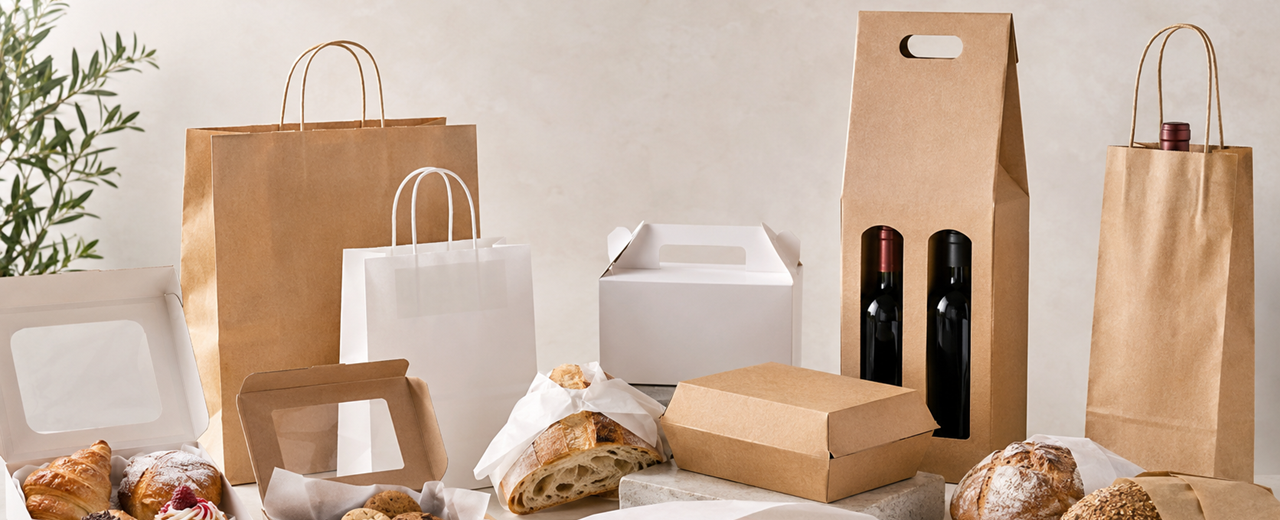
- Recommended solutions: paper bags with compostable bioplastic window, cardboard boxes with protective interiors.
- Common mistakes: packaging that is too permeable → dry or rubbery product before expiration.
Functionality and design: a balance to be found
Safe packaging doesn't have to be complex. Often the best solution is the one that combines simplicity and functionality:
- compostable anti-grease paper for a typical sandwich sold at the fair;
- light aluminum can for an organic oil sold in large-scale distribution;
- Lightened glass bottle for a winery that wants to reduce emissions.
The important thing is not to fall into the mistake of "pushing too the green" by sacrificing the safety of the product. A spoiled cheese or a rancid oil generate much worse damage to a brand's reputation than a less innovative but safe pack.
Eco-friendly packaging must always start from one base: it must be functional and safe. Only after ensuring integrity and compliance with regulations can we think about design, storytelling and marketing. For typical and organic products, this balance is fundamental: protecting artisanal quality and at the same time communicating sustainability is what transforms packaging into a strategic ally.
Green design and storytelling
Packaging doesn't just speak through materials: it also communicates through design. It is what catches the eye, generates emotions and tells a story. For typical and organic products, packaging design is a visual language that must be able to convey naturalness, authenticity and consistency with the values of sustainability.
The psychology of color and shape
Consumers do not choose only with their heads, but above all with their eyes. Numerous neuromarketing studies confirm that more than 60% of purchasing decisions on the shelves take place in less than 10 seconds, driven mainly by the color and shape of the packaging.
- Natural colors such as green, brown, beige and ivory evoke genuineness and simplicity.
- Dark colors such as matte black and deep blue communicate premium and quality, widely used in organic oil and wine.
- Bright colors such as yellow and red, when used with moderation, attract attention and convey energy (e.g. tomato preserves, honey).
Shapes matter just as much: simple and minimalist lines suggest authenticity, while packs that are too complex risk looking artificial.
Textures and materials as tactile storytelling
Packaging is also a sensory experience: touch plays an important role. A recycled paper with a rough surface communicates craftsmanship, a satin glass conveys elegance, a natural wood cap suggests respect for tradition.
The consumer does not "read" these elements rationally, but perceives them. A jar of honey with a wooden cap communicates genuineness even before the eye registers the label. This is what in marketing is called sensory storytelling.
The label as a storytelling tool
The label is not a simple regulatory obligation: it is a blank page that you can use to tell the story of your product. Consumers of typical and organic products want to know the history: where the raw material comes from, who processes it, how it is transformed.
Concrete storytelling tools on the label:
- Maps and illustrations of the territory: recall the geographical origin.
- Short and narrative texts: they tell the story of family tradition or craftsmanship.
- Interactive QR codes: link to videos, interviews, virtual visits to the farm or winery.
- Sustainability icons: they make the message about disposal and certifications (FSC, OK Compost, recyclability) immediate.
A real example: some farms include a photo of the producer or farm on the label. This creates a human and direct relationship, making the product unique and recognizable.
Transparency as a value
The organic consumer is attentive and is not satisfied with slogans. He wants transparency. Clearly stating the recyclability of the packaging, specifying the origin of the materials or explaining the choice of a certain packaging strengthens credibility.
An example: an artisan pasta manufacturer that uses recycled cardboard boxes with a compostable bioplastic window has printed instructions for proper disposal on the back, explaining the difference between the paper part and the window. This small gesture not only helps the customer, but conveys authenticity and respect.
Design as coherence between content and container
The design of the packaging must be consistent with what it contains. A typical or organic product packaged with an overly glossy packaging risks looking artificial, while a simple but well-kept design reinforces the image of genuineness.
In practice:
- for an organic jam → glass jar, natural paper label with illustration of the fruits;
- for a natural wine → light bottle, minimal label with few colors, textured paper;
- for a typical cheese → grease-proof paper with monochrome printing that recalls the territory.
The consumer immediately perceives consistency and rewards those who know how to tell values in an authentic way.
Eco-friendly packaging communicates not only through its sustainability, but also through the design and storytelling it conveys. Colors, materials, textures, labels and transparency become an integral part of the product's storytelling. For typical and organic products, this synergy is fundamental: the consumer does not only buy food, but an experience made up of history, territory and shared values.
Consumer experience and reuse
Packaging does not end its function with the purchase: it can become an integral part of the experience that the consumer has with your product. In a market where customers are looking for emotions and not just consumer goods, the packaging is called upon to extend the relationship with the brand even after opening.
Unboxing as an emotional moment
The act of opening a package – the unboxing – has become a ritual. Just look at the millions of videos online to understand how much people love to share this moment. For typical and organic products, unboxing can turn into an experience that reinforces the image of genuineness and craftsmanship.
- A cardboard case with an interlocking closure conveys dexterity and simplicity.
- A box that reveals illustrations of the territory creates surprise and involvement.
- A paper ribbon printed with green messages reinforces the perception of authenticity.
These details affect the consumer's memory, who associates the brand with positive emotions and perceives it as closer to their values.
Reusable packaging: from waste to resource
Packaging can continue to live after consumption, transforming itself from waste to a useful object. It is a concept that consumers are increasingly appreciating because it reduces waste and adds value to the purchase.
Concrete examples:
- Glass jars of honey or jams designed to be reused in the kitchen as containers.
- Rigid cardboard boxes for typical panettone that become document holders or gift boxes.
- Natural fabric bags for legumes or biscuits that can be reused as shopping bags.
These solutions have a double effect: they reduce the environmental impact and keep the brand present in the customer's daily life. Every time the consumer reuses a pack, they unconsciously renew the bond with the brand.
Loyalty through reuse
Packaging designed to be reused is not only ecological: it is a powerful loyalty tool. If a jar becomes a container, if a box is transformed into a useful object, the consumer does not limit himself to remembering the product, but keeps the brand with him.
Some companies have already developed real marketing strategies based on reuse:
- a biscuit manufacturer has launched a collection of illustrated tin boxes, designed to be collected and used as domestic containers;
- a dairy has created light wooden packages that, once emptied, become useful for storing small objects;
- Some wineries use premium cardboard cases that turn into reusable bottle holders.
The result is a deeper and more lasting relationship with the customer, who perceives the brand as part of their daily life.
Turning experience into communication
Reusable or emotional packaging doesn't just improve the customer experience: it also becomes indirect communication. When a consumer stores and displays a beautiful and functional container, they are effectively advertising your brand in its social context.
Example: a box of typical biscuits that becomes a kitchen container remains on display in the house for a long time, turning into silent and lasting advertising. This type of communication has no additional costs and creates authentic visibility, much more effective than a traditional commercial.
Packaging is never a neutral element: it is part of the experience and can become a resource rather than waste. Emotional unboxing, intelligent reuse and design designed to accompany the customer beyond the moment of purchase are tools that strengthen loyalty and increase the perceived value of the brand.
For typical and organic products, which live on history, link with the territory and authenticity, experiential and reusable packaging represents a very powerful lever to stand out on the market and build a lasting relationship of trust with consumers.
Innovations and trends in eco-friendly packaging
Food packaging is no longer just a container: today it is a concentrate of technology, research and design. The new solutions are transforming packaging into a multifunctional tool, capable not only of protecting and communicating, but also of interacting with the consumer and drastically reducing the environmental impact.
For typical and organic products, these innovations represent an extraordinary opportunity: not only do they reinforce the message of sustainability, but they also allow them to differentiate themselves and win over the most attentive and informed consumers.
Blockchain and digital traceability
One of the most interesting trends is the use of blockchain to ensure food traceability. Through a simple QR code printed on the packaging, the consumer can access all the information of the supply chain: origin of raw materials, cultivation method, organic certifications, transport and packaging.
For typical and PDO products, this is an enormous value: it allows you to fight counterfeiting, strengthen transparency and communicate authenticity. Some Italian wine cooperatives have already adopted this technology, offering the customer a "digital identity card" of the wine purchased.
Smart packaging: when packaging becomes interactive
Smart packaging includes all those solutions in which the container is not passive, but interacts with the food or the consumer.
Practical examples:
- Freshness indicators that change color if the cold chain has been broken (useful for fresh cheeses and cured meats).
- Smart labels that signal the opening of the pack, ensuring security and tamper-proof.
- NFC tags that, by bringing the smartphone closer, offer multimedia content: production videos, recipes, nutritional information.
These systems strengthen trust, because they allow the consumer to "dialogue" with the product.
New bio-based and biodegradable materials
Research on materials is making great strides. In addition to paper, glass and aluminium, innovative solutions are emerging:
- Mycelium (mushroom) packaging: biodegradable material that can replace polystyrene and expanded plastics, ideal for transport boxes or bottle protectors.
- Algae-based films: transparent, flexible and compostable, suitable for single-dose spices, snacks or condiments.
- Nanostructured cellulose: transparent, resistant and with barrier properties, a potential alternative to plastic.
- Alternative vegetable fibers: hemp, flax, corn or citrus waste transformed into innovative paper and cardboard, ideal for premium packaging with strong territorial storytelling.
These materials not only reduce waste, but add a strong communicative impact: they tell of a concrete commitment to the search for sustainable solutions.
Eco-friendly printing and inks
Eco-friendly packaging cannot be separated from printing. Today, water-based or vegetable-based inks are available, free of chemical solvents, which guarantee high visual quality and basso environmental impact.
Printing techniques are also evolving:
- On-demand digital printing, which reduces waste and allows customisation even for short runs (ideal for artisan companies).
- Laser engraving on wood or cardboard, to completely eliminate the use of inks.
- Eco-friendly finishes such as water-based paints, embossing and natural textures that enhance the pack without adding components that are difficult to recycle.
Edible packaging: utopia or near future?
A fascinating area of research is that of edible packaging: thin films based on starch or proteins that can be consumed together with food. Some start-ups are experimenting with edible sachets for spices, snacks or single-serve sauces.
Although still niche and with regulatory limits to be overcome, this approach could revolutionize the concept of waste, completely eliminating the need to dispose of the package.
Weight reduction and green logistics
Innovation does not always mean inventing new materials. One of the most concrete trends that has already been applied is the reduction of the weight of packaging:
- lightened glass that maintains strength but reduces raw material consumption and transport costs;
- thinner aluminum, with the same barrier but lower environmental impact;
- Cartons optimized to take up less pallet space and reduce emissions during distribution.
These measures have a double advantage: lower ecological impact and reduced operating costs, without compromising quality and safety.
Innovations in eco-friendly packaging are not just fashion trends, but concrete tools that are transforming the industry. Blockchain, smart packaging, bio-based materials, natural inks and weight reduction open up new possibilities for typical and organic producers.
Adopting these solutions means standing out, strengthening brand credibility and building a lasting relationship of trust with consumers. Because packaging, today more than ever, is much more than a container: it is technology, marketing and sustainability at the same time.
Economic and logistical aspects
One of the most common obstacles when it comes to eco-friendly packaging is the perception of costs. Many manufacturers fear that switching to sustainable solutions means drastically increasing spending, reducing margins. In fact, a more in-depth analysis shows that eco-friendly packaging, if chosen wisely, can generate concrete savings and economic return in the medio term, especially when considering logistics, marketing and loyalty.
Direct costs: why "green" is not always more expensive
It's true: in some cases, ecological materials have a higher unit price. A compostable bioplastic can cost up to 20–30% more than a traditional plastic. Papers with natural barriers or FSC-certified cartons are also priced slightly alto than conventional alternatives.
But that's only part of the equation. You have to consider:
- Reduced material used: New, optimized designs reduce thickness and weight, compensating for higher costs.
- Greater perceived value: the consumer is willing to pay more for a sustainably packaged product.
- Reduction of penalties: many distribution chains are starting to exclude packs that do not comply with internal environmental policies.
Logistics: the weight of packaging matters
Packaging directly affects logistics, and therefore transport and storage costs.
- Lightened glass: up to 30% less weight with the same strength → less emissions and lower transport costs.
- Thin aluminium: reduces environmental impact and allows for optimised volumes.
- Pallet-optimized cartons: Increase the number of units per shipment, reducing travel.
Practical example: a winery that adopted lightweight bottles reduced annual logistics costs by 18% and lowered CO₂ emissions by 15%.
LCA (Life Cycle Assessment) analysis
To assess the real impact of packaging, the LCA – Life Cycle Analysis methodology is useful, which takes into consideration:
- consumption of raw materials,
- energy used for production,
- transport and logistics,
- consumer use,
- end-of-life (recycling, composting, disposal).
Companies that have introduced LCAs into their decision-making processes have found that, often, the green alternative reduces not only the environmental impact but also the overall costs along the supply chain.
Marketing and return on investment
Eco-friendly packaging is also a marketing lever:
- Differentiation: in a crowded market, a sustainable pack increases recognition.
- Perceived value: According to Nielsen, 70% of consumers are willing to pay a premium for eco-packaged products.
- Loyalty: packaging consistent with green values creates trust and leads to more frequent repurchases.
Example: a small dairy that replaced traditional plastic films with compostable paper increased the medio price of its products by 5% without reducing sales. On the contrary, it has seen a 12% increase in loyal customers.
Incentives and regulations as a competitive advantage
More and more governments and institutions are rewarding companies that adopt sustainable solutions. In Italy and Europe there are:
- Tax credits for investments in the circular economy.
- Regional tenders for agri-food companies that reduce environmental impact.
- Logistical benefits for those who use recycled or compostable materials.
Ignoring these incentives means giving up a concrete economic opportunity.
Eco-friendly packaging is not an extra cost, but a strategic investment. When evaluated along the entire supply chain – from production to transport, up to marketing and loyalty – it is often more cost-effective than traditional packaging.
For a typical and organic producer, choosing sustainable packaging means not only respecting the environment, but also optimizing logistics, increasing perceived value and ensuring an economic return in the medio term.
Practical tips for manufacturers
At this point in the guide, you have seen how ecological packaging for typical and organic products is not only an ethical choice, but also a functional, logistical and marketing one. However, when it comes time to make concrete decisions, many manufacturers ask themselves: where do I start? How do I choose the right packaging without risking costly mistakes?
This chapter collects practical guidelines, concrete cases and common mistakes to avoid.
How to choose the right material
- Start with the product
Each food has different needs: oil fears light, biscuits humidity, cheeses need breathability. Before thinking about aesthetics and storytelling, evaluate the technical needs.
- Consider the sales channel
- Large-scale distribution → needs resistant packaging, with a clear barcode and great visibility.
- Local markets → simple, artisanal pack that conveys authenticity.
- Export → compliance with international regulations and resistance to transport.
Balance sustainability and convenienceSometimes a compostable material is not the best choice if there are no composting facilities in the sales area. In that case, it is better to have a recyclable material already integrated into the urban supply chain.
Common mistakes to avoid
- Focus only on aesthetics: a beautiful but non-functional pack damages the product.
- Greenwashing: never declare "100% eco" if it is not true or verifiable. Customers find out.
- Ignore disposal: if the consumer does not understand how to differentiate the pack, he perceives it as inconsistent.
- Using too many different materials: they make recycling difficult (e.g. cardboard box + non-separable plastic window).
- Don't test the packaging: before mass production, do shelf-life, transport and satisfaction tests with sample customers.
Best practices to adopt
- Simplify: less materials, easier recycling.
- Communicate: clearly explain how to dispose of the packaging, preferably with simple icons and instructions.
- Customise: short runs of customised packaging (thanks to digital printing) allow you to differentiate batches or tell specific stories.
- Make the pack part of the experience: a QR code can link to a recipe video or a virtual visit to your company.
- Collaborate with suppliers: always ask for certifications (FSC, PEFC, OK Compost, Aticelca) and MOCA declarations.
Checklist for truly eco-friendly packaging
Here is a list of questions that you can use as a practical self-assessment tool:
- Is the material chosen recyclable or compostable according to the supply chains existing in my area?
- Have I checked the FCM compliance of the packaging?
- Have I chosen certified materials (FSC, PEFC, OK Compost, Aticelca)?
- Does the packaging guarantee food safety and adequate shelf-life for my product?
- Is the design consistent with my brand values (craftsmanship, sustainability, typicality)?
- Have I provided clear instructions to the consumer for disposal?
- Have I assessed the logistical impact (weight, volume, transport)?
- Have I calculated the cost/benefit in terms of customer perception and loyalty?
- Can the packaging be reused by the customer, prolonging the relationship with the brand?
- Have I avoided solutions that may seem "green" but are not really?
If you answer "yes" to most of these questions, you're well on your way to having truly sustainable and competitive packaging.
Effective eco-friendly packaging comes from the encounter between functionality, consistency and transparency. There is no perfect solution for everyone: there is the right solution for your product, for your customers and for your sales channels.
With a pragmatic approach, avoiding the most common mistakes and following an evaluation checklist, you can turn packaging into a real strategic ally: it reduces costs, strengthens customer trust and consolidates your brand's reputation as a serious and responsible manufacturer.
Eco-friendly packaging as a promise kept
The path we have taken together shows that ecological packaging is not a simple accessory, but a strategic element for those who produce and sell typical and organic products. It is protection, communication, marketing, experience and, above all, consistency.
A consumer who chooses an artisanal or organic food makes an act of trust: he relies on you not only for taste and quality, but also for the values you declare. Inconsistent packaging can compromise this trust in an instant, while carefully designed, sustainable and safe packaging strengthens it and transforms it into loyalty.
We have seen how sustainability is not only an environmental issue, but also an economic and logistical one: reducing the weight of materials, choosing recyclable or reusable solutions, adopting innovations such as blockchain and smart packaging brings concrete benefits, also in terms of costs and market positioning.
Packaging thus becomes an ally that works for you every day: it protects your products, tells your story, accompanies the consumer beyond the purchase, reduces the environmental impact and increases the perceived value of your brand. It is, to all intents and purposes, a promise kept: the demonstration that your words on sustainability are confirmed by facts.
For this reason, ecological packaging should not be seen as an obligation, but as an opportunity. An investment that generates long-term returns: in credibility, competitiveness and customer loyalty.
The future of typical and organic food is not only played out in the fields or in artisan workshops, but also in the choices you make on packaging. Each package is a message you carry to the world: make sure it speaks with consistency, authenticity and respect. It will be the best way to stand out and build a lasting bond with those who choose your products.