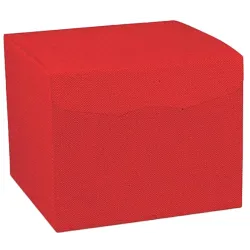
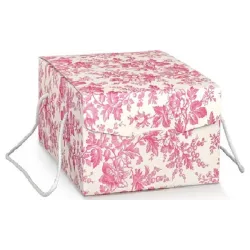
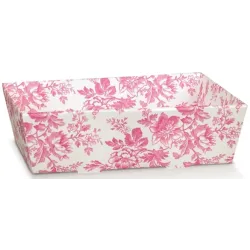
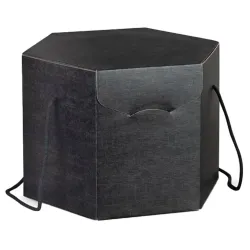
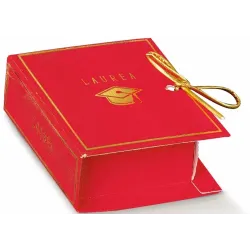
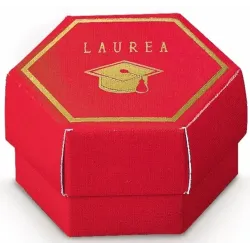
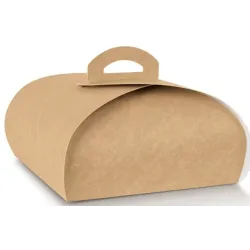
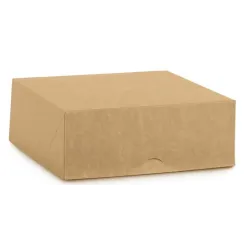
In 2025, packaging will no longer be just a protective wrap or a means of transporting products: it will become an art form, a communication tool and a symbol of social responsibility. In an increasingly competitive market, packaging design represents a unique opportunity to tell stories, excite customers and reflect brand values.
Emerging trends are revolutionizing the industry, with innovations ranging from sustainable materials to smart technologies that can turn packaging into an interactive experience. The growing focus on sustainability is pushing brands towards eco-friendly solutions, while large-scale customization and minimalist design are redefining aesthetic and functional standards.
In this article, we will explore the most significant packaging innovations for 2025: innovative materials, cutting-edge technologies and design styles that not only meet the needs of modern consumers, but anticipate their expectations. You will discover how packaging can become a powerful strategic tool to stand out in the market and create an emotional bond with customers.
If you're a retailer or designer looking for inspiration for the future, you've come to the right place. Get ready to discover how packaging is changing to be not only more beautiful and functional, but also more conscious, interactive and memorable. The future of packaging is here: innovative, sustainable and full of
1. Innovative materials: the sustainable revolution
In 2025, sustainability is the main driver driving innovation in the packaging industry. Consumers, who are increasingly attentive to the environmental impact of their choices, reward brands that demonstrate a concrete commitment to ecological materials and responsible production processes. This has prompted manufacturers to develop innovative materials that combine functionality, aesthetics and respect for the environment.
Compostable Bioplastics: The Future of Plastic
Bioplastics are gradually replacing traditional petroleum-derived plastics. Made from renewable sources such as cornstarch, sugarcane or algae, these plastics offer biodegradable and compostable solutions.
Key features:
- Compostability: They degrade in natural environments without leaving microplastics.
- Applications: Perfect for food packaging or single-use products.
- Benefits for brands: They communicate a clear commitment to the environment and attract eco-conscious consumers.
Recycled Paper and Cardboard: Tradition and Innovation
Paper and cardboard remain pillars of sustainable packaging, but in 2025 they will evolve further with the use of recycled fibers and innovative treatments to improve their strength and aesthetics.
Advantages:
- Versatile materials: Suitable for a wide range of products, from food packaging to luxury boxes.
- Customizability: Easy to print and decorate, they allow for a alto level of customization.
- Waste reduction: Produced from paper waste, it reduces the need to cut down new trees.
Compostable materials with a natural base
In addition to bioplastics, materials such as bamboo, coconut fibers and bagasse (sugar cane waste) are becoming protagonists.
Why they are innovative:
- Bamboo: It grows quickly, requires few resources and is extremely resistant. Ideal for boxes and trays.
- Bagasse: Lightweight, biodegradable and suitable for food containers.
- Fiber: Perfect for handcrafted packaging that conveys authenticity and care.
Innovations in Reusable Materials
With the growing popularity of the circular economy concept, reusable materials are redefining packaging:
- Fabric packaging: Cotton or jute bags that customers can reuse.
- Multi-purpose boxes: With designs that allow a second life, such as decorative containers or organizers.
- Modular packaging: Designed to be repurposed into other objects (e.g., boxes that become toys or furniture).
Futuristic Materials: The Fascination of Innovation
Some innovative materials are emerging as cutting-edge options, designed for brands that want to stand out:
- Edible packaging: Films or containers made with seaweed or starch, perfect for food and beverages.
- Aerogel: An ultra-lightweight, highly insulating material suitable for protective packaging in industries such as electronics and pharmaceuticals.
- Paper with integrated seeds: After use, the packaging can be planted to grow flowers or herbs, a perfect idea for eco-friendly brands.
Practical Examples of Innovative Materials
- Feed: Bagasse containers for eco-friendly fast food restaurants.
- Cosmetic: Bamboo boxes for luxury creams and serums.
- Luxury Retail: Rigid boxes made of recycled cardboard with elegant finishes and embossed details.
The Value of Innovative Materials for Brands
- Consumer attraction: Customers prefer brands that adopt responsible and innovative solutions.
- Market differentiation: The use of innovative materials helps you stand out in a competitive industry.
- Contribution to global sustainability: Investing in eco-friendly materials reduces environmental impact and contributes to a greener future.
Innovative materials in packaging are not only a practical choice, but also a statement of intent. In 2025, brands that invest in sustainable and technologically advanced materials prove to be at the forefront, not only in design, but also in environmental responsibility.
2. Technology and Smart Packaging
In 2025, technology is transforming packaging into an interactive and functional tool, capable of improving the customer experience, optimizing logistics and strengthening the connection between brands and consumers. Smart packaging is no longer a novelty, but a necessity for retailers who want to remain competitive.
Smart Packaging: The Connection Between Product and Customer
Smart packaging uses advanced technologies to add value to the product and engage customers in innovative ways.
Key features:
- Interactivity: With QR codes, NFC labels, or AR (augmented reality) codes, consumers can access digital content such as videos, instructions, or product stories.
- Traceability: Built-in devices allow you to monitor the product's journey through the supply chain.
- Personalized experience: Smart labels that provide customer-specific information, such as usage tips or promotional messages Personalized.
IoT technology: packaging becomes smart
The Internet of Things (IoT) applied to packaging makes it possible to collect and transmit useful data to improve both logistics and the shopping experience.
Application examples:
- Freshness Monitoring: Food packaging equipped with sensors that indicate the temperature or oxygen level, ensuring the freshness of the product.
- Real-time alerts: Electronic labels that send notifications to consumers, such as expiration reminders or special offers.
- Integration with home devices: Packaging that communicates with smart refrigerators or voice assistants to suggest recipes or alert when a product is finished.
Augmented Reality (AR) and Immersive Shopping Experience
Augmented reality is revolutionizing the way consumers interact with packaging, turning simple packaging into a gateway to a digital world.
How does that work:
- Exclusive content: By scanning the packaging, customers can access brand stories, tutorials, product demos or interactive experiences.
- Social engagement: AR creates opportunities for shareable experiences, such as Personalized filters or brand-related games.
- Buying guide: Packaging with AR that shows how to use the product or suggests combinations.
Electronic Printing and Functional Packaging
Thanks to electronic printing, packaging can integrate active components such as LEDs, thin batteries and electronic displays.
Key innovations:
- Dynamic displays: Packaging that displays promotional messages or updates information in real time.
- Visual Indicators: Packaging that changes color to indicate freshness or product safety.
- Talking packaging: Solutions that emit sounds or voice messages, ideal for attracting attention at the point of sale.
Blockchain and Secure Packaging
Blockchain technology is also finding application in packaging, offering transparency and security along the entire supply chain.
Benefits for brands and consumers:
- Traceability: Every step of production and distribution can be recorded and verified, ensuring the authenticity of the product.
- Anti-counterfeiting: Packaging with unique blockchain codes that confirm the originality of the product.
- Accessible information: Customers can scan the packaging to learn about where the product comes from and where it comes from.
Examples of Technology Applied to Packaging
- Food sector: Packaging with temperature sensors that warn when a product has been stored inadequately.
- Cosmetic: AR packaging showing video tutorials on the application of products.
- Luxury Retail: Boxes equipped with blockchain codes to guarantee the authenticity of jewelry or accessories.
The Future of Technological Packaging
Technology not only improves the customer experience, but also benefits brands:
- Waste reduction: Smart packaging helps to better monitor perishable products, reducing waste.
- Direct connection: The data collected through smart packaging allows brands to get to know consumers better and personalize offers.
- Logistical efficiency: Advanced tracking streamlines shipping and delivery processes.
Technology is redefining packaging, transforming it from a simple container to a powerful strategic tool. Investing in innovative technology solutions allows brands to differentiate themselves, improve the customer experience and successfully meet the challenges of the modern marketplace.
3. Minimalism and Functionality: The Design of the Future
Minimalism is one of the most significant trends in packaging for 2025. Simplicity is not just an aesthetic choice, but a philosophy that reflects the evolution of consumer preferences. Clean lines, neutral colors and functional designs dominate the landscape, responding to the need for clarity and sustainability.
The Charm of Minimalism
Minimalism in packaging is based on the idea of doing more with less, eliminating superfluous elements to enhance the product and the brand.
Key features:
- Clean aesthetics: Linear designs and simple color schemes, often monochromatic or with strategic color accents.
- Clear messages: Short and direct texts, with essential typographies that communicate professionalism and transparency.
- Product enhancement: The focus is on the essence of the product, avoiding distractions.
Why consumers like it:
- It conveys authenticity and trust.
- It reduces "visual noise" and makes it easier to understand information.
- It is perceived as sophisticated and modern.
Feature First
In addition to aesthetics, minimalist packaging focuses on practicality and user experience.
Key functional elements:
- Easy to open: Packaging designed to be intuitive and convenient to use.
- Optimized formats: Packaging that adapts perfectly to the product to reduce waste of space and materials.
- Reusability: Packaging designed to have a second life, such as containers or decorative objects.
The Benefits of Minimalism in Packaging
- Sustainability:
Minimalism goes perfectly with attention to the environment, reducing the use of materials and simplifying recycling processes.
- Less ink and elaborate prints.
- Elimination of unnecessary secondary packaging.
Economic efficiency:With fewer materials and simpler manufacturing processes, minimalist packaging often reduces costs.
Versatility:The simple design easily adapts to different industries and target consumers.
Minimalism Trends in 2025
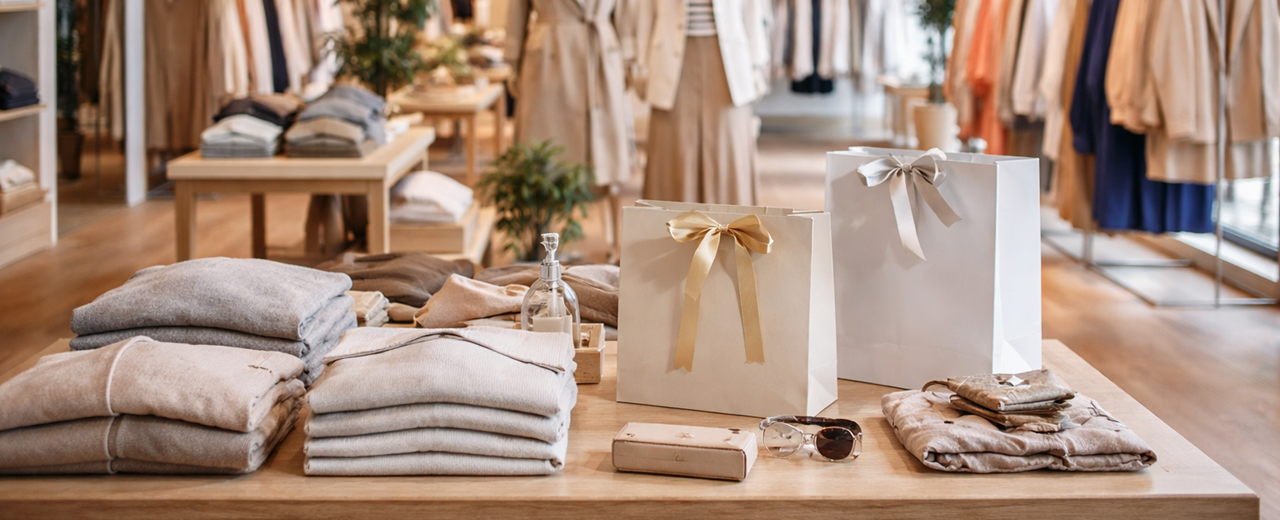
- Monochrome with distinctive accents: Black or white packaging enriched with embossed details, laminations or textures.
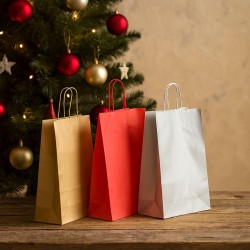
- Raw materials: Kraft paper, recycled cardboard or matte plastic, which convey naturalness and authenticity.
- Essential iconography: Symbols and images reduced to the essentials to communicate clear messages without excessive text.
Minimalism and Customer Experience
Minimalist packaging also enhances the customer experience due to its simplicity.
- Immediate understanding: Clear and legible information, without having to "decipher" the design.
- Pleasant unboxing: The simplicity of the design creates an elegant and satisfying experience, without excess.
- Product focus: The customer perceives that the focus is on the product, not the packaging.
Practical Examples of Minimalist Packaging
- Cosmetics: White jars with black text and matte finishes, reflecting purity and quality.
- Grocery: Kraft paper packaging with simple adhesive labels indicating the contents.
- Technology: Black boxes with silver or embossed details for high-end electronics.
Minimalism and Brand Storytelling
Minimalist packaging does not mean giving up the personality of the brand. On the contrary, it often becomes a tool to tell a story in a direct and effective way.
How to take advantage of it:
- Choose colors and shapes that reflect your brand values.
- Use materials and textures to evoke emotions (e.g. raw cardboard for authenticity, glossy surfaces for modernity).
- Include meaningful details, such as a small message inside the box.
The Future of Minimalism
Minimalism will continue to evolve, integrating with other trends such as sustainability and personalization. Brands that adopt this approach will not only align with consumer expectations, but will also stand out for their elegance, functionality, and innovation.
Minimalist packaging is not just a design choice, but a philosophy that responds to the needs of a constantly evolving market. In 2025, simplicity will be the new luxury, capable of communicating authentic values and significantly improving the customer experience.
4. Customization on a large scale: packaging becomes unique
In 2025, packaging customization will no longer be a luxury reserved for big brands, but a necessity to engage consumers and build meaningful relationships. Thanks to increasingly accessible technologies, retailers can create tailor-made packaging that reflects the individual tastes of customers, transforming each product into a unique experience.
Why Personalization Is Important
Packaging customization offers numerous benefits for brands:
- Differentiation: In a saturated market, custom packaging helps you stand out and capture attention.
- Emotion: Customized packaging creates an emotional bond with the customer, making the product memorable.
- Loyalty: Customers value the personal touch and are more likely to return to a brand that makes them feel special.
Technologies That Enable Personalization
Thanks to technological innovations, large-scale personalization has become more accessible and economically sustainable.
Key technologies include:
- Digital printing: It allows you to produce customized packages even in small batches, with low costs and fast production times.
- NFC Tag and QR Code: They allow you to add interactive elements that offer Personalized content to the customer, such as messages, videos, or promotions.
- Artificial intelligence: Analyze customer data to create Personalized designs and messages based on their preferences and buying behaviors.
Examples of Packaging Customization
- Nominalization: Print the customer's name directly on the packaging, as done by iconic brands to make each product unique.
- Personalized Messages : Insert messages of thanks or personalized instructions for the product inside the packaging.
- Customized Design: Create packaging variants with specific colors, graphics, or text for different seasons, events, or customer segments.
Customization and Sustainability
Personalization is not at odds with sustainability; On the contrary, it can make it more effective:
- Production on request: Avoid waste, making only the quantities you need.
- Reusable packaging: Customized with unique graphics, they can be transformed into collectibles or functional containers.
- Eco-friendly materials: The use of recycled paper or customizable bioplastics helps to combine aesthetics and respect for the environment.
The Role of Personalization in Customer Experience
Customized packaging goes beyond aesthetics – it's a key element in improving the customer experience.
- Emotional involvement: Customers feel valued when they receive a package that looks like it was designed specifically for them.
- Surprise effect: A unique design or an unexpected message creates a moment of joy that leaves its mark.
- Social sharing: Custom packaging is often photographed and shared on social media, generating free visibility for the brand.
Examples of Customization Application
- Luxury Retail: Boxes with embossed details and the customer's name engraved.
- Cosmetic: Packaging that includes a personalized dedication or a suggestion for use based on the customer's preferences.
- Food & Beverage: Bottles or packaging with personalized labels for special events, such as birthdays or holidays.
Challenges and Opportunities
While customization offers many benefits, there are some challenges to consider:
- Initial costs: Implementing customizable technologies can require an upfront investment.
- Logistics: The management of package variants requires an efficient organizational system.
- Customer expectations: Consumers expect alto level of quality and consistency, even in customizations.
However, the benefits far outweigh the difficulties, especially in terms of retention, differentiation and perceived value.
The Future of Personalization
Personalization will continue to grow thanks to technological advancements and the ever-increasing consumer demand for unique experiences. Brands that embrace this trend will have the opportunity to create a closer connection with customers and position themselves as market leaders.
In 2025, custom packaging will be the norm for brands that want to stand out, offering packages that not only contain a product, but tell a unique and personal story.
5. Trends in Colors and Graphic Style
In 2025, colors and graphic style in packaging will not only be aesthetic tools, but strategic elements to communicate brand identity, capture attention and influence consumer emotions. Emerging trends reflect the desire for authenticity, sustainability, and innovation, combining eye-catching color palettes with visually distinctive designs.
Color Palette 2025: Balance between Nature and Innovation
Packaging color choices will be dominated by two main trends: nature-inspired hues and futuristic colors related to technology.
1. Natural and Earthy Shades
- Colors such as beige, olive green, brown and sand evoke authenticity and connection with the environment.
- Perfect for brands that want to convey sustainability, craftsmanship and eco-friendly values.
- They are often combined with raw materials, such as kraft paper and recycled cardboard.
2. Modern Crayons
- Soft shades such as blush pink, powder blue and lavender continue to be popular, especially for sectors such as cosmetics and food.
- These colors convey delicacy and modernity, ideal for attracting young audiences.
3. Metallic Colors and Bright Accents
- Gold, silver and copper remain synonymous with luxury and sophistication.
- Metallic accents are used discreetly, often for details such as logos or borders, to add a premium touch without excess.
4. Technological and Neon Colors
- Vibrant tones such as electric blue, lime green and neon orange reflect innovation and attract attention in the technology and lifestyle sectors.
Graphic Style: Essentiality and Narration
In 2025, the graphic style of packaging moves away from visual overcrowding to focus on clear messages and designs that tell a story.
1. Graphic Minimalism
- Clean and simple lines, with legible typography and few visual elements.
- White spaces used to create a sense of order and sophistication.
- Perfect for brands that want to communicate transparency and authenticity.
2. Hand-drawn illustrations
- Graphics that recall sketches and manual drawings evoke craftsmanship and uniqueness.
- Ideal for packaging of handcrafted, food and natural products.
3. Repetitive and Geometric Patterns
- Modern geometric patterns or nature-inspired patterns add visual depth without being chaotic.
- Used to create eye-catching packaging that is easily recognizable on the shelves.
4. Dominant Typographic Design
- Big, bold texts become the protagonists, often used as the only decorative element.
- Perfect for conveying clear and immediate messages, such as slogans or brand values.
Materials and Colors in Harmony
One of the key trends of 2025 is the integration between colors and materials used in packaging:
- Kraft and Beige Paper: Perfect for natural hues and hand-drawn illustrations.
- White Cardboard with Metallic Accents: Ideal for communicating luxury and modernity.
- Recycled Plastic and Neon Colors: They combine innovation and sustainability in technology or lifestyle sectors.
Seasonal and Thematic Trends
Colors and graphics are increasingly adapted to the seasons and events, with designs that reflect the times of the year:
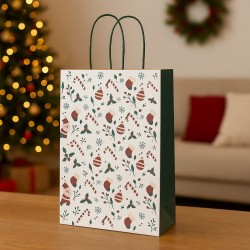
- Festivity: Gold and red for Christmas, delicate pastels for spring.
- Special Events: Packaging that adapts to thematic campaigns, such as Valentine's Day or Halloween.
Application Examples
- Cosmetic: Minimalist packaging with pastel shades and matte finishes to communicate purity and modernity.
- Feed: Kraft paper packaging with hand-drawn illustrations and natural colors to emphasize craftsmanship.
- Technology: Matte black boxes with metallic details and neon accents for hi-tech products.
The Role of Colors in Consumer Psychology
Colors and graphic design have a direct impact on consumers' emotions and purchasing decisions:
- Warm colors: Like red and orange, they stimulate impulse buying.
- Cool colors: Like blue and green, they convey calm and confidence.
- Neutral colors: Like gray and beige, they evoke sobriety and professionalism.
Towards the Future of Graphic Design
In 2025, packaging becomes a perfect mix of aesthetics and strategy. The choice of colors and graphics is not only about visual pleasure, but also about the ability to communicate values, emotions and brand identity. Investing in a modern and attractive design means not only standing out in the market, but also creating a deeper connection with consumers. The packaging of the future is not only beautiful: it is intelligent,
6. The Impact of Sustainability on Design
In 2025, sustainability is no longer just a trend, but a strategic priority for brands. This approach is not limited to the choice of materials, but influences the entire packaging design process. Consumers are increasingly demanding transparency and environmental responsibility, prompting companies to develop designs that are eco-friendly without sacrificing aesthetics or functionality.
Sustainable design: a new standard
Sustainable design is based on three core principles: reduce, reuse, and recycle. This approach guides creative and technical choices, leading to innovative solutions that respect the environment and meet consumer expectations.
Key features:
- Material reduction: Design lighter and more compact packaging, eliminating the superfluous.
- Simplification of the structure: Packaging made of a single material to facilitate recycling.
- Multi-purpose design: Packaging designed to have a second life as decorative or functional objects.
Eco-Friendly Materials and Their Impact on Design
The choice of materials profoundly influences the design of the packaging. Sustainable materials offer a variety of textures and colors that can be leveraged to create visually appealing packaging.
Examples of innovative materials:
- Kraft Paper and Recycled Cardboard: Perfect for natural and authentic designs, often associated with eco-friendly brands.
- Biodegradable plastic: Used in transparent or semi-opaque designs, ideal for showcasing the product indoors.
- Natural fibers: Such as bamboo, hemp or bagasse, for an artisanal and sustainable look.
Reducing Waste in Design
Designing with sustainability in mind means minimizing waste during the production and use of packaging.
Key strategies:
- Optimized formats: Design packaging that fits perfectly into the product, reducing the use of materials.
- On-demand production: Reduce waste by producing only what is necessary, thanks to digital printing technologies.
- Secondary packaging: Eliminate unnecessary packaging layers, such as additional boxes or plastic films.
Aesthetic and Functional Design
Sustainable packaging doesn't have to sacrifice beauty or functionality. Brands are finding creative ways to make eco-friendly design just as attractive as traditional design.
Distinctive design elements:
- Natural textures: Matte or rough surfaces that recall raw and authentic materials.
- Earthy Tones: Colors such as beige, green, brown or off-white that evoke sustainability and connection with nature.
- Minimalist graphics: Simple illustrations and texts, which convey clarity and transparency.
Customer Involvement in the Sustainability Process
Packaging design can also educate and engage consumers, encouraging them to behave sustainably.
Innovative ideas:
- Recycling instructions: Clear information printed on the packaging explaining how to dispose of it correctly.
- Interactive packaging: QR codes that offer tips on how to reuse or recycle the packaging.
- Positive messages: Motivational phrases that underline the brand's commitment to a greener future.
Sustainability and Innovation in Design
Innovation is the key to overcoming the challenges of sustainable design, offering solutions that balance creativity, functionality and ecology.
Examples of recent innovations:
- Food Grade Packaging: Ideal for food products, it completely eliminates waste.
- Plantable packaging: Paper with integrated seeds that can be planted after use.
- Modular packaging: Packaging that turns into functional objects, such as reusable boxes or children's toys.
Case Study: Examples of Sustainable Design
- Cosmetic: Refillable jars made of glass and recycled cardboard, with a minimalist design that conveys elegance and sustainability.
- Feed: Kraft paper bags with biodegradable transparent windows to show the contents.
- Luxury Retail: Recycled cardboard boxes with metal details and natural fiber padding to protect the products.
The Value of Sustainability for Brands
Investing in sustainable design is not only a moral obligation, but also a strategic choice:
- Consumer attraction: More and more customers are choosing brands that demonstrate environmental responsibility.
- Differentiation: Eco-friendly packaging helps you stand out in a competitive market.
- Contribution to reputation: Showing a commitment to sustainability reinforces the brand image.
Towards a Sustainable Future
Sustainable design is not a passing fad, but a long-term transformation that involves every aspect of packaging. In 2025, brands that adopt innovative green solutions will have a competitive advantage, offering consumers not only a product, but also the opportunity to make an informed choice for the planet.
7. The Influence of Pop Culture and Generations Z and Alpha
In 2025, packaging will no longer be just a tool for protecting and presenting the product, but also a means of connecting with the new generations, who are increasingly influential in global consumption. Generations Z and Alpha, who grew up with technology, pop culture and a strong social awareness, are setting new rules in packaging design, pushing brands towards creative, inclusive and digitally relevant solutions.
Pop Culture and Packaging: Design That Speaks to the New Generations
Pop culture plays a vital role in inspiring packaging designs for young consumers.
Distinctive elements:
- Digital trend references: Memes, emojis, and visual languages inspired by social media.
- Collaborations with artists and influencers: Packaging that turns into a collector's item thanks to unique designs and partnerships with pop culture personalities.
- Styles inspired by video games and TV series: Graphics that recall virtual worlds or popular narratives.
Example: A snack packaging with pixelated graphics that recalls retro video games, loved by gamers and nostalgics alike.
The Impact of Generation Z
Gen Z, who grew up in a hyper-connected world, are looking for authenticity, sustainability and innovation in packaging.
What attracts Gen Z:
- Visual minimalism: They prefer clear and legible designs, but with original details.
- Inclusion: Packaging that represents cultural and social diversity.
- Interactivity: Solutions that integrate technology, such as QR codes or augmented reality, to offer additional content.
Main values:
- Sustainability: Gen Z chooses brands with eco-friendly and recyclable packaging.
- Shareable experience: Packaging that stimulates social media sharing, such as an Instagrammable design or printed motivational messages.
Generation Alpha: The Consumers of the Future
Gen Alpha, born from 2010 onwards, is even more immersed in technology and personalization. Although very young, this generation is influencing the market, especially through their parents.
What attracts Gen Alpha:
- Playful design: Bright colors, playful graphics and unusual shapes.
- Interactive packaging: Packages that are transformed into games or creative objects, stimulating the imagination.
- Digital inclusivity: Packaging that integrates with online experiences, such as AR games or educational applications.
Example: A cereal packaging that turns into a model or a puzzle after use.
Key Packaging Trends for the New Generations
- Extreme customization:
- Packaging that allows customers to add their name, favorite emojis or personal messages.
Temporary and Exclusive Designs: - Limited editions inspired by events, films or trends of the moment, ideal for stimulating a sense of urgency in purchasing.
Packaging that tells stories: - Graphics that tell engaging stories, making packaging an element of entertainment.
Instagrammable Packaging: The Impact of Social Media
The new generations share almost everything on social media, and packaging must be designed to become the protagonist in their content.
Strategies for an Instagrammable design:
- Color and creativity: Vibrant hues and bold combinations that stand out in photos.
- Emotional messages: Short and motivational phrases printed on the packaging that invite sharing.
- Innovative shapes: Packaging that stands out for its unconventional design.
Example: Cosmetics packaging that glows in the dark or changes color with temperature, perfect for original content on social media.
Inclusivity and Representation in Packaging
New generations appreciate brands that embrace values of inclusivity and diversity.
How to reflect it in packaging:
- Inclusive graphics: Designs that represent different cultures, genders and backgrounds.
- Universal messages: Slogans that celebrate equality and respect.
- Local collaborations: Packaging that enhances emerging artists and authentic cultural styles.
Packaging as a Tool for Education and Awareness
Brands are using packaging to raise awareness of issues that are important to the younger generation:
- Messages about the environment: Information on the environmental impact and the importance of recycling.
- Product Stories: Stories about the origin and sustainable supply chain of materials.
- Social projects: Packaging that highlights support for charitable causes, such as donations or solidarity collaborations.
Success Stories
- Fast Fashion: Recycled paper bags with illustrations created by emerging artists and motivational phrases.
- Snacks and Drinks: Cans with designs inspired by viral memes or quotes from pop culture.
- Cosmetics: Packaging with neon colors and QR codes that lead to makeup tutorials or AR experiences.
The Packaging of the Future is Connected and Creative
Generations Z and Alpha are rewriting the rules of packaging, transforming it into a tool for communication, entertainment and connection. Brands that will be able to interpret their tastes and values will have the opportunity to build a lasting bond with the consumers of the future. The packaging of 2025 is not just a box or a bag, but an experience that speaks the language of the new generations.
8. Experiential Packaging: Thrilling Customers
In 2025, experiential packaging is emerging as one of the most powerful strategies for capturing consumers' attention and leaving a lasting impression. It's not just about how the packaging looks, but how it interacts with the customer, evoking emotions and turning the purchase into a memorable moment. This approach is particularly effective for building brand loyalty and standing out in an increasingly competitive market.
What is Experiential Packaging?
Experiential packaging goes beyond the practical function of containing and protecting the product, becoming an integral part of the customer journey.
Key features:
- Interactivity: Invite consumers to touch, explore, and interact with the packaging.
- Emotion: It creates an emotional connection through design, textures and messages that engage.
- History: It tells a narrative that connects the customer to the brand or product.
Objective: Turn unboxing into an experience that customers want to share and remember.
Key Elements of Experiential Packaging
- Innovative Design:
- Unusual or unexpected shapes that capture attention.
- Foldable or transformable elements that stimulate curiosity.
Textures and Materials: - Tactile surfaces such as velvet, reliefs or raw materials that enhance the sensory experience.
- Biodegradable materials that decompose creatively, such as plantable paper or edible packaging.
Personalized Messages : - Thank you notes or dedications printed inside the package.
- Motivational messages that surprise the customer.
Special Effects: - Packaging that emits sounds or lights when opened.
- Thermochromic solutions that change color with the heat of your hands.
The Role of Unboxing in Customer Experience
Unboxing has become a cultural phenomenon thanks to social media, where millions of users share videos and photos of their product opening moment.
How to create a memorable experience:
- Photogenic Design: Packaging designed to look good in videos and photos.
- Additional accessories: Ribbons, seals or decorative papers that make the unboxing more special.
- Surprise: Inclusion of freebies, coupons or secret messages within the packaging.
Example: A cosmetics brand might insert a QR code that leads to an exclusive video on how to use the product.
Experiential Packaging and Sustainability
Experience must not come at the expense of the environment. Many brands are combining experiential packaging with eco-friendly solutions.
Sustainable strategies:
- Reusable packaging: Boxes that can be transformed into decorative objects or functional containers.
- Compostable materials: Packages that dissolve in water or turn into fertilizer.
- Educational messages: Packaging that raises awareness of the importance of sustainability and offers recycling tips.
Technology and Experiential Packaging
Technology plays a key role in making packaging interactive and engaging.
Innovative applications:
- Augmented Reality (AR): By scanning the packaging, the customer can access brand stories, video tutorials or immersive experiences.
- NFC Labels: They allow customers to receive Personalized messages or interact with exclusive content.
- Lights and sounds: Packages that emit a sound or light up when opened.
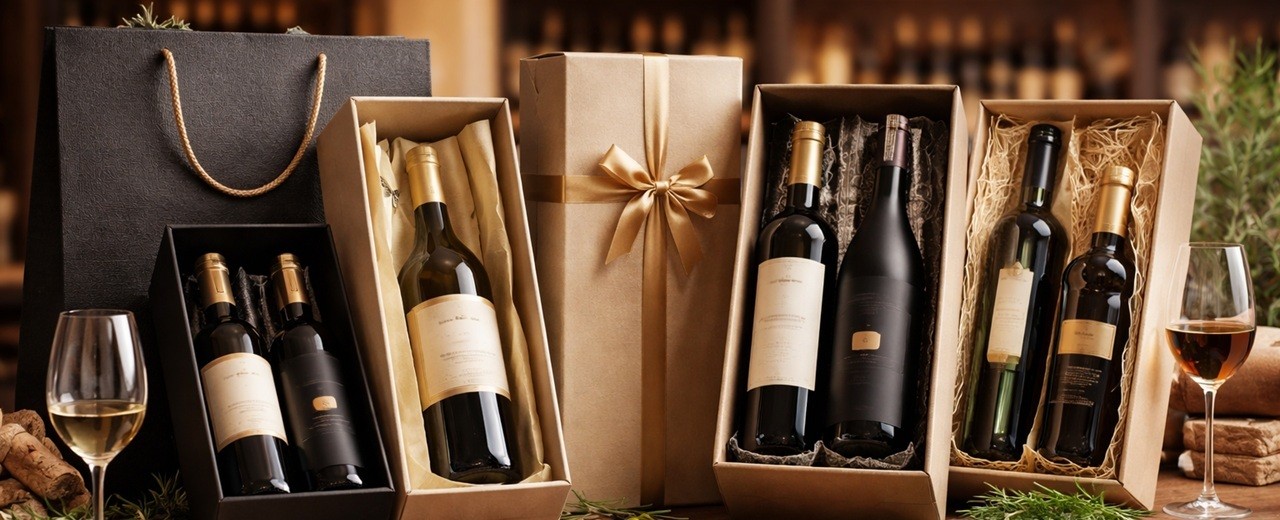
Example: A gift box for a bottle of wine that tells the story of the vineyard through an AR video.
Examples of Experiential Packaging
- Luxury Retail: Boxes with magnetic closures and velvet interiors that offer a premium feel.
- Food and drinks: Packages that turn into plates or cups after use, combining design and functionality.
- Games & Entertainment: Packaging that includes interactive elements, such as puzzles or building games.
The Value of Experiential Packaging for Brands
Investing in experiential packaging offers numerous advantages:
- Increased visibility: Customers are more likely to share the experience on social media, creating free advertising for the brand.
- Loyalty: Packaging that surprises and delights strengthens the emotional bond with the customer.
- Differentiation: It helps to stand out in a crowded market, positioning the brand as innovative and customer-focused.
Packaging that excites and engages
In 2025, experiential packaging becomes a powerful lever to win over consumers and build their loyalty. Creating a unique experience means not only enhancing the product, but also transforming interaction with the brand into a special moment. For retailers and designers, the future of packaging is a perfect mix of creativity, technology and emotional connection.
9. Packaging for E-commerce: Innovation for Digital Commerce
As online sales continue to increase, e-commerce packaging has become a key aspect of the customer experience. In 2025, brands are revolutionizing the way they design packaging to meet the needs of an increasingly digital market, focusing on functionality, sustainability and aesthetics.
The Challenges of E-commerce Packaging
E-commerce packaging faces unique challenges compared to traditional retail:
- Protection during transport: Products must withstand handling, shocks and changing weather conditions.
- Sustainability: As shipments increase, the need to reduce waste and non-recyclable materials grows.
- Customer experience: Without direct in-store interaction, packaging becomes the only physical point of contact between the brand and the customer.
Innovative Materials for E-commerce
In 2025, materials play a key role in packaging for digital commerce, combining protection and respect for the environment.
Trending materials:
- Corrugated: Lightweight, durable and recyclable, it is ideal for shipping a wide range of products.
- Biodegradable packaging: Sustainable alternatives based on starch, algae or bagasse, which decompose easily.
- Eco-friendly fillers: Filling materials such as shredded paper or compostable padding that replace plastic bubbles.
Functional and Optimized Design
The design of packaging for e-commerce focuses on efficiency and practicality.
Key features:
- Easy to open: Solutions such as tear-off tabs or reusable stickers for simple and effortless unboxing.
- Customized sizes: Packages designed to fit the product, reducing material waste and optimizing shipping costs.
- Reusable packaging: Envelopes and boxes that can be easily reused for returns or other purposes.
Unboxing Experience in E-commerce
Unboxing is a pivotal moment in the customer experience for online sales.
Strategies for a memorable unboxing:
- Personalization: Printed messages, logos or thank-you notes inside the packaging.
- Decorative accessories: Ribbons, colored papers or seals that make the opening more pleasant.
- Surprise: Small gifts or discount coupons included in the package.
Example: A cosmetics e-commerce might use boxes with colorful interiors and motivational messages hidden underneath the product.
E-commerce Packaging and Sustainability
Sustainability is a priority for digital consumers, prompting brands to design eco-friendly packaging to reduce environmental impact.
Sustainable strategies:
- Plastic-free packaging: Use recyclable paper and cardboard to replace synthetic materials.
- Recycled and recyclable packaging: Made from post-consumer materials that can be recycled again.
- Volume Optimization: Design packages that take up less space to reduce emissions during transport.
Technology and Packaging for E-commerce
Technology is transforming e-commerce packaging into an interactive and functional communication channel.
Innovative applications:
- QR Code: They allow customers to access tutorials, brand stories, or product details.
- Packaging with RFID or NFC: Real-time shipment tracking and product authenticity.
- Augmented Reality (AR): Packages that offer immersive experiences through the smartphone.
Examples of Packaging for E-commerce
- Fashion: Thin, foldable boxes that reduce volume and open easily, often reusable for returns.
- Feed: Biodegradable thermal insulation packaging for the shipment of fresh products.
- Technology: Durable cardboard packaging with shaped interiors to protect electronic devices during transport.
Benefits of Innovative Packaging in E-commerce
Investing in well-designed e-commerce packaging offers numerous benefits:
- Loyalty: A positive customer experience increases the likelihood of repeat purchases.
- Cost reduction: Optimised packaging reduces shipping costs and minimises damage during transport.
- Indirect Marketing: Unique and eye-catching packaging is often shared on social media, increasing brand visibility.
Packaging as a bridge between Online and Offline
In 2025, e-commerce packaging is not just a container, but a key element in creating a meaningful connection between the brand and consumers. With functional, sustainable and technologically advanced design, retailers can transform packaging into a powerful tool for loyalty and differentiation. In the digital age, every detail counts, and e-commerce packaging is the first step to making an impact.
10. The Influence of Technology on Packaging: Innovations for the Future
In 2025, technology is not only an integral part of the product, but also a key element of packaging, transforming it into an interactive and functional channel that improves the customer experience and optimizes business processes. Thanks to innovations such as the Internet of Things (IoT), augmented reality (AR) and blockchain, packaging is no longer just a container, but a real tool for connecting the brand and consumers.
Smart Packaging: The Smart Packaging that Communicates
Smart packaging uses advanced technologies to offer additional functionality, improving the tracking