Blog navigation

Latest posts

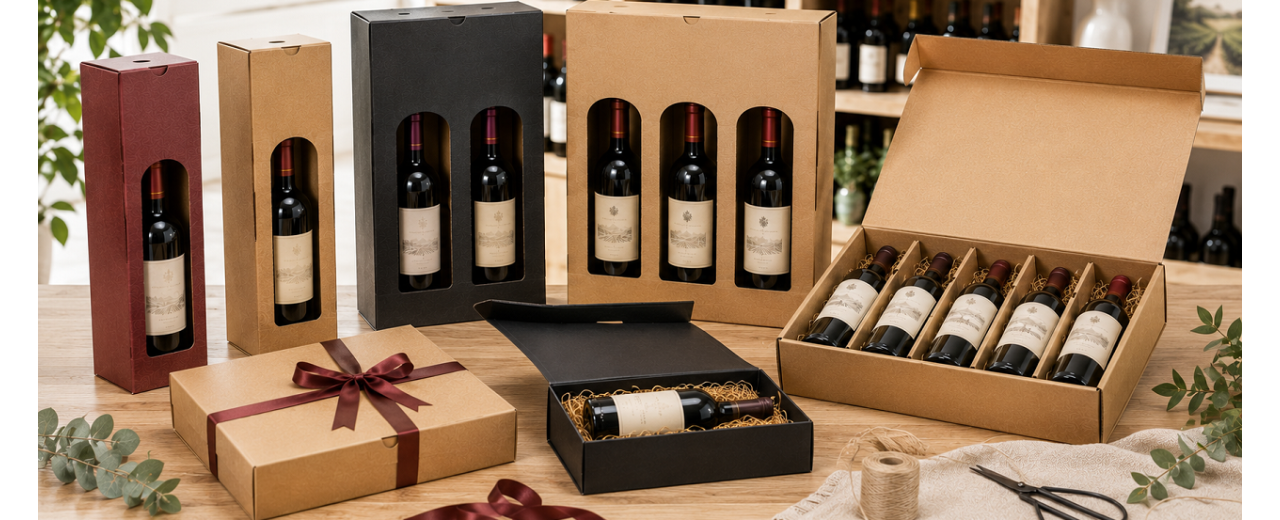
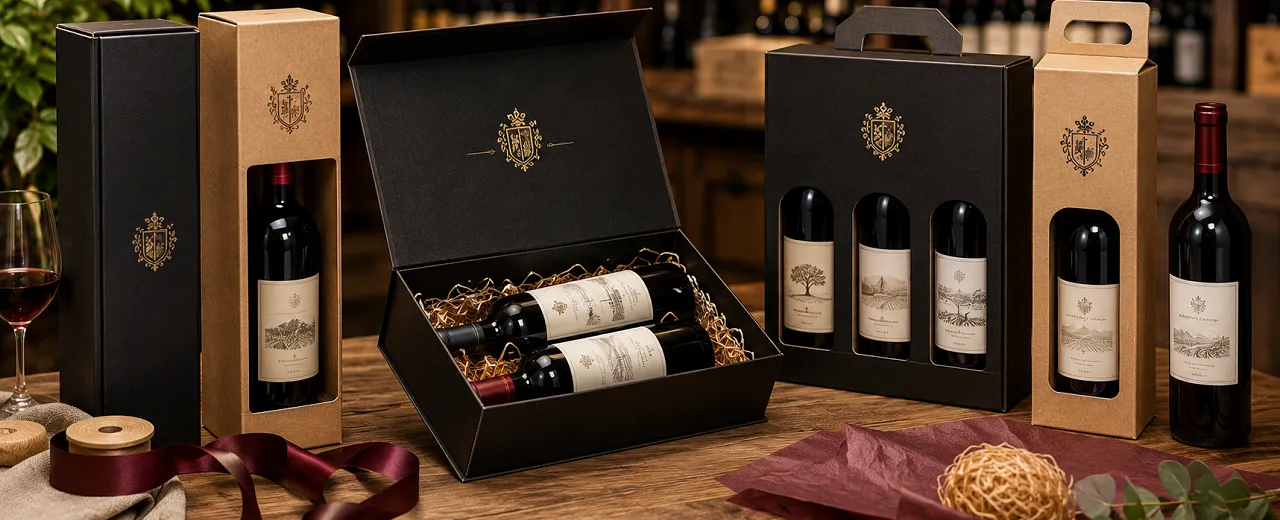
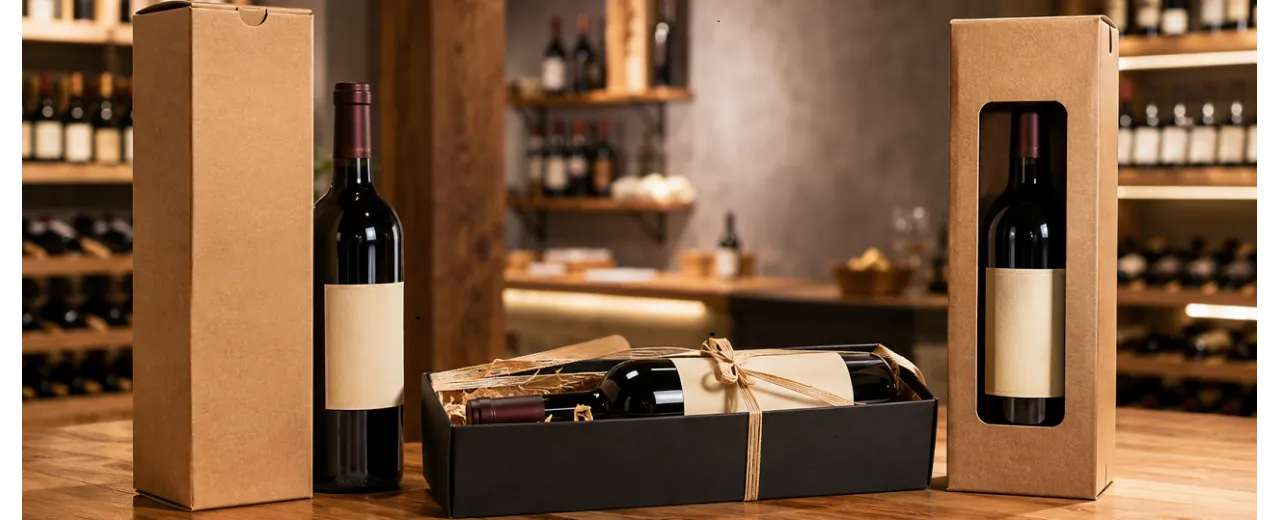
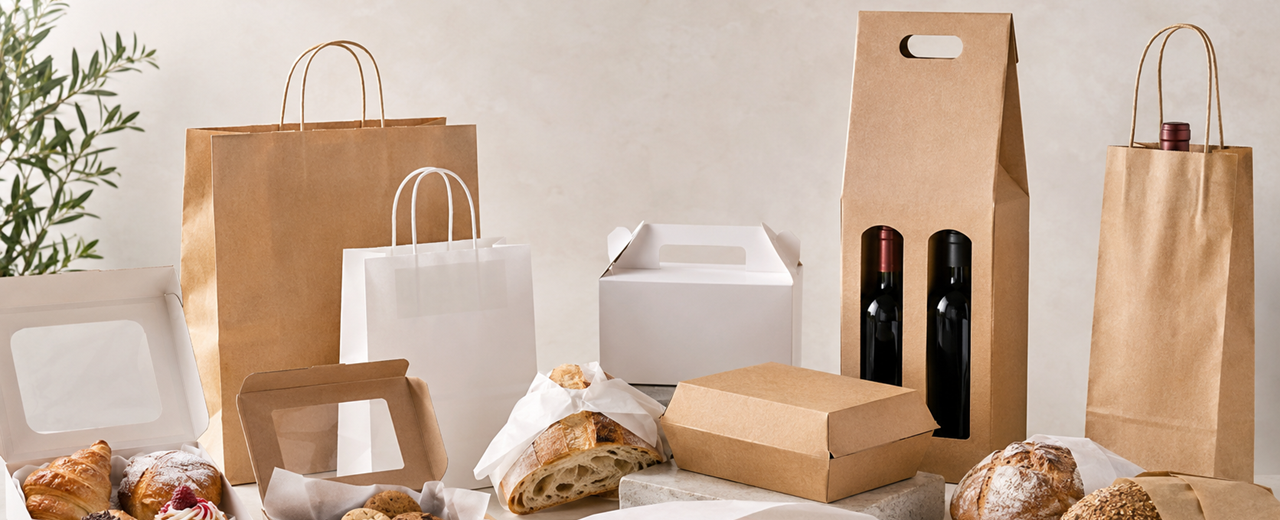
Guida al Packaging che vende: come far percepire pregio a vino, olio e aceto prima ancora dell’assaggio.

Prima ancora che il cliente stappi, versi, annusi o assaggi, tu hai già venduto (o perso) una parte importante del...

Read more
The Store Reset After the Sales: 12 Practical Strategies to Rebuild Margins, Windows and Receipt medio

When you reset the store in the period after winter sales, everything revolves around the post-sales and retail...

Read more
Special Ceremonies, palettes for weddings, communions, and graduations. Materials and techniques.

When you enter the world of ceremonies, you immediately realize that packaging is not an accessory. It is a part of...

Read more
Micro-seasons, macro-effect. 12 colour ideas to launch mini-collections throughout the year

Micro-seasons are not a fad, nor are they a creative exercise for their own sake. They are a concrete, measurable and...

Read more
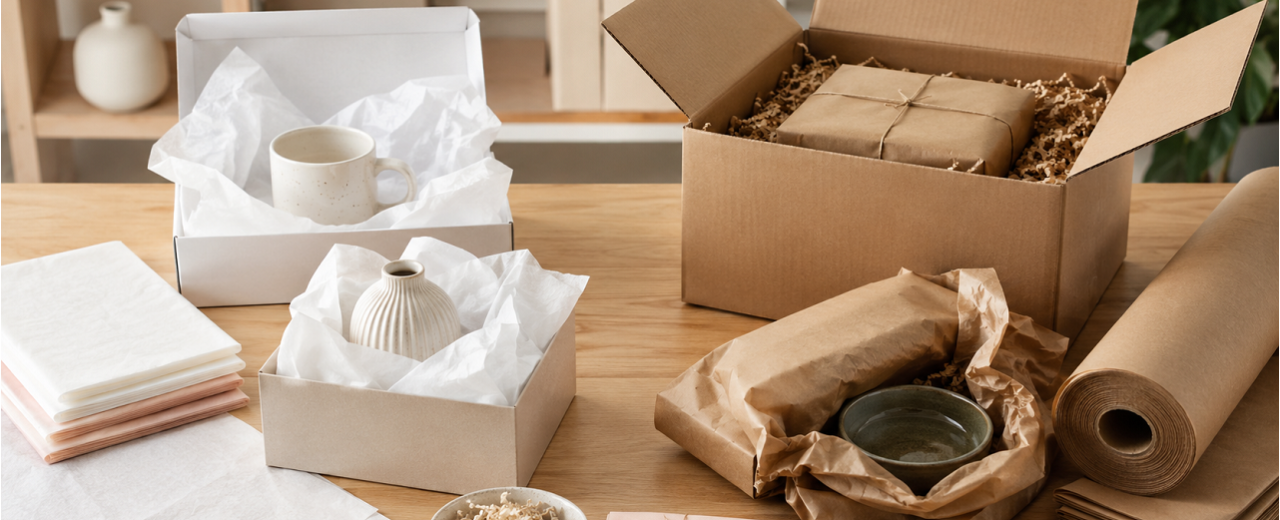
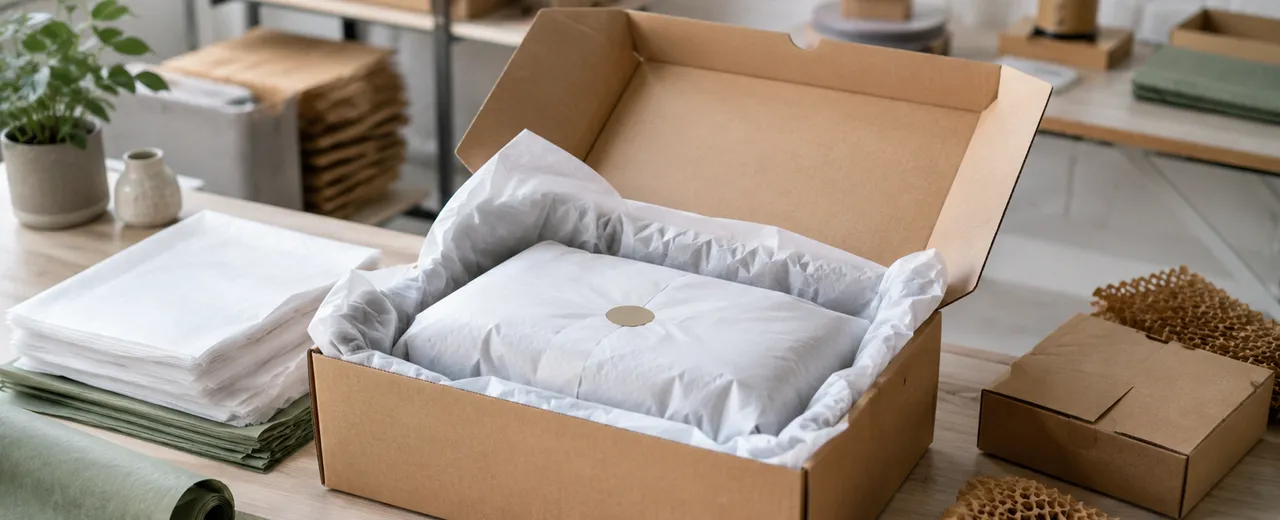
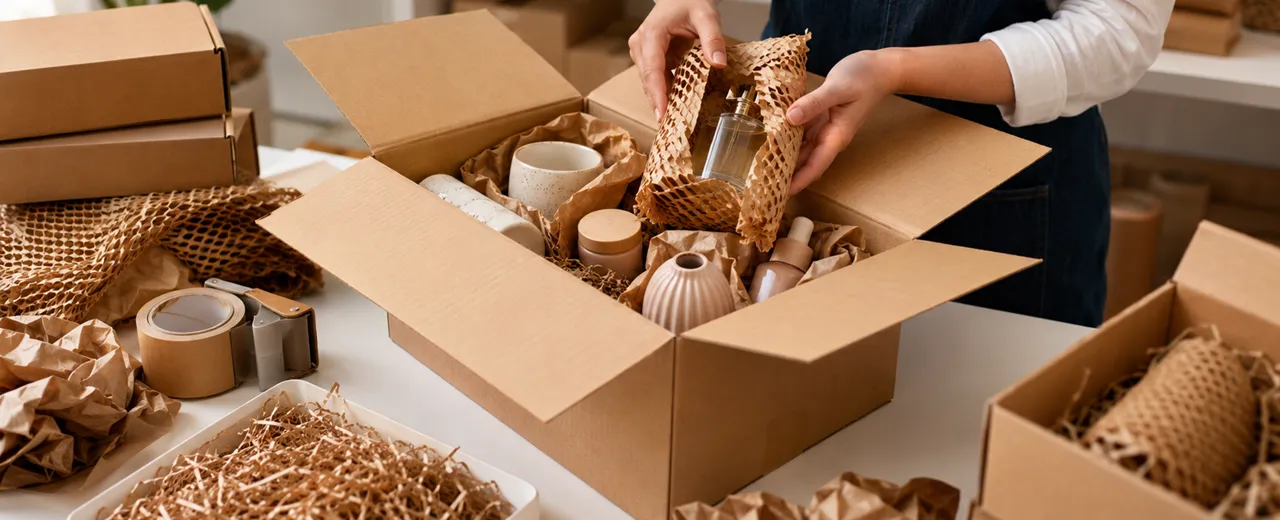
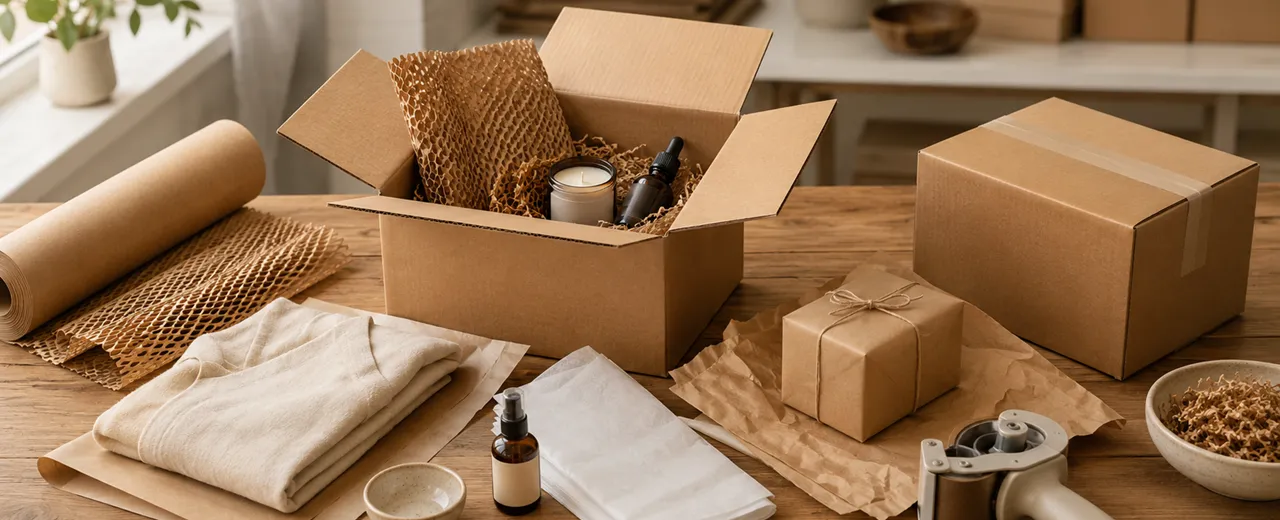
One pack, three uses: beautiful in the store, safe in shipping, perfect for giving as a gift

In a market where the customer can discover a product in the window, order it from the smartphone and receive it at...

Read more

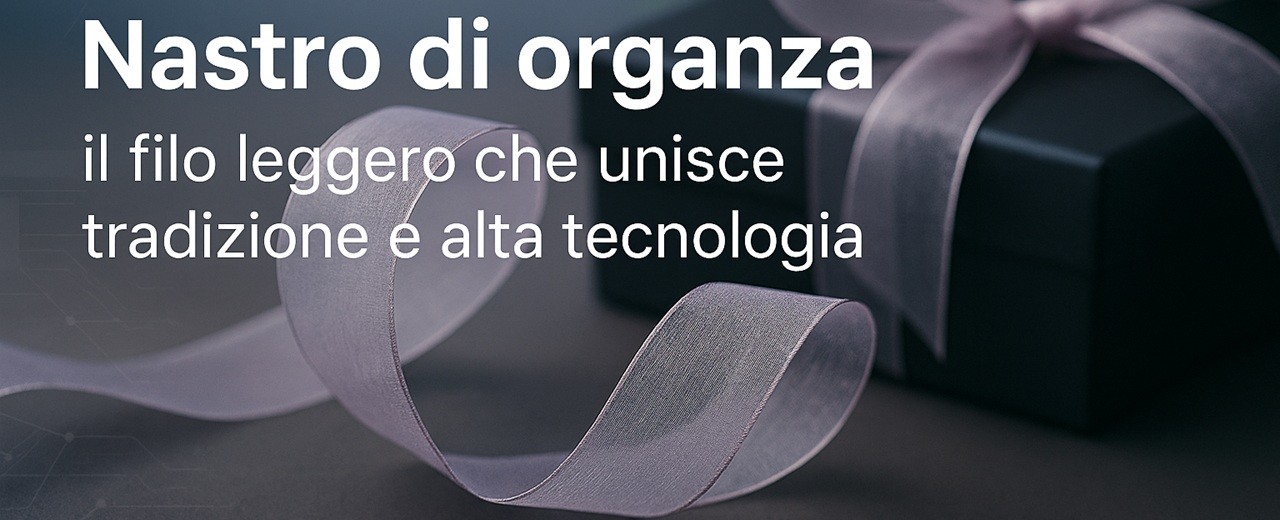
Organza Ribbon: transparent lightness, cutting-edge technology


When you untie a bow made with an organza ribbon, it often happens to stand and watch it as it slips through your fingers like a breath of wind: thin, almost impalpable, yet surprisingly resistant. That small transparent ribbon contains a thousand-year history, cutting-edge textile technologies and a future that smells of sustainable innovation. Let's get to know it closely, discovering why it is becoming the "common thread" – it is appropriate to say it – that unites fashion, luxury packaging, floristry, sensors and even medical devices.

Originally from the distant Silk Road, organza was born around the year 1000 as a noble fabric for the clothes of the Chinese courts. Since then he has crossed continents, landed in Lyon and Como, and entered the lexicon of haute couture. Today, however, that heritage coexists with production lines that spin polyester or nylon at supersonic speeds, dyes with zero emissions in supercritical CO₂ and ultrasonic cuts that seal the edges without leaving a thread out of place. The result is a transparent organza ribbon that weighs less than two staples, yet can support the weight of several bottles of sparkling wine in deluxe packages.

The secret lies in the "canvas" weave, dense enough to give shape, but open to let light and color filter through. When the yarn is in pure silk, the light bounces gently giving natural reflections; with polyester you get a stronger shine and superior resistance to moisture; With nylon you gain elasticity and a silky touch. The beauty is that, depending on the desired effect, manufacturers combine different yarn counts – 20, 30 or 40 denier – modulating transparency, drapery and toughness as if it were an audio mixer.

This explains why premium brands have elected it as an iconic material of luxury packaging. A bow of organza ribbon just 15 mm wide, dyed with dispersed dyes and stabilized at 195 °C, holds up without fading long stops in the window under the spotlights. In wedding bouquets, on the other hand, the same organza – perhaps finished with a water-oil repellent "lotus effect" treatment – resists condensation from floral refrigerators and keeps the flower open for hours. And if we raise the hi-tech bar, we discover the smart version: transparent organza printed with silver pastes that form flexible NFC circuits, capable of communicating temperature or shocks suffered by the package during transport.

Behind all this there is an invisible laboratory. The ribbon is born in giant reels, passes into dyeing autoclaves where it is colored "in the cone" (the whole reel) with recycled water recipes, or in continuous jet dyeing for the iridescent tones that change from one color to another depending on the angle of light. Then it arrives at the thermosetting oven: a few seconds at 190 °C consolidate the shape and fix the pigment. When you need a flawless edge, 20 kHz ultrasonic blades take over: imperceptible vibrations melt the selvedge and prevent fraying, making the organza tape immediately sewable or heat-sealable.

"Light as air, strong as you need it" is not just a slogan: in the laboratory, the tape is pulled, bent, wet, irradiated with UV rays. It passes ISO 13934-2 tensile tests that require at least 12 newtons for a 15mm belt – enough to lift a three-pound brick without breaking. It is hammered with the Martindale wheel to measure edge abrasion, immersed in salty solutions to simulate sweat and, if intended for medical use, irradiated at 25 kGy for gamma sterilization. Only if it remains intact does it earn the "ready for retail" certification.

The other side of the future is sustainability, a word that could not be missing in the world of sustainable organza. Most of the new collections are made from recycled polyester: post-consumer PET bottles become chips, then yarn, then ribbon. When dyed in supercritical CO₂, the process does not consume water or produce effluent. The energy of the stenter oven? Recovered to heat the offices. Even cutting waste finds a second life: shredded they become ultra-light padding for jackets or cushions.

All this excitement makes organza ribbon an ideal playground for designers, makers and startups. There are those who use it to create ethereal lamps, those who layer it in resin for "cloudy" jewelry, those who weave it with graphene threads for heart rate bands that are worn under the shirt without being seen. Meanwhile, on the digital side, search engines reward content that mentions combinations of words such as "organza ribbon for packaging", "recycled organza", "resistant transparent organza" – a sign that the public is looking for beautiful, eco-friendly and technically reliable solutions.

Ultimately, the organza ribbon is the demonstration that an ancient material can reinvent itself a thousand times. It does so by focusing on transparency: physical, because it allows light to pass through; industrial, because it reveals increasingly clean processes; emotional, because it gives a spark of wonder when it frames a gift or a bouquet of flowers. Each of its threads tells a story of human ingenuity and green innovation, ready to be untied with a simple gesture of the fingers... to intertwine, immediately afterwards, in new ideas and markets yet to be imagined.


Five zipper tips for choosing quality organza

  1. Touch it against the light – the weave should be even, without bulges or "clouds" of yarn.

  2. Fold and let go – if the tape immediately comes back straight, the heat setting has been done right.

  3. Smell the cut edge – too strong burning smells indicate excessive hot cutting: risk of yellowing.

  4. Rub gently – premium organza doesn't lint-free or "flake".

  5. Ask for the technical data sheet – even for a staple hair: money, color fastness and origin of the fibers tell how serious the product is (or not).


Three common mistakes to avoid

  • Store the tape in bright offices: UV rays discolor pastel tones; Keep it in closed boxes or anti-light bags.

  • Cut it with paper scissors: you create invisible fraying that then widens; hot blades or micro-toothed scissors are better.

  • Use generic hot glue: it can "bite" the thread and stiffen the hand; opt for basso -melting point sticks or fabric-specific double-sided tapes.


Color trend 2025 (Pantone™ palette)

Palette

Description

Suggested pairings

Digital Lilac

High-tech milky lilac

Satin silver, white kraft paper

Verdant Mist

Very light sage green

Havana paper, copper details

Amber Glow

Soft honey yellow

Cocoa satin ribbon, natural wood


Flash glossary

  • Denier: unit of measurement of the weight of the yarn; Less money = more transparency.

  • Thermosetting: "sauna" that stabilizes the shape; if done right, zero wrinkles post-wash.

  • Selvedge: more compact side edge that avoids flaking.

  • Shot effect: texture of two different colors that creates iridescent glows.

  • Supercritical CO₂: waterless, eco-friendly and super homogeneous dyeing.


Where to learn more

  • Como Silk Museum: collection of ancient looms and short courses on silk techniques.

  • Textile Exchange: Free white-papers on recycled polyester and traceability.

  • Magazines "Packaging Europe" and "Future of Smart Textiles" for case studies on smart organza and flexible sensors.

 
Rossi Carta
4 star star star star star_border
Based on 144 reviews
x