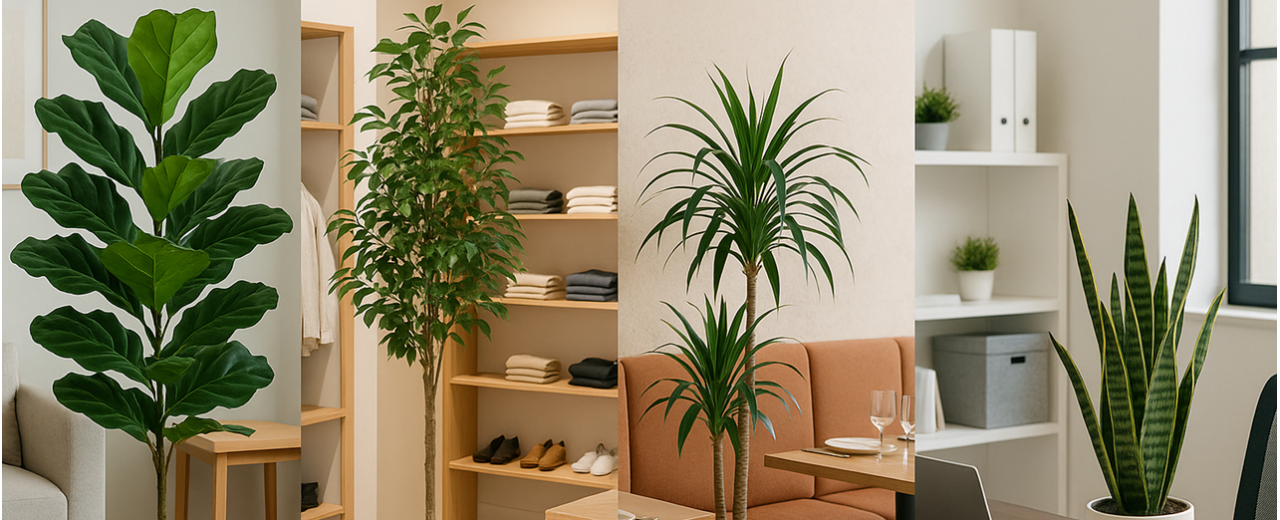
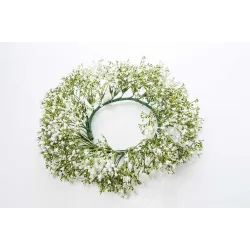
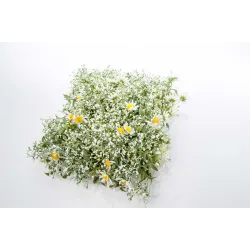
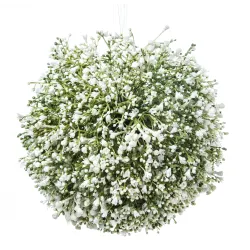
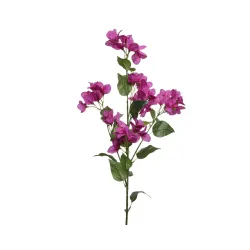
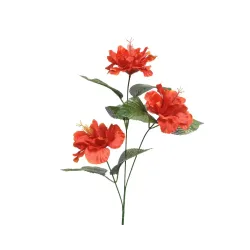
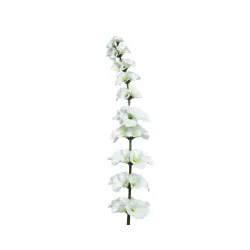
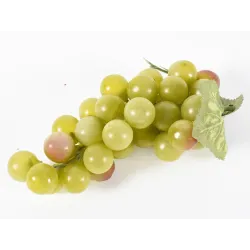
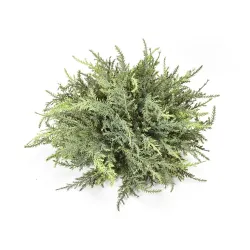
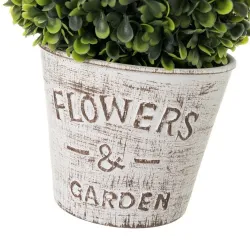
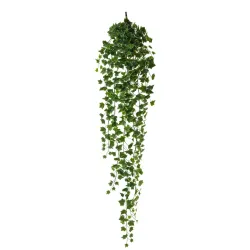
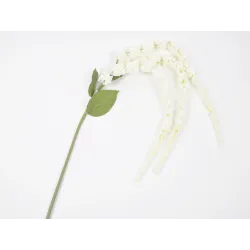
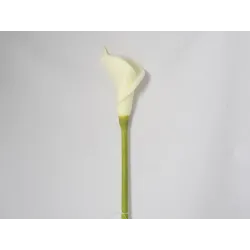
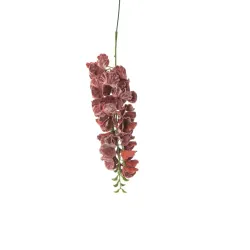
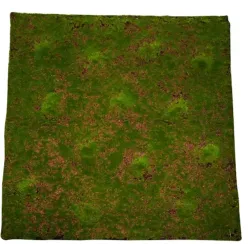
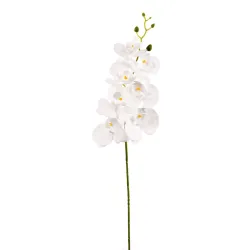
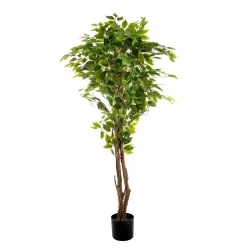
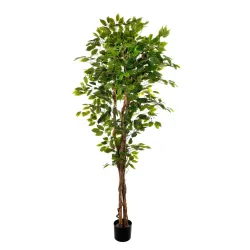
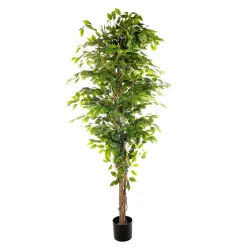
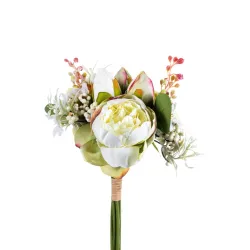
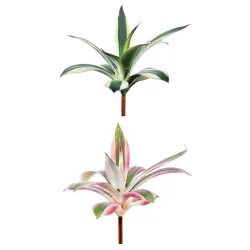
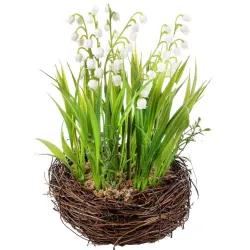
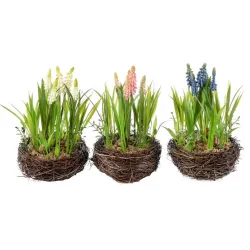
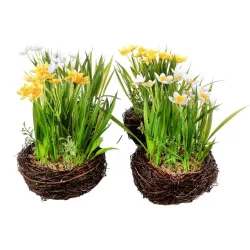
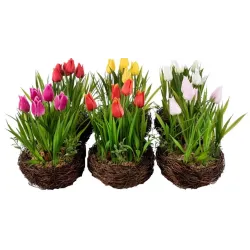
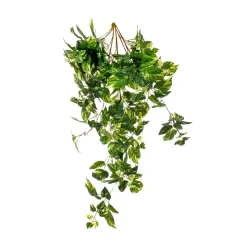
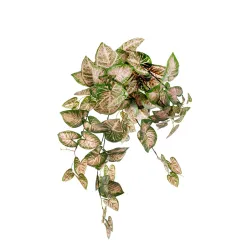
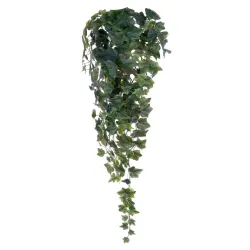
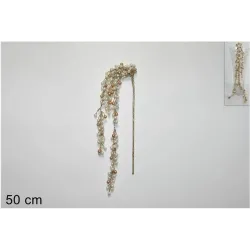
Green has always been synonymous with life, hospitality and harmony, but real nature does not always manage to fit smoothly into the spaces in which we live and work. Houses with little light, hectic shops, fast-paced restaurants, and modern offices full of technological surfaces are not ideal environments for real plants to survive. This is where the new generation of artificial plants come into play, capable of combining aesthetics and functionality, offering always fresh and well-kept settings without the biological limits of maintenance. The evolution of materials and production techniques has transformed what was once perceived as "fake" into a refined and credible piece of furniture. Leaves with realistic veins, trunks with natural textures, matte color shades and tactile details make artificial plants almost indistinguishable from their living counterparts today. But their real strength lies in their freedom: freedom to design without constraints, to experiment with seasonality and quick changes of look, to enhance large spaces or small corners with the same effectiveness.
In this article, you will discover how artificial plants can transform any context — from the home to the shop, from the restaurant to the office — becoming not just an ornament, but a lasting investment, capable of telling care, style and identity in every detail.
The charm of maintenance-free greenery
When you choose artificial plants, you are not simply avoiding the watering can: you ensure a stable design element, capable of giving aesthetic continuity without biological constraints. Whether at home, in the shop, in the restaurant or in the office, their value lies first and foremost in their predictability. They do not yellow due to water stress, they do not lose volume due to lack of light, they do not "seasonalize" randomly. They remain the same, and this constancy allows you to design environments that are consistent over time, from the window that must perform every day to the meeting room that requires visual order and a welcoming tone. This is also where biophilic design comes into play: greenery, even when it is artificial, supports perceptions of well-being, attention and satisfaction in work and sales spaces, affecting how people experience an environment and stay there. It's not just furniture: it's a component that can improve the quality of the experience and, in some contexts, productivity or customer dwell time.
"Zero maintenance" does not mean "zero care". It means you ditch irrigation, repotting, and light management, but adopt a simple, programmable cleaning routine that protects against dust build-up and preserves the realism of surfaces. With a weekly microfiber dusting and periodic washing targeted at the materials — warm water and mild detergent for polymers, covert stitch testing for textile finishes — the yield remains bright for years. The absence of soil reduces residues and odors, simplifies hygiene in food areas and hotels and limits allergens related to soil mold; What remains to be managed is environmental dust, which you deal with with clear and scheduled procedures as you would do for other furnishing surfaces.
On the air quality front, it is useful to be clear: if you are looking for a plant "purifier", the real evidence does not confirm the effectiveness of live plants in dynamic environments such as homes and offices; The historical results come from sealed chambers and are not transferable to everyday life. To improve the air, you need controlled replacements, filtration and reduction of polluting sources; greenery — natural or artificial — works on the perceptive, emotional and spatial level. Placing artificial plants wisely promotes visual comfort, micro-pause rituals and a sense of "attention to well-being" that users grasp, often translating it into trust and availability. You capitalize on these effects without having to worry about minimal illuminance or the risk of deterioration.
The robustness of contemporary materials is another pillar of the "maintenance-free" appeal. The new generation polyethylene and polyurethane fronds, the latex-coated or technical fabric leaves, the hot-stamped veins and the matte finishes break down unnatural reflections and improve the touch. If you plan to use it outdoors or in heavily exposed display cases, choose UV-stabilized components and ask for evidence of accelerated aging tests: tests on fluorescent lamps according to practices such as ASTM G154 simulate months of sunshine in a few weeks, helping you avoid premature fading and estimate durability in real conditions. Indoors, the same logic applies to the intense light sources, typical of contemporary retail.
In environments open to the public, fire safety also comes into play. When designing green walls or large masses of foliage, focus on solutions with known and documented classifications. In Europe, EN 13501-1 provides a shared performance language; for complex installations, some manufacturers declare panels with class B-s3,d0, a useful reference for dialogue with designers, RSPP and insurance companies. In the North American context you may encounter tests such as NFPA 701 for curtains and textile materials; The point is not to make you become a laboratory, but to demand certifications that are legible and consistent with the place of use. This transparency simplifies the process and protects you from disputes in the event of an audit.
In the horeca channel and in catering, the lack of soil, sap and water stagnation eliminates hygiene criticalities typical of living greenery near tables and passes. You focus on a "dry" cleaning calendar and, when necessary, on quick and localized washing of surfaces exposed to splashes or vapors; A few precautions are enough to keep the textures impeccable without interrupting the service. In hotels and spas, where the expectation of order and comfort is high, artificial greenery produces a constant scenography from check-in to the breakfast room, without requiring staff with botanical skills or seasonal replacements. Thus the "maintenance-free" becomes "without surprises", which is an economic value even before an aesthetic one.
Then there is the question of the healthiness of the materials. If you choose textile foliage, ask for compliance with schemes such as OEKO-TEX STANDARD 100 to limit unwanted substances in dyes and finishes; in the case of polymers, check declarations on VOCs and additives, especially for closed spaces with alto residence time. The market today offers cleaner and more documented alternatives than in the past, and demanding technical data sheets and certifications is an integral part of "maintenance-free": you avoid odors, off-gassing and incompatibility with internal sustainability protocols.
From an economic point of view, artificial greenery shifts costs from operations to capitalization. Instead of spending on replacement cycles, fertilization, irrigation, and decay replacements, invest once in stable compositions that don't require continuous service. In the store, this translates into windows that are always ready and consistent with the visual; in the office, in well-kept common areas without burdens on the facility. Aesthetic durability over time is a form of ROI: fewer man-hours, fewer consumables, no unexpected mortality. If your brand works for seasonal scenographies, you can orchestrate variations with reversible modules, updating the mood with tones and textures without redoing the system from scratch.
Finally, there is a design datum that is often underestimated: freedom. With artificial plants, you place greenery where living greenery could not be — dark niches, ceilings, windy corridors, shelves near heat sources — and you draw visual hierarchies to the centimeter, choosing diameters, heights, angles of opening the foliage. This control allows you to "write" spaces with color and plant mass, building visual axes, wings, backdrops per product and intuitive paths for users. The promise of "maintenance-free", on closer inspection, is above all this: creative freedom without the price of biological uncertainty, with measurable benefits on the experience of those who live in your environments.
If you want, in the next chapter we can go into the merits of the materials leaf by leaf and the choices of finish based on light, traffic and observation distance, so as to transform the "plausible" into "credible" at a distance of one meter.
Realism and design: the evolution of artificial plants
As you delve into the history and evolution of artificial plant realism, you'll discover that it's a fascinating journey from metal flower crowns from Egypt and Rome to magnificent contemporary hyper-realistic reproductions. In Roman times and in imperial China, artisans made garlands with materials such as horn foils, silk or wax, trying even then to capture the beauty of the flower without its ephemeral nature. Over the centuries, the art of imitating nature was refined in French and Victorian workshops, until the industrialization of the twentieth century which introduced polyester and plastic resins
To date, if you focus on a quality artificial sheet, you can admire the color gradations obtained through natural pigments and airbrushes, the engraved or hot-stamped veins, and the matte textures that eliminate unnatural reflections. Behind it there is a continuous evolution: from simple plastic molding to silk-touch, to "real touch" polyethylene or latex that reproduce touch, weight and color transitions with surprising fidelity
It is not only material, but also process. Today, techniques include hand painting on each petal or leaf, design software that analyzes natural specimens to recreate their shapes with algorithms, and even 3D printing botanical elements defined by microscopic detail. The result you get is a product so believable that often those who observe it closely struggle to distinguish whether it is alive or not, until they try to touch it or whisper "come back to life".
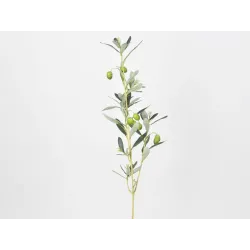
The current trend, which you see depopulating on design feeds for 2025, confirms that the demand is no longer simply aesthetic but experiential. You want artificial olive trees with realistic fruits and lithe trunks, or tropical plants like Monstera, Ficus or Birds of Paradise with natural veins and depth of variation that simulate a living habitat.
At the same time, environmental awareness is growing that pushes the market towards sustainable materials. Established companies are using recycled plastic or biodegradable fibers, while design blends with a green ethic: you buy a plant that lasts for years and reduces waste and continuous replacements.
At the same time, the market demands transparent information: UV certifications for durability under bright light and guarantees of authentic finishes and materials. When designing for commercial spaces, hotels and restaurants, you know that these plants must withstand close observations, strong lights, recurring cleaning. Therefore, it becomes essential to select products with accelerated aging tests and botanical details as if they were real specimens.
Finally, you feel strongly that the evolution of realism is not rhetoric: it is direct visual experience. Every time you choose a quality artificial element, you transform your environment with a green that does not betray you, which maintains elegance, chromatic consistency, size and volume. And it does so with maximum creative freedom, because designers and architects can rely on a green that is always perfect to create effective settings without biological compromises.
At home: comfort and cosiness in every room
When you bring an artificial plant into the various rooms of your home, you are not just adding a decorative element: you are building an atmosphere that communicates order, visual warmth and an idea of constant care, without the risk of the greenery losing its effect after a few days. In the living room, green becomes the protagonist of the scene and gives you texture, depth and color even when it is dark outside or in the cold months, eliminating tensions between what you see and what you perceive. Many interior designers today claim that high-quality faux plants are perfect for rooms with low light or hard-to-maintain areas because they don't require watering or constant sun exposure.
In the kitchen, where humidity, steam and splashes can compromise even live plants, an artificial component is a strategic choice as well as an aesthetic one. You can place it in niches close to the hob or on shelves without worrying about plant health: the plant maintains its style regardless of the microclimate and gives you an organic presence that visually connects all the elements of the kitchen. In the bathroom, even if it has no windows, install a maintenance-free and always intact green touch, which does not have to deal with changing temperatures or weather conditions. As experts in the field suggest, a well-crafted artificial green reinforces the idea of discreet elegance and care even in delicate environments, but without the burden of assistance that a living plant needs.
The bedroom welcomes artificial greenery with a subtle emotional benefit: that muted tone, those natural shades that protagonize without stealing attention, promote visual relaxation after a busy day. Larger studies on indoor well-being confirm that the perception of greenery, even without actual biological properties, helps to reduce stress and anxiety and to direct concentration on moments of pause.
No less important is the advantage you get if you often travel or have a tight schedule: while the natural plant requires regular attention, the artificial version completely relieves you of this responsibility. You don't have to remember to water it, scold it for a yellow stem, or worry that it might wilt while you're away. In such a case, all you need is a simple leaf cleaning routine - a few minutes every now and then keep the realism intact and the perfect appearance, without anxiety or unforeseen events.
The choice of quality plants radically changes the effect: if you select varieties with realistic colors, matte finishes, imperfect leaf structures and botanical shapes consistent with living species, you get an aesthetic impact that often surprises those who enter. Interior designers confirm that when you choose products like this, you can place them in compositions that look living, with appropriate storage systems (opaque jars, baskets, ceramic vases) completing the illusion.
What you have in the rooms of your home is therefore a project of happy continuity: evergreen plants in the living room, kitchen, bathroom and bedroom, all aligned with the visual language of your home. You avoid the frustration of seeing them wither or having to throw them away and replace them, but you gain time, order and a constant feeling of welcome. Ultimately, the effect is that of a green that accompanies the seasons outside without depending on the seasons inside: pleasant, reliable, always in place.
In the store: scenographies that entice you to buy
When you introduce artificial plants into your store, you're doing more than just adding decoration: you're shaping a true visual language that speaks to the brand, encourages word-of-mouth, gives coherence and stimulates purchase. People decide with their eyes even before they decide with their minds and you take advantage of this natural mechanism: greenery is not only pleasant, it is an emotional catalyst that slows down the customer, makes him linger, triggers a perception of higher value and predisposes him to discover your products. Visual merchandising teaches you that well-designed environments reduce perceptual fatigue and make shopping more fluid, pleasant, memorable, while greenery — even artificial — is one of the most effective ways to create engaging atmospheres.
The possibility of maintaining a vivid and consistent green all year round, without qualitative variations, brings a concrete advantage: the consistency of the visual message. The windows are repeated with style, the interior spaces maintain the same tone from one season to the next, from linear displays to vertical installations. Your brand language is invariable even when everything changes outside, and this affects customer loyalty. Marketing studies explain that green environments invite visitors to stay longer and feel calmer, more open and receptive to the offer.
In busy spaces or areas without natural light, where live plants would suffer, artificial solutions cite your aesthetic effortlessly. High shelves, mezzanine areas, sunless niches: end of story. The artificial compositions maintain volume, tone and texture even in the total absence of lighting, transforming difficult spaces into glimpses of controlled elegance. Think of them as light leaf architectures, positioned where the real organic would not withstand the context.
What you manage while your store is open is not just a set-up, but an emotional theater. You can model visual paths with green wings, create sensory rooms that invite you to stop or induce instinctive movements of the customer towards key areas. Artificial plant walls, for example, become visual barrier-free that frame products, guide the eye, create depth in the layout and offer visual and photographable anchor points. They become your scenic backdrop without deterioration, ideal in the window or behind the most important products.
On an economic level, you save time, staff and operational stress without sacrificing aesthetic impact. No need for botanical maintenance or continuous irrigation. If necessary, replace a tired installation in bulk, do not regret dead plants or yellow leaves that affect the visual message. You gain consistency and control without relying on seasonality or plant health.
Finally, the advantage of uniqueness applies to you: you can select artificial essences consistent with the mood, coordinate varieties, heights, hair directions with the language of the brand and create chromatic synergies with the product on display. So you build a visual storytelling that is never generic: it is a system of immediate recognition. Customers see a store that is alive, well-kept, coordinated in detail and come back. All thanks to a green that does not age, does not change and speaks of your style.
In the restaurant: carefree natural atmosphere
When you bring artificial plants into your dining room, you're not simply adding decoration: you're creating an emotional, visual, and functional experience that turns the customer into a guest. In the restaurant, the right well-positioned greenery captures the attention, slows down the pace of visits and stimulates permanence: visual pleasure becomes an integral part of the gastronomic experience, promoting satisfaction, trust and brand memory.
The great value of artificial plants allows you to keep the setting constant: no wilting, no unnoticed yellowing at the table, no discrepancy between natural light and vegetative state. Your environments maintain the same tone from shift to shift and season to season, ensuring consistency and perceived value. The allergenic potential is also eliminated because the fake plants are hypoallergenic and free from infestations or chemicals: an essential advantage in rooms where hygiene and comfort must reign supreme
In a restaurant, each area needs a different character. At the entrance or waiting points, you need imposing plants that catch the eye and define a tone; Next to the tables, small, well-calibrated green elements enhance the mood without hindering conversations or the passage of staff. If you have noisy areas, you can arrange dense plant patches that help dampen and distribute the sound, creating invisible acoustic comfort
On a hygienic level, eliminating soil, fertilizers and stagnant water reduces the risk of mold or insects: all that remains to do is manage dust with programmable cleaning. This facilitates the integration of plant decorum into the sanitization protocols of the restaurant, without requiring staff with botanical skills
The economic benefit is concrete. The initial cost of a well-thought-out installation pays for itself in a few months, especially when you consider that live plants involve ongoing expenses (replacements, irrigation, maintenance, potential water damage). Artificial ones respond reliably to intense and repeated use, with a long lifespan (over 3–5 years in commercial environments), reducing operating costs and unexpected replacements
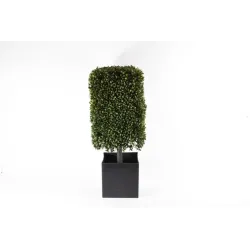
In addition, the strategic use of greenery allows you to define visual paths, create privacy or more intimate sections without structural barriers: sagging green walls, light hedges or hospitable dividers segment the space in an elegant and flexible way. When you wish, you can easily move, renovate or renovate: the artificial plant becomes a reusable asset that can be adapted to the layout of the room
Finally, the direct aesthetic impact on the customer's emotions is supported by research: restaurants enriched with plants, including artificial ones, obtain higher satisfaction and loyalty ratings than those without greenery. Consumers associate large environments of light and greenery with quality service and an experience to remember
Ultimately, in the restaurant, artificial greenery is not an ornament: it is an integrated part of a sensory ecosystem that improves atmosphere, well-being, operation, economic performance and loyalty. With minimal management and maximum results, you transform every meal into a complete experience and remain the protagonist in hosting.
In the office: well-being and concentration
When you bring greenery into the office, you're not hanging an extra frame: you're intervening on attention, stress and behavior. The literature on biophilic design shows that natural elements — light, materials, shapes and, above all, vegetation — are associated with greater perceived well-being and a better quality of work experience, especially in open spaces. Contemporary design standards have also introduced principles and requirements for integrating nature into the workplace: it is not a fad, it is an operational language with measurable effects on mood and motivation.
If you wonder what a plant really "does" in terms of air, it pays to be clear: the narrative of pots as environmental purifiers stems from tests in sealed chambers and does not transfer to real offices, where air changes and volumes are incomparably greater. For air quality, ventilation, filtration and source control work; greenery — natural or artificial — works on the perceptual and cognitive level, lowering mental fatigue and improving visual comfort. Setting this expectation correctly allows you to use artificial plants for what they do best in the office: building a "calm" and recognizable background that supports concentration and emotional tone without introducing biological demands.
Acoustics is another lever. The leaf mass breaks, diffuses and partly absorbs sound energy: green wings, modular hedges and artificial plant panels reduce reverberation and specular reflections, especially in the frequency bands of the voice. They do not replace an acoustic project, but complement it, making collaborative areas more intelligible and focus zones less tiring. When you place plant modules near rigid surfaces — windows, smooth walls, corridors — you soften the "box" effect and improve the readability of speech.
The choice of material makes the difference because in the office the observation is close. Matte finishes, veins and leaf margins that are not perfectly symmetrical, trunks with credible textures, proportions consistent with the species: these are details that, at one meter, maintain the illusion of naturalness. Aesthetic continuity during the year becomes an operational asset: no withering during closing periods, no yellowing in corners with insufficient light, no irrigation constraints near sockets and equipment. This translates into standardization of maintenance — dust away with microfiber and scheduled light washes — and freer layouts, because you can take greenery where it could not live.
On the compliance front, it is prudent to treat greenery as a real set-up material. For large installations — artificial green walls, large leaf masses in the atrium, plant dividers — ask for and store fire reaction documentation in Euroclasses readable for your RSPP and for insurance companies; in office areas, a common reference is class B with specifications on smoke and incandescent droplets. You often also meet internal requirements that recall guidelines of welfare standards: integrating nature does not mean accepting risks, it means designing with clear rules.
The hybrid return has added a strategic piece: environments that express care and nature attract more than anonymous workstations. Scenarios with greenery, warm materials and views of natural elements are perceived as more "hospitable" and, with the same functions, improve the participation of teams in the days on site. Using quality artificial plants allows you to maintain that effect every day, regardless of exposure, cleaning shifts, and seasons, making the experience you promise people repeatable.
To do well, design for distances of use and for tasks. In the focus rooms, choose compact and deep tone elements, which hold up to the side without distracting; in collaborative areas he uses vertical volumes as "soft" signage to direct flows and create micro-privacy; In the entrances, he works with silhouettes and backlighting, because the first impression of the brand even before the atmosphere is the atmosphere. Integrate the vases with furnishings and finishes, avoiding mirrored reflections that betray artificiality. These are small choices that, added together, build perceptual continuity and support concentration.
Finally, there is the issue of costs: you shift spending from continuous service to capital. Instead of replacement cycles and specialized maintenance, invest in a stable set with a cleaning routine included in routine facility procedures. The result is a coherent spatial language, which supports cognitive work and perceived quality without managerial surprises. In the office, where predictability is a production value, this "unexpected" greenery becomes part of the infrastructure of well-being, like light, air and acoustics.
Seasonality and quick changes of look
When you design with artificial greenery, seasonality becomes a creative engine and not an operational constraint. You can mark the year in micro-campaigns — winter, spring, sales, back-to-school, holidays — and orchestrate scene transitions in hours, not days. In retail, this pace matters: windows and environments updated on a regular basis increase attention and the likelihood of return. The most recent guidelines suggest window refreshes every two to three weeks in dynamic categories, with tighter cycles in seasonal peaks; Inside, trim changes follow an even faster beat in the promotional phases. With artificial greenery, you keep the visual quality constant and shift the effort to choreography and storytelling, not to the survival of plants.
Color is your most powerful lever to "mark" the seasons without redoing everything. Cooler, desaturated palettes communicate stillness and order, while warm, saturated tones accelerate and activate. Artificial greenery allows you to modulate the botanical background and then insert chromatic accents with containers, fake fruits, flowering branches or seasonal textures, maintaining continuity of species and volume. Research in retail and commercial environments confirms that combinations of color and light influence evaluations of quality, trust and identity of the store: by orchestrating color for seasons you guide perceptions and behaviors without changing goods.
To make changeovers fast, design in modules. Pre-assembled green panels, hedges on standard bases, pots with interchangeable inserts and "family" shapes allow for quick and clean reconfigurations, even with small teams. Modularity is now standard in fixtures: adaptable layouts reduce costs, speed up resets and keep the store "alive" when the assortment changes. The same principle applies to restaurants and offices: with just a few components you can go from a fresh and bright mood to a more material and intimate one, without stopping operations.
If you work with display cases or outdoor areas, seasonal durability depends on UV resistance. Choose elements declared UV-stabilized and ask for accelerated aging tests: practices such as ASTM G154 simulate months of sunshine in a few weeks and help you predict fading and loss of mechanical properties. This verification, combined with an intelligent rotation of the most exposed modules, keeps the chromatic impact intact even when the radiation increases.
The seasonal calendar is not just "Christmas and sales". The 2025 trends push towards real-time storytelling: windows and key areas react to the weather, local events, social launches, with light sets that dialogue with the community. The artificial green is the backdrop that never gives way: the front layers change — signage, props, luminous objects — while the botanical mass guarantees visual continuity and brand recognition. So you can increase the refresh rate without losing consistency.
In the hot phases of the year, speed only pays off if it is sustainable for the team. Plan ready-to-use "seasonal kits," complete with visual instructions, placements, and standard timing; It stores the modules in numbered cases, protecting foliage and finishes to reduce wear and tear during transport. In peaks such as holiday periods, anticipate resets with back-of-house pre-setups, so as to compress night times and show up at the opening with the already consistent look. The same logic applies to restaurants and offices open to the public: the customer recognizes the season at first glance and you don't interrupt the service.
Finally, measure the return. Tie every look change to simple metrics — time spent in the window, admissions after resets, interaction rate in the promotional area — and refine the strategy. The combination of seasonal scenographies, modularity and stable materials creates a virtuous cycle: less maintenance costs, faster execution, greater brand consistency. With artificial greenery you use seasonality as a language, not as an operational emergency.
Solutions for large and small spaces
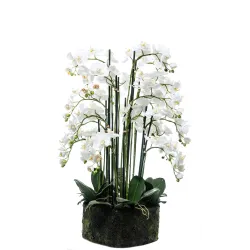
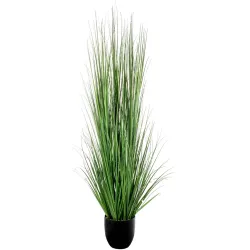
When you decide to include artificial plants, each environment speaks to you in different terms: size, flow of people, lighting, very tall or small dimensions. In a large space such as a hall, an atrium, an open space shop or the entrance to an office, greenery must have presence and balance. Choose vertical compositions or artificial trees that fill the space in height, work on perspective and volume, and create a focal point. The ideal model thrives on supple stems, articulated trunks, rich fronds that outline visual rhythm from floor to ceiling. You configure it to integrate paths and rest points, giving the place a natural spatial hierarchy.
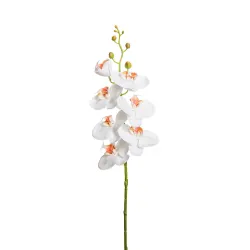
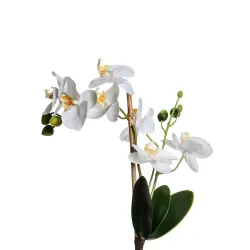
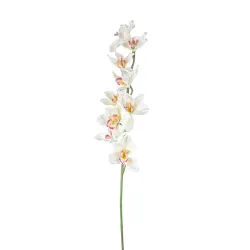
Conversely, when you're dealing with small spaces — entrance hallways, bathrooms, alcoves or reception desks — the approach becomes more subtle. You don't need a large volume, but a calibrated impact. Choose compact shapes, optimized containers, thin foliage that does not invade. An artificial orchid on a shelf, a small ficus in a basso pot, or a single eucalyptus branch in glass — minimal but effective ideas. The effect is discreet but consistent, and conveys visual care even where you could not place real vegetation.
In medium spaces, such as break rooms, small shops or offices with glass walls, the balance passes through contrast: games with low volumes (jars on a table) and medium volumes (clusters of leaves, low bushes) to create depth. You can define waiting corners, separate work zones or design visual stations without fixed barriers. You thus take advantage of horizontal and vertical alignments to create movement and guide the gaze, without weighing down the environment.
It is very useful to reflect on the usual point of view: where do people look from? By eye, with their backs on the sofa, sitting around a table. The details of artificiality must remain hidden at close range, while the volume and silhouette maintain the "green". So you focus on species with the right habit: short ferns, dense but not excessive leaves, fake bonsai-style mini-plants, climbers in suspended pots. All with vases that add texture, color or contrast with the furniture; In the small space, every inch counts.
Another key aspect is modularity: in the small you can use a single multi-branching module that covers the entire effect, easily replacing it when needed. You have one or two, no continuous installation, but enough to define invisible green presence. In large rooms, on the other hand, you can create modular compositions, such as artificial hedges on rollers, green-wall-type panels, retractable trees that integrate behind the reception or along the main corridors. In all cases, you need mobility: move, group, update according to the occasion or season without starting from scratch.
Lighting has a lot of impact: in contexts with low natural light, make sure that the finishes of the leaves do not have plastic reflections and that opaque materials love light diffusion, not glare. In very bright environments, choose plants with UV-stabilized colors and fade resistance, to maintain color and visual tension. ASTM G154 techniques are used to test accelerated solar resistance. In essence, what matters is to align the quality of the finishes with the distance of the observers and the type of light.
Finally, it assesses the cost-benefit ratio in the spatial context. In a small area you spend little and have targeted visual benefits. In a large environment, the investment is greater, but the time constraint and the freedom of set-up make it an asset. Focus on regular experiences: in small spaces, quick module replacement and simple cleaning; in large ones with programmed and modular management. So you keep every room vivid, consistent, and suitable for real-world use — whether it's a room, niche, office, or store — without sacrificing aesthetics or functionality.
Mix & Match: artificial plants and furnishing accessories
When you decide to integrate artificial plants with furnishing accessories, you move on a terrain that combines aesthetics, balance and the narration of space. An artificial plant is never an isolated element: it lives and communicates in relation to the container that houses it, the surrounding materials, the lights and the surfaces. If you choose these combinations carefully, greenery becomes an integral part of the project, capable of giving rhythm and coherence to the environments without effort.
The vase, first of all, is not a simple support, but an element of identity. With a minimal container in matt ceramic, you enhance the elegant and contemporary look; with a woven basket in natural fibers you evoke domestic warmth and a sense of craftsmanship; With a brushed metal vase, you introduce a sophisticated reflection perfect for offices or shops with a modern cut. The material contrast works like a frame: the artificial plant acquires depth and scenic presence because it dialogues with surfaces that complete its texture.
The same goes for the surrounding fabrics and furnishings. An artificial ficus near light linen curtains amplifies the feeling of naturalness; a group of ferns in a restaurant next to dark velvet seating adds theatricality and creates an enveloping atmosphere; A bonsai tree on a solid wood table establishes an immediate link between evoked naturalness and the solidity of the material. The subtle rule you can follow is to work on complementarities: if the environment is dominated by clean lines and smooth materials, add a more "wavy" green, with light and branched foliage; if, on the other hand, you already have a textured décor, choose plants with a more linear profile, which act as an orderly counterpoint.
Light is another key player. Placing an artificial plant next to a floor lamp with warm light creates a play of shadows that returns three-dimensionality, making it more difficult to distinguish the artificial nature of the plant itself. In commercial spaces or offices, using spotlights oriented on green walls or artificial plant panels means transforming them into real scenic backdrops, capable of conditioning the visual path of customers or delimiting areas without the use of rigid walls.
The art of mix & match is also expressed in the possibility of combining greenery with seasonal decorative objects. You can place artificial branches alongside winter candles, add brightly colored fake flowers in spring, or introduce small metallic and glassy accessories to add sparkle during events or holidays. In this way, greenery becomes a stable base, always ready to dialogue with the details that mark the moments of the year, without having to start from scratch every time.
Then there is the game of proportions. A tall, imposing artificial plant next to basso and square furniture creates verticality, while small green elements repeated in sequence along a shelf establish rhythm and continuity. In the office, this principle can help you make workstations more fluid, while in a store you can guide the customer's gaze along shelves and paths.
Finally, consider that each combination tells a story of care. When a client, guest or collaborator enters a space where artificial plants are consistently combined with containers, furniture and lighting, they perceive an environment thought out in detail. It doesn't matter that green is not alive: what matters is that it conveys balance and style. This is where mix & match becomes more than an aesthetic exercise: it is a tool for building identity, memory and atmosphere.
A long-lasting and sustainable investment
When you choose to furnish with artificial plants, you are not only favoring practicality: you are making a long-term choice that combines economic value and sustainability. Durability is the first element to consider. A quality artificial plant retains its shape, colour and volume for years, even in intensively used spaces such as shops, restaurants or offices. This means that you don't have to constantly replace decorative elements, as is the case with natural plants that decay, require repotting or lose their charm in a short time. The return on investment is not immediate but constant: spend only once for a green that remains unchanged season after season.
The second aspect is management savings. With artificial plants, you eliminate recurring costs for maintenance, irrigation, fertilizers and gardening services, minimizing the need for specialized personnel. The routine is limited to periodic cleaning that can be integrated into the normal care cycles of the spaces. In commercial environments, this simplicity translates into greater efficiency: employees can focus on customer service and experience, without having to intervene in maintaining green scenery.
On the environmental level, the perception has changed. If once fake plants were considered a "disposable plastic" product, today the evolution of materials and production techniques has made the sector more attentive to sustainability. Many manufacturers use recycled polymers, eco-friendly coatings, and advanced printing processes that reduce waste and scrap. In addition, the long useful life of the product makes it possible to reduce the frequency of replacement, avoiding waste related to the cultivation, transport and short life of natural plants in contexts that are not suitable for their survival. In other words, sustainability here comes from resistance: less waste, less logistics, more continuity.
Another factor that should not be overlooked is versatility over time. An artificial plant can be repositioned, inserted into new compositions or adapted to seasons and trends without losing effectiveness. In an office it can become part of a relaxation area, in a restaurant an elegant partition, in a shop a focal point for shop windows. The same plant goes through different years and functions, renewing its value at no significant additional cost.
Finally, the investment in artificial greenery is also psychological. Your customers, guests or collaborators perceive well-kept and coherent environments, with always fresh scenery, without yellow spots, falling leaves or signs of neglect. This has a direct impact on your brand's reputation and the trust people place in the spaces you live in or manage. The image of quality, reliability and attention to detail becomes part of the intangible heritage that reinforces the overall value of your business.
Ultimately, artificial greenery is an investment that combines aesthetics, economy and responsibility. It allows you to guarantee visual and functional consistency, reduce costs and waste and align yourself with a more current conception of sustainability: not only the one linked to the "natural", but the one that enhances what lasts, resists and accompanies the life of spaces for a long time.
In conclusion, choosing artificial plants today means rethinking the very concept of greenery in the spaces you live and manage. This is not a compromise, but a strategy that combines aesthetics, functionality and efficiency. At home they offer warmth and hospitality without the effort of daily care, in the store they become visual merchandising tools capable of strengthening the brand and stimulating purchases, in restaurants they transform dinner into an immersive experience and in offices they contribute to well-being and concentration.
Their value is not only in the beauty they keep intact over time, but in the creative freedom they grant you: you can design without biological limits, experiment with rapid changes of scenery, give identity to large and small environments, mix materials and accessories to obtain unique atmospheres. At the same time, you reduce costs and unforeseen events, work in line with sustainability principles based on durability and waste reduction, and guarantee spaces that are always well-kept and reliable.
Artificial greenery, in its most advanced forms, is not a surrogate but a resource. It is the possibility of having an "evergreen" that accompanies your style and your needs without interruption, transforming every environment into a place that tells attention, quality and vision. In this balance between beauty and practicality lies the key to its success: an investment that grows with you, day after day.