
Blog navigation

Latest posts

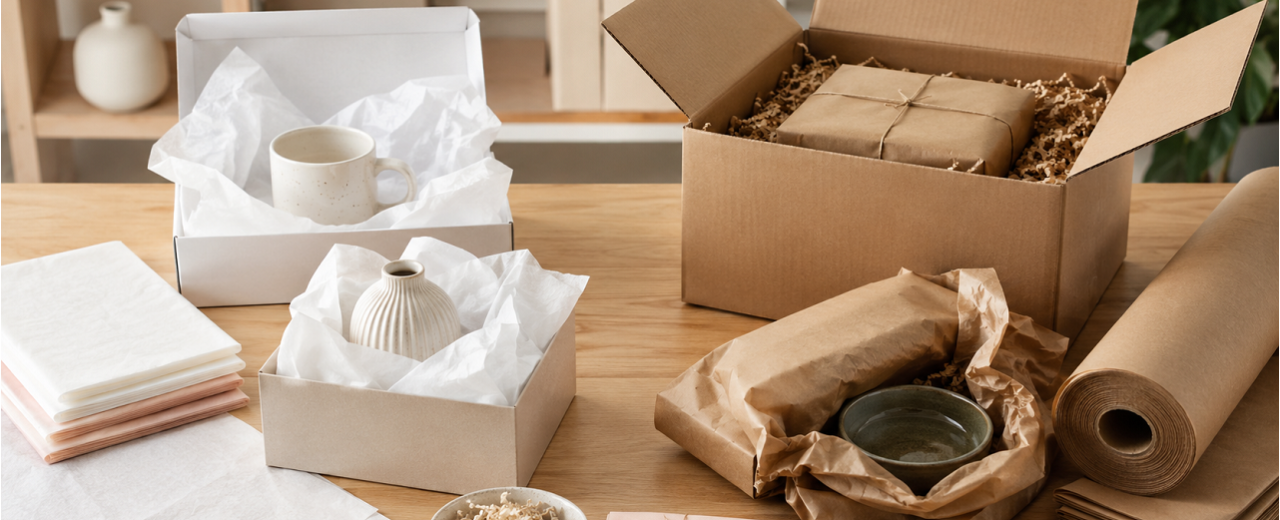
Tissue paper and wrapping paper for shipping: differences, uses and which one to choose

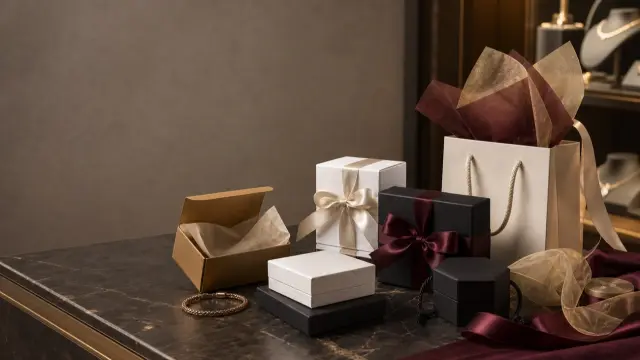
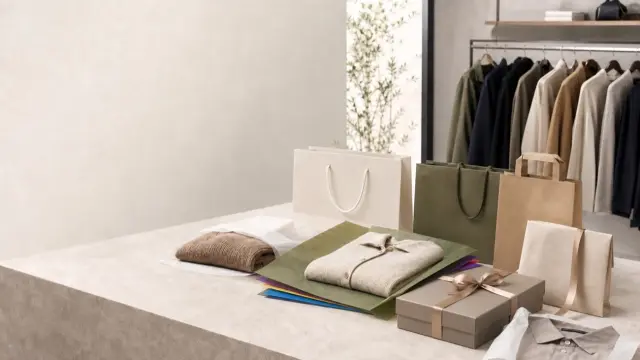
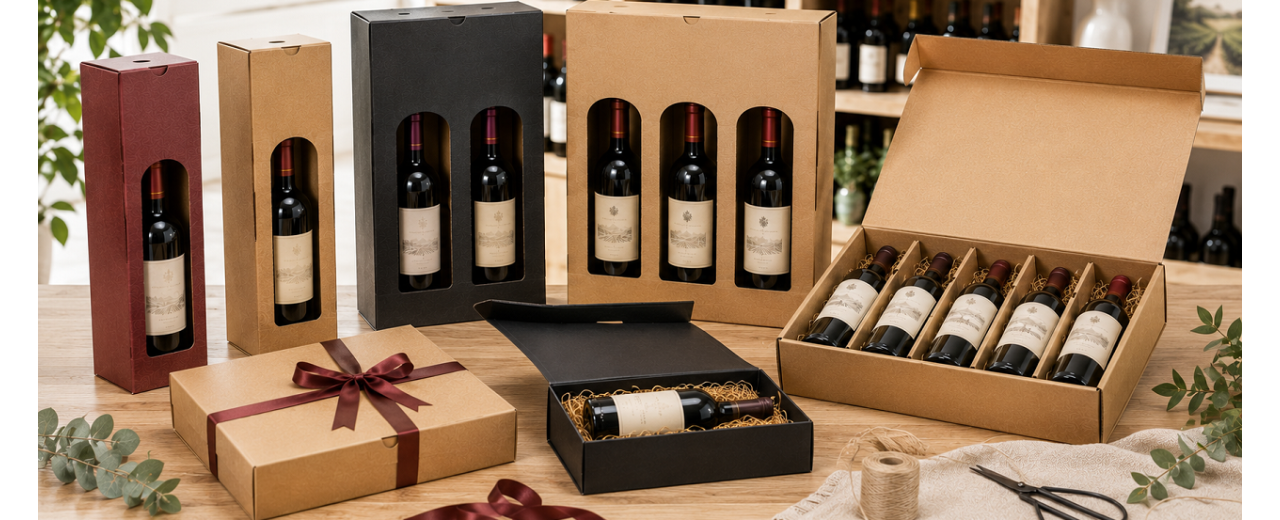
Tissue paper and wrapping paper for shipping have different functions and should not be confused. The tissue protects...
Read more
Wine boxes of 1, 2, 3 or 6 bottles: how to choose formats and gift boxes

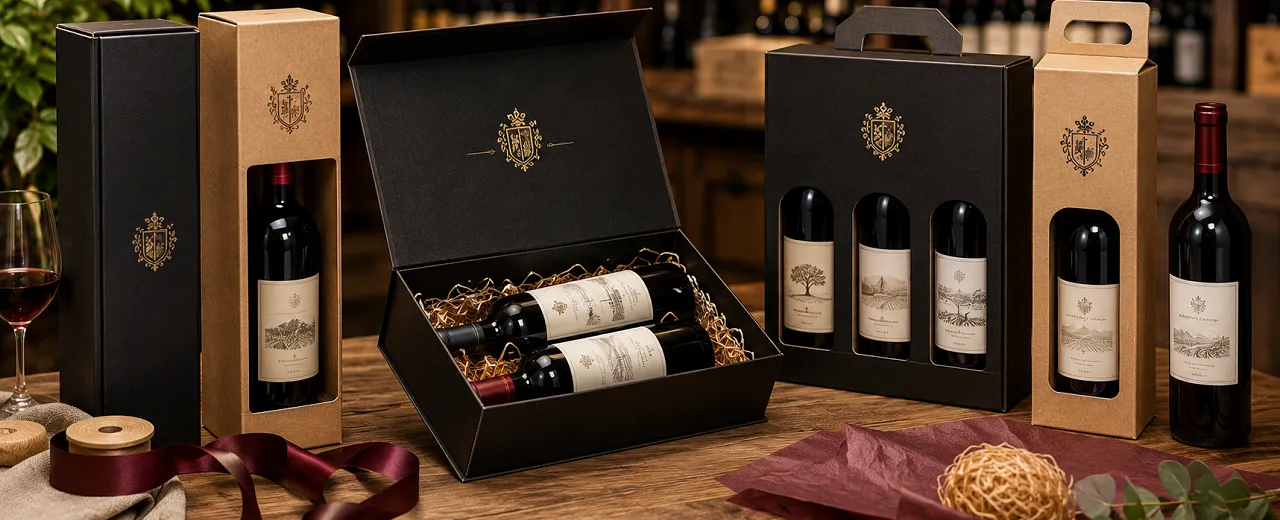
Wine boxes of 1, 2, 3 or 6 bottles help wine shops and wineries manage sales, gifts and delivery. Each format...
Read more
Personalised wine boxes: logos, formats and quantities for wineries, wine shops and corporate gifts

Personalised wine boxes enhance bottles, gift selections and corporate gifts. Logo, format and quantity must be...
Read more
Tissue paper for e-commerce: how to protect and present products in shipments

Tissue paper helps e-commerce businesses to superficially protect products and better present them inside the...

Read more
Vertical, flat or windowed wine boxes: which one to choose for wine shops and cellars

Wine boxes help wine shops and wineries to enhance bottles, gift selections and company packaging.Choosing between...

Read more
How to pack and ship fragile products: a practical guide for shopkeepers including glass, ceramics, cosmetics and objects

Fragile products require packaging designed according to weight, shape, material and mode of transport.Glass,...

Read more
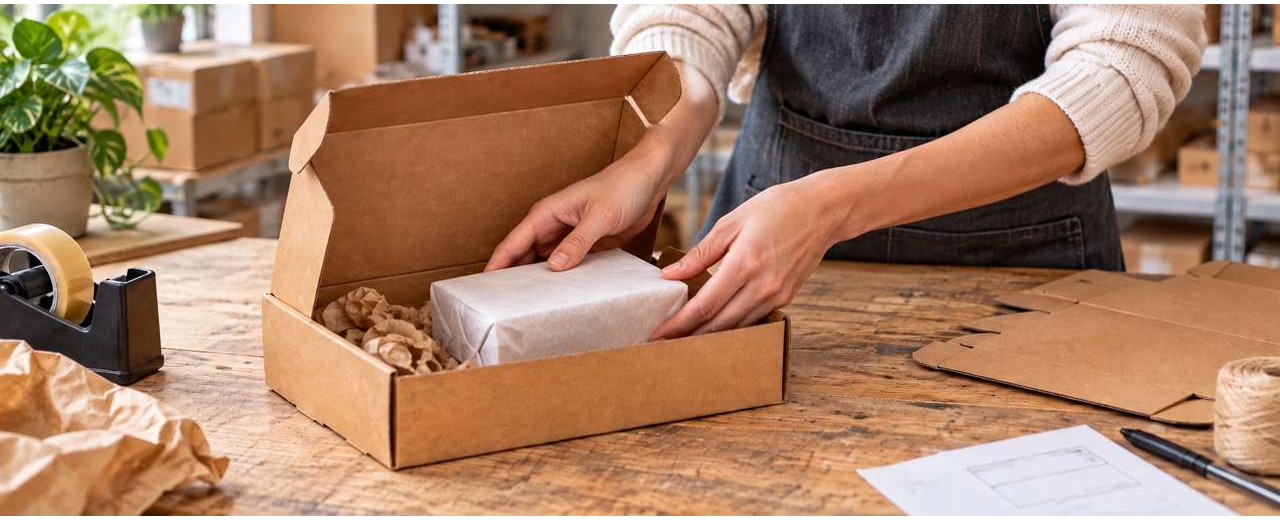
How to prepare a package to be sent to customers: a practical guide for stores and e-commerce

Preparing a package well means protecting the product and delivering an orderly and professional order to the...

Read more
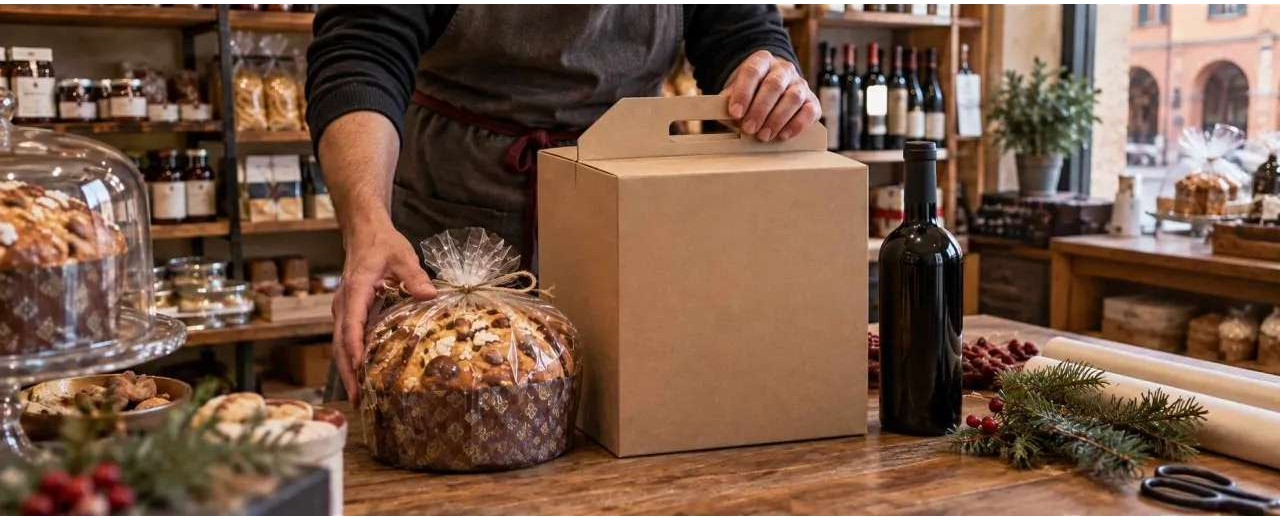
Food packaging for pastry shops, delicatessens and wine shops: practical packaging to sell better

Food packaging must protect the product, speed up service and enhance every sale.Pastry shops, delicatessens and wine...

Read more
Packaging for wedding favors and ceremonies: boxes, tulle, ribbons and coordinated packaging.

Packaging for wedding favors requires proportionate containers, coordinated materials and procedures that are easy to...

Read more
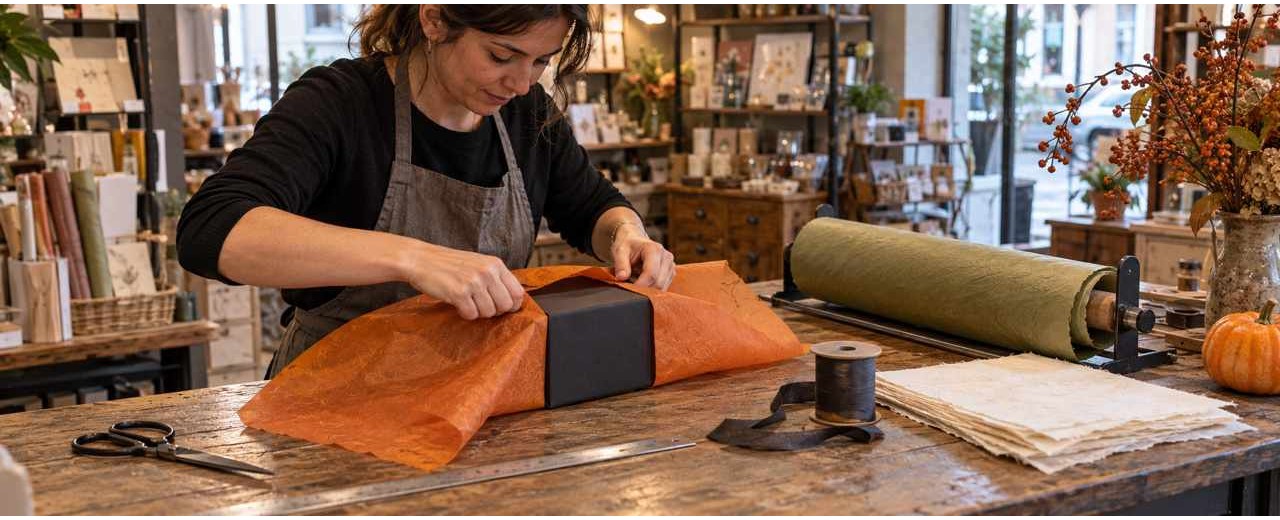
Gift packaging materials: grass paper, tulle, shavings, tissue paper and textures compared

Grass paper, tulle, shavings and tissue paper perform different functions in professional packaging.The correct...

Read more

Easter shop windows that enchant. Useful and very practical tips.

Easter shop windows that enchant. Useful and very practical tips.
 

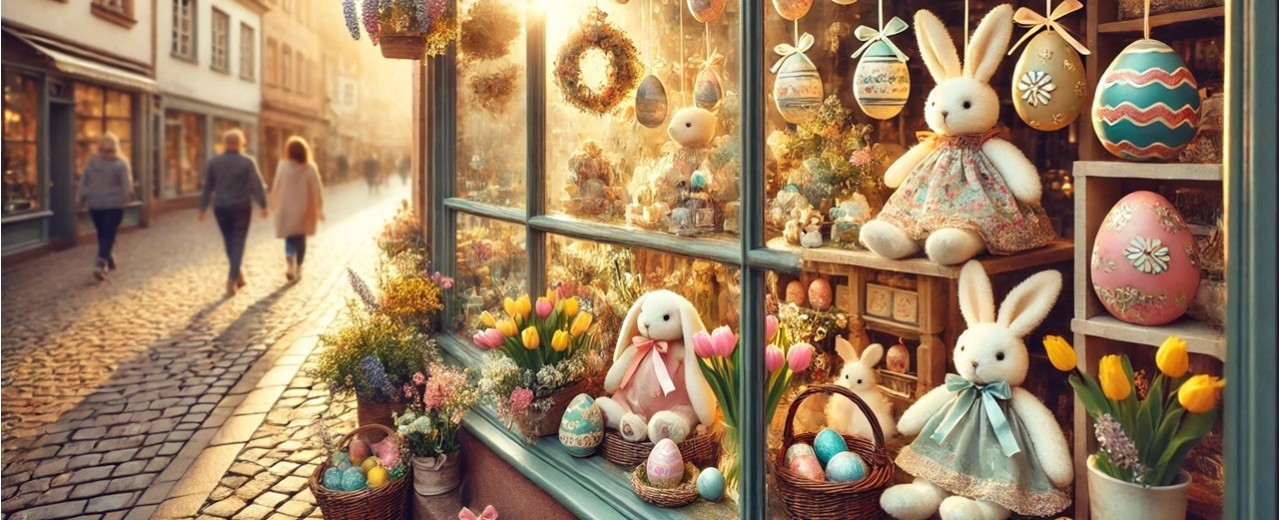
Easter brings with it a message of rebirth, soft colors and an atmosphere of joyful anticipation. If you run a shop – whether it's a pastry shop, a bar, a boutique or a florist – it's time to transform your window into a small Easter-themed work of art, capable of intriguing those who pass by and pushing them in.

This period represents, in fact, a precious business opportunity: many are looking for gift ideas, typical sweets and seasonal decorations. A well-set window can make the difference between a potential customer who goes straight and one who stops, enters and buys.

To apply these principles beyond Easter, check out the complete guide to setting up an effective shop window.

In this article, you'll find practical tips and visual merchandising tips for:

  1. Choosing the right inspiration: from storytelling to the choice of Easter symbols

  2. Combining colors and materials: how to create a harmonious palette

  3. Distributing products and decorations: techniques to achieve rhythm and depth

  4. Creating a visual story: how to insert narrative and fairytale elements

  5. Using packaging as "furniture": transforming boxes, wrappers and shopping bags into a marketing lever

  6. Focus on originality: innovative ideas to stand out from the competition

Take note and turn your next Easter window into a real magnet for customers.

1. Start with inspiration: tell a story of spring and rebirth

Before deciding on colors and decorations, ask yourself: what story do I want to tell my customers? Easter is not only a symbol of celebration, but brings with it values of rebirth, joy and hope. It is a period that makes you want freshness, sunshine and novelty.

  • Choose a central theme: it can be spring blooming, the awakening of nature, a fairy forest, or even a vintage touch that mixes lace and hand-decorated eggs.

  • Use key symbols: such as eggs, bunnies, chicks, wildflowers, or wreaths. Avoid putting them all together without a common thread: it is better to focus on a few elements that are consistent with each other.

Tip: If you have a brand with a certain character (e.g. chic, rustic, minimal), try to decline the Easter theme in line with the identity of your store. This will strengthen your message and create a stronger emotional connection with your customers.

2. Colors and materials: how to convey Easter harmony

Once you've established the story to tell, move on to defining the color palette and materials to be used.

  1. "Modern classic" pastel palettes: sage green, powder blue, powder pink and cream. These shades evoke a sense of delicacy and elegance, suitable for clothing stores, florists and fine pastry shops.

  2. Lively "spring pop" palette: lemon yellow, lilac, orange and mint green. Perfect for those who want to convey energy and joy, perhaps in a children's shop or young objects.

  3. Natural materials: kraft paper, jute, raw wood and dried or fresh flowers immediately give the idea of an artisanal and quality environment. They are ideal for enhancing homemade products, artisanal chocolate and handmade decorations.

Visual trick: choose two or three main colors and use them in a balanced way. You can add small details in a contrasting shade to give highlights or create micro-focuses.

3. Distribution and composition: the secret is to create movement

A common mistake is to "scatter" products randomly. The secret to capturing attention is to build a narrative structure even at the level of layout.

  • Pyramid or visual triangle: Place the most alto or most important element in the center, and arrange smaller objects to scale to the sides. This creates a strong focal point.

  • Step sequence: if you have several shelves or risers, place them at different heights to direct the gaze from the most basso object to the most alto one, gradually revealing the products.

  • Add depth: In addition to placing featured items, place some that are further back (if the storefront allows it). This gives a three-dimensional sense and stimulates curiosity.

Practical tip: Test and take photos with your mobile phone. Looking at the installation from different angles will help you understand if there are visual gaps or if the elements are penalized by poor lighting.

4. Narrative and fairytale elements: turn the window into an experience

Easter lends itself to becoming a fairytale tale, thanks to the symbols linked to spring and the small creatures that have always fascinated young and old.

  • Stylized rabbits and chicks: You can make them with colored cardstock, fabric, felt or even recycled material for an eco-friendly effect.

  • Mini scenographies: a small flower meadow recreated with synthetic moss or turf, with decorated eggs resting here and there, arouses amazement and makes the window "alive".

  • Soft lighting or bright rows: If discreetly placed behind or around the decorations, they create a cosy atmosphere and attract the eye even in the evening.

Extra idea: insert cards with short phrases or themed nursery rhymes. They work as micro-elements of storytelling and invite passers-by to stop a few more seconds to read.

5. Packaging as the protagonist: wrappers, ribbons and shopping bags that sell themselves

At Easter, the concept of gift is very strong: chocolate eggs, handcrafted doves, but also small gadgets, perfumes, accessories. This is why packaging becomes a strategic ally.

  • Show what you sell "already wrapped": People love to see examples of ready-made packages. Feature bow baskets, decorated cardboard boxes, and personalized shopping bags.

  • Use the containers as a base for the set-up: you can stack boxes or bags in a creative way, using them as supports for other decorations (eggs, flowers, lights).

  • It enhances quality: the attention to detail – a satin ribbon, a small card with a greeting message, a dried flower as a package seal – immediately conveys a sense of value.

Marketing advantage: A showcase where the products are already packaged also acts as a visual catalog: the customer can imagine buying what he sees immediately, without having to request further customizations at the checkout.

6. Ideas out of the chorus: how to really stand out

If you want your shop window to be imprinted in the minds of passers-by, dare with some original and fun ideas.

  1. Interactivity: if you have a large enough storefront, insert a QR code that refers to an Easter mini-game or a discount coupon to download on your smartphone.

  2. Focus on social media: create a hashtag dedicated to your showcase and invite customers to photograph and share it. You can also launch a small Easter-themed contest.

  3. Easter scents: Place a diffuser of light fragrances (such as orange blossom or vanilla) near the entrance. The olfactory experience, combined with a well-thought-out setting, makes the atmosphere even more inviting.

  4. Artistic details: If you have the opportunity to collaborate with a local artist (painter, illustrator, photographer), ask them to create a custom panel or graphic to display in the window. The uniqueness of a work of art will not go unnoticed.

7. Conclusions: an Easter showcase that talks about you

Designing a successful Easter window display case means combining creativity and strategy. It's not just about beautifying the space, it's about communicating the value of your brand and giving customers one more reason to stop and walk through the door.

  1. Consistency: each element (from the color to the decorative symbol) must reflect the chosen Easter message and the identity of the store.

  2. Visual balance: Distribute products so that no one is "crushed" or hidden. Play with heights and depth levels.

  3. Originality: add a unique element that cannot be found elsewhere: an illustration, a theatrical touch, an interactive solution.

  4. Emotional involvement: Easter is linked to moments of joy, surprise, celebration. Make the set-up arouse these feelings in the passer-by, transforming him into a customer.

Need help creating your Easter shop window?

Whether you're looking for custom packaging, specific decorations, or visual merchandising advice, remember that attention to detail always makes the difference. A well-kept window display that is consistent with the Easter holiday can increase sales and consolidate your image in the neighborhood or city.

Do not hesitate to contact us or browse our catalog to find everything you need: from decorated cardboard boxes to thematic ribbons, from floral elements to the most original gadgets. Easter is just around the corner: make your store the most attractive of the moment!

Happy staging and happy Easter!