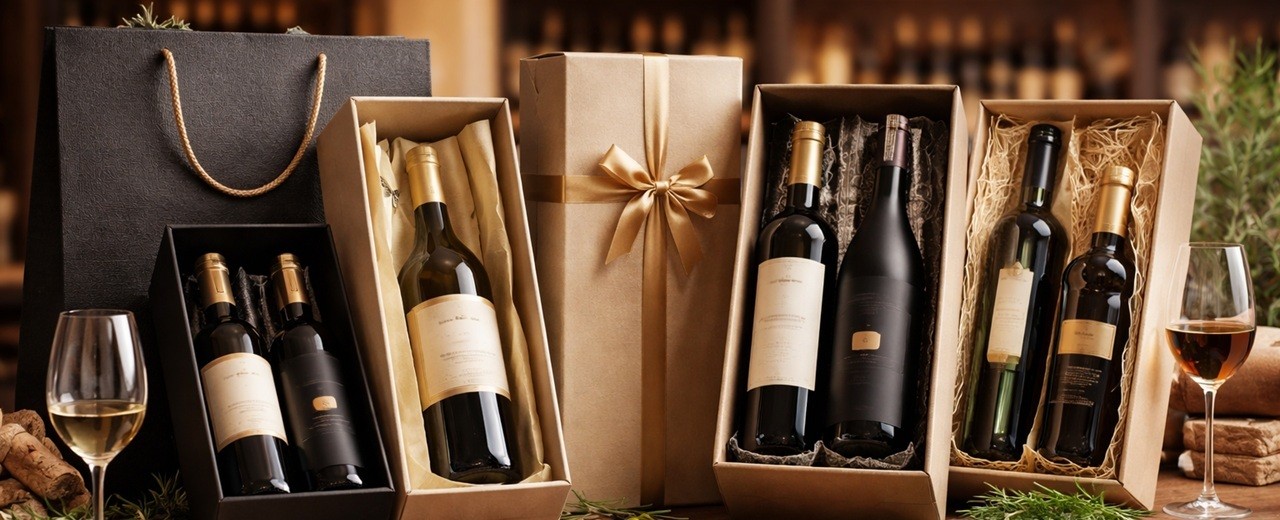
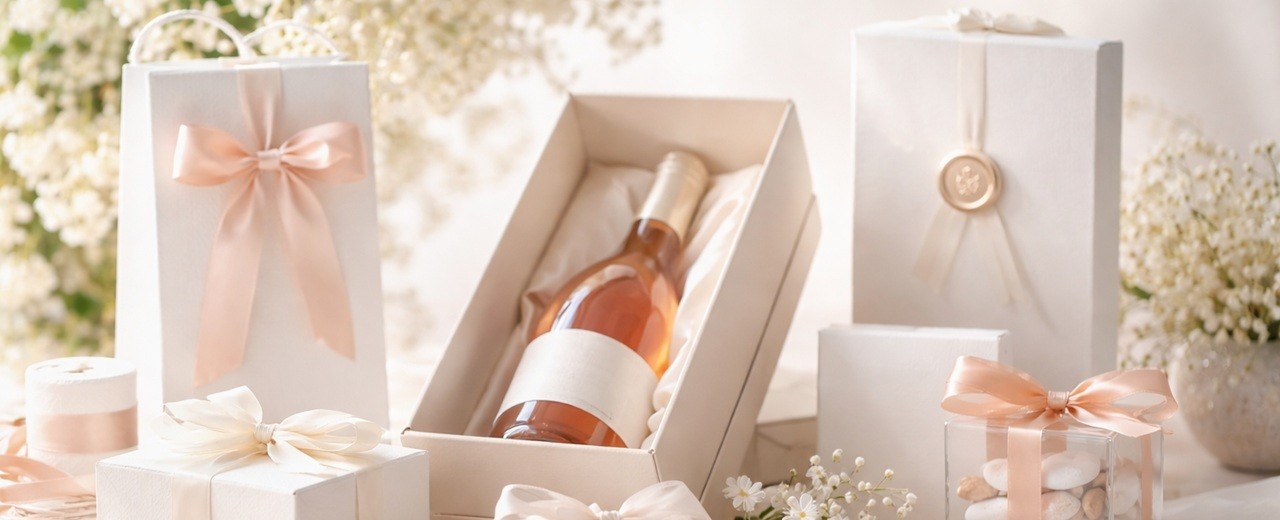
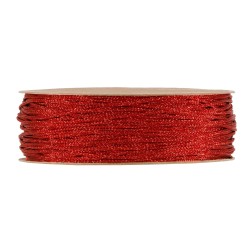
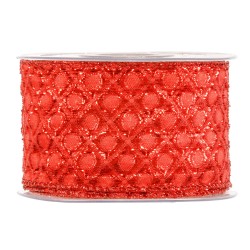
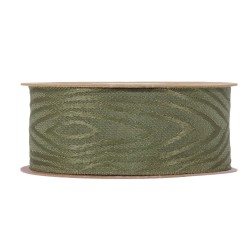
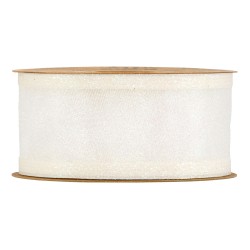
Imagine arriving at the store at dawn, when the lights are still warm and the paper makes its most sincere rustle. At that moment decide the lexicon of your Christmas: you don't just choose colors, you choose the rhythm with which the packages will speak to the customer and the tone with which the tree will respond from the window. In 2025, the conversation is more mature and bolder at the same time. On the one hand, you find quiet depths—nocturnal blues, warm whites, opaque metals that seem to hold light—on the other, a conscious joy, where cherry red and butter yellow become your invitation to smile without falling into the toy effect. You move on materials that do not scream but whisper quality: compact velvets, embossed papers, satin pearls, champagne finishes that illuminate without dazzling.
If you want to make everything work from the checkout counter to the social shot, you should start from a guiding idea and let the palette tidy up: an indigo-violet as an authoritative base, a soft sage to soften, a brushed metal to close the sentence. You're not chasing a volatile fad, you're interpreting a recognizable language that audiences have already begun to desire. The confirmations come from the trends exhibited at Christmasworld, from the WGSN x Those color forecasts with "Future Dusk", from the behavioral signals of Pinterest Predicts 2025 and from the material and tonal maps shared by Sherwin-Williams. It is up to you to transform these coordinates into a coherent experience, where wrapping and decorating do not add up: they respond to each other.
Christmas 2025 color trend: what changes for wrappers and decorations
In 2025, you should think of color as a system, not as an isolated choice. The gift wrapping and the Christmas decoration work together and the palette becomes the bridge that unites the checkout counter, the window and the living room. The most evident novelty is the search for depth without dazzling: nocturnal blues and indigo with violet shades build authoritative backdrops, while metals lose their mirror shine and are transformed into satin, brushed, even burnished finishes. When you place a velvet ribbon on an embossed paper and close with a light gold foil, you are not "decorating" a package, you are designing a soft light that accompanies the eye. It is the grammar of quiet luxury applied to Christmas, and it is what makes a coordinated believable even in close-up photographs and short videos.
At the same time, you feel a joyful drive that has nothing childish about it. Cherry red and butter yellow become the most social color pair of the moment, because they hold up to in-store filming and user-generated content without losing definition. If you decide to use them, let the red lead and entrust yellow with the function of a reflector, perhaps with small scrolls or seals that order the rhythm. In a natural way, muted greens—sage and "garden" tones—bring back calm and matter. They work because they bond well with kraft, jute, light wood, and copper or aged brass details, and allow you to talk about sustainability without captions.
The terrain of neutrals shifts towards tactile beiges, soft cocoa and deep blacks used as a shadow rather than as a hard accent. If you work with fabric-effect papers, grosgrain ribbons and tone-on-tone hot stamping, you get valuable information that does not depend on the large printed brand but on the feel and quality of light. On the more theatrical side, jewel colors are reaffirmed as a tool to communicate an important gift: emerald, ruby and sapphire blue gain modernity when you bring them closer to light metals such as champagne and velvety surfaces that break up the brilliance.
These directions are not born in a vacuum. The previews and concepts presented at Christmasworld indicate a scene in which chromatic depth, misty pastels and matte cool metals replace shouted contrasts. The WGSN and Those maps with "Future Dusk" as the color of the year 2025 explain why indigo-violet updates the classic navy and lends itself to both premium wrapping and contemporary cut decorations. Pinterest Predicts 2025 signals confirm the traction of cherry red and "greedy" aesthetics balanced by buttery yellows and indigo accents, while Sherwin-Williams' forecasts shift the center of gravity towards warm neutrals, sophisticated browns and smart finishes. If you put these pieces together, you understand that change is not a flight forward but a realignment: less gratuitous sparkle, more visual design. And when you build your Christmas following this logic, each package and each ornament stops being an isolated element and becomes part of a coherent story that accompanies the customer from entering the store to opening the gift.
Deep & Lunar: midnight blue, warm white and matte metals
When you choose the Deep & Lunar direction, you decide to speak in a low but authoritative voice. Midnight blue becomes your backdrop, warm white is the light that bounces softly off the surface, opaque metals are the punctuation that gives rhythm without raising the volume. It works because it reduces visual noise: instead of blinding reflections, choose a restrained brilliance that makes you perceive quality. In 2025, this balance is what distinguishes a well-kept wrapping from a simply flashy one.
In the gift wrapping you start from the material. A fine embossed paper or a linen with diffuse reflection makes the blue resonate deeply; If you insert an ivory collar or a creamy white band you get a gentle contrast that holds together the photo shoot and live view. The blue velvet ribbon, compact and slightly absorbent, lends itself to full bows that do not "shoot" in the room; If you prefer a more graphic stroke, ivory grosgrain sorts the package with micro shadows that slim it down. Heat seal works best when you choose champagne or satin silver finishes, because they recall the light of metals without imposing mirrored reflections. If you insert a soft-touch cardboard tag with dry stamping, you complete the tactile grammar and you don't need shouted writing.
On the decorations, the same logic becomes scenography. The tree performs more if you alternate blue frosted glass spheres and warm white ceramic ornaments, leaving a few metal inserts—gunmetal hooks, champagne caps, opaque silver filaments—to set the accent. Light is decisive: a temperature of around 2700–3000 K enhances the warm white and dampens any greenish blue casts; If you use micro-LED strings, distribute them deep before returning to the surface, so the blue "breathes" and doesn't become flat. Avoid mixing polished-mirrored metals with matt finishes in the same micro-area, because the eye will read inconsistency; Better a family coherence (champagne, brushed silver, satin nickel) that accompanies the story instead of breaking it.
In the window and on the checkout counter works by layer. A slightly textured midnight blue backdrop, a warm white merchandise surface, and three, to a maximum of four points of matte metal are enough to create depth. If you want to push the premium perception, insert a single element with higher reflection—a clear glass bell, a lacquered perimeter edge—that acts as a "control mirror" and makes the rest stand out by contrast. It's the same principle you'll use in corner wrapping: blue as a base, ivory as breath, metal as underlining. This way you maintain consistency between wrapping, tree and signage and transform the experience into an orderly continuum.
When variants are needed, you stay in the same semantic field. A hint of indigo-violet in narrow cartouches or ribbons updates the blue without changing the music and dialogues with the chromatic readings linked to Future Dusk; A touch of slate grey in the stands or bases avoids the monotonous effect and gives you a believable shade to rest the warm white on. If you work on different budgets, the yield remains solid: with blue and ivory satin single-coated papers you get photographic cleanliness; With rigid canvas boxes, velvet and satin hot stamping, build a higher level without changing palettes. Sustainability is not an obstacle: certified papers, water-based inks, recycled polyester ribbons and low-gloss laminations allow you to promise durability and responsibility, values that this chromatic register naturally amplifies.
The mistakes to avoid are the result of haste: too cold lights that gray the white, shiny gold combined with matte silver in the same detail, intrusive glitters that break the velvety effect of blue. If you maintain consistency—one family of metals, one temperature of white, one dominant texture—the result is a Christmas that sounds like a harmony, not a medley. And it is precisely this consistency, suggested by the display previews and color forecasts, that makes you gain credibility in the eyes of those who enter the store and those who unwrap the package.
Future Dusk: the indigo-violet that updates the navy classic
When you choose Future Dusk as your color axis, you decide to go beyond navy blue without breaking its authority. The indigo with a violet shade introduces a more multifaceted, almost cinematic depth: it remains dark enough to give rigor to your wrapping and your staging, but brings that purple echo that makes the light more interesting and the material more present. It is a color that allows you to speak a premium language without slipping into black and, precisely for this reason, it becomes the ideal base when you want to update a classic aesthetic and bring it to the contemporary territory.
In wrapping, it works as a stage on which to orchestrate textures and reflections. If you work with fine-textured canvas or embossed papers, indigo-violet absorbs light and returns a restrained brilliance that makes you perceive quality. A plum velvet ribbon amplifies the warm component of the dye and makes the pack more tactile; If you prefer a more graphic gesture, an ivory grosgrain or an indigo satin on Indigo creates that play of light that in photography holds the shape without dazzling. Hot stamping finds its measure in satin silver or burnished nickel finishes, because they speak of metal without becoming a mirror. Even a simple dry impression on the cartouche, perhaps with soft-touch paper, is enough to define a coherent identity sign. If you need to customise in large volumes, an overprinted clear screen varnish draws subtle patterns that only emerge against the light and help to add complexity to the colour plan.
On the decorations, the indigo-violet behaves like a filter that orders. The satin or opal glass spheres, alternating with a few warm white ceramic elements, build a calm visual rhythm that enhances even the amber temperature lights. Brushed silver and matte champagne are the most reliable accents for caps, hooks and small pendants, because they dialogue with the purplish undertone without cooling it too much. If you insert a few higher-reflection surfaces—a glass bell, a garland with diffused micro-mirrors—you bring out the volume of the tree without betraying the soft nature of the palette. In the window you can push the impact with a fine-grained indigo backdrop, a warm white platform and only two points of matte metal; everything else comes by itself, because color is concerned with giving hierarchy to objects and distances.
The added value of Future Dusk is its elasticity. If you combine it with sage and kraft you get a natural and cultured reading, ideal for corner wrapping where you want the material to breathe. If you take it towards ruby, plum and light gold, you slip naturally into the jewel register without transforming the whole into a feast of reflections. If you move in very light environments, creamy white lightens and restores Nordic elegance; If you're working in dark settings, a graphite or slate base prevents the tone from falling into flat blue. On the sustainability front, certified papers with deep pigmentations and recycled polyester ribbons maintain the color rendering and allow you to tell responsibility without changing aesthetics.
Errors almost always arise from inconsistencies in gloss. Indigo-violet holds up well to metals, but it only needs one family: either satin and brushed, or measured polishes, never a random mixture in the same micro-area. Lights that are too cold extinguish the violet component and bring the color into the territory of technical blue; a temperature around 2700–3000 K maintains softness and helps surfaces breathe. When you respect these rules, you realize that Future Dusk is not a seasonal whim but a grammar: it brings order, gives authority and makes both the single package and the complete set-up photographable.
Gift wrappers and decorations 2025: the palettes that work
When you translate trends into operational choices, you discover that not all palettes are the same: some make your work easier, others require color control that is difficult to maintain in the store. In 2025, it is mainly the combinations that allow the material to breathe, that govern the light instead of being subjected to it and that maintain legibility from the checkout counter to the window. If you decide to build wrapping and decorating around a leading color, co-star, and low-gloss metal, you get visual continuity without stiffening the aesthetic. It is the rule that makes the transition from a single pack to a complete display natural, and that avoids that random sum effect that dilutes the perception of quality.
The Deep & Lunar direction is the most reliable when you are looking for quiet elegance. Midnight blue behaves like a backdrop that absorbs and tidies, warm white returns a soft light, matte metallic finishes—champagne, satin silver, burnished nickel—close the sentence without stealing the show. If you use canvas papers and compact velvets in the flakes, the brilliance becomes velvety and the photographs hold up even at close range. On the tree, the same grammar produces a deep chiaroscuro: satin glass, ivory ceramics, a few coherent metal inserts. It's a palette that thrives well with 2700–3000K lighting, and doesn't need any dramatic twists to look precious, as the textural and bright settings that emerged at Christmasworld suggest.
If you want to update the classic, Future Dusk offers you an indigo-violet capable of surpassing the navy without denying it. The purple component warms the register, brings out patterns in dry impression and dialogues with cold non-mirrored metals. In wrapping, you can layer tone on tone—satin ribbon or velvet on indigo paper—and entrust satin silver hot stamping to engrave a subtle detail. In the decorations, the dye orders the rhythm of the tree, especially if alternating opal and few punctual polishes. The legitimacy comes from the color forecasting of WGSN and Coloro, who elected Future Dusk as the color of the year 2025, making it a cultured passpartout for premium and contemporary contexts.
When you want a more extroverted yet controlled tale, the Joy Pop axis built on cherry red and butter yellow works with a clarity that the client recognizes at first glance. Cherry red takes the lead, and buttery yellow works as a warm reflector, especially if you use it in cartouches, seals, or thin ribbons. The best result comes with glossy or laminated papers for red and with soft satins for butter: the contrasts are sharp but not aggressive and in photography they retain three-dimensionality. On the tree, let the red speak through spheres and bows, while the yellow intervenes as a dosed glow. The evidence from Pinterest Predicts 2025 explains why this chromatic pair governs social content well without falling into childish playfulness.
If you need a natural and reassuring terrain, the muted greens of the Soft Wood—sage in the first place, with dill incursions—are the ideal bridge to kraft, jute, light woods and uncoated papers. The palette becomes credible when the material is consistent: waxed twine, cotton ribbons, soft-touch cards printed with one or two inks. The decorations follow with opaque ceramics, turned woods, translucent glass that does not raise the peaks of brilliance. In this context, metals such as copper and aged brass tiptoe in and support the whole with small accents. It is an alphabet that allows us to talk about sustainability without didactic postures and that intercepts the search for chromatic comfort that emerged in the previews of the fair.
If, on the other hand, you want to communicate tactility and value without saturating with color, the register of Luxurious Neutrals shifts the center of gravity to sandy beiges, soft cocoa and deep blacks used as a shadow, not as a scream. The wrapping gains authority with fabric-effect papers, visible ribbed grosgrain, tone-on-tone micro-foils that reveal themselves only in motion. Even a few soft-sheen surfaces are enough to make the light "sound" without reflecting it in a mirror. In the window, platforms and backdrops in the same tones build continuity and let the products emerge without noise. The color and finish families mapped in Sherwin-Williams' forecasts support precisely this kind of warm and durable storytelling.
When you need controlled theatricality, Jewel & Champagne shades do what they promise. Emerald, ruby and sapphire blue express an important gift, especially if you accompany them with velvets and light metals such as champagne gold. The wrapping becomes a stage if you alternate rigid canvas boxes and satin ribbons, with a light gold foil that engraves discreet signatures. On the tree, the palette shines for depth when you give up pure mirrors in favor of satin and brushed, so the effect does not slip into the baroque. It is a direction that retail alto perceives as reassuring and photographable, consistent with the material and luminous indications collected in the main exhibitions.
If you're looking for a grown-up sweetness, Misty Pastels with lavender as a pivot update the soft vein and complement well with creamy whites and matte silvers. The key is "fog": take away the shine, add grain, choose low-gloss pearlescent papers and light organza. The opal or satin glass decorations build a diffused glow that dialogues with micro-pearls and satin chrome details. It is a solution that holds up in light interiors, accompanies lifestyle photographic styling and prepares the ground for the cold metal veins that post-2025 forecasts continue to indicate as relevant.
In all these palettes, the light decides the final result. If you work in warm temperatures, whites become cream, blues become velvet, reds thicken; If you cool down too much, you lose depth and shift the tones to technical registers. It is advisable to define only one family of metals for each project, because the casual coexistence of polished gold, matte silver and gunmetal in the same detail generates dissonances that the eye immediately grasps. When you respect coherence, the relationship between surfaces and chromatic hierarchies, 2025 becomes a fertile playing field: the wrapping guides the reading, the decoration amplifies and the customer recognizes a united visual story, from the first glance to the opening of the package.
Bosco Soft: sage, dill green and kraft for a natural Christmas
When you choose the Bosco Soft register, you decide to let the raw material speak even as the color. Sage gives you a sophisticated calm, dill green adds a more aromatic vegetal note, and kraft holds it all together with a raw, readable and honest base. It's a palette that works when you want to communicate care without appearing constructed: muted tones reduce contrast anxiety and allow you to work in subtle layers, where light glides over surfaces instead of bouncing back. If you set up wrappers and decorations with this grammar, you get a coherent story that smells of contemporary woods, capable of living well both in the shop and in the home.
In the gift wrapping, start from the holder. A Havana paper with an evident grain or a soft embossing immediately makes the packaging gesture more credible; When you bring it close to a sage band in natural cardboard or a cotton ribbon, the package takes shape without the need for great effects. If you need to customize, a water-based one- or two-ink print maintains legibility and doesn't betray the idea of essentiality. The closure finds authority with small gunmetal or aged brass metal fasteners and uncoated paper labels in which a discreet dry impression replaces the shouted logo. The dill green works well in detail: a waxed cord, a minimal seal, a dried micro-twig that frames the cartouche. So the package does not look like an exercise in style, but an object born to be touched.
On the tree, the palette asks you to be consistent with the surfaces. Sage is at its best when you translate it into satin or opal glass and opaque ceramics that dampen reflections; Kraft enters as a structural element in textile ribbons, wood pulp pendants, small forms covered with long-fiber paper. If you add a few accents in warm copper or burnished brass—hooks, caps, bells—you introduce a luminous vibration that does not break the harmony. The temperature of the light is decisive: a band around 2700–3000 K gives the sage a soft breath and prevents the green from turning to hospital cold; With micro-LEDs well distributed in depth and only then outwards, let the color "breathe" and build volume without looking for the coup de theatre.
In the window, this palette becomes a trusted device. A backdrop in raw fabric or canvas paper in warm neutrals, a merchandise top in light wood and two levels of green—sage as a base, dill as an accent—are enough for a display that invites you to touch. If you insert graphic elements, keep them low in contrast: a leaf pattern in transparent varnish, a tone-on-tone screen print, a die that allows a glimpse of the kraft underneath. The goal is not to "decorate", it is to silently perceive quality. Sustainability also becomes part of the language, not a slogan: certified papers, natural-looking recycled polyester ribbons, soft-sheen finishes instead of mirrored metallics. The result is an aesthetic consistent with the expectations of the customer who seeks authenticity, without sacrificing the precision of the detail.
If you work on several price ranges, the Bosco Soft can withstand the upgrade without changing its skin. With basic materials you get cleanliness and credibility; Going up, you can introduce rigid sage canvas boxes, velvets desaturated in the flakes, soft-touch cards with ultra-matt copper foil. Each step adds a tactile nuance, not a volume of noise. It's the same logic that you should extend to tableware and small décor objects: cotton gauze runners, warm white ceramics, translucent smoked glass. Everything maintains consistency and the palette continues to tell the same story, from the single gift to the mise en place.
The mistakes to avoid are few but clear. Don't overload your system with shiny glitter or mirrored golds, as they break the calm of the muted green and erase the texture of the kraft. Do not mix metals from different families in the same detail, because the eye immediately perceives the inconsistency. Do not cool the light with neutral-cold temperatures, otherwise the sage loses its velvety component. If you remain faithful to the triad of matter-light-color, Bosco Soft gives you back a natural Christmas that needs no justification: it is credible, photographable, purchasable.
Neutral Luxurious: beige, cocoa and moody black for tactile elegance
When you move into the territory of luxurious neutrals, you decide that it will be the material that tells the value even before the color. Beige ceases to be a "non-color" and becomes calibrated sand, cocoa abandons rustic iconography and takes on the softness of satin chocolate, black renounces mirror brilliance and is transformed into dense shadow, a backdrop that brings out volumes and surfaces. It is a grammar that works because it does not ask permission from light: it governs it. In 2025, this choice is a clear, credible positioning in retail as well as in premium gifts, capable of conveying quality without having to proclaim it.
In wrapping, it all starts with the support. A fabric-effect paper or a fine embossing on beige immediately gives you depth; If you place a Cocoa grosgrain ribbon on top, just wide enough to create micro-shadows, you get an elegant verticality that holds up even in close-up photographs. Soft-touch lamination doesn't have to become a uniform coat: use it for cartouches or rigid box lids, so your hand meets velvety resistance and understands that there is a project. Hot stamping lives best when you accept tone-on-tone: very opaque antique gold on cocoa, burnished nickel on moody black, satin champagne on beige. There is no need to shout the logo; A dry impression, perhaps in register with a glossy silkscreen varnish only on the brand, is enough to bring out the sign when the light touches it.
On decorations, balance is your assurance of surrender. Moody black gives authority if you use it as a shadow, not as an absolute protagonist: bases, hooks, gunmetal finish candlesticks create a sound box in which beige and cocoa can breathe. The spheres in cream opal glass, the milk-colored matt ceramics and a few brushed metal elements make up a soft chiaroscuro, perfect with warm lights between 2700 and 3000 K. If you insert cocoa velvets or sand-colored satins, avoid the immediate mirrored reflections around: let the brilliance always arrive filtered, like a shot of light behind a curtain, never like a flash in the face.
In the window, the palette becomes a rhythm device. A beige canvas backdrop with a cocoa platform, interrupted by satin black panels, allows you to orchestrate solids and voids without losing product legibility. Black works when it cuts, frames and makes the gaze retract where it is needed; beige, on the contrary, restores air and definition. If you build storytelling in sequences, entrust the moments of contact to cocoa—handles, collars, borders—because there the hand finds the tactile confirmation you promise with the eye. This is how you transform a display into a coherent experience, where each material tells the same thing with different vocabulary.
In terms of customization, Luxurious Neutrals give you a surprisingly large playing field. You can work with lightly pigmented water-based inks on ivory kraft for "milk and coffee" effects, or go for paste-colored papers to maintain saturation and color consistency even on the edges of rigid boxes. When composing kits, prefer simple triads: beige as a base, cocoa as a co-protagonist, matte metal as punctuation. If you have to introduce a fourth element, make it go through the tactile lexicon—a velvet, a canvas, a soft-touch—not a new color. So the palette remains intelligible and the customer perceives cumulative value, not confusion.
Sustainability is not a compromise but an accelerator of credibility. Certified papers with chemical basso use embossing, full-coated recycled polyester ribbons, solvent-free glues and cold-transfer foil on matte finishes make up a responsible lexicon that neutrals know how to ennoble. The promise is not ascetic: it is warm, concrete, measurable to the touch. In communication, all you need is a clear sentence printed tone on tone on the inside cartouche, so that the person who opens the package finds consistency between what he has seen and what he feels between his fingers.
The most common risk is luster dissonance. A shiny gold combined with a black satin cancels out the sophistication in an instant; A silver mirrored next to a velvety cocoa creates a visual tear that no composition solves. Choose a family of metals and stick with it, calibrate the temperature of the lights consistently throughout the customer journey, avoid alternating high-gloss papers with soft-touch surfaces in the same micro-area. If you maintain this discipline, beige, cocoa and moody black stop being "safe colors" and become a style statement: mature, photographable, memorable.
When you bring this logic to the tree and the table, you discover that luxurious neutrals are not a chromatic pause, but an amplifier of matter. A cream runner in heavy gauze, matt ceramic plates, gunmetal cutlery and low-transparency smoked glass echo the wrappers, closing the circle between purchase, display and discarding the gift. It is a narrative cycle that convinces because it does not depend on the exception, but on coherence.
Jewel & Champagne: emerald, ruby and light gold for premium gifts
When you choose the Jewel & Champagne direction, you decide to stage theatrical but disciplined luxury. Emerald, ruby and sapphire blue tones build a deep and saturated backdrop, while light gold—preferably champagne, satin or brushed—becomes the light that sculpts volumes and details. It is not a "rich" effect in the noisy sense of the term: it is a dense story that controls reflections and temperatures, leaves room for matter and entrusts the function of accent, not protagonist, to sparkle. If you set the wrapping with this grammar, the package stops being a container and becomes an object-scene, believable from the checkout counter to the close-up shot.
In wrapping, you start from color as a mass and from finishing as rhythm. A rigid canvas box in emerald or ruby, with a fine texture that diffuses the light, immediately gives you authority; If you close it with a tone-on-tone velvet ribbon and insert a soft-touch paper title block, you get a visual depth that needs no further effects. Hot stamping works when it speaks softly: very opaque champagne gold for signatures, monograms and thin borders, satin nickel for small graphic lines that guide the eye. If you want to push a detail, work by underlining and not by dazzling, for example with a light foil thread on the edge of the lid, or with a gunmetal eyelet that interrupts the velvet. Even a simple deboss in register on paste-colored cards is enough to tell value, because the material "takes" the imprint and returns it to light in a natural way.
On the tree and on the domestic décor, the principle remains the same: disciplined saturation, consistent metal, warm light. The mass-dyed glass spheres in jewel tones look best when you go from polished mirrored to satin and opaline; The velvety component of the color retains the light and returns it as a glow, not as a flash. Champagne caps and hooks in a brushed finish hold the metal family together, while a few warm white ceramics stabilize the palette and lighten the impact. If you insert transparent elements—glass bells, teardrop pendants, strings of synthetic pearls—do it sparingly and choose pure shapes, because essential geometries enhance the color density. The temperature of 2700–3000 K saves the elegance: a cooler white makes the ruby magenta and emerald glassy, a controlled heat keeps the register adult and photographable.
On display works by layers and measured contrasts. An indigo or moody black backdrop, a cream platform and three champagne accents are enough to bring out jewel packaging and ornaments without falling into the baroque. The trick is to choose a single high-reflection point—a glossy lacquer on a panel, a clean sheet of glass—to act as a control mirror and allow the rest to remain matt or soft-sheen. In corner wrapping, you translate the same logic into repeatable gestures: deep chromatic base, light metal as punctuation, tactile texture as signature. In this way, you guarantee continuity between wrapping, tree, table and in-store communication, and each element becomes a coherent variation on the same theme.
The price scale does not force you to change language, only to modulate the pronunciation. With single-coated ruby or emerald papers and a champagne satin you already get a clean result; going up, introduce canvas drawer boxes, compact velvets, soft-touch cartouches and very opaque foils; At the vertex, add magnetic "flush" closures, multiple dry reliefs, double satin ribbons, or full-hand recycled velvet. Sustainability does not clash with the jewel aesthetic if you choose FSC for papers, water-based, glitter-free or natural mica inks instead of polyester, and cold-transfer foils on low covers; The result remains sumptuous, but the narrative is credible and in line with the expectations of a cultured audience.
Mistakes to avoid always have to do with consistency. Mixing mirrored yellow gold with satin champagne in the same micro-area erases the balance you have built in an instant. Combining three jewel shades with equal intensity creates a chromatic competition that flattens the scene; Better to elect one protagonist—emerald or ruby—and leave the other to play the role of echo in details and interiors. Light is also a pact to be respected: cold temperatures or hotspots that are too close transform light gold into hard reflections and shift colors towards cosmetic registers. If you keep a single metal family, a consistent temperature and a clear ratio of velvety to shiny surfaces, every package and every decoration speaks the same language: controlled wealth, adult desire, easy photography.
Finally, when you bring the jewel register into communication, remember that the image must tell tact autant que colore. He frames the cut velvet flakes, lets the champagne foil appear only where the reflection "happens", avoids too noisy backdrops and entrusts moody black or indigo with the role of discreet frame. So you build a premium imagery that acts as a bridge between the showcase, packaging and the moment of discarding, and invites the customer to remember not only the gift, but the way it was delivered.
Misty pastels & lavender: the soft side of wrapping and decorating
When you embrace misty pastels, choose an adult delicacy, far from the baby effect and close to that idea of filtered light that makes everything more tactile. Lavender becomes your pivot because it introduces a soft, almost powdery cold component, which cleans the powder pink and sweetens the milky mint without losing personality. It works if you think first of the quality of light and surfaces than of color saturation: the "fog" is not the absence of tone, it is a micro-layer that diffuses and makes the reflection velvety. In 2025, this register allows you to speak a welcoming and contemporary language, capable of holding packaging and décor together with the same coherence.
In the wrapping he works by glazes. A base in creamy white or low-gloss pearl builds the field; On top you place desaturated lavender, perhaps as a natural cardboard band or as an organza ribbon that allows a glimpse of the texture of the paper. If you choose a translucent vellum, use it as a second layer and not as the main leather, because the package needs an opaque "backbone" to give it structure. The hot stamping finds measure in satin silvers and matt chromes, while the warm white in dry relief draws patterns that appear only when the light touches them. If you want to sign the ensemble with a small but decisive gesture, use a brushed nickel micro-edge or a gunmetal eyelet closure: the metallic accent remains polite and the ensemble does not slip into the cosmetic.
On the decorations he brings the same logic inside the tree. The lavender opal glass spheres, alternating with creamy white matt ceramics and a few elements in muted mint, generate a diffuse glow that does not need glitter to be festive. If you insert metal, keep it in the cool, matte family: matt silver, satin chrome, nickel for caps and hooks; The warm gold in this palette introduces a dissonance that shifts the perception to the unintentional vintage. Light is your conductor: a temperature between 3000 and 3200 K avoids the yellowing of pastels and saves lavender from grayish drifts; The micro-LED chains must be distributed in depth before returning to the surface, so the mass of the tree acquires volume and the colors breathe.
In the window and on the displays, he thinks for a soft background and clear signs. A backdrop in dove gray or very dull lavender, perhaps with an irregular brushstroke with a lime effect, returns that air of "haze" that enhances the package without swallowing it. Warm white countertops, tonal signage with reserve gloss paint, and a single transparent accent—a glass bell, a satin plexi cylinder—are enough to create hierarchies. When composing photo sets for social and e-commerce, protect the exposure: foggy pastels lose thickness if you burn the highlights; You'll want to work with a soft backlight and a light fill on the front, letting the materials do the rest.
If you're worried that the palette will be too diaphanous, introduce a controlled counterpoint. A Future Dusk-inspired indigo profile in the cartouche or sewing thread brings the system into focus and prevents lavender from "floating". Even a slate gray in the technical supports—bases, hangers, clasps—offers shade without dirtying the tone. The same discipline applies to the price scale: with pearlescent single-coated papers and recycled organza ribbons you get credible lightness; Moving up a level you can use cream canvas papers, very light soft-touch, desaturated velvets and very cold low-coverage foils. Sustainability is not a sacrifice: choose certified papers, water-based inks, alternatives to micro-mica purple and fine-coated recycled polyester ribbons; The palette, precisely because it is soft, amplifies the responsible message instead of hiding it.
The mistakes to be avoided are the children of impatience. If you mix bright gold with matte silver in the same detail, you break the haze and the story becomes dissonant. If you layer too many translucent layers without a structured base, the wrapping loses definition and the client perceives it as fragile. If you lower the temperature of the light too much, the pastels turn yellow and the creamy white becomes buttery beyond measure. Keep a single metallic family, a consistent temperature and a clear hierarchy between matte, satin and glossy: lavender remains the gentle protagonist, mint and powder pink become echoes, and the whole sounds like a silent room in which each material has the courage to be touched.
When this palette comes to the moment of discarding, you understand why it works: the paper gives way with a soft rustle, the ribbon opens without jerks, the cartouche can be read by touch even before with the eyes. It is the soft Christmas that does not give up identity, on the contrary it defines it with the bare minimum. And precisely for this reason he remains, in photography and in memory.
Materials and finishes: papers, ribbons, textures and smart metallics
If you want color to really make sense, you have to start with the material. Paper is not just a support: it is the first lens through which the customer sees your palette. A fine canvas or short-grained embossing diffuses the light and transforms night blues, indigo and sage greens into velvety surfaces; a glossy coating, on the other hand, compresses the shadows and pushes the cherry reds towards a more cosmetic reflection. When you work with paste-colored papers, the tone is full up to the edge and the wrapping gains authority because the corner tells the same color as the face; With a printed white base you have to check paints and coverage so as not to bring out micro-whites at the edges. The sensation to the touch decides much of the perception: a well-calibrated soft-touch adds density without sticking, a light pearl with low gloss gives that "bright but not shiny" air that 2025 prefers, especially in Deep & Lunar and Misty Pastels readings. If you are looking for naturalness, kraft with visible fibers and uncoated papers bring the story back to a credible ground, where sage and dill green breathe and metals remain in place.
Even the tape is not an accessory but a rhythm device. Satin structures contrasts when you want to push the controlled shine of cherry red and butter yellow; velvet is the soundboard of jewel shades and deep blues because it absorbs the luminous peak and returns a restrained glow; grosgrain outlines and streamlines the package with regular micro-shadows, perfect on luxurious neutrals; Cotton and organza keep the shine low when you move in the natural or soft register. Quality can be seen in the invisible details: the hot cut avoids fraying, the full hand prevents the bows from collapsing in photography, the proportion between the width and volume of the package decides whether the ribbon is dotted or the protagonist. If you customize, the dry impression on the cartouches and bands speaks the same language as the embossing, while a small-coverage foil, chosen from the right family, signs without overpowering.
Texture is your direction of light. A linen cloth, a micro-sand, a light leather or a soft pearl define the diffusion of reflections and give three-dimensionality to dark surfaces without the need for aggressive polishes. The emboss and the deboss work like a continuous basso : they must not "see each other", they must be discovered when the light slides. If you work with hot stamping, the best result comes when you treat the foil as a sign and not as a metallic varnish: threads, thin frames, monograms that barely emerge. It is the same principle that governs the supports of the tree and the showcase: gunmetal or satin nickel bases as a credible shade, satin and opal glass to modulate the brightness, warm white matt ceramics to restore air. The temperature of 2700–3000 K brings together deep, neutral tactile palettes, saves lavender from grayish drift and prevents reds from exploding into plastic reflections.
Smart metallics are a family, not an effect. Champagne gold, satin silver, burnished nickel and aged brass tell of richness only when they remain consistent with each other and with the surface on which they rest. If you mix mirror polish with brushed in the same micro-area, the eye reads dissonance and the color loses authority. It is better to choose a single shine and let it work as stippling: brushed caps and hooks on the decorations, thin hot fillets on the lids, eyelets and matching small parts to seal the wrapping. In the jewel register, light gold must not become the absolute protagonist; in the natural, hot copper and burnished brass enter at basso volume like winds in an orchestra; in cold pastels the metals remain cold and opaque so as not to break the haze. Discipline also pays off in photography, where the difference between soft-sheen and mirrored is the difference between depth and dazzle.
Sustainability is not an aesthetic brake but an accelerator of credibility. Certified papers with chemical basso use embossing, water-based inks on uncoated bases, full-coated recycled polyester ribbons, solvent-free glues and cold-transfer foils deliver on the promise of quality while lightening the footprint. If you compose mono-material or easily separable wrappers, you tell a design care that the customer captures by touch even before in the caption. Even the "no glitter" becomes a stylistic choice when you prefer reflections given by synthetic pearls, natural micaceous or embossing that light up by difference and not by dispersion.
Finally, when you bring everything to the window, remember that materials and finishes must ring in unison. A textured backdrop in warm neutrals, a light wood or soft graphite top and just three points of coherent metal are enough to create hierarchies, letting the colours guide the eye and the material do the rest. If the wrapping is the first contact, the finish is the handshake: it must be firm, clean, recognizable. It is this continuity between paper, ribbon, texture and metal that transforms a Christmas set into a language, and a language into desire.
Ready-to-use kits: 5 winning combinations + checklist for parcels, tree and display cases
If you want to move from theory to practice without losing coherence, build your Christmas around five chromatic-material kits that you can adapt to different budgets and contexts. The first is the most contemplative reading, the one that immediately conveys order and quality in the store. Let's call it Nordic Night: put a velvety midnight blue on the ground as a base, let a warm white return air and entrust the matte silver with the punctuation. In the wrapping, choose blue canvas papers with ivory bands and velvet or grosgrain ribbon; on the shaft it alternates satin glass and cream ceramics with caps and hooks in brushed finish; In the window he works in discreet layers, a dark fine-grained background and only three metal points to give rhythm. The light at 2700–3000 K does the rest, turning the brilliance into restrained glow.
If you're looking for an update to the classic that remains authoritative, build Indigo Luxe. The pivot is indigo-violet, the one that forecasts have consecrated as a cultured alternative to navy. In the packages, you should play tone on tone with plum velvet ribbons and a satin silver foil that engraves only where needed; on the decorations the indigo orders, especially if alternating opal and few punctual transparencies; In the window, an indigo backdrop, a cream platform and burnished nickel details define a clear and photographable hierarchy. It is the palette that makes any object look contemporary, even when the design is essential.
When you want to capture attention with a smile and maintain it with discipline, choose Joy Pop. Let cherry red do the talking and use butter yellow as a return light; If you need a third actor, indigo enters as a graphic sign on cartouches and seals. For the packages, red glossy papers are combined with butter satin ribbons; on the tree, red dictates the rhythm between spheres and bows, while yellow appears in short, intelligent accents; In the window, a neutral base and two calibrated "strokes" are enough to bring out the message without slipping into childish playfulness. It is the combination that works well in photos and videos, because the contrast is sharp but not aggressive.
When authenticity is the watchword, you should work with Bosco Soft. Sage is your base, dill green the aromatic accent, kraft the honest structure that holds it all together. In the wrapping, the havana paper with sage bands, the cotton ribbons and the uncoated cartouches build a credible tactile promise; on the decorations, satin glass and opaque ceramics soften the reflections, while small touches of copper or burnished brass warm without breaking the harmony; In the window, the warm neutrals and the light wood tops invite you to touch before you even look. Here, sustainability is not a slogan: it is aesthetics itself.
Finally, if you want an adult elegance, choose Moody Classic. Start with cocoa or sand beige and use moody black as a sculpting shadow, not as a hole in light; Close with dark metals or a very opaque antique gold. The packaging works when the texture guides the light: fabric-effect papers, visible rib grosgrain, soft-touch in small doses and tone-on-tone foils. On the shaft, the cream spheres and gunmetal supports build a warm chiaroscuro; In the window, black frames, cocoa accompanies, beige restores air. It's the easiest combination to climb: minimal on the lower floors, sumptuous—but never shouted—on the upper floors.
The checklist that holds everything together is not a list of prohibitions, it is a way of reasoning. Always choose a leading color and a co-star, then define a single metallic family and a single light temperature: so each subsequent choice becomes almost automatic. Consider the material as part of the color: if you want depth, look for fine embossing, thin frames, compact velvets and low-gloss pearls; If you want freshness, shift the sparkle to satin and let the rest stay matt. Demand consistency in gloss and avoid random mixes between mirrored and satin in the same micro-area. Remember that photography is your litmus test: if the set holds up in close-up without hotspots and without burnt areas, it will also hold up live. And don't forget the credibility of the project: certified papers, water-based inks, full-handed recycled polyester ribbons and separable constructions tell a value that the customer feels between his fingers even before he reads the caption.
When you apply this method, the five kits stop being recipes and become a language. The wrapping guides the gaze, the tree echoes, the window orchestrates the rhythm. This is how color becomes experience and experience becomes desire, from the checkout counter to the moment the bow melts.
If you have followed the thread from the beginning, now you see that color is not an accessory and wrapping is not a wrapper: they are the language with which you decide which Christmas to tell. In 2025, the lexicon is precise and mature. The depth of blues and indigos organizes the space, jewel shades ignite desire without transforming everything into reflection, misty pastels sculpt an adult gentleness, muted greens restore matter and breath, luxurious neutrals build tactile authority. You don't need to run after every suggestion: you need to choose a direction and make room for it, letting light and texture do their part. This is how a package becomes a photograph, a shop window becomes a promise, a tree becomes the soundboard of your message.
When you work consistently, you discover that technique coincides with emotion. The temperature of the lights, the metal family, the grain of the papers and the hand of the ribbons are not details for insiders: they are the conditions for the customer to immediately believe what he sees and, above all, what he touches. Quality is built first on control and then on effect. This is why a satin champagne gold convinces more than a mirrored gold, why a fine embossing is worth more than a shouted graph, why a compact velvet communicates value without asking for attention. If you keep this grammar in place, every shot holds up in close-up and every combination keeps its promise even off set.
The project really works when it crosses contexts without losing identity. In the store, the customer enters and finds the same palette in the visual path and on the wrapping; online he recognizes those same tones in photographic storytelling; At home, at the moment of discarding, the hand confirms what the eye had intuited. It is a short and virtuous circuit: matter governs light, light enhances color, color supports the brand. At that point, you're not selling a seasonal theme: you're defining an aesthetic habit that your audience will want to find again tomorrow.
Sustainability, in this context, is not a compromise but a multiplier of credibility. Certified papers, water-based inks, low-coverage foils, recycled polyester ribbons with a full coat, easy-to-separate constructions: every responsible choice can be seen, felt and above all does not betray aesthetics. The natural Christmas of sage and kraft, the discipline of neutrals, the controlled gloss of opaque metals already speak the language of "less but better". If you translate them rigorously, the effect is not austere: it is contemporary.
Having come this far, you don't need an endless collection but a short and reliable method. Choose a chromatic protagonist, define a co-protagonist and choose a single coherent metal; Calibrate a light temperature and decide on the guiding texture. The rest comes by itself because each element finds its place and does not ask to be explained. It is the difference between adding objects and building atmosphere. And that's why, season after season, your wrappers and decorations become a recognizable signature.
If you want a clear closure: in 2025 the one who knows how to dose wins. Dose the brilliance to make it become a glow, dose the saturation to give it depth, dose the textures to give weight to it. When you learn to do this, your Christmas stops being a catalog of effects and becomes a coherent, memorable and—above all—purchasable story.
Sources consulted: Christmasworld (Messe Frankfurt), "Trends" dossier 2025/26 and official materials; WGSN × Coloro, announcement and analysis of the Color of the Year 2025 "Future Dusk"; Pinterest, "Pinterest Predicts 2025" and "Pinterest Palette 2025"; Sherwin-Williams, "Colormix Forecast 2025" and "Color Capsule 2025"; HGTV Home by Sherwin-Williams, 2025 color palette with reference to "Quietude".