Chip in the round: creativity, sustainability and protection in packaging
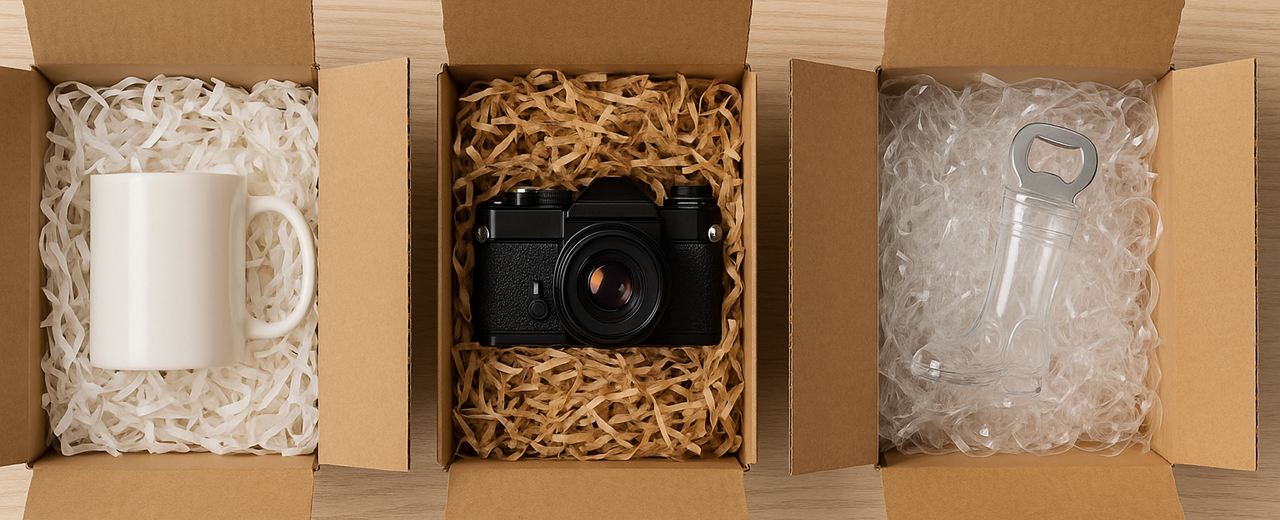
The chip is much more than just a filler: it is a detail capable of protecting, enhancing and communicating. Whether it's in white paper to give light, in recycled white to combine elegance and sustainability, in Havana to convey authenticity, or in transparent polypropylene to offer resistance and lightness, each choice tells something about the product and the brand. In this article, we explore the characteristics, curiosities and practical tips for choosing and making the best use of shavings, transforming it from a functional material into a true creative packaging tool.
The shavings: the detail that makes the difference in packaging
If you look closely at the chip, you immediately understand that it is not a simple "filler": it is a technical system of protection and staging. It was born as a virtuous reuse of paper scraps and has established itself over time as a light and adaptable alternative to more rigid bearings. Before paper, wood wool was used in many sectors; Then the spread of more performing papers and more precise cuts led to the development of paper shavings, in white, recycled white and recycled Havana versions. At the same time, transparent polypropylene has introduced different physical-mechanical characteristics, useful when you are looking for resistance to humidity, elastic memory and scenic transparency. Today, between retail, e-commerce and gifting, shavings are a mature solution: they cushion, block, separate, fill the residual void and, above all, visually tell the story of your brand's positioning.
When designing a package, the chip performs first and foremost mechanical functions. It creates a support bed that distributes loads, absorbs micro-shocks and vibrations along the logistics chain, avoids direct contact between rigid objects and the walls of the box and stabilizes the contents with a "blocking & bracing" action. Its effectiveness depends on the bulk density (how much mass per unit volume), resilience (ability to recover thickness after compression), width and geometry of the cut. With the same paper weight, an accordion cut (crinkle) offers greater volume and springback than a linear cut; A higher thickness of the strip increases the clamping capacity but reduces conformability around the product details. If you need to fill large gaps without weighing down the pack, you need a material with alto "volumetric yield", i.e. a lot of volume per kilogram used; If, on the other hand, you need to immobilize a heavy or fragile workpiece, prefer a denser chip with greater return force.
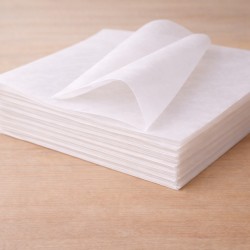
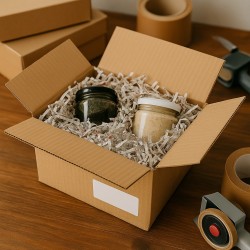
Paper variants share useful hygroscopic properties and limitations to consider. White paper chips, typically made from virgin or mixed fibers, are distinguished by brightness, visual cleanliness, and uniformity. In the window or when opening the box, it amplifies the perception of order and perceived value, especially when you combine it with dark supports or products with saturated colors: the contrast brings out the details. The relatively closed surface and the quality of the cut reduce "dust", which is important for jewellery, cosmetics and shiny accessories. The inherent absorbency of paper mitigates light condensation and protects finishes that are sensitive to environmental humidity, but it also imposes good storage practices: keep the chip away from sources of moisture to preserve its volume and elasticity.
If you want to keep the whiteness clean while communicating a message of environmental responsibility, recycled white paper chips are your lever. Compared to "classic" white, you may notice a slightly less "cold" whiteness and micro-variations in tone between batches, a natural consequence of recycled fibers; in return, you get a reduction in the use of virgin fibers and a story consistent with sustainability policies that can be verified through supply chain certifications. In premium applications, this choice allows you to speak to a target audience that is sensitive to the theme without sacrificing the "light & clean" effect of the light palette. Always check for print quality or any residual optical brighteners when placing chips near particularly delicate fabrics or surfaces – you want to rule out unwanted transfers, however rare with compliant, unprinted materials.
If you want a warmer, more textural narrative, recycled Havana paper shavings work in your favor. The natural color, the fibrous appearance and a certain visual "roughness" communicate craftsmanship, agrifood, well-being, tangible sustainability. The greater opacity and earthy hue soften reflections and enhance surfaces in satin glass, porous ceramics, brushed woods and metals. On a technical level, Havana paper offers a good balance between conformability and return force: it embraces the product, stabilizes it and compacts progressively as the load increases, without losing its ability to cushion. As with other papers, the quality of the cut affects cleanliness and yield: a clean cut reduces free fibers and improves the user experience when unpacked.
The transparent polypropylene chip plays a different game. It is hydrophobic, therefore insensitive to moisture, and retains its elastic "memory" longer after repeated compressions. In contexts exposed to thermo-hygrometric changes, such as fairs or international shipments, this feature makes the difference. Transparency allows you to show without covering: scenographically you "suspend" the object, letting the light pass through the fill. From a physical point of view, PP tends to generate electrostatic charges; If you move extremely light components or fine powders, evaluate materials with antistatic treatment or use simple grounding measures in the packaging bench. In environmental terms, polypropylene is recyclable where collection allows and tolerates more reuse cycles than paper when used indoors (e.g., photo shoots and shop windows), but it is not biodegradable: consider this when you need to align your design with specific sustainability KPIs.
The choice between white paper, recycled white, recycled Havana and transparent PP is never purely aesthetic: it depends on the "risk profile" of the product and the story you want to build. If you work with dark surfaces and glossy finishes, white amplifies the definition of the contours; If the brand speaks of naturalness, Havana transfers tactile and visual coherence; If you want to combine sobriety and environmental credentials, recycled white offers you a credible balance; if you need to resist moisture and show the contents, the transparent PP expresses the function with a contemporary language. In all cases, size the chip according to the residual void of the box: create a base bed, position the product, complete on the sides and above until a slight pre-compression is obtained at the closure. This allows you to take advantage of the resilience of the material, avoid internal migrations and reduce the risk of "rebounding" in the event of a collision.
In addition to protection, consider the sensory impact. The chip introduces a micro-architecture inside the box: it governs light and shadow, creates depth, guides the eye towards logos, labels, textures. White paper emphasizes brilliance, Havana attenuates and warms, transparent PP "disappears" letting the object speak. Sound and smell also matter: choose low-noise materials for a "soft" unboxing and demand chips free of residual odors when packaging cosmetics, infusions or non-bulk food. If the use involves direct or close contact with food, ask the supplier for the declarations of conformity required for materials intended for food contact and evaluate, where necessary, an interposed barrier.
Finally, it governs sustainability with measurable criteria. For paper, it verifies the origin of the fibers and recyclability in the local stream; for PP, plan internal reuse and recycling where available. It avoids contamination of inks, ribbons and mixed plastics that hinder the recovery chain. Store paper in a dry environment and PP away from heat sources; Use squeezable secondary packaging to reduce the volume in stock. This is how you transform the chip from an accessory cost to a technical and narrative lever: protect better, communicate more precisely and make the experience consistent, from the display in the window to the moment the customer lifts the lid.
Perfect, here is the development of Chapter 2 in an authoritative, technical and discursive style, in the second person, without lists.
White paper shavings: brightness and elegance
When you choose white paper shavings, you're working with a material that not only protects but amplifies the perception of value. White, by its nature, reflects light and restores a sense of purity, order and care. When you open a package padded with white shavings, the eye immediately catches a feeling of freshness: the product seems to stand out, as if it were framed by a neutral background that enhances its shape and colors. This is its aesthetic strength: white does not distract, does not cover, but illuminates and highlights what you enclose in your box.
From a technical point of view, the white paper used for chip production is usually selected to ensure color uniformity and mechanical resistance. The grammage and cut have a decisive impact on the final result: a higher grammage gives greater rigidity and return force, useful if you have to immobilize heavy or fragile objects, while a lighter grammage, combined with a fine cut, generates a more vaporous and spectacular effect. In both cases, the white paper absorbs micro-shocks and vibrations well, protecting the contents with a barrier that molds around the product and stabilizes it.
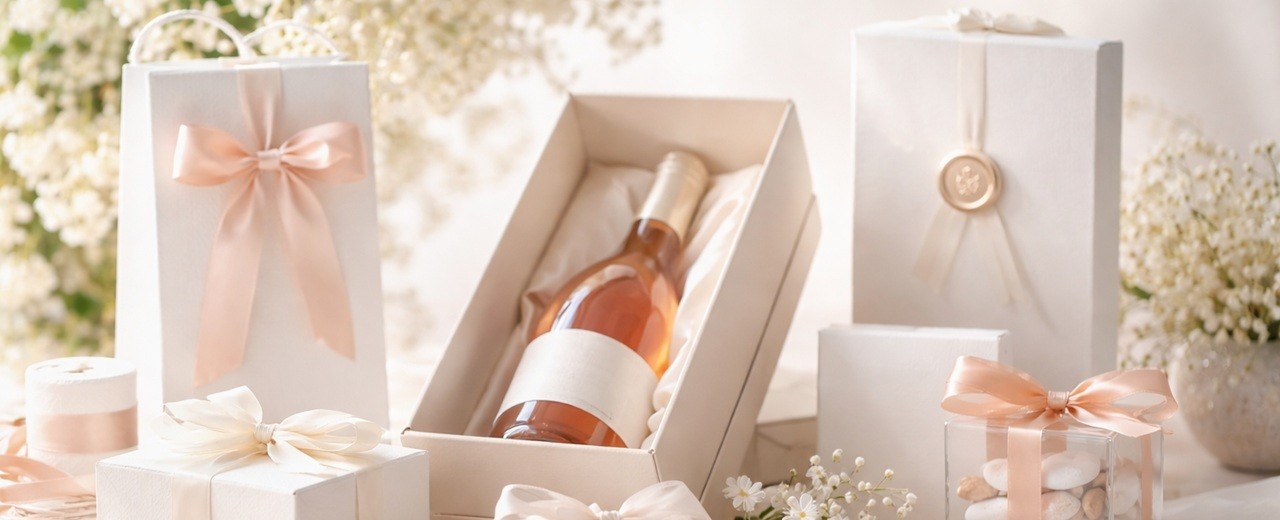
An aspect that is often underestimated is the compatibility of white shavings with different types of packaging. If you pair it with dark or colored boxes, you create a sharp contrast that immediately draws attention to the contents. If, on the other hand, you place it in light or transparent packaging, you get a refined tone-on-tone effect, which communicates minimalism and cleanliness. This is why white paper shavings are highly prized in cosmetics, jewelry, fashion accessories and all those contexts where the unboxing experience must convey luxury and attention to detail.
White paper shavings also lend themselves to scenographic uses beyond protection. You can use it in installations, photo shoots or window displays, because it behaves like a neutral scenic element, capable of giving depth without stealing the show from the product. Its brightness helps to enhance shiny and transparent surfaces, such as glass and metal, and to soften shadows that are too sharp.
Of course, since it is a paper material, it requires attention to storage: you must store it in dry environments, away from sources of humidity that could reduce its resilience and volume. If used correctly, however, white paper shavings become a reliable and versatile partner, capable of combining aesthetics and functionality, protection and enhancement, technique and visual communication.
Recycled white paper shavings: sustainability with style
When you choose recycled white paper shavings, you show that sustainability can coexist with elegance. You don't give up the visual cleanliness and brightness typical of white, but you do it with a material that tells a story of recovery and respect for the environment. It is a choice that allows you to communicate green values in a credible way, without sacrificing the aesthetic impact of the packaging.
From a technical point of view, recycled white shavings have characteristics very similar to those produced with virgin fibers, but with some nuances that enrich its personality. The shade of white can be slightly warmer or less uniform, depending on the composition of the fibers, and this peculiarity becomes a distinctive sign that enhances the naturalness of the material. It does not compromise functionality: the ability to cushion shocks, stabilize the product and fill gaps remains high, especially if the starting paper has been treated and selected with care.
Recycled white paper chips are particularly suitable if you work in industries where the brand image must convey a balance between sophistication and environmental responsibility. Think of the world of natural cosmetics, eco-luxury boutiques or organic food: recycled white becomes a strong signal, a detail that tells attention to environmental impact without sacrificing visual clarity. In an unboxing, this choice is perceived by the customer as a consistent and conscious gesture, especially if the rest of the packaging follows the same philosophy with recyclable boxes and ribbons made of natural fibers.
In terms of aesthetic performance, this chip behaves like a neutral canvas that welcomes the product and puts it in the foreground. When paired with kraft or havana boxes, it creates a refined contrast that combines naturalness and light. If, on the other hand, you put it in transparent or delicately colored packages, it reinforces the idea of cleanliness and lightness. Its chromatic versatility allows you to use it both in minimal contexts and in more elaborate packaging, always maintaining an elegant visual consistency.
For maximum results, pay attention to the density and volume you want to create. A denser chip offers a compact and uncluttered effect, ideal for small and alto value products; a more airy one restores lightness and conveys a sense of spontaneity, suitable for creative and less formal packaging. In any case, remember that recycled white wood chips are not just a functional material, but a statement of intent: every time you use it, you transform a piece of packaging into a clear message of style and responsibility.
Recycled Havana paper shavings: naturalness and craftsmanship
When you decide to use recycled Havana paper chips, you bring an immediate message of authenticity to your packaging. The warm color, the fibrous texture and the material aspect speak of simplicity, sustainability and a genuine approach to packaging. It is a choice that conveys concrete values and is perfectly suited to brands that want to communicate craftsmanship, closeness to nature and attention to environmental impact.
From a technical point of view, recycled havana shavings offer the same protection and stabilization functions as the white versions, but with some characteristics that make it unique. The natural color not only better masks any small impurities deriving from recycling, but also adds a more "real", less artificial look. The structure of the Havana chip has good resilience: it wraps the product, locks it in place and absorbs shocks during transport, without compressing excessively. This makes it particularly suitable for medium-sized items, bottles, packaged food products or items with delicate surfaces that need elastic support.
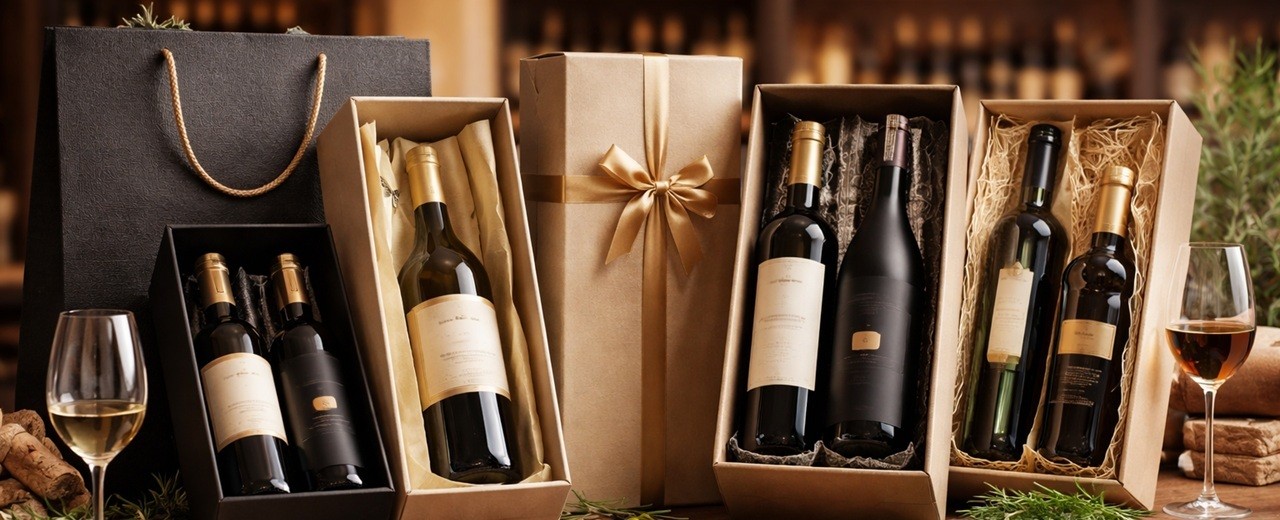
From an aesthetic point of view, recycled Havana has a communicative power that should not be underestimated. Placed in a kraft box, it creates an effect of total coherence, ideal for conveying a sustainable identity. Combined with more colorful packaging, it acts as a warm and discreet counterpoint that highlights the product without obscuring it. In the food, wine & spirits, craftsmanship and natural design sectors, the Havana shavings become a true hallmark: they accompany the content with a visual language that recalls the origin of the materials and a "raw" aesthetic that the consumer immediately associates with quality and authenticity.
The unboxing experience also benefits from the use of Havana chips. When the customer opens the package, he perceives a material that is soft to the eye and reassuring to the touch, able to enhance the product and at the same time convey a feeling of closeness to the environment. It is a direct language, which needs no explanation: Havana naturally communicates green values and a real commitment to recycling.
From a management point of view, recycled brown shavings are practical and functional. It has an excellent volumetric yield, so it allows you to fill even large spaces with small quantities of material. It is light, compressible and easily stored, qualities that make it ideal not only for retail but also for e-commerce. At the same time, it remains consistent with disposal needs: being recycled and recyclable, it fits perfectly into circular economy circuits, reducing the environmental impact of your packaging.
By using recycled Havana paper shavings, you turn a packaging into a statement of values: you show that protection and functionality can coexist with aesthetics and responsibility. It is a choice that does not limit itself to preserving your products, but tells them through a visual and tactile language made of naturalness and coherence.
Transparent polypropylene chips: lightness and protection
When you use transparent polypropylene chips, you introduce a material that combines a protective function and aesthetic with very different characteristics compared to paper variants. Here there is no color that defines the style, but transparency: the content remains visible, as if it were suspended, and the shavings become a discreet support that accompanies the product without hiding it. It is the solution you choose when you want to enhance a fragile or valuable item, protecting it without compromising its visibility.
From a technical point of view, polypropylene offers performance that paper cannot guarantee. Its hydrophobic structure makes it insensitive to humidity: it does not absorb water, does not lose volume and does not deform with thermo-hygrometric changes. This resistance is particularly useful if you work with bottles, glassware or products intended to travel in harsh environments, where protection must remain constant even in less than optimal conditions. The material also has a good elastic memory: after being compressed, it tends to recover its shape, thus ensuring long-lasting protection even in the event of repeated shocks or vibrations.
The lightness of the polypropylene chip is another concrete advantage. It allows you to fill large volumes without affecting the overall weight of the package, a fundamental aspect especially in e-commerce, where the pricing of shipments also depends on the weight. Despite its light weight, the transparent chip has a durable structure that helps to lock and stabilize products, reducing the risk of damage during transport.
From an aesthetic point of view, transparency opens up interesting possibilities. In a gift packaging, the shavings do not cover but enhance, allowing a glimpse of the contents and transforming the wait into a refined visual experience. You can use it to create a hanging effect where the object appears to float in the box, or as a light contrast paired with colored or metallic packaging. It is a choice that lends itself to sectors such as perfumery, food and wine, gift items and luxury packaging, where protection must go hand in hand with aesthetics.
Of course, polypropylene brings with it some specific considerations. Its plastic nature makes it recyclable, but not biodegradable: this is why it is important to include it in packaging projects where the message of sustainability is communicated transparently and accompanied by clear instructions on proper disposal. In addition, like any synthetic material, it can generate electrostatic charges; If you pack particularly light or dusty products, you can take simple steps such as using antistatic versions or grounded workstations.
By choosing transparent polypropylene chips, you demonstrate that you know how to combine technical and aesthetic requirements. Offer reliable protection, reduce the risk of damage and at the same time let the product remain the protagonist, visible from the first glance. It is the solution that transforms functional packaging into an elegant scenography, where lightness and resistance work together to enhance what you hold.
Practical tips for creative and functional chip use
When you choose to put chips in your packaging, you're not simply filling a void – you're designing an experience. Its primary function remains protection, but what makes the difference is the way you use it, the volume you assign to it, the combination with the other elements of the package and the consistency with the message your brand wants to communicate.
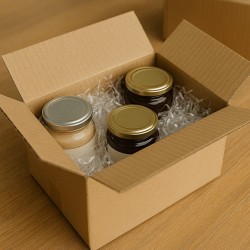
Functionally, you need to think of the chip as an "adaptive damper." It doesn't have the stiffness of pre-formed pads, but that's why it can mold itself around the contents and fill spaces dynamically. To achieve an optimal protective effect, always distribute the chip in layers: create an even base on the bottom, place the object, fill in the side spaces by applying light pressure and complete with a top layer. This keeps the object stuck, internal movements are minimized, and the pressure of closing the box helps to further stabilize the whole. If you need to protect fragile or glass items, increase the chip density around the most exposed areas, avoiding leaving gaps that could compromise shock absorption.
Volumetric yield is a crucial aspect. A light, fluffy chip fills a lot with little weight, but tends to compress more easily: it is ideal for light products, cosmetics, fashion accessories and small gift items. A denser and more compact chip, on the other hand, offers a "blocking" effect, which is useful for bottles, packaged foods or objects with a higher mass. You must therefore calibrate the choice according to the ratio between the weight of the product and the volume of the package, optimizing not only protection, but also logistics costs related to weight and size.
Aesthetically, the chip behaves like a scenography. You can use it to create strong color contrasts or to achieve delicate tonal harmonies. The white shavings give brightness and elegance, the recycled white one tells a sober and sustainable style, the havana one adds warmth and naturalness, while the polypropylene transparent allows the product to emerge without visual interference. The choice is never neutral: each variant becomes a piece of your brand's narrative. To enhance the effect, you can also combine different materials, for example by mixing white paper and havana to create chiaroscuro effects, or alternating paper and transparent polypropylene to give greater three-dimensionality to the packaging.
Creativity finds ample space in the use of shavings. In addition to the classic use as a filler, you can transform it into a real scenic element: insert it in shop windows to support and highlight products on display, use it in photo shoots to give depth to images, or even enrich it with light scented essences to stimulate the sense of smell during unboxing. You can think of the chip as an extension of the product itself: if you sell handcrafted items, recycled havana wood chips communicate continuity with natural materials; if you offer organic cosmetics, recycled white reinforces the message of sustainability; If your brand is positioned in contemporary luxury, pure white or transparent become the perfect frame to emphasize elegance and cleanliness.
Don't neglect the customer perception aspect. Opening a package is not just a functional gesture: it is a ritual that contributes to the construction of value. A well-distributed chip, soft to the touch and consistent with the visual language of the packaging, amplifies satisfaction and leaves a positive memory. Conversely, a chip that is excessive, messy, or inconsistent with the style of the packaging can convey carelessness or, worse, the feeling of waste. This is why it is important to dose precisely: insert the amount necessary to protect and enhance, avoiding unnecessary accumulations that weigh down the unboxing experience and complicate disposal.
Finally, consider the life cycle of the material. If you use paper, remember that its recyclability is a strength to communicate to the customer: you can include a small message indicating its correct disposal and strengthening the sustainable image of your brand. If you opt for polypropylene, it emphasizes the possibility of reuse, especially in indoor contexts such as fairs, shootings and set-ups, and clearly specifies the methods of recycling where separate collection allows it. This way you turn a technical detail into a coherent and transparent communication topic.
The shavings, in short, are a tool that works on several levels: it protects, decorates, tells and loyalties. Your ability to choose and use it consciously determines the difference between a simple packaging and a complete experience, in which every detail is designed to protect the product, enhance it and convey clear values to your customer.
We conclude by saying that shavings, in all its variations, demonstrate how an apparently simple material can become a strategic element of packaging. The white paper expresses elegance and brightness, the recycled white combines cleanliness and environmental responsibility, the Havana tells of naturalness and craftsmanship, while the transparent polypropylene adds lightness and resistance, leaving the product in the foreground. Each choice is a declaration of intent, capable of protecting and enhancing at the same time.
If you learn how to dose it correctly, integrate it with the other components of the package and communicate its value to the customer, you transform the chip from a simple filler to a silent protagonist of the unboxing experience. It is precisely in that detail, often underestimated, that you can make the difference: because well-designed packaging does not just hold an object, but tells who you are, what you represent and what values you want to convey.