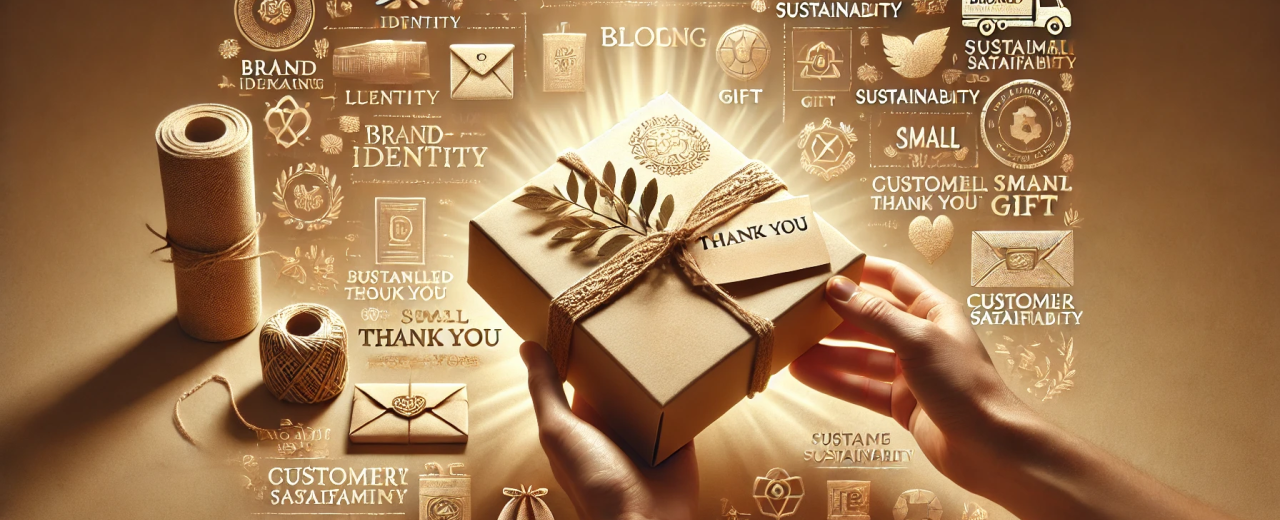
If there is a critical phase in the sales cycle that is often overlooked, it is the after-sales wrapping.
1 The After-Sales Wrapping – An Often Underestimated Opportunity
After-sales wrapping is a critical phase of the sales cycle, yet it is often neglected by many companies. While the focus is predominantly on the product and the shopping experience, what happens after the purchase tends to be considered a purely logistical and practical aspect. However, it is precisely at this time that an important opportunity arises to leave a lasting and distinctive impression on the customer. This chapter explores how after-sales wrapping can be transformed into a powerful branding and marketing tool.
1.1. Beyond the Practical Function: Customer Experience as a Key to Success
Many companies see aftermarket packaging only as a way to transport the product safely. However, reducing the wrapping to a simple container ignores its emotional and communicative potential. A well-curated wrapping, which aligns with the brand's values and identity, can enrich the overall customer experience, helping to strengthen the bond with the brand.
For example, think of the effect of the "unboxing experience", a phenomenon that has grown exponentially with the advent of social media. People love to share online the moment they receive and open a well-packaged package, especially when the wrapping is aesthetically pleasing or contains unexpected surprises. This type of positive experience creates a memorable memory, which can translate into a favorable attitude towards the brand.
1.2. Perceived Value: More Than It Seems
Well-designed packaging not only protects the product, but can also increase the perceived value of the purchase. When a customer receives an attractively packaged product, he feels that he has obtained something special, luxury, even if the object itself does not necessarily belong to a high-end market. This perception can be influenced by the quality of the materials used, the design, the finishes and the aesthetic consistency with the brand.
An industry study has shown that the aesthetics and quality of the wrapping can significantly influence the consumer's judgment of a product. The attention to detail, in fact, conveys a message of attention and respect for the customer, strengthening the bond of trust and, at the same time, improving the reputation of the brand.
1.3. The Power of Detail: Personalization and Customer Care
After-sales wrapping offers a unique opportunity to further personalize the customer experience. Including a simple handwritten thank you card, a personalized message, or a small giveaway can have a big impact. Not only will the customer feel appreciated, but they will also be more likely to remember the positive experience, which will lead to loyalty.
Personalization is particularly effective when it reflects the needs or tastes of the individual customer. For example, including purchase-related product samples or discounts for future purchases is a simple, yet powerful strategy that pushes the customer to feel engaged and incentivized to return. Personalization can also concern the design of the wrapping itself, for example with names or special messages addressed directly to the customer.
1.4. The Wrapping As a Brand Extension
The after-sales wrapping should be considered a real extension of the brand. Every element, from the color of the packaging to the font used, helps communicate the visual identity of the brand. It can also be used to convey deeper messages related to company values. A brand that is committed to sustainability, for example, might opt for recycled or eco-friendly materials, demonstrating consistency between its commitment and practical choices.
Using packaging as a means of telling a story is another effective strategy. Some brands, such as artisanal or local brands, use wrapping to narrate their origins or explain the production process, thus creating an emotional connection with the customer. Inspirational quotes or feel-good messages can also increase the emotional impact of the wrapping, making it an integral part of the overall brand experience.
1.5. Wrapping as a Marketing Tool
After-sales wrapping is not only a means of strengthening the relationship with the existing customer, but it can also be used as a marketing tool to reach new consumers. Well-designed packages, often shared on social media, have the power to amplify brand visibility organically. This form of free advertising, known as user-generated content, is especially valuable in the digital age, where reviews and shared experiences have a great deal of weight on purchasing decisions.
In addition, including references to the brand's social profiles or invitations to participate in competitions or special campaigns in the packaging can encourage customers to interact more with the brand, creating a cycle of continuous engagement and promotion. Each parcel can then turn into a long-term marketing vehicle.
The after-sales wrapping should not be considered a simple technical detail, but an integral part of a company's branding and marketing strategy. Every aspect of packaging can help improve the customer experience, strengthen brand image, and generate added value. Attention to this critical phase of the sales cycle is essential to build long-term relationships with customers and to stand out in an increasingly competitive market.
2 Customizing the Wrapping – The Touch That Makes the Difference
In today's market, consumers are increasingly looking for personalized experiences. They want to feel special and recognized as unique individuals. In this context, the customization of the after-sales wrapping becomes a strategic tool to meet these expectations and to create a stronger bond between the brand and the customer. The simple act of personalizing the packaging or the message that accompanies the product can make the difference between an anonymous transaction and a memorable experience.
This chapter explores the importance of customizing after-sales wrapping and analyzes different ways to make packaging unique and meaningful.
2.1. The Role of Personalization in the Customer Experience
Personalization is one of the most powerful elements of after-sales wrapping, as it allows companies to go beyond the functional aspect of packaging and offer a more intimate and engaging experience. Personalization makes the customer feel appreciated and listened to, creating a relationship of trust with the brand. More than ever, consumers want to feel seen not as numbers, but as people with unique tastes and preferences.
Simply placing the customer's name on the wrapping or adding a personalized message creates an emotional connection that enhances the overall experience. For example, a handwritten or digitally personalized thank you card with the customer's name and a message of appreciation can turn a business interaction into a memorable moment.
Modern technologies, such as CRM (Customer Relationship Management) systems, facilitate access to customer information, allowing you to customize not only the packaging, but also the content of the message or gifts included.
2.2. Customization Methods
There are various ways to customize the after-sales wrapping, and each of them can have a significant impact on the customer experience. Some of the most effective techniques include:
Thank you cards Personalized: A simple card with the customer's name and a message of appreciation can make a big difference. This kind of attention to detail shows the customer that the brand cares about the personal relationship.
Occasion-specific messages: Including messages dedicated to special occasions, such as birthdays, anniversaries, or holidays, is another successful strategy. For example, offering custom packaging for the holiday season or a greeting card for the customer's birthday can surprise positively and make the customer feel part of an exclusive community.
Related products or free samples: Customizing the wrapping with product samples based on previous purchases is an effective way to show the customer that the brand cares about their preferences. This can also stimulate further purchases, incentivizing the customer to try new products.
Coupons and discounts: Another useful customization element is the inclusion of coupons or discounts on future purchases. Offering a discount code that is exclusive to a specific customer can increase the likelihood of a return, while also improving loyalty.
Messaging that aligns with the customer's values: Tailoring your message to the customer's values and interests can further strengthen the connection with the brand. For example, if the customer is attentive to sustainability, a message emphasizing the use of environmentally friendly materials in packaging can be particularly appreciated.
2.3. The Importance of Feedback to Improve Personalization
The customization process can be further optimized thanks to customer feedback. Companies that actively listen to customer opinions and requests are able to continuously improve the after-sales experience. For example, providing the customer with a questionnaire to express specific preferences about packaging or communication can help the brand better meet expectations.
Digital platforms and automated feedback systems allow companies to collect valuable data on individual preferences, allowing for increasingly sophisticated personalization. Feedback can relate not only to the content of the packaging, but also to the design, color, and type of materials used. The end result will be a tailor-made experience that fully reflects the customer's tastes and needs.
2.4. Personalization as a Differentiation Tool
In today's highly competitive global marketplace, personalization can be a key lever to differentiate yourself from the competition. While many brands offer similar products, not all of them invest in creating a unique and personalized experience for each customer. In this context, a personalized after-sales wrapping can become a strong distinctive element.
Luxury brands such as Gucci and Louis Vuitton have shown how attention to detail and personalization are fundamental aspects to strengthen the prestige of the brand. Wrapping is not only a way to protect the product, but an integral part of the customer experience, which helps to create an aura of exclusivity and sophistication.
For brands that do not operate in luxury, the personalization of the wrapping is still a way to emerge. Smaller companies can compete with the giants of the market by offering a personalized, tailored experience that large, higher-volume brands may not be able to deliver as effectively.
2.5. Sustainability and Personalization: A Winning Combination
Including elements of sustainability in the personalization process not only demonstrates the brand's commitment to the environment, but it can also align with the customer's values, strengthening the emotional connection with the brand. For example, the use of recycled or biodegradable materials for personalized wrapping can appeal to consumers who are increasingly attentive to sustainability.
Many customers value companies that adopt sustainable practices and are willing to reward these brands with their loyalty. Personalizing packaging by including information about the sustainable manufacturing process or the brand's efforts to reduce environmental impact can add value to the customization itself.
Personalization of after-sales wrapping is a winning strategy for building deeper and more meaningful relationships with customers. Not only does it improve the overall customer experience, but it also presents an opportunity to stand out in a saturated market. Offering tailor-made packaging, Personalized messages and exclusive gifts demonstrates the attention that the brand dedicates to the individual customer, making every purchase a special moment.
This attention to detail, combined with the use of sustainable materials and Personalized feedback, can significantly improve brand perception, helping to build customer loyalty and create lasting value. In the age of personalization, every personal touch counts, and after-sales wrapping is a powerful tool to make the customer feel truly unique.
3 After-Sales Wrapping as a Branding and Marketing Tool
After-sales wrapping is not just a simple logistical operation, but a powerful marketing and branding lever. It is a moment of direct contact with the customer that offers the opportunity to strengthen the brand identity, promote its values and differentiate itself from the competition. Often, well-designed packaging can communicate as much as an advertising campaign, turning the experience of receiving the product into a memorable event.
In this chapter, we will delve into how after-sales wrapping can serve as a strategic tool to communicate the essence of the brand and promote customer engagement.
3.1. Packaging as an Extension of Brand Identity
Aftermarket packaging is a direct reflection of a brand's visual identity and values. Every element of the wrapping design, from the choice of materials to the colors, from the graphic finishes to the shapes, must be consistent with the image and positioning of the brand. Thoughtful packaging helps strengthen brand recognition, creating a unified experience that goes beyond just the product.
For example, a luxury brand might use premium materials and a minimalist design to communicate elegance and sophistication, while an eco-friendly brand might choose recycled materials and nature-inspired graphics to express its sustainability values. This consistency reinforces the brand's message at every customer touchpoint.
Examples of brands that use after-sales wrapping to strengthen their identity:
Apple, with its clean and minimal packaging, reflects the focus on simplicity and innovation, emphasizing the quality of the product without distractions.
Tiffany & Co. uses the famous color "Tiffany Blue" for its packaging, making it a globally recognizable icon. The simple gesture of delivering a product in a blue box evokes a sense of exclusivity and desirability.
3.2. Wrapping as a Storytelling Tool
In addition to reinforcing the visual identity, after-sales wrapping can be used to tell a story, adding an emotional layer to the customer experience. Brands can leverage packaging to share their mission, values, or origin story, creating a deeper connection with the consumer. This narrative can be integrated directly into the packaging through text, images or even with messages hidden inside the wrapping.
Telling the story of the brand or product can turn a transactional interaction into an emotional moment. A classic example is that of brands that produce handicrafts or handmade products. Communicating the story behind the product — how it was made, by whom, and why — can add symbolic value that the customer perceives as an integral part of the purchase.
An interesting example is Patagonia, which uses wrapping to tell its dedication to sustainability. Information about recycling, environmental protection, and stories about employees contributing to these causes are integrated into the packaging, creating an authentic and engaging narrative.
3.3. Use Wrapping to Increase Customer Engagement
After-sales wrapping can also serve as a springboard to further engage the customer with the brand, both physically and digitally. Thanks to new technologies, packaging can be transformed into an interactive platform that allows customers to connect with the brand even after purchase. The use of QR codes, augmented reality (AR) or simply invitations to visit social channels can expand the customer experience and encourage them to participate in promotional campaigns, competitions or special initiatives.
For example, including a QR code that leads to exclusive content such as behind-the-scenes videos, tutorials, or product stories, not only enriches the experience but can also turn the customer into a brand promoter. An innovative example is that of brands such as Nike, which through the use of augmented reality in packaging allows customers to explore digital content related to the product purchased, increasing engagement and loyalty.
3.4. Packaging and Sustainability: A Marketing Strategy
In recent years, consumers have become much more sensitive to companies' sustainable practices. This shift in consumer preferences has prompted many brands to rethink their approach to aftermarket packaging, turning it into a communication tool to demonstrate their commitment to the environment.
The use of recycled or biodegradable materials, the adoption of production processes with basso environmental impact and the reduction of waste are all strategies that not only meet consumer expectations, but also contribute to improving the reputation of the brand. Companies can leverage packaging to communicate these sustainable choices, educating the customer on the environmental benefits and strengthening the bond with an increasingly sustainability-conscious public.
Examples of brands using sustainability as a marketing lever include Lush, which uses eco-friendly packaging and pushes its customers to reuse and recycle, and IKEA, which has implemented flat packaging and recycled materials to reduce its environmental impact and shipping costs, while promoting its ecological mission.
3.5. Differentiation through after-sales wrapping
In a saturated market, standing out from the competition is essential. After-sales wrapping offers a unique opportunity to create differentiation that goes beyond the product. Distinctive packaging, which surprises and engages, can make a big difference in the final impression a customer has of the brand.
Differentiation can take place through various aspects: from the visual design to the tactile sensation of the packaging, to small details such as scents integrated into the packaging or sounds when it is opened. These sensory touches enrich the customer experience and leave a lasting impression, increasing the likelihood of loyalty.
For example, brands like Glossier have stood out for their creative packaging, often accompanied by fun stickers and accessories that invite customers to share their experience on social media, generating organic advertising. Other brands, such as Le Labo, include customizing packaging through handwritten labels, making each product unique to the customer.
After-sales wrapping is much more than just product protection: it is a strategic tool that can significantly improve the brand image and strengthen the bond with the customer. Used effectively, packaging becomes a powerful communication vehicle to tell the story of the brand, express its values and engage customers in new and innovative ways.
Personalization, storytelling, interactivity, and sustainability are all levers that brands can leverage to stand out from the competition and create a memorable customer experience. Investing in after-sales wrapping as a branding and marketing tool not only improves product perception, but also helps build a long-lasting and trusting relationship with consumers.
4 The Aesthetics of the Wrapping – The Visual Impact as a Brand Experience
The aesthetics of the after-sales wrapping plays a crucial role in the overall customer experience. A well-finished and attractive design not only strengthens the brand identity, but also affects the perception of the value of the product. Well-designed packaging communicates professionalism, attention to detail and quality, creating a visual impact that remains etched in the consumer's mind.
In this chapter, we will explore the importance of aesthetics in post-sales wrapping and how a well-structured design can improve the customer experience, increase the perceived value of the brand and influence future purchasing decisions.
4.1. Design as an Extension of the Brand's Visual Identity
The aesthetic aspect of after-sales packaging should be closely linked to the visual identity of the brand. Every visual element – from the logo, to the colors, to the fonts – helps to tell the story of the brand and communicate its values. Aesthetic consistency across all customer touchpoints is essential to creating a unified brand experience.
Packaging is the last tangible step before the customer comes into contact with the product, so it's crucial that the aesthetic reflects the brand image. For example, a brand that positions itself as sustainable will use natural colors, raw materials and a minimalist design, while a luxury brand will opt for elegant finishes, gold or silver and precious materials that communicate exclusivity and sophistication.
Examples of aesthetic consistency in packaging:
Chanel: Black and white are Chanel's signature colors. The visual consistency of these two colors, accompanied by clean lines and the famous logo, makes the packaging immediately recognizable and reinforces the sense of luxury and minimalism.
Glossier: The brand stands out for its youthful and modern approach, with light pink packaging and playful design, perfectly in line with its positioning as a young and innovative beauty brand.
4.2. The Impact of Color and Material Choices
Color is one of the most powerful elements in wrapping design. The color choices are never random and have a profound psychological impact on consumers. Different colors evoke specific emotions and sensations: for example, blue conveys confidence and stability, green recalls sustainability and nature, while red can arouse excitement and passion. Brands must therefore carefully choose the colors of the packaging to align with the image and values they want to convey.
In addition to colors, the materials used in the wrapping play a key role in defining the perception of the brand. Fine materials such as thick paper, velvet or metallic finishes give an impression of luxury and high quality, while natural, recycled or biodegradable materials are associated with ethical and environmentally friendly brands.
Another factor to consider is the finish of the packaging: glossy or matte, embossed or smooth. These details can influence the customer's tactile and visual experience, transforming the act of opening a package into a multi-sensory experience. Brands that invest in these details gain a competitive advantage, as the customer subconsciously associates the perceived value of the product with the aesthetics of the packaging.
Examples of effective use of colors and materials:
Apple: The minimalist white of Apple's packaging has become iconic. The clean design and smooth surfaces reflect the brand's philosophy of innovation, simplicity and technological elegance.
Nespresso: Nespresso's packaging uses dark colors and elegant finishes, which reinforce the brand's image as sophisticated and exclusive, with a strong focus on product quality.
4.3. Aesthetics as Differentiation
In an overcrowded market, packaging aesthetics can serve as a powerful differentiating tool. A unique and recognizable design makes the brand immediately identifiable and memorable. What captures the customer's attention, often even before the experience of the product itself, is the external appearance. Aesthetically appealing packaging entices consumers to interact with the brand and can even incentivize impulse purchases.
The aesthetics of packaging also has a psychological function: a careful and distinctive design positively affects the perception of the value of the product. A brand that invests in a unique wrapping, well made and consistent with its image, is seen as reliable, quality and innovative.
For example, the skincare brand Aesop stands out not only for the quality of its products, but also for the minimalist and refined design of its packaging, which conveys elegance and professionalism. This aesthetic approach has helped to build a premium and sophisticated brand image.
4.4. Multisensory Experience: More Than One Appearance
The aesthetics of wrapping is not only about the visual aspect, but can also involve other senses to create a complete and immersive experience. The use of textures, sounds and even smells can make packaging a distinctive element, involving the customer on an emotional and sensory level.
Tactile Experience: The sensation you get when you touch the packaging can affect the perception of quality. Materials such as velvet, embossed paper or satin surfaces convey an idea of luxury and sophistication, enriching the customer experience.
Sound: The sound a package makes when opened can also be a distinguishing feature. An example is rigid packaging that opens with a "pop" or "click", which gives a feeling of technical excellence and precision.
Perfumes: Some brands use specific fragrances in their packaging to enhance the experience. Jo Malone, for example, includes perfumes in its packaging that evoke the essence of the product itself, creating an olfactory memory that reinforces the brand's identity.
The integration of multiple senses in the after-sales wrapping helps to create an immersive experience that fully engages the customer and increases the likelihood that this experience will be remembered and, possibly, shared.
4.5. The Viral Power of Aesthetic Packaging
In an age where social media has a significant impact on purchasing decisions, packaging aesthetics have gained new relevance. A visually appealing design increases the likelihood that customers will share the unboxing experience on social media, creating a wave of organic brand advertising. "Instagrammable" packaging can go viral, generating free visibility and increasing brand awareness.
The phenomenon of unboxing is particularly strong in the luxury, technology and beauty sector, where customers are often pushed to document and share online the moment they receive a product. Brands such as Glossier, Apple and Louis Vuitton are taking advantage of this phenomenon to make packaging an integral part of their marketing strategy, knowing that customers act as brand ambassadors, spreading the brand image on a global scale.
The aesthetics of the after-sales wrapping is much more than an aesthetic detail: it is a powerful branding tool that communicates the values and identity of the brand, differentiates the product from the competition and creates a memorable experience for the customer. Every choice of color, material and visual contributes to building brand perception and influencing the way the customer interacts with the product.
In a context where image is increasingly important and sensory involvement has a great impact, investing in the aesthetics of packaging is a winning strategy. Not only does it improve the perception of product value, but it can turn customers into enthusiastic brand promoters, amplifying the reach of the company's message and generating a virtuous cycle of loyalty and visibility.
5 Functionality and Sustainability – The Balance Between Practicality and Ethics
After-sales wrapping is not just a matter of aesthetics and branding; it must also respond to practical needs and, increasingly, reflect a concrete commitment to sustainability. In a world where consumers are increasingly attentive to environmental issues, the use of eco-friendly materials and the optimization of packaging functionality have become fundamental for many companies. This chapter explores how to balance aesthetics with functionality and sustainability, and how these choices positively affect brand perception and customer loyalty.
5.1. The Importance of Functionality in Aftermarket Packaging
In addition to the visual and emotional impact, the packaging must be functional. The primary purpose of the after-sales wrapping is to protect the product during transport, ensuring that it arrives intact in the hands of the customer. But functionality is not limited to protection; It also includes ease of use and customer convenience in reusing or recycling packaging.
Functional packaging must:
Protect the product: Especially in industries such as e-commerce, strength and quality of materials are essential. The product must arrive in the customer's hands without damage, and the packaging must be strong enough to withstand impact and handling during transport.
Be easy to open and use: Complex or difficult-to-open packaging can cause frustration and negatively affect the customer experience. Conversely, well-designed packaging that is easy to open and resealable increases customer satisfaction and can even incentivize packaging reuse.
Be reusable or recyclable: In addition to ease of use, packaging that can be reused or easily recycled offers added value for both the customer and the environment. Consumers appreciate packaging that can be reused for other purposes, helping to reduce waste and giving an additional incentive for brand loyalty.
5.2. Sustainability as a key factor
Sustainability is now a crucial factor for modern companies. Consumers, especially the younger generation, are becoming increasingly sensitive to the environmental impact of the products and brands they choose. According to numerous industry studies, a significant percentage of customers are willing to pay more for sustainable products and packaging, as long as they are perceived as authentic and consistent with the brand's values.
For a company, adopting sustainable packaging solutions means:
Use recyclable or biodegradable materials: Recycled cardboard, biodegradable plastic, or compostable materials are just a few examples of materials that businesses can adopt to reduce their environmental impact. These materials are not only environmentally friendly, but also clearly communicate the brand's commitment to sustainability.
Optimize size and reduce waste: Another key aspect of sustainability is reducing the volume of packaging. Many brands are working to eliminate unnecessary packaging, optimizing package sizes and reducing the materials used without compromising product protection.
Educate consumers: Communication also plays a crucial role in sustainability. Brands can use packaging to educate customers on proper disposal practices, explaining how to recycle or reuse packaging. This type of approach not only increases awareness, but strengthens the perception of the brand as responsible and attentive to environmental issues.
Examples of brands that have adopted sustainable packaging:
IKEA: The Swedish giant is known for its use of recycled materials and flat packaging that reduces space and transport costs, as well as limiting environmental impact.
The Body Shop: This cosmetics brand has adopted sustainability policies, using recycled plastic packaging and promoting reuse and recycling initiatives, encouraging customers to bring empty containers back to the store.
5.3. Consumer Expectations and Sustainability Marketing
Consumer expectations for sustainability are constantly growing. Today, customers not only appreciate brands' green initiatives, but they believe they are necessary. Transparency is a key factor: companies must be honest about their sustainability efforts, avoiding "greenwashing" (i.e., the practice of deceptively promoting an image of sustainability).
Sustainability can become a powerful marketing element, but only if supported by concrete actions. Companies need to communicate their environmental initiatives clearly and transparently, for example through packaging messaging, dedicated websites or social media campaigns, to explain to customers how and why the materials they use are environmentally friendly.
The role of environmental certification: Many consumers are looking for products that are certified by third-party bodies to ensure that sustainable practices are real. Certifications such as FSC (Forest Stewardship Council) for paper and board, or GRS (Global Recycled Standard) standards, can be used on packaging to reassure customers that the materials used are sustainably sourced.
5.4. Innovations in Sustainable Packaging
Technological innovation is pushing companies to develop new solutions to make packaging increasingly sustainable without compromising its functionality or aesthetics. Some of the most recent innovations include:
Advanced biodegradable materials: Biodegradable polymers made from starch or algae are gaining traction as an alternative to traditional plastics. These materials decompose quickly without leaving toxic residues.
Edible packaging: A cutting-edge concept is edible packaging, which is made from materials that can be consumed along with the product. Although still being developed for wider applications, this idea offers an interesting solution to the waste problem.
Eco-friendly inks: The inks used in packaging printing can have a significant environmental impact. Many brands are now opting for soy or water-based inks, which reduce the use of harmful chemicals.
Compostable packaging: In addition to recycling, some companies are introducing compostable packaging that completely decomposes in the environment, such as those made from hemp fiber or bamboo.
5.5. Functional and Sustainable Packaging as a Positive Brand Experience
Investing in functional and sustainable packaging not only improves the company's environmental impact, but it can also help create a positive customer experience. When consumers perceive that the brand is truly committed to sustainability and offers practical solutions to improve the shopping experience, trust and loyalty increase.
Today's consumers, who are particularly attentive to environmental issues, appreciate companies that care for the planet. Packaging that offers functionality, simplicity, and sustainability elevates overall brand perception, providing a lasting competitive advantage.
Aftermarket packaging is much more than a means of delivering products: it is an opportunity for brands to show their commitment to sustainability and improve the customer experience. The balance between functionality and sustainability is now a priority for companies that want to be competitive in a market that is increasingly aware of environmental issues.
Offering packaging that is both practical, aesthetically pleasing and environmentally friendly not only meets the needs of modern consumers, but can also differentiate a brand and cement its reputation. The future of packaging is based on a holistic approach that considers every aspect – from design to functionality to environmental impact – to deliver a complete and sustainable shopping experience.
6 The Consistency of the Post-Sales Wrapping – An Integrated Brand Experience
Consistency in the after-sales wrapping is essential to create an integrated and recognizable brand experience at every point of contact with the customer. The continuity in visual communication and in the values expressed through after-sales packaging strengthens the perception of the brand and helps to build a lasting relationship of trust. In an era where customer experience is crucial for loyalty, every element of the interaction between brand and customer must be aligned and consistent.
In this chapter, we will explore the importance of consistency in aftermarket packaging, how it impacts customer experience and long-term relationships, and how brands can take a cohesive approach across all their communications.
6.1. The Importance of Consistency in Customer Experience
For today's consumers, consistency is one of the key aspects of a brand relationship. From the first online interaction, to the purchase, to the receipt of the product, each stage of the customer journey must reflect the values, visual identity and personality of the brand. Consistency in the after-sales wrapping does not only concern the aesthetic aspect, but also the messages, the materials and the entire unboxing experience.
A consistent brand builds trust and facilitates recognition. When a customer knows what to expect and finds continuity across touchpoints, a stronger emotional connection with the brand is created, improving the likelihood of repeat purchases. Lack of consistency, on the other hand, can lead to confusion and weaken brand identity.
For example, if a high-end fashion brand stands out for its luxurious and minimalist aesthetic, its after-sales wrapping will need to reflect exactly these characteristics. Packaging that uses high-quality materials, sophisticated colors and elegant details confirms the luxury experience promised during the purchase phase.
Examples of consistency in customer experience:
Apple: Consistency is at the heart of Apple's strategy. From advertising to in-store presentations to product packaging, every detail reflects the same minimalist and innovative approach. This visual and stylistic alignment reinforces the brand image and helps to create a uniform and satisfying experience of purchasing and owning the product.
Muji: The Japanese brand Muji is founded on a philosophy of simplicity and functionality. This philosophy is reflected not only in the products, but also in the after-sales wrapping, which uses recycled materials and minimalist designs to convey consistency with the brand's values.
6.2. Visual Consistency: From Point of Sale to Parcel at Home
The customer journey often begins in a digital or physical space, but the after-sales wrapping represents the final and most personal moment of the transaction. To ensure an integrated customer experience, it is essential that the packaging is aligned with the aesthetics and values that the brand communicates in all previous phases, such as the website, advertising or physical store.
This visual alignment not only solidifies the brand identity but also creates continuity in the customer experience, making the brand instantly recognizable every step of the way. For example, the colors, logo, and materials used in the packaging should be consistent with those in the store or on the website, avoiding creating a contrast that could confuse or disappoint the customer.
Visual consistency directly affects the perceived value of the product. Disorganized or inconsistent packaging with respect to the shopping experience can make the product seem less cared for or of less value, while well-aligned packaging reinforces the perception of quality and professionalism.
6.3. Consistency in Brand Values
In addition to visual consistency, the after-sales wrapping must reflect the brand's core values. If a company promotes sustainability, for example, the use of recycled or biodegradable materials in aftermarket packaging becomes essential to maintain consistency. Conversely, packaging that does not reflect stated values could be dissonant and weaken brand credibility.
The consistency of values also extends to the communication and message that the packaging conveys. A brand that emphasizes personalization and customer care should include elements that demonstrate this care, such as Personalized thank you cards, bespoke packaging, or specific giveaways. Consistency in values helps create a stronger, more authentic connection with the customer, and strengthens loyalty.
Examples of consistency in brand values:
Patagonia: The outdoor brand is strongly committed to sustainability and this is clearly reflected in everything it does, including its aftermarket packaging, which is made from recycled materials and designed to be reusable. This consistency between brand values and concrete actions builds trust and reinforces the brand's reputation as a leader in the eco-friendly sector.
Lush: Lush, which is famous for its natural, non-animal-tested cosmetic products, also demonstrates consistency in its philosophy through packaging. Most of its products are sold "naked", without packaging, or packaged with recycled and compostable materials, reinforcing their ethical identity.
6.4. Coherence in Narrative and Message
Every brand tells a story, and after-sales wrapping can be one of the most effective tools to amplify this narrative. Consistent packaging should communicate the same story that the brand tells through advertising campaigns, website, and stores. The message contained in the wrapping, whether it is a simple logo or a more detailed story, must reflect the values and identity of the brand.
Consistent storytelling helps build an emotional relationship with the customer, going beyond just a business transaction. Telling the brand story through aftermarket packaging – whether it's inspirational messages, the company's mission, or manufacturing details – adds depth to the customer experience and strengthens the bond with the brand.
Examples of consistency in storytelling:
TOMS: TOMS, a shoe brand known for its social mission, tells a clear story through packaging. Each package includes information about the company's "One for One" philosophy, reminding customers that their purchase has had a positive impact on someone in the world. This narrative strengthens the emotional connection with the brand.
Nike: Nike often uses packaging to communicate its values of innovation and pushing boundaries. Motivational messages or quotes from famous athletes decorating the inside of the packaging are in line with Nike's global narrative, creating a connection between the customer and the brand's philosophy.
6.5. The Role of Consistency in Customer Loyalty
Consistency is a key factor in customer retention. When a brand offers a consistent and consistent experience at every touchpoint, customers feel reassured and are more likely to return. The familiarity and predictability created by consistency builds trust, a key ingredient in keeping customers loyal for the long term.
In addition, customers who perceive consistency between brand values, storytelling and image are more likely to become active brand advocates, sharing their positive experience with friends and family or through social media. In this way, consistency not only helps to strengthen loyalty, but can also expand the customer base through word-of-mouth and recommendation.
Consistency in the after-sales wrapping is one of the most important elements to build an integrated and memorable brand experience. From visual consistency to respect for values to continuity in brand storytelling, every aspect of packaging must be carefully aligned with the brand's overall strategy.
Consistency not only builds trust and familiarity, but it also helps differentiate your brand and build lasting relationships with customers. In a competitive market, where every detail counts, investing in the consistency of after-sales packaging can be key
Domenico Colucci