What is Letterpress Printing?
Letterpress printing, also known as letterpress, is one of the oldest and most traditional printing techniques. It is based on the use of embossed matrices that are inked and then pressed onto the paper, leaving a visible and tangible impression.
This technique is particularly appreciated for its ability to create unique pressure and texture effects, making each print a valuable handcrafted product. It is widely used for business cards, invitations, wedding invitations and luxury art prints.
Working Principle
Letterpress printing is a direct printing process, where the matrix is pressed directly onto the paper. The process takes place in several phases:
- Matrix Preparation
- The design or text is engraved on an embossed plate (metal, wood or photopolymer).
- Embossed areas are the areas that will receive the ink.
Matrix inking
- The ink is applied to the embossed surface with the help of ink rollers.
Pressure on the paper
- The inked plate is pressed against the paper with a letterpress press.
- The pressure creates an impression on the paper, which can be more or less deep depending on the type of support and the pressure exerted.
Drying and finishing
- After printing, the sheets are dried to stabilize the ink.
- Special finishes can be applied, such as hot gilding or dry embossing.
Materials Used
- Embossed matrices: made of metal, wood or photopolymer.
- Ink rollers: to evenly distribute the ink on the matrix.
- Dense oil-based or plant-based inks: for greater coverage.
- High grammage paper: usually thick and soft to accentuate the pressure effect.
Common Applications
Letterpress printing is highly appreciated for the elegance and quality craftsmanship of its prints. Some of the most common uses include:
✅Luxury business cards: with engraved effect and special inks.
✅Wedding invitations and invitations: with embossed fonts for a refined touch.
✅Art and typographic prints: posters, bookmarks and custom stationery.
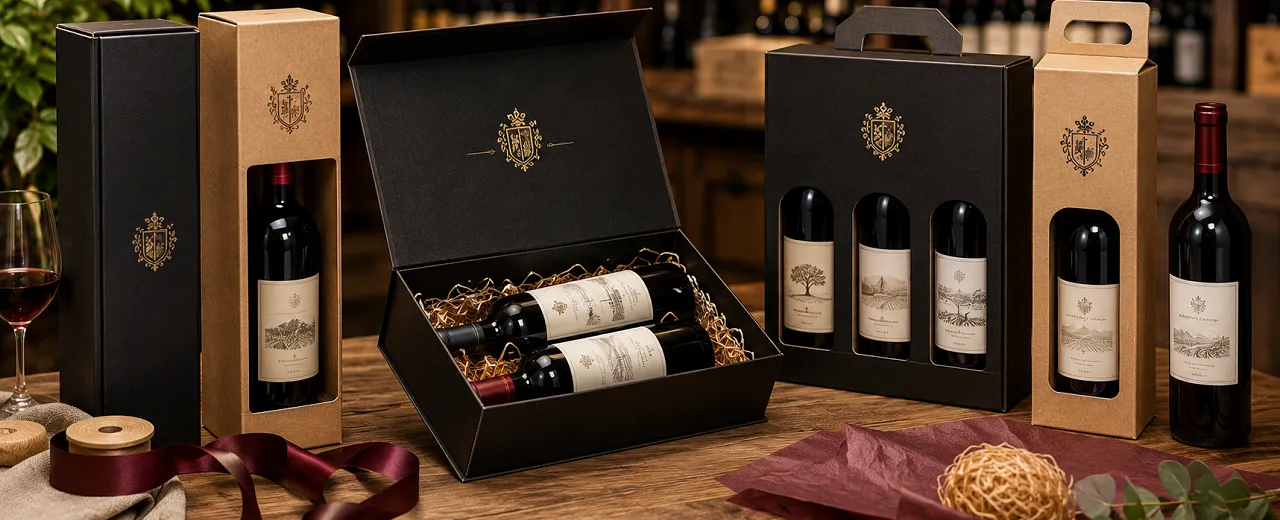
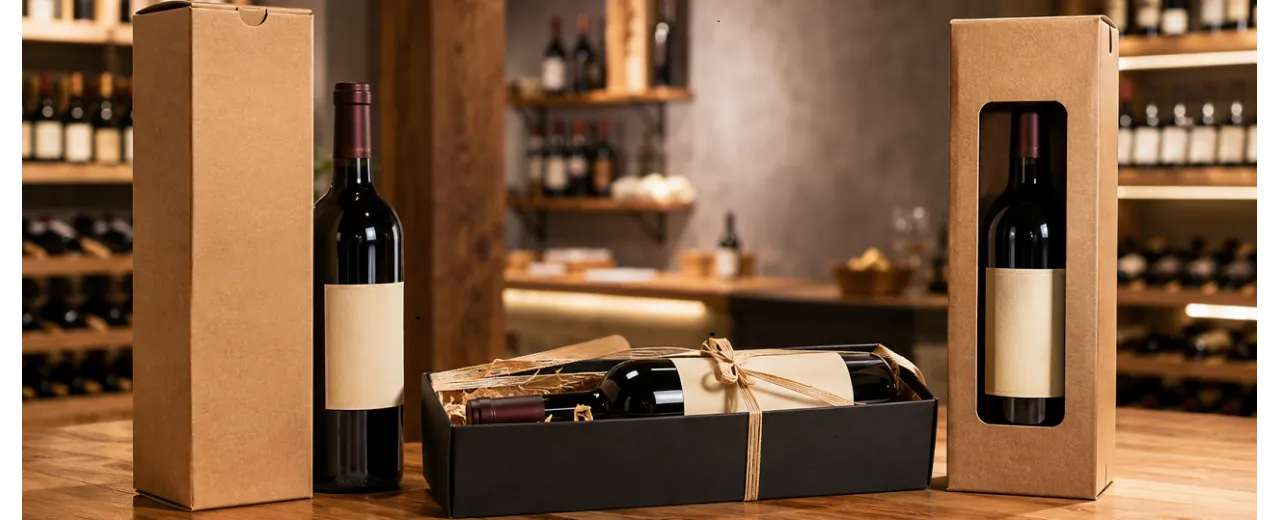
✅Labels for premium products: for wines, perfumes, exclusive packaging.
✅ Certificates and diplomas: for a prestigious and traditional look.
Advantages of Letterpress Printing
✅Elegant and refined relief effect: the prints are tactile and sophisticated.
✅Handcrafted and high-quality look: perfect for luxury products.
✅Durability: quality inks and paper guarantee a long life.
✅Advanced customization: can be combined with gilding, embossing or screen printing techniques.
✅ Use of fine papers: thick, textured supports enhance the final result.
Disadvantages of Letterpress Printing
❌High costs for short runs: Die preparation is expensive.
❌Not suitable for complex colour prints: it is mainly used for flat colours and not for four-colour images.
❌Longer production times: being an artisanal process, it takes longer than digital or offset printing.
❌ Thick paper required: To achieve maximum relief effect, heavy weight paper is required.
Letterpress printing is one of the most valuable and appreciated techniques for its ability to create relief prints with a strong visual and tactile impact. Perfect for luxury business cards, wedding invitations, premium packaging and art prints, this technique combines tradition and craftsmanship, guaranteeing unique and refined results.
If you are looking for a distinctive effect and timeless elegance, letterpress printing is the right choice. However, it is less suitable for large runs or for projects with many colors and complex details.
What is Embossed Printing?
Embossed printing is a technique that allows you to create a three-dimensional effect on paper, through a pressure process that modifies the surface of the printed material. There are two main variants:
- Embossing: positive relief, where the design or text is protruding from the surface of the paper.
- Debossing: negative relief, where the drawing or text is hollowed into the paper, creating an effect of depth.
This technique is often combined with foil stamping, special inks or varnishes to achieve an even more elegant and refined effect.
Working Principle
Embossed printing is done through a mechanical process that uses matrices (clichés) and counter-matrices, usually made of metal or rigid plastic. The procedure is divided into several phases:
- Matrix and countermatrix preparation
- For embossing, the matrix has the positive design, while the countermatrix receives it in negative.
- For debossing, the die is hollowed out and the counter-die is raised.
Paper positioning between matrix and counter matrix
- The paper is placed between the two elements and subjected to high pressure to achieve the desired deformation.
Optional: combination with special inks or hot stamping
- The relief can be left without ink (more natural effect) or combined with hot stamping (foil) to add details in gold, silver or metallic colors.
- It can also be enriched with glossy or pearlescent paints to increase visual contrast.
Materials Used
- Matrices and counter-matrices: made of metal or rigid plastic.
- Heavy weight paper: to obtain a well-defined relief without compromising the strength of the material.
- Metallic foils or special inks (optional): to enhance the relief.
- Embossing/debossing press: machine that applies the necessary pressure to create the relief.
Common Applications
This technique is used in numerous sectors to give a touch of elegance and three-dimensionality to printed materials. Some of the most common uses include:
✅Luxury business cards: to give prestige to the name and logo.
✅Wedding invitations and invitations: for a refined and handcrafted effect.
✅High-end packaging: boxes and packaging of cosmetics, perfumes, wines and luxury products.
✅Book and catalogue covers: to create tactile details and enhance the design.
✅Certificates and diplomas: to add a distinctive touch.
✅ Letterheads and premium stationery: for an exclusive effect in corporate materials.
Advantages of Embossed Printing
✅Aesthetic and elegant effect: it gives three-dimensionality and a touch of luxury.
✅Ink-free for a minimalist design: the relief can be used alone, without the need for color.
✅Possibility of combination with other techniques: it can be combined with hot stamping, UV varnishing and offset printing.
✅ Increased perception of quality: embossed materials are more refined and professional.
Disadvantages of Embossing
❌Higher costs: The preparation of the dies and the printing process increase costs compared to standard techniques.
❌Not suitable for large details: very fine lines or complex elements can lose definition in the relief.
❌High-weight paper required: To prevent the relief from ruining the back of the print, it is important to use thick, high-quality papers.
❌ Longer production times: Compared to digital or offset printing, it takes longer to prepare the dies and process.
Embossing is a prestigious technique that gives elegance and three-dimensionality to printed materials. Perfect for business cards, luxury packaging and art prints, this technique enhances the design with a unique tactile and visual effect.
Although it has higher costs and longer production times than other printing techniques, the end result is a sophisticated, refined and durable product, ideal for those looking for a high-class visual impact.
What is UV Screen Printing and Spot UV Printing?
Silkscreen UV printing and Spot UV are printing techniques that use special varnishes cured with ultraviolet (UV) light, to create shiny and brilliant details on matte surfaces.
This technique is ideal for giving a visual and tactile contrasting effect, creating a strong aesthetic impact. It is widely used in luxury packaging, premium business cards, and exclusive book or catalog covers.
Types of UV Printing
- UV Screen Printing
- It uses the screen printing technique to apply a thick layer of UV varnish to specific areas of the substrate.
- It gives an effect of relief and brilliance, with an evident tactile impact.
Spot UV (or Partial UV Varnishing)
- UV varnish is applied only to certain areas of the design to create a contrast between glossy and matte parts.
- Often used on prints with a matte or soft-touch background to enhance logos, text or images.
Working Principle
The UV printing process takes place in several stages:
- Application of UV varnish
- A clear varnish is applied to the surface of the paper, using a silkscreen or offset paint system.
UV light exposure
- The paint is immediately cured (dried) using ultraviolet light, creating a shiny and resistant effect.
Possible combination with other techniques
- Spot UV can be combined with offset, hot stamping or embossing printing to enhance the design even more.
Materials Used
- UV varnishes: transparent, glossy or opaque.
- Screen printing or offset machines with UV unit: to apply the paint.
- High quality papers: uncoated, coated, soft-touch, matte laminated.
- UV lamps: for immediate drying.
Common Applications
Silkscreen and Spot UV printing is used to give an exclusive touch to printed products. Some examples of application:
✅Luxury Business Cards: Glossy details on a matte background for an elegant effect.
✅Premium packaging: boxes for cosmetics, perfumes, jewelry and high-end products.
✅Book and catalog covers: Enhance titles and logos with shiny details.
✅Brochures and advertising materials: enhance graphic elements or writings for a refined effect.
✅ Wine and spirits labels: shiny details to make labels more attractive.
Advantages of UV Screen Printing and Spot UV Printing
✅Visual and tactile contrast: the mix of glossy and matt surfaces creates a very elegant aesthetic effect.
✅Increased resistance: the UV varnish protects the print from wear and tear, increasing durability.
✅Three-dimensional effect: the silk-screen application creates a slight relief that is perceptible to the touch.
✅ Possibility of customization: the UV varnish can be applied to specific areas to enhance graphic details.
Disadvantages of UV Screen Printing and Spot UV Printing
❌Higher costs: Compared to traditional printing, the UV process requires specialized machinery and materials.
❌Not suitable for short runs: the preparation and application of the varnish requires a minimum of copies to be economically advantageous.
❌Longer production times: Processing requires more steps than offset or digital printing.
❌ Specific supports required: UV varnishes perform better on coated or plasticized papers, less on very absorbent papers.
Silkscreen UV and Spot UV printing is one of the most effective techniques for creating luxury effects and enhancing graphic details. Perfect for premium business cards, high-end packaging and catalogue covers, this technique guarantees a sophisticated and modern aesthetic impact.
If you want a design that attracts attention and enhances the graphics to the maximum, the Spot UV is the perfect choice. However, the need for a small print run and the higher cost compared to other printing solutions must be considered.
What is Industrial Inkjet Printing?
Industrial inkjet printing is a direct printing technology that uses inkjet heads to deposit micro-droplets of ink on the surface of the print media. It is particularly suitable for personalized and variable prints, such as sequential numbering, barcodes, QR codes and unique information on packaging and products.
This method is widely used in the logistics, packaging, labeling and industrial production sectors, as it allows fast and flexible printing directly on different materials, such as paper, cardboard, plastic and metal.
Working Principle
Industrial inkjet printing is based on microjets of ink that are released based on digital pulses. There are two main inkjet printing technologies:
- Drop-on-Demand (DOD)
- Ink is dispensed only when needed, reducing waste and ensuring high definition.
- It can be thermal jet (TIJ) or piezo jet (PIJ).
Continuous Inkjet (CIJ)
- The ink is continuously sprayed and electrostatically deflected to create the desired image.
- Ideal for high-speed applications, such as product marking on production lines.
Materials Used
- Industrial inkjet printers: Configured for high speeds and large print volumes.
- Special inks: water-based, solvent-based, UV or weather-resistant pigments.
- Print media: Paper, cardboard, labels, plastic, aluminum, glass, and porous or non-absorbent surfaces.
Common Applications
Industrial inkjet printing is an extremely versatile technology, used in various sectors for the marking and customization of products and packaging. Some examples include:
✅Printing on packaging and packaging: traceability codes, serial numbers, expiration dates.
✅Variable labels: barcode, QR code, sequential numbering.
✅Pharmaceutical and cosmetic industry: coding of batches and production dates.
✅Marking on industrial materials: printing on plastics, metals and glass.
✅ Print on forms and documents: numbering invoices, checks, tickets and ID cards.
Advantages of Industrial Inkjet Printing
✅Personalization and variability: Allows you to print unique data on each copy.
✅High production speed: ideal for industrial environments and automated production lines.
✅Direct printing on different surfaces: compatible with paper, plastic, metal and glass.
✅No contact with the substrate: it avoids damage to materials and maintains the integrity of the surface.
✅ Suitable for short and long runs: it does not require plates or dies, reducing initial costs.
Disadvantages of Industrial Inkjet Printing
❌Cost of inks: Industrial inkjet inks can be expensive, especially specialty ones that are solvent or UV resistant.
❌Less suitable for high-quality prints on art paper: compared to other technologies such as offset or screen printing.
❌Printhead maintenance: Inkjet heads can become clogged, requiring regular cleaning.
❌ Limited for large surfaces: more suitable for small details rather than large format images.
Industrial inkjet printing is the ideal solution for variable markings, identification codes and quick customizations on products and packaging. Due to its flexibility and speed, it is widely used in the industrial and logistics sectors.
While not the best choice for fine art prints or luxury materials, its ability to print unique data directly onto different surfaces makes it irreplaceable for many technical and manufacturing applications.
Gravure printing: Full description
What is Gravure Printing?
Gravure printing, also known as gravure printing, is a carved printing technique that uses engraved metal cylinders to transfer ink onto paper. It is considered one of the most refined and precise printing technologies, and is mainly used for large print runs and the highest quality prints, such as magazines, catalogues, wrapping paper, packaging and luxury advertising materials.
This technology is particularly effective in reproducing images with intricate details, precise gradients and grayscale prints, ensuring high quality and consistent color reproduction.
Working Principle
Gravure printing is based on a process in which ink is deposited in cavities engraved on a metal printing cylinder. The process is divided into several phases:
- Cylinder engraving
- The design or text is engraved on a copper or steel cylinder by chemical or laser engraving.
- The engraved cavities vary in depth to control the amount of ink deposited, creating perfect shades.
Ink Application
- The engraved cylinder is immersed in a bath of liquid ink.
- A scraper (doctor blade) removes excess ink from the surface, leaving only the ink contained in the engravings.
Transfer to the card
- The glued cylinder prints the image onto the paper by direct pressure, transferring the ink from the engraved cavities.
Quick drying
- The print is immediately dried with hot air or UV lamps to ensure stable and uniform color rendering.
Materials Used
- Copper or steel cylinders: engraved with the design to be printed.
- Fluid inks: solvent or water-based for quick drying.
- Printing media: coated paper, gift wrapping paper, plastic films, cardboard, aluminum and other flexible materials.
- Cleaning Doctor Blades: To remove excess ink and ensure precision in printing.
Common Applications
Thanks to its ability to reproduce details and shades with extreme precision, rotogravure printing is used in the following sectors:
✅High-quality magazines and catalogs: Ensures crisp and detailed images.
✅Wrapping paper and decorative prints: excellent for repeated motifs on large surfaces.
✅Luxury packaging and packaging: boxes, labels, packaging for cosmetics and premium foods.
✅Banknotes and security documents: for its high accuracy and resistance to counterfeiting.
✅ Printed fabrics and plastic laminates: ideal for decorations on synthetic materials.
Advantages of Rotogravure Printing
✅Very high print quality: excellent precision in image reproduction.
✅Consistent colour rendering and fine detail: ideal for photographic and complex prints.
✅Perfect for large runs: the more the quantity increases, the lower the unit cost.
✅Suitable for different materials: paper, plastic, aluminum, cardboard and synthetic films.
✅ Durability of the cylinders: once engraved, the cylinders can be used for millions of copies without losing quality.
Disadvantages of Gravure Printing
❌High start-up costs: Cylinder preparation is expensive and time-consuming.
❌Not cost-effective for short runs: only suitable for very large productions.
❌Longer production times: Cylinders are produced and printing takes longer to start up than other techniques such as offset or digital.
❌ Increased environmental impact: Solvent-based inks can be more polluting than other technologies.
Conclusion
Gravure printing is one of the most precise and sophisticated printing techniques, perfect for high-volume and high-quality prints. Due to its ability to reproduce the finest details, gradients and uniform colours, it is mainly used for magazines, catalogues, wrapping paper and luxury packaging.
Although its start-up cost is high, it becomes extremely affordable for very large runs, making it an ideal choice for businesses that need excellent quality prints in large quantities.
What is Thermographic Printing?
Thermographic printing is a technique that creates a relief effect on the surface of paper through the use of resin powders and heat. The result is a shiny, bright relief print that is very similar to embossed letterpress, but with lower costs and a faster production process.
This technology is particularly used for letterheads, elegant invitations and fine business cards, as it gives a refined and professional effect to printed materials.
Working Principle
Thermographic printing is based on a process in which resin powder is applied to an ink that is still fresh and then melted through heat, creating an embossed effect. The steps in the process are:
- Printing the drawing or text
- The text or graphic pattern is printed on paper with a special slow-drying ink, which allows the resin to adhere.
Application of thermographic powder
- The print is covered with clear or colored resin powders, which stick to the inked areas.
- Excess dust is removed.
Heat fusion
- The paper passes through a thermal oven, which dissolves the powders, creating a glossy and embossed effect on the printed areas.
Cooling and fixing
- After casting, the print is cooled to stabilize the relief and make it strong.
Materials Used
- Slow-drying inks: Allow resin powders to adhere.
- Thermographic powders: transparent, metallic, pearlescent or colored.
- Thermal imaging machines: for powder application and heat fusion.
- High-quality paper: preferably uncoated or textured cardstock to enhance the embossed effect.
Common Applications
Thermographic printing is widely used for prestige printed materials, including:
✅Luxury business cards: with embossed logos or texts for a premium effect.
✅Wedding invitations and invitations: with elegant and refined details.
✅Company letterhead: for a professional and distinctive look.
✅Certificates and diplomas: embossed on logos or seals.
✅ Brochure and catalog covers: to emphasize titles or graphics.
Advantages of Thermographic Printing
✅Elegant and refined relief effect: similar to embossed letterpress printing.
✅Lower cost than traditional embossing printing: as it does not require metal matrices.
✅Valuable visual and tactile rendering: ideal for luxury materials.
✅Possibility of combination with other techniques: it can be combined with offset printing, hot stamping and UV varnishing.
✅ Variety of colours and finishes: thanks to coloured, metallic or transparent powders.
Disadvantages of Thermographic Printing
❌Not suitable for images with very fine details: the edges may be slightly blurred.
❌Slightly uneven surface: Compared to dry printing or embossing, the relief may be less sharp.
❌Not ideal for very large surfaces: better for text and small details.
❌ Not suitable for four-color printing: it is mainly used for monochrome texts and graphics.
Thermographic printing is an elegant and cost-effective solution for a refined and high-quality embossed effect, ideal for business cards, invitations and luxury letterheads. Thanks to its brilliance and unique texture, this technique gives a distinctive touch to printed materials, without the high costs of traditional letterpress printing.
Read more